

Improving Energy Efficiency in Telemetry Sensor Networks
APR 3, 20269 MIN READ
Generate Your Research Report Instantly with AI Agent
PatSnap Eureka helps you evaluate technical feasibility & market potential.
Telemetry Sensor Network Energy Efficiency Background and Goals
Telemetry sensor networks have emerged as critical infrastructure components across numerous industries, from environmental monitoring and industrial automation to smart cities and healthcare systems. These networks consist of spatially distributed sensors that collect, process, and transmit data to central monitoring stations, enabling real-time decision-making and automated control processes. The proliferation of Internet of Things (IoT) applications has dramatically expanded the deployment scale of these networks, with billions of sensors expected to be operational globally within the next decade.
The evolution of telemetry sensor networks has been marked by significant technological advancements over the past two decades. Early systems relied heavily on wired connections and centralized processing architectures, which limited deployment flexibility and scalability. The transition to wireless communication protocols, including ZigBee, LoRaWAN, and cellular technologies, revolutionized network deployment capabilities but introduced new challenges related to power consumption and battery life management.
Energy efficiency has become the paramount concern in modern telemetry sensor network design due to several converging factors. Many sensor nodes operate in remote or inaccessible locations where battery replacement is costly or impractical, making extended operational lifetime a critical requirement. Additionally, the environmental impact of frequent battery disposal and the operational costs associated with maintenance have driven the industry toward more sustainable solutions.
Current energy consumption patterns in telemetry networks reveal that wireless communication typically accounts for 60-80% of total power usage, while sensing and processing functions consume the remainder. This distribution has remained relatively consistent across different network topologies and application domains, highlighting communication optimization as the primary avenue for efficiency improvements.
The primary technical objectives for improving energy efficiency in telemetry sensor networks encompass multiple dimensions of system optimization. Extending network operational lifetime represents the most fundamental goal, with industry targets typically aiming for 5-10 year battery life under normal operating conditions. This objective directly translates to reducing average power consumption by factors of 2-5 compared to current generation systems.
Protocol-level optimization constitutes another critical objective, focusing on developing intelligent communication strategies that minimize unnecessary data transmission while maintaining required service quality levels. Advanced sleep scheduling algorithms, adaptive sampling rates, and hierarchical data aggregation techniques are being pursued to achieve these efficiency gains while preserving network functionality and reliability standards.
The evolution of telemetry sensor networks has been marked by significant technological advancements over the past two decades. Early systems relied heavily on wired connections and centralized processing architectures, which limited deployment flexibility and scalability. The transition to wireless communication protocols, including ZigBee, LoRaWAN, and cellular technologies, revolutionized network deployment capabilities but introduced new challenges related to power consumption and battery life management.
Energy efficiency has become the paramount concern in modern telemetry sensor network design due to several converging factors. Many sensor nodes operate in remote or inaccessible locations where battery replacement is costly or impractical, making extended operational lifetime a critical requirement. Additionally, the environmental impact of frequent battery disposal and the operational costs associated with maintenance have driven the industry toward more sustainable solutions.
Current energy consumption patterns in telemetry networks reveal that wireless communication typically accounts for 60-80% of total power usage, while sensing and processing functions consume the remainder. This distribution has remained relatively consistent across different network topologies and application domains, highlighting communication optimization as the primary avenue for efficiency improvements.
The primary technical objectives for improving energy efficiency in telemetry sensor networks encompass multiple dimensions of system optimization. Extending network operational lifetime represents the most fundamental goal, with industry targets typically aiming for 5-10 year battery life under normal operating conditions. This objective directly translates to reducing average power consumption by factors of 2-5 compared to current generation systems.
Protocol-level optimization constitutes another critical objective, focusing on developing intelligent communication strategies that minimize unnecessary data transmission while maintaining required service quality levels. Advanced sleep scheduling algorithms, adaptive sampling rates, and hierarchical data aggregation techniques are being pursued to achieve these efficiency gains while preserving network functionality and reliability standards.
Market Demand for Energy-Efficient IoT Sensor Solutions
The global Internet of Things market continues to experience unprecedented growth, with sensor networks forming the backbone of countless applications across industries. This expansion has created substantial demand for energy-efficient telemetry sensor solutions, driven by the need to reduce operational costs and extend device lifespans in remote or hard-to-access deployments.
Industrial automation represents one of the largest market segments demanding energy-efficient sensor networks. Manufacturing facilities increasingly rely on wireless sensor arrays for predictive maintenance, environmental monitoring, and process optimization. These applications require sensors to operate continuously for years without battery replacement, making energy efficiency a critical purchasing criterion for industrial buyers.
Smart city initiatives worldwide are generating significant demand for long-lasting sensor networks. Traffic monitoring systems, air quality sensors, and infrastructure health monitoring applications require thousands of distributed sensors that must operate reliably with minimal maintenance. Municipal budgets and sustainability goals drive the preference for energy-efficient solutions that reduce both operational costs and environmental impact.
Agricultural technology markets show rapidly growing adoption of precision farming techniques utilizing extensive sensor networks for soil monitoring, crop health assessment, and irrigation management. Rural deployment scenarios often lack reliable power infrastructure, making battery life and energy harvesting capabilities essential features that directly influence purchasing decisions.
Healthcare and medical device sectors increasingly incorporate remote patient monitoring systems and hospital asset tracking solutions. These applications demand ultra-low power consumption to ensure patient safety and regulatory compliance while maintaining continuous operation. The aging global population and healthcare cost pressures amplify demand for efficient wireless monitoring solutions.
Environmental monitoring applications, including weather stations, seismic sensors, and wildlife tracking systems, require sensors to operate in harsh conditions for extended periods. Research institutions, government agencies, and environmental organizations prioritize energy efficiency to minimize field maintenance and ensure data continuity in critical monitoring applications.
Supply chain and logistics industries drive demand for asset tracking and condition monitoring sensors that must operate throughout global shipping networks. Cold chain monitoring, container tracking, and inventory management applications require sensors with multi-year battery life to maintain visibility across complex distribution networks.
The convergence of sustainability mandates, cost reduction pressures, and technological advancement creates a robust market environment favoring energy-efficient telemetry sensor solutions across these diverse application domains.
Industrial automation represents one of the largest market segments demanding energy-efficient sensor networks. Manufacturing facilities increasingly rely on wireless sensor arrays for predictive maintenance, environmental monitoring, and process optimization. These applications require sensors to operate continuously for years without battery replacement, making energy efficiency a critical purchasing criterion for industrial buyers.
Smart city initiatives worldwide are generating significant demand for long-lasting sensor networks. Traffic monitoring systems, air quality sensors, and infrastructure health monitoring applications require thousands of distributed sensors that must operate reliably with minimal maintenance. Municipal budgets and sustainability goals drive the preference for energy-efficient solutions that reduce both operational costs and environmental impact.
Agricultural technology markets show rapidly growing adoption of precision farming techniques utilizing extensive sensor networks for soil monitoring, crop health assessment, and irrigation management. Rural deployment scenarios often lack reliable power infrastructure, making battery life and energy harvesting capabilities essential features that directly influence purchasing decisions.
Healthcare and medical device sectors increasingly incorporate remote patient monitoring systems and hospital asset tracking solutions. These applications demand ultra-low power consumption to ensure patient safety and regulatory compliance while maintaining continuous operation. The aging global population and healthcare cost pressures amplify demand for efficient wireless monitoring solutions.
Environmental monitoring applications, including weather stations, seismic sensors, and wildlife tracking systems, require sensors to operate in harsh conditions for extended periods. Research institutions, government agencies, and environmental organizations prioritize energy efficiency to minimize field maintenance and ensure data continuity in critical monitoring applications.
Supply chain and logistics industries drive demand for asset tracking and condition monitoring sensors that must operate throughout global shipping networks. Cold chain monitoring, container tracking, and inventory management applications require sensors with multi-year battery life to maintain visibility across complex distribution networks.
The convergence of sustainability mandates, cost reduction pressures, and technological advancement creates a robust market environment favoring energy-efficient telemetry sensor solutions across these diverse application domains.
Current Energy Consumption Challenges in Telemetry Networks
Telemetry sensor networks face significant energy consumption challenges that fundamentally limit their operational effectiveness and deployment scalability. The primary constraint stems from the finite battery capacity of individual sensor nodes, which must support multiple energy-intensive operations including data acquisition, processing, wireless transmission, and network maintenance protocols. Current battery technologies provide limited energy density, creating a bottleneck that restricts network lifetime and requires frequent maintenance interventions.
Wireless communication represents the most substantial energy drain in telemetry networks, often consuming 70-80% of total node energy budget. Traditional radio transceivers operate inefficiently during data transmission phases, particularly when nodes must communicate over extended distances or through challenging environmental conditions. The energy cost increases exponentially with transmission range, forcing network designers to balance coverage requirements against operational longevity.
Data processing and computational tasks impose additional energy burdens on sensor nodes. Modern telemetry applications demand increasingly sophisticated signal processing, data fusion algorithms, and real-time analytics capabilities. These computational requirements strain the limited processing resources of low-power microcontrollers, leading to either compromised functionality or accelerated battery depletion.
Network protocol overhead creates another layer of energy consumption challenges. Essential functions such as routing table maintenance, synchronization protocols, error correction mechanisms, and security implementations require continuous background processing and periodic communication exchanges. These overhead activities consume energy even during periods of minimal data collection, reducing overall network efficiency.
Environmental factors significantly impact energy consumption patterns in deployed telemetry networks. Temperature variations affect battery performance and electronic component efficiency, while electromagnetic interference can force nodes to increase transmission power or implement additional error correction measures. Harsh operating conditions often necessitate more frequent sensor calibration and data validation processes, further increasing energy demands.
The heterogeneous nature of modern telemetry applications compounds energy management complexity. Networks must simultaneously support diverse sensor types with varying sampling rates, data volumes, and quality-of-service requirements. This diversity makes it challenging to implement unified energy optimization strategies across the entire network infrastructure.
Current energy harvesting technologies, while promising, remain insufficient to fully address consumption challenges. Solar panels, vibration harvesters, and thermal generators provide supplementary power but cannot reliably meet the continuous energy demands of active telemetry networks, particularly in indoor or adverse environmental conditions.
Wireless communication represents the most substantial energy drain in telemetry networks, often consuming 70-80% of total node energy budget. Traditional radio transceivers operate inefficiently during data transmission phases, particularly when nodes must communicate over extended distances or through challenging environmental conditions. The energy cost increases exponentially with transmission range, forcing network designers to balance coverage requirements against operational longevity.
Data processing and computational tasks impose additional energy burdens on sensor nodes. Modern telemetry applications demand increasingly sophisticated signal processing, data fusion algorithms, and real-time analytics capabilities. These computational requirements strain the limited processing resources of low-power microcontrollers, leading to either compromised functionality or accelerated battery depletion.
Network protocol overhead creates another layer of energy consumption challenges. Essential functions such as routing table maintenance, synchronization protocols, error correction mechanisms, and security implementations require continuous background processing and periodic communication exchanges. These overhead activities consume energy even during periods of minimal data collection, reducing overall network efficiency.
Environmental factors significantly impact energy consumption patterns in deployed telemetry networks. Temperature variations affect battery performance and electronic component efficiency, while electromagnetic interference can force nodes to increase transmission power or implement additional error correction measures. Harsh operating conditions often necessitate more frequent sensor calibration and data validation processes, further increasing energy demands.
The heterogeneous nature of modern telemetry applications compounds energy management complexity. Networks must simultaneously support diverse sensor types with varying sampling rates, data volumes, and quality-of-service requirements. This diversity makes it challenging to implement unified energy optimization strategies across the entire network infrastructure.
Current energy harvesting technologies, while promising, remain insufficient to fully address consumption challenges. Solar panels, vibration harvesters, and thermal generators provide supplementary power but cannot reliably meet the continuous energy demands of active telemetry networks, particularly in indoor or adverse environmental conditions.
Existing Power Management Solutions for Sensor Networks
01 Energy-efficient data transmission protocols
Implementation of optimized communication protocols that reduce power consumption during data transmission in telemetry sensor networks. These protocols employ techniques such as adaptive transmission power control, duty cycling, and data aggregation to minimize energy expenditure while maintaining reliable communication. The protocols can dynamically adjust transmission parameters based on network conditions and data priority to achieve optimal energy efficiency.- Energy-efficient data transmission protocols: Implementation of optimized communication protocols that reduce power consumption during data transmission in telemetry sensor networks. These protocols employ techniques such as adaptive transmission power control, duty cycling, and efficient routing algorithms to minimize energy expenditure while maintaining reliable data delivery. The protocols can dynamically adjust transmission parameters based on network conditions and data priority to achieve optimal energy efficiency.
- Sleep mode and duty cycle management: Techniques for managing sensor node sleep states and operational duty cycles to conserve battery power. These methods involve scheduling sensor nodes to alternate between active and sleep modes based on monitoring requirements, implementing wake-up mechanisms triggered by specific events, and coordinating sleep schedules across the network to maintain coverage while minimizing overall energy consumption. The approach extends network lifetime significantly by reducing idle power consumption.
- Energy harvesting integration: Integration of energy harvesting technologies to supplement or replace battery power in telemetry sensor networks. These solutions incorporate solar cells, vibration harvesters, thermal generators, or radio frequency energy harvesting to capture ambient energy and convert it into electrical power for sensor operation. Power management circuits optimize the charging and storage of harvested energy to ensure continuous sensor operation with minimal maintenance requirements.
- Data aggregation and compression: Methods for reducing the amount of data transmitted through aggregation and compression techniques at sensor nodes or intermediate collection points. These approaches combine data from multiple sensors, eliminate redundant information, and apply compression algorithms before transmission to reduce communication overhead and associated energy costs. The techniques maintain data integrity while significantly decreasing the number and size of transmissions required.
- Adaptive sensing and sampling strategies: Implementation of intelligent sensing strategies that adjust sampling rates and sensor activation based on environmental conditions and data requirements. These methods use predictive algorithms, event-driven sensing, and adaptive sampling intervals to collect necessary data while minimizing unnecessary sensor activations. The approach balances data quality requirements with energy conservation by focusing sensing resources on periods and locations of greatest interest.
02 Sleep mode and wake-up scheduling mechanisms
Energy conservation strategies that utilize intelligent sleep-wake cycles for sensor nodes in telemetry networks. These mechanisms allow sensors to enter low-power sleep states during periods of inactivity and wake up only when data collection or transmission is required. Scheduling algorithms coordinate the sleep-wake patterns across the network to ensure continuous coverage while maximizing battery life and overall network longevity.Expand Specific Solutions03 Energy harvesting and power management systems
Integration of energy harvesting technologies and advanced power management circuits to supplement or replace traditional battery power in sensor networks. These systems can capture energy from ambient sources and efficiently manage power distribution across network nodes. Power management techniques include voltage regulation, load balancing, and intelligent power allocation to extend operational lifetime and reduce maintenance requirements.Expand Specific Solutions04 Cluster-based network topology optimization
Hierarchical network architectures that organize sensor nodes into clusters to reduce energy consumption through localized data processing and aggregation. Cluster heads are selected based on residual energy levels and network position to balance the energy load across the network. This approach minimizes long-distance transmissions and reduces the overall communication overhead, significantly improving energy efficiency in large-scale telemetry deployments.Expand Specific Solutions05 Adaptive sensing and data compression techniques
Methods for reducing energy consumption through intelligent sensing strategies and data compression algorithms. These techniques include event-driven sensing, adaptive sampling rates based on environmental conditions, and in-network data compression to reduce the volume of transmitted data. By processing and compressing data at the source, these approaches minimize both computational and transmission energy requirements while preserving data quality and accuracy.Expand Specific Solutions
Key Players in Energy-Efficient Sensor Network Industry
The telemetry sensor network energy efficiency market is in a growth phase, driven by increasing IoT deployments and sustainability demands across industries. The market spans billions of dollars globally, encompassing healthcare monitoring, industrial automation, telecommunications infrastructure, and smart grid applications. Technology maturity varies significantly among key players. Established giants like Samsung Electronics, Huawei Technologies, and Siemens AG offer mature, integrated solutions leveraging advanced semiconductor technologies and AI-driven optimization. Telecommunications leaders including Ericsson and Cisco Technology provide robust network infrastructure with energy-efficient protocols. Healthcare specialists like Koninklijke Philips NV focus on medical telemetry optimization. Energy sector players such as State Grid Corp. of China and Jiangsu Electric Power Co. drive smart grid sensor efficiency. Emerging companies like BWR Innovations LLC introduce innovative hydrogen-powered solutions, while measurement technology specialists like VEGA Grieshaber KG contribute precision sensing capabilities. The competitive landscape shows convergence between traditional hardware manufacturers and software-driven optimization approaches.
Samsung Electronics Co., Ltd.
Technical Solution: Samsung's energy efficiency approach focuses on ultra-low-power semiconductor solutions and smart sensor management systems. Their proprietary CMOS sensor technology reduces power consumption by 30-45% compared to conventional sensors through advanced pixel architecture and on-chip processing capabilities. The company has developed adaptive sampling techniques that adjust data collection frequency based on environmental changes, reducing unnecessary power drain. Samsung integrates energy harvesting modules with their sensor nodes, supporting ambient light and thermal energy conversion with efficiency rates of 15-20%. Their machine learning algorithms optimize network topology dynamically, reducing communication energy by up to 35% through intelligent routing and data compression.
Strengths: Advanced semiconductor technology, strong R&D capabilities, cost-effective solutions. Weaknesses: Limited focus on industrial applications, dependency on consumer market trends.
Huawei Technologies Co., Ltd.
Technical Solution: Huawei has developed comprehensive energy-efficient solutions for telemetry sensor networks through their IoT platform and 5G technologies. Their approach includes adaptive duty cycling algorithms that can reduce sensor power consumption by up to 70% while maintaining data quality. The company implements hierarchical network architectures with intelligent data aggregation at edge nodes, reducing transmission overhead by 40-60%. Their energy harvesting integration supports solar and vibration-based power sources, extending battery life significantly. Huawei's AI-driven predictive maintenance algorithms optimize sensor operation schedules based on environmental conditions and data criticality, achieving up to 50% energy savings in large-scale deployments.
Strengths: Strong integration with 5G infrastructure, comprehensive IoT ecosystem, advanced AI algorithms. Weaknesses: Higher initial deployment costs, complex system integration requirements.
Core Innovations in Ultra-Low Power Telemetry Systems
Method for transmitting data and method for receiving data
PatentInactiveUS20100142497A1
Innovation
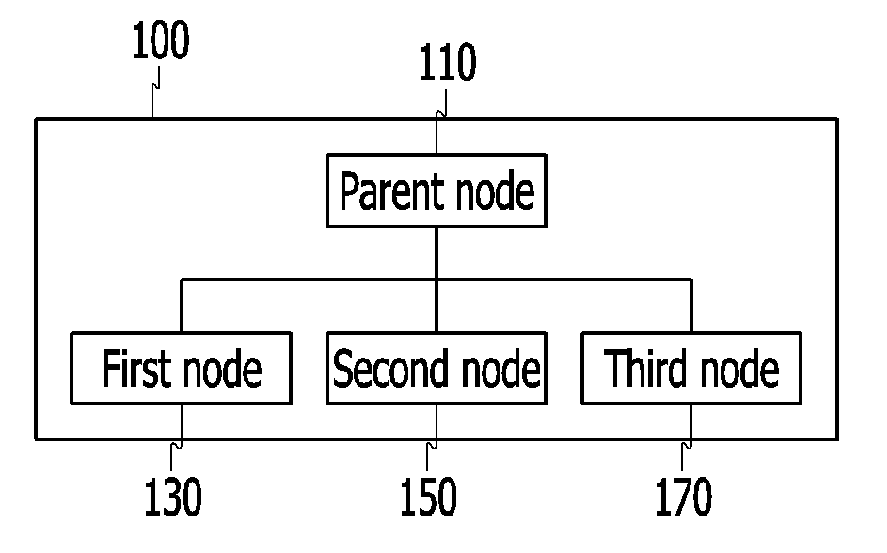
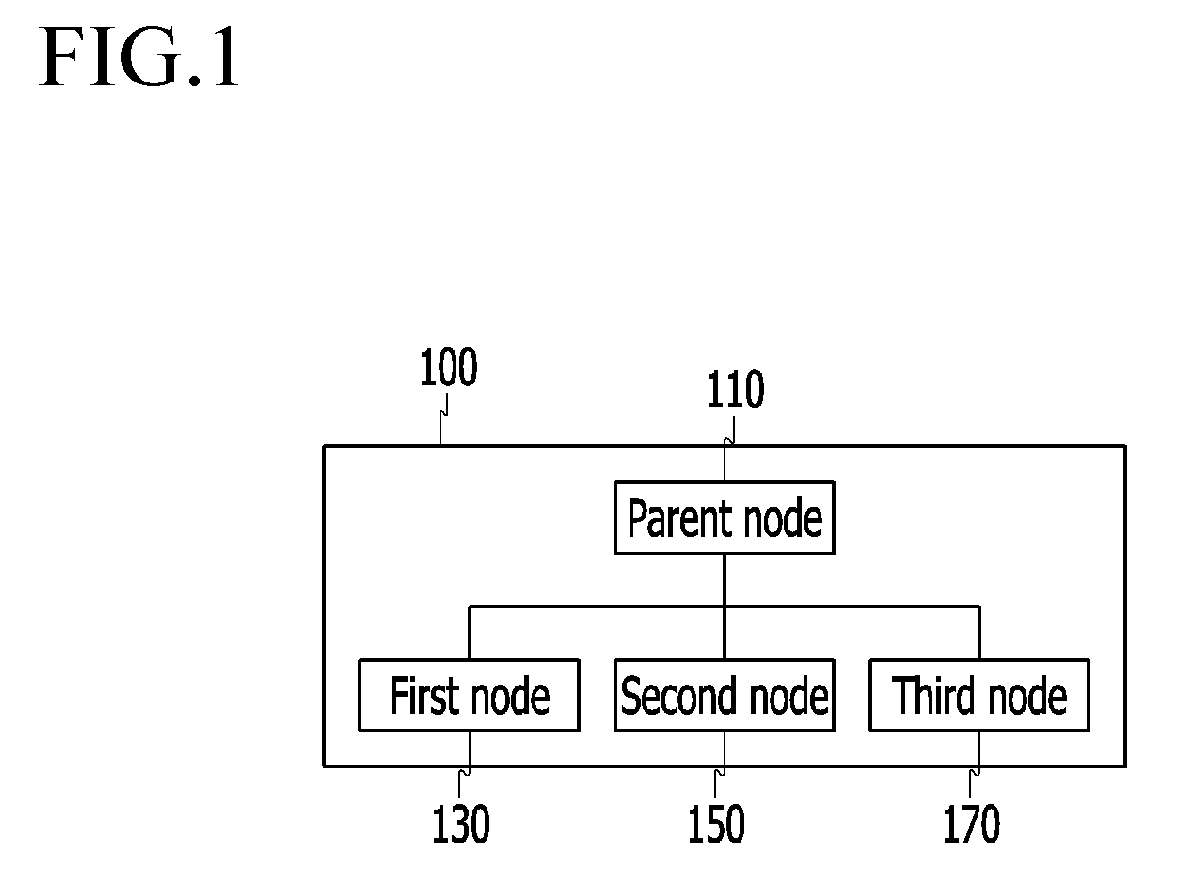
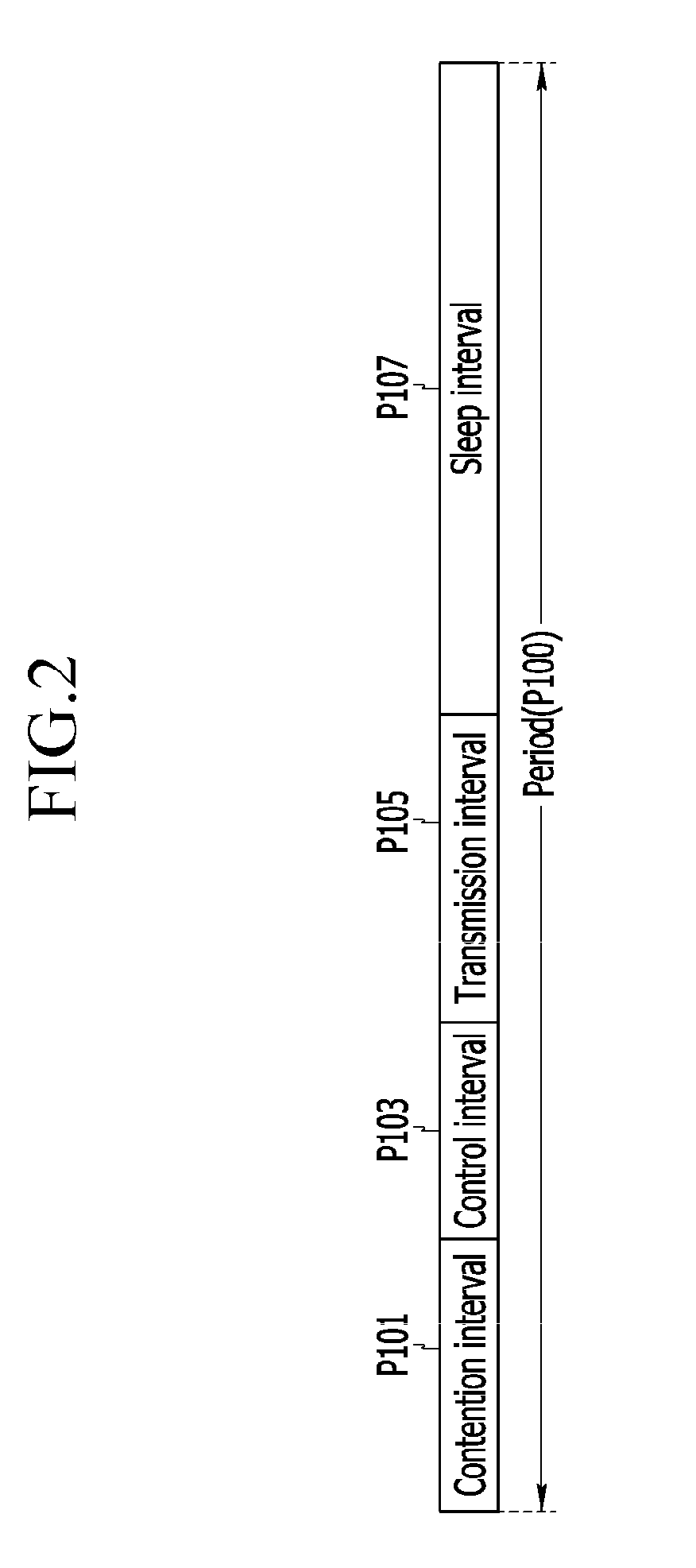
- A method where a parent node in a sensor network receives data from child nodes by broadcasting channel allocation information and maintaining a sleep mode, allowing child nodes to transmit data in reserved intervals without collisions, thereby optimizing the duty cycle and reducing energy consumption.

Operating method of wireless sensor networks considering energy efficiency
PatentActiveUS7916017B2
Innovation
- A method that selects cluster heads based on residual energy levels, prioritizing nodes with higher energy reserves and transmitting data only when necessary, to form clusters and manage energy consumption efficiently.


Wireless Communication Standards for Low-Power Networks
The landscape of wireless communication standards for low-power networks has evolved significantly to address the unique requirements of telemetry sensor networks. These standards prioritize energy conservation while maintaining reliable data transmission capabilities across diverse deployment scenarios.
IEEE 802.15.4 serves as the foundational standard for low-power wireless personal area networks, providing the physical and media access control layers for numerous higher-level protocols. This standard operates in unlicensed frequency bands including 2.4 GHz globally and sub-GHz bands regionally, offering data rates from 20 kbps to 250 kbps with inherent power management features.
ZigBee, built upon IEEE 802.15.4, implements mesh networking capabilities with sophisticated power management algorithms. The standard supports three device types: coordinators, routers, and end devices, where end devices can enter sleep modes for extended periods while maintaining network connectivity. ZigBee 3.0 unified various application profiles and enhanced interoperability across different manufacturers.
Thread protocol represents a newer approach, utilizing IPv6-based mesh networking with robust security features. It incorporates sleepy end device functionality, allowing sensors to operate on battery power for years while participating in self-healing mesh networks. Thread's integration with Internet protocols facilitates seamless cloud connectivity for telemetry applications.
LoRaWAN (Long Range Wide Area Network) addresses wide-area, low-power requirements through its unique chirp spread spectrum modulation. The protocol supports three device classes with varying power consumption profiles, enabling telemetry sensors to achieve transmission ranges exceeding 10 kilometers in rural environments while maintaining battery life measured in years.
Narrowband IoT (NB-IoT) leverages existing cellular infrastructure to provide standardized low-power connectivity. Operating within licensed spectrum bands, NB-IoT offers enhanced coverage, improved penetration in challenging environments, and power-saving modes including Power Saving Mode and extended Discontinuous Reception cycles specifically designed for telemetry applications.
Sigfox represents an ultra-narrowband technology optimized for small data payloads typical in telemetry scenarios. Its star network topology and simplified protocol stack minimize device complexity and power consumption, though it limits bidirectional communication capabilities compared to other standards.
IEEE 802.15.4 serves as the foundational standard for low-power wireless personal area networks, providing the physical and media access control layers for numerous higher-level protocols. This standard operates in unlicensed frequency bands including 2.4 GHz globally and sub-GHz bands regionally, offering data rates from 20 kbps to 250 kbps with inherent power management features.
ZigBee, built upon IEEE 802.15.4, implements mesh networking capabilities with sophisticated power management algorithms. The standard supports three device types: coordinators, routers, and end devices, where end devices can enter sleep modes for extended periods while maintaining network connectivity. ZigBee 3.0 unified various application profiles and enhanced interoperability across different manufacturers.
Thread protocol represents a newer approach, utilizing IPv6-based mesh networking with robust security features. It incorporates sleepy end device functionality, allowing sensors to operate on battery power for years while participating in self-healing mesh networks. Thread's integration with Internet protocols facilitates seamless cloud connectivity for telemetry applications.
LoRaWAN (Long Range Wide Area Network) addresses wide-area, low-power requirements through its unique chirp spread spectrum modulation. The protocol supports three device classes with varying power consumption profiles, enabling telemetry sensors to achieve transmission ranges exceeding 10 kilometers in rural environments while maintaining battery life measured in years.
Narrowband IoT (NB-IoT) leverages existing cellular infrastructure to provide standardized low-power connectivity. Operating within licensed spectrum bands, NB-IoT offers enhanced coverage, improved penetration in challenging environments, and power-saving modes including Power Saving Mode and extended Discontinuous Reception cycles specifically designed for telemetry applications.
Sigfox represents an ultra-narrowband technology optimized for small data payloads typical in telemetry scenarios. Its star network topology and simplified protocol stack minimize device complexity and power consumption, though it limits bidirectional communication capabilities compared to other standards.
Environmental Impact Assessment of Sensor Network Deployment
The deployment of telemetry sensor networks presents significant environmental considerations that must be carefully evaluated throughout the entire lifecycle of these systems. While these networks offer substantial benefits for environmental monitoring and resource optimization, their physical installation and operational requirements can generate both positive and negative environmental impacts that require comprehensive assessment.
Manufacturing and material sourcing represent the initial environmental impact phase. Sensor nodes typically contain electronic components requiring rare earth elements, metals, and plastics whose extraction and processing contribute to carbon emissions and ecosystem disruption. The production of batteries, circuit boards, and protective housings involves energy-intensive manufacturing processes that generate greenhouse gases and industrial waste. However, the environmental cost per unit has decreased significantly as manufacturing scales have increased and production efficiency has improved.
Physical deployment activities create temporary but measurable environmental disturbances. Installation processes may require vegetation clearing, soil excavation, or structural modifications that can disrupt local ecosystems and wildlife habitats. In sensitive environments such as protected forests or wetlands, deployment activities must be carefully planned to minimize habitat fragmentation and species displacement. The use of wireless communication reduces the need for extensive cable infrastructure, thereby limiting ground disturbance compared to traditional wired monitoring systems.
Operational energy consumption constitutes the most significant long-term environmental impact. Traditional sensor networks relying on battery power or grid electricity contribute to ongoing carbon emissions throughout their operational lifetime. However, the integration of energy harvesting technologies, including solar panels, wind generators, and thermoelectric devices, can substantially reduce or eliminate these emissions. Networks designed with energy-efficient protocols and low-power components demonstrate significantly lower environmental footprints while maintaining operational effectiveness.
End-of-life management presents both challenges and opportunities for environmental stewardship. Proper disposal and recycling of electronic components prevent toxic materials from entering landfills and groundwater systems. The modular design of modern sensor networks facilitates component recovery and refurbishment, extending useful life and reducing waste generation. Emerging circular economy approaches enable manufacturers to reclaim valuable materials for new device production, creating closed-loop systems that minimize resource consumption and environmental impact.
Manufacturing and material sourcing represent the initial environmental impact phase. Sensor nodes typically contain electronic components requiring rare earth elements, metals, and plastics whose extraction and processing contribute to carbon emissions and ecosystem disruption. The production of batteries, circuit boards, and protective housings involves energy-intensive manufacturing processes that generate greenhouse gases and industrial waste. However, the environmental cost per unit has decreased significantly as manufacturing scales have increased and production efficiency has improved.
Physical deployment activities create temporary but measurable environmental disturbances. Installation processes may require vegetation clearing, soil excavation, or structural modifications that can disrupt local ecosystems and wildlife habitats. In sensitive environments such as protected forests or wetlands, deployment activities must be carefully planned to minimize habitat fragmentation and species displacement. The use of wireless communication reduces the need for extensive cable infrastructure, thereby limiting ground disturbance compared to traditional wired monitoring systems.
Operational energy consumption constitutes the most significant long-term environmental impact. Traditional sensor networks relying on battery power or grid electricity contribute to ongoing carbon emissions throughout their operational lifetime. However, the integration of energy harvesting technologies, including solar panels, wind generators, and thermoelectric devices, can substantially reduce or eliminate these emissions. Networks designed with energy-efficient protocols and low-power components demonstrate significantly lower environmental footprints while maintaining operational effectiveness.
End-of-life management presents both challenges and opportunities for environmental stewardship. Proper disposal and recycling of electronic components prevent toxic materials from entering landfills and groundwater systems. The modular design of modern sensor networks facilitates component recovery and refurbishment, extending useful life and reducing waste generation. Emerging circular economy approaches enable manufacturers to reclaim valuable materials for new device production, creating closed-loop systems that minimize resource consumption and environmental impact.
Unlock deeper insights with PatSnap Eureka Quick Research — get a full tech report to explore trends and direct your research. Try now!
Generate Your Research Report Instantly with AI Agent
Supercharge your innovation with PatSnap Eureka AI Agent Platform!