

Landing Gear Surface Coating for Rust Prevention
FEB 13, 20269 MIN READ
Generate Your Research Report Instantly with AI Agent
PatSnap Eureka helps you evaluate technical feasibility & market potential.
Landing Gear Coating Technology Background and Objectives
Landing gear systems represent one of the most critical structural components in aircraft, subjected to extreme operational stresses including high-impact loads during takeoff and landing, exposure to diverse environmental conditions, and constant contact with moisture, de-icing chemicals, and corrosive agents. The structural integrity of landing gear directly impacts flight safety, making corrosion prevention a paramount concern in aerospace engineering. Historically, landing gear components have been vulnerable to various forms of corrosion, including pitting, stress corrosion cracking, and general surface degradation, which can compromise mechanical properties and lead to catastrophic failures if left unaddressed.
The evolution of landing gear coating technology has progressed through several distinct phases, beginning with basic paint systems in early aviation, advancing to electroplated hard chrome coatings in the mid-20th century, and more recently incorporating advanced thermal spray technologies and multi-layer coating systems. Traditional chromium plating, while effective, has faced increasing regulatory scrutiny due to environmental and health concerns associated with hexavalent chromium compounds, driving the industry toward alternative solutions that maintain or exceed performance standards while addressing sustainability requirements.
Current technological objectives in landing gear surface coating focus on developing environmentally compliant alternatives that deliver superior corrosion resistance, enhanced wear properties, and extended service life. The primary goal is to achieve coatings that can withstand the harsh operational environment of landing gear systems, including resistance to hydraulic fluids, jet fuels, de-icing agents, and saltwater exposure, while maintaining dimensional stability and fatigue resistance. Additionally, the industry seeks coating solutions that reduce maintenance intervals, lower lifecycle costs, and support predictive maintenance strategies through improved durability and performance monitoring capabilities.
The technical targets encompass achieving coating systems with corrosion resistance exceeding 1000 hours in salt spray testing, maintaining adhesion strength above 70 MPa, and ensuring compatibility with high-strength steel and aluminum alloys commonly used in landing gear construction. Furthermore, objectives include developing application processes that ensure uniform coverage on complex geometries, minimize coating thickness variations, and enable efficient repair and refurbishment procedures. The integration of smart coating technologies with self-healing properties and corrosion indication capabilities represents an emerging objective that aligns with the broader digitalization trends in aerospace maintenance and monitoring systems.
The evolution of landing gear coating technology has progressed through several distinct phases, beginning with basic paint systems in early aviation, advancing to electroplated hard chrome coatings in the mid-20th century, and more recently incorporating advanced thermal spray technologies and multi-layer coating systems. Traditional chromium plating, while effective, has faced increasing regulatory scrutiny due to environmental and health concerns associated with hexavalent chromium compounds, driving the industry toward alternative solutions that maintain or exceed performance standards while addressing sustainability requirements.
Current technological objectives in landing gear surface coating focus on developing environmentally compliant alternatives that deliver superior corrosion resistance, enhanced wear properties, and extended service life. The primary goal is to achieve coatings that can withstand the harsh operational environment of landing gear systems, including resistance to hydraulic fluids, jet fuels, de-icing agents, and saltwater exposure, while maintaining dimensional stability and fatigue resistance. Additionally, the industry seeks coating solutions that reduce maintenance intervals, lower lifecycle costs, and support predictive maintenance strategies through improved durability and performance monitoring capabilities.
The technical targets encompass achieving coating systems with corrosion resistance exceeding 1000 hours in salt spray testing, maintaining adhesion strength above 70 MPa, and ensuring compatibility with high-strength steel and aluminum alloys commonly used in landing gear construction. Furthermore, objectives include developing application processes that ensure uniform coverage on complex geometries, minimize coating thickness variations, and enable efficient repair and refurbishment procedures. The integration of smart coating technologies with self-healing properties and corrosion indication capabilities represents an emerging objective that aligns with the broader digitalization trends in aerospace maintenance and monitoring systems.
Market Demand for Corrosion-Resistant Landing Gear Solutions
The aviation industry faces mounting pressure to enhance the durability and reliability of landing gear systems, driven by escalating operational costs and stringent safety regulations. Corrosion remains one of the most critical challenges affecting landing gear performance, as these components endure extreme environmental conditions including moisture, salt spray, temperature fluctuations, and mechanical stress during takeoff and landing cycles. The degradation of landing gear surfaces not only compromises structural integrity but also leads to increased maintenance frequency, unplanned downtime, and elevated lifecycle costs for aircraft operators.
Commercial aviation operators are particularly sensitive to maintenance-related expenses, which constitute a substantial portion of total operating costs. Airlines and maintenance, repair, and overhaul facilities are actively seeking advanced surface coating solutions that can extend inspection intervals and reduce the frequency of component replacement. The demand is further amplified by the growing global fleet size, with both narrow-body and wide-body aircraft requiring robust corrosion protection systems that can withstand diverse operational environments ranging from coastal regions to industrial zones.
Military aviation presents another significant market segment where corrosion-resistant landing gear solutions are essential. Naval aircraft operating in maritime environments face accelerated corrosion rates due to constant exposure to saltwater and humidity. Defense organizations worldwide are investing in advanced coating technologies that can maintain operational readiness while reducing maintenance burden and extending component service life. The emphasis on mission availability and reduced logistical footprint drives demand for high-performance protective coatings.
The business aviation and helicopter sectors also contribute to market demand, particularly for operators in offshore oil and gas industries where corrosive environments are prevalent. Regional carriers operating in tropical and coastal climates require enhanced protection against atmospheric corrosion. Additionally, aging aircraft fleets necessitate retrofitting with improved coating systems to extend their operational lifespan economically.
Regulatory frameworks and environmental considerations further shape market demand. Aviation authorities mandate rigorous corrosion prevention programs, while environmental regulations push for coating solutions that eliminate or reduce hazardous substances such as hexavalent chromium. This regulatory landscape creates opportunities for innovative, environmentally compliant coating technologies that meet both performance and sustainability requirements.
Commercial aviation operators are particularly sensitive to maintenance-related expenses, which constitute a substantial portion of total operating costs. Airlines and maintenance, repair, and overhaul facilities are actively seeking advanced surface coating solutions that can extend inspection intervals and reduce the frequency of component replacement. The demand is further amplified by the growing global fleet size, with both narrow-body and wide-body aircraft requiring robust corrosion protection systems that can withstand diverse operational environments ranging from coastal regions to industrial zones.
Military aviation presents another significant market segment where corrosion-resistant landing gear solutions are essential. Naval aircraft operating in maritime environments face accelerated corrosion rates due to constant exposure to saltwater and humidity. Defense organizations worldwide are investing in advanced coating technologies that can maintain operational readiness while reducing maintenance burden and extending component service life. The emphasis on mission availability and reduced logistical footprint drives demand for high-performance protective coatings.
The business aviation and helicopter sectors also contribute to market demand, particularly for operators in offshore oil and gas industries where corrosive environments are prevalent. Regional carriers operating in tropical and coastal climates require enhanced protection against atmospheric corrosion. Additionally, aging aircraft fleets necessitate retrofitting with improved coating systems to extend their operational lifespan economically.
Regulatory frameworks and environmental considerations further shape market demand. Aviation authorities mandate rigorous corrosion prevention programs, while environmental regulations push for coating solutions that eliminate or reduce hazardous substances such as hexavalent chromium. This regulatory landscape creates opportunities for innovative, environmentally compliant coating technologies that meet both performance and sustainability requirements.
Current Status and Challenges in Anti-Corrosion Coating Technologies
Landing gear components operate in highly demanding environments characterized by extreme mechanical stress, temperature fluctuations, moisture exposure, and chemical contamination from hydraulic fluids and de-icing agents. Current anti-corrosion coating technologies have made significant progress in protecting these critical aircraft components, yet several persistent challenges continue to limit their effectiveness and longevity.
The predominant coating systems currently employed include cadmium plating, chromate conversion coatings, and various organic polymer-based solutions. Cadmium plating has historically been the industry standard due to its excellent sacrificial protection and self-healing properties. However, environmental regulations and health concerns have driven the aerospace industry toward alternative solutions. Hexavalent chromium-based treatments, while highly effective, face similar regulatory pressures due to their toxicity and carcinogenic properties.
Modern replacement technologies such as trivalent chromium processes, zinc-nickel alloy coatings, and advanced polymer systems have emerged as viable alternatives. These solutions demonstrate improved environmental profiles but often compromise on performance characteristics. Zinc-nickel coatings provide adequate corrosion resistance but require precise application parameters and may exhibit reduced adhesion under cyclic loading conditions. Epoxy and polyurethane-based topcoats offer chemical resistance but can suffer from brittleness and cracking under mechanical stress.
A critical challenge facing current coating technologies is achieving optimal adhesion to complex landing gear geometries while maintaining uniform thickness distribution. The intricate designs of modern landing gear assemblies, featuring deep recesses, sharp edges, and internal cavities, create application difficulties that result in coating discontinuities and vulnerable areas. Additionally, the interface between substrate and coating remains susceptible to delamination under the combined effects of mechanical fatigue and environmental exposure.
Durability under operational conditions presents another significant obstacle. Landing gear experiences repeated compression and extension cycles, ground impact forces, and exposure to abrasive runway debris. These factors accelerate coating degradation through mechanical wear, micro-cracking, and eventual substrate exposure. Current coating systems typically require maintenance intervals of 18 to 36 months, imposing substantial operational costs and aircraft downtime.
Furthermore, the detection and assessment of coating degradation remain technically challenging. Traditional visual inspection methods cannot reliably identify subsurface defects or early-stage corrosion initiation, necessitating the development of advanced non-destructive evaluation techniques integrated with coating systems.
The predominant coating systems currently employed include cadmium plating, chromate conversion coatings, and various organic polymer-based solutions. Cadmium plating has historically been the industry standard due to its excellent sacrificial protection and self-healing properties. However, environmental regulations and health concerns have driven the aerospace industry toward alternative solutions. Hexavalent chromium-based treatments, while highly effective, face similar regulatory pressures due to their toxicity and carcinogenic properties.
Modern replacement technologies such as trivalent chromium processes, zinc-nickel alloy coatings, and advanced polymer systems have emerged as viable alternatives. These solutions demonstrate improved environmental profiles but often compromise on performance characteristics. Zinc-nickel coatings provide adequate corrosion resistance but require precise application parameters and may exhibit reduced adhesion under cyclic loading conditions. Epoxy and polyurethane-based topcoats offer chemical resistance but can suffer from brittleness and cracking under mechanical stress.
A critical challenge facing current coating technologies is achieving optimal adhesion to complex landing gear geometries while maintaining uniform thickness distribution. The intricate designs of modern landing gear assemblies, featuring deep recesses, sharp edges, and internal cavities, create application difficulties that result in coating discontinuities and vulnerable areas. Additionally, the interface between substrate and coating remains susceptible to delamination under the combined effects of mechanical fatigue and environmental exposure.
Durability under operational conditions presents another significant obstacle. Landing gear experiences repeated compression and extension cycles, ground impact forces, and exposure to abrasive runway debris. These factors accelerate coating degradation through mechanical wear, micro-cracking, and eventual substrate exposure. Current coating systems typically require maintenance intervals of 18 to 36 months, imposing substantial operational costs and aircraft downtime.
Furthermore, the detection and assessment of coating degradation remain technically challenging. Traditional visual inspection methods cannot reliably identify subsurface defects or early-stage corrosion initiation, necessitating the development of advanced non-destructive evaluation techniques integrated with coating systems.
Mainstream Coating Solutions for Landing Gear Rust Prevention
01 Multi-layer coating systems for corrosion protection
Landing gear surfaces can be protected using multi-layer coating systems that typically include a primer layer, intermediate layers, and a topcoat. The primer layer provides adhesion and initial corrosion resistance, while intermediate layers offer additional barrier protection. The topcoat provides environmental resistance and durability. This layered approach creates multiple barriers against moisture, salt, and other corrosive elements, significantly enhancing the rust prevention capabilities of the coating system.- Multi-layer coating systems for corrosion protection: Multi-layer coating systems can be applied to landing gear surfaces to provide enhanced rust prevention. These systems typically include a primer layer for adhesion and corrosion resistance, an intermediate layer for additional protection, and a topcoat for environmental resistance. The combination of multiple layers creates a comprehensive barrier against moisture, salt, and other corrosive elements. This approach ensures long-term durability and protection of landing gear components in harsh operating conditions.
- Use of chromate-free conversion coatings: Chromate-free conversion coatings provide an environmentally friendly alternative for landing gear surface treatment. These coatings form a protective layer through chemical conversion of the metal surface, offering excellent corrosion resistance without the environmental and health concerns associated with hexavalent chromium. The conversion coatings can serve as a base layer for subsequent paint systems or as standalone protection, providing both corrosion resistance and improved paint adhesion.
- Application of zinc-rich primer coatings: Zinc-rich primer coatings offer cathodic protection to landing gear surfaces by incorporating high concentrations of zinc particles in the coating matrix. When applied to steel substrates, the zinc acts as a sacrificial anode, corroding preferentially to protect the underlying metal. These primers provide excellent adhesion to metal surfaces and serve as an effective base coat for additional protective layers. The zinc content creates a galvanic protection mechanism that significantly extends the service life of landing gear components.
- Incorporation of corrosion inhibitors in coating formulations: Corrosion inhibitors can be incorporated into coating formulations to provide active protection against rust formation on landing gear surfaces. These inhibitors work by forming protective films on metal surfaces, neutralizing corrosive agents, or creating barriers that prevent moisture and oxygen from reaching the substrate. Various types of inhibitors including organic compounds, inorganic salts, and nano-particles can be used to enhance the anti-corrosion properties of the coating system while maintaining mechanical properties and adhesion.
- Surface preparation and pretreatment methods: Proper surface preparation and pretreatment are critical for achieving optimal rust prevention on landing gear components. Methods include mechanical cleaning such as grit blasting or grinding to remove existing corrosion and contaminants, followed by chemical treatments to enhance surface reactivity and coating adhesion. Phosphating, anodizing, or plasma treatment processes can be employed to create a modified surface layer that improves both corrosion resistance and the bonding of subsequent coating layers. These pretreatment steps ensure maximum effectiveness of the protective coating system.
02 Chromate-free corrosion inhibitive coatings
Modern landing gear coatings utilize environmentally friendly chromate-free formulations that incorporate alternative corrosion inhibitors. These formulations may include organic inhibitors, rare earth compounds, or other non-toxic alternatives that provide effective corrosion protection without the environmental and health concerns associated with traditional chromate-based systems. These coatings maintain high performance standards while meeting current environmental regulations.Expand Specific Solutions03 Zinc-rich primer coatings for cathodic protection
Zinc-rich primer coatings provide sacrificial cathodic protection to landing gear surfaces. These coatings contain high concentrations of zinc particles that preferentially corrode instead of the underlying metal substrate. When the coating is damaged or scratched, the zinc particles provide galvanic protection to exposed areas, preventing rust formation on the base metal. This type of coating is particularly effective for high-stress areas of landing gear.Expand Specific Solutions04 Epoxy-based coating compositions with enhanced adhesion
Epoxy-based coating systems offer excellent adhesion to metal substrates and superior chemical resistance for landing gear applications. These coatings can be formulated with various additives to enhance their mechanical properties, flexibility, and corrosion resistance. The epoxy matrix provides a dense, impermeable barrier that prevents moisture and corrosive agents from reaching the metal surface, while maintaining strong bonding even under mechanical stress and thermal cycling.Expand Specific Solutions05 Surface pretreatment and conversion coating processes
Effective rust prevention begins with proper surface pretreatment methods that include cleaning, degreasing, and application of conversion coatings. These pretreatment processes create a chemically modified surface layer that enhances coating adhesion and provides additional corrosion resistance. Conversion coatings form a thin, adherent layer on the metal surface that serves as an excellent base for subsequent coating layers and improves overall system performance and longevity.Expand Specific Solutions
Major Players in Aerospace Coating Industry
The landing gear surface coating for rust prevention sector represents a mature yet evolving market driven by stringent aerospace safety standards and increasing demand for corrosion-resistant solutions. The competitive landscape is dominated by established aerospace manufacturers like Safran Landing Systems and Airbus Operations Ltd., alongside major materials suppliers including Nippon Steel Corp., Kansai Paint Co., and PPG Industries Ohio Inc. Technology maturity varies across players, with Safran Landing Systems and Goodrich Corp. demonstrating advanced coating application expertise, while companies like Hubei Chaozhuo Aviation Technology leverage additive manufacturing innovations. The market shows consolidation among tier-one suppliers, with automotive giants such as Mercedes-Benz Group AG, Nissan Motor, and Honda Motor driving cross-industry coating technology transfer. Supporting players like NSK Ltd., NTN Corp., and NOK Corp. contribute specialized bearing and seal coating solutions, while research institutions including Beijing University of Technology advance next-generation corrosion-resistant materials, indicating ongoing technological advancement despite market maturity.
Safran Landing Systems SAS
Technical Solution: Safran Landing Systems employs advanced multi-layer coating systems specifically designed for landing gear components to prevent corrosion in harsh operational environments. Their technical solution integrates cadmium-free alternatives including zinc-nickel alloy coatings with chromate conversion layers, followed by organic topcoats that provide enhanced barrier protection. The coating process utilizes electroplating techniques combined with thermal spray technology for critical load-bearing surfaces. Their system incorporates sacrificial protection mechanisms where the coating acts as an anode to protect the underlying steel substrate. The company has developed proprietary surface preparation protocols including shot peening and chemical cleaning to ensure optimal coating adhesion. Additionally, they implement quality control measures using salt spray testing and electrochemical impedance spectroscopy to validate coating performance and durability under simulated service conditions.
Strengths: Industry-leading expertise in landing gear systems with comprehensive understanding of operational stress factors; proven track record in aerospace applications with regulatory compliance. Weaknesses: Higher implementation costs compared to conventional coating methods; complex application processes requiring specialized equipment and trained personnel.
Airbus Operations Ltd.
Technical Solution: Airbus Operations has implemented advanced surface coating technologies for landing gear components as part of their integrated aircraft manufacturing processes. Their technical solution emphasizes the use of environmentally sustainable coating systems that eliminate hazardous substances while maintaining superior corrosion protection. The approach includes the application of trivalent chromium-based conversion coatings as an alternative to hexavalent chromium treatments, combined with high-performance organic coating systems. Airbus utilizes automated coating application systems with precise control over film thickness and uniformity to ensure consistent quality across large production volumes. Their coating specifications incorporate multi-layer architectures with primer, intermediate, and topcoat layers, each engineered for specific functional requirements including corrosion resistance, wear protection, and aesthetic appearance. The company conducts accelerated aging tests and field performance monitoring to continuously validate and improve coating durability under actual service conditions. Airbus also collaborates with coating suppliers to develop next-generation solutions incorporating smart coating technologies with self-healing capabilities and embedded sensors for condition monitoring.
Strengths: Integration of coating technology within complete aircraft design and manufacturing ecosystem; access to extensive operational data for performance validation; strong focus on sustainability and environmental compliance. Weaknesses: Coating solutions primarily optimized for Airbus aircraft platforms may require adaptation for other applications; high qualification barriers for alternative coating systems.
Key Patents in Advanced Anti-Corrosion Coating Systems
Preparation method for coating material for strengthening and repairing airplane landing gear
PatentActiveCN104928676A
Innovation
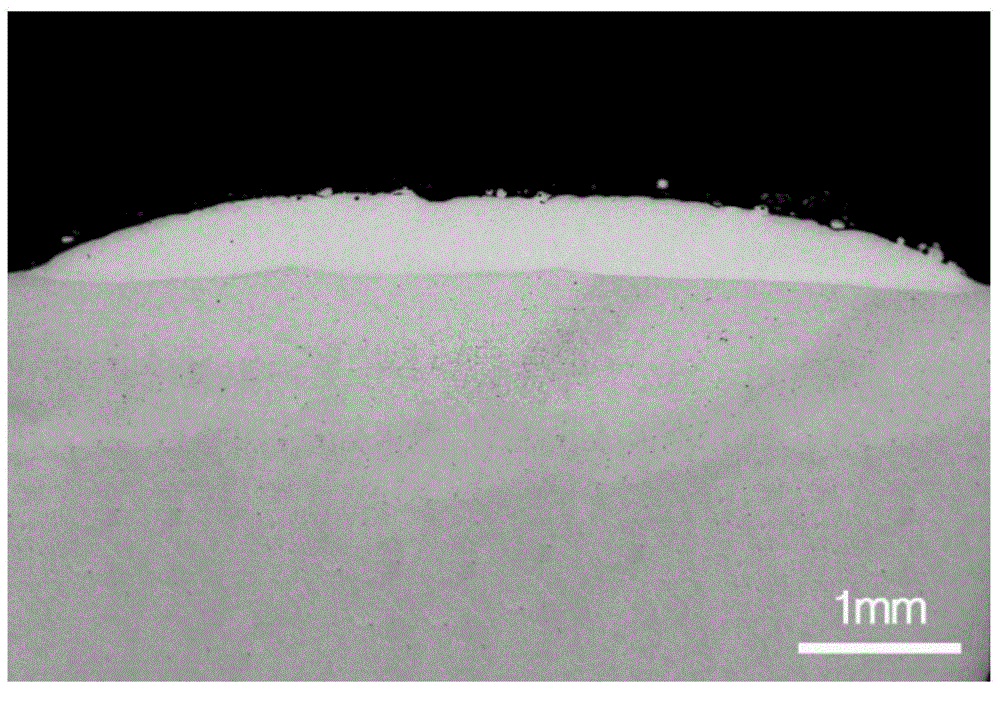
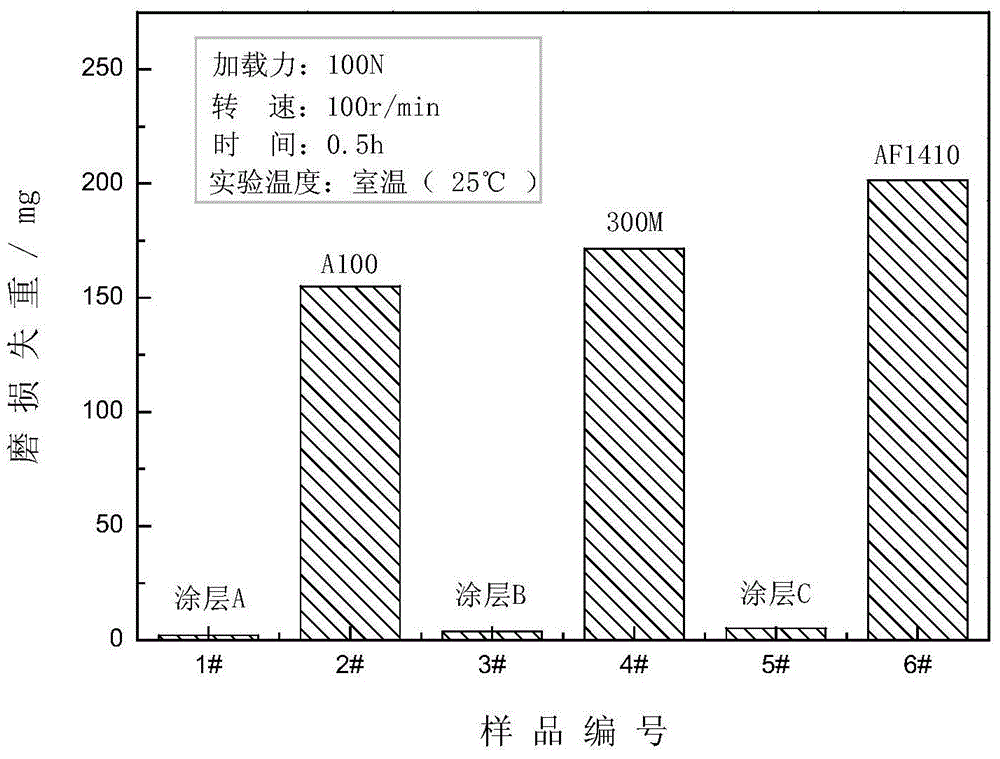
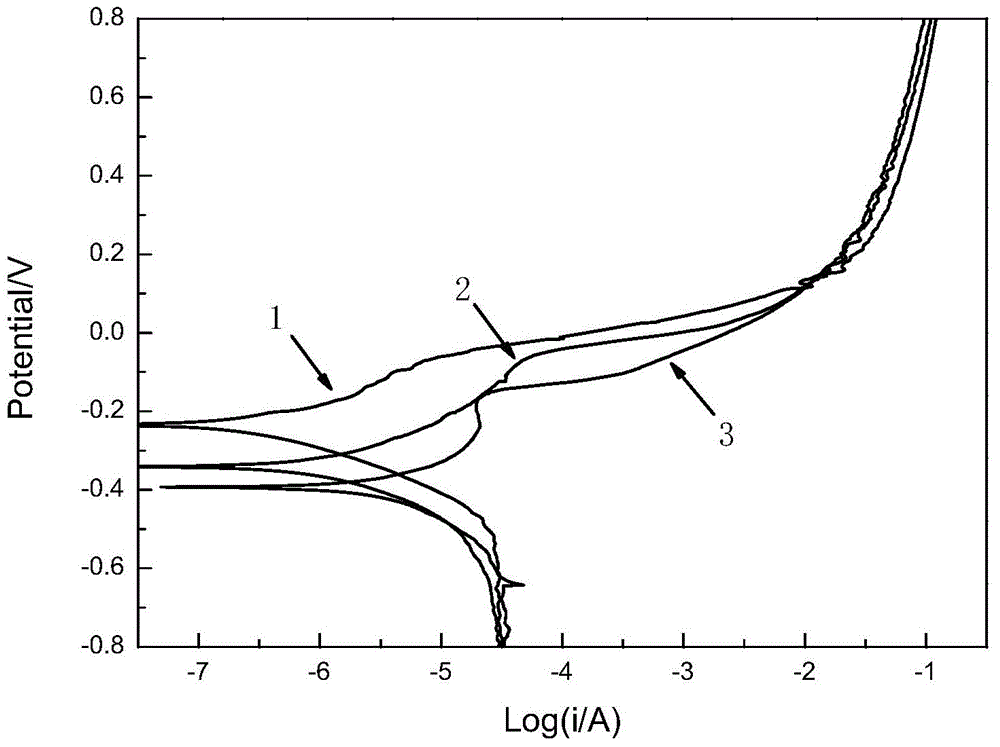
- Laser cladding technology is used to prepare an alloy coating with a thickness of 0.3 to 0.6 mm on the areas to be repaired on high-strength steels such as Aermet100, 300M, and AF1410. The composition includes C, Co, Cr, Ni, Mo, W, Mn, Nb, V, Ti and Fe alloy powder are cladded by semiconductor, optical fiber or CO2 laser, and process parameters such as laser power, scanning rate, overlap rate and argon protection are optimized.

Aluminum alloy anodization
PatentActiveUS20160273122A1
Innovation
- A method involving deoxidizing aluminum alloys with non-hexavalent chrome agents, anodizing them in a sulphuric acid electrolytic process at 15-16V, and sealing with trivalent chromium solutions to create a corrosion-resistant anodized layer without using hexavalent chromium.


Aviation Safety Regulations and Coating Standards
Aviation safety regulations governing landing gear surface coatings represent a critical framework that ensures aircraft operational integrity and passenger safety. The Federal Aviation Administration (FAA) in the United States, the European Union Aviation Safety Agency (EASA), and the International Civil Aviation Organization (ICAO) establish comprehensive standards that dictate material specifications, application procedures, and performance requirements for corrosion-preventive coatings. These regulatory bodies mandate that all coating systems applied to landing gear components must undergo rigorous testing and certification processes before deployment in commercial aviation.
The primary regulatory documents include FAA Advisory Circular AC 43-4B, which provides guidance on corrosion control for aircraft, and MIL-DTL-53022, a military specification widely adopted in civil aviation that defines requirements for chemical conversion coatings. Additionally, SAE International publishes aerospace material specifications (AMS) that detail specific coating compositions, such as AMS 2700 for passivation treatments and AMS 2404 for electroplating processes. These standards ensure coating systems demonstrate adequate adhesion, thickness uniformity, salt spray resistance exceeding 1000 hours, and compatibility with hydraulic fluids and aviation fuels.
Compliance verification requires manufacturers to maintain detailed documentation of coating application processes, including surface preparation protocols, environmental controls during application, and post-application inspection results. Non-destructive testing methods such as eddy current inspection and ultrasonic thickness measurement are mandated to verify coating integrity without compromising structural components. Furthermore, maintenance organizations must adhere to approved maintenance manuals that specify inspection intervals and coating refurbishment procedures aligned with airworthiness directives.
Recent regulatory developments emphasize environmental sustainability, with increasing restrictions on hexavalent chromium-based coatings due to their toxicity. The REACH regulation in Europe and similar environmental protection frameworks globally are driving the aviation industry toward chromate-free alternatives that maintain equivalent corrosion protection performance. This regulatory evolution necessitates continuous validation of new coating technologies against established safety benchmarks while meeting environmental compliance requirements.
The primary regulatory documents include FAA Advisory Circular AC 43-4B, which provides guidance on corrosion control for aircraft, and MIL-DTL-53022, a military specification widely adopted in civil aviation that defines requirements for chemical conversion coatings. Additionally, SAE International publishes aerospace material specifications (AMS) that detail specific coating compositions, such as AMS 2700 for passivation treatments and AMS 2404 for electroplating processes. These standards ensure coating systems demonstrate adequate adhesion, thickness uniformity, salt spray resistance exceeding 1000 hours, and compatibility with hydraulic fluids and aviation fuels.
Compliance verification requires manufacturers to maintain detailed documentation of coating application processes, including surface preparation protocols, environmental controls during application, and post-application inspection results. Non-destructive testing methods such as eddy current inspection and ultrasonic thickness measurement are mandated to verify coating integrity without compromising structural components. Furthermore, maintenance organizations must adhere to approved maintenance manuals that specify inspection intervals and coating refurbishment procedures aligned with airworthiness directives.
Recent regulatory developments emphasize environmental sustainability, with increasing restrictions on hexavalent chromium-based coatings due to their toxicity. The REACH regulation in Europe and similar environmental protection frameworks globally are driving the aviation industry toward chromate-free alternatives that maintain equivalent corrosion protection performance. This regulatory evolution necessitates continuous validation of new coating technologies against established safety benchmarks while meeting environmental compliance requirements.
Environmental Impact of Coating Materials and Processes
The environmental implications of coating materials and processes for landing gear rust prevention have become increasingly significant in aerospace manufacturing and maintenance operations. Traditional chromium-based coatings, particularly hexavalent chromium compounds, have demonstrated exceptional corrosion resistance but pose substantial environmental and health hazards. These materials generate toxic waste streams during application and removal processes, requiring specialized disposal methods and contributing to soil and water contamination risks. The aerospace industry faces mounting pressure from regulatory bodies worldwide to phase out or significantly reduce the use of such hazardous substances.
Modern coating processes involve multiple stages including surface preparation, primer application, and topcoat finishing, each generating distinct environmental impacts. Chemical cleaning and etching procedures produce acidic effluents containing heavy metals and volatile organic compounds. Spray application techniques result in overspray waste and atmospheric emissions of solvents, while curing processes consume substantial energy and may release additional volatile compounds. The cumulative carbon footprint of these operations has prompted industry stakeholders to evaluate lifecycle environmental costs alongside technical performance metrics.
Emerging regulatory frameworks, particularly REACH in Europe and similar legislation in other jurisdictions, have accelerated the transition toward environmentally sustainable alternatives. Water-based coatings, powder coating technologies, and chromium-free conversion coatings represent promising directions that significantly reduce hazardous waste generation and VOC emissions. However, these alternatives must demonstrate equivalent or superior corrosion protection performance under demanding operational conditions including extreme temperatures, hydraulic fluid exposure, and mechanical stress.
The industry is increasingly adopting closed-loop application systems and advanced waste treatment technologies to minimize environmental impact. Electrostatic spray systems reduce material waste by up to forty percent compared to conventional methods, while solvent recovery systems enable recycling of volatile compounds. Nevertheless, balancing environmental responsibility with the stringent safety and performance requirements of aerospace applications remains a complex challenge requiring continued innovation in both materials science and process engineering.
Modern coating processes involve multiple stages including surface preparation, primer application, and topcoat finishing, each generating distinct environmental impacts. Chemical cleaning and etching procedures produce acidic effluents containing heavy metals and volatile organic compounds. Spray application techniques result in overspray waste and atmospheric emissions of solvents, while curing processes consume substantial energy and may release additional volatile compounds. The cumulative carbon footprint of these operations has prompted industry stakeholders to evaluate lifecycle environmental costs alongside technical performance metrics.
Emerging regulatory frameworks, particularly REACH in Europe and similar legislation in other jurisdictions, have accelerated the transition toward environmentally sustainable alternatives. Water-based coatings, powder coating technologies, and chromium-free conversion coatings represent promising directions that significantly reduce hazardous waste generation and VOC emissions. However, these alternatives must demonstrate equivalent or superior corrosion protection performance under demanding operational conditions including extreme temperatures, hydraulic fluid exposure, and mechanical stress.
The industry is increasingly adopting closed-loop application systems and advanced waste treatment technologies to minimize environmental impact. Electrostatic spray systems reduce material waste by up to forty percent compared to conventional methods, while solvent recovery systems enable recycling of volatile compounds. Nevertheless, balancing environmental responsibility with the stringent safety and performance requirements of aerospace applications remains a complex challenge requiring continued innovation in both materials science and process engineering.
Unlock deeper insights with PatSnap Eureka Quick Research — get a full tech report to explore trends and direct your research. Try now!
Generate Your Research Report Instantly with AI Agent
Supercharge your innovation with PatSnap Eureka AI Agent Platform!