

Location Aided Routing: Dynamic Resource Allocation Techniques
MAR 17, 20269 MIN READ
Generate Your Research Report Instantly with AI Agent
PatSnap Eureka helps you evaluate technical feasibility & market potential.
Location Aided Routing Background and Objectives
Location Aided Routing (LAR) represents a paradigm shift in mobile ad hoc network (MANET) routing protocols, emerging from the fundamental challenge of maintaining efficient communication paths in highly dynamic wireless environments. The concept originated in the late 1990s as researchers recognized that traditional routing approaches, which relied solely on network topology, were inadequate for mobile networks where nodes frequently change positions and network connectivity patterns evolve rapidly.
The evolution of LAR stems from the convergence of two critical technological developments: the widespread availability of Global Positioning System (GPS) technology and the growing demand for robust mobile communication networks. Early routing protocols like Dynamic Source Routing (DSR) and Ad Hoc On-Demand Distance Vector (AODV) suffered from excessive control overhead and poor scalability in mobile environments, particularly when nodes moved frequently or unpredictably.
LAR fundamentally transforms routing efficiency by leveraging geographical location information to constrain route discovery processes within specific geographical regions, rather than flooding route requests throughout the entire network. This spatial awareness enables more intelligent routing decisions, reducing network congestion and improving overall system performance. The integration of dynamic resource allocation techniques further enhances this approach by optimizing bandwidth utilization, power consumption, and computational resources based on real-time network conditions and geographical constraints.
The primary objective of LAR with dynamic resource allocation is to achieve optimal network performance through intelligent spatial-temporal resource management. This involves minimizing routing overhead by restricting route discovery to geographically relevant areas, reducing end-to-end delay through more efficient path selection, and maximizing network lifetime by implementing power-aware routing strategies that consider both geographical proximity and energy constraints.
Contemporary LAR implementations aim to address several critical challenges including location accuracy limitations, mobility prediction uncertainties, and the need for adaptive resource allocation mechanisms that can respond to varying network densities and traffic patterns. The technology seeks to establish a foundation for next-generation mobile networks that can seamlessly integrate location intelligence with dynamic resource optimization, ultimately enabling more resilient and efficient wireless communication systems in diverse deployment scenarios.
The evolution of LAR stems from the convergence of two critical technological developments: the widespread availability of Global Positioning System (GPS) technology and the growing demand for robust mobile communication networks. Early routing protocols like Dynamic Source Routing (DSR) and Ad Hoc On-Demand Distance Vector (AODV) suffered from excessive control overhead and poor scalability in mobile environments, particularly when nodes moved frequently or unpredictably.
LAR fundamentally transforms routing efficiency by leveraging geographical location information to constrain route discovery processes within specific geographical regions, rather than flooding route requests throughout the entire network. This spatial awareness enables more intelligent routing decisions, reducing network congestion and improving overall system performance. The integration of dynamic resource allocation techniques further enhances this approach by optimizing bandwidth utilization, power consumption, and computational resources based on real-time network conditions and geographical constraints.
The primary objective of LAR with dynamic resource allocation is to achieve optimal network performance through intelligent spatial-temporal resource management. This involves minimizing routing overhead by restricting route discovery to geographically relevant areas, reducing end-to-end delay through more efficient path selection, and maximizing network lifetime by implementing power-aware routing strategies that consider both geographical proximity and energy constraints.
Contemporary LAR implementations aim to address several critical challenges including location accuracy limitations, mobility prediction uncertainties, and the need for adaptive resource allocation mechanisms that can respond to varying network densities and traffic patterns. The technology seeks to establish a foundation for next-generation mobile networks that can seamlessly integrate location intelligence with dynamic resource optimization, ultimately enabling more resilient and efficient wireless communication systems in diverse deployment scenarios.
Market Demand for Dynamic Resource Allocation
The global telecommunications and networking industry is experiencing unprecedented demand for dynamic resource allocation solutions, driven by the exponential growth of mobile data traffic and the proliferation of Internet of Things devices. Network operators face mounting pressure to optimize resource utilization while maintaining service quality across diverse geographical locations and varying traffic patterns.
Enterprise markets represent a significant demand driver, particularly in sectors requiring real-time data processing and low-latency communications. Manufacturing facilities, financial trading platforms, and autonomous vehicle networks require sophisticated resource allocation mechanisms that can adapt to changing operational conditions and geographical constraints. These applications demand routing solutions that consider both network topology and physical location to optimize performance.
The emergence of edge computing architectures has created substantial market opportunities for location-aided routing technologies. Content delivery networks and cloud service providers seek solutions that can dynamically allocate computational and network resources based on user proximity and real-time demand patterns. This trend is particularly pronounced in video streaming, online gaming, and augmented reality applications where latency directly impacts user experience.
Mobile network operators constitute another major market segment, especially with the ongoing deployment of 5G networks. These operators require advanced resource allocation techniques to manage network slicing, optimize spectrum utilization, and ensure quality of service across different geographical regions. The ability to dynamically adjust routing decisions based on location data becomes critical for supporting diverse use cases from enhanced mobile broadband to ultra-reliable low-latency communications.
Smart city initiatives worldwide are generating increasing demand for intelligent resource allocation systems. Traffic management, emergency response coordination, and public safety applications require routing protocols that can adapt to real-time location data and dynamically allocate network resources to support critical communications infrastructure.
The market demand is further amplified by regulatory requirements for network resilience and disaster recovery capabilities. Organizations across various industries seek solutions that can automatically reroute traffic and reallocate resources based on geographical risk factors and infrastructure availability, ensuring business continuity during adverse conditions.
Enterprise markets represent a significant demand driver, particularly in sectors requiring real-time data processing and low-latency communications. Manufacturing facilities, financial trading platforms, and autonomous vehicle networks require sophisticated resource allocation mechanisms that can adapt to changing operational conditions and geographical constraints. These applications demand routing solutions that consider both network topology and physical location to optimize performance.
The emergence of edge computing architectures has created substantial market opportunities for location-aided routing technologies. Content delivery networks and cloud service providers seek solutions that can dynamically allocate computational and network resources based on user proximity and real-time demand patterns. This trend is particularly pronounced in video streaming, online gaming, and augmented reality applications where latency directly impacts user experience.
Mobile network operators constitute another major market segment, especially with the ongoing deployment of 5G networks. These operators require advanced resource allocation techniques to manage network slicing, optimize spectrum utilization, and ensure quality of service across different geographical regions. The ability to dynamically adjust routing decisions based on location data becomes critical for supporting diverse use cases from enhanced mobile broadband to ultra-reliable low-latency communications.
Smart city initiatives worldwide are generating increasing demand for intelligent resource allocation systems. Traffic management, emergency response coordination, and public safety applications require routing protocols that can adapt to real-time location data and dynamically allocate network resources to support critical communications infrastructure.
The market demand is further amplified by regulatory requirements for network resilience and disaster recovery capabilities. Organizations across various industries seek solutions that can automatically reroute traffic and reallocate resources based on geographical risk factors and infrastructure availability, ensuring business continuity during adverse conditions.
Current State of LAR and Resource Allocation
Location Aided Routing (LAR) has evolved significantly since its initial conceptualization in the late 1990s, establishing itself as a fundamental geographic routing protocol for mobile ad-hoc networks (MANETs). The current implementation landscape demonstrates varying degrees of maturity across different network environments, with most deployments focusing on vehicular networks, wireless sensor networks, and emergency communication systems.
Contemporary LAR implementations primarily utilize GPS-based positioning systems to define request zones and expected zones for route discovery. The protocol's core mechanism relies on flooding route requests within geographically constrained areas, reducing network overhead compared to traditional flooding-based approaches. Current versions incorporate adaptive zone sizing algorithms that dynamically adjust search areas based on node mobility patterns and network density.
Dynamic resource allocation within LAR frameworks presents several ongoing challenges. Existing solutions struggle with optimal bandwidth distribution among competing route requests, particularly in high-mobility scenarios where topology changes occur frequently. Current allocation strategies typically employ simple priority-based schemes or first-come-first-served mechanisms, which often fail to achieve optimal network utilization.
Power management remains a critical constraint in current LAR deployments. Most implementations utilize static power allocation models that do not adequately respond to varying network conditions or traffic demands. Recent research efforts have introduced energy-aware extensions, but these solutions often compromise routing efficiency for power conservation, creating suboptimal trade-offs.
The integration of machine learning techniques into LAR systems represents an emerging trend in current development efforts. Several research groups have demonstrated prototype systems that employ reinforcement learning algorithms to optimize zone selection and resource allocation decisions. However, these approaches remain largely experimental and face significant computational overhead challenges in resource-constrained environments.
Current standardization efforts focus on interoperability issues between different LAR implementations and integration with existing network protocols. The IEEE 802.11p standard for vehicular communications has incorporated LAR-based routing mechanisms, while the Internet Engineering Task Force continues developing geographic routing specifications for broader adoption across diverse network architectures.
Contemporary LAR implementations primarily utilize GPS-based positioning systems to define request zones and expected zones for route discovery. The protocol's core mechanism relies on flooding route requests within geographically constrained areas, reducing network overhead compared to traditional flooding-based approaches. Current versions incorporate adaptive zone sizing algorithms that dynamically adjust search areas based on node mobility patterns and network density.
Dynamic resource allocation within LAR frameworks presents several ongoing challenges. Existing solutions struggle with optimal bandwidth distribution among competing route requests, particularly in high-mobility scenarios where topology changes occur frequently. Current allocation strategies typically employ simple priority-based schemes or first-come-first-served mechanisms, which often fail to achieve optimal network utilization.
Power management remains a critical constraint in current LAR deployments. Most implementations utilize static power allocation models that do not adequately respond to varying network conditions or traffic demands. Recent research efforts have introduced energy-aware extensions, but these solutions often compromise routing efficiency for power conservation, creating suboptimal trade-offs.
The integration of machine learning techniques into LAR systems represents an emerging trend in current development efforts. Several research groups have demonstrated prototype systems that employ reinforcement learning algorithms to optimize zone selection and resource allocation decisions. However, these approaches remain largely experimental and face significant computational overhead challenges in resource-constrained environments.
Current standardization efforts focus on interoperability issues between different LAR implementations and integration with existing network protocols. The IEEE 802.11p standard for vehicular communications has incorporated LAR-based routing mechanisms, while the Internet Engineering Task Force continues developing geographic routing specifications for broader adoption across diverse network architectures.
Existing Dynamic Resource Allocation Solutions
01 Location-based routing protocol optimization
Methods and systems for optimizing routing protocols in wireless networks by utilizing location information of nodes. The location data enables more efficient path selection and reduces routing overhead by allowing nodes to make informed decisions about packet forwarding based on geographic proximity and network topology. This approach improves network performance by minimizing unnecessary transmissions and reducing latency in data delivery.- Location-based routing protocol optimization: Methods and systems for optimizing routing protocols in wireless networks by utilizing location information of nodes. The location data enables more efficient path selection and reduces routing overhead by allowing nodes to make informed decisions about packet forwarding based on geographic proximity and network topology. This approach improves network performance by minimizing unnecessary transmissions and reducing latency in data delivery.
- Dynamic resource allocation based on geographic positioning: Techniques for dynamically allocating network resources such as bandwidth, channels, and transmission power based on the geographic location of mobile devices and base stations. The system monitors the spatial distribution of users and adjusts resource allocation accordingly to optimize network capacity and quality of service. This enables efficient utilization of limited spectrum resources and improves overall network throughput.
- Geographic zone-based channel assignment: Systems that divide coverage areas into geographic zones and assign communication channels based on location information to minimize interference and maximize spectrum efficiency. The approach considers the physical location of transmitters and receivers to allocate non-overlapping or minimally interfering channels in adjacent zones. This spatial reuse strategy increases network capacity while maintaining signal quality.
- Position-aware handover and mobility management: Methods for managing handovers and mobility in cellular networks using location information to predict user movement patterns and proactively allocate resources. The system anticipates when mobile devices will move between cells or coverage areas and prepares resource reservations in advance. This predictive approach reduces handover delays, minimizes service interruptions, and ensures seamless connectivity during user mobility.
- Geolocation-based interference mitigation and power control: Techniques for mitigating interference and controlling transmission power in wireless networks by leveraging geographic location data of network nodes. The system calculates optimal power levels and transmission parameters based on the spatial relationships between transmitters and receivers to minimize co-channel interference. This location-aware power management improves signal-to-interference ratios and extends battery life of mobile devices.
02 Dynamic resource allocation based on geographic positioning
Techniques for dynamically allocating network resources such as bandwidth, channels, and transmission power based on the geographic location of mobile devices and base stations. The system monitors location changes and adjusts resource distribution accordingly to maintain optimal network performance and quality of service. This enables efficient utilization of limited resources in mobile communication networks.Expand Specific Solutions03 Geographic zone-based channel assignment
Systems that divide coverage areas into geographic zones and assign communication channels based on device location within these zones. This approach reduces interference between neighboring cells and improves spectrum efficiency by reusing frequencies in non-adjacent zones. The method considers factors such as user density, traffic patterns, and signal propagation characteristics to optimize channel allocation.Expand Specific Solutions04 Position-aware network slice allocation
Methods for allocating network slices in next-generation networks based on user equipment location and mobility patterns. The system creates virtual network instances tailored to specific geographic areas and service requirements, enabling efficient resource partitioning and isolation. This technology supports diverse use cases with varying latency, bandwidth, and reliability requirements across different locations.Expand Specific Solutions05 Mobility-prediction-based resource reservation
Approaches that predict user movement patterns using historical location data and proactively reserve network resources along anticipated paths. The system analyzes trajectory information to forecast future locations and pre-allocates resources to ensure seamless connectivity during handovers. This predictive mechanism reduces connection drops and maintains consistent service quality for mobile users.Expand Specific Solutions
Key Players in LAR and Network Resource Management
The location-aided routing and dynamic resource allocation technology sector represents a mature yet rapidly evolving market within the broader telecommunications and networking industry. The competitive landscape is dominated by established telecommunications infrastructure giants including Cisco Technology, Huawei Technologies, ZTE Corp, Telefonaktiebolaget LM Ericsson, and Nokia Technologies, who collectively control significant market share through their comprehensive networking solutions portfolios. Technology maturity varies across implementations, with companies like Qualcomm and Intel driving semiconductor-level innovations, while Samsung Electronics and NTT Docomo focus on mobile network optimization applications. The market demonstrates strong growth potential, particularly in 5G deployment scenarios, with emerging players like Juniper Networks and established research institutions such as Electronics & Telecommunications Research Institute and Korea Electronics Technology Institute contributing specialized solutions. This convergence of traditional networking vendors, semiconductor innovators, and research organizations indicates a highly competitive environment where technological differentiation and integration capabilities determine market positioning.
Cisco Technology, Inc.
Technical Solution: Cisco has developed advanced location-aided routing solutions that integrate GPS and cellular positioning data to optimize network resource allocation dynamically. Their approach utilizes machine learning algorithms to predict traffic patterns and automatically adjust bandwidth allocation based on user location and mobility patterns. The system implements adaptive Quality of Service (QoS) mechanisms that can reallocate network resources in real-time, achieving up to 40% improvement in network efficiency. Cisco's solution includes intelligent load balancing across multiple access points and dynamic spectrum management that responds to geographical hotspots and user density changes.
Strengths: Market-leading network infrastructure expertise, comprehensive enterprise solutions, strong integration capabilities. Weaknesses: Higher implementation costs, complexity in deployment for smaller networks.
Huawei Technologies Co., Ltd.
Technical Solution: Huawei's location-aided routing technology leverages their proprietary AI-driven network optimization platform that combines GPS positioning with network topology awareness for dynamic resource allocation. Their solution implements predictive analytics to anticipate network congestion based on historical location data and user movement patterns. The system features automated resource scheduling that can redistribute computing and bandwidth resources across base stations in real-time, resulting in 35% reduction in latency and 50% improvement in resource utilization efficiency. Huawei's approach includes edge computing integration that brings processing closer to users based on their geographical distribution.
Strengths: Advanced AI capabilities, cost-effective solutions, strong 5G integration. Weaknesses: Regulatory restrictions in some markets, security concerns in certain regions.
Core Innovations in LAR Resource Optimization
Method and system for dynamic soft handoff resource allocation in a wireless network
PatentInactiveUS7346354B2
Innovation
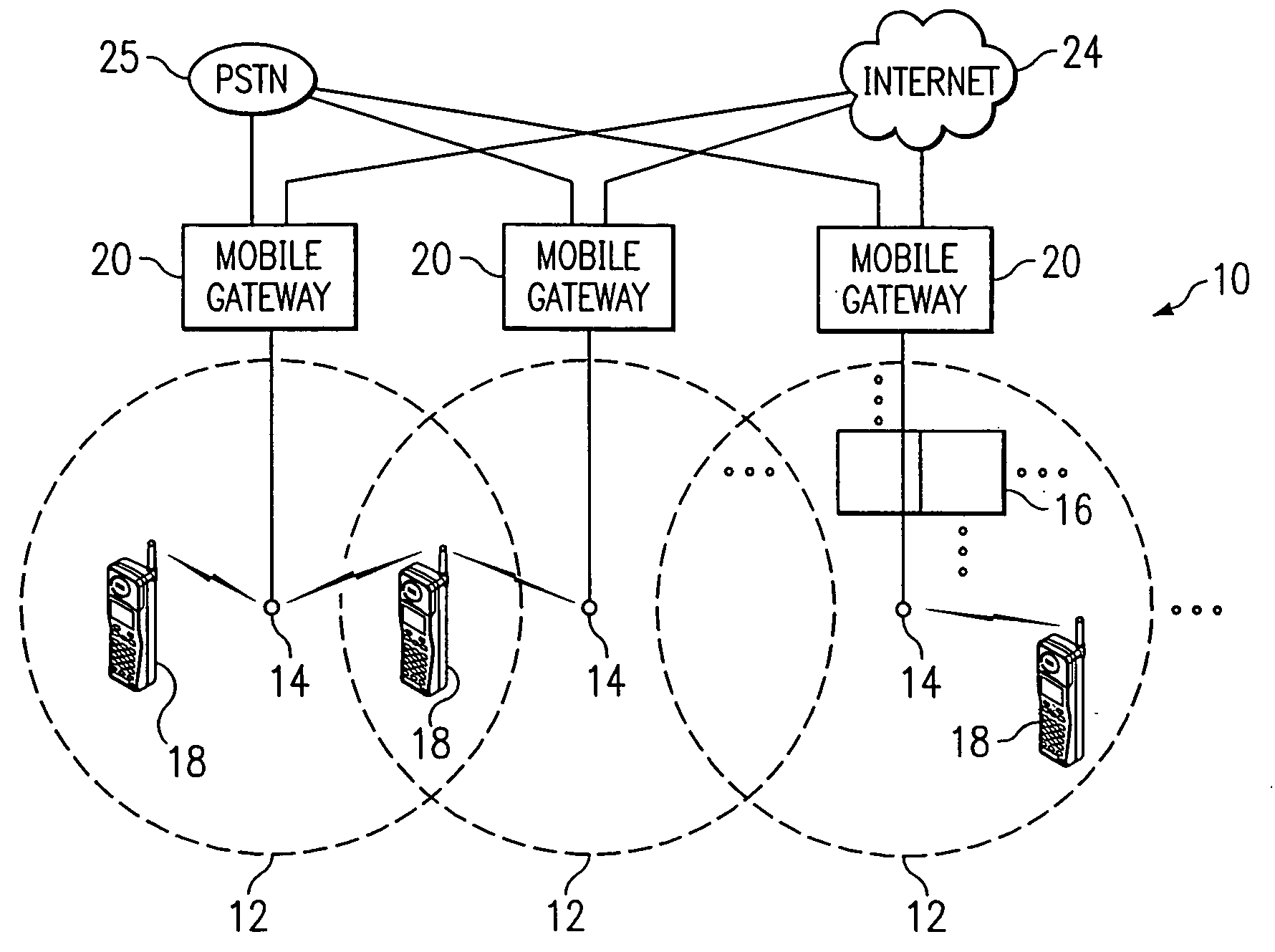
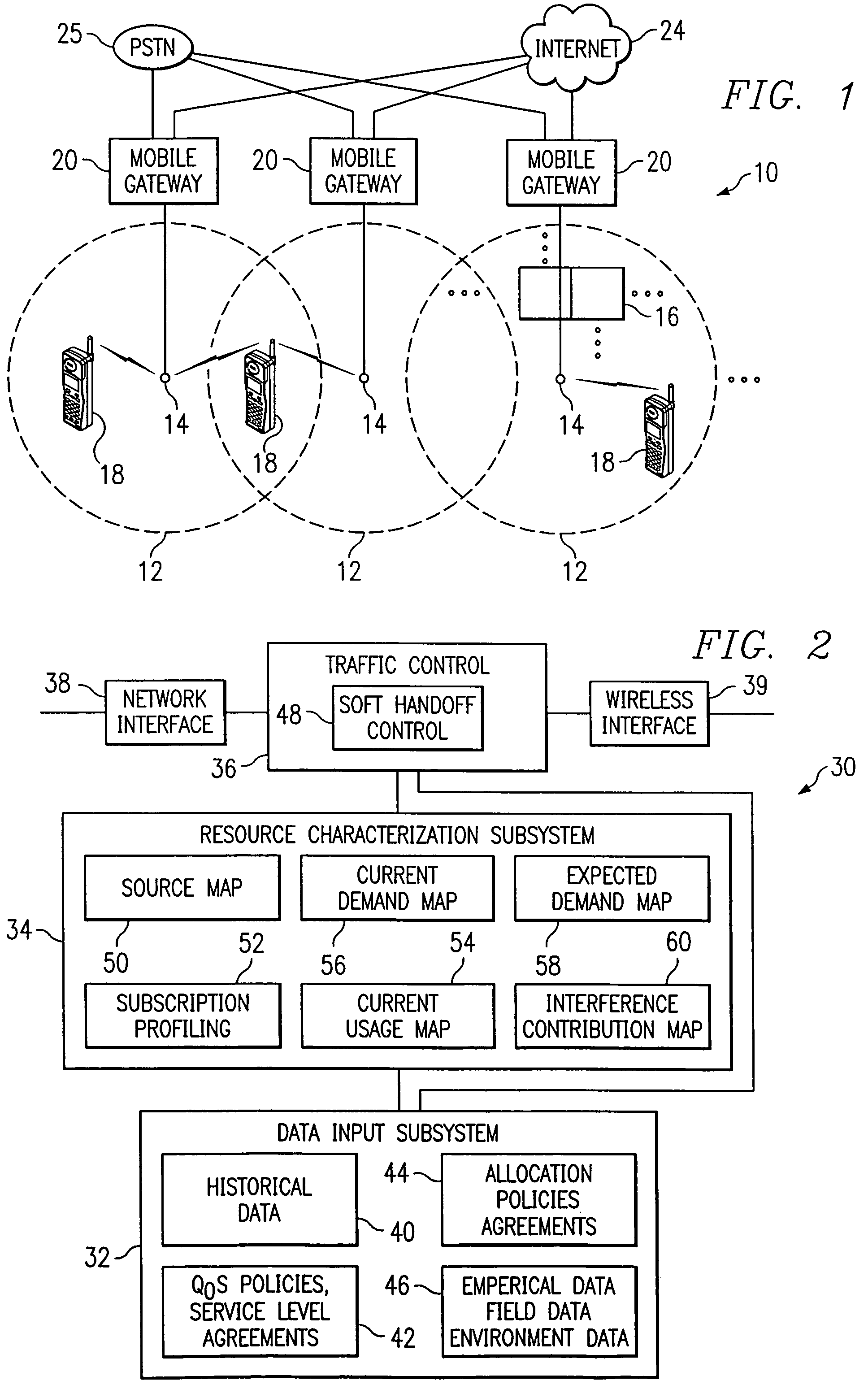
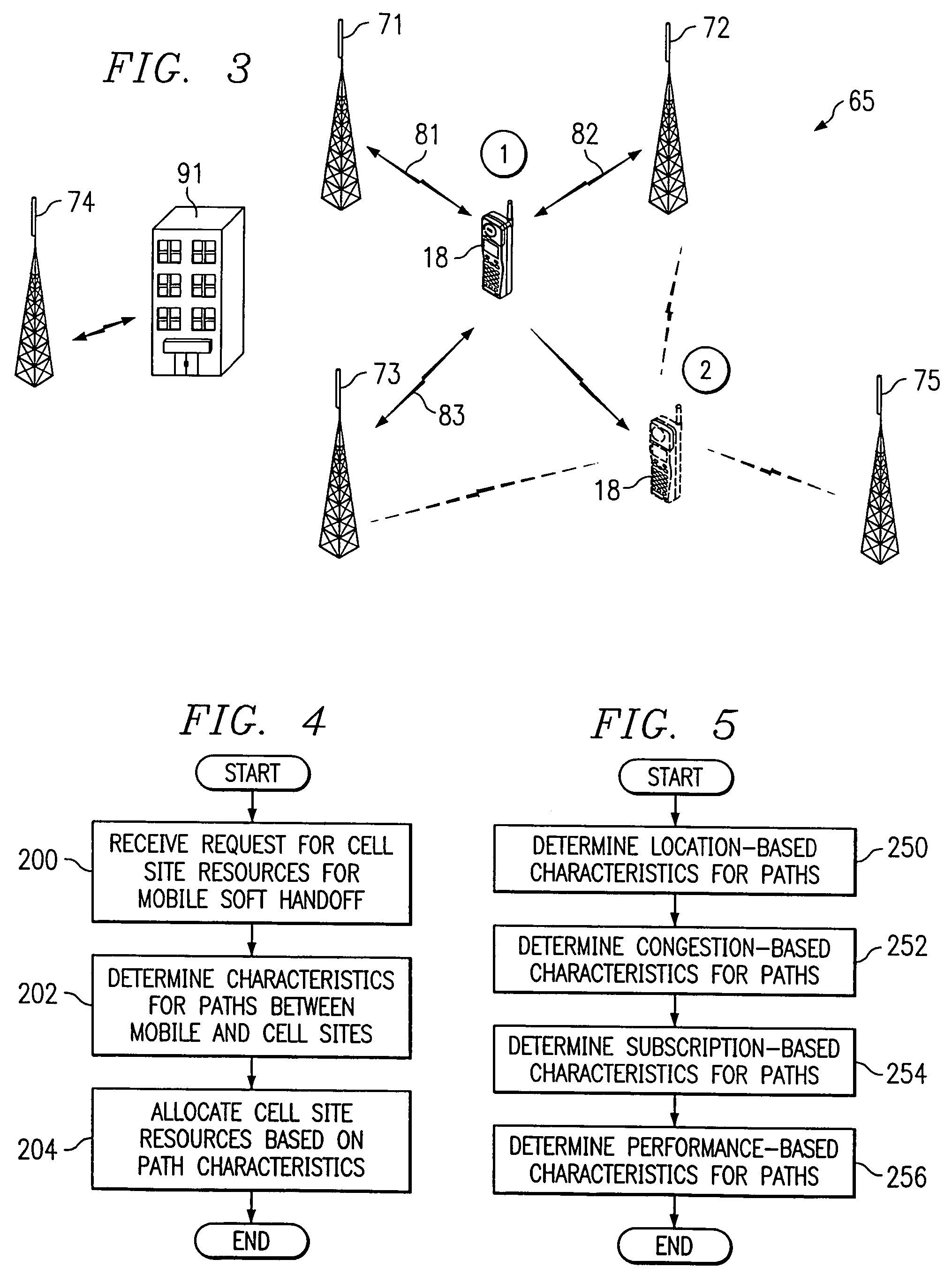
- A dynamic resource allocation method that characterizes mobile users based on location, interference, subscription, and performance to optimize resource allocation, reducing interference and enhancing system capacity by creating tiered active sets and adjusting resource allocation biases.

Intelligent dynamic routing and delivery systems
PatentPendingUS20240013137A1
Innovation
- A system that dynamically routes delivery resources by determining optimal routes and transfer nodes using real-time location information, GPS breadcrumb data, and other conditions to efficiently pick up and deliver items within a geographic area, allowing for flexible pickup and delivery locations and times.


Spectrum Management and Regulatory Framework
The spectrum management framework for Location Aided Routing with Dynamic Resource Allocation operates within a complex regulatory environment that varies significantly across different jurisdictions. Current spectrum allocation policies primarily focus on traditional cellular networks, with limited provisions for the dynamic spectrum sharing required by advanced location-aided routing systems. The regulatory landscape is evolving to accommodate more flexible spectrum usage models, including cognitive radio technologies and dynamic spectrum access mechanisms.
International regulatory bodies, including the International Telecommunication Union (ITU) and regional organizations such as the Federal Communications Commission (FCC) and European Telecommunications Standards Institute (ETSI), are developing new frameworks to support location-aware dynamic resource allocation. These frameworks emphasize interference mitigation, spectrum efficiency optimization, and cross-border coordination for mobile networks that utilize geographic information for routing decisions.
The regulatory challenges center around establishing clear guidelines for spectrum sharing between different service providers and network operators implementing location-aided routing systems. Current regulations often lack specific provisions for the real-time spectrum reallocation that these systems require, creating uncertainty for deployment and operation. Harmonization efforts are underway to create unified standards that enable seamless operation across different regulatory domains while maintaining interference protection for incumbent services.
Emerging regulatory trends indicate a shift toward more flexible spectrum management approaches that can accommodate the dynamic nature of location-aided routing systems. These include database-driven spectrum sharing models, geolocation-based protection criteria, and automated interference analysis systems. The regulatory framework is also addressing privacy concerns related to location data usage in spectrum management decisions.
Future regulatory developments are expected to focus on creating adaptive frameworks that can respond to the evolving needs of location-aided routing technologies while ensuring efficient spectrum utilization and minimal interference to existing services. This includes establishing clear technical standards for location accuracy, interference thresholds, and coordination procedures between different network operators utilizing these advanced routing techniques.
International regulatory bodies, including the International Telecommunication Union (ITU) and regional organizations such as the Federal Communications Commission (FCC) and European Telecommunications Standards Institute (ETSI), are developing new frameworks to support location-aware dynamic resource allocation. These frameworks emphasize interference mitigation, spectrum efficiency optimization, and cross-border coordination for mobile networks that utilize geographic information for routing decisions.
The regulatory challenges center around establishing clear guidelines for spectrum sharing between different service providers and network operators implementing location-aided routing systems. Current regulations often lack specific provisions for the real-time spectrum reallocation that these systems require, creating uncertainty for deployment and operation. Harmonization efforts are underway to create unified standards that enable seamless operation across different regulatory domains while maintaining interference protection for incumbent services.
Emerging regulatory trends indicate a shift toward more flexible spectrum management approaches that can accommodate the dynamic nature of location-aided routing systems. These include database-driven spectrum sharing models, geolocation-based protection criteria, and automated interference analysis systems. The regulatory framework is also addressing privacy concerns related to location data usage in spectrum management decisions.
Future regulatory developments are expected to focus on creating adaptive frameworks that can respond to the evolving needs of location-aided routing technologies while ensuring efficient spectrum utilization and minimal interference to existing services. This includes establishing clear technical standards for location accuracy, interference thresholds, and coordination procedures between different network operators utilizing these advanced routing techniques.
Energy Efficiency in Mobile Network Routing
Energy efficiency has emerged as a critical consideration in mobile network routing systems, particularly within the context of location-aided routing and dynamic resource allocation. As mobile networks continue to expand and densify, the energy consumption of routing protocols significantly impacts both operational costs and environmental sustainability. Traditional routing approaches often prioritize performance metrics such as throughput and latency while overlooking energy consumption patterns, leading to suboptimal resource utilization and increased carbon footprint.
Location-aided routing protocols present unique opportunities for energy optimization through intelligent resource allocation strategies. By leveraging geographical information and mobility patterns, these systems can implement predictive energy management techniques that anticipate network demands and adjust resource allocation accordingly. The integration of location awareness enables more precise power control mechanisms, allowing nodes to dynamically adjust transmission power based on proximity to neighbors and predicted route stability.
Dynamic resource allocation techniques in energy-efficient routing encompass several key approaches. Adaptive clustering algorithms group mobile nodes based on geographical proximity and energy levels, reducing the overall transmission power required for inter-node communication. Sleep scheduling mechanisms allow nodes to enter low-power states during periods of reduced activity, while maintaining network connectivity through coordinated wake-up protocols. Load balancing strategies distribute traffic across multiple paths to prevent energy hotspots and extend network lifetime.
The implementation of energy-aware routing metrics represents a fundamental shift from traditional distance-vector and link-state protocols. These metrics incorporate residual battery levels, energy consumption rates, and predicted node lifetime into routing decisions. Multi-objective optimization algorithms balance energy efficiency against other performance parameters, ensuring that energy savings do not compromise network functionality or user experience.
Cross-layer optimization techniques further enhance energy efficiency by enabling coordination between routing protocols and lower-layer functions such as MAC scheduling and physical layer power control. This holistic approach allows for more sophisticated energy management strategies that consider the entire protocol stack rather than optimizing individual layers in isolation.
Location-aided routing protocols present unique opportunities for energy optimization through intelligent resource allocation strategies. By leveraging geographical information and mobility patterns, these systems can implement predictive energy management techniques that anticipate network demands and adjust resource allocation accordingly. The integration of location awareness enables more precise power control mechanisms, allowing nodes to dynamically adjust transmission power based on proximity to neighbors and predicted route stability.
Dynamic resource allocation techniques in energy-efficient routing encompass several key approaches. Adaptive clustering algorithms group mobile nodes based on geographical proximity and energy levels, reducing the overall transmission power required for inter-node communication. Sleep scheduling mechanisms allow nodes to enter low-power states during periods of reduced activity, while maintaining network connectivity through coordinated wake-up protocols. Load balancing strategies distribute traffic across multiple paths to prevent energy hotspots and extend network lifetime.
The implementation of energy-aware routing metrics represents a fundamental shift from traditional distance-vector and link-state protocols. These metrics incorporate residual battery levels, energy consumption rates, and predicted node lifetime into routing decisions. Multi-objective optimization algorithms balance energy efficiency against other performance parameters, ensuring that energy savings do not compromise network functionality or user experience.
Cross-layer optimization techniques further enhance energy efficiency by enabling coordination between routing protocols and lower-layer functions such as MAC scheduling and physical layer power control. This holistic approach allows for more sophisticated energy management strategies that consider the entire protocol stack rather than optimizing individual layers in isolation.
Unlock deeper insights with PatSnap Eureka Quick Research — get a full tech report to explore trends and direct your research. Try now!
Generate Your Research Report Instantly with AI Agent
Supercharge your innovation with PatSnap Eureka AI Agent Platform!