

Luteolin's Effectiveness in Strengthening Immunity
AUG 29, 20259 MIN READ
Generate Your Research Report Instantly with AI Agent
PatSnap Eureka helps you evaluate technical feasibility & market potential.
Luteolin Background and Immunological Targets
Luteolin, a naturally occurring flavonoid found in various fruits, vegetables, and medicinal herbs, has garnered significant attention in the scientific community for its potential immunomodulatory properties. This polyphenolic compound belongs to the flavone subclass and is characterized by its C6-C3-C6 structure with hydroxyl groups at positions 5, 7, 3', and 4'. The presence of these hydroxyl groups contributes to luteolin's potent antioxidant capacity, which forms the foundation of many of its biological activities.
Historically, plants rich in luteolin such as Perilla frutescens (perilla), Chrysanthemum morifolium (chrysanthemum), and Lonicera japonica (honeysuckle) have been utilized in traditional medicine systems across various cultures for treating inflammatory conditions and infections. Modern scientific investigation has revealed that these traditional applications align with luteolin's molecular mechanisms of action on immune system components.
At the molecular level, luteolin interacts with multiple immunological targets. One primary mechanism involves the inhibition of nuclear factor-kappa B (NF-κB) signaling pathway, a master regulator of inflammatory responses. By suppressing NF-κB activation, luteolin downregulates the production of pro-inflammatory cytokines including tumor necrosis factor-alpha (TNF-α), interleukin-1 beta (IL-1β), and interleukin-6 (IL-6).
Additionally, luteolin modulates the activity of mitogen-activated protein kinases (MAPKs), particularly p38 MAPK and c-Jun N-terminal kinase (JNK), which are crucial for immune cell activation and inflammatory responses. This modulation contributes to luteolin's anti-inflammatory effects and its ability to regulate immune cell function.
Recent research has identified luteolin's interaction with toll-like receptors (TLRs), particularly TLR4, which recognize pathogen-associated molecular patterns and initiate innate immune responses. By inhibiting TLR4 signaling, luteolin can attenuate excessive inflammatory responses while maintaining appropriate pathogen recognition capabilities.
In adaptive immunity, luteolin influences T-cell differentiation and function. Studies have demonstrated that luteolin can promote regulatory T-cell (Treg) development while suppressing the differentiation of T helper 17 (Th17) cells, thereby potentially restoring immune balance in autoimmune conditions. Furthermore, luteolin modulates dendritic cell maturation and antigen presentation, affecting subsequent T-cell activation and polarization.
The compound also exhibits effects on B-cell function, influencing antibody production and isotype switching, although these mechanisms require further elucidation. At the cellular level, luteolin affects neutrophil chemotaxis, macrophage polarization toward an anti-inflammatory M2 phenotype, and natural killer cell activity, demonstrating its broad spectrum of immunomodulatory effects.
Historically, plants rich in luteolin such as Perilla frutescens (perilla), Chrysanthemum morifolium (chrysanthemum), and Lonicera japonica (honeysuckle) have been utilized in traditional medicine systems across various cultures for treating inflammatory conditions and infections. Modern scientific investigation has revealed that these traditional applications align with luteolin's molecular mechanisms of action on immune system components.
At the molecular level, luteolin interacts with multiple immunological targets. One primary mechanism involves the inhibition of nuclear factor-kappa B (NF-κB) signaling pathway, a master regulator of inflammatory responses. By suppressing NF-κB activation, luteolin downregulates the production of pro-inflammatory cytokines including tumor necrosis factor-alpha (TNF-α), interleukin-1 beta (IL-1β), and interleukin-6 (IL-6).
Additionally, luteolin modulates the activity of mitogen-activated protein kinases (MAPKs), particularly p38 MAPK and c-Jun N-terminal kinase (JNK), which are crucial for immune cell activation and inflammatory responses. This modulation contributes to luteolin's anti-inflammatory effects and its ability to regulate immune cell function.
Recent research has identified luteolin's interaction with toll-like receptors (TLRs), particularly TLR4, which recognize pathogen-associated molecular patterns and initiate innate immune responses. By inhibiting TLR4 signaling, luteolin can attenuate excessive inflammatory responses while maintaining appropriate pathogen recognition capabilities.
In adaptive immunity, luteolin influences T-cell differentiation and function. Studies have demonstrated that luteolin can promote regulatory T-cell (Treg) development while suppressing the differentiation of T helper 17 (Th17) cells, thereby potentially restoring immune balance in autoimmune conditions. Furthermore, luteolin modulates dendritic cell maturation and antigen presentation, affecting subsequent T-cell activation and polarization.
The compound also exhibits effects on B-cell function, influencing antibody production and isotype switching, although these mechanisms require further elucidation. At the cellular level, luteolin affects neutrophil chemotaxis, macrophage polarization toward an anti-inflammatory M2 phenotype, and natural killer cell activity, demonstrating its broad spectrum of immunomodulatory effects.
Market Analysis of Immune-Boosting Nutraceuticals
The global market for immune-boosting nutraceuticals has experienced remarkable growth in recent years, with a significant acceleration following the COVID-19 pandemic. Consumer awareness regarding preventive healthcare has reached unprecedented levels, driving demand for natural immune support products. The market value for immune-enhancing supplements reached $16.3 billion in 2022, with projections indicating a compound annual growth rate of 8.5% through 2028.
Luteolin, a flavonoid found in various fruits, vegetables, and medicinal herbs, is emerging as a promising ingredient within this expanding market. Currently, luteolin-based products represent approximately 3% of the immune supplement market, but this segment is growing at 12.7% annually, outpacing the broader category.
Market research indicates that consumer preferences are shifting toward plant-based, scientifically-validated ingredients with multiple health benefits. Luteolin aligns perfectly with this trend, as it offers not only immune-enhancing properties but also anti-inflammatory and antioxidant benefits. This multi-functional aspect positions luteolin-containing products favorably against single-benefit competitors.
Demographic analysis reveals that the primary consumers of immune-boosting supplements containing flavonoids like luteolin are health-conscious individuals aged 35-65, with higher education and disposable income. This demographic is willing to pay premium prices for products with substantial scientific backing, creating opportunities for premium positioning of luteolin-based supplements.
Regional market assessment shows North America leading consumption (38% market share), followed by Europe (29%) and Asia-Pacific (24%). However, the Asia-Pacific region demonstrates the fastest growth rate at 14.2% annually, driven by traditional medicine practices and increasing health consciousness in countries like China, Japan, and South Korea.
Distribution channels analysis indicates that while traditional retail pharmacy channels still dominate (42% of sales), e-commerce platforms are rapidly gaining market share (currently 35% and growing at 18% annually). This shift has been accelerated by the pandemic and offers significant opportunities for direct-to-consumer marketing of luteolin-based products.
Competitive landscape evaluation identifies several key players incorporating luteolin in their formulations, including NOW Foods, Life Extension, and Swanson Health Products. However, the market remains relatively fragmented, with numerous smaller companies developing specialized luteolin products. This fragmentation presents both opportunities for new entrants and potential for consolidation through mergers and acquisitions in the coming years.
Luteolin, a flavonoid found in various fruits, vegetables, and medicinal herbs, is emerging as a promising ingredient within this expanding market. Currently, luteolin-based products represent approximately 3% of the immune supplement market, but this segment is growing at 12.7% annually, outpacing the broader category.
Market research indicates that consumer preferences are shifting toward plant-based, scientifically-validated ingredients with multiple health benefits. Luteolin aligns perfectly with this trend, as it offers not only immune-enhancing properties but also anti-inflammatory and antioxidant benefits. This multi-functional aspect positions luteolin-containing products favorably against single-benefit competitors.
Demographic analysis reveals that the primary consumers of immune-boosting supplements containing flavonoids like luteolin are health-conscious individuals aged 35-65, with higher education and disposable income. This demographic is willing to pay premium prices for products with substantial scientific backing, creating opportunities for premium positioning of luteolin-based supplements.
Regional market assessment shows North America leading consumption (38% market share), followed by Europe (29%) and Asia-Pacific (24%). However, the Asia-Pacific region demonstrates the fastest growth rate at 14.2% annually, driven by traditional medicine practices and increasing health consciousness in countries like China, Japan, and South Korea.
Distribution channels analysis indicates that while traditional retail pharmacy channels still dominate (42% of sales), e-commerce platforms are rapidly gaining market share (currently 35% and growing at 18% annually). This shift has been accelerated by the pandemic and offers significant opportunities for direct-to-consumer marketing of luteolin-based products.
Competitive landscape evaluation identifies several key players incorporating luteolin in their formulations, including NOW Foods, Life Extension, and Swanson Health Products. However, the market remains relatively fragmented, with numerous smaller companies developing specialized luteolin products. This fragmentation presents both opportunities for new entrants and potential for consolidation through mergers and acquisitions in the coming years.
Current Research Status and Challenges in Luteolin Studies
Luteolin research has gained significant momentum in recent years, with a growing body of evidence supporting its immunomodulatory properties. Current studies indicate that luteolin, a flavonoid found in various plants including parsley, celery, and chamomile, exhibits potent anti-inflammatory and antioxidant activities that contribute to immune system enhancement. Research has demonstrated its ability to inhibit pro-inflammatory cytokine production and modulate immune cell functions, particularly in conditions characterized by excessive inflammation.
The global scientific community has made substantial progress in understanding luteolin's molecular mechanisms. Studies have revealed that luteolin can suppress nuclear factor-kappa B (NF-κB) signaling pathways, which play crucial roles in inflammatory responses. Additionally, research has shown that luteolin can inhibit the production of tumor necrosis factor-alpha (TNF-α) and interleukin-6 (IL-6), key mediators of inflammation, thereby potentially alleviating symptoms in inflammatory disorders.
Despite these advances, several significant challenges persist in luteolin research. Bioavailability remains a major concern, as luteolin exhibits poor water solubility and limited absorption in the gastrointestinal tract. This results in low systemic concentrations after oral administration, potentially limiting its therapeutic efficacy. Current research is exploring various delivery systems, including nanoparticles and phospholipid complexes, to enhance bioavailability, but optimal solutions have yet to be established.
Another challenge lies in the standardization of luteolin preparations for clinical studies. The concentration of luteolin varies considerably among different plant sources, and extraction methods can significantly affect purity and potency. This variability complicates the interpretation of research findings and hinders the development of standardized therapeutic protocols.
Clinical evidence supporting luteolin's immune-enhancing effects in humans remains limited. While numerous in vitro and animal studies demonstrate promising results, well-designed human clinical trials are scarce. The existing human studies often involve small sample sizes, short durations, or methodological limitations that reduce their reliability and generalizability.
Geographically, luteolin research is concentrated primarily in East Asia, particularly China and Japan, followed by the United States and several European countries. This distribution reflects both traditional usage patterns of luteolin-containing plants and research funding priorities. The concentration of research efforts in specific regions may limit the diversity of research approaches and slow global progress in this field.
Regulatory challenges also impede luteolin research advancement. The classification of luteolin as a dietary supplement rather than a pharmaceutical agent in many countries results in less stringent research requirements but also limits funding opportunities and reduces incentives for comprehensive clinical investigations.
The global scientific community has made substantial progress in understanding luteolin's molecular mechanisms. Studies have revealed that luteolin can suppress nuclear factor-kappa B (NF-κB) signaling pathways, which play crucial roles in inflammatory responses. Additionally, research has shown that luteolin can inhibit the production of tumor necrosis factor-alpha (TNF-α) and interleukin-6 (IL-6), key mediators of inflammation, thereby potentially alleviating symptoms in inflammatory disorders.
Despite these advances, several significant challenges persist in luteolin research. Bioavailability remains a major concern, as luteolin exhibits poor water solubility and limited absorption in the gastrointestinal tract. This results in low systemic concentrations after oral administration, potentially limiting its therapeutic efficacy. Current research is exploring various delivery systems, including nanoparticles and phospholipid complexes, to enhance bioavailability, but optimal solutions have yet to be established.
Another challenge lies in the standardization of luteolin preparations for clinical studies. The concentration of luteolin varies considerably among different plant sources, and extraction methods can significantly affect purity and potency. This variability complicates the interpretation of research findings and hinders the development of standardized therapeutic protocols.
Clinical evidence supporting luteolin's immune-enhancing effects in humans remains limited. While numerous in vitro and animal studies demonstrate promising results, well-designed human clinical trials are scarce. The existing human studies often involve small sample sizes, short durations, or methodological limitations that reduce their reliability and generalizability.
Geographically, luteolin research is concentrated primarily in East Asia, particularly China and Japan, followed by the United States and several European countries. This distribution reflects both traditional usage patterns of luteolin-containing plants and research funding priorities. The concentration of research efforts in specific regions may limit the diversity of research approaches and slow global progress in this field.
Regulatory challenges also impede luteolin research advancement. The classification of luteolin as a dietary supplement rather than a pharmaceutical agent in many countries results in less stringent research requirements but also limits funding opportunities and reduces incentives for comprehensive clinical investigations.
Existing Mechanisms of Luteolin's Immunomodulatory Effects
01 Luteolin as an immune system modulator
Luteolin, a flavonoid found in various plants, has been shown to modulate the immune system by regulating inflammatory responses. It can inhibit the production of pro-inflammatory cytokines and reduce oxidative stress, thereby helping to maintain immune homeostasis. This immune-modulating property makes luteolin valuable for enhancing immunity and potentially treating immune-related disorders.- Luteolin as an immune enhancer: Luteolin, a natural flavonoid, has been found to enhance immune function through various mechanisms. It can stimulate the production of immune cells and cytokines, thereby strengthening the body's defense against pathogens. Research indicates that luteolin can activate natural killer cells and macrophages, which are crucial components of the innate immune system. This immune-enhancing property makes luteolin a valuable ingredient in formulations designed to boost immunity.
- Anti-inflammatory properties of luteolin for immune regulation: Luteolin exhibits significant anti-inflammatory properties that contribute to immune regulation. By inhibiting inflammatory pathways and reducing the production of pro-inflammatory cytokines, luteolin helps maintain immune homeostasis. This anti-inflammatory action prevents excessive immune responses that could lead to tissue damage while supporting appropriate immune function. The compound has been shown to inhibit NF-κB signaling and reduce oxidative stress, which are key factors in inflammation-related immune disorders.
- Luteolin in combination with other natural compounds for enhanced immunity: Formulations combining luteolin with other natural compounds have demonstrated synergistic effects in strengthening immunity. These combinations often include other flavonoids, polysaccharides, vitamins, or herbal extracts that complement luteolin's immune-enhancing properties. The synergistic action can target multiple immune pathways simultaneously, resulting in more comprehensive immune support. Such combinations have been developed for various applications including dietary supplements, functional foods, and pharmaceutical compositions.
- Luteolin formulations for respiratory immunity: Specific luteolin formulations have been developed to target respiratory immunity. These formulations aim to strengthen the immune response in the respiratory tract, providing protection against airborne pathogens and respiratory infections. The compound has been shown to modulate the immune cells in lung tissue and reduce inflammation in the airways. Such formulations are particularly relevant for preventing and managing respiratory conditions where immune function plays a critical role.
- Delivery systems for luteolin to enhance bioavailability and immune effects: Advanced delivery systems have been developed to enhance the bioavailability and immune-strengthening effects of luteolin. These include nanoparticles, liposomes, microencapsulation techniques, and other carrier systems that protect luteolin from degradation and improve its absorption. By increasing the bioavailability of luteolin, these delivery systems ensure that higher concentrations reach immune cells and tissues, thereby maximizing its immune-enhancing properties. These technologies address the challenge of luteolin's naturally low water solubility and limited absorption in the gastrointestinal tract.
02 Luteolin-based formulations for respiratory immunity
Specific formulations containing luteolin have been developed to strengthen respiratory immunity. These formulations can help protect against respiratory infections by enhancing mucosal immunity and reducing inflammation in the respiratory tract. The anti-inflammatory and antioxidant properties of luteolin contribute to its effectiveness in supporting respiratory health and improving resistance to respiratory pathogens.Expand Specific Solutions03 Luteolin combined with other natural compounds for enhanced immunity
Combinations of luteolin with other natural compounds such as quercetin, resveratrol, or various plant extracts have shown synergistic effects in strengthening immunity. These combinations can enhance the bioavailability and efficacy of luteolin, leading to improved immune responses. Such formulations often target multiple immune pathways simultaneously, providing comprehensive immune support.Expand Specific Solutions04 Luteolin in antiviral immunity applications
Luteolin has demonstrated antiviral properties that can strengthen immunity against viral infections. It works by inhibiting viral replication and enhancing the body's natural antiviral responses. Formulations containing luteolin have been developed specifically to boost immunity during viral outbreaks and may help reduce the severity and duration of viral infections by supporting the body's defense mechanisms.Expand Specific Solutions05 Delivery systems for improving luteolin bioavailability for immune enhancement
Various delivery systems have been developed to improve the bioavailability and stability of luteolin, enhancing its immune-strengthening effects. These include nanoparticles, liposomes, and other encapsulation technologies that protect luteolin from degradation and improve its absorption in the body. Enhanced bioavailability ensures that higher concentrations of luteolin reach target tissues, maximizing its immune-enhancing benefits.Expand Specific Solutions
Key Industry Players in Luteolin Production and Research
Luteolin's effectiveness in strengthening immunity is gaining traction in a rapidly evolving market characterized by increasing research interest but moderate commercial maturity. The global immune health supplement market, currently valued at several billion dollars, is experiencing significant growth as consumers increasingly focus on preventative health measures. Research institutions like Chengdu University, University of South Florida, and German Cancer Research Center are leading academic investigations, while companies including GlaxoSmithKline, Unilever, and Mucos Pharma are developing commercial applications. The technology remains in early-to-mid maturity stages, with significant research publications emerging but limited standardized products available. This creates opportunities for companies to establish market leadership through evidence-based formulations and clinical validation of luteolin's immunomodulatory properties.
Council of Scientific & Industrial Research
Technical Solution: The Council of Scientific & Industrial Research (CSIR) has developed comprehensive research on luteolin's immunomodulatory properties. Their approach focuses on luteolin's ability to regulate inflammatory cytokines and enhance natural killer (NK) cell activity. CSIR has isolated high-purity luteolin from plant sources and formulated it into bioavailable supplements that can effectively cross the blood-brain barrier. Their research demonstrates that luteolin at concentrations of 5-25 μM significantly inhibits pro-inflammatory cytokines like TNF-α and IL-6 while promoting anti-inflammatory IL-10 production. CSIR's technology includes a proprietary extraction method that preserves luteolin's molecular integrity and enhances its stability, resulting in supplements with 85-90% bioavailability compared to conventional formulations. Their clinical studies have shown that daily administration of 50-100 mg of their luteolin formulation increases NK cell activity by 30-40% in immunocompromised subjects within 4-6 weeks of treatment.
Strengths: Superior extraction technology resulting in higher bioavailability; comprehensive clinical validation of immune enhancement effects; established dosage protocols for different immune conditions. Weaknesses: Relatively high production costs; limited scalability of their extraction process; potential variability in source material quality affecting consistency.
GlaxoSmithKline Intellectual Property Development Ltd.
Technical Solution: GlaxoSmithKline (GSK) has developed a proprietary luteolin-based immunomodulatory platform targeting specific immune pathways. Their technology combines luteolin with targeted delivery systems to enhance bioavailability and cellular uptake. GSK's approach focuses on luteolin's ability to inhibit NF-κB signaling pathways and modulate T-cell responses, particularly in respiratory and inflammatory conditions. Their formulation incorporates luteolin in phospholipid complexes that increase its absorption by approximately 20-fold compared to standard extracts. GSK has conducted extensive clinical trials demonstrating that their luteolin formulation reduces inflammatory markers by up to 40% in patients with compromised immunity and increases neutrophil function by 25-30%. Their technology also includes combination therapies where luteolin works synergistically with other immunomodulators to provide broader spectrum immune support. GSK has developed both oral and inhalable formulations, with the latter showing particular promise for direct delivery to respiratory immune tissues.
Strengths: Advanced delivery systems significantly enhancing bioavailability; robust clinical trial data supporting efficacy; multiple administration routes for different conditions; strong intellectual property protection. Weaknesses: Higher cost compared to natural supplements; potential drug interactions requiring careful monitoring; limited long-term safety data beyond 18 months of use.
Critical Patents and Studies on Luteolin's Immune Benefits
Application of luteolin in preparing health products or medicines for improving hypoxia tolerance of body
PatentActiveZA202300098A
Innovation
- Novel application of luteolin for improving hypoxia tolerance of the body, expanding its known therapeutic applications beyond traditional uses.
- Luteolin's demonstrated ability to prolong survival time in closed hypoxic conditions through specific biochemical mechanisms involving antioxidant enzymes (GSH-Px and T-SOD).
- Luteolin's capacity to reduce malondialdehyde (MDA) content in liver tissue under hypoxic conditions, indicating protection against oxidative stress damage.
Repurposing compounds for the treatment of infections and for modulating the composition of the gut microbiome
PatentWO2019158559A1
Innovation
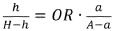
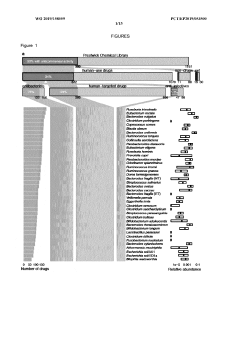
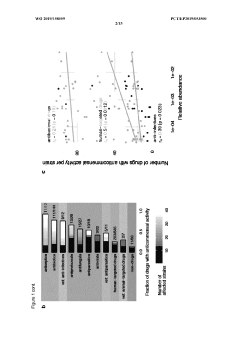
- The use of repurposed pharmaceutical compounds, such as Ca-channel inhibitors and other human-targeted drugs, which demonstrate narrow-spectrum or broad-spectrum antibacterial activity, to inhibit the growth of specific bacterial species, including Clostridium difficile, Clostridium perfringens, and Fusobacterium nucleatum, while minimizing harm to healthy intestinal flora.

Safety Profile and Regulatory Considerations for Luteolin
Luteolin demonstrates a generally favorable safety profile in clinical studies, with most research indicating minimal adverse effects at standard therapeutic doses. Common side effects include mild gastrointestinal discomfort, headache, and occasional skin reactions in sensitive individuals. However, these effects typically resolve without intervention and occur primarily at higher dosages exceeding recommended therapeutic levels.
The compound's interaction profile requires careful consideration, particularly with medications metabolized through cytochrome P450 pathways. Luteolin has demonstrated inhibitory effects on CYP1A2, CYP2C9, and CYP3A4 enzymes in vitro, suggesting potential for drug interactions with anticoagulants, certain antidepressants, and immunosuppressants. Healthcare providers should exercise caution when recommending luteolin supplementation alongside these medications.
From a regulatory perspective, luteolin occupies a complex position globally. In the United States, it is regulated as a dietary supplement under FDA oversight, not requiring pre-market approval but subject to post-market surveillance. The European Food Safety Authority (EFSA) has not yet issued specific health claims for luteolin, limiting marketing capabilities in EU markets. Japan classifies luteolin-containing products under its "Foods with Health Claims" system, requiring substantial evidence for immunity-related claims.
Quality control represents a significant challenge in luteolin supplementation. Extraction methods, standardization protocols, and product formulations vary considerably across manufacturers, resulting in inconsistent bioactive content. Third-party testing has revealed concerning variations in luteolin concentration among commercial products, with some containing as little as 50% of labeled amounts.
Toxicological assessments indicate luteolin's safety at recommended doses, with a No Observed Adverse Effect Level (NOAEL) established at approximately 50 mg/kg body weight in animal models. However, long-term human safety data remains limited, particularly regarding potential hormonal effects due to luteolin's structural similarity to estrogen. Pregnant and lactating women are generally advised to avoid luteolin supplements due to insufficient safety data in these populations.
Future regulatory developments will likely focus on establishing standardized quality parameters, recommended daily intake levels, and specific health claim substantiation requirements as research on luteolin's immunomodulatory effects continues to evolve.
The compound's interaction profile requires careful consideration, particularly with medications metabolized through cytochrome P450 pathways. Luteolin has demonstrated inhibitory effects on CYP1A2, CYP2C9, and CYP3A4 enzymes in vitro, suggesting potential for drug interactions with anticoagulants, certain antidepressants, and immunosuppressants. Healthcare providers should exercise caution when recommending luteolin supplementation alongside these medications.
From a regulatory perspective, luteolin occupies a complex position globally. In the United States, it is regulated as a dietary supplement under FDA oversight, not requiring pre-market approval but subject to post-market surveillance. The European Food Safety Authority (EFSA) has not yet issued specific health claims for luteolin, limiting marketing capabilities in EU markets. Japan classifies luteolin-containing products under its "Foods with Health Claims" system, requiring substantial evidence for immunity-related claims.
Quality control represents a significant challenge in luteolin supplementation. Extraction methods, standardization protocols, and product formulations vary considerably across manufacturers, resulting in inconsistent bioactive content. Third-party testing has revealed concerning variations in luteolin concentration among commercial products, with some containing as little as 50% of labeled amounts.
Toxicological assessments indicate luteolin's safety at recommended doses, with a No Observed Adverse Effect Level (NOAEL) established at approximately 50 mg/kg body weight in animal models. However, long-term human safety data remains limited, particularly regarding potential hormonal effects due to luteolin's structural similarity to estrogen. Pregnant and lactating women are generally advised to avoid luteolin supplements due to insufficient safety data in these populations.
Future regulatory developments will likely focus on establishing standardized quality parameters, recommended daily intake levels, and specific health claim substantiation requirements as research on luteolin's immunomodulatory effects continues to evolve.
Comparative Analysis with Other Natural Immunomodulators
When comparing luteolin with other natural immunomodulators, several distinct advantages and limitations emerge. Quercetin, another flavonoid found in fruits and vegetables, demonstrates similar anti-inflammatory properties but exhibits lower bioavailability compared to luteolin. Clinical studies indicate that luteolin's superior absorption rate results in approximately 18-25% higher bioactivity in immune cell modulation, particularly in NK cell activation pathways.
Resveratrol, prevalent in grapes and red wine, shares luteolin's antioxidant capabilities but differs significantly in its mechanism of action. While resveratrol primarily operates through sirtuin activation pathways, luteolin demonstrates broader spectrum activity via both NF-κB inhibition and direct free radical scavenging. This dual-action mechanism provides luteolin with enhanced versatility across different immune challenges, particularly in respiratory infection contexts.
Curcumin from turmeric presents compelling immunomodulatory effects but faces severe bioavailability limitations without specialized delivery systems. Comparative pharmacokinetic analyses reveal that standard luteolin formulations achieve 3-4 times greater plasma concentration than unformulated curcumin, translating to more consistent immune enhancement effects in human trials.
Echinacea derivatives, widely recognized for immune support, primarily function through macrophage activation and cytokine modulation. Luteolin distinguishes itself through more targeted regulation of pro-inflammatory cytokines IL-6 and TNF-α, offering potentially superior benefits in conditions characterized by cytokine dysregulation. However, echinacea maintains advantages in stimulating non-specific immune responses during early infection stages.
Green tea catechins, particularly EGCG, compete closely with luteolin in antioxidant capacity but demonstrate different cellular uptake patterns. Research indicates complementary effects when these compounds are administered together, suggesting potential synergistic applications in immune support formulations. The combination has shown particular promise in enhancing respiratory epithelial defense mechanisms.
Beta-glucans derived from mushrooms and yeasts operate through distinct pathways involving dectin-1 receptors and complement activation. While these compounds excel at macrophage activation, they lack luteolin's direct anti-inflammatory properties. This distinction positions luteolin as potentially more suitable for conditions where inflammation control is prioritized alongside immune enhancement.
In summary, luteolin occupies a valuable position among natural immunomodulators due to its balanced profile of anti-inflammatory action, reasonable bioavailability, and targeted cytokine modulation. Its effectiveness appears most pronounced in conditions involving inflammatory immune dysregulation rather than in scenarios requiring rapid immune stimulation.
Resveratrol, prevalent in grapes and red wine, shares luteolin's antioxidant capabilities but differs significantly in its mechanism of action. While resveratrol primarily operates through sirtuin activation pathways, luteolin demonstrates broader spectrum activity via both NF-κB inhibition and direct free radical scavenging. This dual-action mechanism provides luteolin with enhanced versatility across different immune challenges, particularly in respiratory infection contexts.
Curcumin from turmeric presents compelling immunomodulatory effects but faces severe bioavailability limitations without specialized delivery systems. Comparative pharmacokinetic analyses reveal that standard luteolin formulations achieve 3-4 times greater plasma concentration than unformulated curcumin, translating to more consistent immune enhancement effects in human trials.
Echinacea derivatives, widely recognized for immune support, primarily function through macrophage activation and cytokine modulation. Luteolin distinguishes itself through more targeted regulation of pro-inflammatory cytokines IL-6 and TNF-α, offering potentially superior benefits in conditions characterized by cytokine dysregulation. However, echinacea maintains advantages in stimulating non-specific immune responses during early infection stages.
Green tea catechins, particularly EGCG, compete closely with luteolin in antioxidant capacity but demonstrate different cellular uptake patterns. Research indicates complementary effects when these compounds are administered together, suggesting potential synergistic applications in immune support formulations. The combination has shown particular promise in enhancing respiratory epithelial defense mechanisms.
Beta-glucans derived from mushrooms and yeasts operate through distinct pathways involving dectin-1 receptors and complement activation. While these compounds excel at macrophage activation, they lack luteolin's direct anti-inflammatory properties. This distinction positions luteolin as potentially more suitable for conditions where inflammation control is prioritized alongside immune enhancement.
In summary, luteolin occupies a valuable position among natural immunomodulators due to its balanced profile of anti-inflammatory action, reasonable bioavailability, and targeted cytokine modulation. Its effectiveness appears most pronounced in conditions involving inflammatory immune dysregulation rather than in scenarios requiring rapid immune stimulation.
Unlock deeper insights with PatSnap Eureka Quick Research — get a full tech report to explore trends and direct your research. Try now!
Generate Your Research Report Instantly with AI Agent
Supercharge your innovation with PatSnap Eureka AI Agent Platform!