
Managing Refraction Challenges in Transparent Material Debonding
APR 7, 20269 MIN READ
Generate Your Research Report Instantly with AI Agent
Patsnap Eureka helps you evaluate technical feasibility & market potential.
Transparent Material Debonding Background and Objectives
Transparent material debonding represents a critical challenge in modern manufacturing and materials science, where the controlled separation of transparent substrates requires precise management of optical phenomena. The process involves the deliberate detachment of transparent materials such as glass, polymers, or optical films from various substrates while maintaining optical clarity and structural integrity. This technology has evolved from traditional mechanical separation methods to sophisticated laser-based and thermally-controlled processes that can achieve precise debonding without compromising material properties.
The historical development of transparent material debonding traces back to early glass manufacturing processes in the mid-20th century, where simple thermal expansion techniques were employed. However, the advent of advanced optical devices, flexible displays, and precision optics has demanded more sophisticated approaches. The integration of laser technology in the 1990s marked a significant milestone, enabling non-contact debonding processes that could preserve delicate surface structures and maintain optical quality.
Current technological evolution focuses on addressing refraction-related challenges that arise during the debonding process. When laser energy or thermal gradients are applied to transparent materials, varying refractive indices across different material layers create complex optical interactions. These interactions can lead to uneven energy distribution, localized heating, and potential damage to optical surfaces. The challenge becomes particularly acute when dealing with multi-layer transparent structures or materials with gradient refractive indices.
The primary objective of managing refraction challenges in transparent material debonding is to achieve uniform energy distribution across the debonding interface while minimizing optical distortions and material damage. This involves developing precise control mechanisms for laser beam shaping, wavelength selection, and energy modulation to compensate for refractive effects. Advanced beam steering technologies and adaptive optics systems are being integrated to dynamically adjust for varying optical properties during the debonding process.
Future technological goals encompass the development of real-time monitoring systems that can detect and compensate for refractive variations instantaneously. The integration of artificial intelligence and machine learning algorithms aims to predict optimal debonding parameters based on material properties and geometric configurations. Additionally, the advancement toward selective debonding of specific layers within complex transparent assemblies represents a key technological frontier, requiring unprecedented precision in managing optical interactions and energy delivery mechanisms.
The historical development of transparent material debonding traces back to early glass manufacturing processes in the mid-20th century, where simple thermal expansion techniques were employed. However, the advent of advanced optical devices, flexible displays, and precision optics has demanded more sophisticated approaches. The integration of laser technology in the 1990s marked a significant milestone, enabling non-contact debonding processes that could preserve delicate surface structures and maintain optical quality.
Current technological evolution focuses on addressing refraction-related challenges that arise during the debonding process. When laser energy or thermal gradients are applied to transparent materials, varying refractive indices across different material layers create complex optical interactions. These interactions can lead to uneven energy distribution, localized heating, and potential damage to optical surfaces. The challenge becomes particularly acute when dealing with multi-layer transparent structures or materials with gradient refractive indices.
The primary objective of managing refraction challenges in transparent material debonding is to achieve uniform energy distribution across the debonding interface while minimizing optical distortions and material damage. This involves developing precise control mechanisms for laser beam shaping, wavelength selection, and energy modulation to compensate for refractive effects. Advanced beam steering technologies and adaptive optics systems are being integrated to dynamically adjust for varying optical properties during the debonding process.
Future technological goals encompass the development of real-time monitoring systems that can detect and compensate for refractive variations instantaneously. The integration of artificial intelligence and machine learning algorithms aims to predict optimal debonding parameters based on material properties and geometric configurations. Additionally, the advancement toward selective debonding of specific layers within complex transparent assemblies represents a key technological frontier, requiring unprecedented precision in managing optical interactions and energy delivery mechanisms.
Market Demand for Advanced Transparent Material Applications
The global transparent materials market is experiencing unprecedented growth driven by technological advancement and evolving consumer demands across multiple industries. Advanced transparent materials with superior optical properties and enhanced durability are becoming critical components in sectors ranging from consumer electronics to aerospace applications. The increasing miniaturization of electronic devices and the push toward more sophisticated optical systems have created substantial demand for materials that can maintain optical clarity while withstanding complex manufacturing processes.
Automotive industry represents one of the most significant growth drivers for advanced transparent materials. Modern vehicles incorporate increasingly complex transparent components including heads-up displays, advanced driver assistance systems, and panoramic sunroofs. These applications require materials that can withstand thermal cycling, mechanical stress, and environmental exposure while maintaining optical integrity. The transition toward electric vehicles has further intensified demand for lightweight transparent materials that contribute to energy efficiency without compromising safety or functionality.
Consumer electronics sector continues to expand its requirements for high-performance transparent materials. Smartphone manufacturers, tablet producers, and wearable device companies are pushing the boundaries of design aesthetics and functionality. Curved displays, foldable screens, and multi-layered optical assemblies demand materials with exceptional optical properties and the ability to undergo complex manufacturing processes including precise debonding operations. The challenge of managing refraction during material separation has become particularly critical as device designs become more sophisticated.
Aerospace and defense applications represent a high-value market segment with stringent performance requirements. Aircraft windows, optical sensors, and protective covers for sensitive equipment require transparent materials that can maintain optical clarity under extreme conditions. The debonding processes used in manufacturing and maintenance of these components must preserve optical properties while ensuring structural integrity. Military and space applications further demand materials that can withstand radiation exposure and extreme temperature variations.
Medical device industry has emerged as a rapidly growing market for advanced transparent materials. Surgical instruments, diagnostic equipment, and implantable devices increasingly rely on transparent components with precise optical characteristics. The biocompatibility requirements combined with the need for sterilization compatibility create unique challenges for material selection and processing. Debonding operations in medical device manufacturing must maintain not only optical clarity but also surface cleanliness and biocompatibility.
The renewable energy sector, particularly solar photovoltaics, represents an expanding market opportunity. Advanced transparent materials are essential for improving energy conversion efficiency and extending operational lifespan of solar panels. Anti-reflective coatings and protective layers require precise manufacturing processes that often involve controlled debonding operations. The growing emphasis on sustainable energy solutions continues to drive innovation in transparent material applications and processing techniques.
Automotive industry represents one of the most significant growth drivers for advanced transparent materials. Modern vehicles incorporate increasingly complex transparent components including heads-up displays, advanced driver assistance systems, and panoramic sunroofs. These applications require materials that can withstand thermal cycling, mechanical stress, and environmental exposure while maintaining optical integrity. The transition toward electric vehicles has further intensified demand for lightweight transparent materials that contribute to energy efficiency without compromising safety or functionality.
Consumer electronics sector continues to expand its requirements for high-performance transparent materials. Smartphone manufacturers, tablet producers, and wearable device companies are pushing the boundaries of design aesthetics and functionality. Curved displays, foldable screens, and multi-layered optical assemblies demand materials with exceptional optical properties and the ability to undergo complex manufacturing processes including precise debonding operations. The challenge of managing refraction during material separation has become particularly critical as device designs become more sophisticated.
Aerospace and defense applications represent a high-value market segment with stringent performance requirements. Aircraft windows, optical sensors, and protective covers for sensitive equipment require transparent materials that can maintain optical clarity under extreme conditions. The debonding processes used in manufacturing and maintenance of these components must preserve optical properties while ensuring structural integrity. Military and space applications further demand materials that can withstand radiation exposure and extreme temperature variations.
Medical device industry has emerged as a rapidly growing market for advanced transparent materials. Surgical instruments, diagnostic equipment, and implantable devices increasingly rely on transparent components with precise optical characteristics. The biocompatibility requirements combined with the need for sterilization compatibility create unique challenges for material selection and processing. Debonding operations in medical device manufacturing must maintain not only optical clarity but also surface cleanliness and biocompatibility.
The renewable energy sector, particularly solar photovoltaics, represents an expanding market opportunity. Advanced transparent materials are essential for improving energy conversion efficiency and extending operational lifespan of solar panels. Anti-reflective coatings and protective layers require precise manufacturing processes that often involve controlled debonding operations. The growing emphasis on sustainable energy solutions continues to drive innovation in transparent material applications and processing techniques.
Current Refraction Challenges in Transparent Debonding
Transparent material debonding processes face significant refraction-related challenges that fundamentally impact the precision and effectiveness of separation techniques. The primary challenge stems from the optical distortion that occurs when light passes through transparent substrates of varying thicknesses and refractive indices. This distortion creates measurement inaccuracies in laser-based debonding systems, where precise beam positioning is critical for controlled material separation.
Interface detection represents another major hurdle in transparent debonding applications. When multiple transparent layers are bonded together, identifying the exact bonding interface becomes extremely difficult due to similar refractive indices between materials. This similarity causes light to pass through without clear demarcation, making it challenging for optical sensors to distinguish between different material layers and accurately target the debonding zone.
Beam scattering and aberration effects significantly compromise the quality of laser debonding processes. As coherent light travels through transparent materials, it encounters microscopic imperfections, surface roughness, and material inhomogeneities that cause unwanted scattering. These effects result in reduced beam intensity at the target interface and create unpredictable energy distribution patterns that can lead to incomplete or uneven debonding.
Temperature-induced refractive index variations present dynamic challenges during the debonding process. As materials heat up during laser processing, their refractive indices change, causing real-time shifts in light propagation paths. This thermal effect creates a feedback loop where the debonding process itself alters the optical properties of the materials, requiring continuous adjustment of processing parameters.
Multi-layer transparent assemblies introduce complex refraction patterns that are difficult to predict and control. Each interface between different materials creates partial reflection and refraction, leading to multiple beam paths and reduced energy efficiency. The cumulative effect of these interactions often results in insufficient energy delivery to deeper bonding interfaces.
Current monitoring and quality control systems struggle with real-time assessment of debonding progress in transparent materials. Traditional visual inspection methods are inadequate due to the subtle nature of changes in transparent interfaces, while optical coherence tomography and similar advanced techniques face limitations in penetration depth and resolution when dealing with complex multi-layer structures.
Interface detection represents another major hurdle in transparent debonding applications. When multiple transparent layers are bonded together, identifying the exact bonding interface becomes extremely difficult due to similar refractive indices between materials. This similarity causes light to pass through without clear demarcation, making it challenging for optical sensors to distinguish between different material layers and accurately target the debonding zone.
Beam scattering and aberration effects significantly compromise the quality of laser debonding processes. As coherent light travels through transparent materials, it encounters microscopic imperfections, surface roughness, and material inhomogeneities that cause unwanted scattering. These effects result in reduced beam intensity at the target interface and create unpredictable energy distribution patterns that can lead to incomplete or uneven debonding.
Temperature-induced refractive index variations present dynamic challenges during the debonding process. As materials heat up during laser processing, their refractive indices change, causing real-time shifts in light propagation paths. This thermal effect creates a feedback loop where the debonding process itself alters the optical properties of the materials, requiring continuous adjustment of processing parameters.
Multi-layer transparent assemblies introduce complex refraction patterns that are difficult to predict and control. Each interface between different materials creates partial reflection and refraction, leading to multiple beam paths and reduced energy efficiency. The cumulative effect of these interactions often results in insufficient energy delivery to deeper bonding interfaces.
Current monitoring and quality control systems struggle with real-time assessment of debonding progress in transparent materials. Traditional visual inspection methods are inadequate due to the subtle nature of changes in transparent interfaces, while optical coherence tomography and similar advanced techniques face limitations in penetration depth and resolution when dealing with complex multi-layer structures.
Existing Refraction Management Solutions in Debonding
01 Optical debonding methods using laser or light energy
Transparent materials can be debonded using laser or light energy that passes through the transparent substrate to reach the adhesive interface. The light energy is absorbed at the bonding interface, causing localized heating or chemical decomposition of the adhesive layer, thereby enabling separation without damaging the transparent material. This method is particularly useful for glass, transparent polymers, and optical components where maintaining optical clarity is critical.- Optical debonding methods using laser or light energy: Transparent materials can be debonded using laser or focused light energy that passes through the transparent substrate to reach the adhesive interface. The light energy is absorbed at the bonding interface, causing localized heating or ablation that weakens or breaks the adhesive bond. This method is particularly useful for separating transparent components without damaging the substrate material, as the transparent material allows the energy to pass through while the adhesive layer absorbs it.
- Thermal debonding with refractive index matching: Debonding of transparent materials can be achieved through thermal methods where heat is applied to reduce adhesive strength. The refractive index properties of the transparent materials are considered to ensure optical clarity during or after the debonding process. Temperature-controlled heating allows for controlled separation while maintaining the optical properties of the transparent substrates. This approach is commonly used in display manufacturing and optical device assembly.
- Mechanical debonding with optical monitoring: Mechanical separation techniques utilize physical force to debond transparent materials while employing optical monitoring systems to detect the debonding progress. The transparent nature of the materials allows for real-time observation of the separation interface through refraction changes or interference patterns. This method enables precise control over the debonding process and helps prevent damage to sensitive transparent components.
- Chemical debonding agents for transparent substrates: Chemical solutions or agents can be used to weaken or dissolve adhesive bonds between transparent materials. These agents are designed to penetrate the bonding interface and selectively attack the adhesive layer without affecting the optical properties or transparency of the substrate materials. The debonding process can be monitored optically by observing changes in refraction or light transmission at the interface as the adhesive degrades.
- Ultrasonic or vibration-assisted debonding: Ultrasonic energy or mechanical vibrations can be applied to transparent bonded assemblies to facilitate separation. The vibration energy creates stress at the adhesive interface, causing progressive debonding. The transparent nature of the materials allows for optical inspection during the process to monitor crack propagation and separation progress through changes in light refraction patterns at the debonding interface. This method is effective for large-area transparent substrates.
02 Refractive index matching for transparent bonding and debonding
The use of adhesives or intermediate layers with matched refractive indices to the transparent substrates minimizes optical distortion during bonding. For debonding applications, materials with tunable refractive properties or phase-change characteristics can be employed, allowing controlled separation while maintaining optical quality. This approach is essential in applications requiring minimal light scattering or reflection at interfaces.Expand Specific Solutions03 Thermal debonding with controlled heating
Transparent materials bonded with thermally-sensitive adhesives can be separated through controlled heating processes. The heating causes the adhesive to soften, melt, or decompose, facilitating debonding. Special attention is given to uniform heat distribution and temperature control to prevent thermal stress, cracking, or optical property degradation in the transparent substrate. This method is widely applicable to glass-to-glass or glass-to-polymer assemblies.Expand Specific Solutions04 Mechanical debonding techniques for transparent substrates
Mechanical separation methods involve applying controlled force, vibration, or ultrasonic energy to debond transparent materials without causing fracture or surface damage. These techniques often incorporate specialized fixtures or tools designed to distribute stress evenly across the bonding interface. The methods are suitable for applications where chemical or thermal debonding is not feasible due to material sensitivity or contamination concerns.Expand Specific Solutions05 Chemical debonding and solvent-based separation
Chemical agents or solvents can be used to dissolve or weaken adhesive bonds between transparent materials. The selection of appropriate chemicals ensures that the transparent substrate remains unaffected while the adhesive layer is degraded. This approach is particularly effective for pressure-sensitive adhesives or chemically-reactive bonding agents. Considerations include solvent compatibility, environmental safety, and residue removal to maintain optical clarity.Expand Specific Solutions
Key Players in Transparent Material Processing Industry
The transparent material debonding sector represents a mature yet evolving market driven by advanced manufacturing demands across electronics, automotive, and optical industries. The competitive landscape features established Japanese giants like FUJIFILM, Canon, and Nitto Denko leveraging decades of materials science expertise, while display manufacturers such as LG Display and semiconductor leaders including Intel and Renesas Electronics drive innovation through application-specific requirements. Technology maturity varies significantly, with companies like 3M Innovative Properties and Saint-Gobain demonstrating advanced adhesive solutions, while emerging players like Elephantech explore novel approaches. The market exhibits strong consolidation around Asian manufacturers, particularly Japanese firms, reflecting the region's dominance in precision manufacturing and optical technologies. Current technological focus centers on developing debonding methods that minimize optical distortion and material stress, with increasing emphasis on automation and process reliability to meet stringent quality requirements in high-volume production environments.
Nitto Denko Corp.
Technical Solution: Nitto Denko has developed specialized optical tapes and adhesive systems designed for temporary bonding and clean debonding of transparent materials in semiconductor and display manufacturing. Their technology focuses on adhesives with controlled refractive indices that match substrate materials to minimize optical interference during processing. The company's debonding solutions utilize UV-activated release mechanisms that allow precise control over adhesive properties without thermal stress that could cause optical distortion. Nitto Denko's systems incorporate anti-reflective coatings and refractive index matching layers that maintain optical clarity throughout the debonding process. Their proprietary formulations include additives that prevent residue formation and surface contamination that could affect optical performance of debonded transparent substrates.
Strengths: Specialized optical adhesives, proven UV debonding technology, excellent surface cleanliness after removal. Weaknesses: Limited to UV-transparent materials, requires specific wavelength exposure, temperature-sensitive performance.
Canon, Inc.
Technical Solution: Canon has developed precision optical debonding systems primarily for their camera lens manufacturing and display applications. Their approach focuses on laser-assisted debonding techniques that use precisely controlled wavelengths to selectively heat adhesive interfaces without affecting the optical properties of transparent substrates. The technology incorporates real-time refractive index monitoring during the debonding process to ensure minimal optical distortion. Canon's systems utilize adaptive optics to compensate for refraction variations during separation, maintaining consistent beam focus and energy delivery. Their proprietary algorithms predict and correct for refractive changes in real-time, enabling high-precision debonding of complex optical assemblies including multi-layer lens systems and transparent electronic displays.
Strengths: High precision control, real-time optical monitoring, proven in complex optical systems. Weaknesses: Limited to laser-compatible materials, high equipment costs, requires specialized operator training.
Core Innovations in Optical Debonding Technologies
Display Assembly Apparatus And Methods For Information Handling Systems
PatentActiveUS20220231265A1
Innovation
- A multi-layer display assembly apparatus is introduced, featuring multiple transparent adhesive layers with different indices of refraction and debonding characteristics, allowing for selective debonding of the glass cover without damaging the display substrate, using a combination of thermoplastic and thermoset adhesives with distinct curing mechanisms and debonding conditions.


Mesoporous inorganic coatings with photocatalytic particles in its pores
PatentInactiveUS20150376441A1
Innovation
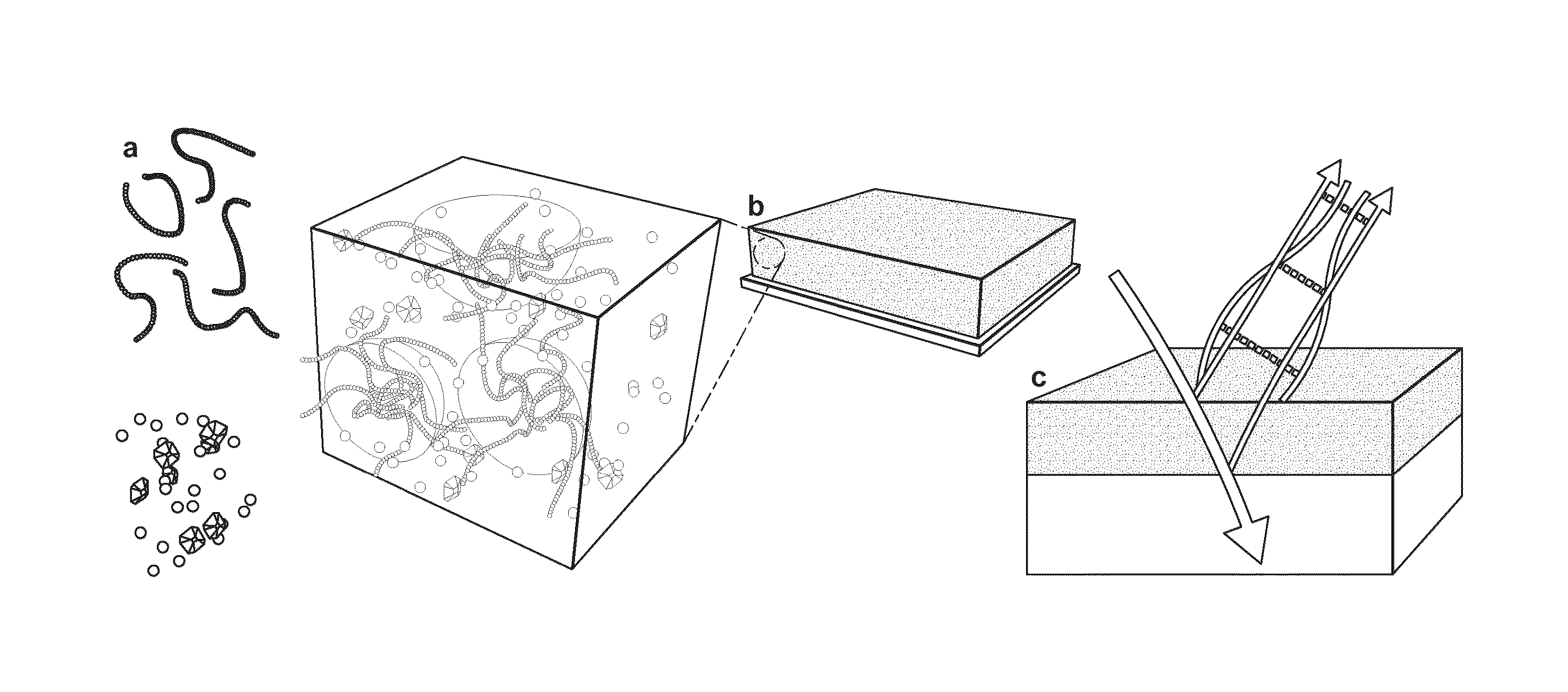
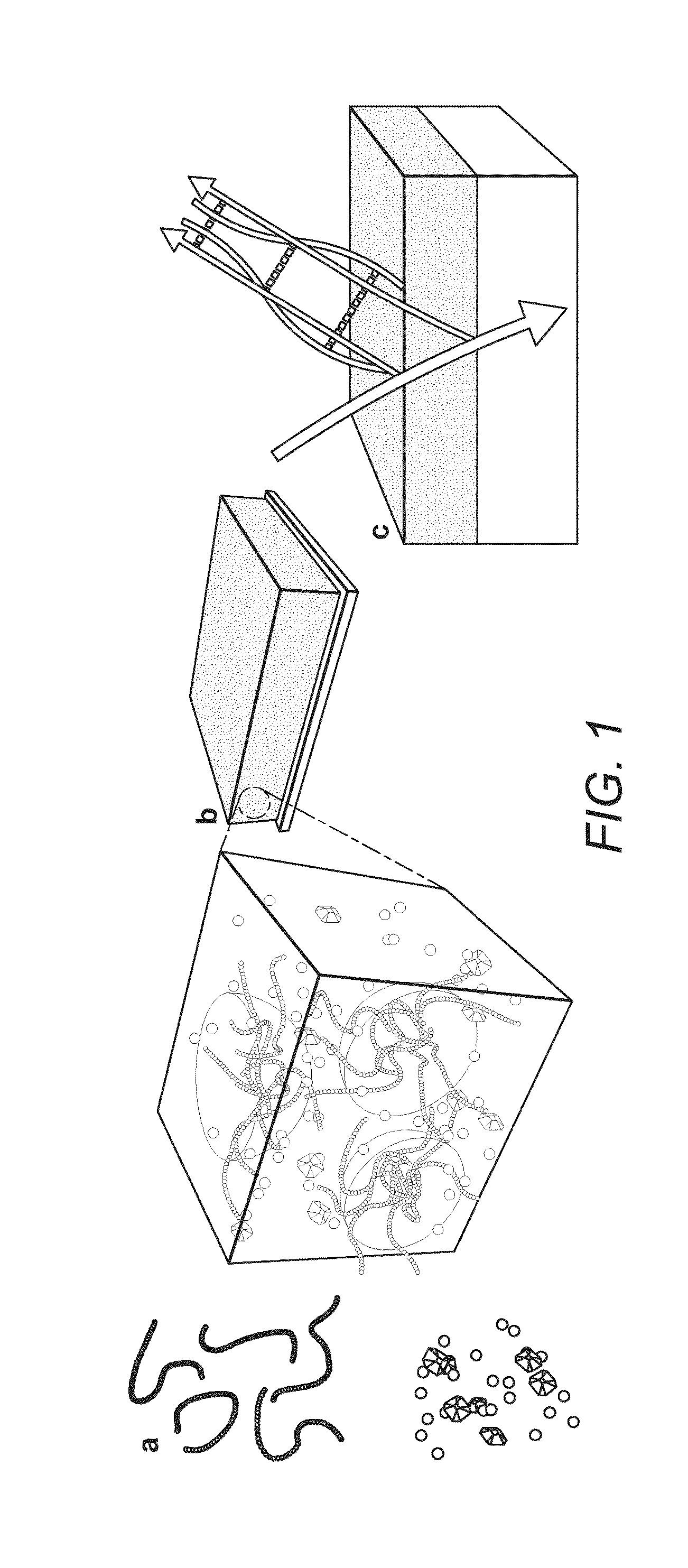
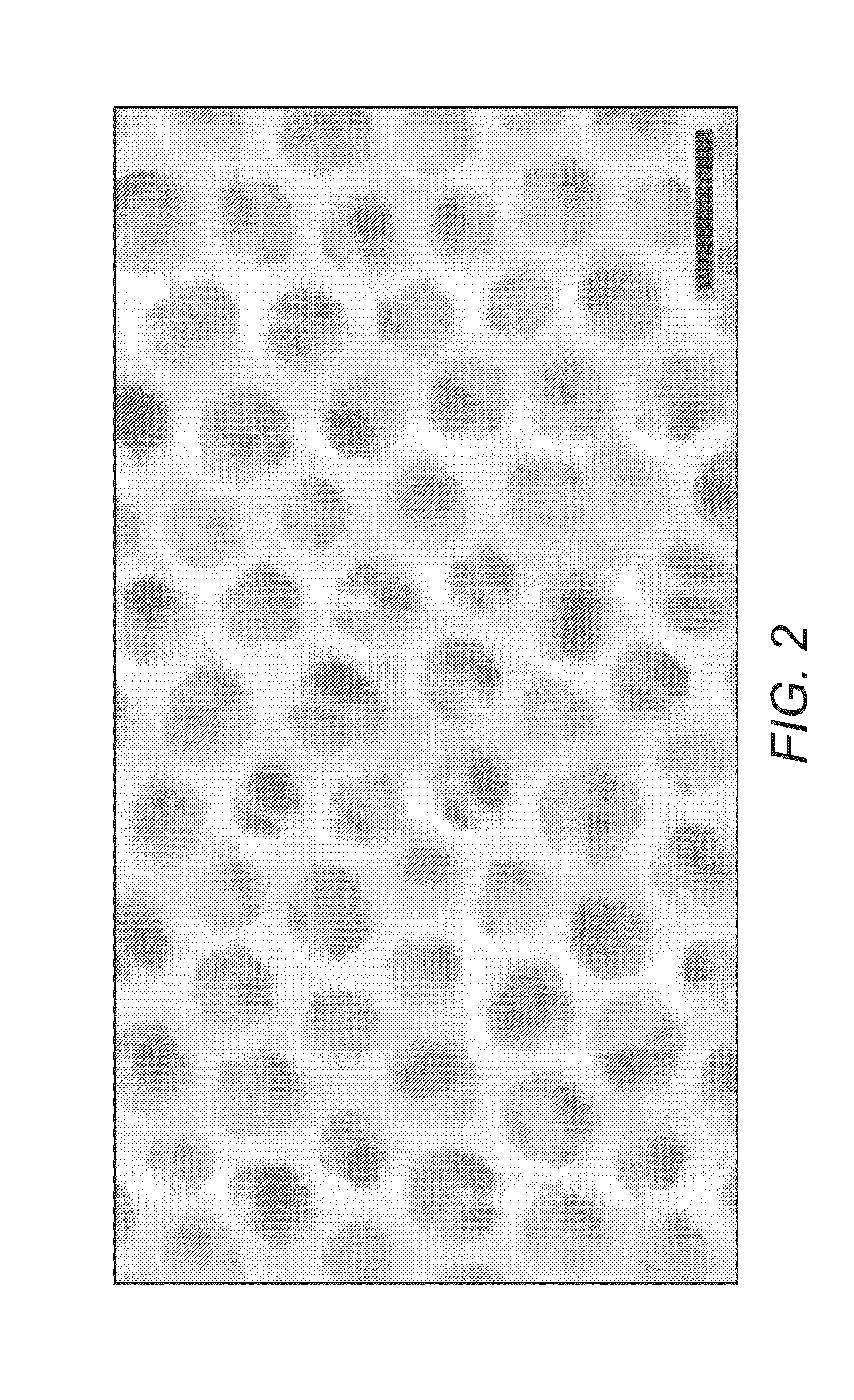
- A self-cleaning antireflective coating (SCARC) is developed using a porous, inorganic skeleton with photocatalytic particles, comprising a transparent matrix material of low refractive index and titania, achieved through a solution processing method involving a sacrificial polymer and photocatalytic nanocrystals, allowing for low refractive index and high porosity, enabling effective anti-reflective and self-cleaning properties without high-temperature processing.

Safety Standards for Transparent Material Processing
Safety standards for transparent material processing have evolved significantly to address the unique hazards associated with optical materials and their manufacturing processes. These standards encompass comprehensive guidelines for handling, processing, and quality control of transparent substrates, with particular emphasis on preventing optical distortions and maintaining material integrity throughout debonding operations.
International safety frameworks, including ISO 14644 cleanroom standards and ANSI Z87.1 optical safety requirements, establish fundamental protocols for transparent material processing environments. These standards mandate controlled atmospheric conditions, particulate contamination limits, and specialized handling procedures to prevent surface damage that could compromise optical properties during subsequent processing steps.
Personnel safety protocols specifically address the risks associated with transparent material processing, including exposure to optical radiation, chemical vapors from adhesive removal processes, and mechanical hazards from precision tooling. Mandatory personal protective equipment includes specialized safety glasses with appropriate optical density ratings, chemical-resistant gloves, and respiratory protection systems designed for cleanroom environments.
Equipment safety standards focus on precision machinery used in debonding operations, requiring fail-safe mechanisms to prevent sudden material release and optical alignment systems to minimize refraction-induced processing errors. Regular calibration protocols ensure that laser-based debonding systems maintain appropriate power levels and beam characteristics to prevent thermal damage to transparent substrates.
Environmental safety considerations encompass waste management protocols for contaminated transparent materials, proper ventilation systems to control chemical emissions, and emergency response procedures for incidents involving optical materials. These standards also address the safe disposal of damaged transparent components that may pose cutting hazards or contain residual adhesive compounds.
Quality assurance safety standards integrate optical testing requirements with traditional safety protocols, ensuring that refractive index measurements and optical clarity assessments are conducted under controlled conditions that protect both personnel and equipment from potential hazards associated with high-intensity light sources and precision optical instruments.
International safety frameworks, including ISO 14644 cleanroom standards and ANSI Z87.1 optical safety requirements, establish fundamental protocols for transparent material processing environments. These standards mandate controlled atmospheric conditions, particulate contamination limits, and specialized handling procedures to prevent surface damage that could compromise optical properties during subsequent processing steps.
Personnel safety protocols specifically address the risks associated with transparent material processing, including exposure to optical radiation, chemical vapors from adhesive removal processes, and mechanical hazards from precision tooling. Mandatory personal protective equipment includes specialized safety glasses with appropriate optical density ratings, chemical-resistant gloves, and respiratory protection systems designed for cleanroom environments.
Equipment safety standards focus on precision machinery used in debonding operations, requiring fail-safe mechanisms to prevent sudden material release and optical alignment systems to minimize refraction-induced processing errors. Regular calibration protocols ensure that laser-based debonding systems maintain appropriate power levels and beam characteristics to prevent thermal damage to transparent substrates.
Environmental safety considerations encompass waste management protocols for contaminated transparent materials, proper ventilation systems to control chemical emissions, and emergency response procedures for incidents involving optical materials. These standards also address the safe disposal of damaged transparent components that may pose cutting hazards or contain residual adhesive compounds.
Quality assurance safety standards integrate optical testing requirements with traditional safety protocols, ensuring that refractive index measurements and optical clarity assessments are conducted under controlled conditions that protect both personnel and equipment from potential hazards associated with high-intensity light sources and precision optical instruments.
Environmental Impact of Transparent Material Waste
The environmental implications of transparent material waste generated from debonding processes present significant challenges across multiple dimensions. Traditional mechanical and thermal debonding methods often result in material degradation, rendering previously recyclable transparent materials unsuitable for reprocessing. This degradation occurs due to stress-induced micro-fractures, thermal damage, and contamination from adhesive residues that compromise the optical clarity and structural integrity of recovered materials.
Current waste streams from transparent material debonding operations contribute substantially to landfill accumulation, particularly in electronics, automotive, and construction industries. Glass substrates from display panels, optical films from solar installations, and transparent polymers from various applications frequently become non-recyclable waste due to inadequate separation techniques. The volume of such waste has increased exponentially with the proliferation of electronic devices and renewable energy installations.
Chemical debonding agents pose additional environmental concerns through their lifecycle impact. Many solvents and chemical treatments used in current debonding processes contain volatile organic compounds that contribute to air pollution and require specialized disposal methods. The production, transportation, and disposal of these chemicals create a substantial carbon footprint that extends beyond the immediate debonding operation.
Emerging sustainable approaches focus on developing environmentally benign debonding methods that preserve material recyclability. Bio-based solvents, supercritical fluid extraction, and advanced thermal cycling techniques show promise in reducing environmental impact while maintaining separation efficiency. These methods aim to eliminate toxic chemical usage and minimize energy consumption during the debonding process.
The circular economy potential of improved transparent material recovery is substantial. Enhanced debonding technologies could enable closed-loop recycling systems where transparent materials maintain their optical properties through multiple use cycles. This approach would significantly reduce raw material extraction demands and associated environmental impacts from primary production processes.
Regulatory frameworks increasingly emphasize extended producer responsibility for transparent material waste management. New legislation in various jurisdictions requires manufacturers to account for end-of-life material recovery, driving innovation in environmentally conscious debonding technologies and waste reduction strategies.
Current waste streams from transparent material debonding operations contribute substantially to landfill accumulation, particularly in electronics, automotive, and construction industries. Glass substrates from display panels, optical films from solar installations, and transparent polymers from various applications frequently become non-recyclable waste due to inadequate separation techniques. The volume of such waste has increased exponentially with the proliferation of electronic devices and renewable energy installations.
Chemical debonding agents pose additional environmental concerns through their lifecycle impact. Many solvents and chemical treatments used in current debonding processes contain volatile organic compounds that contribute to air pollution and require specialized disposal methods. The production, transportation, and disposal of these chemicals create a substantial carbon footprint that extends beyond the immediate debonding operation.
Emerging sustainable approaches focus on developing environmentally benign debonding methods that preserve material recyclability. Bio-based solvents, supercritical fluid extraction, and advanced thermal cycling techniques show promise in reducing environmental impact while maintaining separation efficiency. These methods aim to eliminate toxic chemical usage and minimize energy consumption during the debonding process.
The circular economy potential of improved transparent material recovery is substantial. Enhanced debonding technologies could enable closed-loop recycling systems where transparent materials maintain their optical properties through multiple use cycles. This approach would significantly reduce raw material extraction demands and associated environmental impacts from primary production processes.
Regulatory frameworks increasingly emphasize extended producer responsibility for transparent material waste management. New legislation in various jurisdictions requires manufacturers to account for end-of-life material recovery, driving innovation in environmentally conscious debonding technologies and waste reduction strategies.
Unlock deeper insights with Patsnap Eureka Quick Research — get a full tech report to explore trends and direct your research. Try now!
Generate Your Research Report Instantly with AI Agent
Supercharge your innovation with Patsnap Eureka AI Agent Platform!