

Material Innovations for Electrodynamic Tethers in Extreme Environments
MAY 11, 20269 MIN READ
Generate Your Research Report Instantly with AI Agent
PatSnap Eureka helps you evaluate technical feasibility & market potential.
Electrodynamic Tether Material Innovation Background and Objectives
Electrodynamic tethers represent a revolutionary propulsion and power generation technology that harnesses the interaction between conductive materials and planetary magnetic fields. Since their conceptual introduction in the 1960s by Giuseppe Colombo and Mario Grossi, these systems have evolved from theoretical constructs to practical space applications. The technology operates on Faraday's law of electromagnetic induction, where a conductive tether moving through a magnetic field generates electrical current, enabling orbital maneuvering without traditional propellant consumption.
The historical development trajectory reveals significant milestones, beginning with early theoretical frameworks in the 1970s, followed by pioneering missions such as the Tethered Satellite System (TSS-1) in 1992 and TSS-1R in 1996. These missions, despite encountering technical challenges, demonstrated the fundamental viability of electrodynamic tether systems and highlighted critical material limitations that continue to drive innovation today.
Current technological evolution focuses on addressing the extreme operational environments encountered in space applications. These environments present unprecedented challenges including atomic oxygen erosion, micrometeorite impacts, thermal cycling between -150°C and +120°C, intense ultraviolet radiation, and plasma interactions. Traditional materials have proven inadequate for sustained operation under these conditions, necessitating breakthrough innovations in material science.
The primary technical objectives center on developing materials that can simultaneously achieve high electrical conductivity, exceptional mechanical strength, and superior environmental resistance. Target specifications include conductivity levels exceeding 10^7 S/m, tensile strengths above 2 GPa, and operational lifespans extending beyond five years in low Earth orbit environments. Additionally, materials must maintain structural integrity while experiencing continuous flexural stress and electromagnetic forces.
Contemporary research directions emphasize multi-functional material architectures that integrate conductive, structural, and protective properties within unified systems. Advanced carbon nanotube composites, graphene-enhanced polymers, and novel metallic alloys represent promising pathways toward achieving these ambitious performance targets. The ultimate goal involves enabling cost-effective, long-duration space missions through reliable electrodynamic tether systems that can operate autonomously in the harshest extraterrestrial environments while providing both propulsion and power generation capabilities for next-generation spacecraft.
The historical development trajectory reveals significant milestones, beginning with early theoretical frameworks in the 1970s, followed by pioneering missions such as the Tethered Satellite System (TSS-1) in 1992 and TSS-1R in 1996. These missions, despite encountering technical challenges, demonstrated the fundamental viability of electrodynamic tether systems and highlighted critical material limitations that continue to drive innovation today.
Current technological evolution focuses on addressing the extreme operational environments encountered in space applications. These environments present unprecedented challenges including atomic oxygen erosion, micrometeorite impacts, thermal cycling between -150°C and +120°C, intense ultraviolet radiation, and plasma interactions. Traditional materials have proven inadequate for sustained operation under these conditions, necessitating breakthrough innovations in material science.
The primary technical objectives center on developing materials that can simultaneously achieve high electrical conductivity, exceptional mechanical strength, and superior environmental resistance. Target specifications include conductivity levels exceeding 10^7 S/m, tensile strengths above 2 GPa, and operational lifespans extending beyond five years in low Earth orbit environments. Additionally, materials must maintain structural integrity while experiencing continuous flexural stress and electromagnetic forces.
Contemporary research directions emphasize multi-functional material architectures that integrate conductive, structural, and protective properties within unified systems. Advanced carbon nanotube composites, graphene-enhanced polymers, and novel metallic alloys represent promising pathways toward achieving these ambitious performance targets. The ultimate goal involves enabling cost-effective, long-duration space missions through reliable electrodynamic tether systems that can operate autonomously in the harshest extraterrestrial environments while providing both propulsion and power generation capabilities for next-generation spacecraft.
Market Demand for Advanced Space Tether Systems
The global space industry is experiencing unprecedented growth, driven by increasing satellite deployments, space exploration missions, and commercial space ventures. This expansion has created substantial demand for advanced space tether systems, particularly electrodynamic tethers capable of operating in extreme space environments. The market demand stems from multiple critical applications where traditional propulsion and power systems face limitations.
Satellite constellation operators represent a primary market segment driving demand for electrodynamic tether technology. With thousands of small satellites being deployed annually for communications, Earth observation, and internet services, operators require cost-effective solutions for orbit maintenance, deorbiting compliance, and power generation. Electrodynamic tethers offer significant advantages over conventional chemical propulsion systems by providing propellantless operation and extended mission lifespans.
Space agencies worldwide are increasingly recognizing the potential of tether systems for large-scale missions. The International Space Station and future space platforms require efficient debris mitigation and orbital maneuvering capabilities. Electrodynamic tethers present attractive solutions for these applications, particularly when enhanced with advanced materials capable of withstanding radiation, micrometeorite impacts, and extreme temperature variations.
The emerging space debris remediation market represents another significant demand driver. With over 34,000 tracked objects in Earth orbit, active debris removal missions are becoming essential for maintaining safe space operations. Advanced tether systems equipped with innovative materials can serve as both capture mechanisms and deorbiting devices, addressing the growing concern of space sustainability.
Commercial space ventures, including space tourism and manufacturing platforms, are creating new market opportunities for tether applications. These missions often require precise orbital positioning and power management capabilities that electrodynamic tethers can provide more efficiently than traditional systems.
The demand for material innovations specifically targets enhanced conductivity, improved durability against space weathering, reduced mass-to-performance ratios, and increased operational reliability. Market projections indicate strong growth potential as space activities continue expanding and regulatory frameworks increasingly emphasize sustainable space operations and debris mitigation strategies.
Satellite constellation operators represent a primary market segment driving demand for electrodynamic tether technology. With thousands of small satellites being deployed annually for communications, Earth observation, and internet services, operators require cost-effective solutions for orbit maintenance, deorbiting compliance, and power generation. Electrodynamic tethers offer significant advantages over conventional chemical propulsion systems by providing propellantless operation and extended mission lifespans.
Space agencies worldwide are increasingly recognizing the potential of tether systems for large-scale missions. The International Space Station and future space platforms require efficient debris mitigation and orbital maneuvering capabilities. Electrodynamic tethers present attractive solutions for these applications, particularly when enhanced with advanced materials capable of withstanding radiation, micrometeorite impacts, and extreme temperature variations.
The emerging space debris remediation market represents another significant demand driver. With over 34,000 tracked objects in Earth orbit, active debris removal missions are becoming essential for maintaining safe space operations. Advanced tether systems equipped with innovative materials can serve as both capture mechanisms and deorbiting devices, addressing the growing concern of space sustainability.
Commercial space ventures, including space tourism and manufacturing platforms, are creating new market opportunities for tether applications. These missions often require precise orbital positioning and power management capabilities that electrodynamic tethers can provide more efficiently than traditional systems.
The demand for material innovations specifically targets enhanced conductivity, improved durability against space weathering, reduced mass-to-performance ratios, and increased operational reliability. Market projections indicate strong growth potential as space activities continue expanding and regulatory frameworks increasingly emphasize sustainable space operations and debris mitigation strategies.
Current Material Limitations in Extreme Space Environments
Electrodynamic tethers operating in extreme space environments face significant material challenges that currently limit their operational effectiveness and longevity. The harsh conditions of space, including intense radiation, extreme temperature fluctuations, micrometeorite impacts, and atomic oxygen exposure, impose severe constraints on material selection and system design.
Radiation exposure represents one of the most critical limitations for tether materials. High-energy particles and electromagnetic radiation cause polymer degradation, leading to chain scission, cross-linking, and molecular bond breakage. Traditional polymer insulation materials experience rapid deterioration under prolonged radiation exposure, resulting in electrical breakdown and mechanical failure. The accumulated radiation dose over extended missions can reduce material strength by up to 50% and significantly compromise dielectric properties.
Temperature cycling between extreme hot and cold conditions creates thermal stress that exceeds the tolerance limits of many conventional materials. The temperature differential can range from -150°C in Earth's shadow to +120°C in direct sunlight, causing repeated expansion and contraction cycles. This thermal fatigue leads to crack initiation and propagation in both metallic conductors and insulating materials, ultimately resulting in structural failure and electrical discontinuity.
Atomic oxygen erosion poses another significant challenge, particularly for low Earth orbit applications. The highly reactive atomic oxygen environment aggressively attacks organic materials, causing surface recession rates of several micrometers per year. This erosion compromises the integrity of insulation layers and protective coatings, exposing underlying conductive elements to further degradation and potential electrical faults.
Micrometeorite and orbital debris impacts create additional vulnerabilities in tether systems. The high-velocity impact of particles, even those measuring only micrometers in diameter, can cause localized damage that propagates through the material structure. Current materials lack sufficient impact resistance to withstand the cumulative effects of these collisions over extended mission durations.
The combination of these environmental factors creates synergistic degradation effects that accelerate material failure beyond what individual stressors would cause. Existing material solutions demonstrate inadequate performance under these combined extreme conditions, necessitating innovative approaches to material design and selection for next-generation electrodynamic tether systems.
Radiation exposure represents one of the most critical limitations for tether materials. High-energy particles and electromagnetic radiation cause polymer degradation, leading to chain scission, cross-linking, and molecular bond breakage. Traditional polymer insulation materials experience rapid deterioration under prolonged radiation exposure, resulting in electrical breakdown and mechanical failure. The accumulated radiation dose over extended missions can reduce material strength by up to 50% and significantly compromise dielectric properties.
Temperature cycling between extreme hot and cold conditions creates thermal stress that exceeds the tolerance limits of many conventional materials. The temperature differential can range from -150°C in Earth's shadow to +120°C in direct sunlight, causing repeated expansion and contraction cycles. This thermal fatigue leads to crack initiation and propagation in both metallic conductors and insulating materials, ultimately resulting in structural failure and electrical discontinuity.
Atomic oxygen erosion poses another significant challenge, particularly for low Earth orbit applications. The highly reactive atomic oxygen environment aggressively attacks organic materials, causing surface recession rates of several micrometers per year. This erosion compromises the integrity of insulation layers and protective coatings, exposing underlying conductive elements to further degradation and potential electrical faults.
Micrometeorite and orbital debris impacts create additional vulnerabilities in tether systems. The high-velocity impact of particles, even those measuring only micrometers in diameter, can cause localized damage that propagates through the material structure. Current materials lack sufficient impact resistance to withstand the cumulative effects of these collisions over extended mission durations.
The combination of these environmental factors creates synergistic degradation effects that accelerate material failure beyond what individual stressors would cause. Existing material solutions demonstrate inadequate performance under these combined extreme conditions, necessitating innovative approaches to material design and selection for next-generation electrodynamic tether systems.
Existing Material Solutions for Space Tether Applications
01 Electrodynamic tether deployment and control systems
Systems and methods for deploying and controlling electrodynamic tethers in space applications. These systems include mechanisms for extending tethers from spacecraft, controlling their length and orientation, and managing the deployment process to ensure proper operation. The control systems incorporate feedback mechanisms and automated deployment sequences to optimize tether performance and prevent tangling or damage during deployment.- Electrodynamic tether deployment and control systems: Systems and methods for deploying and controlling electrodynamic tethers in space applications. These systems include mechanisms for extending tethers from spacecraft, maintaining proper tension, and controlling the deployment rate. The deployment systems often incorporate reels, motors, and feedback control systems to ensure stable and controlled tether extension in the space environment.
- Electrodynamic tether power generation and energy harvesting: Technologies for generating electrical power using electrodynamic tethers that interact with planetary magnetic fields. These systems convert the kinetic energy of orbital motion into electrical energy through electromagnetic induction. The power generation capabilities make these tethers useful for spacecraft power systems and energy storage applications in space missions.
- Electrodynamic tether propulsion and orbital maneuvering: Propulsion systems utilizing electrodynamic tethers for spacecraft orbital adjustments and maneuvering. These systems provide thrust without requiring traditional propellant by using the interaction between electric current in the tether and magnetic fields. The technology enables orbit raising, lowering, and station-keeping operations for satellites and other space vehicles.
- Electrodynamic tether materials and construction: Advanced materials and construction techniques for electrodynamic tethers designed to withstand the harsh space environment. These include conductive materials, insulation systems, and structural designs that provide durability against micrometeorite impacts, radiation, and thermal cycling. The materials must maintain electrical conductivity while providing mechanical strength over extended mission durations.
- Electrodynamic tether space debris removal and deorbiting: Applications of electrodynamic tethers for removing space debris and facilitating controlled deorbiting of spacecraft. These systems use electromagnetic forces to alter the orbital trajectories of defunct satellites and debris, causing them to reenter the atmosphere. The technology provides an environmentally responsible method for space cleanup and end-of-life spacecraft disposal.
02 Power generation using electrodynamic tethers
Methods and apparatus for generating electrical power through the interaction of conductive tethers with planetary magnetic fields. The systems utilize the motion of tethered spacecraft through magnetic field lines to induce electrical currents, which can be harvested for spacecraft power needs. These power generation systems include current collection and conditioning circuits to convert the induced electromotive force into usable electrical energy.Expand Specific Solutions03 Orbital mechanics and propulsion applications
Electrodynamic tether systems used for spacecraft propulsion and orbital maneuvering. These applications leverage the Lorentz force generated by current-carrying tethers in magnetic fields to provide thrust for orbit raising, lowering, or station-keeping without requiring traditional propellant. The systems can be used for satellite constellation management, debris removal, and spacecraft attitude control through electromagnetic interactions.Expand Specific Solutions04 Tether materials and construction methods
Advanced materials and manufacturing techniques for constructing electrodynamic tethers capable of withstanding the space environment. These include specialized conductive materials, insulation systems, and structural designs that provide durability against micrometeorite impacts, thermal cycling, and electrical stress. The construction methods focus on creating lightweight yet robust tether systems with optimal electrical and mechanical properties.Expand Specific Solutions05 Space debris removal and deorbiting systems
Electrodynamic tether systems specifically designed for removing space debris and deorbiting defunct satellites. These systems attach tethers to debris objects and use electromagnetic drag forces to accelerate orbital decay, causing the debris to reenter the atmosphere. The technology provides an efficient method for space cleanup operations without requiring complex rendezvous and capture mechanisms or large amounts of propellant.Expand Specific Solutions
Key Players in Space Tether and Advanced Materials Industry
The electrodynamic tether technology for extreme environments represents an emerging sector within the broader space propulsion and satellite systems industry, currently in its early development phase with significant growth potential driven by increasing satellite deployment and space debris mitigation needs. The market remains relatively small but is expanding as space agencies and commercial entities recognize the value of propellantless propulsion systems. Technology maturity varies considerably across the competitive landscape, with established aerospace giants like Boeing leveraging their extensive space systems expertise, while specialized materials companies such as DuPont contribute advanced polymer and composite solutions essential for extreme environment applications. Chinese cable manufacturers including Jiangsu Zhongtian Technology and Far East Smarter Energy bring manufacturing capabilities and materials expertise, though primarily focused on terrestrial applications. Research institutions like Northwestern Polytechnical University, Beijing University of Chemical Technology, and the Technical Institute of Physics & Chemistry CAS are advancing fundamental materials science, while organizations like the Alliance for Sustainable Energy and Advanced Industrial Science & Technology contribute specialized research capabilities, creating a diverse ecosystem spanning from basic research to potential commercial implementation.
The Boeing Co.
Technical Solution: Boeing has developed advanced electrodynamic tether systems utilizing high-strength conductive materials for space applications. Their approach focuses on bare aluminum tethers with enhanced corrosion resistance coatings to withstand atomic oxygen erosion in low Earth orbit. The company has integrated plasma-resistant materials and developed multi-strand configurations that maintain conductivity even when individual strands are damaged by micrometeorites. Boeing's tether systems incorporate temperature-resistant polymeric insulators and utilize copper-aluminum composite conductors optimized for the extreme temperature cycling experienced in space environments, ranging from -150°C to +120°C.
Strengths: Extensive aerospace experience and proven space-qualified materials. Weaknesses: High development costs and limited focus on miniaturization for small satellite applications.
Advanced Industrial Science & Technology
Technical Solution: AIST has conducted extensive research on nanomaterial-enhanced conductors for electrodynamic tether applications in extreme environments. Their work focuses on carbon nanotube-reinforced aluminum conductors that provide exceptional strength-to-weight ratios while maintaining high electrical conductivity. The institute has developed novel surface treatment techniques using plasma processing to enhance material resistance to atomic oxygen erosion. AIST's innovations include smart materials with self-monitoring capabilities that can detect and report damage in real-time. They have also pioneered the use of graphene-enhanced polymer matrices for tether insulation that demonstrate superior mechanical properties and radiation tolerance compared to conventional materials.
Strengths: Cutting-edge nanomaterial research capabilities and innovative surface treatment technologies. Weaknesses: Early-stage technology readiness levels and challenges in scaling up production for commercial applications.
Core Material Innovations for Extreme Environment Tethers
Method for observing and stabilizing electrodynamic tethers
PatentInactiveUS6758443B1
Innovation
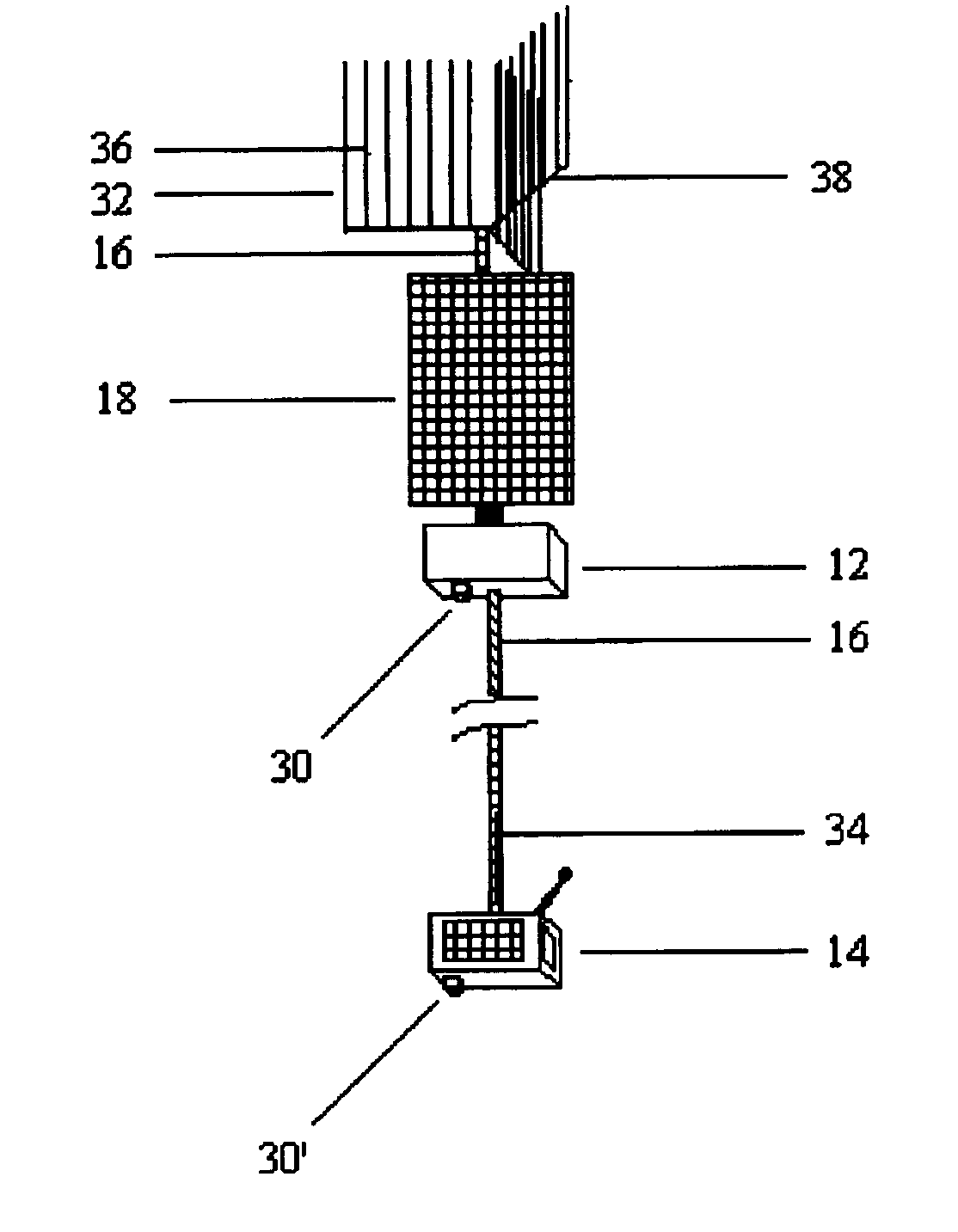
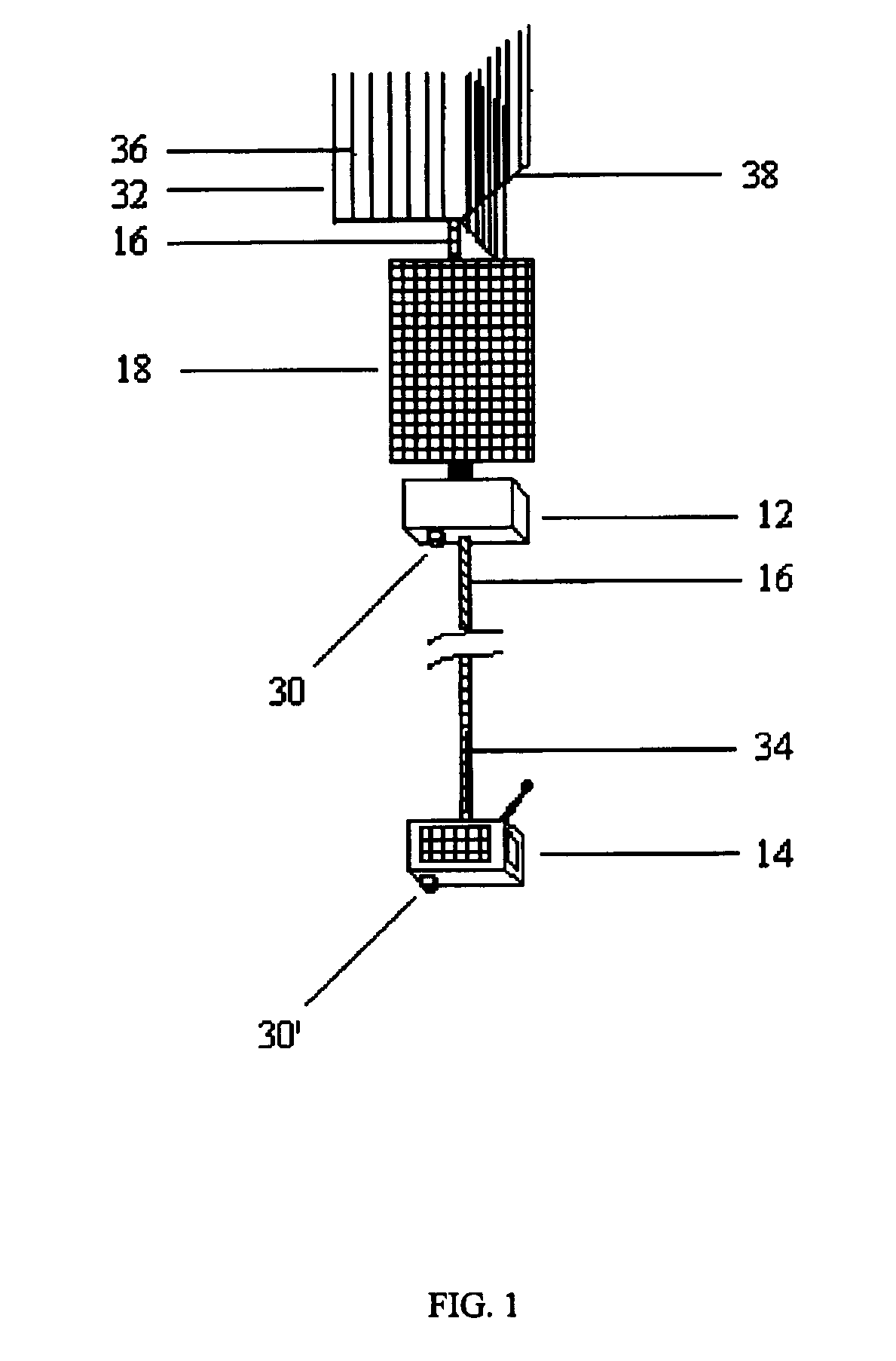
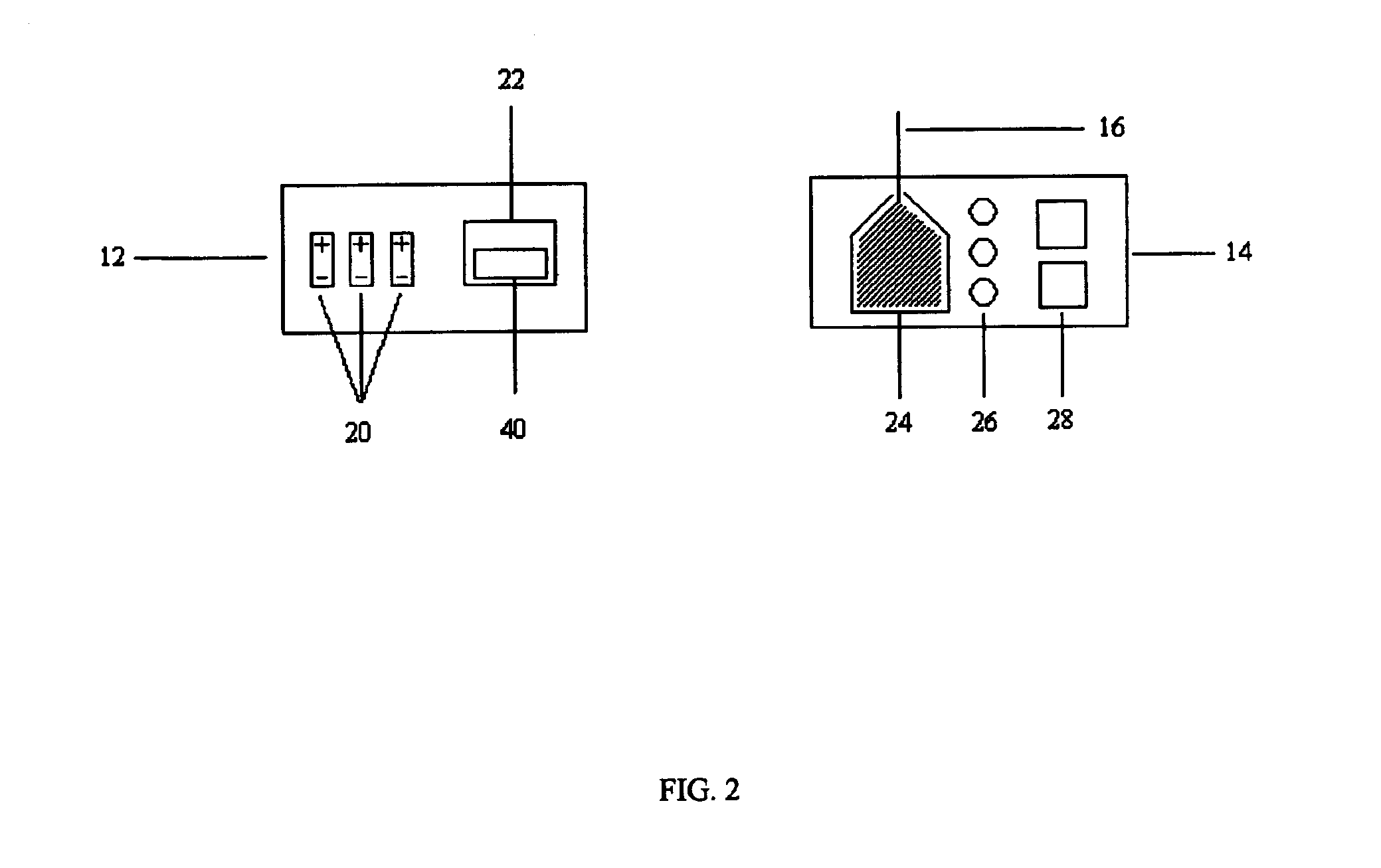
- A method involving the measurement of electric current and voltage in the tether, with adjustments to the current profile to control tether dynamics, using a computer model to estimate the tether state and apply stabilizing current variations that match the induced EMF from undesired velocity components, thereby damping unwanted motions and maintaining stability.


Method and apparatus for propulsion and power generation using spinning electrodynamic tethers
PatentInactiveUS6942186B1
Innovation
- Spinning electrodynamic tether systems, where the tether spins at an angular rate at least two times higher than the orbital rate, allowing for better angular positioning with the magnetic field, enabling higher current flow without destabilization, and utilizing onboard power sources to reverse current direction for improved control and power generation.

Space Debris Mitigation Policy and Tether Regulations
The regulatory landscape for electrodynamic tethers in space debris mitigation is currently in its formative stages, with existing frameworks primarily governed by international space law principles rather than specific tether-focused regulations. The Outer Space Treaty of 1967 and the Liability Convention of 1972 provide foundational legal structures, while the Inter-Agency Space Debris Coordination Committee (IADC) guidelines offer technical recommendations that indirectly influence tether deployment policies.
Current regulatory gaps present significant challenges for electrodynamic tether implementation. The absence of standardized safety protocols for tether operations creates uncertainty regarding liability allocation when tethers interact with existing space objects. International space agencies are grappling with questions of orbital sovereignty and the potential for tethers to inadvertently affect other spacecraft during debris removal operations.
The European Space Agency has begun developing preliminary guidelines for active debris removal systems, including electrodynamic tethers, emphasizing the need for comprehensive mission planning and risk assessment protocols. These emerging standards require operators to demonstrate collision avoidance capabilities and establish clear communication channels with space traffic management authorities throughout tether deployment phases.
Material certification requirements for extreme environment applications are becoming increasingly stringent. Proposed regulations mandate extensive ground testing of tether materials under simulated space conditions, including radiation exposure, thermal cycling, and micrometeorite impact scenarios. These requirements directly influence material selection criteria and drive innovation toward more robust conductor and insulator combinations.
Future regulatory developments are expected to address cross-border coordination mechanisms for international debris mitigation missions. The establishment of standardized material performance metrics and operational safety thresholds will likely emerge as key regulatory priorities, potentially creating new compliance frameworks that balance technological innovation with space environment protection objectives.
Current regulatory gaps present significant challenges for electrodynamic tether implementation. The absence of standardized safety protocols for tether operations creates uncertainty regarding liability allocation when tethers interact with existing space objects. International space agencies are grappling with questions of orbital sovereignty and the potential for tethers to inadvertently affect other spacecraft during debris removal operations.
The European Space Agency has begun developing preliminary guidelines for active debris removal systems, including electrodynamic tethers, emphasizing the need for comprehensive mission planning and risk assessment protocols. These emerging standards require operators to demonstrate collision avoidance capabilities and establish clear communication channels with space traffic management authorities throughout tether deployment phases.
Material certification requirements for extreme environment applications are becoming increasingly stringent. Proposed regulations mandate extensive ground testing of tether materials under simulated space conditions, including radiation exposure, thermal cycling, and micrometeorite impact scenarios. These requirements directly influence material selection criteria and drive innovation toward more robust conductor and insulator combinations.
Future regulatory developments are expected to address cross-border coordination mechanisms for international debris mitigation missions. The establishment of standardized material performance metrics and operational safety thresholds will likely emerge as key regulatory priorities, potentially creating new compliance frameworks that balance technological innovation with space environment protection objectives.
Sustainability Considerations in Space Tether Material Design
The sustainability paradigm in space tether material design represents a fundamental shift from traditional aerospace engineering approaches, emphasizing long-term environmental stewardship and resource optimization in the harsh conditions of space. This consideration becomes particularly critical for electrodynamic tethers operating in extreme environments, where material degradation and mission longevity directly impact both economic viability and space debris generation.
Material lifecycle assessment forms the cornerstone of sustainable tether design, encompassing extraction, manufacturing, deployment, operational performance, and end-of-life management. Advanced computational models now enable engineers to evaluate the environmental footprint of candidate materials from terrestrial production through space deployment. Carbon fiber composites and advanced metallic alloys demonstrate superior sustainability profiles when their extended operational lifespans offset initial manufacturing energy investments.
Circular economy principles are increasingly integrated into tether material selection, prioritizing materials with high recyclability potential and minimal toxic byproducts. Bio-inspired materials and green manufacturing processes show promise for reducing the environmental impact of tether production while maintaining performance requirements in extreme space conditions.
The concept of in-situ resource utilization represents a revolutionary approach to sustainable tether materials, leveraging space-based manufacturing capabilities to reduce Earth-to-orbit transportation requirements. Lunar regolith-derived materials and asteroid-sourced metals could potentially serve as feedstock for next-generation tether systems, dramatically reducing the carbon footprint associated with material transportation.
Degradation management strategies focus on designing materials that degrade predictably and safely, minimizing space debris generation while maximizing operational utility. Smart materials incorporating self-healing capabilities and adaptive properties extend mission lifespans, reducing the frequency of replacement missions and associated environmental costs.
Economic sustainability intersects with environmental considerations through total cost of ownership models that account for material durability, maintenance requirements, and disposal costs. These comprehensive assessments reveal that initially expensive sustainable materials often provide superior long-term value propositions for extended space missions in extreme environments.
Material lifecycle assessment forms the cornerstone of sustainable tether design, encompassing extraction, manufacturing, deployment, operational performance, and end-of-life management. Advanced computational models now enable engineers to evaluate the environmental footprint of candidate materials from terrestrial production through space deployment. Carbon fiber composites and advanced metallic alloys demonstrate superior sustainability profiles when their extended operational lifespans offset initial manufacturing energy investments.
Circular economy principles are increasingly integrated into tether material selection, prioritizing materials with high recyclability potential and minimal toxic byproducts. Bio-inspired materials and green manufacturing processes show promise for reducing the environmental impact of tether production while maintaining performance requirements in extreme space conditions.
The concept of in-situ resource utilization represents a revolutionary approach to sustainable tether materials, leveraging space-based manufacturing capabilities to reduce Earth-to-orbit transportation requirements. Lunar regolith-derived materials and asteroid-sourced metals could potentially serve as feedstock for next-generation tether systems, dramatically reducing the carbon footprint associated with material transportation.
Degradation management strategies focus on designing materials that degrade predictably and safely, minimizing space debris generation while maximizing operational utility. Smart materials incorporating self-healing capabilities and adaptive properties extend mission lifespans, reducing the frequency of replacement missions and associated environmental costs.
Economic sustainability intersects with environmental considerations through total cost of ownership models that account for material durability, maintenance requirements, and disposal costs. These comprehensive assessments reveal that initially expensive sustainable materials often provide superior long-term value propositions for extended space missions in extreme environments.
Unlock deeper insights with PatSnap Eureka Quick Research — get a full tech report to explore trends and direct your research. Try now!
Generate Your Research Report Instantly with AI Agent
Supercharge your innovation with PatSnap Eureka AI Agent Platform!