

Maximize Magnetic Valve Performance with Advanced Calibration
APR 1, 20269 MIN READ
Generate Your Research Report Instantly with AI Agent
PatSnap Eureka helps you evaluate technical feasibility & market potential.
Magnetic Valve Technology Background and Performance Goals
Magnetic valve technology has evolved significantly since its inception in the early 20th century, transitioning from simple electromagnetic actuators to sophisticated precision control systems. The fundamental principle relies on electromagnetic force generation to control fluid flow through mechanical displacement of valve components. Early implementations focused primarily on basic on-off functionality, but modern applications demand precise flow control, rapid response times, and exceptional reliability across diverse operating conditions.
The technological evolution has been driven by advances in materials science, particularly the development of high-performance permanent magnets and soft magnetic materials. Rare earth magnets, including neodymium-iron-boron compositions, have enabled dramatic improvements in magnetic flux density and operational efficiency. Simultaneously, advances in electromagnetic coil design and power electronics have enhanced control precision and reduced energy consumption.
Contemporary magnetic valve systems face increasing performance demands across multiple industries. Automotive applications require valves capable of microsecond response times for fuel injection systems, while industrial automation demands precise flow control with minimal hysteresis. Aerospace applications necessitate exceptional reliability under extreme temperature variations and vibration conditions. These diverse requirements have pushed the boundaries of traditional magnetic valve design approaches.
Current performance limitations stem from several fundamental challenges. Magnetic hysteresis introduces positioning errors and reduces repeatability, while temperature variations affect magnetic properties and dimensional stability. Mechanical wear in moving components leads to performance degradation over operational lifecycles. Additionally, electromagnetic interference and power consumption constraints limit achievable performance in many applications.
The primary technological objective centers on maximizing magnetic valve performance through advanced calibration methodologies. This encompasses achieving sub-millimeter positioning accuracy, reducing response times to microsecond ranges, and maintaining consistent performance across extended operational periods. Secondary goals include minimizing power consumption, reducing electromagnetic emissions, and enhancing operational reliability under adverse environmental conditions.
Advanced calibration represents a paradigm shift from traditional factory-set parameters to dynamic, real-time optimization systems. The integration of sensor feedback, machine learning algorithms, and predictive maintenance capabilities promises to unlock unprecedented performance levels while extending operational lifecycles and reducing maintenance requirements.
The technological evolution has been driven by advances in materials science, particularly the development of high-performance permanent magnets and soft magnetic materials. Rare earth magnets, including neodymium-iron-boron compositions, have enabled dramatic improvements in magnetic flux density and operational efficiency. Simultaneously, advances in electromagnetic coil design and power electronics have enhanced control precision and reduced energy consumption.
Contemporary magnetic valve systems face increasing performance demands across multiple industries. Automotive applications require valves capable of microsecond response times for fuel injection systems, while industrial automation demands precise flow control with minimal hysteresis. Aerospace applications necessitate exceptional reliability under extreme temperature variations and vibration conditions. These diverse requirements have pushed the boundaries of traditional magnetic valve design approaches.
Current performance limitations stem from several fundamental challenges. Magnetic hysteresis introduces positioning errors and reduces repeatability, while temperature variations affect magnetic properties and dimensional stability. Mechanical wear in moving components leads to performance degradation over operational lifecycles. Additionally, electromagnetic interference and power consumption constraints limit achievable performance in many applications.
The primary technological objective centers on maximizing magnetic valve performance through advanced calibration methodologies. This encompasses achieving sub-millimeter positioning accuracy, reducing response times to microsecond ranges, and maintaining consistent performance across extended operational periods. Secondary goals include minimizing power consumption, reducing electromagnetic emissions, and enhancing operational reliability under adverse environmental conditions.
Advanced calibration represents a paradigm shift from traditional factory-set parameters to dynamic, real-time optimization systems. The integration of sensor feedback, machine learning algorithms, and predictive maintenance capabilities promises to unlock unprecedented performance levels while extending operational lifecycles and reducing maintenance requirements.
Market Demand for High-Performance Magnetic Valve Systems
The global magnetic valve market is experiencing unprecedented growth driven by increasing automation demands across multiple industrial sectors. Manufacturing industries are transitioning toward smart factory concepts, requiring precise fluid control systems that can operate reliably under varying conditions. This shift has created substantial demand for high-performance magnetic valves equipped with advanced calibration capabilities to ensure optimal operational efficiency.
Process industries including oil and gas, chemical processing, and pharmaceuticals represent the largest consumer segments for sophisticated magnetic valve systems. These sectors require valves that can maintain precise control over fluid flow rates, pressure differentials, and response times while operating in harsh environments. The growing emphasis on process optimization and energy efficiency has intensified the need for valves that can adapt to changing operational parameters through intelligent calibration mechanisms.
The automotive and aerospace industries are emerging as significant growth drivers for high-performance magnetic valve applications. Electric vehicle production demands precise coolant flow control for battery thermal management systems, while aerospace applications require lightweight, reliable valve solutions for fuel and hydraulic systems. These applications necessitate valves with exceptional accuracy and rapid response characteristics achievable only through advanced calibration technologies.
Water treatment and municipal infrastructure sectors are increasingly adopting smart valve technologies to improve system efficiency and reduce operational costs. Aging infrastructure replacement programs worldwide are creating opportunities for next-generation magnetic valve systems that offer remote monitoring and automatic calibration capabilities. These features enable predictive maintenance strategies and minimize system downtime.
The medical device industry presents a specialized but rapidly expanding market segment for precision magnetic valves. Applications in dialysis equipment, drug delivery systems, and laboratory automation require extremely accurate flow control with minimal variation. Advanced calibration technologies enable these valves to meet stringent regulatory requirements while maintaining consistent performance over extended operational periods.
Industrial automation trends are driving demand for magnetic valves that can integrate seamlessly with digital control systems and provide real-time performance feedback. The ability to perform self-calibration and communicate operational status to central control systems has become a critical requirement for modern industrial applications, creating substantial market opportunities for technologically advanced valve solutions.
Process industries including oil and gas, chemical processing, and pharmaceuticals represent the largest consumer segments for sophisticated magnetic valve systems. These sectors require valves that can maintain precise control over fluid flow rates, pressure differentials, and response times while operating in harsh environments. The growing emphasis on process optimization and energy efficiency has intensified the need for valves that can adapt to changing operational parameters through intelligent calibration mechanisms.
The automotive and aerospace industries are emerging as significant growth drivers for high-performance magnetic valve applications. Electric vehicle production demands precise coolant flow control for battery thermal management systems, while aerospace applications require lightweight, reliable valve solutions for fuel and hydraulic systems. These applications necessitate valves with exceptional accuracy and rapid response characteristics achievable only through advanced calibration technologies.
Water treatment and municipal infrastructure sectors are increasingly adopting smart valve technologies to improve system efficiency and reduce operational costs. Aging infrastructure replacement programs worldwide are creating opportunities for next-generation magnetic valve systems that offer remote monitoring and automatic calibration capabilities. These features enable predictive maintenance strategies and minimize system downtime.
The medical device industry presents a specialized but rapidly expanding market segment for precision magnetic valves. Applications in dialysis equipment, drug delivery systems, and laboratory automation require extremely accurate flow control with minimal variation. Advanced calibration technologies enable these valves to meet stringent regulatory requirements while maintaining consistent performance over extended operational periods.
Industrial automation trends are driving demand for magnetic valves that can integrate seamlessly with digital control systems and provide real-time performance feedback. The ability to perform self-calibration and communicate operational status to central control systems has become a critical requirement for modern industrial applications, creating substantial market opportunities for technologically advanced valve solutions.
Current State and Challenges in Magnetic Valve Calibration
Magnetic valve calibration technology has evolved significantly over the past two decades, driven by increasing demands for precision control in industrial automation, automotive systems, and fluid management applications. Traditional calibration methods primarily relied on static pressure testing and basic flow rate measurements, which provided limited insight into dynamic performance characteristics. The evolution toward advanced calibration techniques has been necessitated by the growing complexity of magnetic valve applications and stricter performance requirements across industries.
Current magnetic valve calibration practices face several fundamental challenges that limit optimal performance achievement. Temperature-dependent magnetic field variations represent a primary concern, as magnetic permeability changes with thermal conditions can cause significant drift in valve response characteristics. Many existing calibration systems fail to adequately compensate for these thermal effects, resulting in performance degradation under varying operational conditions.
Hysteresis effects in magnetic materials pose another critical challenge, where the valve's response differs depending on the direction of magnetic field changes. This phenomenon creates non-linear behavior that traditional linear calibration models cannot accurately predict or compensate for. The complexity increases when considering aging effects in magnetic components, which gradually alter the valve's baseline performance characteristics over time.
Manufacturing tolerances in magnetic valve components create substantial variability between individual units, making standardized calibration approaches insufficient. Air gap variations, magnetic material inconsistencies, and coil winding differences all contribute to unique performance signatures that require individualized calibration strategies. Current mass production calibration methods often lack the sophistication to address these unit-specific variations effectively.
Dynamic response calibration presents additional complexity, as magnetic valves exhibit different behaviors under steady-state versus transient conditions. Traditional calibration focuses primarily on static performance metrics, neglecting critical dynamic characteristics such as response time, overshoot, and settling behavior. This limitation becomes particularly problematic in applications requiring rapid switching or precise flow modulation.
Electromagnetic interference and cross-coupling effects in multi-valve systems create calibration challenges that are difficult to address using conventional single-valve testing approaches. The magnetic fields generated by adjacent valves can influence individual valve performance, requiring system-level calibration strategies that current methodologies inadequately address.
Measurement accuracy limitations in existing calibration equipment also constrain the achievable precision levels. Many calibration systems lack sufficient resolution to detect subtle performance variations that could significantly impact overall system performance. Additionally, the absence of real-time feedback mechanisms during calibration processes prevents adaptive optimization based on immediate performance assessment.
Current magnetic valve calibration practices face several fundamental challenges that limit optimal performance achievement. Temperature-dependent magnetic field variations represent a primary concern, as magnetic permeability changes with thermal conditions can cause significant drift in valve response characteristics. Many existing calibration systems fail to adequately compensate for these thermal effects, resulting in performance degradation under varying operational conditions.
Hysteresis effects in magnetic materials pose another critical challenge, where the valve's response differs depending on the direction of magnetic field changes. This phenomenon creates non-linear behavior that traditional linear calibration models cannot accurately predict or compensate for. The complexity increases when considering aging effects in magnetic components, which gradually alter the valve's baseline performance characteristics over time.
Manufacturing tolerances in magnetic valve components create substantial variability between individual units, making standardized calibration approaches insufficient. Air gap variations, magnetic material inconsistencies, and coil winding differences all contribute to unique performance signatures that require individualized calibration strategies. Current mass production calibration methods often lack the sophistication to address these unit-specific variations effectively.
Dynamic response calibration presents additional complexity, as magnetic valves exhibit different behaviors under steady-state versus transient conditions. Traditional calibration focuses primarily on static performance metrics, neglecting critical dynamic characteristics such as response time, overshoot, and settling behavior. This limitation becomes particularly problematic in applications requiring rapid switching or precise flow modulation.
Electromagnetic interference and cross-coupling effects in multi-valve systems create calibration challenges that are difficult to address using conventional single-valve testing approaches. The magnetic fields generated by adjacent valves can influence individual valve performance, requiring system-level calibration strategies that current methodologies inadequately address.
Measurement accuracy limitations in existing calibration equipment also constrain the achievable precision levels. Many calibration systems lack sufficient resolution to detect subtle performance variations that could significantly impact overall system performance. Additionally, the absence of real-time feedback mechanisms during calibration processes prevents adaptive optimization based on immediate performance assessment.
Existing Advanced Calibration Solutions for Magnetic Valves
01 Electromagnetic coil and actuator design improvements
Enhancements to the electromagnetic coil structure and actuator mechanisms can significantly improve magnetic valve performance. These improvements focus on optimizing the magnetic field distribution, reducing energy consumption, and increasing response speed. Advanced coil winding techniques, core material selection, and actuator geometry modifications contribute to better valve control and reliability. The design considerations include minimizing heat generation and improving the magnetic flux path efficiency.- Electromagnetic coil and actuator design improvements: Enhancements to the electromagnetic coil structure and actuator mechanisms can significantly improve magnetic valve performance. This includes optimizing coil winding configurations, magnetic circuit designs, and actuator response characteristics to achieve faster switching times, reduced power consumption, and improved reliability. Advanced materials and geometric configurations of the electromagnetic components contribute to enhanced magnetic field strength and more efficient energy conversion.
- Valve body and sealing structure optimization: The design of valve body structures and sealing mechanisms plays a critical role in magnetic valve performance. Improvements include enhanced sealing materials, optimized valve seat geometries, and innovative closure mechanisms that reduce leakage, improve flow characteristics, and extend service life. These structural enhancements ensure better pressure resistance, temperature stability, and overall operational reliability under various working conditions.
- Response time and control precision enhancement: Improving the response speed and control accuracy of magnetic valves involves optimizing the magnetic circuit, reducing moving mass, and implementing advanced control algorithms. These improvements enable faster opening and closing cycles, more precise flow regulation, and better dynamic performance. Enhanced response characteristics are particularly important for applications requiring rapid switching or fine flow control.
- Durability and wear resistance improvements: Extending the operational lifespan of magnetic valves requires addressing wear and fatigue issues through material selection and surface treatment technologies. This includes using corrosion-resistant materials, implementing protective coatings, and designing components to minimize friction and mechanical stress. These enhancements result in valves that maintain consistent performance over extended periods and under harsh operating conditions.
- Energy efficiency and power consumption reduction: Reducing energy consumption while maintaining or improving performance is achieved through optimized magnetic circuit designs, low-power coil configurations, and efficient actuator mechanisms. These innovations minimize heat generation, reduce operating costs, and enable the use of smaller power supplies. Energy-efficient designs are particularly valuable in battery-powered applications and systems with multiple valves operating simultaneously.
02 Sealing structure and leakage prevention
The sealing performance of magnetic valves is critical for preventing fluid leakage and maintaining system integrity. Innovations in sealing structures include the use of specialized gasket materials, improved sealing surface designs, and multi-stage sealing configurations. These enhancements ensure reliable sealing under various pressure and temperature conditions while maintaining smooth valve operation. The sealing mechanisms are designed to withstand repeated cycling and resist wear over extended service life.Expand Specific Solutions03 Flow control and regulation mechanisms
Advanced flow control mechanisms enhance the precision and stability of magnetic valve performance. These mechanisms incorporate variable orifice designs, proportional control capabilities, and feedback systems to achieve accurate flow regulation. The innovations enable fine-tuning of flow rates and pressures according to system requirements. Integration of sensors and control electronics allows for real-time monitoring and adjustment of valve operation to optimize performance across different operating conditions.Expand Specific Solutions04 Durability and wear resistance enhancements
Improving the durability and wear resistance of magnetic valve components extends service life and reduces maintenance requirements. This includes the application of specialized coatings, use of corrosion-resistant materials, and structural reinforcements to critical components. The enhancements address issues such as erosion from fluid flow, chemical compatibility, and mechanical wear from repeated operation. Material selection and surface treatment technologies play key roles in achieving long-term reliability under harsh operating environments.Expand Specific Solutions05 Compact design and integration features
Compact magnetic valve designs with integrated features improve space efficiency and system integration. These innovations include miniaturized components, modular construction, and multi-functional valve assemblies that combine multiple operations in a single unit. The compact designs facilitate easier installation in space-constrained applications while maintaining or improving performance characteristics. Integration features may include built-in sensors, diagnostic capabilities, and standardized mounting interfaces for simplified system assembly.Expand Specific Solutions
Key Players in Magnetic Valve and Calibration Industry
The magnetic valve performance optimization market is experiencing significant growth driven by increasing automation demands across automotive, industrial, and process control sectors. The industry is in a mature development stage with established players like Robert Bosch GmbH, Continental Teves AG, and Siemens AG leading through decades of engineering expertise. Market size continues expanding as industries prioritize precision control and energy efficiency. Technology maturity varies significantly across segments - while traditional automotive applications show high maturity with companies like BorgWarner and Valeo delivering proven solutions, emerging areas like IoT-enabled valve monitoring remain nascent. Advanced calibration technologies are being developed by specialized firms including ETO Magnetic GmbH, Moving Magnet Technologies SA, and Festo SE & Co. KG, alongside industrial giants ABB Ltd. and Mitsubishi Electric Corp. The competitive landscape features strong European presence, with emerging Asian players like Hangzhou Woling Electromechanical and established research institutions including Zhejiang University contributing to innovation acceleration.
Robert Bosch GmbH
Technical Solution: Bosch has developed advanced electromagnetic valve calibration systems utilizing machine learning algorithms and real-time feedback control mechanisms. Their approach incorporates multi-parameter optimization including magnetic field strength, coil resistance temperature compensation, and dynamic response characteristics. The system features adaptive calibration protocols that automatically adjust valve timing and force output based on operating conditions, achieving precision control within ±0.1ms response time accuracy. Their proprietary sensor fusion technology combines Hall effect sensors with position feedback to ensure optimal valve performance across varying temperature and pressure conditions, significantly improving fuel injection accuracy and reducing emissions in automotive applications.
Strengths: Industry-leading precision control, extensive automotive integration experience, robust temperature compensation algorithms. Weaknesses: High implementation costs, complex system architecture requiring specialized maintenance expertise.
Continental Teves AG & Co. oHG
Technical Solution: Continental has implemented sophisticated magnetic valve calibration technology focusing on brake system applications with advanced pressure modulation capabilities. Their calibration methodology employs neural network-based learning algorithms that continuously optimize valve response characteristics during operation. The system integrates high-frequency PWM control with magnetic flux density monitoring to achieve precise valve opening and closing sequences. Their approach includes comprehensive temperature drift compensation and aging factor adjustments, ensuring consistent performance over extended operational periods. The calibration process utilizes real-time diagnostic capabilities to detect and compensate for magnetic degradation, maintaining optimal valve performance throughout the component lifecycle.
Strengths: Excellent brake system integration, real-time adaptive learning capabilities, comprehensive diagnostic features. Weaknesses: Limited application scope beyond automotive braking systems, requires significant computational resources for neural network processing.
Core Innovations in Magnetic Valve Calibration Patents
Magnetic valve
PatentInactiveUS8123193B2
Innovation
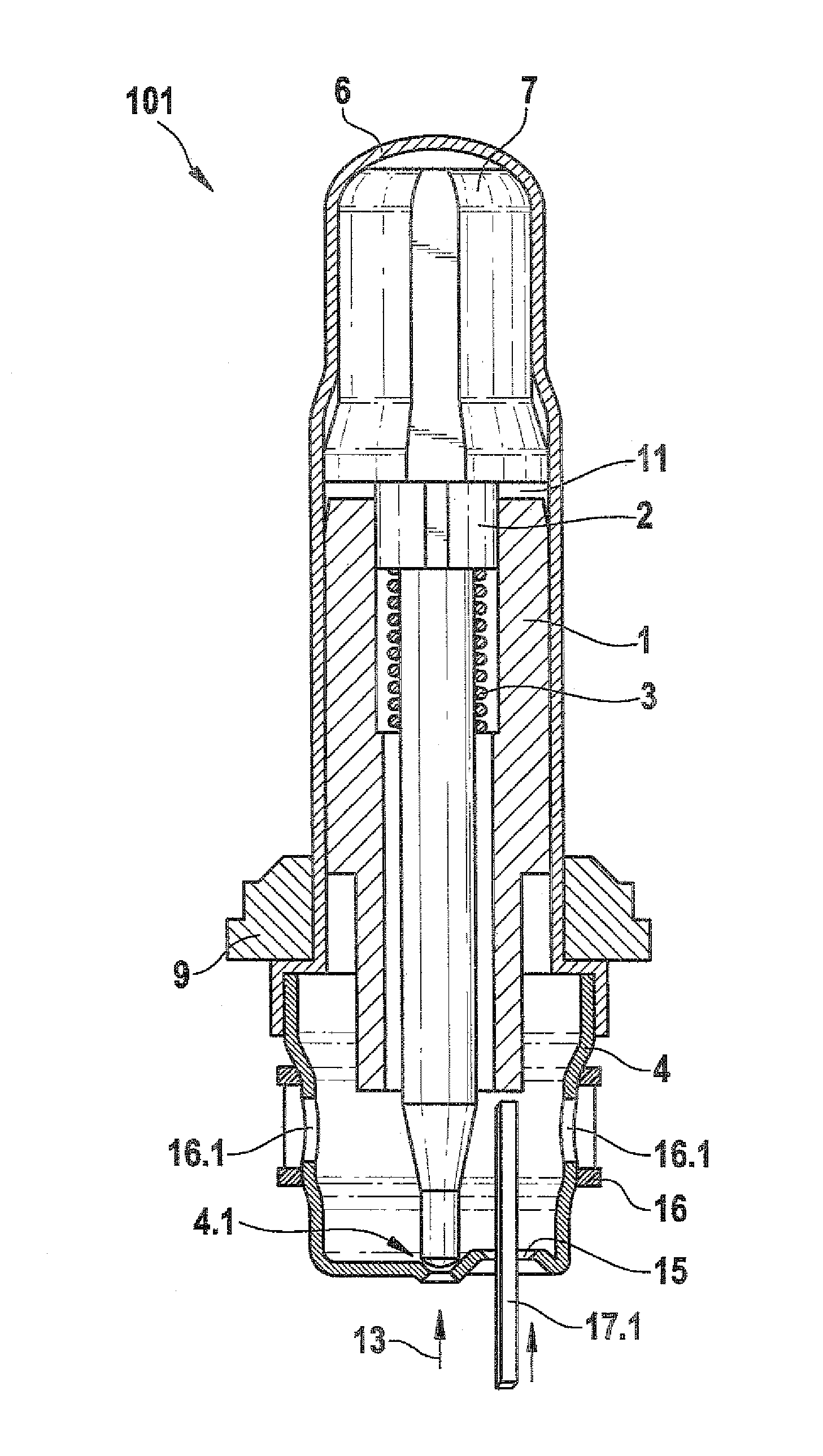
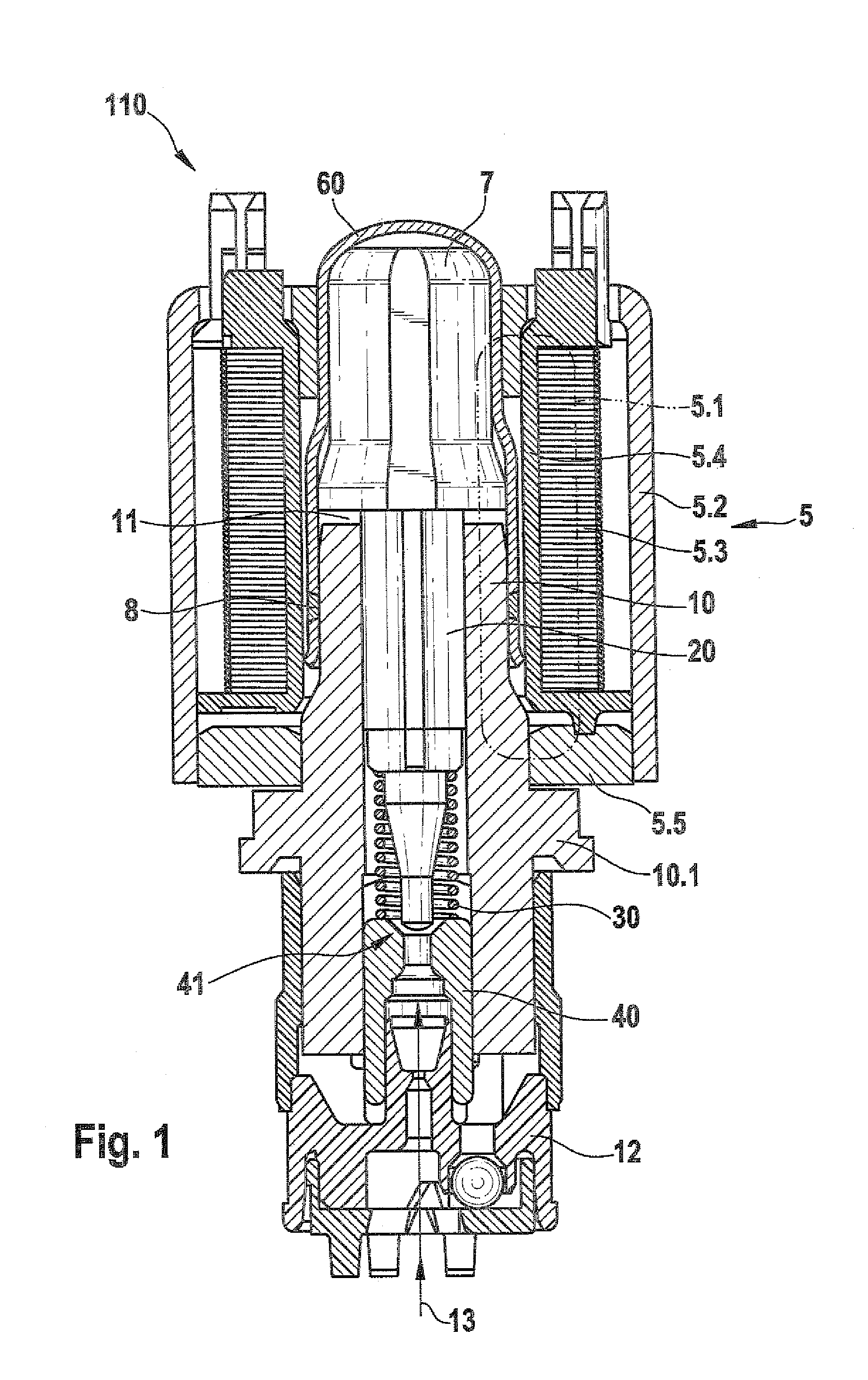
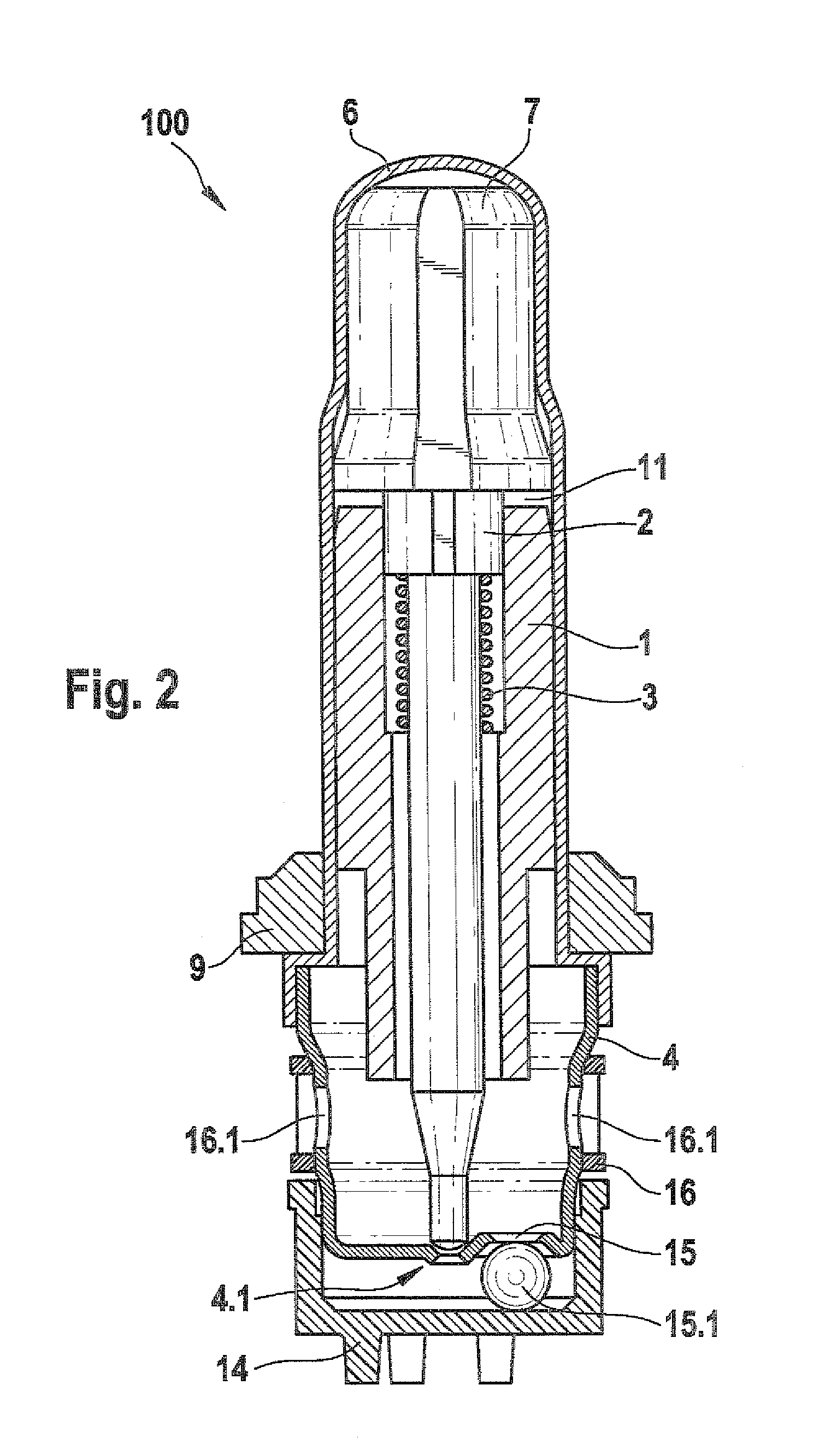
- The magnetic valve design incorporates a sleeve with openings for adjusting elements to act on the valve insert, allowing for easy calibration and adjustment of the air gap between the valve insert and armature, enabling the magnetic flux to be varied by axial movement, and utilizing check valve seat bores and radial bores for nonpositive or positive engagement to facilitate calibration without additional effort or expense.

Valve-position sensor system
PatentInactiveEP4112977A1
Innovation
- A valve-position sensor system utilizing a permanent magnet attached to a movable valve component, a magnetic field sensor, and a processing unit to determine valve position without adding new components, allowing for easy retrofitting and wireless communication, using a one-axis magnetometer for cost-effectiveness and accuracy.


Industrial Standards for Magnetic Valve Performance
The industrial standards governing magnetic valve performance have evolved significantly to address the increasing demands for precision and reliability in automated control systems. These standards establish comprehensive frameworks for evaluating valve characteristics, including response time, linearity, hysteresis, and repeatability under various operating conditions. Key international standards such as IEC 60534 series, ANSI/FCI 70-2, and ISO 5752 provide detailed specifications for valve testing methodologies and performance criteria.
Current standardization efforts focus on defining acceptable tolerance ranges for magnetic valve calibration parameters. The standards specify maximum allowable deviations in flow coefficient measurements, typically within ±2% for high-precision applications and ±5% for general industrial use. Temperature compensation requirements are outlined to ensure consistent performance across operating ranges from -40°C to +200°C, with specific calibration procedures for different temperature zones.
Electromagnetic compatibility standards, particularly IEC 61000 series, establish critical requirements for magnetic valve operation in industrial environments. These standards address interference susceptibility, emission limits, and surge immunity testing protocols. The specifications ensure that advanced calibration systems can maintain accuracy despite electromagnetic disturbances common in industrial settings.
Recent developments in standardization include the integration of digital communication protocols such as HART, Foundation Fieldbus, and Profibus into performance evaluation criteria. These standards define requirements for digital signal integrity, communication reliability, and diagnostic capabilities that support advanced calibration methodologies. The standards also establish minimum requirements for self-diagnostic functions and predictive maintenance capabilities.
Quality assurance standards mandate specific calibration intervals and verification procedures to maintain optimal performance throughout the valve's operational lifecycle. These requirements include initial factory calibration, field commissioning protocols, and periodic recalibration schedules based on application criticality and environmental conditions. The standards also define documentation requirements for traceability and compliance verification in regulated industries such as pharmaceuticals and nuclear power.
Current standardization efforts focus on defining acceptable tolerance ranges for magnetic valve calibration parameters. The standards specify maximum allowable deviations in flow coefficient measurements, typically within ±2% for high-precision applications and ±5% for general industrial use. Temperature compensation requirements are outlined to ensure consistent performance across operating ranges from -40°C to +200°C, with specific calibration procedures for different temperature zones.
Electromagnetic compatibility standards, particularly IEC 61000 series, establish critical requirements for magnetic valve operation in industrial environments. These standards address interference susceptibility, emission limits, and surge immunity testing protocols. The specifications ensure that advanced calibration systems can maintain accuracy despite electromagnetic disturbances common in industrial settings.
Recent developments in standardization include the integration of digital communication protocols such as HART, Foundation Fieldbus, and Profibus into performance evaluation criteria. These standards define requirements for digital signal integrity, communication reliability, and diagnostic capabilities that support advanced calibration methodologies. The standards also establish minimum requirements for self-diagnostic functions and predictive maintenance capabilities.
Quality assurance standards mandate specific calibration intervals and verification procedures to maintain optimal performance throughout the valve's operational lifecycle. These requirements include initial factory calibration, field commissioning protocols, and periodic recalibration schedules based on application criticality and environmental conditions. The standards also define documentation requirements for traceability and compliance verification in regulated industries such as pharmaceuticals and nuclear power.
Cost-Benefit Analysis of Advanced Calibration Systems
The implementation of advanced calibration systems for magnetic valves requires substantial initial capital investment, typically ranging from $50,000 to $200,000 per production line depending on system complexity and automation level. This includes hardware procurement, software licensing, integration costs, and facility modifications. However, the long-term financial benefits significantly outweigh these upfront expenses through multiple value streams.
Operational cost reductions represent the most immediate financial benefit. Advanced calibration systems reduce manual labor requirements by 60-70%, translating to annual savings of $80,000-120,000 per production line in labor costs alone. Additionally, automated calibration processes consume 40% less energy compared to traditional methods, while reducing material waste by up to 35% through precise parameter optimization.
Quality improvement metrics demonstrate substantial economic value. Enhanced calibration accuracy reduces product defect rates from typical 3-5% to below 0.5%, resulting in significant warranty cost reductions and improved customer satisfaction scores. This quality enhancement enables premium pricing strategies, with manufacturers reporting 8-12% higher profit margins on products utilizing advanced calibration technologies.
Production efficiency gains provide another major cost benefit. Advanced systems reduce calibration cycle times by 50-65%, increasing overall throughput capacity without additional equipment investment. This efficiency improvement enables manufacturers to meet growing demand while deferring capital expenditure on new production lines, representing potential savings of $2-5 million per avoided facility expansion.
Return on investment analysis indicates payback periods of 18-24 months for most implementations. The total cost of ownership over a five-year period shows net positive value of $800,000-1.2 million per production line, considering all operational savings, quality improvements, and productivity gains. Risk mitigation benefits, including reduced regulatory compliance costs and improved process repeatability, provide additional value that strengthens the business case for advanced calibration system adoption.
Operational cost reductions represent the most immediate financial benefit. Advanced calibration systems reduce manual labor requirements by 60-70%, translating to annual savings of $80,000-120,000 per production line in labor costs alone. Additionally, automated calibration processes consume 40% less energy compared to traditional methods, while reducing material waste by up to 35% through precise parameter optimization.
Quality improvement metrics demonstrate substantial economic value. Enhanced calibration accuracy reduces product defect rates from typical 3-5% to below 0.5%, resulting in significant warranty cost reductions and improved customer satisfaction scores. This quality enhancement enables premium pricing strategies, with manufacturers reporting 8-12% higher profit margins on products utilizing advanced calibration technologies.
Production efficiency gains provide another major cost benefit. Advanced systems reduce calibration cycle times by 50-65%, increasing overall throughput capacity without additional equipment investment. This efficiency improvement enables manufacturers to meet growing demand while deferring capital expenditure on new production lines, representing potential savings of $2-5 million per avoided facility expansion.
Return on investment analysis indicates payback periods of 18-24 months for most implementations. The total cost of ownership over a five-year period shows net positive value of $800,000-1.2 million per production line, considering all operational savings, quality improvements, and productivity gains. Risk mitigation benefits, including reduced regulatory compliance costs and improved process repeatability, provide additional value that strengthens the business case for advanced calibration system adoption.
Unlock deeper insights with PatSnap Eureka Quick Research — get a full tech report to explore trends and direct your research. Try now!
Generate Your Research Report Instantly with AI Agent
Supercharge your innovation with PatSnap Eureka AI Agent Platform!