
Maximizing Diesel Generator Output Using Superior Load Distribution
JUN 12, 20269 MIN READ
Generate Your Research Report Instantly with AI Agent
Patsnap Eureka helps you evaluate technical feasibility & market potential.
Diesel Generator Load Distribution Background and Objectives
Diesel generators have served as critical power generation assets across diverse industrial, commercial, and emergency applications for over a century. The evolution of diesel generator technology has progressed from simple mechanical systems to sophisticated electronically controlled units capable of precise load management and optimal fuel efficiency. Modern diesel generators incorporate advanced control systems, variable speed drives, and intelligent load sensing capabilities that enable dynamic response to changing power demands.
The fundamental challenge in diesel generator operation lies in achieving optimal load distribution to maximize power output while maintaining system reliability and fuel efficiency. Traditional generator systems often operate at suboptimal load factors, typically ranging between 30-70% of rated capacity, resulting in inefficient fuel consumption, increased emissions, and accelerated component wear. This operational inefficiency stems from static load allocation methods that fail to adapt to real-time power demands and system conditions.
Contemporary power generation environments demand increasingly sophisticated load management strategies due to the proliferation of variable loads, renewable energy integration requirements, and stringent environmental regulations. The integration of smart grid technologies and distributed energy resources has created complex power distribution scenarios where diesel generators must operate as flexible backup systems capable of rapid load adjustment and seamless grid synchronization.
The primary technical objective centers on developing advanced load distribution algorithms that can dynamically optimize generator output based on real-time load characteristics, fuel efficiency curves, and system constraints. This involves implementing predictive load forecasting models, adaptive control systems, and multi-generator coordination protocols that ensure optimal power sharing among multiple units while maintaining voltage and frequency stability.
Secondary objectives include minimizing fuel consumption through intelligent load scheduling, reducing mechanical stress on generator components through balanced load distribution, and enhancing system reliability through redundant load path management. The integration of machine learning algorithms and artificial intelligence techniques presents opportunities for self-optimizing systems that continuously improve performance based on historical operational data and predictive maintenance requirements.
Environmental compliance objectives focus on reducing emissions through optimized combustion efficiency and load-dependent fuel injection strategies. Advanced load distribution systems must incorporate emissions monitoring and control mechanisms that ensure regulatory compliance while maximizing power output. The development of hybrid diesel-renewable systems requires sophisticated load management protocols that can seamlessly transition between different power sources based on availability and demand patterns.
The fundamental challenge in diesel generator operation lies in achieving optimal load distribution to maximize power output while maintaining system reliability and fuel efficiency. Traditional generator systems often operate at suboptimal load factors, typically ranging between 30-70% of rated capacity, resulting in inefficient fuel consumption, increased emissions, and accelerated component wear. This operational inefficiency stems from static load allocation methods that fail to adapt to real-time power demands and system conditions.
Contemporary power generation environments demand increasingly sophisticated load management strategies due to the proliferation of variable loads, renewable energy integration requirements, and stringent environmental regulations. The integration of smart grid technologies and distributed energy resources has created complex power distribution scenarios where diesel generators must operate as flexible backup systems capable of rapid load adjustment and seamless grid synchronization.
The primary technical objective centers on developing advanced load distribution algorithms that can dynamically optimize generator output based on real-time load characteristics, fuel efficiency curves, and system constraints. This involves implementing predictive load forecasting models, adaptive control systems, and multi-generator coordination protocols that ensure optimal power sharing among multiple units while maintaining voltage and frequency stability.
Secondary objectives include minimizing fuel consumption through intelligent load scheduling, reducing mechanical stress on generator components through balanced load distribution, and enhancing system reliability through redundant load path management. The integration of machine learning algorithms and artificial intelligence techniques presents opportunities for self-optimizing systems that continuously improve performance based on historical operational data and predictive maintenance requirements.
Environmental compliance objectives focus on reducing emissions through optimized combustion efficiency and load-dependent fuel injection strategies. Advanced load distribution systems must incorporate emissions monitoring and control mechanisms that ensure regulatory compliance while maximizing power output. The development of hybrid diesel-renewable systems requires sophisticated load management protocols that can seamlessly transition between different power sources based on availability and demand patterns.
Market Demand for Optimized Diesel Generator Systems
The global diesel generator market is experiencing robust growth driven by increasing demand for reliable backup power solutions across multiple sectors. Industrial facilities, commercial establishments, and critical infrastructure operators are seeking more efficient power generation systems to minimize operational costs while ensuring uninterrupted electricity supply. This demand is particularly pronounced in regions with unstable grid infrastructure and areas prone to natural disasters.
Healthcare facilities represent a significant market segment, where optimized diesel generators with superior load distribution capabilities are essential for maintaining life-support systems and critical medical equipment. Hospitals and medical centers require generators that can efficiently manage varying power loads while maintaining stable voltage and frequency outputs. The ability to distribute loads effectively ensures optimal fuel consumption and extends equipment lifespan.
Data centers constitute another rapidly expanding market for advanced diesel generator systems. As digital transformation accelerates globally, data center operators demand backup power solutions that can handle complex, dynamic load patterns efficiently. Superior load distribution technology enables these facilities to maintain operational continuity while optimizing fuel costs and reducing carbon emissions through improved efficiency.
The telecommunications sector drives substantial demand for optimized diesel generators, particularly in remote locations where grid connectivity is limited or unreliable. Cell towers and communication infrastructure require generators capable of managing fluctuating power demands while maintaining consistent performance over extended periods. Load distribution optimization becomes crucial for minimizing maintenance requirements and operational expenses.
Manufacturing industries increasingly recognize the value of diesel generators with advanced load management capabilities. Production facilities require backup power systems that can seamlessly handle varying equipment loads without compromising product quality or operational efficiency. The ability to maximize generator output through intelligent load distribution directly impacts manufacturing productivity and cost-effectiveness.
Emerging markets in Asia-Pacific, Africa, and Latin America present significant growth opportunities for optimized diesel generator systems. Rapid industrialization, urbanization, and infrastructure development in these regions create substantial demand for reliable power generation solutions. Local businesses and industries seek cost-effective generators that can deliver maximum output while minimizing fuel consumption through superior load distribution technologies.
The construction and mining sectors also contribute to market demand, requiring portable diesel generators with enhanced load management capabilities for remote operations. These applications demand robust systems that can efficiently power diverse equipment while adapting to changing operational requirements throughout project lifecycles.
Healthcare facilities represent a significant market segment, where optimized diesel generators with superior load distribution capabilities are essential for maintaining life-support systems and critical medical equipment. Hospitals and medical centers require generators that can efficiently manage varying power loads while maintaining stable voltage and frequency outputs. The ability to distribute loads effectively ensures optimal fuel consumption and extends equipment lifespan.
Data centers constitute another rapidly expanding market for advanced diesel generator systems. As digital transformation accelerates globally, data center operators demand backup power solutions that can handle complex, dynamic load patterns efficiently. Superior load distribution technology enables these facilities to maintain operational continuity while optimizing fuel costs and reducing carbon emissions through improved efficiency.
The telecommunications sector drives substantial demand for optimized diesel generators, particularly in remote locations where grid connectivity is limited or unreliable. Cell towers and communication infrastructure require generators capable of managing fluctuating power demands while maintaining consistent performance over extended periods. Load distribution optimization becomes crucial for minimizing maintenance requirements and operational expenses.
Manufacturing industries increasingly recognize the value of diesel generators with advanced load management capabilities. Production facilities require backup power systems that can seamlessly handle varying equipment loads without compromising product quality or operational efficiency. The ability to maximize generator output through intelligent load distribution directly impacts manufacturing productivity and cost-effectiveness.
Emerging markets in Asia-Pacific, Africa, and Latin America present significant growth opportunities for optimized diesel generator systems. Rapid industrialization, urbanization, and infrastructure development in these regions create substantial demand for reliable power generation solutions. Local businesses and industries seek cost-effective generators that can deliver maximum output while minimizing fuel consumption through superior load distribution technologies.
The construction and mining sectors also contribute to market demand, requiring portable diesel generators with enhanced load management capabilities for remote operations. These applications demand robust systems that can efficiently power diverse equipment while adapting to changing operational requirements throughout project lifecycles.
Current Load Distribution Challenges and Technical Barriers
Current diesel generator load distribution systems face significant operational challenges that limit their ability to achieve optimal power output. Traditional load management approaches often rely on static distribution algorithms that fail to adapt to real-time demand fluctuations and varying load characteristics. This inflexibility results in suboptimal generator utilization, where some units operate at inefficient load levels while others remain underutilized or overloaded.
One of the primary technical barriers stems from inadequate load forecasting capabilities. Existing systems struggle to predict short-term and medium-term load variations accurately, leading to reactive rather than proactive load distribution strategies. The lack of sophisticated predictive analytics prevents operators from optimizing generator scheduling and load allocation in advance, resulting in frequent manual interventions and reduced overall system efficiency.
Communication and coordination challenges between multiple generator units present another critical obstacle. Many installations operate with legacy control systems that lack real-time data exchange capabilities, making it difficult to implement coordinated load sharing strategies. The absence of standardized communication protocols between different generator manufacturers further complicates the integration of advanced load distribution algorithms.
Power quality management represents a significant technical constraint in optimizing load distribution. Maintaining voltage stability, frequency regulation, and harmonic control while maximizing output requires sophisticated control mechanisms that many current systems lack. The challenge intensifies when dealing with non-linear loads and rapidly changing power demands, which can cause voltage fluctuations and frequency deviations that compromise both efficiency and equipment longevity.
Thermal management limitations impose additional constraints on load distribution optimization. Diesel generators operating at maximum capacity generate substantial heat, requiring effective cooling systems and thermal load balancing. Current systems often lack the capability to dynamically adjust load distribution based on real-time temperature monitoring and thermal capacity assessments, leading to conservative operating strategies that sacrifice potential output gains.
The integration of renewable energy sources and energy storage systems creates new complexities in load distribution management. Traditional diesel generator control systems were not designed to accommodate the intermittent nature of renewable inputs or the bidirectional power flows associated with battery storage systems. This limitation prevents the implementation of hybrid optimization strategies that could significantly enhance overall system performance and fuel efficiency.
One of the primary technical barriers stems from inadequate load forecasting capabilities. Existing systems struggle to predict short-term and medium-term load variations accurately, leading to reactive rather than proactive load distribution strategies. The lack of sophisticated predictive analytics prevents operators from optimizing generator scheduling and load allocation in advance, resulting in frequent manual interventions and reduced overall system efficiency.
Communication and coordination challenges between multiple generator units present another critical obstacle. Many installations operate with legacy control systems that lack real-time data exchange capabilities, making it difficult to implement coordinated load sharing strategies. The absence of standardized communication protocols between different generator manufacturers further complicates the integration of advanced load distribution algorithms.
Power quality management represents a significant technical constraint in optimizing load distribution. Maintaining voltage stability, frequency regulation, and harmonic control while maximizing output requires sophisticated control mechanisms that many current systems lack. The challenge intensifies when dealing with non-linear loads and rapidly changing power demands, which can cause voltage fluctuations and frequency deviations that compromise both efficiency and equipment longevity.
Thermal management limitations impose additional constraints on load distribution optimization. Diesel generators operating at maximum capacity generate substantial heat, requiring effective cooling systems and thermal load balancing. Current systems often lack the capability to dynamically adjust load distribution based on real-time temperature monitoring and thermal capacity assessments, leading to conservative operating strategies that sacrifice potential output gains.
The integration of renewable energy sources and energy storage systems creates new complexities in load distribution management. Traditional diesel generator control systems were not designed to accommodate the intermittent nature of renewable inputs or the bidirectional power flows associated with battery storage systems. This limitation prevents the implementation of hybrid optimization strategies that could significantly enhance overall system performance and fuel efficiency.
Existing Load Distribution Optimization Solutions
01 Power output control and regulation systems
Advanced control systems are implemented to regulate and optimize the electrical output of diesel generators. These systems monitor load conditions, voltage levels, and frequency to automatically adjust generator performance. The control mechanisms include electronic governors, voltage regulators, and load management systems that ensure stable power delivery under varying operational conditions.- Power output control and regulation systems: Advanced control systems are implemented to regulate and optimize the electrical output of diesel generators. These systems monitor various parameters such as voltage, frequency, and load conditions to automatically adjust the generator's performance. The control mechanisms ensure stable power delivery and can include feedback loops, electronic governors, and automated switching systems that maintain consistent output under varying load conditions.
- Generator output monitoring and measurement devices: Sophisticated monitoring systems are employed to continuously track and measure the electrical output parameters of diesel generators. These devices provide real-time data on power generation, efficiency metrics, and operational status. The monitoring equipment includes sensors, meters, and data acquisition systems that enable operators to assess performance and detect potential issues before they affect power output quality.
- Load management and distribution systems: Comprehensive load management systems are designed to efficiently distribute and balance the electrical output from diesel generators across multiple circuits or applications. These systems include automatic transfer switches, load banks, and distribution panels that ensure optimal power allocation. The technology enables seamless switching between different power sources and maintains system stability during load variations.
- Output enhancement and efficiency optimization: Various technological approaches are implemented to enhance the power output capacity and improve the overall efficiency of diesel generators. These methods include advanced alternator designs, improved cooling systems, and optimized fuel injection systems. The enhancements focus on maximizing electrical output while minimizing fuel consumption and reducing emissions during operation.
- Portable and modular generator output systems: Specialized designs for portable and modular diesel generator systems focus on providing flexible output configurations for various applications. These systems feature compact designs with standardized output connections, mobile mounting systems, and scalable power configurations. The technology enables easy deployment and interconnection of multiple units to achieve desired power output levels for temporary or remote applications.
02 Generator output monitoring and measurement devices
Sophisticated monitoring equipment is integrated into diesel generator systems to continuously track output parameters such as voltage, current, frequency, and power factor. These monitoring devices provide real-time feedback for system optimization and include digital displays, remote monitoring capabilities, and data logging functions for performance analysis and maintenance scheduling.Expand Specific Solutions03 Output enhancement and efficiency optimization
Various technological approaches are employed to maximize generator output efficiency and performance. These include advanced alternator designs, improved cooling systems, optimized fuel injection timing, and enhanced combustion chamber configurations. The innovations focus on increasing power density while reducing fuel consumption and emissions.Expand Specific Solutions04 Load management and distribution systems
Intelligent load management systems are designed to optimize power distribution from diesel generators to various electrical loads. These systems include automatic transfer switches, load banks for testing, and smart distribution panels that can prioritize critical loads during power shortages. The technology ensures efficient utilization of generator capacity while protecting against overload conditions.Expand Specific Solutions05 Parallel operation and synchronization systems
Advanced synchronization technology enables multiple diesel generators to operate in parallel, combining their outputs to meet higher power demands. These systems include automatic synchronizers, load sharing controls, and protection devices that ensure seamless operation of multiple generator units. The technology allows for scalable power solutions and improved system reliability through redundancy.Expand Specific Solutions
Key Players in Diesel Generator and Load Control Industry
The diesel generator load distribution optimization market represents a mature industrial sector experiencing steady growth driven by increasing demand for reliable backup power and energy efficiency requirements. The market spans multiple billions globally, with significant opportunities in data centers, healthcare facilities, and industrial applications. Technology maturity varies considerably across market participants, with established industrial giants like Siemens AG, ABB Ltd., and Caterpillar Inc. leading advanced load management and digital control solutions. Mid-tier players including Generac Power Systems and HD Hyundai Infracore focus on integrated generator systems with smart distribution capabilities. Academic institutions such as Indian Institute of Technology Roorkee and Zhejiang University of Technology contribute fundamental research in optimization algorithms and control theory. Emerging companies like INNOBE Co. Ltd. and Shenzhen Anshun Energy Saving Technology are developing specialized load balancing technologies, while traditional automotive manufacturers like Toyota Motor Corp. and Isuzu Motors are expanding into stationary power applications, creating a competitive landscape characterized by both technological innovation and market consolidation.
Siemens AG
Technical Solution: Siemens has developed advanced load management systems for diesel generators that utilize intelligent power distribution algorithms and real-time monitoring capabilities. Their solutions incorporate predictive analytics to optimize load balancing across multiple generator sets, ensuring maximum efficiency and output. The system features automated load transfer switches and sophisticated control units that can dynamically adjust power distribution based on demand patterns. Siemens' technology includes integrated condition monitoring systems that track generator performance metrics in real-time, enabling proactive maintenance and optimal load distribution strategies.
Strengths: Global market leader with extensive experience in power systems, robust R&D capabilities, comprehensive service network. Weaknesses: High initial investment costs, complex system integration requirements.
ABB Ltd.
Technical Solution: ABB offers comprehensive diesel generator optimization solutions through their PowerStore and Ability systems, which focus on intelligent load distribution and grid management. Their technology employs advanced algorithms for load forecasting and automatic generation control, maximizing diesel generator efficiency through optimal load sharing among multiple units. The system includes sophisticated power management software that continuously monitors and adjusts load distribution to maintain peak performance while minimizing fuel consumption. ABB's solutions integrate seamlessly with existing power infrastructure and provide real-time analytics for performance optimization.
Strengths: Strong automation and digitalization expertise, proven track record in power systems, excellent global support infrastructure. Weaknesses: Premium pricing, requires specialized technical expertise for operation.
Core Innovations in Advanced Load Distribution Algorithms
Improvements in or relating to the control of the load distribution of a plurality of unequal power generator units or other energy transforming units supplying a common system
PatentInactiveGB552092A
Innovation
- The implementation of a system that ensures all units operate on points of their load-input curves with the same slope, using a combination of curved and rectilinear elements that rotate with the total load, maintaining tangential engagement, and employing sliding contact rheostats or cams to adjust inputs proportionally, thereby minimizing total input for a given total load.


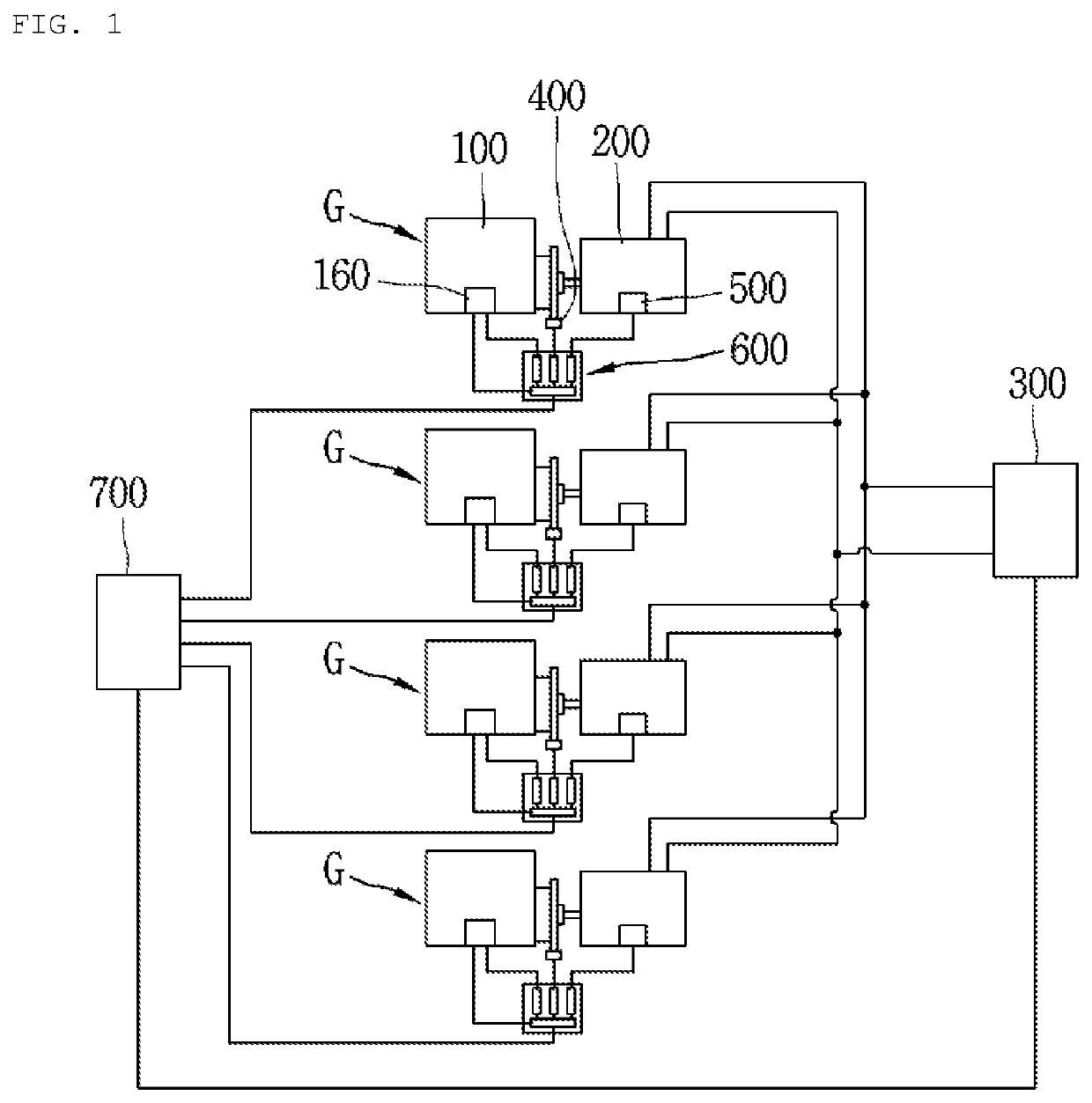
Parallel diesel engine generator system and method for controlling the same
PatentInactiveUS20210215108A1
Innovation
- A control system that connects multiple diesel engine generators in parallel, utilizing engine output sensing units, automatic voltage regulators, and a system control unit to distribute loads based on the merit figures of each engine, including operation time and type, to optimize RPM and fuel injection, ensuring efficient output and extended lifetime.


Environmental Regulations for Diesel Generator Emissions
The regulatory landscape governing diesel generator emissions has become increasingly stringent across global jurisdictions, directly impacting how load distribution strategies must be implemented to maximize output while maintaining compliance. The United States Environmental Protection Agency (EPA) Tier 4 Final standards represent some of the most comprehensive emission requirements, mandating significant reductions in nitrogen oxides (NOx) and particulate matter (PM) emissions from diesel engines. These regulations establish specific emission limits based on engine power ratings, with stricter requirements for larger generators commonly used in industrial load distribution applications.
European Union Stage V regulations parallel EPA standards but introduce additional requirements for real-world emission monitoring and in-use compliance testing. These regulations particularly affect load distribution systems operating across multiple generator units, as each unit must individually meet emission thresholds regardless of its role within the broader distribution network. The regulations also mandate advanced aftertreatment systems including selective catalytic reduction (SCR) and diesel particulate filters (DPF), which can influence optimal load allocation strategies due to their temperature and flow rate dependencies.
Regional variations in emission standards create additional complexity for load distribution optimization. California's Air Resources Board (CARB) implements more restrictive standards than federal EPA requirements, while developing nations often maintain less stringent regulations. This regulatory patchwork necessitates adaptive load distribution algorithms that can modify generator output patterns based on local compliance requirements while maintaining overall system efficiency.
Emerging regulatory trends focus on real-time emission monitoring and dynamic compliance verification. The International Maritime Organization's recent amendments to MARPOL Annex VI introduce continuous emission monitoring requirements that will likely influence stationary generator regulations. These developments suggest future load distribution systems must incorporate real-time emission feedback to optimize generator output while ensuring continuous regulatory compliance.
The integration of emission regulations with load distribution optimization requires sophisticated control systems capable of balancing power output maximization with emission minimization. Advanced engine management systems now incorporate emission-aware load scheduling algorithms that can predict and prevent regulatory violations while maintaining optimal power distribution across multiple generator units.
European Union Stage V regulations parallel EPA standards but introduce additional requirements for real-world emission monitoring and in-use compliance testing. These regulations particularly affect load distribution systems operating across multiple generator units, as each unit must individually meet emission thresholds regardless of its role within the broader distribution network. The regulations also mandate advanced aftertreatment systems including selective catalytic reduction (SCR) and diesel particulate filters (DPF), which can influence optimal load allocation strategies due to their temperature and flow rate dependencies.
Regional variations in emission standards create additional complexity for load distribution optimization. California's Air Resources Board (CARB) implements more restrictive standards than federal EPA requirements, while developing nations often maintain less stringent regulations. This regulatory patchwork necessitates adaptive load distribution algorithms that can modify generator output patterns based on local compliance requirements while maintaining overall system efficiency.
Emerging regulatory trends focus on real-time emission monitoring and dynamic compliance verification. The International Maritime Organization's recent amendments to MARPOL Annex VI introduce continuous emission monitoring requirements that will likely influence stationary generator regulations. These developments suggest future load distribution systems must incorporate real-time emission feedback to optimize generator output while ensuring continuous regulatory compliance.
The integration of emission regulations with load distribution optimization requires sophisticated control systems capable of balancing power output maximization with emission minimization. Advanced engine management systems now incorporate emission-aware load scheduling algorithms that can predict and prevent regulatory violations while maintaining optimal power distribution across multiple generator units.
Grid Integration Standards for Distributed Generator Systems
Grid integration standards for distributed generator systems, particularly diesel generators with optimized load distribution capabilities, represent a critical framework ensuring safe, reliable, and efficient operation within modern electrical networks. These standards encompass technical specifications, safety protocols, and operational requirements that govern how distributed generation assets connect to and interact with utility grids.
The IEEE 1547 series stands as the primary standard governing distributed energy resource interconnection in North America, establishing fundamental requirements for voltage regulation, frequency response, and islanding protection. This standard specifically addresses how diesel generators must respond to grid disturbances, including voltage and frequency excursions, while maintaining system stability through proper load distribution mechanisms.
International Electrotechnical Commission (IEC) standards, particularly IEC 61727 and IEC 62116, provide global frameworks for photovoltaic and distributed generation systems. These standards emphasize power quality requirements, harmonic distortion limits, and grid support functions that diesel generators must comply with when implementing advanced load distribution strategies.
Grid codes vary significantly across different regions, with European Network of Transmission System Operators for Electricity (ENTSO-E) requirements differing from North American Electric Reliability Corporation (NERC) standards. These regional variations particularly impact how diesel generators with superior load distribution must handle reactive power support, fault ride-through capabilities, and grid stabilization functions.
Modern grid integration standards increasingly emphasize smart grid compatibility, requiring distributed generators to support bidirectional communication protocols such as IEC 61850 and IEEE 2030.5. These communication standards enable real-time coordination between diesel generators and grid operators, facilitating optimal load distribution based on system-wide conditions and demand patterns.
Emerging standards also address cybersecurity requirements for grid-connected distributed generation systems, incorporating NIST cybersecurity frameworks and IEC 62351 protocols. These security measures become particularly crucial when diesel generators employ sophisticated load distribution algorithms that rely on external data inputs and remote monitoring capabilities, ensuring protection against potential cyber threats while maintaining operational efficiency.
The IEEE 1547 series stands as the primary standard governing distributed energy resource interconnection in North America, establishing fundamental requirements for voltage regulation, frequency response, and islanding protection. This standard specifically addresses how diesel generators must respond to grid disturbances, including voltage and frequency excursions, while maintaining system stability through proper load distribution mechanisms.
International Electrotechnical Commission (IEC) standards, particularly IEC 61727 and IEC 62116, provide global frameworks for photovoltaic and distributed generation systems. These standards emphasize power quality requirements, harmonic distortion limits, and grid support functions that diesel generators must comply with when implementing advanced load distribution strategies.
Grid codes vary significantly across different regions, with European Network of Transmission System Operators for Electricity (ENTSO-E) requirements differing from North American Electric Reliability Corporation (NERC) standards. These regional variations particularly impact how diesel generators with superior load distribution must handle reactive power support, fault ride-through capabilities, and grid stabilization functions.
Modern grid integration standards increasingly emphasize smart grid compatibility, requiring distributed generators to support bidirectional communication protocols such as IEC 61850 and IEEE 2030.5. These communication standards enable real-time coordination between diesel generators and grid operators, facilitating optimal load distribution based on system-wide conditions and demand patterns.
Emerging standards also address cybersecurity requirements for grid-connected distributed generation systems, incorporating NIST cybersecurity frameworks and IEC 62351 protocols. These security measures become particularly crucial when diesel generators employ sophisticated load distribution algorithms that rely on external data inputs and remote monitoring capabilities, ensuring protection against potential cyber threats while maintaining operational efficiency.
Unlock deeper insights with Patsnap Eureka Quick Research — get a full tech report to explore trends and direct your research. Try now!
Generate Your Research Report Instantly with AI Agent
Supercharge your innovation with Patsnap Eureka AI Agent Platform!