

Morphing Wing Component Recyclability vs Traditional Aero Systems
MAY 18, 20269 MIN READ
Generate Your Research Report Instantly with AI Agent
PatSnap Eureka helps you evaluate technical feasibility & market potential.
Morphing Wing Technology Background and Recyclability Goals
Morphing wing technology represents a paradigm shift in aerospace engineering, drawing inspiration from biological systems where birds and insects dynamically alter their wing configurations during flight. This biomimetic approach has evolved from theoretical concepts in the early 20th century to sophisticated engineering solutions capable of real-time aerodynamic optimization. The technology encompasses various mechanisms including variable camber, twist distribution, span extension, and surface morphing capabilities that enable aircraft to adapt to different flight conditions seamlessly.
The historical development of morphing wings traces back to the Wright brothers' wing warping techniques, progressing through decades of research into flexible structures, smart materials, and advanced control systems. Modern morphing wing systems integrate shape memory alloys, piezoelectric actuators, and composite materials to achieve controlled deformation while maintaining structural integrity under aerodynamic loads.
Traditional aerospace systems have long prioritized performance and safety over end-of-life considerations, resulting in significant environmental challenges. Conventional aircraft components typically utilize aluminum alloys, carbon fiber composites, and titanium structures that, while offering excellent mechanical properties, present complex recycling challenges due to material mixing, adhesive bonding, and contamination issues.
The recyclability imperative in aerospace has intensified due to increasing environmental regulations, corporate sustainability commitments, and economic pressures from raw material costs. The aviation industry faces mounting pressure to achieve carbon neutrality by 2050, necessitating comprehensive lifecycle approaches that extend beyond operational efficiency to include manufacturing and disposal phases.
Morphing wing technology presents unique recyclability opportunities and challenges compared to traditional systems. The integration of smart materials and adaptive mechanisms introduces new material categories that require specialized recycling processes. However, the potential for reduced part count through multifunctional designs could simplify disassembly and material separation procedures.
The primary recyclability goals for morphing wing components encompass developing design-for-disassembly principles, establishing material compatibility matrices for recycling processes, and creating closed-loop material flows that minimize waste generation. These objectives aim to achieve recyclability rates exceeding 85% while maintaining the performance advantages that morphing technology offers over conventional fixed-geometry systems.
The historical development of morphing wings traces back to the Wright brothers' wing warping techniques, progressing through decades of research into flexible structures, smart materials, and advanced control systems. Modern morphing wing systems integrate shape memory alloys, piezoelectric actuators, and composite materials to achieve controlled deformation while maintaining structural integrity under aerodynamic loads.
Traditional aerospace systems have long prioritized performance and safety over end-of-life considerations, resulting in significant environmental challenges. Conventional aircraft components typically utilize aluminum alloys, carbon fiber composites, and titanium structures that, while offering excellent mechanical properties, present complex recycling challenges due to material mixing, adhesive bonding, and contamination issues.
The recyclability imperative in aerospace has intensified due to increasing environmental regulations, corporate sustainability commitments, and economic pressures from raw material costs. The aviation industry faces mounting pressure to achieve carbon neutrality by 2050, necessitating comprehensive lifecycle approaches that extend beyond operational efficiency to include manufacturing and disposal phases.
Morphing wing technology presents unique recyclability opportunities and challenges compared to traditional systems. The integration of smart materials and adaptive mechanisms introduces new material categories that require specialized recycling processes. However, the potential for reduced part count through multifunctional designs could simplify disassembly and material separation procedures.
The primary recyclability goals for morphing wing components encompass developing design-for-disassembly principles, establishing material compatibility matrices for recycling processes, and creating closed-loop material flows that minimize waste generation. These objectives aim to achieve recyclability rates exceeding 85% while maintaining the performance advantages that morphing technology offers over conventional fixed-geometry systems.
Market Demand for Sustainable Aviation Components
The aviation industry faces unprecedented pressure to address environmental sustainability concerns, driving substantial market demand for eco-friendly aircraft components. Airlines worldwide are increasingly prioritizing sustainable technologies as regulatory frameworks tighten and consumer awareness of aviation's environmental impact grows. This shift has created a significant market opportunity for recyclable aircraft components, particularly in wing systems where material usage is substantial.
Traditional aerospace systems present considerable challenges in terms of end-of-life management. Conventional wing structures typically incorporate composite materials, aluminum alloys, and complex assemblies that are difficult to separate and recycle effectively. The current disposal methods often involve landfilling or energy recovery through incineration, neither of which aligns with circular economy principles that the aviation sector is increasingly adopting.
Morphing wing technologies introduce both opportunities and complexities in the sustainability landscape. These adaptive systems require sophisticated materials and mechanisms that enable shape transformation during flight, potentially improving fuel efficiency significantly. However, the recyclability of these advanced components becomes a critical consideration as airlines evaluate total lifecycle environmental impact rather than operational efficiency alone.
Market research indicates that major airlines are establishing sustainability targets that directly influence procurement decisions. Fleet operators are beginning to factor component recyclability into their total cost of ownership calculations, recognizing that sustainable materials can provide long-term economic benefits through reduced disposal costs and potential material recovery value.
The demand for sustainable aviation components is further amplified by emerging regulations in key markets. European Union initiatives and similar frameworks in other regions are establishing stricter requirements for material recovery and waste reduction in aerospace manufacturing. These regulatory drivers are creating market incentives for developing recyclable alternatives to traditional wing systems.
Supply chain stakeholders, including material suppliers and component manufacturers, are responding to this demand by investing in research and development of recyclable aerospace materials. The market is witnessing increased collaboration between airlines, manufacturers, and recycling specialists to develop closed-loop material systems that can support both morphing wing technologies and traditional configurations while meeting sustainability objectives.
Traditional aerospace systems present considerable challenges in terms of end-of-life management. Conventional wing structures typically incorporate composite materials, aluminum alloys, and complex assemblies that are difficult to separate and recycle effectively. The current disposal methods often involve landfilling or energy recovery through incineration, neither of which aligns with circular economy principles that the aviation sector is increasingly adopting.
Morphing wing technologies introduce both opportunities and complexities in the sustainability landscape. These adaptive systems require sophisticated materials and mechanisms that enable shape transformation during flight, potentially improving fuel efficiency significantly. However, the recyclability of these advanced components becomes a critical consideration as airlines evaluate total lifecycle environmental impact rather than operational efficiency alone.
Market research indicates that major airlines are establishing sustainability targets that directly influence procurement decisions. Fleet operators are beginning to factor component recyclability into their total cost of ownership calculations, recognizing that sustainable materials can provide long-term economic benefits through reduced disposal costs and potential material recovery value.
The demand for sustainable aviation components is further amplified by emerging regulations in key markets. European Union initiatives and similar frameworks in other regions are establishing stricter requirements for material recovery and waste reduction in aerospace manufacturing. These regulatory drivers are creating market incentives for developing recyclable alternatives to traditional wing systems.
Supply chain stakeholders, including material suppliers and component manufacturers, are responding to this demand by investing in research and development of recyclable aerospace materials. The market is witnessing increased collaboration between airlines, manufacturers, and recycling specialists to develop closed-loop material systems that can support both morphing wing technologies and traditional configurations while meeting sustainability objectives.
Current Recyclability Challenges in Morphing vs Traditional Systems
Traditional aerospace systems face significant recyclability challenges primarily due to their reliance on thermoset composite materials, particularly carbon fiber reinforced plastics (CFRP). These materials, while offering excellent strength-to-weight ratios, present substantial end-of-life disposal problems. The cross-linked polymer matrix in thermosets cannot be remelted or reshaped, making conventional recycling processes ineffective. Current recycling methods for traditional aircraft components include energy-intensive pyrolysis and solvolysis processes, which often degrade fiber quality and require specialized facilities.
Morphing wing systems introduce additional complexity layers to recyclability challenges. These adaptive structures incorporate smart materials such as shape memory alloys, piezoelectric actuators, and variable stiffness composites that enable real-time geometric modifications. The integration of multiple material types within single components creates separation difficulties during recycling processes. Smart materials often contain rare earth elements and specialized polymers that require distinct recycling pathways, complicating the overall material recovery strategy.
The multi-functional nature of morphing wing components presents unique disassembly challenges. Unlike traditional systems with clearly defined material boundaries, morphing structures feature embedded sensors, actuators, and control systems integrated within the structural matrix. This integration makes selective material separation extremely difficult without damaging valuable components. The miniaturization of electronic elements within the wing structure further complicates recovery processes, as conventional mechanical separation techniques may destroy these high-value materials.
Material compatibility issues represent another significant challenge in morphing wing recyclability. The combination of metallic actuators, polymer matrices, and ceramic sensors creates galvanic corrosion concerns and chemical incompatibilities that affect both operational performance and end-of-life processing. These material interactions can lead to degradation products that contaminate recycling streams and reduce the quality of recovered materials.
Economic viability remains a critical barrier for both systems. Traditional aerospace recycling faces high processing costs relative to virgin material prices, while morphing wing recycling requires additional investments in specialized separation technologies. The relatively low volumes of aerospace components compared to automotive or consumer electronics further limit economies of scale in recycling infrastructure development.
Regulatory frameworks currently lack specific guidelines for morphing wing component disposal, creating uncertainty in recycling pathway development. Traditional aerospace recycling benefits from established protocols, though these remain limited in scope and effectiveness. The absence of standardized design-for-recycling principles in morphing wing development exacerbates these challenges, as manufacturers prioritize performance optimization over end-of-life considerations.
Morphing wing systems introduce additional complexity layers to recyclability challenges. These adaptive structures incorporate smart materials such as shape memory alloys, piezoelectric actuators, and variable stiffness composites that enable real-time geometric modifications. The integration of multiple material types within single components creates separation difficulties during recycling processes. Smart materials often contain rare earth elements and specialized polymers that require distinct recycling pathways, complicating the overall material recovery strategy.
The multi-functional nature of morphing wing components presents unique disassembly challenges. Unlike traditional systems with clearly defined material boundaries, morphing structures feature embedded sensors, actuators, and control systems integrated within the structural matrix. This integration makes selective material separation extremely difficult without damaging valuable components. The miniaturization of electronic elements within the wing structure further complicates recovery processes, as conventional mechanical separation techniques may destroy these high-value materials.
Material compatibility issues represent another significant challenge in morphing wing recyclability. The combination of metallic actuators, polymer matrices, and ceramic sensors creates galvanic corrosion concerns and chemical incompatibilities that affect both operational performance and end-of-life processing. These material interactions can lead to degradation products that contaminate recycling streams and reduce the quality of recovered materials.
Economic viability remains a critical barrier for both systems. Traditional aerospace recycling faces high processing costs relative to virgin material prices, while morphing wing recycling requires additional investments in specialized separation technologies. The relatively low volumes of aerospace components compared to automotive or consumer electronics further limit economies of scale in recycling infrastructure development.
Regulatory frameworks currently lack specific guidelines for morphing wing component disposal, creating uncertainty in recycling pathway development. Traditional aerospace recycling benefits from established protocols, though these remain limited in scope and effectiveness. The absence of standardized design-for-recycling principles in morphing wing development exacerbates these challenges, as manufacturers prioritize performance optimization over end-of-life considerations.
Current Recycling Solutions for Advanced Aerospace Materials
01 Recyclable composite materials for morphing wing structures
Development of composite materials specifically designed for morphing wing applications that can be efficiently recycled at end-of-life. These materials maintain the necessary flexibility and strength properties required for morphing functionality while incorporating recyclable matrix systems and reinforcement fibers that can be separated and reprocessed.- Recyclable composite materials for morphing wing structures: Development of composite materials specifically designed for morphing wing applications that can be effectively recycled at end-of-life. These materials maintain the necessary flexibility and strength properties required for morphing functionality while incorporating recyclable matrix systems and reinforcement fibers that can be separated and reprocessed.
- Thermoplastic-based morphing wing components: Utilization of thermoplastic materials in morphing wing component manufacturing to enhance recyclability. These materials can be remelted and reformed multiple times without significant degradation of properties, making them ideal for sustainable morphing wing applications where components need to maintain structural integrity during shape changes.
- Modular design for component separation and recycling: Implementation of modular design approaches in morphing wing systems that facilitate easy disassembly and material separation for recycling purposes. This design philosophy enables different materials to be efficiently sorted and processed separately, maximizing the recovery rate of valuable materials from morphing wing components.
- Bio-based and biodegradable materials for morphing applications: Integration of bio-based and biodegradable materials in morphing wing component construction to reduce environmental impact and improve end-of-life disposal options. These materials provide alternative pathways for component disposal through biological decomposition while maintaining the mechanical properties necessary for morphing wing functionality.
- Material recovery and reprocessing techniques: Advanced techniques for recovering and reprocessing materials from morphing wing components, including chemical recycling methods, mechanical separation processes, and material purification systems. These approaches enable the extraction of high-quality materials that can be reused in new morphing wing applications or other aerospace components.
02 Biodegradable actuator systems for morphing wings
Integration of biodegradable or recyclable actuator mechanisms in morphing wing designs. These systems focus on using environmentally friendly materials for shape memory alloys, pneumatic systems, or other actuation methods that can be decomposed or recycled without environmental impact while maintaining operational performance.Expand Specific Solutions03 Modular design approaches for component reusability
Implementation of modular design strategies that allow individual morphing wing components to be easily disassembled, refurbished, and reused in new applications. This approach focuses on standardized interfaces and connection methods that facilitate component separation and reassembly.Expand Specific Solutions04 Material separation techniques for multi-layer wing structures
Development of specialized techniques and processes for separating different material layers in morphing wing components to enable effective recycling. These methods address the challenge of separating bonded materials such as smart materials, structural layers, and protective coatings without degrading their recyclable properties.Expand Specific Solutions05 Life cycle assessment and recycling protocols
Establishment of comprehensive life cycle assessment methodologies and standardized recycling protocols specifically for morphing wing components. These frameworks evaluate environmental impact throughout the component lifecycle and define optimal recycling pathways for different material combinations used in morphing wing applications.Expand Specific Solutions
Key Players in Morphing Wing and Green Aviation Industry
The morphing wing component recyclability sector represents an emerging technology domain within aerospace systems, currently in early development stages with significant growth potential. The global market remains nascent but shows promising expansion as sustainability concerns drive aerospace innovation. Technology maturity varies considerably across key players, with established aerospace giants like Boeing, Airbus Operations, Lockheed Martin, and Safran leading advanced research initiatives alongside specialized firms such as Hamilton Sundstrand. Academic institutions including MIT, Northwestern Polytechnical University, Harbin Institute of Technology, and Beijing Institute of Technology contribute fundamental research breakthroughs. Government entities like JAXA provide regulatory framework development. While traditional aerospace systems maintain market dominance through proven manufacturing capabilities, morphing wing technologies face integration challenges requiring novel recyclable materials and adaptive manufacturing processes, positioning this sector at a critical inflection point between experimental innovation and commercial viability.
The Boeing Co.
Technical Solution: Boeing has developed advanced morphing wing technologies focusing on recyclable composite materials and sustainable manufacturing processes. Their approach integrates shape memory alloys and bio-based composite materials that can be efficiently separated and recycled at end-of-life. The company has implemented closed-loop material systems where morphing wing components utilize recycled carbon fiber reinforced polymers (CFRP) with thermoplastic matrices instead of traditional thermoset materials, enabling multiple recycling cycles. Boeing's morphing wing designs incorporate modular construction techniques that facilitate component disassembly and material recovery, achieving up to 85% material recyclability compared to 30% in traditional wing systems.
Strengths: Industry-leading experience in aerospace manufacturing and established recycling infrastructure. Weaknesses: High development costs and complex certification processes for new recyclable materials.
Massachusetts Institute of Technology
Technical Solution: MIT has conducted extensive research on morphing wing component recyclability, developing innovative approaches to sustainable aerospace materials and structures. Their research focuses on bio-inspired morphing mechanisms using recyclable smart materials and reversible adhesive systems. MIT's morphing wing concepts utilize thermoplastic matrix composites and mechanical fastening systems that enable complete material recovery without chemical degradation. The institute has developed novel recycling processes for morphing wing components that achieve material recovery rates of up to 98%, significantly outperforming traditional aerospace recycling methods. Their research demonstrates that morphing wing systems can reduce overall environmental impact by 60% compared to conventional wing structures through improved material efficiency and end-of-life recyclability.
Strengths: Cutting-edge research capabilities and strong academic-industry partnerships. Weaknesses: Limited manufacturing scale and technology transfer challenges to commercial applications.
Core Innovations in Recyclable Morphing Wing Components
Composite material for geometric morphing wing
PatentActiveUS7798443B2
Innovation
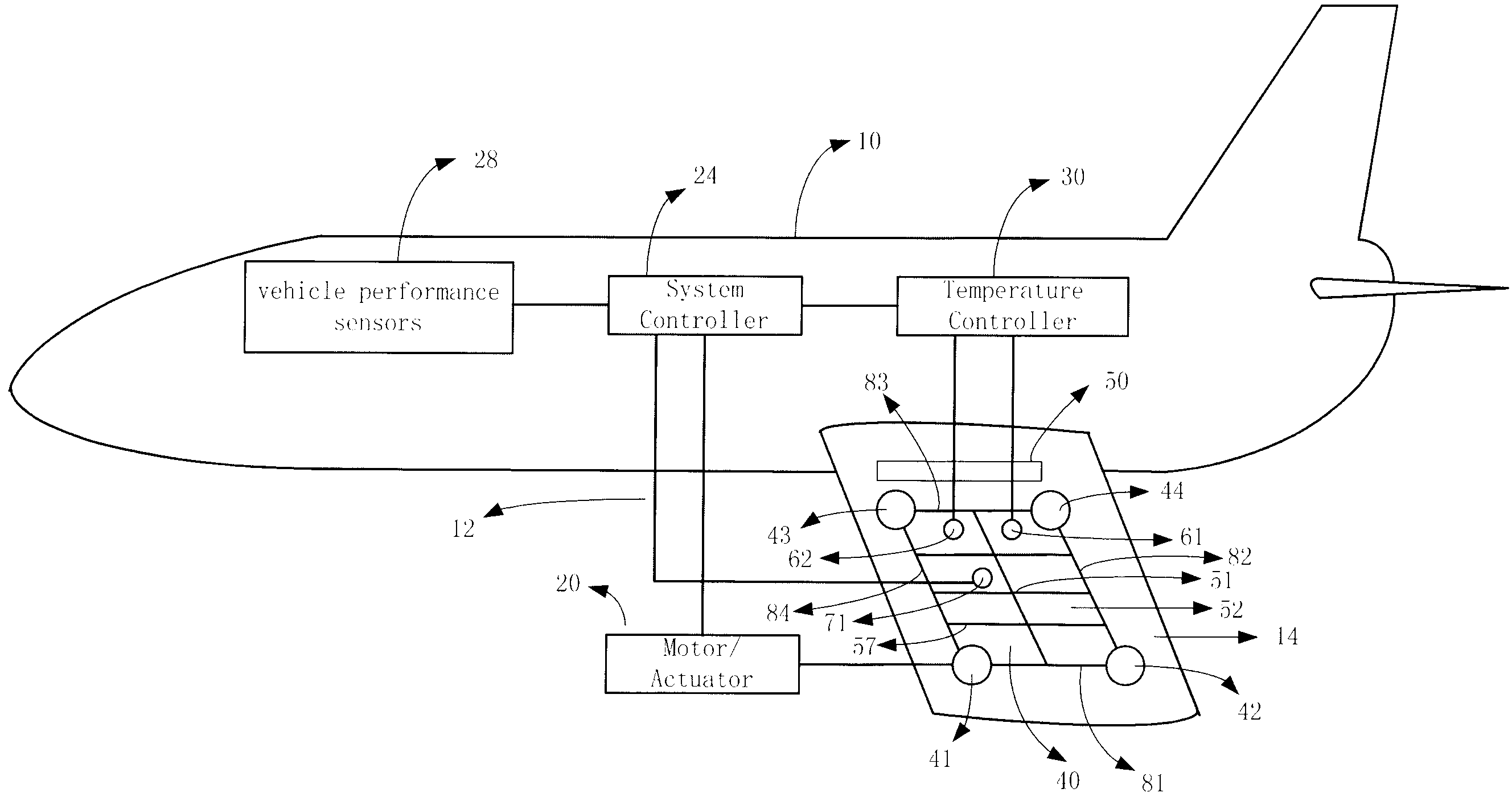
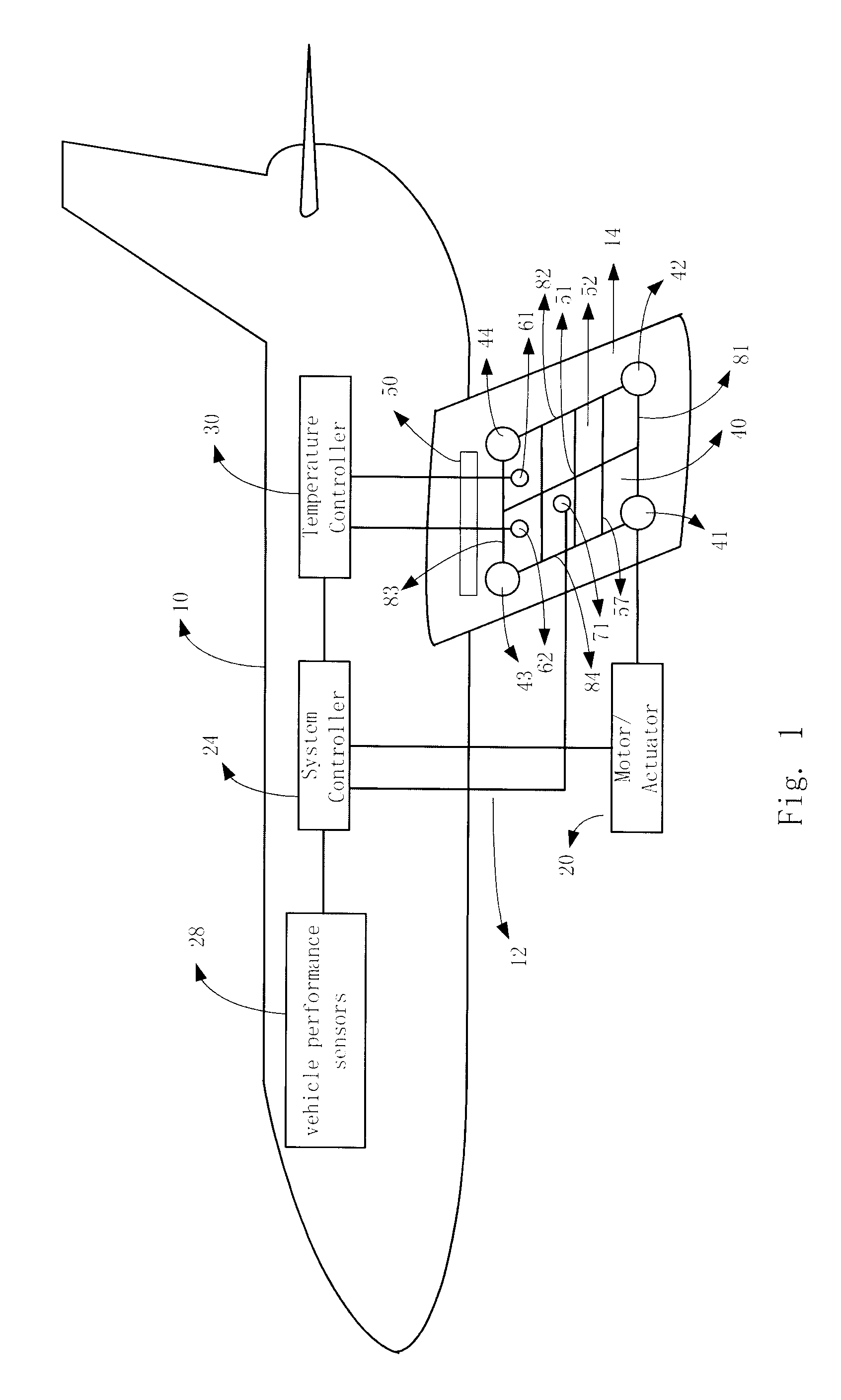
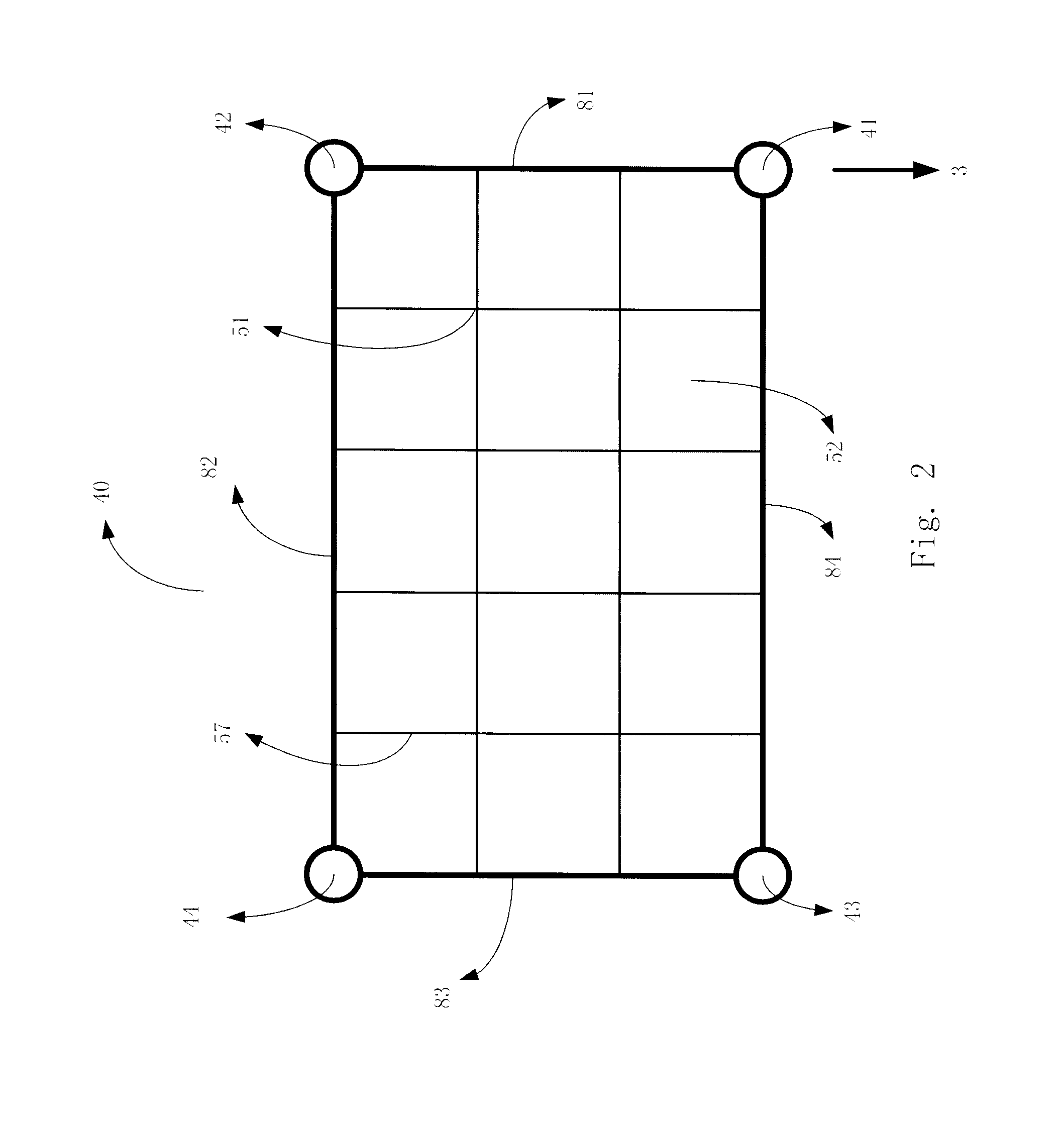
- An airfoil member system incorporating a geometric morphing device with a fiber mesh and shape memory matrix material, actuated by motors and temperature controllers, allowing for substantial changes in size and shape in response to temperature stimuli, enabling compound shape alterations.

Deformable wing including a mobile upper surface
PatentInactiveUS9856013B2
Innovation
- A morphing wing system with a double-skinned upper surface that adjusts leading and trailing edges independently, using actuators supported by main wing spars to change the wing's shape without reducing chord, and a locking system for safe landing.


Environmental Regulations for Aviation Material Lifecycle
The aviation industry faces increasingly stringent environmental regulations governing material lifecycle management, with morphing wing technologies presenting unique compliance challenges compared to traditional aerospace systems. Current regulatory frameworks, including REACH (Registration, Evaluation, Authorization and Restriction of Chemicals) in Europe and similar chemical management protocols globally, require comprehensive documentation of material composition, usage patterns, and end-of-life disposal methods for all aircraft components.
Traditional aerospace materials such as aluminum alloys, carbon fiber composites, and titanium components operate under well-established regulatory pathways with defined recycling protocols and waste management procedures. These materials benefit from decades of regulatory precedent, standardized testing methodologies, and approved disposal chains that meet international aviation safety and environmental standards.
Morphing wing systems introduce regulatory complexity through their integration of smart materials, actuators, and adaptive structures that often incorporate novel polymers, shape memory alloys, and embedded sensors. These advanced materials frequently lack established regulatory classifications, requiring manufacturers to navigate uncertain approval processes and develop custom compliance documentation for material safety data sheets, environmental impact assessments, and recycling protocols.
The European Union's Waste Framework Directive and the upcoming Single-Use Plastics Directive extensions are expected to significantly impact morphing wing component design, particularly regarding the recyclability requirements for polymer-based actuators and flexible skin materials. Manufacturers must demonstrate clear end-of-life pathways and material recovery rates that meet or exceed traditional aerospace component standards.
Emerging regulations focus on extended producer responsibility, requiring aerospace manufacturers to account for full lifecycle environmental costs including material extraction, processing, operational impact, and end-of-life management. This regulatory shift particularly affects morphing wing technologies due to their complex material compositions and limited established recycling infrastructure.
International harmonization efforts through ICAO (International Civil Aviation Organization) are developing unified standards for advanced aerospace materials, though current regulatory gaps create market uncertainties for morphing wing adoption. Compliance costs and regulatory approval timelines represent significant barriers to commercial implementation compared to conventional aerospace systems with established regulatory pathways.
Traditional aerospace materials such as aluminum alloys, carbon fiber composites, and titanium components operate under well-established regulatory pathways with defined recycling protocols and waste management procedures. These materials benefit from decades of regulatory precedent, standardized testing methodologies, and approved disposal chains that meet international aviation safety and environmental standards.
Morphing wing systems introduce regulatory complexity through their integration of smart materials, actuators, and adaptive structures that often incorporate novel polymers, shape memory alloys, and embedded sensors. These advanced materials frequently lack established regulatory classifications, requiring manufacturers to navigate uncertain approval processes and develop custom compliance documentation for material safety data sheets, environmental impact assessments, and recycling protocols.
The European Union's Waste Framework Directive and the upcoming Single-Use Plastics Directive extensions are expected to significantly impact morphing wing component design, particularly regarding the recyclability requirements for polymer-based actuators and flexible skin materials. Manufacturers must demonstrate clear end-of-life pathways and material recovery rates that meet or exceed traditional aerospace component standards.
Emerging regulations focus on extended producer responsibility, requiring aerospace manufacturers to account for full lifecycle environmental costs including material extraction, processing, operational impact, and end-of-life management. This regulatory shift particularly affects morphing wing technologies due to their complex material compositions and limited established recycling infrastructure.
International harmonization efforts through ICAO (International Civil Aviation Organization) are developing unified standards for advanced aerospace materials, though current regulatory gaps create market uncertainties for morphing wing adoption. Compliance costs and regulatory approval timelines represent significant barriers to commercial implementation compared to conventional aerospace systems with established regulatory pathways.
Lifecycle Assessment Methodologies for Morphing Systems
Lifecycle Assessment (LCA) methodologies for morphing wing systems require specialized frameworks that account for the unique characteristics of adaptive aerospace structures. Traditional LCA approaches, primarily designed for static aircraft components, must be enhanced to capture the dynamic nature of morphing systems and their complex material interactions throughout operational cycles.
The ISO 14040 and ISO 14044 standards provide the foundational framework for morphing wing LCA, but require significant adaptation to address the multi-functional nature of these systems. Goal and scope definition must explicitly consider the morphing frequency, operational envelope variations, and the integrated nature of actuation systems. Functional units should be defined not merely by flight hours or distance, but by morphing cycles and adaptive performance metrics that reflect the system's primary value proposition.
Inventory analysis for morphing wings presents unique challenges due to the heterogeneous material composition and embedded smart materials. Data collection must encompass shape memory alloys, piezoelectric actuators, flexible composites, and control electronics. The methodology must account for material degradation patterns specific to repeated deformation cycles, which differ significantly from traditional fatigue models used in conventional aircraft structures.
Impact assessment methodologies require modification to properly evaluate the environmental benefits of morphing systems' improved aerodynamic efficiency against their increased material complexity. Dynamic LCA models that incorporate real-time operational data become essential for capturing the variable environmental performance throughout different flight phases and morphing configurations.
Interpretation frameworks must integrate uncertainty analysis specific to emerging morphing technologies, where long-term performance data remains limited. Monte Carlo simulations and sensitivity analyses become crucial tools for handling the inherent uncertainties in material behavior predictions and end-of-life scenarios for novel smart materials.
Comparative LCA methodologies between morphing and traditional systems require careful consideration of system boundaries and allocation procedures. The assessment must account for the potential elimination of conventional control surfaces and associated systems, while properly attributing the environmental burden of increased manufacturing complexity and specialized materials in morphing configurations.
The ISO 14040 and ISO 14044 standards provide the foundational framework for morphing wing LCA, but require significant adaptation to address the multi-functional nature of these systems. Goal and scope definition must explicitly consider the morphing frequency, operational envelope variations, and the integrated nature of actuation systems. Functional units should be defined not merely by flight hours or distance, but by morphing cycles and adaptive performance metrics that reflect the system's primary value proposition.
Inventory analysis for morphing wings presents unique challenges due to the heterogeneous material composition and embedded smart materials. Data collection must encompass shape memory alloys, piezoelectric actuators, flexible composites, and control electronics. The methodology must account for material degradation patterns specific to repeated deformation cycles, which differ significantly from traditional fatigue models used in conventional aircraft structures.
Impact assessment methodologies require modification to properly evaluate the environmental benefits of morphing systems' improved aerodynamic efficiency against their increased material complexity. Dynamic LCA models that incorporate real-time operational data become essential for capturing the variable environmental performance throughout different flight phases and morphing configurations.
Interpretation frameworks must integrate uncertainty analysis specific to emerging morphing technologies, where long-term performance data remains limited. Monte Carlo simulations and sensitivity analyses become crucial tools for handling the inherent uncertainties in material behavior predictions and end-of-life scenarios for novel smart materials.
Comparative LCA methodologies between morphing and traditional systems require careful consideration of system boundaries and allocation procedures. The assessment must account for the potential elimination of conventional control surfaces and associated systems, while properly attributing the environmental burden of increased manufacturing complexity and specialized materials in morphing configurations.
Unlock deeper insights with PatSnap Eureka Quick Research — get a full tech report to explore trends and direct your research. Try now!
Generate Your Research Report Instantly with AI Agent
Supercharge your innovation with PatSnap Eureka AI Agent Platform!