

Motor Unit Maintenance vs Lifecycle Cost Analysis
FEB 14, 20269 MIN READ
Generate Your Research Report Instantly with AI Agent
PatSnap Eureka helps you evaluate technical feasibility & market potential.
Motor Unit Maintenance Background and Lifecycle Objectives
Motor unit maintenance has evolved significantly over the past several decades, transitioning from reactive repair strategies to sophisticated predictive maintenance approaches. Historically, industrial motor systems operated under run-to-failure methodologies, where equipment was repaired or replaced only after complete breakdown. This approach, while requiring minimal upfront investment in monitoring systems, often resulted in substantial unplanned downtime costs, production losses, and emergency repair expenses that far exceeded the initial savings.
The emergence of preventive maintenance in the 1970s marked the first systematic approach to motor unit care, introducing scheduled maintenance intervals based on manufacturer recommendations and operational hours. However, this time-based maintenance often led to unnecessary component replacements and maintenance activities, as it failed to account for actual equipment condition and varying operational stresses across different applications.
Modern motor unit maintenance has embraced condition-based and predictive maintenance strategies, leveraging advanced sensor technologies, vibration analysis, thermal imaging, and oil analysis to monitor equipment health in real-time. These approaches enable maintenance teams to identify potential failures weeks or months before they occur, allowing for planned maintenance activities during scheduled downtime periods.
The primary objective of contemporary motor unit maintenance strategies centers on optimizing the total cost of ownership while maximizing equipment reliability and operational efficiency. This involves balancing maintenance costs against the risks and consequences of equipment failure, considering factors such as production impact, safety implications, and environmental concerns.
Lifecycle cost analysis has become integral to maintenance decision-making, encompassing acquisition costs, installation expenses, operational energy consumption, maintenance expenditures, and end-of-life disposal costs. The objective extends beyond minimizing immediate maintenance expenses to optimizing long-term value creation through strategic maintenance investments.
Key performance indicators for motor unit maintenance now include mean time between failures, maintenance cost per operating hour, overall equipment effectiveness, and energy efficiency metrics. These objectives align maintenance activities with broader organizational goals of sustainability, operational excellence, and competitive advantage in increasingly demanding industrial environments.
The emergence of preventive maintenance in the 1970s marked the first systematic approach to motor unit care, introducing scheduled maintenance intervals based on manufacturer recommendations and operational hours. However, this time-based maintenance often led to unnecessary component replacements and maintenance activities, as it failed to account for actual equipment condition and varying operational stresses across different applications.
Modern motor unit maintenance has embraced condition-based and predictive maintenance strategies, leveraging advanced sensor technologies, vibration analysis, thermal imaging, and oil analysis to monitor equipment health in real-time. These approaches enable maintenance teams to identify potential failures weeks or months before they occur, allowing for planned maintenance activities during scheduled downtime periods.
The primary objective of contemporary motor unit maintenance strategies centers on optimizing the total cost of ownership while maximizing equipment reliability and operational efficiency. This involves balancing maintenance costs against the risks and consequences of equipment failure, considering factors such as production impact, safety implications, and environmental concerns.
Lifecycle cost analysis has become integral to maintenance decision-making, encompassing acquisition costs, installation expenses, operational energy consumption, maintenance expenditures, and end-of-life disposal costs. The objective extends beyond minimizing immediate maintenance expenses to optimizing long-term value creation through strategic maintenance investments.
Key performance indicators for motor unit maintenance now include mean time between failures, maintenance cost per operating hour, overall equipment effectiveness, and energy efficiency metrics. These objectives align maintenance activities with broader organizational goals of sustainability, operational excellence, and competitive advantage in increasingly demanding industrial environments.
Market Demand for Cost-Effective Motor Maintenance Solutions
The global motor maintenance market is experiencing unprecedented growth driven by the increasing complexity of industrial operations and the critical need for operational efficiency. Manufacturing facilities, power generation plants, and transportation systems rely heavily on motor-driven equipment, making maintenance strategies a fundamental business concern. The shift from reactive to predictive maintenance approaches has created substantial demand for comprehensive lifecycle cost analysis solutions.
Industrial sectors are increasingly recognizing that traditional maintenance practices often result in higher total ownership costs due to unexpected failures, extended downtime, and inefficient resource allocation. This realization has sparked significant interest in advanced maintenance optimization technologies that can balance maintenance expenditures with equipment reliability and performance outcomes.
The automotive industry represents a particularly dynamic segment where electric vehicle adoption is reshaping maintenance paradigms. Fleet operators and manufacturers are seeking sophisticated analytical tools to optimize maintenance schedules while minimizing lifecycle costs. Similar trends are evident in aerospace, where stringent safety requirements demand precise maintenance planning coupled with cost optimization strategies.
Energy sector transformation, particularly the integration of renewable sources, has amplified the need for intelligent maintenance solutions. Wind turbine operators, solar farm managers, and traditional power plant operators require advanced analytics to maximize equipment availability while controlling maintenance expenses. The intermittent nature of renewable energy sources makes equipment reliability even more critical for operational success.
Manufacturing automation and Industry 4.0 initiatives have created new opportunities for integrated maintenance solutions. Smart factories equipped with IoT sensors and connected systems generate vast amounts of operational data, enabling sophisticated predictive maintenance algorithms. Companies are actively seeking platforms that can transform this data into actionable maintenance strategies with clear cost-benefit analysis.
The emergence of maintenance-as-a-service business models has further expanded market opportunities. Equipment manufacturers are transitioning from selling products to providing comprehensive lifecycle management services, requiring advanced analytical capabilities to optimize service delivery while maintaining profitability. This trend is particularly pronounced in heavy machinery, industrial equipment, and transportation sectors.
Small and medium enterprises represent an underserved but growing market segment. These organizations often lack internal expertise for complex maintenance optimization but face similar cost pressures as larger corporations. Cloud-based solutions offering accessible lifecycle cost analysis tools are experiencing strong adoption rates among these businesses.
Regulatory compliance requirements across various industries are driving additional demand for documented maintenance optimization processes. Industries such as pharmaceuticals, food processing, and chemical manufacturing must demonstrate systematic approaches to equipment maintenance while managing operational costs effectively.
Industrial sectors are increasingly recognizing that traditional maintenance practices often result in higher total ownership costs due to unexpected failures, extended downtime, and inefficient resource allocation. This realization has sparked significant interest in advanced maintenance optimization technologies that can balance maintenance expenditures with equipment reliability and performance outcomes.
The automotive industry represents a particularly dynamic segment where electric vehicle adoption is reshaping maintenance paradigms. Fleet operators and manufacturers are seeking sophisticated analytical tools to optimize maintenance schedules while minimizing lifecycle costs. Similar trends are evident in aerospace, where stringent safety requirements demand precise maintenance planning coupled with cost optimization strategies.
Energy sector transformation, particularly the integration of renewable sources, has amplified the need for intelligent maintenance solutions. Wind turbine operators, solar farm managers, and traditional power plant operators require advanced analytics to maximize equipment availability while controlling maintenance expenses. The intermittent nature of renewable energy sources makes equipment reliability even more critical for operational success.
Manufacturing automation and Industry 4.0 initiatives have created new opportunities for integrated maintenance solutions. Smart factories equipped with IoT sensors and connected systems generate vast amounts of operational data, enabling sophisticated predictive maintenance algorithms. Companies are actively seeking platforms that can transform this data into actionable maintenance strategies with clear cost-benefit analysis.
The emergence of maintenance-as-a-service business models has further expanded market opportunities. Equipment manufacturers are transitioning from selling products to providing comprehensive lifecycle management services, requiring advanced analytical capabilities to optimize service delivery while maintaining profitability. This trend is particularly pronounced in heavy machinery, industrial equipment, and transportation sectors.
Small and medium enterprises represent an underserved but growing market segment. These organizations often lack internal expertise for complex maintenance optimization but face similar cost pressures as larger corporations. Cloud-based solutions offering accessible lifecycle cost analysis tools are experiencing strong adoption rates among these businesses.
Regulatory compliance requirements across various industries are driving additional demand for documented maintenance optimization processes. Industries such as pharmaceuticals, food processing, and chemical manufacturing must demonstrate systematic approaches to equipment maintenance while managing operational costs effectively.
Current Motor Maintenance Practices and Cost Analysis Challenges
Motor maintenance practices across industries have traditionally followed reactive, preventive, and predictive approaches, each presenting distinct cost implications and operational challenges. Reactive maintenance, characterized by addressing failures after they occur, often results in unexpected downtime costs ranging from $10,000 to $50,000 per hour in manufacturing environments. While this approach minimizes upfront maintenance investments, it frequently leads to cascading failures, emergency repair premiums, and production losses that can exceed planned maintenance costs by 300-500%.
Preventive maintenance strategies, based on predetermined schedules and manufacturer recommendations, represent the most widely adopted approach in industrial settings. Organizations typically allocate 2-4% of their asset replacement value annually for preventive maintenance activities. However, this method often results in over-maintenance scenarios where components are replaced prematurely, leading to unnecessary parts consumption and labor costs. Studies indicate that up to 30% of preventive maintenance activities may be performed on equipment that could continue operating safely.
Predictive maintenance technologies, including vibration analysis, thermal imaging, and oil analysis, have gained traction but face significant implementation barriers. The initial investment for comprehensive predictive maintenance systems ranges from $50,000 to $500,000 depending on facility size and complexity. Organizations struggle with justifying these investments due to unclear return-on-investment calculations and difficulty in quantifying avoided failures.
Cost analysis challenges emerge from fragmented data collection systems that fail to capture the complete lifecycle cost picture. Many organizations track direct maintenance costs such as parts and labor but struggle to quantify indirect costs including production losses, quality impacts, and safety incidents. The lack of standardized cost accounting methodologies across different maintenance strategies makes comparative analysis difficult.
Integration of maintenance data with financial systems remains problematic, with many organizations relying on disparate software platforms that cannot effectively communicate. This fragmentation prevents comprehensive lifecycle cost modeling and hinders data-driven decision making. Additionally, the challenge of establishing baseline performance metrics and accurately attributing cost savings to specific maintenance interventions continues to complicate cost-benefit analyses for motor maintenance optimization initiatives.
Preventive maintenance strategies, based on predetermined schedules and manufacturer recommendations, represent the most widely adopted approach in industrial settings. Organizations typically allocate 2-4% of their asset replacement value annually for preventive maintenance activities. However, this method often results in over-maintenance scenarios where components are replaced prematurely, leading to unnecessary parts consumption and labor costs. Studies indicate that up to 30% of preventive maintenance activities may be performed on equipment that could continue operating safely.
Predictive maintenance technologies, including vibration analysis, thermal imaging, and oil analysis, have gained traction but face significant implementation barriers. The initial investment for comprehensive predictive maintenance systems ranges from $50,000 to $500,000 depending on facility size and complexity. Organizations struggle with justifying these investments due to unclear return-on-investment calculations and difficulty in quantifying avoided failures.
Cost analysis challenges emerge from fragmented data collection systems that fail to capture the complete lifecycle cost picture. Many organizations track direct maintenance costs such as parts and labor but struggle to quantify indirect costs including production losses, quality impacts, and safety incidents. The lack of standardized cost accounting methodologies across different maintenance strategies makes comparative analysis difficult.
Integration of maintenance data with financial systems remains problematic, with many organizations relying on disparate software platforms that cannot effectively communicate. This fragmentation prevents comprehensive lifecycle cost modeling and hinders data-driven decision making. Additionally, the challenge of establishing baseline performance metrics and accurately attributing cost savings to specific maintenance interventions continues to complicate cost-benefit analyses for motor maintenance optimization initiatives.
Existing Motor Maintenance vs Cost Optimization Solutions
01 Predictive maintenance systems for motor units
Systems and methods for predicting maintenance needs of motor units through monitoring operational parameters, analyzing performance data, and detecting anomalies before failures occur. These approaches utilize sensors, data analytics, and machine learning algorithms to optimize maintenance schedules, reduce unexpected downtime, and lower overall maintenance costs by enabling condition-based maintenance rather than time-based maintenance.- Predictive maintenance systems for motor units: Systems and methods for predicting maintenance needs of motor units through monitoring operational parameters, analyzing performance data, and detecting anomalies before failures occur. These approaches utilize sensors, data analytics, and machine learning algorithms to optimize maintenance schedules, reduce unexpected downtime, and extend equipment lifespan. The predictive maintenance framework enables proactive intervention based on actual equipment condition rather than fixed time intervals.
- Lifecycle cost calculation and optimization methods: Methods for calculating total lifecycle costs of motor units including initial acquisition costs, operational expenses, maintenance costs, energy consumption, and disposal costs. These approaches provide comprehensive cost analysis tools that enable decision-makers to evaluate different motor unit options and optimize total cost of ownership. The methods incorporate various cost factors over the entire operational lifespan to support investment decisions.
- Condition monitoring and diagnostic systems: Systems for continuous monitoring of motor unit conditions through various sensors and diagnostic tools that track vibration, temperature, current, and other operational parameters. These systems provide real-time health assessment and early warning of potential failures, enabling timely maintenance interventions. The diagnostic capabilities help identify specific component degradation and optimize repair strategies to minimize maintenance costs.
- Maintenance scheduling and resource optimization: Methods and systems for optimizing maintenance schedules and resource allocation for motor units to minimize total maintenance costs while ensuring operational reliability. These approaches consider factors such as equipment criticality, maintenance resource availability, operational constraints, and cost implications. The optimization frameworks balance preventive and corrective maintenance activities to achieve cost-effective maintenance strategies.
- Energy efficiency and operational cost management: Technologies and methods for improving motor unit energy efficiency and managing operational costs through optimized control strategies, variable speed drives, and power management systems. These solutions reduce energy consumption during operation, which constitutes a significant portion of lifecycle costs. The approaches include monitoring energy usage patterns, implementing efficiency improvements, and optimizing operational parameters to minimize long-term operational expenses.
02 Lifecycle cost calculation and management systems
Methods and systems for calculating total lifecycle costs of motor units including initial acquisition costs, operational expenses, maintenance costs, energy consumption, and disposal costs. These systems provide comprehensive cost analysis tools that enable better decision-making for equipment selection, replacement timing, and budget planning throughout the entire lifecycle of motor units.Expand Specific Solutions03 Remote monitoring and diagnostic systems
Technologies for remotely monitoring motor unit performance and diagnosing issues through networked systems and communication interfaces. These solutions enable real-time data collection, remote troubleshooting, and centralized management of multiple motor units, reducing the need for on-site inspections and enabling faster response to maintenance needs, thereby reducing operational costs.Expand Specific Solutions04 Maintenance scheduling optimization
Systems for optimizing maintenance schedules based on usage patterns, operational conditions, and historical maintenance data. These approaches balance maintenance frequency with operational requirements to minimize both maintenance costs and downtime, while extending equipment lifespan through appropriate preventive maintenance intervals and resource allocation.Expand Specific Solutions05 Cost tracking and reporting systems
Integrated systems for tracking, analyzing, and reporting maintenance costs and lifecycle expenses of motor units. These solutions provide detailed cost breakdowns, trend analysis, and comparative metrics that enable organizations to identify cost-saving opportunities, benchmark performance, and make data-driven decisions regarding equipment management and replacement strategies.Expand Specific Solutions
Key Players in Motor Maintenance and Lifecycle Management
The motor unit maintenance versus lifecycle cost analysis field represents a mature industrial sector experiencing steady growth driven by increasing automation and sustainability demands. The market spans multiple industries including automotive, aerospace, power generation, and industrial manufacturing, with significant scale evidenced by major players like Toyota Motor Corp., Tesla Inc., and Boeing Co. leading automotive and aerospace applications. Technology maturity varies across segments, with established companies such as Hitachi Ltd., Mitsubishi Electric Corp., and YASKAWA Electric Corp. demonstrating advanced capabilities in motor control and automation systems. State Grid Corp. of China and related power utilities showcase mature grid-scale applications, while emerging players like NIDEC Corp. and specialized firms like Voith Turbo GmbH focus on innovative drive systems. The competitive landscape reflects a consolidating market where traditional industrial giants compete alongside specialized technology providers, with lifecycle cost optimization becoming increasingly critical for competitive advantage across all applications.
Hitachi Ltd.
Technical Solution: Hitachi has implemented the Lumada IoT platform for motor maintenance optimization, which combines edge computing with cloud-based analytics to provide real-time motor health assessment. Their system uses advanced signal processing techniques including FFT analysis and wavelet transforms to detect early signs of bearing wear, rotor imbalance, and insulation degradation. The lifecycle cost analysis module incorporates Monte Carlo simulations to model various failure scenarios and their associated costs over 15-20 year operational periods. Hitachi's approach emphasizes reliability-centered maintenance (RCM) methodologies that prioritize critical components based on failure impact and probability. The system can reduce unexpected failures by 35% and optimize maintenance costs through dynamic scheduling algorithms that consider production schedules, parts availability, and technician resources. Their platform supports both AC and DC motor types across industrial and transportation applications.
Strengths: Comprehensive IoT platform integration, advanced analytics capabilities, extensive experience in heavy industrial applications. Weaknesses: Complex implementation process, requires significant data infrastructure investment.
Mitsubishi Electric Corp.
Technical Solution: Mitsubishi Electric has developed the MELSERVO maintenance system that employs condition-based monitoring for servo motors and drive systems. Their approach utilizes vibration analysis, current signature analysis, and thermal monitoring to assess motor health in real-time. The lifecycle cost model incorporates predictive maintenance algorithms that can extend motor life by 25-30% while reducing maintenance costs by up to 20%. Their system provides comprehensive cost analysis including energy consumption optimization, spare parts inventory management, and scheduled maintenance planning. The platform integrates with factory automation systems to minimize production disruptions during maintenance windows. Mitsubishi's approach emphasizes total productive maintenance (TPM) principles, combining statistical analysis with expert system knowledge to optimize maintenance intervals based on actual operating conditions rather than fixed schedules.
Strengths: Proven industrial automation expertise, comprehensive condition monitoring capabilities, strong integration with manufacturing systems. Weaknesses: Higher initial investment costs, complexity in system configuration and setup.
Core Technologies in Predictive Motor Maintenance
Method and system for evaluating costs of various design and maintenance approaches
PatentActiveUS8165968B2
Innovation
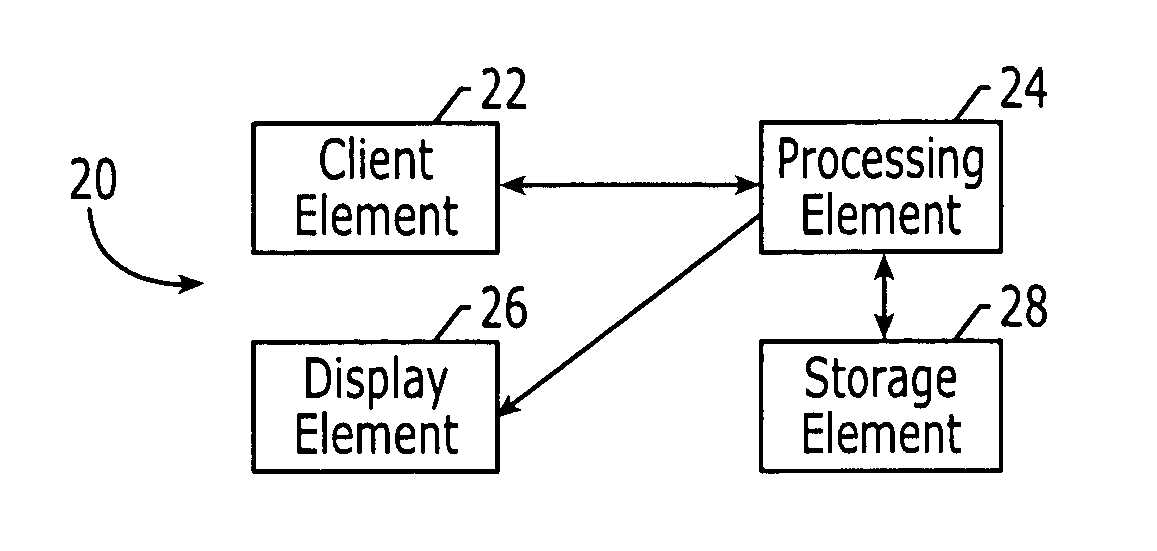
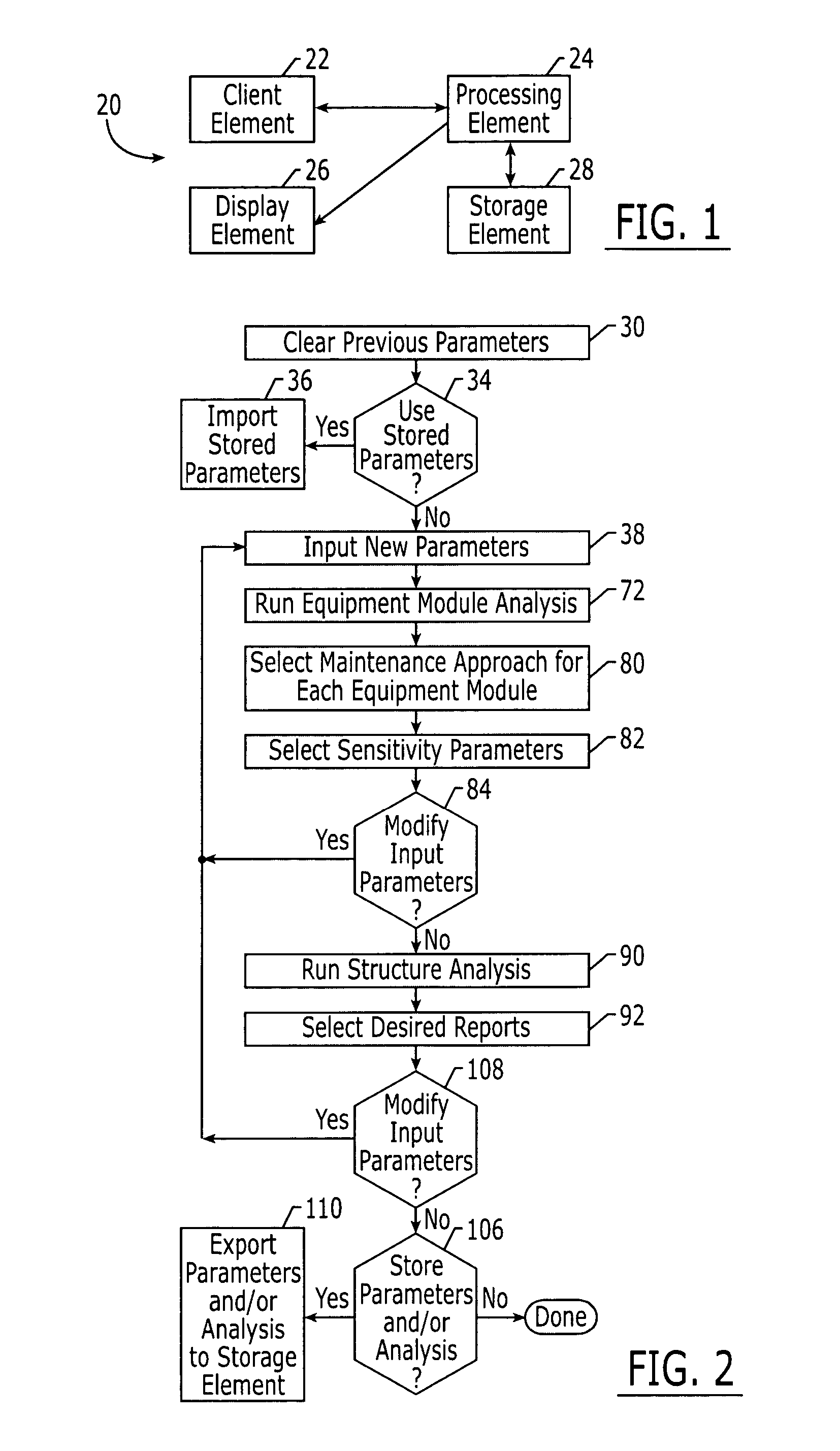
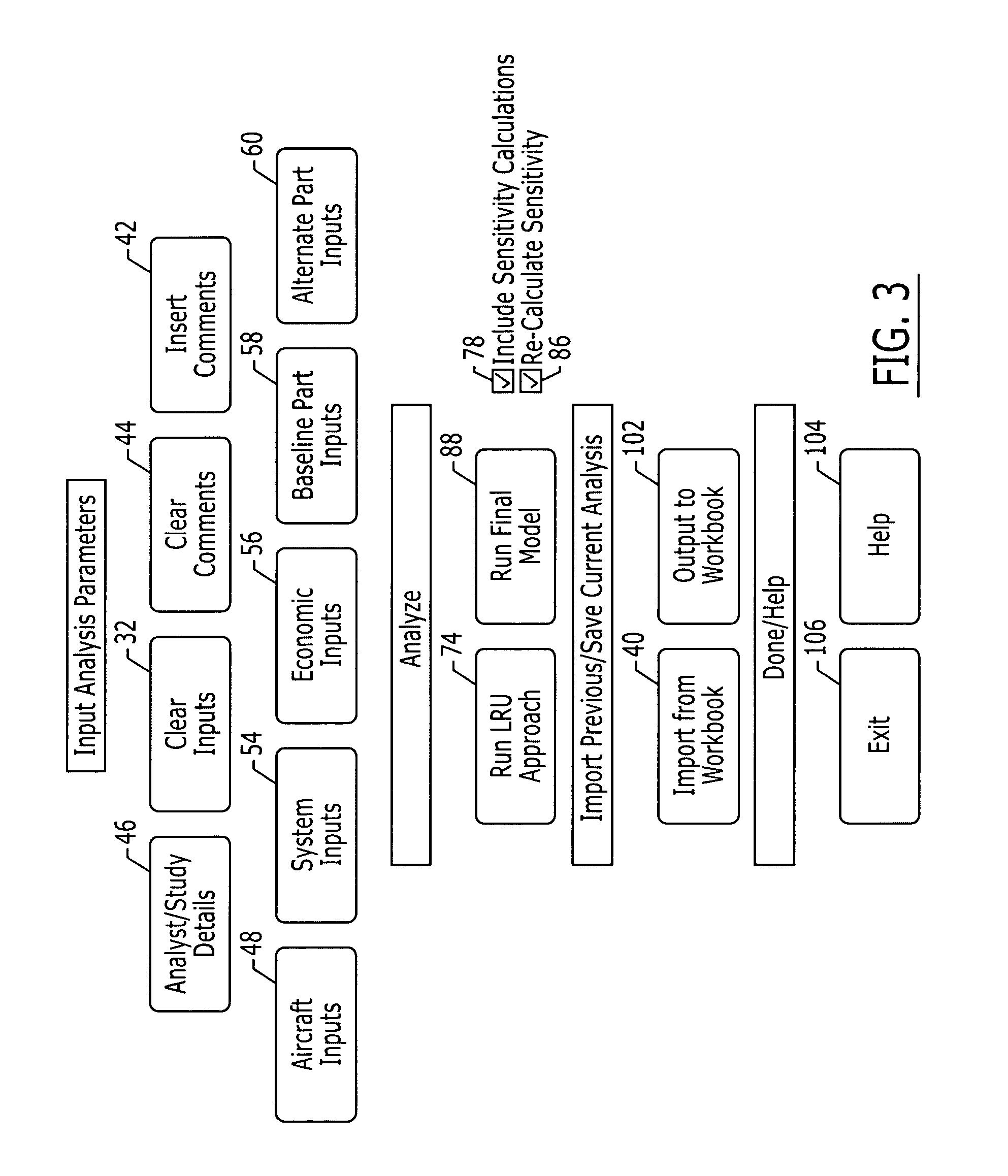
- A method and system that provide accurate quantification of LCC impacts based on reliability, maintenance, operations, mission parameters, and economic factors, allowing for simultaneous evaluation of various design and maintenance approaches for equipment modules within an overall structure, including sensitivity analysis to input parameter changes.

Maintenance recommendations using lifecycle clustering
PatentActiveUS20200391884A1
Innovation
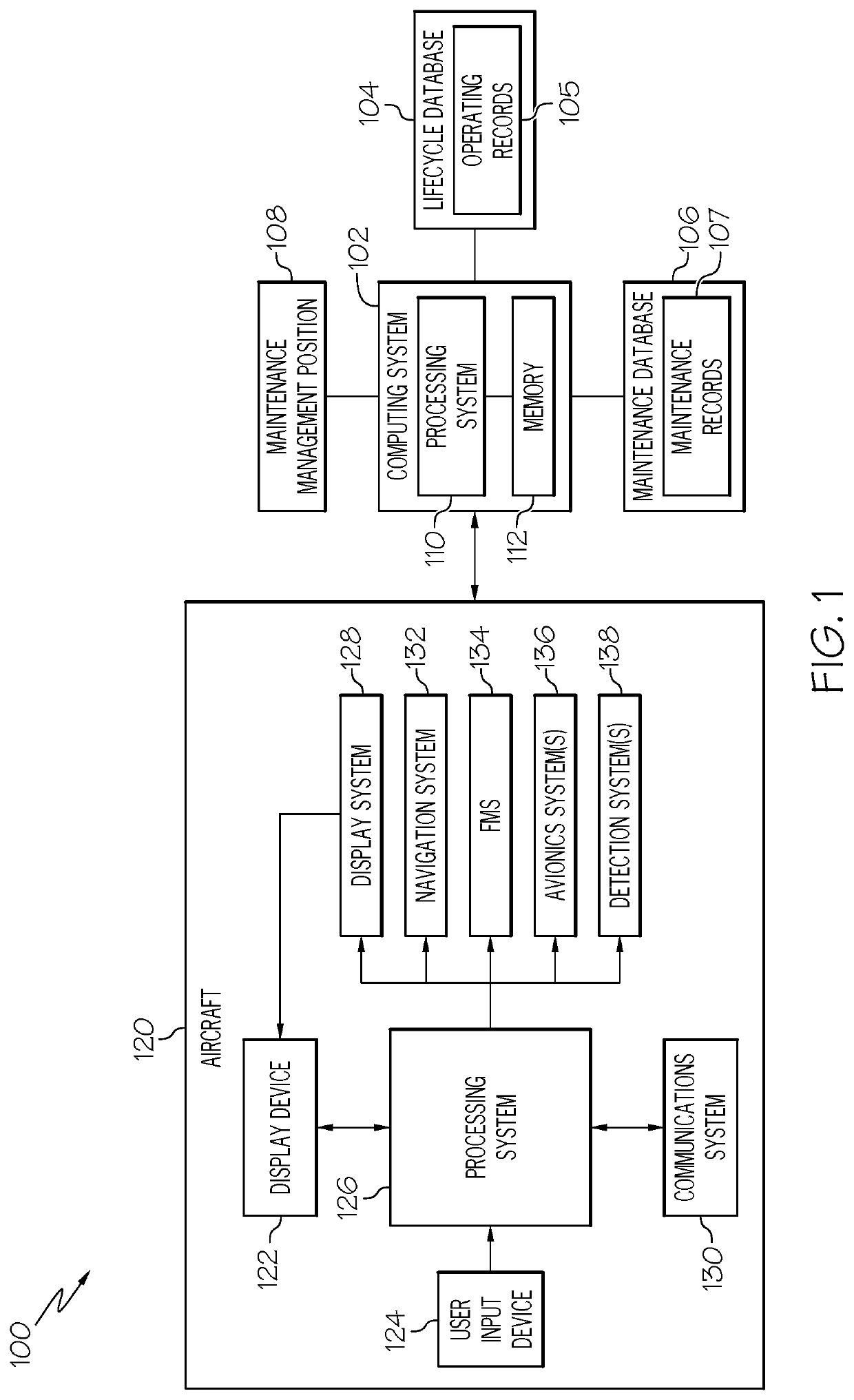
- A method and system that monitor vehicle components by obtaining measurement data, mapping them to degradation groups based on historical data, and using predictive maintenance models to determine maintenance recommendations, thereby scheduling maintenance only when necessary and optimizing component lifespan.


Industrial Standards for Motor Maintenance Practices
Industrial standards for motor maintenance practices have evolved significantly over the past decades, establishing comprehensive frameworks that govern maintenance protocols across various sectors. The International Electrotechnical Commission (IEC) 60034 series provides fundamental guidelines for rotating electrical machines, while IEEE 43 standards specifically address insulation testing procedures. These standards form the backbone of modern motor maintenance practices, ensuring consistency and reliability across industrial applications.
The Institute of Electrical and Electronics Engineers (IEEE) has developed IEEE 432, which outlines guide for insulation maintenance of large alternating-current rotating machinery. This standard emphasizes predictive maintenance techniques and establishes baseline parameters for motor health assessment. Similarly, the National Electrical Manufacturers Association (NEMA) MG-1 standard provides comprehensive motor and generator specifications that directly influence maintenance requirements and procedures.
ISO 17359 establishes condition monitoring and diagnostics protocols specifically for machinery health assessment. This standard integrates seamlessly with motor maintenance practices by defining systematic approaches to vibration analysis, thermal monitoring, and electrical signature analysis. The standard emphasizes data-driven decision making in maintenance scheduling, which directly impacts lifecycle cost optimization strategies.
The American Petroleum Institute (API) 541 and API 546 standards address motor maintenance in critical industrial applications, particularly in oil and gas sectors. These standards mandate rigorous maintenance protocols that consider both safety and economic factors. They establish minimum requirements for motor testing, inspection intervals, and documentation procedures that ensure operational reliability while managing maintenance costs effectively.
NFPA 70B, the Recommended Practice for Electrical Equipment Maintenance, provides comprehensive guidelines for electrical motor maintenance programs. This standard emphasizes risk-based maintenance strategies and establishes testing frequencies based on equipment criticality and operating environment. The standard's approach to maintenance scheduling directly influences lifecycle cost calculations by optimizing the balance between preventive maintenance investments and potential failure costs.
Recent developments in industrial standards increasingly incorporate digital technologies and Industry 4.0 concepts. IEC 61850 communication protocols enable real-time motor condition monitoring, while ISO 55000 asset management standards provide frameworks for integrating maintenance practices with broader asset lifecycle management strategies. These evolving standards recognize the growing importance of data analytics and predictive maintenance technologies in optimizing motor performance and reducing total cost of ownership.
The Institute of Electrical and Electronics Engineers (IEEE) has developed IEEE 432, which outlines guide for insulation maintenance of large alternating-current rotating machinery. This standard emphasizes predictive maintenance techniques and establishes baseline parameters for motor health assessment. Similarly, the National Electrical Manufacturers Association (NEMA) MG-1 standard provides comprehensive motor and generator specifications that directly influence maintenance requirements and procedures.
ISO 17359 establishes condition monitoring and diagnostics protocols specifically for machinery health assessment. This standard integrates seamlessly with motor maintenance practices by defining systematic approaches to vibration analysis, thermal monitoring, and electrical signature analysis. The standard emphasizes data-driven decision making in maintenance scheduling, which directly impacts lifecycle cost optimization strategies.
The American Petroleum Institute (API) 541 and API 546 standards address motor maintenance in critical industrial applications, particularly in oil and gas sectors. These standards mandate rigorous maintenance protocols that consider both safety and economic factors. They establish minimum requirements for motor testing, inspection intervals, and documentation procedures that ensure operational reliability while managing maintenance costs effectively.
NFPA 70B, the Recommended Practice for Electrical Equipment Maintenance, provides comprehensive guidelines for electrical motor maintenance programs. This standard emphasizes risk-based maintenance strategies and establishes testing frequencies based on equipment criticality and operating environment. The standard's approach to maintenance scheduling directly influences lifecycle cost calculations by optimizing the balance between preventive maintenance investments and potential failure costs.
Recent developments in industrial standards increasingly incorporate digital technologies and Industry 4.0 concepts. IEC 61850 communication protocols enable real-time motor condition monitoring, while ISO 55000 asset management standards provide frameworks for integrating maintenance practices with broader asset lifecycle management strategies. These evolving standards recognize the growing importance of data analytics and predictive maintenance technologies in optimizing motor performance and reducing total cost of ownership.
Sustainability Impact of Motor Lifecycle Management
The sustainability impact of motor lifecycle management represents a critical intersection between operational efficiency and environmental responsibility in industrial applications. As global environmental regulations tighten and corporate sustainability mandates intensify, the environmental footprint of motor systems throughout their operational lifespan has become a paramount consideration for industrial stakeholders.
Motor lifecycle management significantly influences carbon emissions through multiple pathways. Energy consumption during operation typically accounts for 95-98% of a motor's total environmental impact, making efficiency optimization the primary lever for sustainability improvement. Advanced maintenance strategies that preserve motor efficiency can prevent the 2-5% annual efficiency degradation commonly observed in poorly maintained systems, directly translating to reduced greenhouse gas emissions over the motor's operational lifetime.
The circular economy principles are increasingly being integrated into motor lifecycle strategies. Predictive maintenance technologies enable extended operational lifespans, reducing the frequency of motor replacements and associated manufacturing emissions. Component refurbishment and remanufacturing programs can extend motor life by 15-20 years beyond traditional replacement cycles, significantly reducing the embodied carbon associated with new motor production.
Waste reduction emerges as another critical sustainability dimension. Traditional reactive maintenance approaches often result in premature motor disposal due to catastrophic failures that render components unrecoverable. Proactive lifecycle management can increase component recovery rates from 30% to over 80%, substantially reducing industrial waste streams and raw material consumption.
Resource efficiency optimization through lifecycle management encompasses both material and energy considerations. Advanced monitoring systems enable precise lubrication scheduling, reducing lubricant waste by up to 40% while maintaining optimal performance. Similarly, condition-based maintenance strategies minimize unnecessary part replacements, reducing the consumption of rare earth materials commonly used in motor components.
The integration of renewable energy sources with motor systems presents additional sustainability opportunities. Lifecycle management strategies that optimize motor efficiency directly enhance the effectiveness of renewable energy investments, creating synergistic environmental benefits that extend beyond individual motor performance to broader energy system sustainability.
Motor lifecycle management significantly influences carbon emissions through multiple pathways. Energy consumption during operation typically accounts for 95-98% of a motor's total environmental impact, making efficiency optimization the primary lever for sustainability improvement. Advanced maintenance strategies that preserve motor efficiency can prevent the 2-5% annual efficiency degradation commonly observed in poorly maintained systems, directly translating to reduced greenhouse gas emissions over the motor's operational lifetime.
The circular economy principles are increasingly being integrated into motor lifecycle strategies. Predictive maintenance technologies enable extended operational lifespans, reducing the frequency of motor replacements and associated manufacturing emissions. Component refurbishment and remanufacturing programs can extend motor life by 15-20 years beyond traditional replacement cycles, significantly reducing the embodied carbon associated with new motor production.
Waste reduction emerges as another critical sustainability dimension. Traditional reactive maintenance approaches often result in premature motor disposal due to catastrophic failures that render components unrecoverable. Proactive lifecycle management can increase component recovery rates from 30% to over 80%, substantially reducing industrial waste streams and raw material consumption.
Resource efficiency optimization through lifecycle management encompasses both material and energy considerations. Advanced monitoring systems enable precise lubrication scheduling, reducing lubricant waste by up to 40% while maintaining optimal performance. Similarly, condition-based maintenance strategies minimize unnecessary part replacements, reducing the consumption of rare earth materials commonly used in motor components.
The integration of renewable energy sources with motor systems presents additional sustainability opportunities. Lifecycle management strategies that optimize motor efficiency directly enhance the effectiveness of renewable energy investments, creating synergistic environmental benefits that extend beyond individual motor performance to broader energy system sustainability.
Unlock deeper insights with PatSnap Eureka Quick Research — get a full tech report to explore trends and direct your research. Try now!
Generate Your Research Report Instantly with AI Agent
Supercharge your innovation with PatSnap Eureka AI Agent Platform!