

Optimization Strategies for AI-driven Fault Detection
FEB 25, 20269 MIN READ
Generate Your Research Report Instantly with AI Agent
PatSnap Eureka helps you evaluate technical feasibility & market potential.
AI Fault Detection Background and Technical Objectives
AI-driven fault detection has emerged as a critical technology domain over the past two decades, evolving from traditional rule-based diagnostic systems to sophisticated machine learning approaches. The foundational development began in the early 2000s with statistical process control methods, progressing through expert systems in the 2010s, and culminating in today's deep learning-powered solutions. This evolution reflects the increasing complexity of modern industrial systems and the growing demand for predictive maintenance capabilities.
The technological progression has been marked by several key milestones, including the integration of sensor networks for real-time data collection, the development of anomaly detection algorithms, and the implementation of edge computing for distributed fault monitoring. Recent advances in neural networks, particularly convolutional and recurrent architectures, have revolutionized the field by enabling pattern recognition in high-dimensional sensor data and time-series analysis for early fault prediction.
Current optimization strategies focus on addressing fundamental challenges in accuracy, computational efficiency, and real-time performance. The primary technical objectives center on minimizing false positive rates while maintaining high sensitivity to actual fault conditions. This balance is crucial for industrial applications where unnecessary shutdowns can result in significant economic losses, yet missed faults can lead to catastrophic failures.
Another critical objective involves reducing computational overhead to enable deployment on resource-constrained edge devices. This requirement has driven research into model compression techniques, federated learning approaches, and hybrid cloud-edge architectures. The goal is to achieve near real-time fault detection while managing bandwidth limitations and ensuring data privacy in industrial environments.
The integration of multi-modal sensor data presents both opportunities and challenges. Technical objectives include developing fusion algorithms that can effectively combine vibration, thermal, acoustic, and electrical signals to provide comprehensive fault diagnosis. This multi-dimensional approach aims to improve detection accuracy and provide more detailed fault characterization.
Scalability remains a paramount concern as industrial systems grow in complexity and interconnectedness. The technical objectives encompass developing adaptive algorithms that can handle varying operational conditions, accommodate new equipment types without extensive retraining, and maintain performance across different industrial domains. These goals drive research into transfer learning, domain adaptation, and automated feature engineering techniques that can generalize across diverse industrial applications.
The technological progression has been marked by several key milestones, including the integration of sensor networks for real-time data collection, the development of anomaly detection algorithms, and the implementation of edge computing for distributed fault monitoring. Recent advances in neural networks, particularly convolutional and recurrent architectures, have revolutionized the field by enabling pattern recognition in high-dimensional sensor data and time-series analysis for early fault prediction.
Current optimization strategies focus on addressing fundamental challenges in accuracy, computational efficiency, and real-time performance. The primary technical objectives center on minimizing false positive rates while maintaining high sensitivity to actual fault conditions. This balance is crucial for industrial applications where unnecessary shutdowns can result in significant economic losses, yet missed faults can lead to catastrophic failures.
Another critical objective involves reducing computational overhead to enable deployment on resource-constrained edge devices. This requirement has driven research into model compression techniques, federated learning approaches, and hybrid cloud-edge architectures. The goal is to achieve near real-time fault detection while managing bandwidth limitations and ensuring data privacy in industrial environments.
The integration of multi-modal sensor data presents both opportunities and challenges. Technical objectives include developing fusion algorithms that can effectively combine vibration, thermal, acoustic, and electrical signals to provide comprehensive fault diagnosis. This multi-dimensional approach aims to improve detection accuracy and provide more detailed fault characterization.
Scalability remains a paramount concern as industrial systems grow in complexity and interconnectedness. The technical objectives encompass developing adaptive algorithms that can handle varying operational conditions, accommodate new equipment types without extensive retraining, and maintain performance across different industrial domains. These goals drive research into transfer learning, domain adaptation, and automated feature engineering techniques that can generalize across diverse industrial applications.
Market Demand for AI-driven Predictive Maintenance Solutions
The global market for AI-driven predictive maintenance solutions has experienced unprecedented growth, driven by the increasing complexity of industrial operations and the critical need to minimize unplanned downtime. Manufacturing sectors, including automotive, aerospace, and heavy machinery, represent the largest demand segments, where equipment failures can result in substantial financial losses and safety risks. The energy sector, particularly oil and gas operations, has emerged as another significant market driver, seeking advanced fault detection capabilities to maintain operational continuity in harsh environments.
Digital transformation initiatives across industries have accelerated the adoption of predictive maintenance technologies. Organizations are increasingly recognizing that traditional reactive maintenance approaches are insufficient for modern operational requirements. The shift toward Industry 4.0 has created substantial demand for intelligent systems capable of analyzing vast amounts of sensor data to predict equipment failures before they occur.
The transportation industry, including railways, aviation, and maritime operations, demonstrates strong market demand for AI-driven fault detection solutions. These sectors require highly reliable systems where equipment failures can have catastrophic consequences. Fleet operators are particularly interested in solutions that can optimize maintenance schedules while ensuring safety compliance and operational efficiency.
Healthcare equipment maintenance represents an emerging market segment with significant growth potential. Medical device manufacturers and healthcare facilities are increasingly seeking predictive maintenance solutions to ensure critical equipment availability and patient safety. The regulatory requirements in healthcare create additional demand for sophisticated monitoring and fault detection capabilities.
Small and medium-sized enterprises are beginning to show increased interest in predictive maintenance solutions as cloud-based platforms make these technologies more accessible and cost-effective. This democratization of AI-driven fault detection is expanding the total addressable market beyond traditional large-scale industrial applications.
The demand is further intensified by regulatory pressures and sustainability initiatives. Companies are seeking solutions that not only prevent failures but also optimize energy consumption and reduce environmental impact through more efficient maintenance practices.
Digital transformation initiatives across industries have accelerated the adoption of predictive maintenance technologies. Organizations are increasingly recognizing that traditional reactive maintenance approaches are insufficient for modern operational requirements. The shift toward Industry 4.0 has created substantial demand for intelligent systems capable of analyzing vast amounts of sensor data to predict equipment failures before they occur.
The transportation industry, including railways, aviation, and maritime operations, demonstrates strong market demand for AI-driven fault detection solutions. These sectors require highly reliable systems where equipment failures can have catastrophic consequences. Fleet operators are particularly interested in solutions that can optimize maintenance schedules while ensuring safety compliance and operational efficiency.
Healthcare equipment maintenance represents an emerging market segment with significant growth potential. Medical device manufacturers and healthcare facilities are increasingly seeking predictive maintenance solutions to ensure critical equipment availability and patient safety. The regulatory requirements in healthcare create additional demand for sophisticated monitoring and fault detection capabilities.
Small and medium-sized enterprises are beginning to show increased interest in predictive maintenance solutions as cloud-based platforms make these technologies more accessible and cost-effective. This democratization of AI-driven fault detection is expanding the total addressable market beyond traditional large-scale industrial applications.
The demand is further intensified by regulatory pressures and sustainability initiatives. Companies are seeking solutions that not only prevent failures but also optimize energy consumption and reduce environmental impact through more efficient maintenance practices.
Current AI Fault Detection Challenges and Limitations
AI-driven fault detection systems face significant challenges in achieving optimal performance across diverse industrial environments. Data quality remains a primary constraint, as these systems require extensive, high-quality datasets for training. Many organizations struggle with incomplete, noisy, or imbalanced datasets that fail to represent the full spectrum of potential fault conditions. Historical data often lacks proper labeling of fault events, making supervised learning approaches difficult to implement effectively.
The complexity of modern industrial systems presents another substantial challenge. Traditional AI models often struggle to capture the intricate relationships between multiple variables in complex machinery and processes. These systems typically involve numerous interdependent components, where fault patterns may manifest differently depending on operational conditions, environmental factors, and equipment age. The dynamic nature of industrial processes means that fault signatures can evolve over time, requiring continuous model adaptation.
Real-time processing requirements impose severe computational constraints on AI fault detection systems. Many industrial applications demand millisecond-level response times, yet sophisticated AI algorithms often require significant computational resources. This creates a fundamental trade-off between detection accuracy and processing speed, particularly when deploying models on edge devices with limited computational capabilities.
False positive rates represent a critical limitation that undermines system reliability and user trust. Excessive false alarms lead to unnecessary maintenance interventions, increased operational costs, and eventual system disregard by operators. Conversely, false negatives can result in catastrophic equipment failures and safety incidents. Achieving the optimal balance between sensitivity and specificity remains challenging across different operational contexts.
Interpretability and explainability pose significant barriers to widespread adoption. Many advanced AI models, particularly deep learning approaches, operate as black boxes, making it difficult for maintenance personnel to understand why specific fault predictions were made. This lack of transparency creates reluctance among operators to rely on AI recommendations for critical maintenance decisions.
Integration challenges with existing industrial infrastructure further complicate implementation. Legacy systems often lack the necessary data interfaces and communication protocols required for seamless AI integration. Additionally, the heterogeneous nature of industrial equipment means that fault detection models must be customized for specific applications, limiting scalability and increasing development costs.
The complexity of modern industrial systems presents another substantial challenge. Traditional AI models often struggle to capture the intricate relationships between multiple variables in complex machinery and processes. These systems typically involve numerous interdependent components, where fault patterns may manifest differently depending on operational conditions, environmental factors, and equipment age. The dynamic nature of industrial processes means that fault signatures can evolve over time, requiring continuous model adaptation.
Real-time processing requirements impose severe computational constraints on AI fault detection systems. Many industrial applications demand millisecond-level response times, yet sophisticated AI algorithms often require significant computational resources. This creates a fundamental trade-off between detection accuracy and processing speed, particularly when deploying models on edge devices with limited computational capabilities.
False positive rates represent a critical limitation that undermines system reliability and user trust. Excessive false alarms lead to unnecessary maintenance interventions, increased operational costs, and eventual system disregard by operators. Conversely, false negatives can result in catastrophic equipment failures and safety incidents. Achieving the optimal balance between sensitivity and specificity remains challenging across different operational contexts.
Interpretability and explainability pose significant barriers to widespread adoption. Many advanced AI models, particularly deep learning approaches, operate as black boxes, making it difficult for maintenance personnel to understand why specific fault predictions were made. This lack of transparency creates reluctance among operators to rely on AI recommendations for critical maintenance decisions.
Integration challenges with existing industrial infrastructure further complicate implementation. Legacy systems often lack the necessary data interfaces and communication protocols required for seamless AI integration. Additionally, the heterogeneous nature of industrial equipment means that fault detection models must be customized for specific applications, limiting scalability and increasing development costs.
Existing AI Fault Detection Optimization Methods
01 Machine learning algorithms for fault pattern recognition
AI-driven fault detection systems utilize machine learning algorithms to identify and classify fault patterns in complex systems. These algorithms are trained on historical data to recognize anomalies and predict potential failures before they occur. The systems can automatically learn from new data, improving their accuracy over time and reducing false positive rates in fault detection.- Machine learning algorithms for fault detection: AI-driven fault detection systems utilize machine learning algorithms to analyze operational data and identify anomalies or faults in real-time. These algorithms can be trained on historical data to recognize patterns associated with normal operation and detect deviations that indicate potential faults. The systems can automatically classify fault types and severity levels, enabling proactive maintenance and reducing downtime.
- Neural network-based fault diagnosis: Neural networks, including deep learning architectures, are employed to perform complex fault diagnosis tasks. These systems can process multi-dimensional sensor data and extract features that are indicative of specific fault conditions. The neural network models can adapt to changing operational conditions and improve their diagnostic accuracy over time through continuous learning.
- Predictive maintenance using AI analytics: AI-driven systems implement predictive maintenance strategies by analyzing equipment performance data to forecast potential failures before they occur. These systems use statistical models and trend analysis to predict remaining useful life of components and optimize maintenance schedules. The approach helps minimize unexpected breakdowns and extends equipment lifespan.
- Real-time monitoring and anomaly detection: Advanced monitoring systems employ AI techniques to continuously track system parameters and detect anomalies in real-time. These systems can process streaming data from multiple sensors simultaneously and identify subtle changes that may indicate emerging faults. The real-time capability enables immediate alerts and rapid response to potential issues.
- Integrated diagnostic systems with AI decision support: Comprehensive diagnostic platforms integrate multiple AI technologies to provide decision support for fault detection and resolution. These systems combine data fusion techniques, expert systems, and automated reasoning to deliver actionable insights. The integrated approach facilitates root cause analysis and recommends optimal corrective actions based on historical fault resolution data.
02 Neural network-based diagnostic systems
Neural networks are employed to create sophisticated diagnostic systems capable of processing multiple sensor inputs simultaneously. These systems can detect subtle changes in operational parameters that may indicate developing faults. The neural network architecture enables real-time analysis and classification of fault conditions across various industrial applications.Expand Specific Solutions03 Predictive maintenance using AI analytics
AI-driven systems implement predictive maintenance strategies by analyzing operational data to forecast equipment failures. These solutions combine data analytics with artificial intelligence to optimize maintenance schedules and reduce downtime. The systems can process large volumes of sensor data to identify trends and patterns that indicate potential system degradation.Expand Specific Solutions04 Automated anomaly detection and classification
Advanced AI systems automatically detect and classify anomalies in operational data without requiring manual intervention. These systems use sophisticated algorithms to distinguish between normal operational variations and genuine fault conditions. The automated classification capabilities enable rapid response to critical faults while minimizing unnecessary maintenance actions.Expand Specific Solutions05 Integration of multi-sensor data fusion for fault diagnosis
AI-driven fault detection systems integrate data from multiple sensors and sources to provide comprehensive fault diagnosis. The fusion of diverse data types enables more accurate fault localization and root cause analysis. These systems can correlate information from different monitoring points to identify complex fault scenarios that single-sensor systems might miss.Expand Specific Solutions
Key Players in AI Fault Detection Industry
The AI-driven fault detection market is experiencing rapid growth as industries increasingly adopt predictive maintenance strategies to minimize downtime and operational costs. The competitive landscape spans multiple sectors including manufacturing, automotive, energy, and technology infrastructure, with market participants ranging from established industrial giants to specialized technology providers. Key players demonstrate varying levels of technological maturity: industrial leaders like Siemens AG and Toyota Motor Corp. leverage decades of manufacturing expertise to integrate AI fault detection into existing systems, while technology companies such as IBM and Samsung Electronics focus on advanced AI algorithms and semiconductor solutions. Academic institutions including Carnegie Mellon University and Beihang University contribute cutting-edge research in machine learning applications. The technology maturity varies significantly across applications, with automotive and manufacturing sectors showing advanced implementation through companies like Dürr Systems AG and MTU Aero Engines AG, while emerging players like Aurora Labs Ltd. explore novel approaches in additive manufacturing fault detection.
Siemens AG
Technical Solution: Siemens has developed MindSphere, an industrial IoT platform that integrates AI-driven fault detection capabilities for manufacturing and industrial equipment. Their approach combines machine learning algorithms with digital twin technology to create predictive maintenance solutions. The system utilizes sensor data fusion, anomaly detection algorithms, and pattern recognition to identify potential equipment failures before they occur. Siemens' solution incorporates edge computing capabilities to process data locally, reducing latency and improving real-time fault detection performance. Their AI models are trained on historical maintenance data and continuously updated through federated learning approaches to improve accuracy over time.
Strengths: Comprehensive industrial expertise and established customer base in manufacturing sectors. Weaknesses: High implementation costs and complexity for smaller organizations.
International Business Machines Corp.
Technical Solution: IBM's Watson IoT platform provides AI-driven fault detection through advanced analytics and machine learning models. Their solution employs deep learning neural networks, specifically convolutional neural networks (CNNs) and recurrent neural networks (RNNs), to analyze time-series data from industrial sensors. IBM's approach includes automated feature extraction, real-time anomaly scoring, and predictive analytics capabilities. The platform integrates natural language processing to generate human-readable fault reports and recommendations. Their optimization strategies include model compression techniques, distributed computing architectures, and hybrid cloud-edge deployment models to balance performance and cost-effectiveness.
Strengths: Strong AI research capabilities and enterprise-grade scalability with robust cloud infrastructure. Weaknesses: Requires significant data preprocessing and domain expertise for optimal performance.
Core AI Algorithms for Advanced Fault Detection
Artificial intelligence-based system and method for determining potential issues occurred in equipments by analyzing data using a root cause analysis engine
PatentPendingUS20250272176A1
Innovation
- An AI-based system using a root cause analysis engine that identifies potential faults and causes, generates indicators and predictions, and provides responses through knowledge graphs, leveraging generative AI for adaptability and real-time insights.


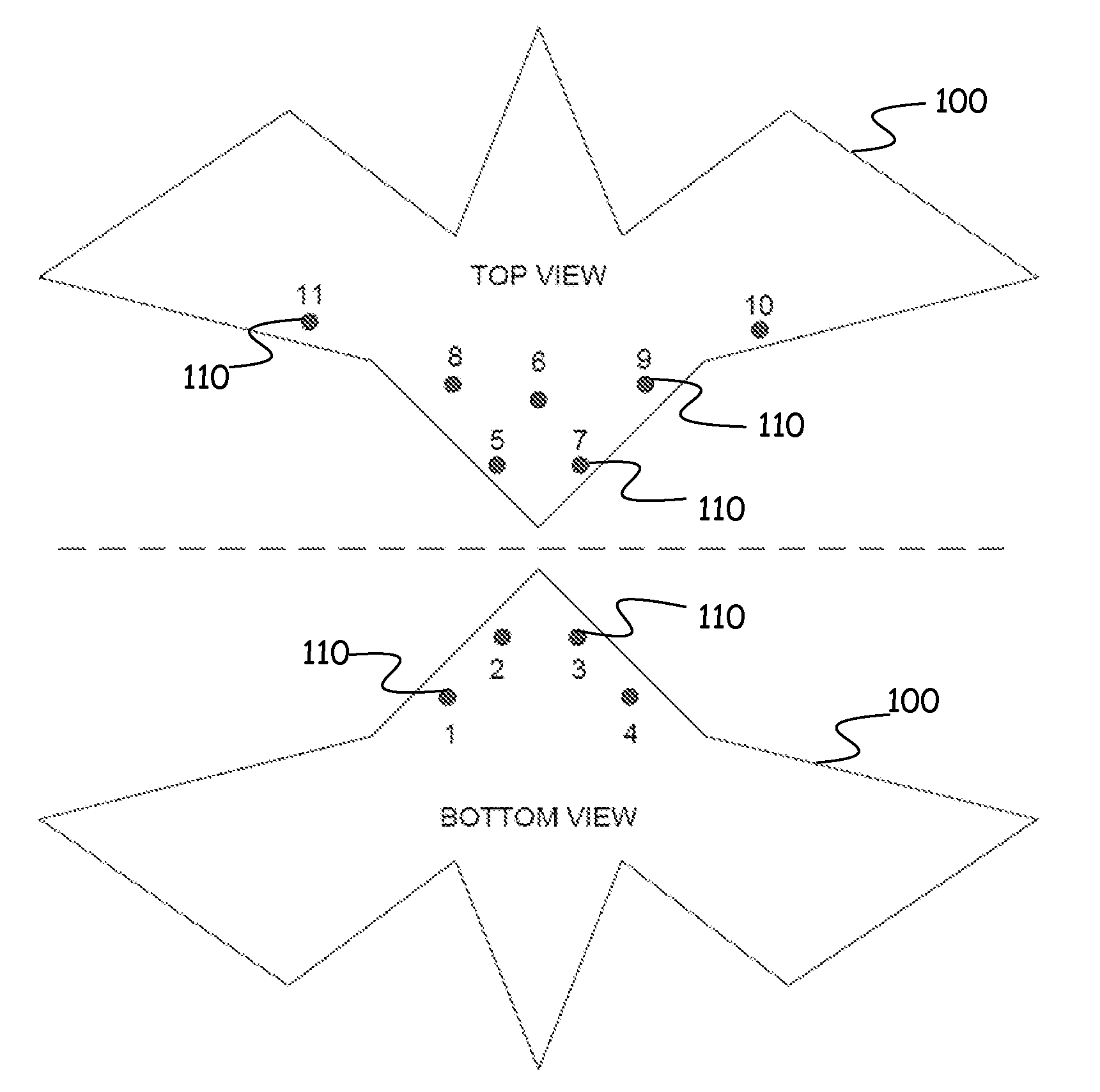
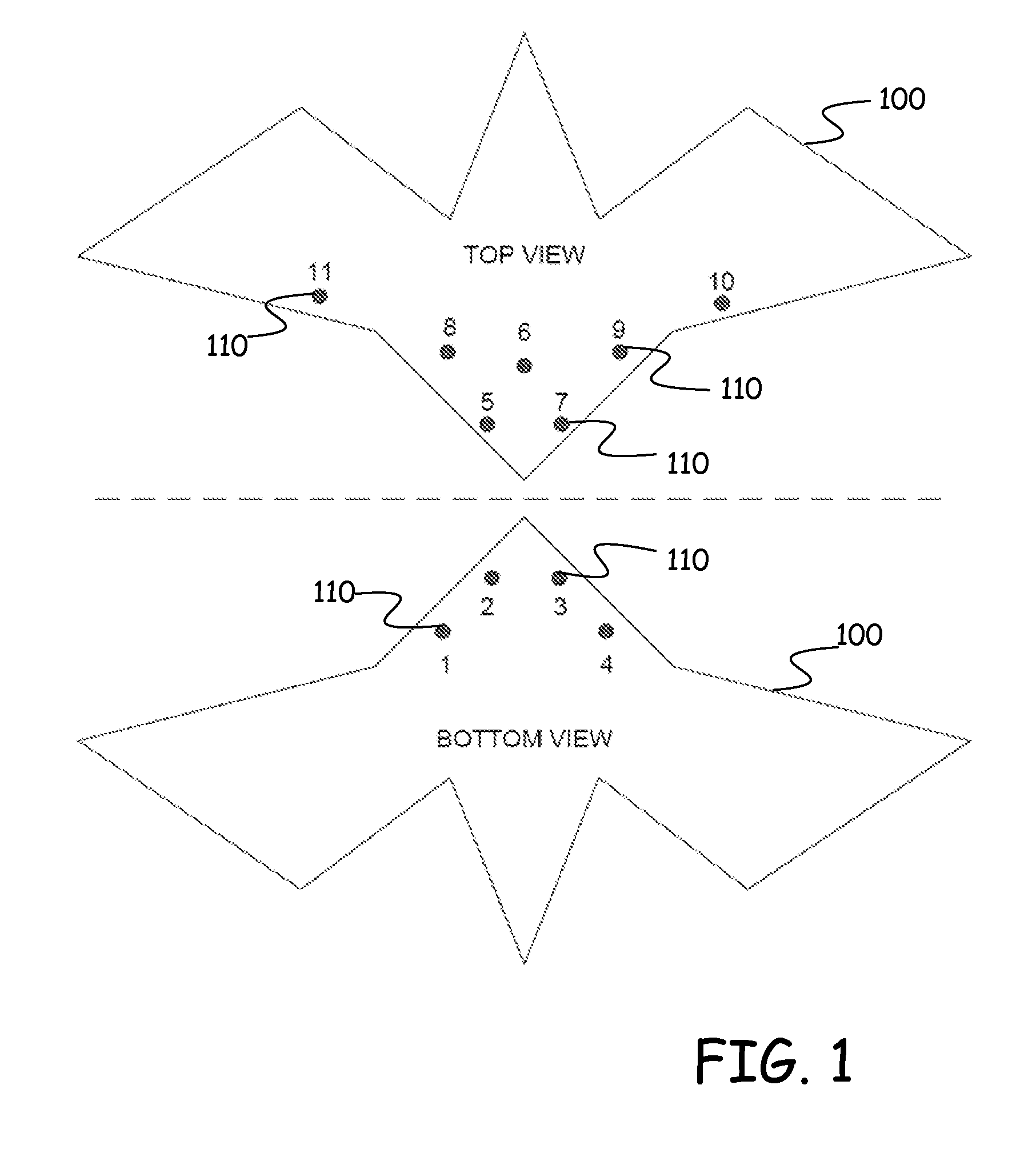
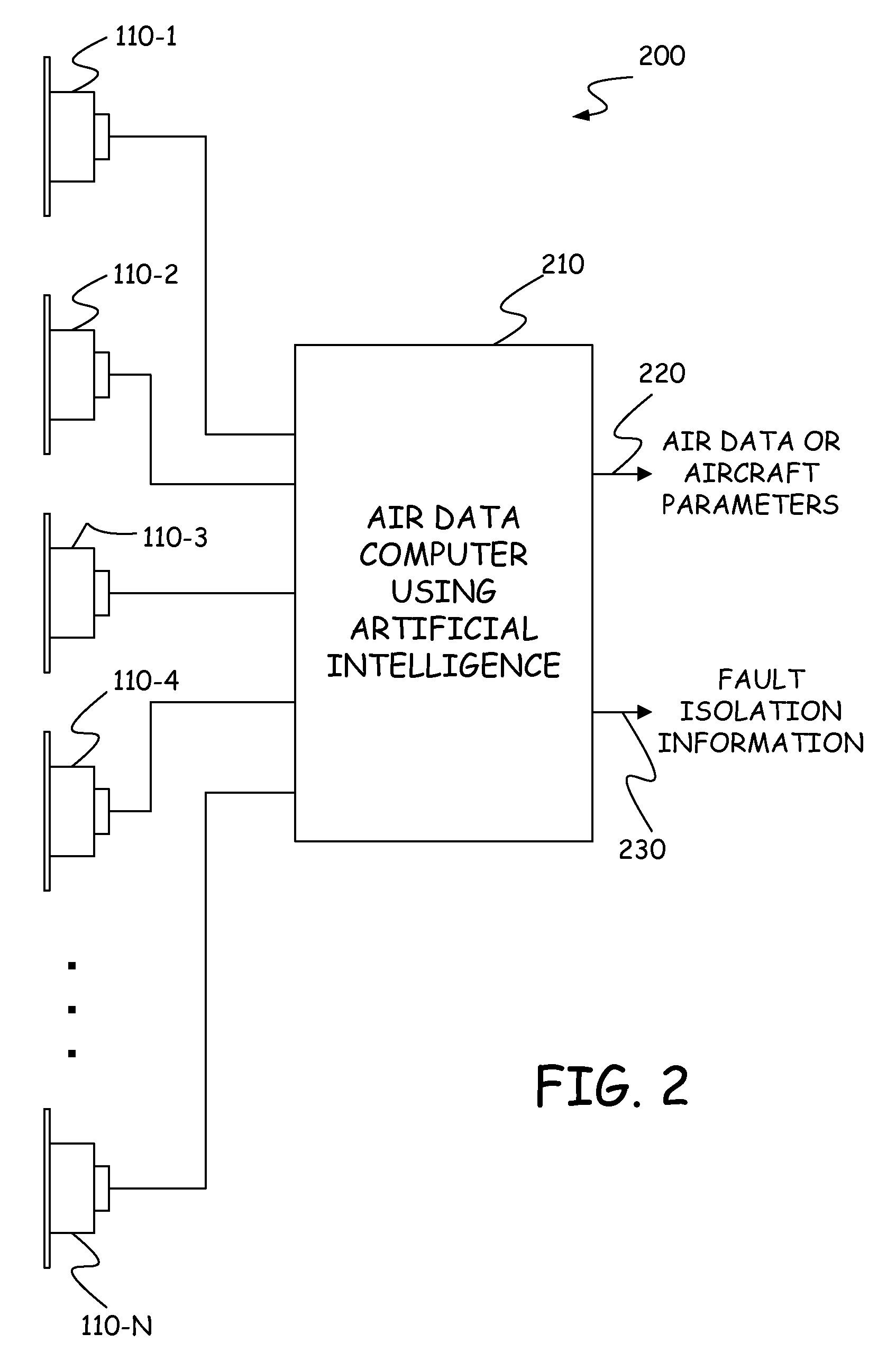
Fault detection in artificial intelligence based air data systems
PatentInactiveUS20070130096A1
Innovation
- A method and apparatus that generate a fault detection value based on measured static pressures, using a second neural network to determine if a sensor has experienced a fault, by processing air data parameters through an inverse look-up table and calculating non-dimensional values to compare predicted and measured parameters.

Data Privacy Regulations for AI Industrial Applications
The implementation of AI-driven fault detection systems in industrial environments faces increasingly complex data privacy regulatory landscapes that significantly impact optimization strategies. Current regulations such as the General Data Protection Regulation (GDPR) in Europe, the California Consumer Privacy Act (CCPA) in the United States, and emerging frameworks in Asia-Pacific regions establish stringent requirements for data collection, processing, and storage in industrial AI applications.
Industrial fault detection systems typically process vast amounts of sensitive operational data, including equipment performance metrics, production parameters, and potentially personally identifiable information from operators and maintenance personnel. These systems must comply with data minimization principles, requiring organizations to collect only necessary data for fault detection purposes while implementing robust anonymization and pseudonymization techniques to protect individual privacy rights.
Cross-border data transfer regulations present particular challenges for multinational industrial operations deploying AI-driven fault detection systems. Organizations must navigate complex adequacy decisions, standard contractual clauses, and binding corporate rules when transferring operational data between facilities in different jurisdictions. The Schrems II decision has further complicated transatlantic data flows, requiring additional safeguards and impact assessments for AI systems processing European data.
Sector-specific regulations add another layer of complexity, particularly in critical infrastructure industries such as energy, healthcare, and transportation. These sectors often face additional compliance requirements regarding data security, audit trails, and incident reporting that directly influence the design and optimization of AI fault detection algorithms. The integration of privacy-by-design principles becomes essential, requiring organizations to embed data protection measures into the core architecture of their AI systems.
Emerging regulatory trends indicate increasing focus on algorithmic transparency and explainability requirements, which may conflict with traditional optimization approaches that prioritize accuracy over interpretability. Organizations must balance regulatory compliance with system performance, often requiring hybrid approaches that maintain both privacy protection and fault detection effectiveness while ensuring auditability and regulatory reporting capabilities.
Industrial fault detection systems typically process vast amounts of sensitive operational data, including equipment performance metrics, production parameters, and potentially personally identifiable information from operators and maintenance personnel. These systems must comply with data minimization principles, requiring organizations to collect only necessary data for fault detection purposes while implementing robust anonymization and pseudonymization techniques to protect individual privacy rights.
Cross-border data transfer regulations present particular challenges for multinational industrial operations deploying AI-driven fault detection systems. Organizations must navigate complex adequacy decisions, standard contractual clauses, and binding corporate rules when transferring operational data between facilities in different jurisdictions. The Schrems II decision has further complicated transatlantic data flows, requiring additional safeguards and impact assessments for AI systems processing European data.
Sector-specific regulations add another layer of complexity, particularly in critical infrastructure industries such as energy, healthcare, and transportation. These sectors often face additional compliance requirements regarding data security, audit trails, and incident reporting that directly influence the design and optimization of AI fault detection algorithms. The integration of privacy-by-design principles becomes essential, requiring organizations to embed data protection measures into the core architecture of their AI systems.
Emerging regulatory trends indicate increasing focus on algorithmic transparency and explainability requirements, which may conflict with traditional optimization approaches that prioritize accuracy over interpretability. Organizations must balance regulatory compliance with system performance, often requiring hybrid approaches that maintain both privacy protection and fault detection effectiveness while ensuring auditability and regulatory reporting capabilities.
Edge Computing Integration for Real-time Fault Detection
Edge computing represents a paradigm shift in AI-driven fault detection systems, bringing computational capabilities closer to data sources and enabling real-time processing at the network edge. This integration addresses the critical latency requirements inherent in fault detection applications, where millisecond-level response times can determine the difference between preventive maintenance and catastrophic system failures.
The convergence of edge computing with AI-driven fault detection creates a distributed intelligence architecture that processes sensor data locally, reducing dependency on centralized cloud infrastructure. Edge nodes equipped with specialized AI accelerators can execute lightweight machine learning models directly at industrial equipment locations, enabling immediate anomaly detection and response mechanisms.
Modern edge computing platforms leverage containerized AI workloads that can be dynamically deployed across distributed edge infrastructure. These platforms support model inference optimization techniques such as quantization, pruning, and knowledge distillation, allowing complex neural networks to operate efficiently on resource-constrained edge devices while maintaining detection accuracy.
The integration facilitates hierarchical processing architectures where edge nodes perform initial fault screening and classification, while more sophisticated analysis occurs at regional edge clusters or cloud backends. This tiered approach optimizes bandwidth utilization and ensures critical fault conditions receive immediate attention regardless of network connectivity status.
Real-time fault detection at the edge enables the implementation of closed-loop control systems that can automatically initiate corrective actions without human intervention. Edge-based AI models can trigger emergency shutdowns, adjust operational parameters, or activate backup systems within microseconds of detecting anomalous conditions.
Security considerations become paramount in edge-integrated fault detection systems, requiring robust encryption, secure boot mechanisms, and tamper-resistant hardware to protect against malicious attacks that could compromise safety-critical operations. Edge nodes must maintain operational integrity even when isolated from central management systems.
The scalability of edge computing integration allows fault detection capabilities to expand seamlessly across large industrial installations, with each edge node contributing to a collective intelligence network that continuously learns and adapts to evolving operational conditions and emerging fault patterns.
The convergence of edge computing with AI-driven fault detection creates a distributed intelligence architecture that processes sensor data locally, reducing dependency on centralized cloud infrastructure. Edge nodes equipped with specialized AI accelerators can execute lightweight machine learning models directly at industrial equipment locations, enabling immediate anomaly detection and response mechanisms.
Modern edge computing platforms leverage containerized AI workloads that can be dynamically deployed across distributed edge infrastructure. These platforms support model inference optimization techniques such as quantization, pruning, and knowledge distillation, allowing complex neural networks to operate efficiently on resource-constrained edge devices while maintaining detection accuracy.
The integration facilitates hierarchical processing architectures where edge nodes perform initial fault screening and classification, while more sophisticated analysis occurs at regional edge clusters or cloud backends. This tiered approach optimizes bandwidth utilization and ensures critical fault conditions receive immediate attention regardless of network connectivity status.
Real-time fault detection at the edge enables the implementation of closed-loop control systems that can automatically initiate corrective actions without human intervention. Edge-based AI models can trigger emergency shutdowns, adjust operational parameters, or activate backup systems within microseconds of detecting anomalous conditions.
Security considerations become paramount in edge-integrated fault detection systems, requiring robust encryption, secure boot mechanisms, and tamper-resistant hardware to protect against malicious attacks that could compromise safety-critical operations. Edge nodes must maintain operational integrity even when isolated from central management systems.
The scalability of edge computing integration allows fault detection capabilities to expand seamlessly across large industrial installations, with each edge node contributing to a collective intelligence network that continuously learns and adapts to evolving operational conditions and emerging fault patterns.
Unlock deeper insights with PatSnap Eureka Quick Research — get a full tech report to explore trends and direct your research. Try now!
Generate Your Research Report Instantly with AI Agent
Supercharge your innovation with PatSnap Eureka AI Agent Platform!