

Optimize Decomposition Temperature for Efficient Sodium Nitrate Use
MAR 3, 20269 MIN READ
Generate Your Research Report Instantly with AI Agent
PatSnap Eureka helps you evaluate technical feasibility & market potential.
Sodium Nitrate Decomposition Background and Thermal Goals
Sodium nitrate (NaNO₃) has served as a critical industrial compound for over a century, with applications spanning from fertilizer production to glass manufacturing and metal processing. The compound's thermal decomposition properties have been extensively studied since the early 1900s, when researchers first identified its potential for controlled oxygen release at elevated temperatures. Historical investigations revealed that sodium nitrate undergoes thermal decomposition through multiple pathways, producing various nitrogen oxides and oxygen as primary products.
The evolution of sodium nitrate utilization has been closely tied to advances in thermal analysis techniques and temperature control systems. Early industrial applications relied on empirical temperature ranges, often resulting in incomplete decomposition or unwanted side reactions. The development of differential thermal analysis (DTA) and thermogravimetric analysis (TGA) in the mid-20th century provided deeper insights into the compound's thermal behavior, revealing distinct decomposition stages and temperature-dependent reaction kinetics.
Modern industrial processes have identified sodium nitrate decomposition as occurring primarily between 380°C and 600°C, with the exact temperature range depending on factors such as heating rate, atmospheric conditions, and the presence of catalysts or inhibitors. Research has shown that the decomposition follows a complex mechanism involving intermediate formation of sodium nitrite before complete breakdown to sodium oxide and gaseous products.
The primary thermal goal in optimizing sodium nitrate decomposition centers on achieving maximum conversion efficiency while minimizing energy consumption. Current industrial targets aim for decomposition rates exceeding 95% at temperatures below 500°C to reduce operational costs and equipment stress. Secondary objectives include controlling the release rate of gaseous products to prevent pressure buildup and ensuring consistent product quality across varying batch sizes.
Temperature optimization also focuses on preventing unwanted secondary reactions that can reduce yield or create hazardous byproducts. The narrow operational window between incomplete decomposition and excessive energy input requires precise thermal management systems capable of maintaining uniform temperature distribution throughout the reaction vessel.
Contemporary research emphasizes developing predictive models for decomposition kinetics under various operational conditions. These models integrate thermodynamic principles with practical constraints such as heat transfer limitations and reactor geometry effects. The ultimate goal involves establishing standardized thermal protocols that can be adapted across different industrial scales while maintaining optimal efficiency and safety standards.
The evolution of sodium nitrate utilization has been closely tied to advances in thermal analysis techniques and temperature control systems. Early industrial applications relied on empirical temperature ranges, often resulting in incomplete decomposition or unwanted side reactions. The development of differential thermal analysis (DTA) and thermogravimetric analysis (TGA) in the mid-20th century provided deeper insights into the compound's thermal behavior, revealing distinct decomposition stages and temperature-dependent reaction kinetics.
Modern industrial processes have identified sodium nitrate decomposition as occurring primarily between 380°C and 600°C, with the exact temperature range depending on factors such as heating rate, atmospheric conditions, and the presence of catalysts or inhibitors. Research has shown that the decomposition follows a complex mechanism involving intermediate formation of sodium nitrite before complete breakdown to sodium oxide and gaseous products.
The primary thermal goal in optimizing sodium nitrate decomposition centers on achieving maximum conversion efficiency while minimizing energy consumption. Current industrial targets aim for decomposition rates exceeding 95% at temperatures below 500°C to reduce operational costs and equipment stress. Secondary objectives include controlling the release rate of gaseous products to prevent pressure buildup and ensuring consistent product quality across varying batch sizes.
Temperature optimization also focuses on preventing unwanted secondary reactions that can reduce yield or create hazardous byproducts. The narrow operational window between incomplete decomposition and excessive energy input requires precise thermal management systems capable of maintaining uniform temperature distribution throughout the reaction vessel.
Contemporary research emphasizes developing predictive models for decomposition kinetics under various operational conditions. These models integrate thermodynamic principles with practical constraints such as heat transfer limitations and reactor geometry effects. The ultimate goal involves establishing standardized thermal protocols that can be adapted across different industrial scales while maintaining optimal efficiency and safety standards.
Market Demand for Efficient Sodium Nitrate Applications
The global sodium nitrate market demonstrates robust demand across multiple industrial sectors, driven by its versatile applications and unique chemical properties. The agricultural sector represents the largest consumption segment, where sodium nitrate serves as a premium nitrogen fertilizer particularly valued for its immediate bioavailability and chloride-free composition. This demand is intensifying as agricultural producers seek more efficient fertilization solutions to maximize crop yields while minimizing environmental impact.
Industrial applications constitute another significant demand driver, with sodium nitrate playing crucial roles in glass manufacturing, metal processing, and chemical synthesis. The glass industry utilizes sodium nitrate as a flux agent and clarifying agent, while the metallurgical sector employs it for heat treatment processes and surface hardening applications. These industrial uses require precise thermal decomposition characteristics, making temperature optimization a critical factor for operational efficiency.
The explosives and pyrotechnics industry represents a specialized but substantial market segment, where sodium nitrate functions as an oxidizing agent. Military applications, mining operations, and commercial fireworks manufacturing contribute to steady demand in this sector. The performance requirements in these applications are particularly sensitive to decomposition temperature optimization, as it directly affects energy release efficiency and safety parameters.
Emerging applications in energy storage and renewable energy systems are creating new market opportunities. Sodium nitrate's role in molten salt thermal energy storage systems for concentrated solar power plants has gained significant traction. These applications demand highly efficient thermal cycling performance, where optimized decomposition temperatures can substantially improve energy conversion efficiency and system longevity.
Regional demand patterns show strong growth in developing economies, particularly in Asia-Pacific and Latin America, where expanding agricultural activities and industrial development drive consumption. Environmental regulations promoting sustainable agricultural practices are simultaneously increasing demand for high-efficiency fertilizers with optimized application characteristics.
The market trend toward process optimization and energy efficiency across all application sectors is creating substantial demand for sodium nitrate products with enhanced thermal performance characteristics. This trend directly correlates with the need for decomposition temperature optimization, as improved thermal efficiency translates to reduced energy costs, enhanced process control, and superior end-product quality across diverse industrial applications.
Industrial applications constitute another significant demand driver, with sodium nitrate playing crucial roles in glass manufacturing, metal processing, and chemical synthesis. The glass industry utilizes sodium nitrate as a flux agent and clarifying agent, while the metallurgical sector employs it for heat treatment processes and surface hardening applications. These industrial uses require precise thermal decomposition characteristics, making temperature optimization a critical factor for operational efficiency.
The explosives and pyrotechnics industry represents a specialized but substantial market segment, where sodium nitrate functions as an oxidizing agent. Military applications, mining operations, and commercial fireworks manufacturing contribute to steady demand in this sector. The performance requirements in these applications are particularly sensitive to decomposition temperature optimization, as it directly affects energy release efficiency and safety parameters.
Emerging applications in energy storage and renewable energy systems are creating new market opportunities. Sodium nitrate's role in molten salt thermal energy storage systems for concentrated solar power plants has gained significant traction. These applications demand highly efficient thermal cycling performance, where optimized decomposition temperatures can substantially improve energy conversion efficiency and system longevity.
Regional demand patterns show strong growth in developing economies, particularly in Asia-Pacific and Latin America, where expanding agricultural activities and industrial development drive consumption. Environmental regulations promoting sustainable agricultural practices are simultaneously increasing demand for high-efficiency fertilizers with optimized application characteristics.
The market trend toward process optimization and energy efficiency across all application sectors is creating substantial demand for sodium nitrate products with enhanced thermal performance characteristics. This trend directly correlates with the need for decomposition temperature optimization, as improved thermal efficiency translates to reduced energy costs, enhanced process control, and superior end-product quality across diverse industrial applications.
Current Thermal Decomposition Challenges and Limitations
The thermal decomposition of sodium nitrate faces significant temperature control challenges that directly impact process efficiency and product quality. Traditional decomposition methods often operate within broad temperature ranges of 380-600°C, leading to inconsistent reaction kinetics and unpredictable product distributions. This temperature variability creates substantial difficulties in maintaining optimal decomposition rates while minimizing energy consumption.
Heat transfer limitations represent a critical bottleneck in current sodium nitrate decomposition processes. Conventional heating systems struggle to achieve uniform temperature distribution throughout the reaction vessel, resulting in localized hot spots and cold zones. These thermal gradients cause incomplete decomposition in cooler regions while potentially triggering unwanted side reactions in overheated areas, ultimately reducing overall process yield and selectivity.
Energy efficiency constraints pose another major challenge, as current decomposition methods require substantial thermal input to reach and maintain optimal temperatures. The high energy demands stem from poor heat recovery systems and inefficient reactor designs that fail to capture and reuse waste heat. This energy intensity significantly increases operational costs and limits the economic viability of sodium nitrate applications in various industrial sectors.
Reaction kinetics control remains problematic due to the narrow temperature window required for optimal decomposition. Small temperature deviations can dramatically alter reaction rates, leading to either sluggish decomposition at lower temperatures or rapid, uncontrolled reactions at elevated temperatures. This sensitivity makes it extremely difficult to maintain consistent product quality and process stability during continuous operations.
Product selectivity issues arise from competing reaction pathways that become active at different temperature ranges. Unwanted decomposition products, including various nitrogen oxides and oxygen species, can form when temperatures exceed optimal ranges or when temperature fluctuations occur. These byproducts not only reduce the yield of desired products but also create additional separation and purification challenges downstream.
Scale-up limitations further complicate the implementation of optimized decomposition processes. Laboratory-scale temperature control strategies often fail when applied to industrial-scale reactors due to increased thermal mass, longer heat transfer distances, and more complex fluid dynamics. This scalability gap creates significant barriers for translating research findings into commercially viable decomposition processes.
Heat transfer limitations represent a critical bottleneck in current sodium nitrate decomposition processes. Conventional heating systems struggle to achieve uniform temperature distribution throughout the reaction vessel, resulting in localized hot spots and cold zones. These thermal gradients cause incomplete decomposition in cooler regions while potentially triggering unwanted side reactions in overheated areas, ultimately reducing overall process yield and selectivity.
Energy efficiency constraints pose another major challenge, as current decomposition methods require substantial thermal input to reach and maintain optimal temperatures. The high energy demands stem from poor heat recovery systems and inefficient reactor designs that fail to capture and reuse waste heat. This energy intensity significantly increases operational costs and limits the economic viability of sodium nitrate applications in various industrial sectors.
Reaction kinetics control remains problematic due to the narrow temperature window required for optimal decomposition. Small temperature deviations can dramatically alter reaction rates, leading to either sluggish decomposition at lower temperatures or rapid, uncontrolled reactions at elevated temperatures. This sensitivity makes it extremely difficult to maintain consistent product quality and process stability during continuous operations.
Product selectivity issues arise from competing reaction pathways that become active at different temperature ranges. Unwanted decomposition products, including various nitrogen oxides and oxygen species, can form when temperatures exceed optimal ranges or when temperature fluctuations occur. These byproducts not only reduce the yield of desired products but also create additional separation and purification challenges downstream.
Scale-up limitations further complicate the implementation of optimized decomposition processes. Laboratory-scale temperature control strategies often fail when applied to industrial-scale reactors due to increased thermal mass, longer heat transfer distances, and more complex fluid dynamics. This scalability gap creates significant barriers for translating research findings into commercially viable decomposition processes.
Existing Temperature Optimization Solutions and Methods
01 Thermal decomposition of sodium nitrate in explosive compositions
Sodium nitrate is commonly used as an oxidizing agent in explosive compositions. The decomposition temperature of sodium nitrate is critical for controlling the reaction rate and stability of explosive mixtures. Understanding the thermal decomposition behavior helps in formulating safer and more effective explosive compositions for mining and industrial applications.- Thermal decomposition of sodium nitrate in explosive compositions: Sodium nitrate is commonly used as an oxidizing agent in explosive compositions. The decomposition temperature of sodium nitrate is critical for controlling the reaction kinetics and energy release in explosive formulations. Understanding the thermal stability and decomposition behavior helps in designing safer and more efficient explosive materials. The decomposition typically occurs at elevated temperatures and can be influenced by the presence of other components in the mixture.
- Sodium nitrate decomposition in fertilizer and agricultural applications: In agricultural applications, sodium nitrate serves as a nitrogen source in fertilizers. The thermal decomposition characteristics are important for understanding storage stability and handling safety of fertilizer products. The decomposition temperature affects the shelf life and effectiveness of the fertilizer. Proper understanding of these thermal properties ensures safe storage conditions and prevents unwanted degradation during transportation and application.
- Catalytic decomposition and reaction mechanisms of sodium nitrate: The decomposition of sodium nitrate can be catalyzed or modified by various additives and reaction conditions. Studies focus on understanding the kinetics and mechanisms of thermal decomposition, including the formation of intermediate products and final decomposition products. The presence of catalysts or other chemical species can significantly alter the decomposition temperature and pathway. This knowledge is essential for industrial processes requiring controlled decomposition.
- Sodium nitrate in glass manufacturing and heat treatment processes: Sodium nitrate is utilized in glass manufacturing and metal heat treatment processes where its thermal properties are crucial. The decomposition temperature determines the operational temperature ranges for these industrial applications. In heat treatment baths, sodium nitrate provides controlled heating environments, and understanding its decomposition helps prevent process failures. The thermal stability at various temperatures is essential for maintaining consistent product quality.
- Analytical methods and equipment for measuring sodium nitrate decomposition: Various analytical techniques and specialized equipment have been developed to accurately measure the decomposition temperature of sodium nitrate. These methods include thermal analysis techniques such as differential scanning calorimetry and thermogravimetric analysis. Precise measurement of decomposition parameters is essential for quality control and safety assessment in industrial applications. Modern instrumentation allows for detailed characterization of the decomposition process under different atmospheric and pressure conditions.
02 Sodium nitrate decomposition in heat storage systems
Sodium nitrate undergoes phase transitions and thermal decomposition at elevated temperatures, making it suitable for thermal energy storage applications. The decomposition temperature is important for determining the operational temperature range and long-term stability of molten salt heat storage systems used in concentrated solar power plants and industrial heat recovery.Expand Specific Solutions03 Catalytic decomposition of sodium nitrate
Various catalysts can influence the decomposition temperature of sodium nitrate, lowering the activation energy required for thermal breakdown. Catalytic decomposition is relevant in applications such as propellant formulations, pyrotechnics, and chemical synthesis processes where controlled decomposition at specific temperatures is desired.Expand Specific Solutions04 Sodium nitrate decomposition in glass and ceramic manufacturing
In glass and ceramic production, sodium nitrate serves as a flux and oxidizing agent. Its decomposition temperature affects the melting behavior, bubble formation, and final product quality. Understanding the thermal stability and decomposition kinetics is essential for optimizing furnace temperatures and processing conditions in manufacturing operations.Expand Specific Solutions05 Decomposition of sodium nitrate in fertilizer and chemical processing
Sodium nitrate is used in fertilizer production and various chemical processes. The decomposition temperature is important for process safety, product purity, and energy efficiency. Thermal decomposition studies help in designing reactors, preventing unwanted reactions, and optimizing production parameters in agricultural and chemical industries.Expand Specific Solutions
Key Players in Sodium Nitrate and Thermal Processing Industry
The sodium nitrate decomposition temperature optimization field represents a mature industrial chemistry sector with established market dynamics and significant commercial applications across fertilizers, explosives, and chemical manufacturing. The market demonstrates steady growth driven by agricultural demand and industrial applications, with global sodium nitrate consumption reaching substantial volumes annually. Technology maturity varies significantly among key players, with established chemical giants like BASF Corp. and China Petroleum & Chemical Corp. (Sinopec) leveraging advanced process optimization and large-scale production capabilities. Specialized companies such as Sinkiang Nitrate Minerals Co., Ltd. focus on natural sodium nitrate extraction and processing, while research institutions including the Institute of Process Engineering (Chinese Academy of Sciences), Shandong University, and Nanjing University drive innovation in decomposition kinetics and thermal efficiency. The competitive landscape features a mix of multinational corporations with comprehensive R&D resources, regional specialists with localized expertise, and academic institutions providing fundamental research support, indicating a well-developed ecosystem with opportunities for both incremental improvements and breakthrough innovations.
Institute of Process Engineering, Chinese Academy of Sciences
Technical Solution: The institute has developed novel microwave-assisted thermal decomposition techniques for sodium nitrate that enable precise temperature control and uniform heating distribution. Their research focuses on optimizing decomposition kinetics through controlled heating rates and temperature profiles ranging from 300-450°C. The technology incorporates advanced computational modeling to predict optimal decomposition conditions based on material properties and desired outcomes. Their approach includes innovative reactor designs that minimize hot spots and ensure consistent temperature distribution throughout the reaction zone. The institute's work emphasizes fundamental understanding of decomposition mechanisms to achieve maximum efficiency with minimal energy input.
Strengths: Cutting-edge research capabilities, innovative heating technologies, strong theoretical foundation. Weaknesses: Limited commercial-scale implementation, technology transfer challenges.
BASF Corp.
Technical Solution: BASF has developed advanced thermal decomposition processes for sodium nitrate optimization, focusing on controlled temperature management systems that operate at precisely calibrated ranges of 380-420°C. Their proprietary catalyst-assisted decomposition technology enables more efficient conversion rates while minimizing energy consumption. The company's integrated process design incorporates heat recovery systems and real-time temperature monitoring to ensure optimal decomposition conditions. Their approach includes multi-stage heating protocols that gradually increase temperature to prevent thermal shock and maximize yield efficiency. BASF's technology also features advanced gas handling systems to manage decomposition byproducts safely and effectively.
Strengths: Extensive chemical process expertise, proven industrial-scale implementation, comprehensive safety protocols. Weaknesses: High capital investment requirements, complex system maintenance needs.
Core Innovations in Sodium Nitrate Decomposition Control
Nitrate process for manufacturing transition metal hydroxide precursors
PatentWO2018167224A1
Innovation
- A closed-loop nitrate process that recycles nitric acid and alkali nitrates to produce high-concentration transition metal nitrate solutions, reducing waste and energy consumption by using a co-precipitation method with alkali hydroxides and optional ammonia, followed by roasting to remove residual nitrates, resulting in a more sustainable and efficient production of NMC hydroxide precursors.


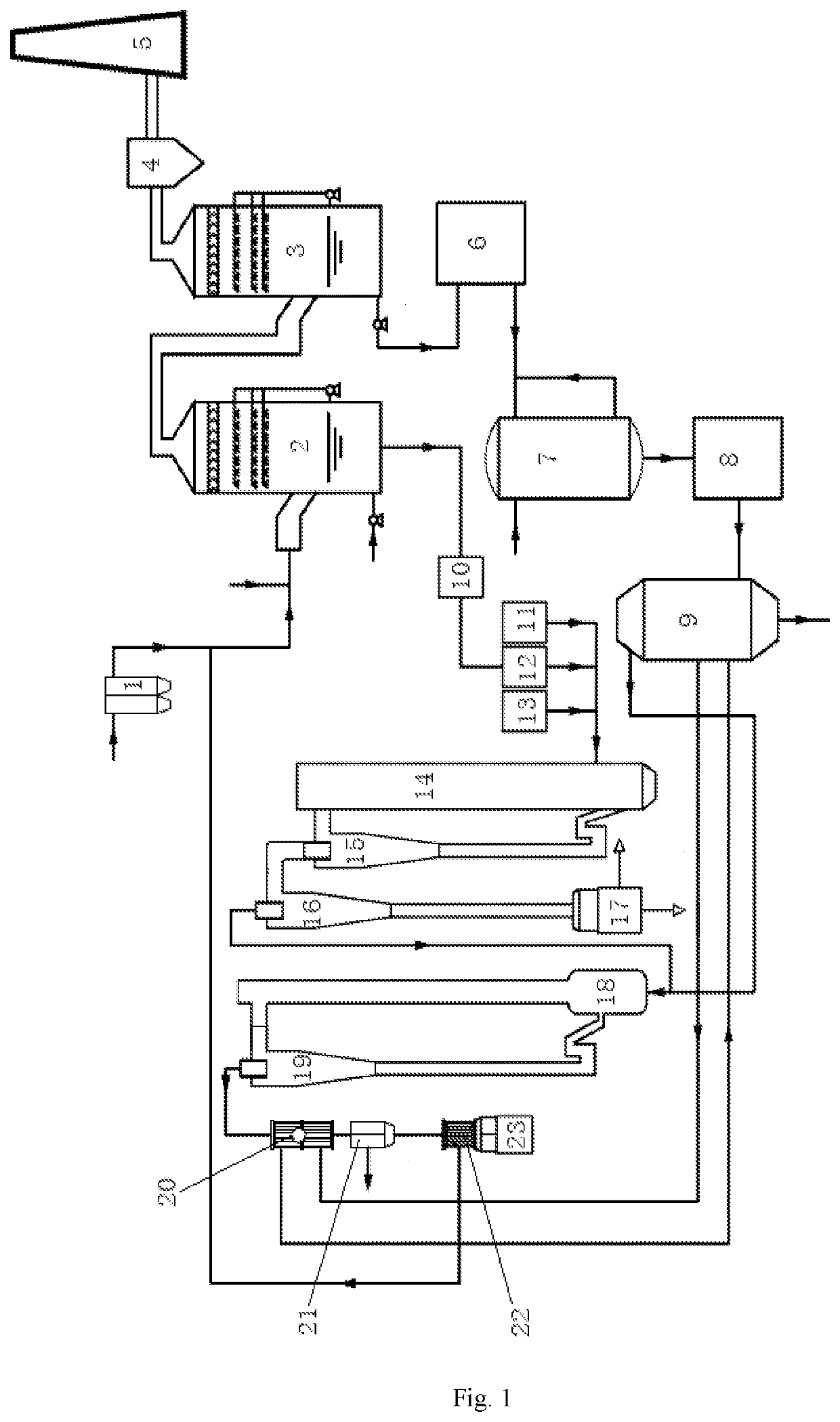
Process for preparing sulfur from reduction of sulfate/ nitrate by iron-carbon and recovering desulfurization/ denitration agents
PatentActiveUS20210331922A1
Innovation
- A system and method for preparing sulfur through the reduction of sulfate/nitrate using an iron-carbon process, which recovers desulfurization and denitration agents, reducing energy consumption and enabling cyclic utilization of resources, thereby alleviating environmental impact and sulfur resource shortages.
Environmental Regulations for Sodium Nitrate Processing
The regulatory landscape governing sodium nitrate processing has evolved significantly in response to growing environmental concerns and public health considerations. Environmental regulations primarily focus on controlling emissions, waste management, and worker safety during thermal decomposition processes. The United States Environmental Protection Agency (EPA) classifies sodium nitrate facilities under the Clean Air Act, requiring comprehensive air quality monitoring and emission control systems. European Union regulations under the Industrial Emissions Directive mandate strict NOx emission limits, particularly relevant when optimizing decomposition temperatures that can generate nitrogen oxides as byproducts.
Temperature optimization efforts must comply with the Resource Conservation and Recovery Act (RCRA) guidelines, which govern the handling and disposal of potentially hazardous decomposition residues. Facilities operating at elevated temperatures face additional scrutiny regarding thermal efficiency and energy consumption reporting under various carbon footprint reduction initiatives. The Occupational Safety and Health Administration (OSHA) has established specific workplace exposure limits for sodium nitrate processing environments, directly impacting operational temperature ranges and ventilation requirements.
International standards such as ISO 14001 environmental management systems have become increasingly important for sodium nitrate processors seeking global market access. These standards require continuous monitoring of environmental impacts throughout the decomposition process, including real-time temperature tracking and emission documentation. The Basel Convention on hazardous waste movement also affects facilities that generate waste streams during temperature optimization trials.
Recent regulatory trends indicate stricter enforcement of greenhouse gas reporting requirements, particularly for energy-intensive thermal processes. The European Green Deal and similar initiatives worldwide are driving new legislation that may require sodium nitrate processors to demonstrate measurable improvements in energy efficiency and emission reduction. Compliance costs associated with these regulations can significantly impact the economic viability of different temperature optimization strategies.
Emerging regulations focus on lifecycle environmental impact assessments, requiring processors to evaluate the complete environmental footprint from raw material sourcing through final product delivery. This holistic approach influences temperature optimization decisions by incorporating downstream environmental effects into regulatory compliance calculations, creating new challenges for process engineers seeking optimal operational parameters.
Temperature optimization efforts must comply with the Resource Conservation and Recovery Act (RCRA) guidelines, which govern the handling and disposal of potentially hazardous decomposition residues. Facilities operating at elevated temperatures face additional scrutiny regarding thermal efficiency and energy consumption reporting under various carbon footprint reduction initiatives. The Occupational Safety and Health Administration (OSHA) has established specific workplace exposure limits for sodium nitrate processing environments, directly impacting operational temperature ranges and ventilation requirements.
International standards such as ISO 14001 environmental management systems have become increasingly important for sodium nitrate processors seeking global market access. These standards require continuous monitoring of environmental impacts throughout the decomposition process, including real-time temperature tracking and emission documentation. The Basel Convention on hazardous waste movement also affects facilities that generate waste streams during temperature optimization trials.
Recent regulatory trends indicate stricter enforcement of greenhouse gas reporting requirements, particularly for energy-intensive thermal processes. The European Green Deal and similar initiatives worldwide are driving new legislation that may require sodium nitrate processors to demonstrate measurable improvements in energy efficiency and emission reduction. Compliance costs associated with these regulations can significantly impact the economic viability of different temperature optimization strategies.
Emerging regulations focus on lifecycle environmental impact assessments, requiring processors to evaluate the complete environmental footprint from raw material sourcing through final product delivery. This holistic approach influences temperature optimization decisions by incorporating downstream environmental effects into regulatory compliance calculations, creating new challenges for process engineers seeking optimal operational parameters.
Energy Efficiency Standards in Industrial Thermal Systems
Energy efficiency standards in industrial thermal systems have become increasingly stringent as governments and regulatory bodies worldwide recognize the critical need to reduce energy consumption and greenhouse gas emissions. These standards directly impact sodium nitrate decomposition processes, where temperature optimization plays a crucial role in meeting compliance requirements while maintaining operational efficiency.
The International Organization for Standardization (ISO) 50001 energy management standard provides a framework for industrial facilities to establish systematic approaches to energy efficiency. For thermal systems involving sodium nitrate processing, this standard requires continuous monitoring of energy consumption patterns and implementation of best practices to minimize waste heat generation. The standard emphasizes the importance of maintaining optimal operating temperatures to achieve maximum energy utilization ratios.
Regional regulations vary significantly in their approach to thermal system efficiency. The European Union's Energy Efficiency Directive mandates that large industrial facilities conduct regular energy audits and implement cost-effective efficiency measures. In sodium nitrate applications, this translates to maintaining decomposition temperatures within narrow bands that maximize product yield while minimizing energy input. The directive specifically targets thermal processes that consume more than 20 GWh annually, requiring efficiency improvements of at least 1.5% per year.
North American standards, particularly ASHRAE 90.1 and various state-level regulations, focus on equipment efficiency ratings and thermal system design requirements. These standards establish minimum efficiency thresholds for industrial heating systems and mandate the use of heat recovery technologies where economically feasible. For sodium nitrate decomposition processes, compliance often requires implementation of advanced temperature control systems and waste heat recovery mechanisms.
Emerging efficiency standards are increasingly incorporating real-time monitoring requirements and performance-based metrics. The latest revisions emphasize dynamic temperature optimization rather than static setpoint control, recognizing that optimal decomposition temperatures may vary based on feedstock quality, ambient conditions, and production demands. These evolving standards are driving the adoption of artificial intelligence and machine learning technologies to continuously optimize thermal system performance while ensuring regulatory compliance.
The International Organization for Standardization (ISO) 50001 energy management standard provides a framework for industrial facilities to establish systematic approaches to energy efficiency. For thermal systems involving sodium nitrate processing, this standard requires continuous monitoring of energy consumption patterns and implementation of best practices to minimize waste heat generation. The standard emphasizes the importance of maintaining optimal operating temperatures to achieve maximum energy utilization ratios.
Regional regulations vary significantly in their approach to thermal system efficiency. The European Union's Energy Efficiency Directive mandates that large industrial facilities conduct regular energy audits and implement cost-effective efficiency measures. In sodium nitrate applications, this translates to maintaining decomposition temperatures within narrow bands that maximize product yield while minimizing energy input. The directive specifically targets thermal processes that consume more than 20 GWh annually, requiring efficiency improvements of at least 1.5% per year.
North American standards, particularly ASHRAE 90.1 and various state-level regulations, focus on equipment efficiency ratings and thermal system design requirements. These standards establish minimum efficiency thresholds for industrial heating systems and mandate the use of heat recovery technologies where economically feasible. For sodium nitrate decomposition processes, compliance often requires implementation of advanced temperature control systems and waste heat recovery mechanisms.
Emerging efficiency standards are increasingly incorporating real-time monitoring requirements and performance-based metrics. The latest revisions emphasize dynamic temperature optimization rather than static setpoint control, recognizing that optimal decomposition temperatures may vary based on feedstock quality, ambient conditions, and production demands. These evolving standards are driving the adoption of artificial intelligence and machine learning technologies to continuously optimize thermal system performance while ensuring regulatory compliance.
Unlock deeper insights with PatSnap Eureka Quick Research — get a full tech report to explore trends and direct your research. Try now!
Generate Your Research Report Instantly with AI Agent
Supercharge your innovation with PatSnap Eureka AI Agent Platform!