

Optimize Liquid Flow in High-Temperature Immersion Applications
APR 3, 20269 MIN READ
Generate Your Research Report Instantly with AI Agent
Patsnap Eureka helps you evaluate technical feasibility & market potential.
High-Temperature Liquid Flow Optimization Background and Objectives
High-temperature immersion applications have emerged as critical components across multiple industrial sectors, driven by the increasing demand for efficient thermal management systems and advanced manufacturing processes. These applications encompass diverse fields including semiconductor fabrication, metallurgical processing, chemical synthesis, and energy storage systems, where precise liquid flow control at elevated temperatures becomes paramount for operational success.
The evolution of high-temperature liquid flow systems traces back to early industrial furnace cooling mechanisms in the 1950s, progressing through significant milestones including the development of molten salt reactors in the 1960s, advanced semiconductor thermal management in the 1980s, and modern immersion cooling technologies for data centers and electric vehicle battery systems. Each evolutionary phase has introduced increasingly sophisticated requirements for flow optimization, temperature stability, and system reliability.
Contemporary challenges in high-temperature immersion applications center on achieving optimal heat transfer efficiency while maintaining fluid stability and system longevity. Traditional flow optimization approaches often fail at elevated temperatures due to fluid property variations, thermal expansion effects, and increased corrosion rates. The complexity intensifies when considering multi-phase flow behaviors, where liquid-vapor transitions can significantly impact flow patterns and heat transfer coefficients.
The primary technical objectives for optimizing liquid flow in high-temperature immersion applications focus on maximizing heat transfer rates while minimizing energy consumption and system maintenance requirements. Key performance targets include achieving uniform temperature distribution across immersion surfaces, reducing thermal gradients that can cause mechanical stress, and maintaining stable flow patterns despite temperature-induced viscosity changes.
Advanced flow optimization strategies aim to address fundamental challenges including thermal boundary layer management, convective heat transfer enhancement, and flow regime stabilization. These objectives require sophisticated understanding of fluid dynamics at elevated temperatures, where conventional Reynolds number correlations may not accurately predict flow behavior, necessitating development of temperature-dependent flow models and adaptive control systems.
The strategic importance of this technology extends beyond immediate performance improvements, positioning organizations to capitalize on emerging applications in renewable energy storage, advanced manufacturing processes, and next-generation thermal management systems. Success in this domain requires integration of computational fluid dynamics, advanced materials science, and real-time control technologies to achieve breakthrough performance levels in high-temperature liquid flow optimization.
The evolution of high-temperature liquid flow systems traces back to early industrial furnace cooling mechanisms in the 1950s, progressing through significant milestones including the development of molten salt reactors in the 1960s, advanced semiconductor thermal management in the 1980s, and modern immersion cooling technologies for data centers and electric vehicle battery systems. Each evolutionary phase has introduced increasingly sophisticated requirements for flow optimization, temperature stability, and system reliability.
Contemporary challenges in high-temperature immersion applications center on achieving optimal heat transfer efficiency while maintaining fluid stability and system longevity. Traditional flow optimization approaches often fail at elevated temperatures due to fluid property variations, thermal expansion effects, and increased corrosion rates. The complexity intensifies when considering multi-phase flow behaviors, where liquid-vapor transitions can significantly impact flow patterns and heat transfer coefficients.
The primary technical objectives for optimizing liquid flow in high-temperature immersion applications focus on maximizing heat transfer rates while minimizing energy consumption and system maintenance requirements. Key performance targets include achieving uniform temperature distribution across immersion surfaces, reducing thermal gradients that can cause mechanical stress, and maintaining stable flow patterns despite temperature-induced viscosity changes.
Advanced flow optimization strategies aim to address fundamental challenges including thermal boundary layer management, convective heat transfer enhancement, and flow regime stabilization. These objectives require sophisticated understanding of fluid dynamics at elevated temperatures, where conventional Reynolds number correlations may not accurately predict flow behavior, necessitating development of temperature-dependent flow models and adaptive control systems.
The strategic importance of this technology extends beyond immediate performance improvements, positioning organizations to capitalize on emerging applications in renewable energy storage, advanced manufacturing processes, and next-generation thermal management systems. Success in this domain requires integration of computational fluid dynamics, advanced materials science, and real-time control technologies to achieve breakthrough performance levels in high-temperature liquid flow optimization.
Market Demand for High-Temperature Immersion Flow Systems
The global market for high-temperature immersion flow systems is experiencing robust growth driven by expanding industrial applications across multiple sectors. Manufacturing industries, particularly those involving metal processing, chemical production, and advanced materials synthesis, represent the largest demand segment. These applications require precise liquid flow control at elevated temperatures ranging from 200°C to over 1000°C, where conventional flow systems fail to maintain performance and reliability.
Energy sector applications constitute another significant market driver, encompassing concentrated solar power plants, geothermal energy systems, and next-generation nuclear reactors. These installations demand sophisticated flow optimization solutions to handle molten salts, thermal oils, and other high-temperature heat transfer fluids. The growing emphasis on renewable energy infrastructure and energy storage technologies is accelerating demand for reliable high-temperature flow systems.
The semiconductor and electronics manufacturing industries present emerging opportunities, particularly in advanced chip fabrication processes requiring precise temperature control during chemical vapor deposition and etching operations. As semiconductor devices become more complex and manufacturing processes more demanding, the need for optimized high-temperature immersion systems continues to expand.
Aerospace and defense applications drive demand for specialized high-temperature flow systems in propulsion testing, thermal protection system development, and hypersonic vehicle research. These applications require exceptional reliability and performance under extreme conditions, creating premium market segments with stringent technical requirements.
Regional market dynamics show strong growth in Asia-Pacific, driven by rapid industrialization and expanding manufacturing capacity in China, India, and Southeast Asia. North American and European markets focus on advanced technology applications and replacement of aging infrastructure with more efficient systems.
Market challenges include the high initial investment costs and complex maintenance requirements associated with high-temperature systems. However, increasing regulatory pressure for energy efficiency and environmental compliance is driving adoption of optimized flow systems that reduce energy consumption and emissions. The market trajectory indicates sustained growth as industries seek more efficient thermal management solutions to meet evolving operational and regulatory demands.
Energy sector applications constitute another significant market driver, encompassing concentrated solar power plants, geothermal energy systems, and next-generation nuclear reactors. These installations demand sophisticated flow optimization solutions to handle molten salts, thermal oils, and other high-temperature heat transfer fluids. The growing emphasis on renewable energy infrastructure and energy storage technologies is accelerating demand for reliable high-temperature flow systems.
The semiconductor and electronics manufacturing industries present emerging opportunities, particularly in advanced chip fabrication processes requiring precise temperature control during chemical vapor deposition and etching operations. As semiconductor devices become more complex and manufacturing processes more demanding, the need for optimized high-temperature immersion systems continues to expand.
Aerospace and defense applications drive demand for specialized high-temperature flow systems in propulsion testing, thermal protection system development, and hypersonic vehicle research. These applications require exceptional reliability and performance under extreme conditions, creating premium market segments with stringent technical requirements.
Regional market dynamics show strong growth in Asia-Pacific, driven by rapid industrialization and expanding manufacturing capacity in China, India, and Southeast Asia. North American and European markets focus on advanced technology applications and replacement of aging infrastructure with more efficient systems.
Market challenges include the high initial investment costs and complex maintenance requirements associated with high-temperature systems. However, increasing regulatory pressure for energy efficiency and environmental compliance is driving adoption of optimized flow systems that reduce energy consumption and emissions. The market trajectory indicates sustained growth as industries seek more efficient thermal management solutions to meet evolving operational and regulatory demands.
Current Challenges in High-Temperature Liquid Flow Control
High-temperature liquid flow control in immersion applications faces significant thermal stability challenges that fundamentally impact system performance. Traditional flow control mechanisms often experience material degradation when exposed to temperatures exceeding 300°C, leading to compromised sealing integrity and reduced operational reliability. Thermal expansion differentials between various system components create additional complications, as mismatched expansion rates can result in mechanical stress concentrations and potential failure points.
Viscosity variations present another critical challenge in high-temperature environments. Most working fluids exhibit dramatic viscosity changes as temperature increases, with some experiencing reductions of up to 80% from ambient to operating temperatures. This phenomenon significantly affects flow predictability and control precision, making it difficult to maintain consistent flow rates and pressure distributions throughout the system.
Material compatibility issues severely constrain design options for high-temperature liquid flow systems. Conventional elastomeric seals and gaskets lose their effectiveness at elevated temperatures, while metallic alternatives often lack the flexibility required for dynamic sealing applications. Corrosion resistance becomes increasingly problematic as temperature rises, with many materials experiencing accelerated degradation rates that compromise long-term system integrity.
Thermal shock resistance represents a particularly demanding requirement in immersion applications where rapid temperature cycling occurs. Components must withstand sudden temperature changes without experiencing catastrophic failure, yet many materials exhibit reduced fracture toughness at elevated temperatures. This challenge is compounded by the need to maintain precise dimensional tolerances despite thermal cycling effects.
Instrumentation and control system limitations further complicate high-temperature liquid flow optimization. Standard flow sensors and control valves typically operate within restricted temperature ranges, necessitating complex cooling systems or specialized high-temperature variants that significantly increase system complexity and cost. Real-time monitoring becomes challenging when conventional sensing technologies cannot withstand the operating environment.
Heat transfer management poses additional constraints on flow control system design. Excessive heat buildup can create localized hot spots that affect flow patterns and potentially damage system components. Effective thermal management requires careful consideration of heat dissipation pathways while maintaining optimal flow characteristics, creating competing design requirements that must be balanced through sophisticated engineering approaches.
Viscosity variations present another critical challenge in high-temperature environments. Most working fluids exhibit dramatic viscosity changes as temperature increases, with some experiencing reductions of up to 80% from ambient to operating temperatures. This phenomenon significantly affects flow predictability and control precision, making it difficult to maintain consistent flow rates and pressure distributions throughout the system.
Material compatibility issues severely constrain design options for high-temperature liquid flow systems. Conventional elastomeric seals and gaskets lose their effectiveness at elevated temperatures, while metallic alternatives often lack the flexibility required for dynamic sealing applications. Corrosion resistance becomes increasingly problematic as temperature rises, with many materials experiencing accelerated degradation rates that compromise long-term system integrity.
Thermal shock resistance represents a particularly demanding requirement in immersion applications where rapid temperature cycling occurs. Components must withstand sudden temperature changes without experiencing catastrophic failure, yet many materials exhibit reduced fracture toughness at elevated temperatures. This challenge is compounded by the need to maintain precise dimensional tolerances despite thermal cycling effects.
Instrumentation and control system limitations further complicate high-temperature liquid flow optimization. Standard flow sensors and control valves typically operate within restricted temperature ranges, necessitating complex cooling systems or specialized high-temperature variants that significantly increase system complexity and cost. Real-time monitoring becomes challenging when conventional sensing technologies cannot withstand the operating environment.
Heat transfer management poses additional constraints on flow control system design. Excessive heat buildup can create localized hot spots that affect flow patterns and potentially damage system components. Effective thermal management requires careful consideration of heat dissipation pathways while maintaining optimal flow characteristics, creating competing design requirements that must be balanced through sophisticated engineering approaches.
Existing High-Temperature Liquid Flow Optimization Solutions
01 Computational fluid dynamics simulation and modeling
Optimization of liquid flow can be achieved through computational fluid dynamics (CFD) simulation and modeling techniques. These methods allow for the analysis and prediction of fluid behavior in various systems, enabling engineers to identify flow patterns, pressure distributions, and potential bottlenecks. By utilizing numerical simulations, flow parameters can be adjusted virtually to achieve optimal performance before physical implementation, reducing development time and costs.- Computational fluid dynamics simulation and modeling: Optimization of liquid flow can be achieved through computational fluid dynamics (CFD) simulation and modeling techniques. These methods allow for the analysis and prediction of fluid behavior in various systems, enabling engineers to identify bottlenecks, turbulence, and inefficiencies in flow patterns. By simulating different design parameters and operating conditions, optimal configurations can be determined before physical implementation, reducing development time and costs.
- Flow channel geometry and structure optimization: The geometric design and structural configuration of flow channels significantly impact liquid flow efficiency. Optimization approaches include modifying channel cross-sectional shapes, adjusting channel dimensions, implementing streamlined transitions, and reducing sharp corners or abrupt changes in flow direction. These structural improvements minimize pressure drops, reduce flow resistance, and enhance overall flow uniformity and stability throughout the system.
- Flow control devices and regulation mechanisms: Implementation of specialized flow control devices and regulation mechanisms enables precise management of liquid flow characteristics. These include variable flow restrictors, intelligent valve systems, flow distributors, and dynamic pressure regulators. Such devices allow for real-time adjustment of flow rates, pressure distribution, and flow direction, adapting to changing operational requirements and maintaining optimal flow conditions across different operating scenarios.
- Surface treatment and coating technologies: Surface modification techniques play a crucial role in liquid flow optimization by reducing friction and preventing adhesion. Application of hydrophobic or hydrophilic coatings, surface texturing, and nano-structured surface treatments can significantly decrease flow resistance and improve flow characteristics. These surface engineering approaches are particularly effective in microfluidic systems and applications where boundary layer effects dominate flow behavior.
- Multi-phase flow optimization and separation: In systems involving multi-phase liquid flows or liquid-gas mixtures, specialized optimization strategies are required to manage phase interactions and separation. Techniques include optimized separator designs, phase distribution control, bubble or droplet size management, and flow regime stabilization. These approaches ensure efficient phase separation when needed, minimize unwanted mixing, and maintain stable flow patterns in complex multi-phase systems.
02 Flow channel geometry and structure optimization
The geometric design and structural configuration of flow channels significantly impact liquid flow efficiency. Optimization involves modifying channel dimensions, cross-sectional shapes, surface roughness, and internal structures such as baffles or guide vanes. These modifications can reduce flow resistance, minimize turbulence, and improve flow distribution uniformity. Advanced manufacturing techniques enable the creation of complex geometries that enhance flow characteristics.Expand Specific Solutions03 Flow control devices and regulation mechanisms
Implementation of flow control devices and regulation mechanisms provides active management of liquid flow optimization. These include valves, flow restrictors, pressure regulators, and smart control systems that can dynamically adjust flow parameters based on real-time conditions. Automated control systems with feedback loops enable precise flow rate management and can respond to changing operational requirements to maintain optimal flow conditions.Expand Specific Solutions04 Surface treatment and coating technologies
Surface treatment and coating technologies can significantly enhance liquid flow optimization by modifying the interaction between the liquid and channel walls. Hydrophobic or hydrophilic coatings, surface texturing, and nano-structured surfaces can reduce friction, prevent fouling, and minimize adhesion. These treatments alter the boundary layer characteristics and can lead to substantial improvements in flow efficiency and reduced energy consumption.Expand Specific Solutions05 Multi-phase flow optimization and separation
In systems involving multi-phase flows, optimization focuses on managing the interaction between different phases such as gas-liquid or liquid-solid mixtures. Techniques include phase separation devices, flow distribution systems, and specialized geometries that promote efficient phase segregation or mixing depending on the application requirements. Proper management of multi-phase flows can prevent operational issues such as slugging, cavitation, and uneven distribution.Expand Specific Solutions
Key Players in High-Temperature Fluid Systems Industry
The liquid flow optimization in high-temperature immersion applications represents a rapidly evolving technological landscape driven by semiconductor manufacturing demands and data center cooling requirements. The industry is in a growth phase with significant market expansion, particularly in semiconductor lithography and immersion cooling sectors. Technology maturity varies considerably across market segments. Leading semiconductor equipment manufacturers like ASML Netherlands BV, Nikon Corp., and Canon Inc. demonstrate advanced technical capabilities in precision liquid handling systems. Meanwhile, specialized immersion cooling companies such as Green Revolution Cooling and Submer Technologies are pioneering innovative thermal management solutions. Major technology corporations including Intel Corp., Micron Technology, and Toshiba Corp. are driving demand through advanced chip manufacturing requirements. The competitive landscape also includes chemical specialists like The Chemours Co. and Evonik Operations GmbH developing specialized fluids, while energy sector players like TotalEnergies SE and Petróleo Brasileiro SA explore applications in industrial processes, creating a diverse ecosystem of technological innovation and market opportunities.
Intel Corp.
Technical Solution: Intel has developed advanced thermal management solutions for their high-performance processors operating in elevated temperature environments. Their approach focuses on optimizing coolant flow dynamics through micro-channel heat sinks and advanced thermal interface materials. The technology incorporates machine learning algorithms to predict thermal behavior and automatically adjust cooling parameters. Intel's solution includes specialized pump designs that maintain consistent flow rates even under high-temperature conditions, utilizing corrosion-resistant materials and advanced sealing technologies. Their thermal management system integrates with processor architecture to enable dynamic thermal throttling and optimal performance under varying temperature conditions.
Strengths: Deep integration with semiconductor technology and extensive R&D resources for continuous innovation. Weaknesses: Solutions primarily focused on semiconductor applications with limited applicability to other industries.
Submer Technologies SL
Technical Solution: Submer Technologies specializes in immersion cooling solutions for data centers and high-performance computing applications. Their SmartPodX technology utilizes dielectric fluids that can operate effectively at elevated temperatures while maintaining optimal heat transfer coefficients. The system incorporates advanced fluid circulation mechanisms with variable flow rate control, allowing dynamic adjustment based on thermal load requirements. Their proprietary heat exchanger design maximizes surface area contact while minimizing pressure drop across the system. The technology includes real-time monitoring systems that track fluid temperature, flow velocity, and thermal performance metrics to ensure optimal operation in high-temperature environments.
Strengths: Specialized expertise in immersion cooling with proven scalability and energy efficiency improvements up to 50%. Weaknesses: Limited to specific dielectric fluids and requires significant infrastructure modifications for implementation.
Core Innovations in Thermal-Resistant Flow Technologies
Liquid supply apparatus
PatentWO2011016415A1
Innovation
- A liquid supply device with a vertically oriented, valve-less configuration that uses an outflow nozzle with a specific diameter and length to allow the liquid to flow by its own weight, maintaining the liquid level within a defined setting region, and employing inert gas protection to prevent contamination and corrosion, while using alumina, silicon nitride, or quartz materials for corrosion resistance.


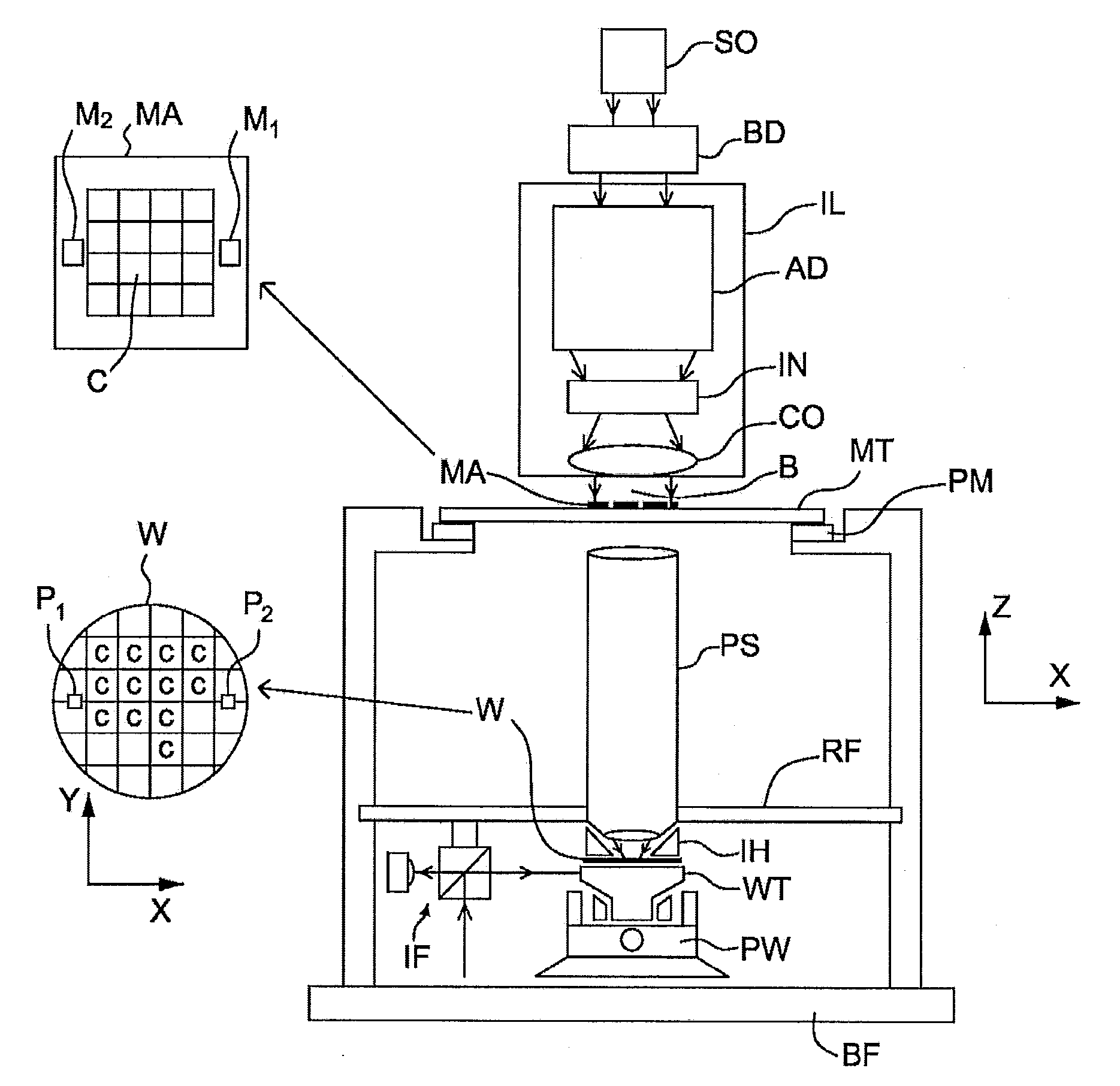
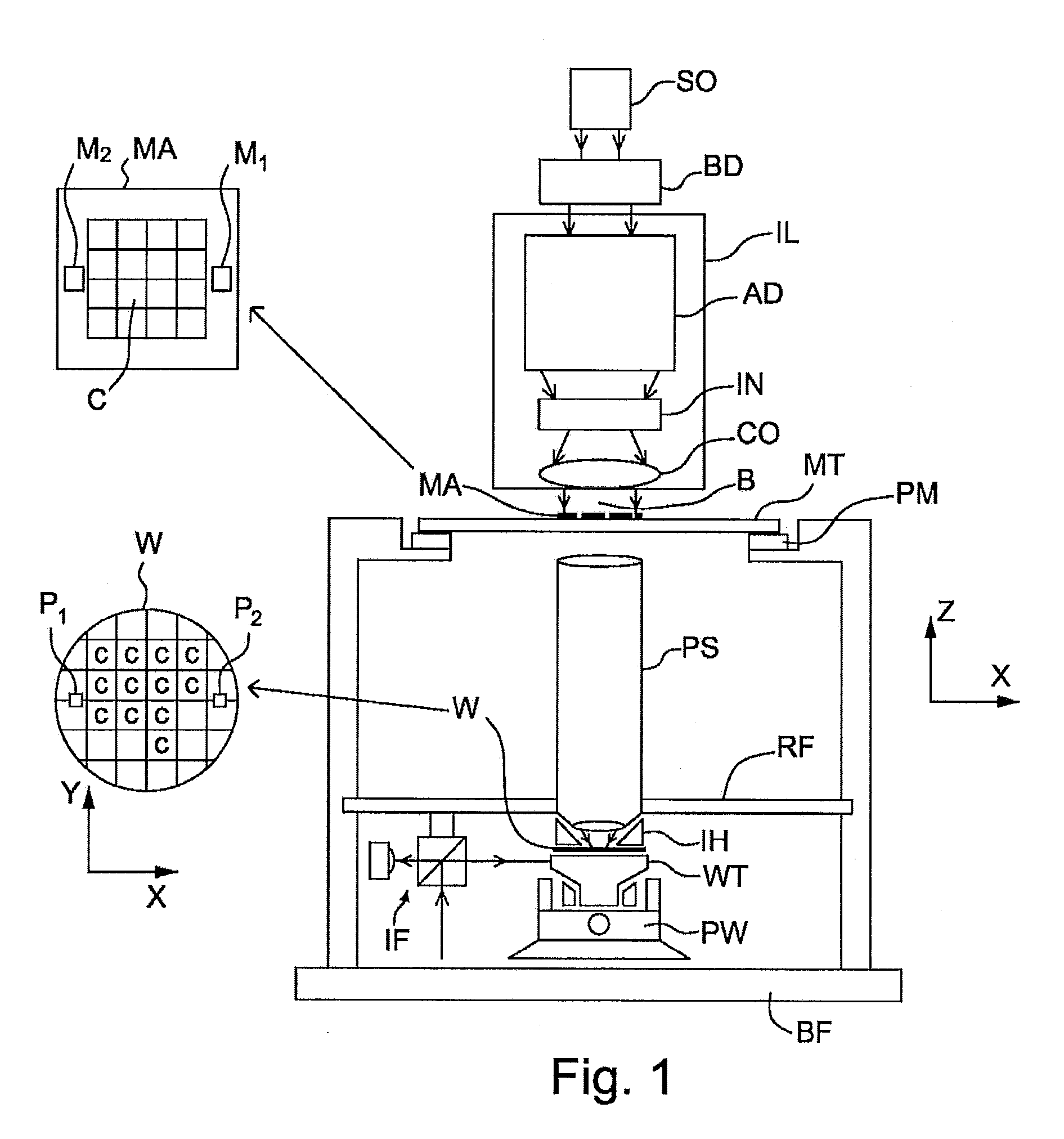
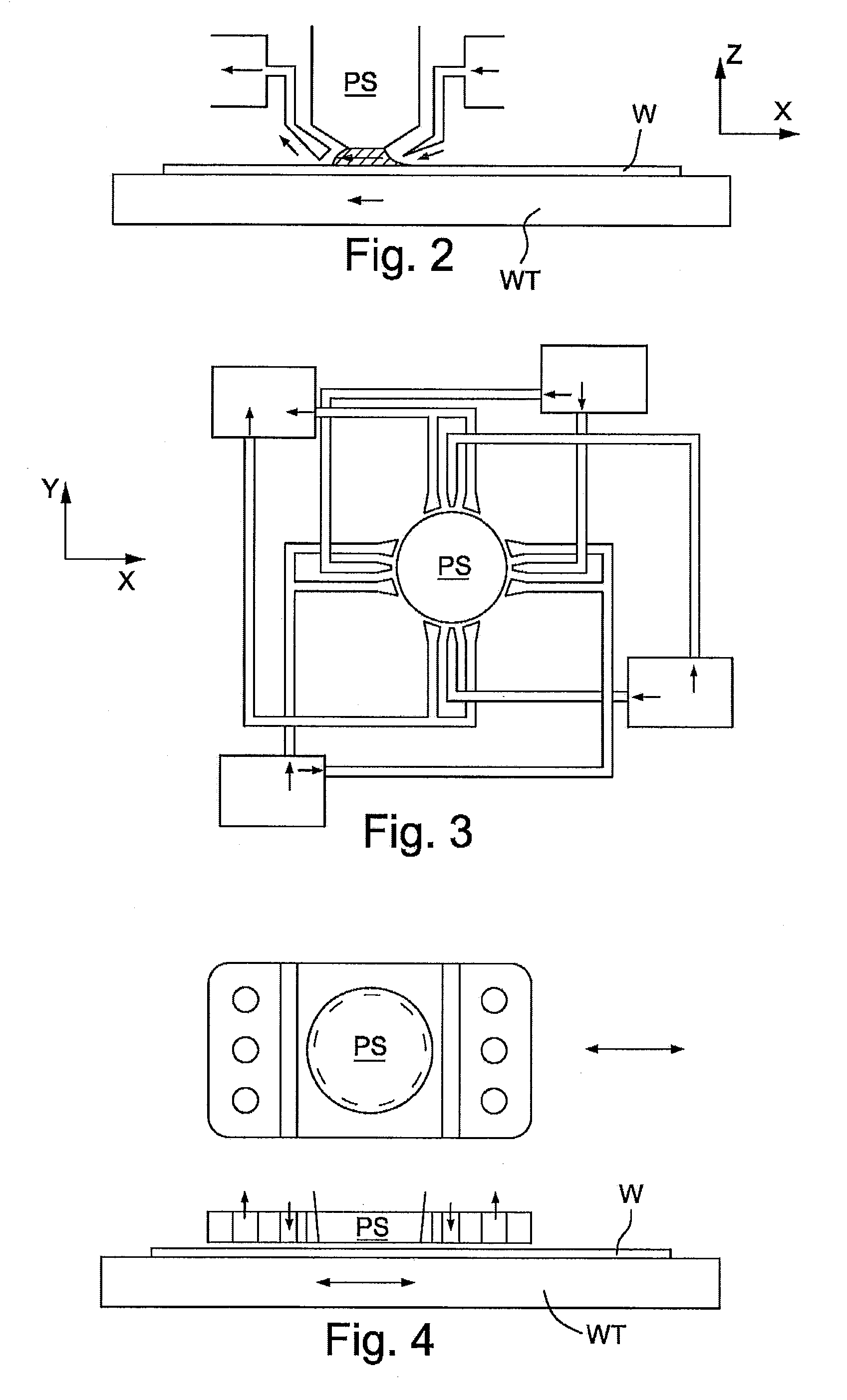
Fluid supply system, a lithographic apparatus, a method of varying fluid flow rate and a device manufacturing method
PatentInactiveUS20100208221A1
Innovation
- A fluid supply system with a controller that adjusts the fluid flow rate while maintaining constant total flow resistance and pressure downstream of the fluid source, using a junction and drain fluid flow paths to vary the flow rate without altering the pressure or resistance, ensuring stable liquid supply.

Safety Standards for High-Temperature Industrial Applications
High-temperature immersion applications in industrial settings present significant safety challenges that require comprehensive regulatory frameworks and standardized protocols. The extreme operating conditions, typically ranging from 200°C to over 1000°C, necessitate stringent safety measures to protect personnel, equipment, and surrounding environments from thermal hazards, chemical exposure, and system failures.
International safety standards for high-temperature industrial applications are primarily governed by organizations such as the International Organization for Standardization (ISO), American Society of Mechanical Engineers (ASME), and the International Electrotechnical Commission (IEC). Key standards include ISO 13732 for thermal contact safety, ASME Section VIII for pressure vessel design in high-temperature environments, and IEC 61511 for functional safety systems in process industries. These standards establish minimum requirements for material selection, thermal insulation, emergency shutdown systems, and personnel protection equipment.
Material certification requirements form a critical component of safety standards, mandating that all components exposed to high-temperature liquid flows meet specific metallurgical and chemical resistance criteria. Standards such as ASTM A240 for stainless steel and ASME SA-312 for seamless pipes ensure materials can withstand thermal cycling, corrosion, and mechanical stress without compromising structural integrity.
Personal protective equipment (PPE) standards, including NFPA 2112 for flame-resistant garments and ANSI Z87.1 for eye protection, establish mandatory safety protocols for workers operating near high-temperature immersion systems. These standards specify minimum protection levels, testing procedures, and certification requirements for equipment used in extreme thermal environments.
Emergency response protocols outlined in standards like NFPA 30 and API 2510 provide comprehensive guidelines for incident management, including automatic fire suppression systems, emergency cooling procedures, and evacuation protocols. These standards require regular safety audits, personnel training programs, and maintenance schedules to ensure continuous compliance and operational safety in high-temperature liquid flow applications.
International safety standards for high-temperature industrial applications are primarily governed by organizations such as the International Organization for Standardization (ISO), American Society of Mechanical Engineers (ASME), and the International Electrotechnical Commission (IEC). Key standards include ISO 13732 for thermal contact safety, ASME Section VIII for pressure vessel design in high-temperature environments, and IEC 61511 for functional safety systems in process industries. These standards establish minimum requirements for material selection, thermal insulation, emergency shutdown systems, and personnel protection equipment.
Material certification requirements form a critical component of safety standards, mandating that all components exposed to high-temperature liquid flows meet specific metallurgical and chemical resistance criteria. Standards such as ASTM A240 for stainless steel and ASME SA-312 for seamless pipes ensure materials can withstand thermal cycling, corrosion, and mechanical stress without compromising structural integrity.
Personal protective equipment (PPE) standards, including NFPA 2112 for flame-resistant garments and ANSI Z87.1 for eye protection, establish mandatory safety protocols for workers operating near high-temperature immersion systems. These standards specify minimum protection levels, testing procedures, and certification requirements for equipment used in extreme thermal environments.
Emergency response protocols outlined in standards like NFPA 30 and API 2510 provide comprehensive guidelines for incident management, including automatic fire suppression systems, emergency cooling procedures, and evacuation protocols. These standards require regular safety audits, personnel training programs, and maintenance schedules to ensure continuous compliance and operational safety in high-temperature liquid flow applications.
Energy Efficiency Considerations in High-Temperature Processes
Energy efficiency represents a critical performance metric in high-temperature liquid flow optimization systems, directly impacting operational costs and environmental sustainability. In immersion applications operating above 200°C, thermal losses can account for 30-45% of total energy consumption, making efficiency optimization paramount for commercial viability.
Heat recovery mechanisms constitute the primary avenue for energy conservation in high-temperature processes. Advanced heat exchanger configurations, including plate-type and shell-and-tube designs with enhanced surface geometries, can achieve thermal recovery rates exceeding 85%. Counter-current flow arrangements maximize temperature differentials, while regenerative systems capture waste heat from exhaust streams to preheat incoming fluids.
Insulation strategies significantly influence overall system efficiency, particularly in continuous operation scenarios. Multi-layer ceramic fiber insulation combined with reflective barriers can reduce heat losses by up to 60% compared to conventional materials. Vacuum-insulated piping systems, though requiring higher initial investment, demonstrate superior performance in applications where thermal stability is critical.
Pump selection and flow control optimization directly correlate with energy consumption patterns. Variable frequency drives enable precise flow modulation, reducing energy usage by 20-35% during partial load conditions. Magnetic drive pumps eliminate mechanical seal losses while maintaining efficiency across varying temperature ranges, though initial costs remain elevated.
Process integration approaches offer substantial efficiency gains through systematic heat management. Thermal cascading allows sequential utilization of heat energy across multiple process stages, while thermal storage systems enable load balancing during peak demand periods. Combined heat and power configurations can achieve overall system efficiencies approaching 90% in large-scale installations.
Advanced control algorithms incorporating predictive modeling enhance energy performance through real-time optimization. Machine learning-based systems analyze historical data patterns to anticipate thermal demands, enabling proactive adjustments that minimize energy waste while maintaining process stability and product quality standards.
Heat recovery mechanisms constitute the primary avenue for energy conservation in high-temperature processes. Advanced heat exchanger configurations, including plate-type and shell-and-tube designs with enhanced surface geometries, can achieve thermal recovery rates exceeding 85%. Counter-current flow arrangements maximize temperature differentials, while regenerative systems capture waste heat from exhaust streams to preheat incoming fluids.
Insulation strategies significantly influence overall system efficiency, particularly in continuous operation scenarios. Multi-layer ceramic fiber insulation combined with reflective barriers can reduce heat losses by up to 60% compared to conventional materials. Vacuum-insulated piping systems, though requiring higher initial investment, demonstrate superior performance in applications where thermal stability is critical.
Pump selection and flow control optimization directly correlate with energy consumption patterns. Variable frequency drives enable precise flow modulation, reducing energy usage by 20-35% during partial load conditions. Magnetic drive pumps eliminate mechanical seal losses while maintaining efficiency across varying temperature ranges, though initial costs remain elevated.
Process integration approaches offer substantial efficiency gains through systematic heat management. Thermal cascading allows sequential utilization of heat energy across multiple process stages, while thermal storage systems enable load balancing during peak demand periods. Combined heat and power configurations can achieve overall system efficiencies approaching 90% in large-scale installations.
Advanced control algorithms incorporating predictive modeling enhance energy performance through real-time optimization. Machine learning-based systems analyze historical data patterns to anticipate thermal demands, enabling proactive adjustments that minimize energy waste while maintaining process stability and product quality standards.
Unlock deeper insights with Patsnap Eureka Quick Research — get a full tech report to explore trends and direct your research. Try now!
Generate Your Research Report Instantly with AI Agent
Supercharge your innovation with Patsnap Eureka AI Agent Platform!