

Optimize Load Shedding in Cogeneration Systems for Efficiency
MAR 16, 20269 MIN READ
Generate Your Research Report Instantly with AI Agent
Patsnap Eureka helps you evaluate technical feasibility & market potential.
Cogeneration Load Shedding Background and Efficiency Goals
Cogeneration systems, also known as combined heat and power (CHP) systems, have emerged as a cornerstone technology for industrial energy efficiency since the late 19th century. These systems simultaneously generate electricity and useful thermal energy from a single fuel source, achieving overall efficiencies of 70-90% compared to 35-55% for separate generation methods. The evolution from simple steam-based systems to modern gas turbine and fuel cell configurations reflects decades of technological advancement driven by energy security concerns and environmental regulations.
The historical development of cogeneration technology can be traced through several distinct phases. Early industrial applications in the 1880s utilized steam engines for mechanical power with waste heat recovery for process heating. The mid-20th century witnessed the integration of gas turbines and reciprocating engines, enabling more flexible operation and improved electrical efficiency. Recent decades have seen the incorporation of advanced control systems, microturbines, and renewable energy integration, positioning cogeneration as a critical component of distributed energy resources.
Load shedding optimization within cogeneration systems represents a sophisticated challenge that balances multiple operational objectives. Traditional load management approaches often prioritized simple demand reduction without considering the unique characteristics of combined heat and power generation. The interdependency between electrical and thermal loads creates complex optimization scenarios where conventional load shedding strategies may inadvertently reduce overall system efficiency or compromise critical thermal processes.
The primary efficiency goals for optimized load shedding in cogeneration systems encompass several interconnected objectives. Maximizing fuel utilization efficiency requires maintaining optimal heat-to-power ratios while accommodating variable demand patterns. Minimizing operational costs involves strategic load prioritization that considers time-of-use electricity pricing, fuel costs, and maintenance implications. Additionally, ensuring system reliability demands load shedding strategies that preserve critical processes while maintaining equipment within safe operating parameters.
Contemporary efficiency targets for cogeneration load shedding optimization typically aim for 5-15% improvement in overall system efficiency compared to conventional approaches. These goals extend beyond simple energy metrics to include reduced greenhouse gas emissions, enhanced grid stability contributions, and improved economic returns on cogeneration investments. The integration of predictive analytics and machine learning algorithms has elevated efficiency expectations, enabling real-time optimization that adapts to changing operational conditions and market signals.
The historical development of cogeneration technology can be traced through several distinct phases. Early industrial applications in the 1880s utilized steam engines for mechanical power with waste heat recovery for process heating. The mid-20th century witnessed the integration of gas turbines and reciprocating engines, enabling more flexible operation and improved electrical efficiency. Recent decades have seen the incorporation of advanced control systems, microturbines, and renewable energy integration, positioning cogeneration as a critical component of distributed energy resources.
Load shedding optimization within cogeneration systems represents a sophisticated challenge that balances multiple operational objectives. Traditional load management approaches often prioritized simple demand reduction without considering the unique characteristics of combined heat and power generation. The interdependency between electrical and thermal loads creates complex optimization scenarios where conventional load shedding strategies may inadvertently reduce overall system efficiency or compromise critical thermal processes.
The primary efficiency goals for optimized load shedding in cogeneration systems encompass several interconnected objectives. Maximizing fuel utilization efficiency requires maintaining optimal heat-to-power ratios while accommodating variable demand patterns. Minimizing operational costs involves strategic load prioritization that considers time-of-use electricity pricing, fuel costs, and maintenance implications. Additionally, ensuring system reliability demands load shedding strategies that preserve critical processes while maintaining equipment within safe operating parameters.
Contemporary efficiency targets for cogeneration load shedding optimization typically aim for 5-15% improvement in overall system efficiency compared to conventional approaches. These goals extend beyond simple energy metrics to include reduced greenhouse gas emissions, enhanced grid stability contributions, and improved economic returns on cogeneration investments. The integration of predictive analytics and machine learning algorithms has elevated efficiency expectations, enabling real-time optimization that adapts to changing operational conditions and market signals.
Market Demand for Optimized Cogeneration Systems
The global energy landscape is experiencing unprecedented transformation driven by sustainability imperatives and economic pressures, creating substantial market demand for optimized cogeneration systems. Industrial facilities, commercial buildings, and district energy networks are increasingly seeking solutions that maximize energy efficiency while minimizing operational costs and environmental impact.
Manufacturing industries represent the largest market segment for cogeneration optimization technologies. Chemical processing plants, refineries, pharmaceutical facilities, and food processing operations require simultaneous heat and power generation with precise load management capabilities. These facilities face mounting pressure to reduce energy costs while maintaining production reliability, making load shedding optimization a critical operational requirement.
The healthcare sector demonstrates growing adoption of advanced cogeneration systems, particularly in hospital complexes and medical campuses where uninterrupted power supply is essential. These facilities require sophisticated load management strategies to balance energy efficiency with critical system reliability, driving demand for intelligent load shedding solutions that can prioritize essential services during peak demand periods.
District heating and cooling networks in urban environments are expanding rapidly, creating significant opportunities for optimized cogeneration systems. Smart city initiatives worldwide are incorporating advanced energy management technologies that can dynamically adjust load distribution based on real-time demand patterns and grid conditions.
Commercial real estate markets are increasingly valuing buildings equipped with efficient cogeneration systems. Property developers and facility managers recognize that optimized load shedding capabilities can substantially reduce operational expenses while enhancing building sustainability ratings, making these systems attractive investments for long-term asset value.
The integration of renewable energy sources with cogeneration systems is creating new market dynamics. Facilities seeking to incorporate solar, wind, or biomass energy require sophisticated load management systems that can seamlessly coordinate multiple energy sources while optimizing overall system efficiency.
Regulatory frameworks promoting energy efficiency and carbon reduction are accelerating market adoption. Government incentives, carbon pricing mechanisms, and mandatory energy reporting requirements are compelling organizations to invest in advanced cogeneration optimization technologies that demonstrate measurable efficiency improvements and emissions reductions.
Manufacturing industries represent the largest market segment for cogeneration optimization technologies. Chemical processing plants, refineries, pharmaceutical facilities, and food processing operations require simultaneous heat and power generation with precise load management capabilities. These facilities face mounting pressure to reduce energy costs while maintaining production reliability, making load shedding optimization a critical operational requirement.
The healthcare sector demonstrates growing adoption of advanced cogeneration systems, particularly in hospital complexes and medical campuses where uninterrupted power supply is essential. These facilities require sophisticated load management strategies to balance energy efficiency with critical system reliability, driving demand for intelligent load shedding solutions that can prioritize essential services during peak demand periods.
District heating and cooling networks in urban environments are expanding rapidly, creating significant opportunities for optimized cogeneration systems. Smart city initiatives worldwide are incorporating advanced energy management technologies that can dynamically adjust load distribution based on real-time demand patterns and grid conditions.
Commercial real estate markets are increasingly valuing buildings equipped with efficient cogeneration systems. Property developers and facility managers recognize that optimized load shedding capabilities can substantially reduce operational expenses while enhancing building sustainability ratings, making these systems attractive investments for long-term asset value.
The integration of renewable energy sources with cogeneration systems is creating new market dynamics. Facilities seeking to incorporate solar, wind, or biomass energy require sophisticated load management systems that can seamlessly coordinate multiple energy sources while optimizing overall system efficiency.
Regulatory frameworks promoting energy efficiency and carbon reduction are accelerating market adoption. Government incentives, carbon pricing mechanisms, and mandatory energy reporting requirements are compelling organizations to invest in advanced cogeneration optimization technologies that demonstrate measurable efficiency improvements and emissions reductions.
Current Challenges in Cogeneration Load Management
Cogeneration systems face significant operational challenges in load management that directly impact their efficiency and economic viability. The primary difficulty lies in balancing the simultaneous production of electricity and thermal energy while responding to fluctuating demand patterns. Unlike conventional power generation, cogeneration plants must optimize two interdependent energy streams, creating complex decision-making scenarios when load shedding becomes necessary.
The mismatch between electrical and thermal demand profiles presents a fundamental constraint. Industrial facilities often experience peak electrical loads that do not coincide with peak thermal requirements, forcing operators to make suboptimal choices during load reduction scenarios. This temporal misalignment becomes particularly problematic during emergency situations where rapid load adjustments are required to maintain system stability.
Real-time coordination between multiple energy outputs creates substantial technical complexity. Traditional load shedding algorithms designed for single-output systems prove inadequate when applied to cogeneration environments. The interdependency between steam turbines, heat recovery systems, and electrical generators requires sophisticated control strategies that can simultaneously consider thermal inertia, electrical grid requirements, and process heat demands.
Grid integration challenges compound the load management difficulties. Cogeneration systems must respond to grid operator signals while maintaining internal thermal balance. When external grid conditions require rapid load reduction, the thermal side of the system cannot adjust as quickly due to inherent thermal mass and process constraints. This creates operational stress and potential equipment damage if not properly managed.
Economic optimization during load shedding events remains poorly addressed by current management systems. Operators struggle to determine the most cost-effective load reduction strategy when considering fuel costs, maintenance implications, and revenue loss from both electrical and thermal energy sales. The lack of integrated economic models that account for the full spectrum of cogeneration benefits hampers optimal decision-making.
Predictive capabilities for load management are insufficient in most existing systems. Current approaches rely heavily on reactive measures rather than proactive load optimization strategies. The absence of advanced forecasting tools that can anticipate both electrical and thermal demand patterns limits the ability to implement preventive load management measures that could maintain higher overall system efficiency during challenging operating conditions.
The mismatch between electrical and thermal demand profiles presents a fundamental constraint. Industrial facilities often experience peak electrical loads that do not coincide with peak thermal requirements, forcing operators to make suboptimal choices during load reduction scenarios. This temporal misalignment becomes particularly problematic during emergency situations where rapid load adjustments are required to maintain system stability.
Real-time coordination between multiple energy outputs creates substantial technical complexity. Traditional load shedding algorithms designed for single-output systems prove inadequate when applied to cogeneration environments. The interdependency between steam turbines, heat recovery systems, and electrical generators requires sophisticated control strategies that can simultaneously consider thermal inertia, electrical grid requirements, and process heat demands.
Grid integration challenges compound the load management difficulties. Cogeneration systems must respond to grid operator signals while maintaining internal thermal balance. When external grid conditions require rapid load reduction, the thermal side of the system cannot adjust as quickly due to inherent thermal mass and process constraints. This creates operational stress and potential equipment damage if not properly managed.
Economic optimization during load shedding events remains poorly addressed by current management systems. Operators struggle to determine the most cost-effective load reduction strategy when considering fuel costs, maintenance implications, and revenue loss from both electrical and thermal energy sales. The lack of integrated economic models that account for the full spectrum of cogeneration benefits hampers optimal decision-making.
Predictive capabilities for load management are insufficient in most existing systems. Current approaches rely heavily on reactive measures rather than proactive load optimization strategies. The absence of advanced forecasting tools that can anticipate both electrical and thermal demand patterns limits the ability to implement preventive load management measures that could maintain higher overall system efficiency during challenging operating conditions.
Existing Load Shedding Solutions for Cogeneration
01 Intelligent load management and priority-based shedding strategies
Advanced control systems implement intelligent load management by prioritizing critical loads and systematically shedding non-essential loads during power shortages. These systems use algorithms to determine which loads can be temporarily disconnected to maintain system stability while maximizing overall efficiency. The approach involves real-time monitoring of power generation capacity and demand, enabling dynamic adjustment of load distribution based on operational priorities and system constraints.- Intelligent load management and priority-based shedding strategies: Advanced control systems implement priority-based load shedding algorithms that categorize loads according to their criticality and operational importance. These systems utilize real-time monitoring and predictive analytics to determine optimal load shedding sequences, ensuring that essential processes remain operational while non-critical loads are shed during power shortages. The approach maximizes overall system efficiency by maintaining balance between power generation and consumption while minimizing disruption to critical operations.
- Dynamic power distribution and demand response mechanisms: Systems employ dynamic power distribution techniques that automatically adjust power allocation based on real-time demand and generation capacity. These mechanisms incorporate demand response strategies that enable rapid adjustment of power consumption patterns during peak loads or generation constraints. The technology facilitates seamless coordination between multiple power sources and loads, optimizing energy utilization and preventing system overload through automated load balancing and redistribution.
- Thermal and electrical load optimization in combined heat and power systems: Cogeneration systems integrate sophisticated optimization algorithms that simultaneously manage thermal and electrical loads to maximize overall efficiency. These systems analyze heat and power demands in real-time, adjusting generation parameters and implementing selective load shedding to maintain optimal operating conditions. The approach ensures efficient utilization of fuel resources while meeting both thermal and electrical requirements, reducing waste and improving system performance during constrained operating conditions.
- Predictive control and forecasting for load management: Advanced forecasting systems utilize machine learning and historical data analysis to predict load patterns and generation capacity fluctuations. These predictive capabilities enable proactive load shedding decisions before critical conditions arise, allowing for smoother transitions and reduced system stress. The technology incorporates weather forecasting, operational schedules, and consumption patterns to optimize load management strategies and improve overall system reliability and efficiency.
- Distributed energy resource integration and microgrid coordination: Modern cogeneration systems incorporate distributed energy resources and microgrid architectures that enhance load shedding capabilities through decentralized control. These systems enable coordinated operation of multiple generation sources and storage systems, providing flexibility in load management during power shortages. The integration facilitates islanding capabilities and autonomous operation during grid disturbances, maintaining critical loads through intelligent resource allocation and coordinated shedding strategies across interconnected systems.
02 Predictive load shedding using demand forecasting
Systems employ predictive analytics and forecasting techniques to anticipate power demand fluctuations and proactively implement load shedding measures. By analyzing historical data, weather patterns, and operational parameters, these systems can predict when load shedding will be necessary and prepare accordingly. This proactive approach minimizes disruption to operations and optimizes the balance between power generation and consumption in cogeneration facilities.Expand Specific Solutions03 Automated load shedding control systems with feedback mechanisms
Automated control systems incorporate feedback loops and sensor networks to continuously monitor system performance and execute load shedding decisions without manual intervention. These systems detect abnormal operating conditions, power imbalances, or equipment failures and automatically disconnect predetermined loads to prevent system collapse. The automation ensures rapid response times and consistent application of load shedding protocols across the cogeneration system.Expand Specific Solutions04 Integration of energy storage systems for load balancing
Energy storage technologies are integrated with cogeneration systems to provide buffer capacity during peak demand periods and reduce the frequency of load shedding events. Storage systems can absorb excess generation during low-demand periods and discharge during high-demand periods, smoothing out power fluctuations. This integration enhances system flexibility and allows for more gradual and controlled load management rather than abrupt load shedding.Expand Specific Solutions05 Optimization algorithms for minimizing efficiency losses during load shedding
Advanced optimization algorithms are employed to determine the optimal sequence and magnitude of load shedding that minimizes overall efficiency losses in cogeneration systems. These algorithms consider multiple factors including thermal efficiency, electrical efficiency, equipment constraints, and recovery time to develop load shedding strategies that maintain maximum system performance. The optimization approach ensures that when load shedding is necessary, it is executed in a manner that preserves the highest possible overall system efficiency.Expand Specific Solutions
Key Players in Cogeneration and Smart Grid Industry
The cogeneration systems load shedding optimization market is in a mature development stage, driven by increasing energy efficiency demands and grid stability requirements. The market demonstrates substantial growth potential, estimated in billions globally, as industries seek to maximize combined heat and power system performance while maintaining operational reliability. Technology maturity varies significantly across market participants, with established players like Panasonic Holdings Corp., Honda Motor Co., and Hitachi Ltd. leading in advanced control systems and automation technologies. Chinese research institutions including Xi'an Thermal Power Research Institute Co., China Electric Power Research Institute Ltd., and Huadian Electric Power Research Institute Co. contribute specialized thermal power optimization expertise. Energy giants such as Saudi Arabian Oil Co. and State Grid Corp. of China provide large-scale implementation capabilities, while companies like Fuji Electric Co. and Toshiba Corp. offer sophisticated power management solutions. The competitive landscape reflects a mix of mature industrial automation technologies and emerging smart grid optimization approaches.
State Grid Corp. of China
Technical Solution: State Grid has developed an advanced load shedding optimization system for cogeneration plants that integrates real-time demand forecasting with thermal and electrical load balancing algorithms. Their solution employs machine learning models to predict optimal load distribution patterns, reducing energy waste by up to 15% while maintaining system stability. The system automatically adjusts steam extraction rates and electrical output based on grid conditions and thermal demand, ensuring maximum efficiency during peak and off-peak periods. Their approach includes predictive maintenance scheduling that coordinates with load shedding operations to minimize downtime and optimize overall plant performance.
Strengths: Extensive grid integration experience and large-scale deployment capabilities. Weaknesses: Limited flexibility for smaller cogeneration systems and high implementation costs.
China Electric Power Research Institute Ltd.
Technical Solution: CEPRI has developed a comprehensive load shedding optimization framework specifically designed for industrial cogeneration systems. Their technology utilizes advanced control algorithms that dynamically balance electrical and thermal loads based on real-time energy prices and demand patterns. The system incorporates multi-objective optimization techniques that consider both economic efficiency and environmental impact, achieving up to 12% improvement in overall system efficiency. Their solution features adaptive load prioritization mechanisms that automatically shed non-critical loads during peak demand periods while maintaining essential thermal processes. The platform includes sophisticated forecasting models that predict energy demand patterns up to 24 hours in advance, enabling proactive load management strategies.
Strengths: Strong research capabilities and proven track record in power system optimization. Weaknesses: Primarily focused on large-scale applications with limited customization for specific industrial needs.
Core Algorithms for Optimal Load Shedding Control
System and method for power management and load shedding
PatentInactiveUS20100312414A1
Innovation
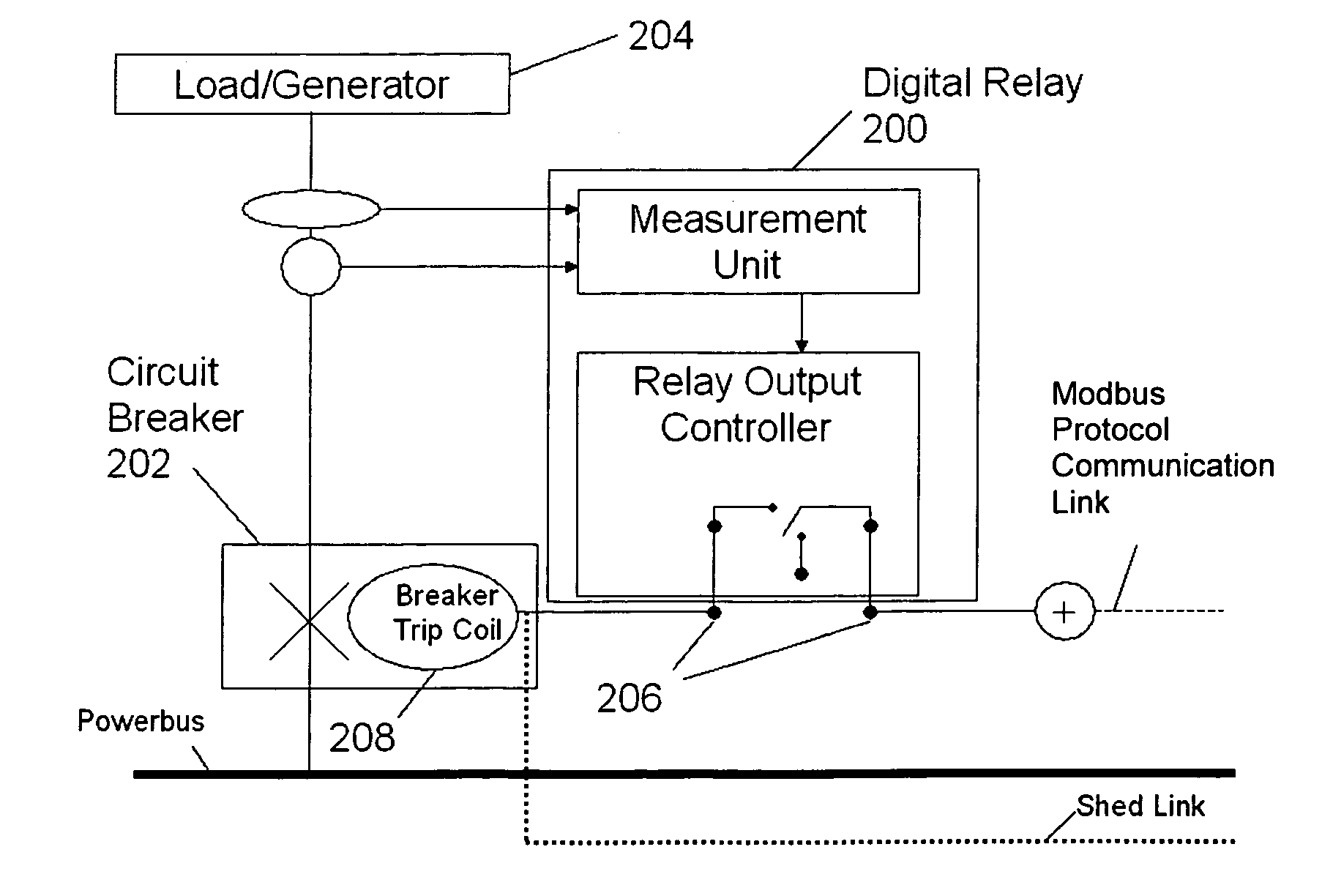
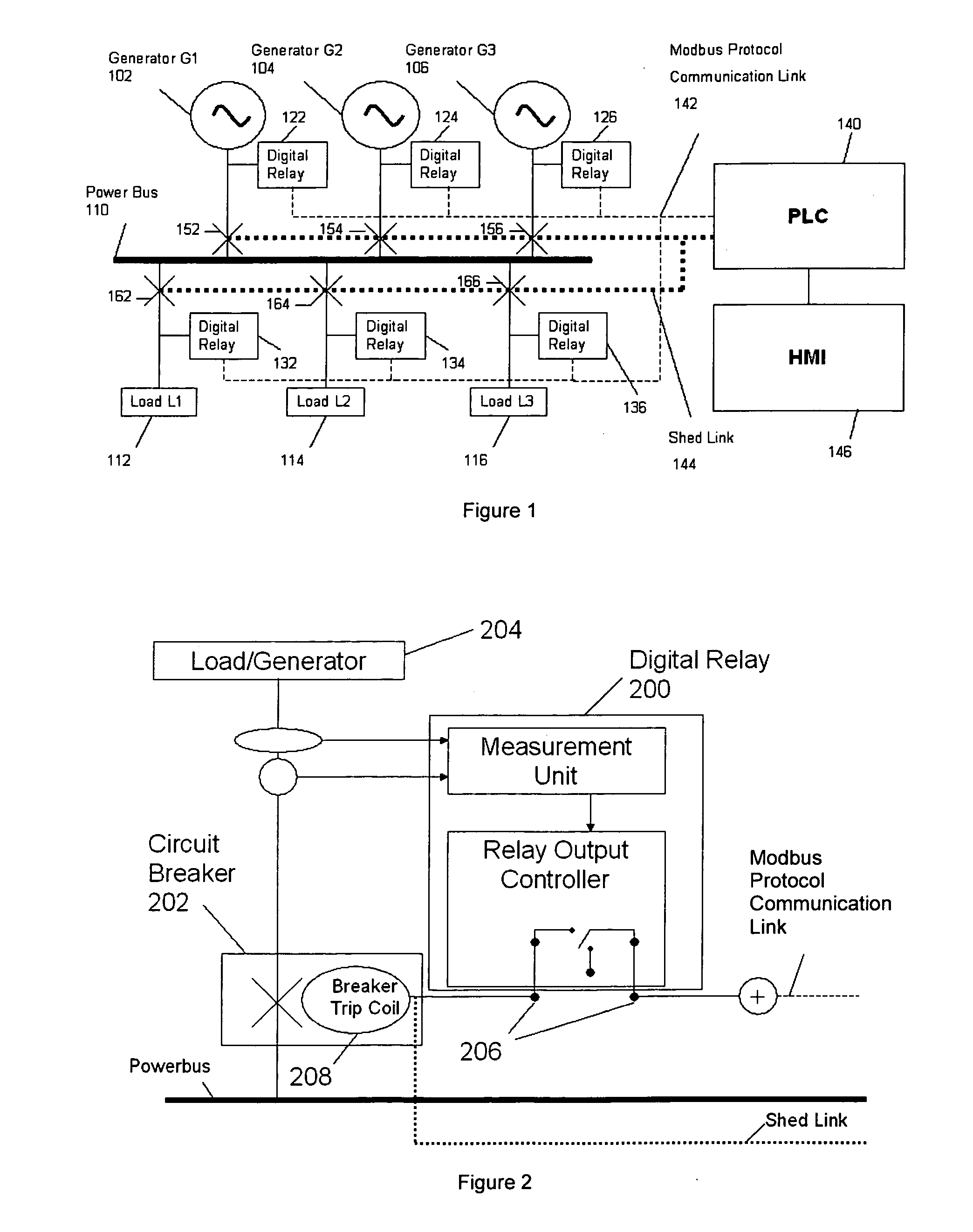
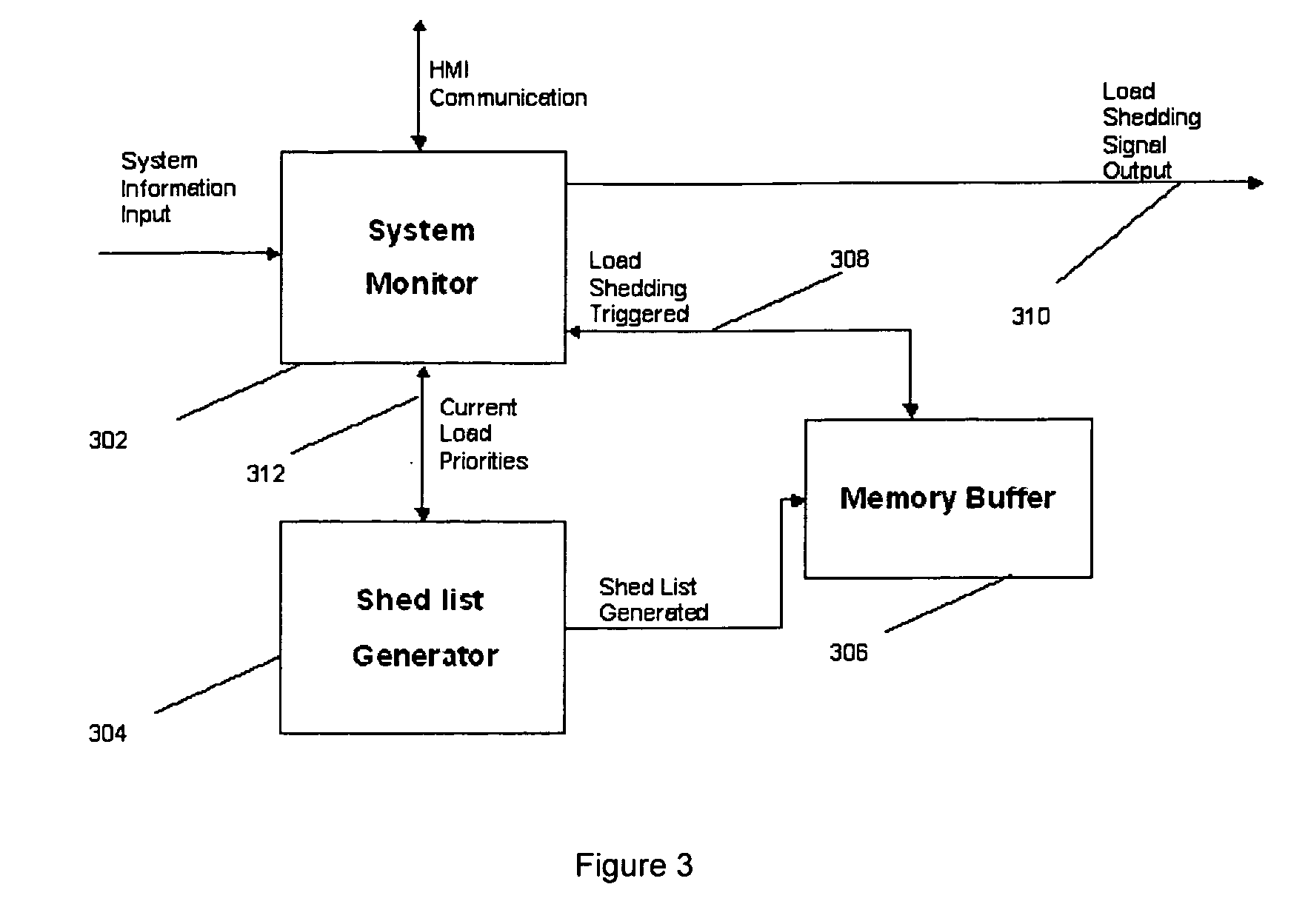
- A method and system that calculates reserve power by subtracting the total current generated power from the total and highest generation capacities, generates a load shedding list to be stored in a buffer, and sheds loads simultaneously upon generator failure, using digital relays and a PLC connected to circuit breakers via a communication link, with user-defined priority assignments and real-time data processing.

Emergency frequency load shedding scheme
PatentInactiveUS8204632B2
Innovation
- An adaptive emergency frequency load shedding system that continuously monitors voltage and current to estimate the rate of change of frequency and power, adjusting load shedding priorities based on the severity of disturbances to preempt frequency declines by shedding load at appropriate frequencies.


Energy Policy Impact on Cogeneration Optimization
Energy policy frameworks significantly influence the optimization strategies employed in cogeneration systems, particularly regarding load shedding mechanisms. Government regulations and incentive structures create the operational boundaries within which cogeneration facilities must function, directly affecting their efficiency optimization approaches. Feed-in tariffs, renewable energy certificates, and carbon pricing mechanisms establish economic drivers that shape how operators prioritize load management decisions during peak demand periods.
Regulatory standards for grid stability and power quality impose technical constraints on load shedding algorithms. Grid codes typically mandate specific response times and frequency regulation capabilities, requiring cogeneration systems to balance efficiency optimization with compliance requirements. These regulations often necessitate the implementation of sophisticated control systems that can rapidly adjust both electrical and thermal outputs while maintaining system stability.
Carbon emission policies create additional layers of complexity in optimization strategies. Cap-and-trade systems and carbon tax structures incentivize operators to minimize emissions during load shedding events, often requiring the integration of cleaner backup power sources or energy storage systems. This policy environment drives the development of multi-objective optimization algorithms that simultaneously consider efficiency, emissions, and economic factors.
Energy security policies promoting distributed generation have expanded the role of cogeneration systems in grid resilience. These policies encourage the development of islanding capabilities and microgrid integration, requiring load shedding optimization to consider broader network effects beyond individual facility efficiency. Operators must now optimize for both local efficiency and grid support functions.
Emerging policies supporting sector coupling and power-to-X technologies are reshaping optimization paradigms. These frameworks encourage the integration of thermal and electrical systems with other energy vectors, creating new opportunities for load management through demand response and energy conversion processes. Such policy directions are driving research into advanced optimization techniques that can handle increased system complexity while maintaining operational efficiency.
The evolving regulatory landscape continues to influence technology development priorities, with policy uncertainty often constraining long-term optimization investments and favoring flexible, adaptable solutions over highly specialized systems.
Regulatory standards for grid stability and power quality impose technical constraints on load shedding algorithms. Grid codes typically mandate specific response times and frequency regulation capabilities, requiring cogeneration systems to balance efficiency optimization with compliance requirements. These regulations often necessitate the implementation of sophisticated control systems that can rapidly adjust both electrical and thermal outputs while maintaining system stability.
Carbon emission policies create additional layers of complexity in optimization strategies. Cap-and-trade systems and carbon tax structures incentivize operators to minimize emissions during load shedding events, often requiring the integration of cleaner backup power sources or energy storage systems. This policy environment drives the development of multi-objective optimization algorithms that simultaneously consider efficiency, emissions, and economic factors.
Energy security policies promoting distributed generation have expanded the role of cogeneration systems in grid resilience. These policies encourage the development of islanding capabilities and microgrid integration, requiring load shedding optimization to consider broader network effects beyond individual facility efficiency. Operators must now optimize for both local efficiency and grid support functions.
Emerging policies supporting sector coupling and power-to-X technologies are reshaping optimization paradigms. These frameworks encourage the integration of thermal and electrical systems with other energy vectors, creating new opportunities for load management through demand response and energy conversion processes. Such policy directions are driving research into advanced optimization techniques that can handle increased system complexity while maintaining operational efficiency.
The evolving regulatory landscape continues to influence technology development priorities, with policy uncertainty often constraining long-term optimization investments and favoring flexible, adaptable solutions over highly specialized systems.
Environmental Benefits of Efficient Load Shedding
Efficient load shedding in cogeneration systems delivers substantial environmental benefits by optimizing energy utilization and reducing overall carbon footprint. When load shedding strategies are properly implemented, these systems can achieve significant reductions in greenhouse gas emissions compared to conventional separate heat and power generation methods. The enhanced efficiency directly translates to lower fuel consumption per unit of useful energy output, minimizing environmental impact across the entire energy production cycle.
The primary environmental advantage stems from improved fuel efficiency ratios achieved through optimized load management. Cogeneration systems with efficient load shedding can reach overall efficiency levels of 80-90%, compared to 35-50% for traditional power plants. This dramatic improvement means substantially less fossil fuel consumption for equivalent energy output, resulting in proportional reductions in carbon dioxide, nitrogen oxides, and sulfur dioxide emissions.
Water resource conservation represents another critical environmental benefit. Efficient load shedding reduces the need for additional power generation capacity, thereby decreasing cooling water requirements typically associated with conventional power plants. This reduction helps preserve local water resources and minimizes thermal pollution in nearby water bodies, protecting aquatic ecosystems from temperature fluctuations that can disrupt marine life cycles.
Air quality improvements in surrounding communities become evident through reduced particulate matter emissions and lower concentrations of harmful pollutants. Optimized cogeneration systems operating under efficient load shedding protocols produce fewer emissions per megawatt-hour compared to grid electricity sourced from fossil fuel plants, contributing to cleaner ambient air conditions and reduced health risks for local populations.
The technology also supports renewable energy integration by providing flexible backup power that can complement intermittent renewable sources. This synergy enables higher renewable energy penetration rates while maintaining grid stability, further amplifying the environmental benefits through reduced reliance on carbon-intensive baseload power generation.
Long-term environmental sustainability is enhanced through reduced pressure on natural resource extraction. Lower overall fuel consumption translates to decreased mining, drilling, and transportation activities associated with fossil fuel supply chains, minimizing habitat disruption and ecosystem degradation typically linked to energy resource extraction processes.
The primary environmental advantage stems from improved fuel efficiency ratios achieved through optimized load management. Cogeneration systems with efficient load shedding can reach overall efficiency levels of 80-90%, compared to 35-50% for traditional power plants. This dramatic improvement means substantially less fossil fuel consumption for equivalent energy output, resulting in proportional reductions in carbon dioxide, nitrogen oxides, and sulfur dioxide emissions.
Water resource conservation represents another critical environmental benefit. Efficient load shedding reduces the need for additional power generation capacity, thereby decreasing cooling water requirements typically associated with conventional power plants. This reduction helps preserve local water resources and minimizes thermal pollution in nearby water bodies, protecting aquatic ecosystems from temperature fluctuations that can disrupt marine life cycles.
Air quality improvements in surrounding communities become evident through reduced particulate matter emissions and lower concentrations of harmful pollutants. Optimized cogeneration systems operating under efficient load shedding protocols produce fewer emissions per megawatt-hour compared to grid electricity sourced from fossil fuel plants, contributing to cleaner ambient air conditions and reduced health risks for local populations.
The technology also supports renewable energy integration by providing flexible backup power that can complement intermittent renewable sources. This synergy enables higher renewable energy penetration rates while maintaining grid stability, further amplifying the environmental benefits through reduced reliance on carbon-intensive baseload power generation.
Long-term environmental sustainability is enhanced through reduced pressure on natural resource extraction. Lower overall fuel consumption translates to decreased mining, drilling, and transportation activities associated with fossil fuel supply chains, minimizing habitat disruption and ecosystem degradation typically linked to energy resource extraction processes.
Unlock deeper insights with Patsnap Eureka Quick Research — get a full tech report to explore trends and direct your research. Try now!
Generate Your Research Report Instantly with AI Agent
Supercharge your innovation with Patsnap Eureka AI Agent Platform!