

Optimize Optical Compute for Integrated Surveillance Command Centers
MAY 18, 202610 MIN READ
Generate Your Research Report Instantly with AI Agent
Patsnap Eureka helps you evaluate technical feasibility & market potential.
Optical Compute Integration Background and Objectives
Optical computing represents a paradigm shift in computational architecture, leveraging photons instead of electrons to process information. This technology has evolved from theoretical concepts in the 1960s to practical implementations in specialized applications today. The integration of optical computing systems into surveillance command centers addresses the exponentially growing demands for real-time data processing, pattern recognition, and multi-source intelligence fusion that traditional electronic systems struggle to handle efficiently.
The surveillance industry has witnessed unprecedented growth in data generation, with modern command centers processing terabytes of video feeds, sensor data, and communication streams simultaneously. Traditional electronic processors face fundamental limitations in bandwidth, power consumption, and heat dissipation when handling such massive parallel processing requirements. Optical computing offers inherent advantages including ultra-high bandwidth, parallel processing capabilities, and reduced electromagnetic interference, making it particularly suitable for mission-critical surveillance applications.
Current integrated surveillance command centers rely heavily on CPU and GPU clusters that consume substantial power while generating significant heat, requiring extensive cooling infrastructure. These systems often experience bottlenecks when processing multiple high-resolution video streams, performing real-time analytics, and executing complex pattern matching algorithms simultaneously. The latency introduced by electronic switching and data conversion processes can compromise time-sensitive security operations and threat detection capabilities.
The primary objective of optimizing optical compute integration is to achieve seamless real-time processing of multi-modal surveillance data with minimal latency and maximum throughput. This includes developing hybrid architectures that combine optical processing units with existing electronic systems, creating efficient optical-electronic interfaces, and implementing specialized algorithms optimized for photonic computation. The integration aims to enhance pattern recognition accuracy, reduce response times for threat detection, and enable advanced analytics capabilities such as behavioral analysis and predictive modeling.
Secondary objectives encompass improving system reliability through reduced component failure rates, minimizing power consumption and thermal management requirements, and ensuring scalability to accommodate future surveillance technology advancements. The optimization process also targets the development of standardized interfaces and protocols that enable interoperability between optical computing modules and existing surveillance infrastructure, facilitating gradual migration paths for legacy systems.
The surveillance industry has witnessed unprecedented growth in data generation, with modern command centers processing terabytes of video feeds, sensor data, and communication streams simultaneously. Traditional electronic processors face fundamental limitations in bandwidth, power consumption, and heat dissipation when handling such massive parallel processing requirements. Optical computing offers inherent advantages including ultra-high bandwidth, parallel processing capabilities, and reduced electromagnetic interference, making it particularly suitable for mission-critical surveillance applications.
Current integrated surveillance command centers rely heavily on CPU and GPU clusters that consume substantial power while generating significant heat, requiring extensive cooling infrastructure. These systems often experience bottlenecks when processing multiple high-resolution video streams, performing real-time analytics, and executing complex pattern matching algorithms simultaneously. The latency introduced by electronic switching and data conversion processes can compromise time-sensitive security operations and threat detection capabilities.
The primary objective of optimizing optical compute integration is to achieve seamless real-time processing of multi-modal surveillance data with minimal latency and maximum throughput. This includes developing hybrid architectures that combine optical processing units with existing electronic systems, creating efficient optical-electronic interfaces, and implementing specialized algorithms optimized for photonic computation. The integration aims to enhance pattern recognition accuracy, reduce response times for threat detection, and enable advanced analytics capabilities such as behavioral analysis and predictive modeling.
Secondary objectives encompass improving system reliability through reduced component failure rates, minimizing power consumption and thermal management requirements, and ensuring scalability to accommodate future surveillance technology advancements. The optimization process also targets the development of standardized interfaces and protocols that enable interoperability between optical computing modules and existing surveillance infrastructure, facilitating gradual migration paths for legacy systems.
Market Demand for Advanced Surveillance Command Centers
The global surveillance command center market is experiencing unprecedented growth driven by escalating security concerns across multiple sectors. Urban environments face increasing challenges from terrorism, organized crime, and civil unrest, compelling governments to invest heavily in comprehensive monitoring infrastructure. Critical infrastructure protection has become paramount, with energy facilities, transportation hubs, and communication networks requiring sophisticated surveillance capabilities that can process vast amounts of visual data in real-time.
Smart city initiatives worldwide are creating substantial demand for integrated surveillance solutions. Municipal governments are deploying extensive camera networks that generate massive data streams requiring advanced processing capabilities. Traditional computing architectures struggle with the bandwidth and latency requirements of modern high-resolution video analytics, creating a clear market opportunity for optical computing solutions that can handle parallel processing of visual information more efficiently.
The enterprise security sector represents another significant demand driver, particularly in retail, banking, and corporate environments. Organizations require surveillance systems capable of real-time threat detection, behavioral analysis, and automated response coordination. The integration of artificial intelligence with surveillance systems demands computational power that exceeds conventional electronic processing limitations, especially when managing multiple high-definition video feeds simultaneously.
Border security and defense applications constitute a rapidly expanding market segment. Military and homeland security agencies require surveillance command centers capable of processing data from diverse sources including satellite imagery, drone feeds, and ground-based sensors. The need for instantaneous threat assessment and response coordination in these environments creates demand for computing solutions that can minimize processing delays while maintaining high accuracy levels.
Transportation infrastructure monitoring represents an emerging application area with substantial growth potential. Airports, seaports, and railway systems require integrated surveillance capabilities that can track movement patterns, identify anomalies, and coordinate security responses across vast areas. The complexity of these environments demands computing solutions capable of handling multiple data types and processing requirements simultaneously.
The convergence of Internet of Things devices with surveillance systems is expanding market opportunities significantly. Modern command centers must integrate data from various sensors, cameras, and monitoring devices, creating computational challenges that optical processing architectures are uniquely positioned to address through their inherent parallel processing capabilities and reduced power consumption compared to traditional electronic systems.
Smart city initiatives worldwide are creating substantial demand for integrated surveillance solutions. Municipal governments are deploying extensive camera networks that generate massive data streams requiring advanced processing capabilities. Traditional computing architectures struggle with the bandwidth and latency requirements of modern high-resolution video analytics, creating a clear market opportunity for optical computing solutions that can handle parallel processing of visual information more efficiently.
The enterprise security sector represents another significant demand driver, particularly in retail, banking, and corporate environments. Organizations require surveillance systems capable of real-time threat detection, behavioral analysis, and automated response coordination. The integration of artificial intelligence with surveillance systems demands computational power that exceeds conventional electronic processing limitations, especially when managing multiple high-definition video feeds simultaneously.
Border security and defense applications constitute a rapidly expanding market segment. Military and homeland security agencies require surveillance command centers capable of processing data from diverse sources including satellite imagery, drone feeds, and ground-based sensors. The need for instantaneous threat assessment and response coordination in these environments creates demand for computing solutions that can minimize processing delays while maintaining high accuracy levels.
Transportation infrastructure monitoring represents an emerging application area with substantial growth potential. Airports, seaports, and railway systems require integrated surveillance capabilities that can track movement patterns, identify anomalies, and coordinate security responses across vast areas. The complexity of these environments demands computing solutions capable of handling multiple data types and processing requirements simultaneously.
The convergence of Internet of Things devices with surveillance systems is expanding market opportunities significantly. Modern command centers must integrate data from various sensors, cameras, and monitoring devices, creating computational challenges that optical processing architectures are uniquely positioned to address through their inherent parallel processing capabilities and reduced power consumption compared to traditional electronic systems.
Current State of Optical Computing in Surveillance Systems
Optical computing technology in surveillance systems has reached a critical juncture where traditional electronic processing methods are increasingly challenged by the exponential growth in data volumes and real-time processing requirements. Current implementations primarily focus on hybrid architectures that combine conventional digital processors with optical accelerators for specific computational tasks such as image recognition, pattern matching, and signal processing.
The predominant approach in today's surveillance systems involves photonic neural networks designed to handle massive parallel processing of visual data streams. These systems leverage wavelength division multiplexing to process multiple data channels simultaneously, achieving processing speeds that exceed conventional electronic systems by several orders of magnitude. Major surveillance infrastructure deployments currently utilize optical matrix multiplication units for accelerating convolutional neural network operations, particularly in facial recognition and object detection algorithms.
Silicon photonics platforms have emerged as the dominant technology foundation, offering integration capabilities with existing CMOS infrastructure while providing the necessary optical bandwidth for high-throughput surveillance applications. Current systems typically operate at wavelengths around 1550nm, utilizing integrated photonic circuits that can process terabytes of surveillance data per second with significantly reduced power consumption compared to traditional GPU-based solutions.
However, significant technical limitations persist in current optical computing implementations for surveillance applications. Precision constraints remain a primary challenge, as most optical processors operate with limited bit-depth resolution, typically 4-8 bits, which can compromise the accuracy of complex surveillance algorithms requiring higher precision calculations. Additionally, the lack of optical memory solutions forces frequent conversions between optical and electronic domains, creating bottlenecks that diminish overall system performance.
Integration complexity represents another substantial hurdle, as current optical computing modules require specialized cooling systems and precise alignment mechanisms that increase system complexity and maintenance requirements. The technology also faces scalability challenges when deployed across distributed surveillance networks, where standardization and interoperability between different optical computing platforms remain problematic.
Despite these challenges, recent advances in programmable photonic processors and the development of optical-electronic co-design methodologies are beginning to address some fundamental limitations. The current trajectory suggests that while optical computing offers compelling advantages for specific surveillance tasks, achieving comprehensive integration requires continued advancement in optical memory technologies, improved precision capabilities, and standardized interfaces for seamless integration with existing surveillance infrastructure.
The predominant approach in today's surveillance systems involves photonic neural networks designed to handle massive parallel processing of visual data streams. These systems leverage wavelength division multiplexing to process multiple data channels simultaneously, achieving processing speeds that exceed conventional electronic systems by several orders of magnitude. Major surveillance infrastructure deployments currently utilize optical matrix multiplication units for accelerating convolutional neural network operations, particularly in facial recognition and object detection algorithms.
Silicon photonics platforms have emerged as the dominant technology foundation, offering integration capabilities with existing CMOS infrastructure while providing the necessary optical bandwidth for high-throughput surveillance applications. Current systems typically operate at wavelengths around 1550nm, utilizing integrated photonic circuits that can process terabytes of surveillance data per second with significantly reduced power consumption compared to traditional GPU-based solutions.
However, significant technical limitations persist in current optical computing implementations for surveillance applications. Precision constraints remain a primary challenge, as most optical processors operate with limited bit-depth resolution, typically 4-8 bits, which can compromise the accuracy of complex surveillance algorithms requiring higher precision calculations. Additionally, the lack of optical memory solutions forces frequent conversions between optical and electronic domains, creating bottlenecks that diminish overall system performance.
Integration complexity represents another substantial hurdle, as current optical computing modules require specialized cooling systems and precise alignment mechanisms that increase system complexity and maintenance requirements. The technology also faces scalability challenges when deployed across distributed surveillance networks, where standardization and interoperability between different optical computing platforms remain problematic.
Despite these challenges, recent advances in programmable photonic processors and the development of optical-electronic co-design methodologies are beginning to address some fundamental limitations. The current trajectory suggests that while optical computing offers compelling advantages for specific surveillance tasks, achieving comprehensive integration requires continued advancement in optical memory technologies, improved precision capabilities, and standardized interfaces for seamless integration with existing surveillance infrastructure.
Existing Optical Compute Solutions for Command Centers
01 Optical computing architectures and processing systems
Advanced optical computing systems utilize specialized architectures to perform computational tasks using light-based processing. These systems incorporate optical processors, photonic circuits, and light-based logic gates to achieve high-speed computation with reduced power consumption compared to traditional electronic systems. The architectures are designed to handle parallel processing and complex mathematical operations through optical signal manipulation.- Optical computing architectures and processing systems: Advanced optical computing systems utilize specialized architectures to perform computational tasks using light-based processing. These systems incorporate optical processors, photonic circuits, and light-based logic gates to achieve high-speed computation with reduced power consumption compared to traditional electronic systems. The architectures are designed to handle parallel processing and complex mathematical operations through optical signal manipulation.
- Optical signal processing and modulation techniques: Optimization of optical computing involves advanced signal processing methods that manipulate light waves for computational purposes. These techniques include optical modulation, wavelength division multiplexing, and coherent signal processing to enhance data throughput and processing efficiency. The methods focus on improving signal quality, reducing noise, and maximizing the information carrying capacity of optical systems.
- Machine learning and AI acceleration through optical computing: Optical computing systems are optimized to accelerate machine learning algorithms and artificial intelligence workloads. These systems leverage the parallel nature of optical processing to perform matrix operations, neural network computations, and deep learning tasks more efficiently. The optimization focuses on reducing latency and increasing computational throughput for AI applications.
- Photonic integrated circuits and optical interconnects: Optimization involves the design and implementation of photonic integrated circuits that enable efficient optical interconnections within computing systems. These circuits integrate multiple optical components on a single chip to reduce size, power consumption, and manufacturing costs while improving performance. The focus is on creating scalable optical networks for high-performance computing applications.
- Quantum optical computing and coherent processing: Advanced optimization techniques for quantum optical computing systems that utilize quantum properties of light for computational advantages. These systems employ coherent optical states, quantum entanglement, and superposition principles to achieve computational capabilities beyond classical limits. The optimization focuses on maintaining quantum coherence and minimizing decoherence effects in optical quantum processors.
02 Optical signal processing and modulation techniques
Optimization of optical computing involves advanced signal processing methods that manipulate light waves for computational purposes. These techniques include optical modulation, wavelength division multiplexing, and coherent signal processing to enhance data throughput and processing efficiency. The methods focus on improving signal quality, reducing noise, and maximizing the information capacity of optical channels.Expand Specific Solutions03 Machine learning and AI acceleration through optical computing
Optical computing systems are optimized for artificial intelligence and machine learning applications by leveraging the parallel processing capabilities of photonic systems. These implementations focus on neural network acceleration, matrix operations, and deep learning computations using optical components. The optimization strategies target improved training speeds and inference performance for AI workloads.Expand Specific Solutions04 Photonic integrated circuits and component optimization
Optimization of optical computing involves the design and integration of photonic components on chip-scale platforms. This includes the development of optical switches, modulators, detectors, and waveguides that are optimized for computational tasks. The focus is on miniaturization, power efficiency, and manufacturing scalability while maintaining high performance and reliability of the integrated optical components.Expand Specific Solutions05 Quantum optical computing and advanced optimization algorithms
Advanced optimization techniques for optical computing incorporate quantum optical principles and sophisticated algorithms to enhance computational capabilities. These approaches utilize quantum entanglement, superposition, and quantum interference effects to achieve computational advantages. The optimization methods include quantum algorithms, error correction schemes, and hybrid classical-quantum processing techniques for solving complex computational problems.Expand Specific Solutions
Key Players in Optical Computing and Surveillance Industry
The optical computing market for integrated surveillance command centers is experiencing rapid growth, driven by increasing demands for real-time data processing and AI-powered analytics in security applications. The industry is transitioning from traditional electronic systems to hybrid optical-electronic architectures, with market expansion fueled by smart city initiatives and enhanced security requirements. Technology maturity varies significantly across players, with established giants like Huawei, Intel, Samsung, and Qualcomm leading in foundational optical interconnect technologies, while specialized firms such as AvicenaTech and Optalysys focus on breakthrough optical AI acceleration. Research institutions including Tsinghua University and ETRI are advancing fundamental optical computing principles, while companies like Shanghai Xizhi Technology bridge academic research with commercial applications. The competitive landscape shows convergence between semiconductor manufacturers, optical specialists, and surveillance system integrators, indicating a maturing ecosystem ready for large-scale deployment in next-generation command centers.
Huawei Technologies Co., Ltd.
Technical Solution: Huawei has developed comprehensive optical computing solutions for integrated surveillance command centers, featuring their proprietary OptiX series optical transport platforms combined with AI-accelerated video analytics engines. Their solution integrates high-density wavelength division multiplexing (WDM) technology with distributed optical computing nodes that can process up to 10,000 concurrent video streams in real-time. The system employs optical matrix multiplication units for pattern recognition and object detection, reducing latency to sub-millisecond levels for critical surveillance applications. Their CloudFabric architecture enables seamless integration between optical transport, edge computing, and centralized command systems, supporting up to 100TB/s aggregate throughput across metropolitan surveillance networks.
Strengths: Mature end-to-end solution with proven deployment scale, strong integration capabilities, comprehensive ecosystem support. Weaknesses: Limited availability in certain markets due to regulatory restrictions, higher initial deployment costs compared to traditional solutions.
Samsung Electronics Co., Ltd.
Technical Solution: Samsung's optical computing solution for surveillance centers integrates their advanced memory technologies with optical interconnect systems and AI processing capabilities. Their approach utilizes high-bandwidth memory (HBM) modules connected via silicon photonic links to create distributed computing clusters optimized for video analytics workloads. The system incorporates Samsung's neuromorphic processing units that mimic human visual cortex functions for intelligent surveillance applications. Their solution features optical switching matrices that can dynamically route data between processing nodes based on computational demands, supporting up to 50,000 camera inputs across integrated command centers. The architecture includes Samsung's V-NAND storage arrays for massive surveillance data retention and their ISOCELL image sensors for enhanced video capture quality.
Strengths: Comprehensive hardware ecosystem from sensors to storage, strong memory technology leadership, excellent manufacturing capabilities. Weaknesses: Limited software ecosystem compared to pure-play technology companies, less specialized focus on optical computing compared to dedicated players.
Core Innovations in Optical Processing Architecture
Increasing system power efficiency by optical computing
PatentPendingUS20240111355A1
Innovation
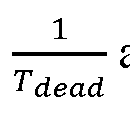
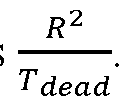
- A hybrid computing system that combines digital and optical computing units, using silicon photonics to determine the most efficient domain for workload execution based on performance measures, and optimizing power consumption by reducing overhead in digital-to-analog and analog-to-digital converter efficiency.


Method and system for optical computing based on arrays of high-speed time gated single photon detectors
PatentWO2022187929A1
Innovation
- The use of arrays of single-photon avalanche diodes (SPADs) as photodetectors, where each subarray is activated and deactivated in sequence to improve responsivity, reduce noise, and enhance scalability, allowing for efficient integration in optical computing systems.


Security Standards and Compliance Requirements
Integrated surveillance command centers handling optical compute systems must adhere to stringent security standards to protect sensitive data and maintain operational integrity. The primary regulatory frameworks include ISO/IEC 27001 for information security management, NIST Cybersecurity Framework for critical infrastructure protection, and Common Criteria (ISO/IEC 15408) for security evaluation of IT products. These standards establish baseline requirements for data encryption, access control, and system monitoring within optical computing environments.
Physical security compliance represents a critical component, encompassing TEMPEST standards for electromagnetic emanation protection and facility security clearance requirements. Optical compute systems generate unique electromagnetic signatures that require specialized shielding to prevent data interception. Additionally, personnel security clearances must align with the classification level of processed surveillance data, typically requiring Secret or Top Secret clearances for operators and maintenance staff.
Data protection regulations significantly impact optical compute implementations in surveillance applications. GDPR compliance becomes essential when processing biometric data or personal identification information through optical recognition systems. The California Consumer Privacy Act (CCPA) and similar regional privacy laws impose additional constraints on data retention, processing transparency, and individual rights management. These requirements necessitate implementing privacy-by-design principles in optical compute architectures.
Cybersecurity standards specific to surveillance systems include the Cybersecurity and Infrastructure Security Agency (CISA) guidelines for critical infrastructure protection and the Department of Defense's Risk Management Framework (RMF). These frameworks mandate continuous monitoring, vulnerability assessment, and incident response capabilities integrated into optical compute platforms. Real-time threat detection and automated response mechanisms become mandatory components.
Industry-specific compliance requirements vary by deployment sector. Law enforcement applications must conform to Criminal Justice Information Services (CJIS) Security Policy, while federal installations require Federal Information Processing Standards (FIPS) 140-2 certification for cryptographic modules. Transportation security implementations must meet Transportation Security Administration (TSA) technology standards and International Civil Aviation Organization (ICAO) security protocols.
Audit and certification processes require comprehensive documentation of security controls, regular penetration testing, and third-party security assessments. Compliance validation involves continuous monitoring systems that can demonstrate adherence to applicable standards through automated reporting and real-time security posture assessment capabilities integrated within the optical compute infrastructure.
Physical security compliance represents a critical component, encompassing TEMPEST standards for electromagnetic emanation protection and facility security clearance requirements. Optical compute systems generate unique electromagnetic signatures that require specialized shielding to prevent data interception. Additionally, personnel security clearances must align with the classification level of processed surveillance data, typically requiring Secret or Top Secret clearances for operators and maintenance staff.
Data protection regulations significantly impact optical compute implementations in surveillance applications. GDPR compliance becomes essential when processing biometric data or personal identification information through optical recognition systems. The California Consumer Privacy Act (CCPA) and similar regional privacy laws impose additional constraints on data retention, processing transparency, and individual rights management. These requirements necessitate implementing privacy-by-design principles in optical compute architectures.
Cybersecurity standards specific to surveillance systems include the Cybersecurity and Infrastructure Security Agency (CISA) guidelines for critical infrastructure protection and the Department of Defense's Risk Management Framework (RMF). These frameworks mandate continuous monitoring, vulnerability assessment, and incident response capabilities integrated into optical compute platforms. Real-time threat detection and automated response mechanisms become mandatory components.
Industry-specific compliance requirements vary by deployment sector. Law enforcement applications must conform to Criminal Justice Information Services (CJIS) Security Policy, while federal installations require Federal Information Processing Standards (FIPS) 140-2 certification for cryptographic modules. Transportation security implementations must meet Transportation Security Administration (TSA) technology standards and International Civil Aviation Organization (ICAO) security protocols.
Audit and certification processes require comprehensive documentation of security controls, regular penetration testing, and third-party security assessments. Compliance validation involves continuous monitoring systems that can demonstrate adherence to applicable standards through automated reporting and real-time security posture assessment capabilities integrated within the optical compute infrastructure.
Performance Benchmarking and Optimization Metrics
Performance benchmarking for optical compute systems in integrated surveillance command centers requires establishing comprehensive metrics that accurately reflect real-world operational demands. The primary performance indicators include computational throughput measured in operations per second, latency characteristics for time-critical surveillance tasks, and power efficiency ratios that directly impact operational costs and thermal management requirements.
Throughput benchmarking focuses on parallel processing capabilities essential for simultaneous multi-stream video analysis, facial recognition algorithms, and pattern detection workflows. Standard metrics include matrix multiplication operations per watt, convolution processing rates for image analysis, and concurrent data stream handling capacity. These measurements must account for the variable workload patterns typical in surveillance environments, where processing demands can fluctuate dramatically based on threat levels and monitoring intensity.
Latency optimization metrics encompass end-to-end processing delays from sensor input to actionable intelligence output. Critical measurements include optical signal propagation delays, photonic switching times, and hybrid optical-electronic interface bottlenecks. Sub-millisecond response requirements for automated threat detection systems necessitate specialized benchmarking protocols that simulate real-time surveillance scenarios with varying complexity levels.
Energy efficiency benchmarking addresses the substantial power consumption challenges inherent in large-scale surveillance operations. Key metrics include performance-per-watt ratios, thermal dissipation characteristics, and cooling system integration efficiency. Optical computing advantages in reduced heat generation and lower power consumption compared to traditional electronic processors require specialized measurement frameworks that capture these benefits accurately.
Scalability metrics evaluate system expansion capabilities as surveillance networks grow. Benchmarking protocols must assess optical interconnect bandwidth utilization, modular processing unit integration efficiency, and distributed computing coordination overhead. These measurements ensure that performance optimization strategies remain viable as command center operations scale to accommodate larger geographical areas or increased monitoring complexity.
Reliability and fault tolerance benchmarking addresses mission-critical operational requirements where system failures can compromise security effectiveness. Performance metrics include mean time between failures, graceful degradation characteristics under component failures, and redundancy system activation speeds. Optical compute systems must demonstrate superior reliability compared to conventional alternatives while maintaining performance optimization under various failure scenarios.
Throughput benchmarking focuses on parallel processing capabilities essential for simultaneous multi-stream video analysis, facial recognition algorithms, and pattern detection workflows. Standard metrics include matrix multiplication operations per watt, convolution processing rates for image analysis, and concurrent data stream handling capacity. These measurements must account for the variable workload patterns typical in surveillance environments, where processing demands can fluctuate dramatically based on threat levels and monitoring intensity.
Latency optimization metrics encompass end-to-end processing delays from sensor input to actionable intelligence output. Critical measurements include optical signal propagation delays, photonic switching times, and hybrid optical-electronic interface bottlenecks. Sub-millisecond response requirements for automated threat detection systems necessitate specialized benchmarking protocols that simulate real-time surveillance scenarios with varying complexity levels.
Energy efficiency benchmarking addresses the substantial power consumption challenges inherent in large-scale surveillance operations. Key metrics include performance-per-watt ratios, thermal dissipation characteristics, and cooling system integration efficiency. Optical computing advantages in reduced heat generation and lower power consumption compared to traditional electronic processors require specialized measurement frameworks that capture these benefits accurately.
Scalability metrics evaluate system expansion capabilities as surveillance networks grow. Benchmarking protocols must assess optical interconnect bandwidth utilization, modular processing unit integration efficiency, and distributed computing coordination overhead. These measurements ensure that performance optimization strategies remain viable as command center operations scale to accommodate larger geographical areas or increased monitoring complexity.
Reliability and fault tolerance benchmarking addresses mission-critical operational requirements where system failures can compromise security effectiveness. Performance metrics include mean time between failures, graceful degradation characteristics under component failures, and redundancy system activation speeds. Optical compute systems must demonstrate superior reliability compared to conventional alternatives while maintaining performance optimization under various failure scenarios.
Unlock deeper insights with Patsnap Eureka Quick Research — get a full tech report to explore trends and direct your research. Try now!
Generate Your Research Report Instantly with AI Agent
Supercharge your innovation with Patsnap Eureka AI Agent Platform!