

Optimize Polyisoprene for Weight Reduction in Applications
MAR 31, 20269 MIN READ
Generate Your Research Report Instantly with AI Agent
PatSnap Eureka helps you evaluate technical feasibility & market potential.
Polyisoprene Weight Reduction Background and Objectives
Polyisoprene, a synthetic rubber polymer chemically identical to natural rubber, has emerged as a critical material in numerous industrial applications where weight reduction is paramount. The polymer's unique molecular structure, characterized by cis-1,4-polyisoprene chains, provides exceptional elasticity and resilience while maintaining structural integrity under various operating conditions. As industries increasingly prioritize lightweight solutions to enhance energy efficiency and performance, optimizing polyisoprene for weight reduction has become a strategic imperative across automotive, aerospace, medical, and consumer goods sectors.
The historical development of polyisoprene optimization traces back to the 1950s when synthetic rubber production first began addressing natural rubber shortages. Early research focused primarily on matching the mechanical properties of natural rubber, with limited attention to weight considerations. However, the oil crises of the 1970s and subsequent environmental awareness movements shifted industry focus toward material efficiency and weight optimization. The automotive industry's pursuit of fuel efficiency standards in the 1990s further accelerated research into lightweight polyisoprene formulations.
Contemporary market demands for weight reduction stem from multiple converging factors. Automotive manufacturers face stringent fuel economy regulations requiring significant vehicle weight reductions, with tire and sealing components representing substantial optimization opportunities. Aerospace applications demand materials that maintain performance while minimizing payload weight, directly impacting fuel consumption and operational costs. Medical device manufacturers seek lighter materials for improved patient comfort and device portability without compromising biocompatibility or durability.
The primary technical objectives for polyisoprene weight reduction encompass several interconnected goals. Density reduction through molecular engineering and additive incorporation aims to achieve 15-25% weight savings compared to conventional formulations. Maintaining or enhancing mechanical properties, including tensile strength, tear resistance, and fatigue life, ensures performance standards remain uncompromised. Processability optimization seeks to preserve manufacturing efficiency while accommodating modified material characteristics.
Advanced polymer chemistry approaches target molecular weight distribution control and crosslinking density optimization to achieve superior strength-to-weight ratios. Nanocomposite integration explores incorporating lightweight fillers such as hollow microspheres, aerogels, and carbon nanotubes to reduce overall density while potentially enhancing specific mechanical properties. Surface modification techniques investigate chemical treatments that improve interfacial bonding between polymer matrices and lightweight additives.
The strategic importance of polyisoprene weight optimization extends beyond immediate material performance improvements. Successful development of lightweight polyisoprene formulations positions manufacturers to capture emerging market opportunities in electric vehicles, where weight reduction directly impacts battery range and performance. Aerospace applications present premium market segments where material cost premiums are justified by performance advantages and regulatory compliance benefits.
The historical development of polyisoprene optimization traces back to the 1950s when synthetic rubber production first began addressing natural rubber shortages. Early research focused primarily on matching the mechanical properties of natural rubber, with limited attention to weight considerations. However, the oil crises of the 1970s and subsequent environmental awareness movements shifted industry focus toward material efficiency and weight optimization. The automotive industry's pursuit of fuel efficiency standards in the 1990s further accelerated research into lightweight polyisoprene formulations.
Contemporary market demands for weight reduction stem from multiple converging factors. Automotive manufacturers face stringent fuel economy regulations requiring significant vehicle weight reductions, with tire and sealing components representing substantial optimization opportunities. Aerospace applications demand materials that maintain performance while minimizing payload weight, directly impacting fuel consumption and operational costs. Medical device manufacturers seek lighter materials for improved patient comfort and device portability without compromising biocompatibility or durability.
The primary technical objectives for polyisoprene weight reduction encompass several interconnected goals. Density reduction through molecular engineering and additive incorporation aims to achieve 15-25% weight savings compared to conventional formulations. Maintaining or enhancing mechanical properties, including tensile strength, tear resistance, and fatigue life, ensures performance standards remain uncompromised. Processability optimization seeks to preserve manufacturing efficiency while accommodating modified material characteristics.
Advanced polymer chemistry approaches target molecular weight distribution control and crosslinking density optimization to achieve superior strength-to-weight ratios. Nanocomposite integration explores incorporating lightweight fillers such as hollow microspheres, aerogels, and carbon nanotubes to reduce overall density while potentially enhancing specific mechanical properties. Surface modification techniques investigate chemical treatments that improve interfacial bonding between polymer matrices and lightweight additives.
The strategic importance of polyisoprene weight optimization extends beyond immediate material performance improvements. Successful development of lightweight polyisoprene formulations positions manufacturers to capture emerging market opportunities in electric vehicles, where weight reduction directly impacts battery range and performance. Aerospace applications present premium market segments where material cost premiums are justified by performance advantages and regulatory compliance benefits.
Market Demand for Lightweight Polyisoprene Applications
The automotive industry represents the largest market segment driving demand for lightweight polyisoprene applications. Vehicle manufacturers face increasing pressure to meet stringent fuel efficiency standards and emission regulations while maintaining performance and safety requirements. Traditional rubber components in vehicles, including tires, seals, gaskets, and vibration dampeners, present significant opportunities for weight reduction through optimized polyisoprene formulations. The shift toward electric vehicles further amplifies this demand, as every gram of weight reduction directly translates to extended battery range and improved energy efficiency.
Aerospace applications constitute another critical market segment where lightweight polyisoprene solutions command premium pricing due to exceptional performance requirements. Aircraft manufacturers continuously seek materials that can reduce overall aircraft weight while maintaining structural integrity and operational reliability under extreme conditions. Polyisoprene-based components in aircraft sealing systems, fuel line gaskets, and vibration isolation systems offer substantial weight savings compared to conventional materials.
The consumer electronics sector demonstrates growing interest in lightweight polyisoprene applications, particularly for protective cases, gaskets, and shock-absorbing components. As devices become increasingly portable and miniaturized, manufacturers require materials that provide excellent protection while minimizing bulk and weight. The rapid growth of wearable technology and portable devices creates additional market opportunities for ultra-lightweight polyisoprene formulations.
Industrial machinery and equipment manufacturers increasingly recognize the benefits of lightweight polyisoprene components in reducing overall system weight and improving operational efficiency. Applications include conveyor belts, industrial seals, and vibration dampening systems where weight reduction can lead to lower energy consumption and reduced structural support requirements.
The sports and recreational equipment market shows strong demand for lightweight polyisoprene applications in products such as athletic footwear, protective gear, and recreational vehicle components. Performance-oriented consumers actively seek products that offer superior functionality while minimizing weight penalties.
Market growth drivers include escalating environmental regulations, rising energy costs, and increasing consumer awareness of sustainability issues. The global push toward carbon footprint reduction creates sustained demand for materials that contribute to overall system efficiency through weight optimization.
Aerospace applications constitute another critical market segment where lightweight polyisoprene solutions command premium pricing due to exceptional performance requirements. Aircraft manufacturers continuously seek materials that can reduce overall aircraft weight while maintaining structural integrity and operational reliability under extreme conditions. Polyisoprene-based components in aircraft sealing systems, fuel line gaskets, and vibration isolation systems offer substantial weight savings compared to conventional materials.
The consumer electronics sector demonstrates growing interest in lightweight polyisoprene applications, particularly for protective cases, gaskets, and shock-absorbing components. As devices become increasingly portable and miniaturized, manufacturers require materials that provide excellent protection while minimizing bulk and weight. The rapid growth of wearable technology and portable devices creates additional market opportunities for ultra-lightweight polyisoprene formulations.
Industrial machinery and equipment manufacturers increasingly recognize the benefits of lightweight polyisoprene components in reducing overall system weight and improving operational efficiency. Applications include conveyor belts, industrial seals, and vibration dampening systems where weight reduction can lead to lower energy consumption and reduced structural support requirements.
The sports and recreational equipment market shows strong demand for lightweight polyisoprene applications in products such as athletic footwear, protective gear, and recreational vehicle components. Performance-oriented consumers actively seek products that offer superior functionality while minimizing weight penalties.
Market growth drivers include escalating environmental regulations, rising energy costs, and increasing consumer awareness of sustainability issues. The global push toward carbon footprint reduction creates sustained demand for materials that contribute to overall system efficiency through weight optimization.
Current Polyisoprene Properties and Weight Limitations
Polyisoprene, both natural and synthetic variants, exhibits distinctive molecular characteristics that significantly influence its weight-related performance in various applications. Natural rubber polyisoprene demonstrates a density ranging from 0.91 to 0.93 g/cm³, while synthetic polyisoprene typically exhibits slightly higher density values between 0.92 to 0.95 g/cm³. The polymer's molecular weight distribution, typically ranging from 200,000 to 2,000,000 g/mol, directly correlates with its mechanical properties and processing characteristics.
The inherent elastomeric properties of polyisoprene stem from its cis-1,4 configuration, comprising approximately 98% of the polymer chain in natural rubber. This configuration provides exceptional flexibility and resilience but contributes to relatively high specific gravity compared to other synthetic elastomers. The glass transition temperature of approximately -70°C enables excellent low-temperature performance, yet the amorphous nature of the polymer results in limited crystallization potential for weight optimization.
Current weight limitations in polyisoprene applications primarily arise from the material's inherent density and the necessity for reinforcing fillers. Carbon black reinforcement, commonly used to enhance mechanical properties, adds 20-50 parts per hundred rubber (phr), significantly increasing overall component weight. Silica fillers, while offering improved rolling resistance in tire applications, contribute similar weight penalties. The crosslinking density required for optimal performance typically ranges from 1×10⁻⁴ to 5×10⁻⁴ mol/cm³, necessitating sulfur vulcanization systems that add minimal but measurable weight.
Processing limitations further constrain weight reduction efforts. The Mooney viscosity of raw polyisoprene, typically 60-90 ML(1+4) at 100°C, requires specific compounding approaches that often involve density-increasing additives. Plasticizers and processing oils, while improving workability, contribute 5-20 phr additional weight. The material's susceptibility to oxidation necessitates antioxidant packages comprising 1-3 phr, further limiting weight optimization potential.
Thermal expansion characteristics present additional challenges, with polyisoprene exhibiting coefficients of 6-8×10⁻⁴ /°C. This property requires design considerations that may compromise weight reduction strategies in temperature-sensitive applications. The material's limited resistance to ozone and UV degradation often mandates protective additives that increase overall system weight while maintaining performance standards.
The inherent elastomeric properties of polyisoprene stem from its cis-1,4 configuration, comprising approximately 98% of the polymer chain in natural rubber. This configuration provides exceptional flexibility and resilience but contributes to relatively high specific gravity compared to other synthetic elastomers. The glass transition temperature of approximately -70°C enables excellent low-temperature performance, yet the amorphous nature of the polymer results in limited crystallization potential for weight optimization.
Current weight limitations in polyisoprene applications primarily arise from the material's inherent density and the necessity for reinforcing fillers. Carbon black reinforcement, commonly used to enhance mechanical properties, adds 20-50 parts per hundred rubber (phr), significantly increasing overall component weight. Silica fillers, while offering improved rolling resistance in tire applications, contribute similar weight penalties. The crosslinking density required for optimal performance typically ranges from 1×10⁻⁴ to 5×10⁻⁴ mol/cm³, necessitating sulfur vulcanization systems that add minimal but measurable weight.
Processing limitations further constrain weight reduction efforts. The Mooney viscosity of raw polyisoprene, typically 60-90 ML(1+4) at 100°C, requires specific compounding approaches that often involve density-increasing additives. Plasticizers and processing oils, while improving workability, contribute 5-20 phr additional weight. The material's susceptibility to oxidation necessitates antioxidant packages comprising 1-3 phr, further limiting weight optimization potential.
Thermal expansion characteristics present additional challenges, with polyisoprene exhibiting coefficients of 6-8×10⁻⁴ /°C. This property requires design considerations that may compromise weight reduction strategies in temperature-sensitive applications. The material's limited resistance to ozone and UV degradation often mandates protective additives that increase overall system weight while maintaining performance standards.
Existing Weight Reduction Solutions for Polyisoprene
01 Polyisoprene with specific molecular weight ranges for rubber compositions
Polyisoprene materials are formulated with controlled molecular weight distributions to optimize rubber composition properties. The molecular weight of polyisoprene can be tailored within specific ranges to achieve desired mechanical properties, processability, and performance characteristics in various rubber applications. Weight average molecular weight and number average molecular weight are key parameters that influence the final product quality.- Polyisoprene with specific molecular weight ranges for rubber compositions: Polyisoprene materials are formulated with controlled molecular weight distributions to optimize rubber composition properties. The molecular weight of polyisoprene can be tailored within specific ranges to achieve desired mechanical properties, processability, and performance characteristics in various rubber applications. Weight average molecular weight and number average molecular weight are key parameters that influence the final product quality.
- High molecular weight polyisoprene for enhanced mechanical properties: High molecular weight polyisoprene is utilized to improve tensile strength, elasticity, and durability of polymer products. The increased molecular weight contributes to better entanglement of polymer chains, resulting in superior mechanical performance. This approach is particularly beneficial for applications requiring high strength and resilience, such as tire manufacturing and industrial rubber goods.
- Low molecular weight polyisoprene as processing aids and modifiers: Low molecular weight polyisoprene serves as an effective processing aid, plasticizer, or modifier in polymer formulations. These materials improve flow characteristics, reduce viscosity during processing, and enhance compatibility with other components. The lower molecular weight facilitates easier incorporation into various matrices and enables better control over final product properties.
- Molecular weight distribution control in polyisoprene synthesis: Advanced polymerization techniques are employed to precisely control the molecular weight distribution of polyisoprene. Narrow or broad molecular weight distributions can be achieved depending on the intended application requirements. Catalytic systems, polymerization conditions, and reaction parameters are optimized to produce polyisoprene with targeted molecular weight characteristics that meet specific performance criteria.
- Blending polyisoprene of different molecular weights for optimized performance: Combinations of polyisoprene materials with varying molecular weights are blended to achieve balanced properties in final products. This approach allows for optimization of multiple characteristics simultaneously, such as processing ease, mechanical strength, and elasticity. The blending ratios and molecular weight selections are determined based on the specific requirements of the target application.
02 High molecular weight polyisoprene for enhanced mechanical properties
High molecular weight polyisoprene is utilized to improve tensile strength, elasticity, and durability of polymer products. The increased molecular weight contributes to better entanglement of polymer chains, resulting in superior mechanical performance. This approach is particularly beneficial for applications requiring high strength and resilience, such as tire manufacturing and industrial rubber goods.Expand Specific Solutions03 Low molecular weight polyisoprene as processing aids and modifiers
Low molecular weight polyisoprene serves as an effective processing aid, plasticizer, or modifier in polymer formulations. These materials improve flow characteristics, reduce viscosity, and enhance processability during manufacturing. They are commonly used to facilitate mixing, extrusion, and molding operations while maintaining acceptable final product properties.Expand Specific Solutions04 Polyisoprene blends with controlled molecular weight distribution
Blending polyisoprene materials with different molecular weights creates compositions with balanced properties. The molecular weight distribution can be engineered to optimize both processing characteristics and end-use performance. This strategy allows manufacturers to achieve specific property profiles by combining high and low molecular weight components in predetermined ratios.Expand Specific Solutions05 Molecular weight determination and characterization methods for polyisoprene
Various analytical techniques are employed to measure and characterize the molecular weight of polyisoprene materials. These methods include gel permeation chromatography, viscometry, and light scattering techniques. Accurate molecular weight determination is essential for quality control, product development, and ensuring consistency in polyisoprene-based formulations across different applications.Expand Specific Solutions
Key Players in Polyisoprene and Lightweight Materials Industry
The polyisoprene optimization market for weight reduction applications is in a mature development stage, driven by automotive lightweighting demands and sustainability requirements. The market demonstrates substantial scale with established petrochemical giants like China Petroleum & Chemical Corp., BASF Corp., and ExxonMobil Chemical Patents leading traditional synthetic rubber production. Technology maturity varies significantly across players - while companies like Bridgestone Corp., ZEON Corp., and Kumho Petro Chemical possess advanced polymer modification capabilities, emerging players like Qingdao Institute of Bioenergy focus on bio-based alternatives. Research institutions including Sichuan University and Osaka University contribute fundamental polymer science innovations. The competitive landscape shows consolidation among major chemical manufacturers like LANXESS Deutschland and SABIC Global Technologies, while automotive OEMs such as Hyundai Motor and Kia Corp. drive application-specific requirements, creating a multi-tiered ecosystem spanning from raw material suppliers to end-user manufacturers.
Bridgestone Corp.
Technical Solution: Bridgestone has developed advanced polyisoprene compounds with enhanced molecular structure optimization for weight reduction applications. Their technology focuses on creating high-performance synthetic polyisoprene with improved cross-linking efficiency and reduced filler content while maintaining mechanical properties. The company utilizes proprietary catalytic polymerization processes to control molecular weight distribution, enabling lighter tire constructions with up to 15% weight reduction compared to conventional rubber compounds. Their approach includes nano-silica reinforcement systems and optimized vulcanization chemistry to achieve superior strength-to-weight ratios in automotive and industrial applications.
Strengths: Leading tire manufacturer with extensive R&D capabilities and proven track record in rubber optimization. Weaknesses: Focus primarily on tire applications may limit broader polyisoprene optimization scope.
ZEON Corp.
Technical Solution: ZEON Corporation specializes in synthetic polyisoprene production with advanced molecular engineering techniques for weight optimization. Their technology platform includes controlled anionic polymerization methods that produce ultra-high purity polyisoprene with tailored molecular architectures. The company has developed specialized grades with reduced density through controlled branching and optimized polymer chain structures, achieving weight reductions of 8-12% while maintaining elastomeric properties. Their polyisoprene variants feature enhanced processability and reduced compound viscosity, enabling thinner wall applications in medical devices, automotive seals, and consumer goods without compromising performance characteristics.
Strengths: Specialized synthetic rubber expertise with advanced polymerization control technologies. Weaknesses: Smaller scale compared to major chemical companies may limit global market penetration.
Core Innovations in Polyisoprene Molecular Engineering
Polyisoprene, rubber composition, and tire
PatentWO2020208901A1
Innovation
- Developing a polyisoprene with a vinyl bond content of 30 mol% or more and a low degree of branching, characterized by a weight average absolute molecular weight ratio of 0.850 or less, which improves fuel efficiency and grip performance on wet roads.


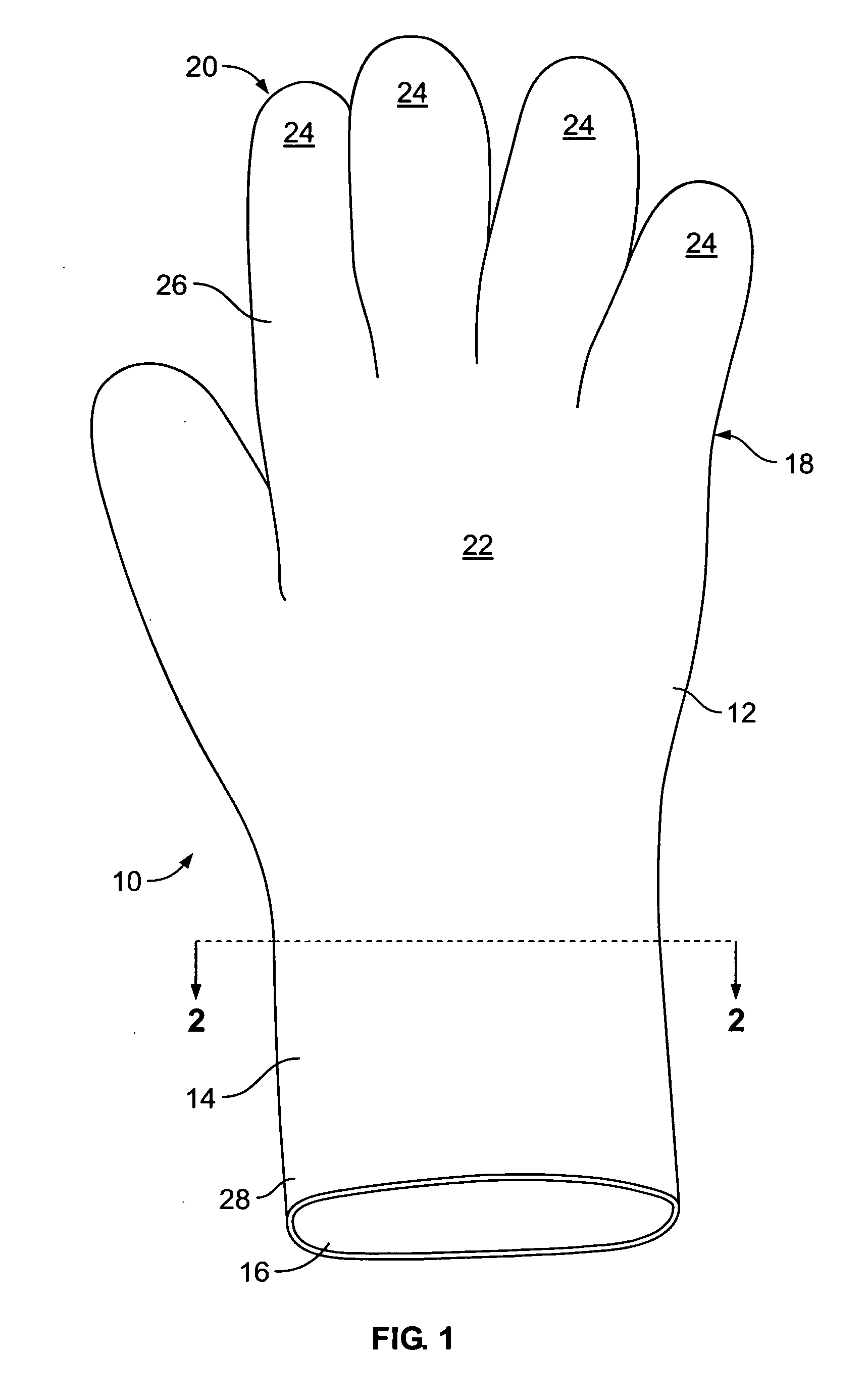
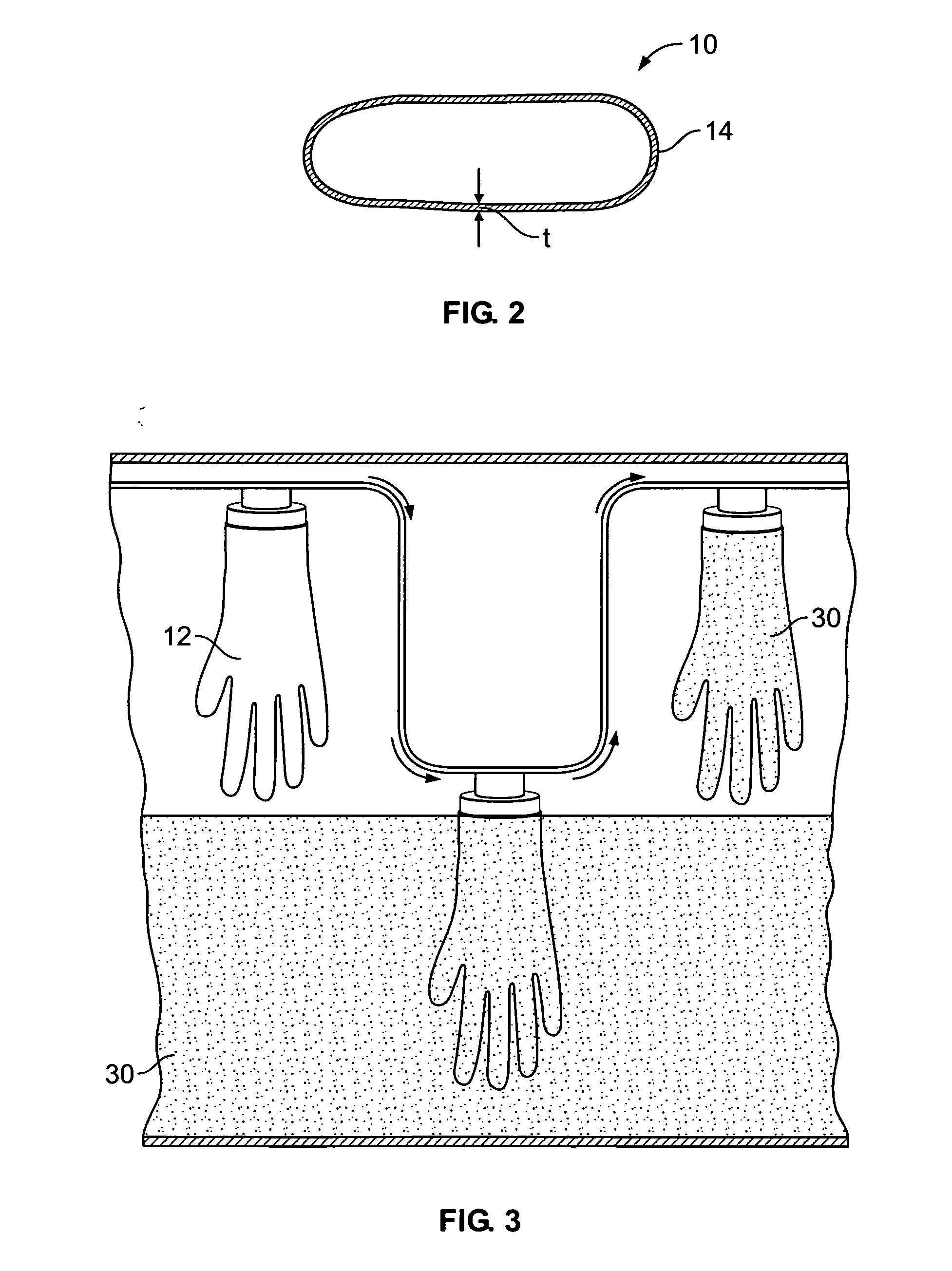
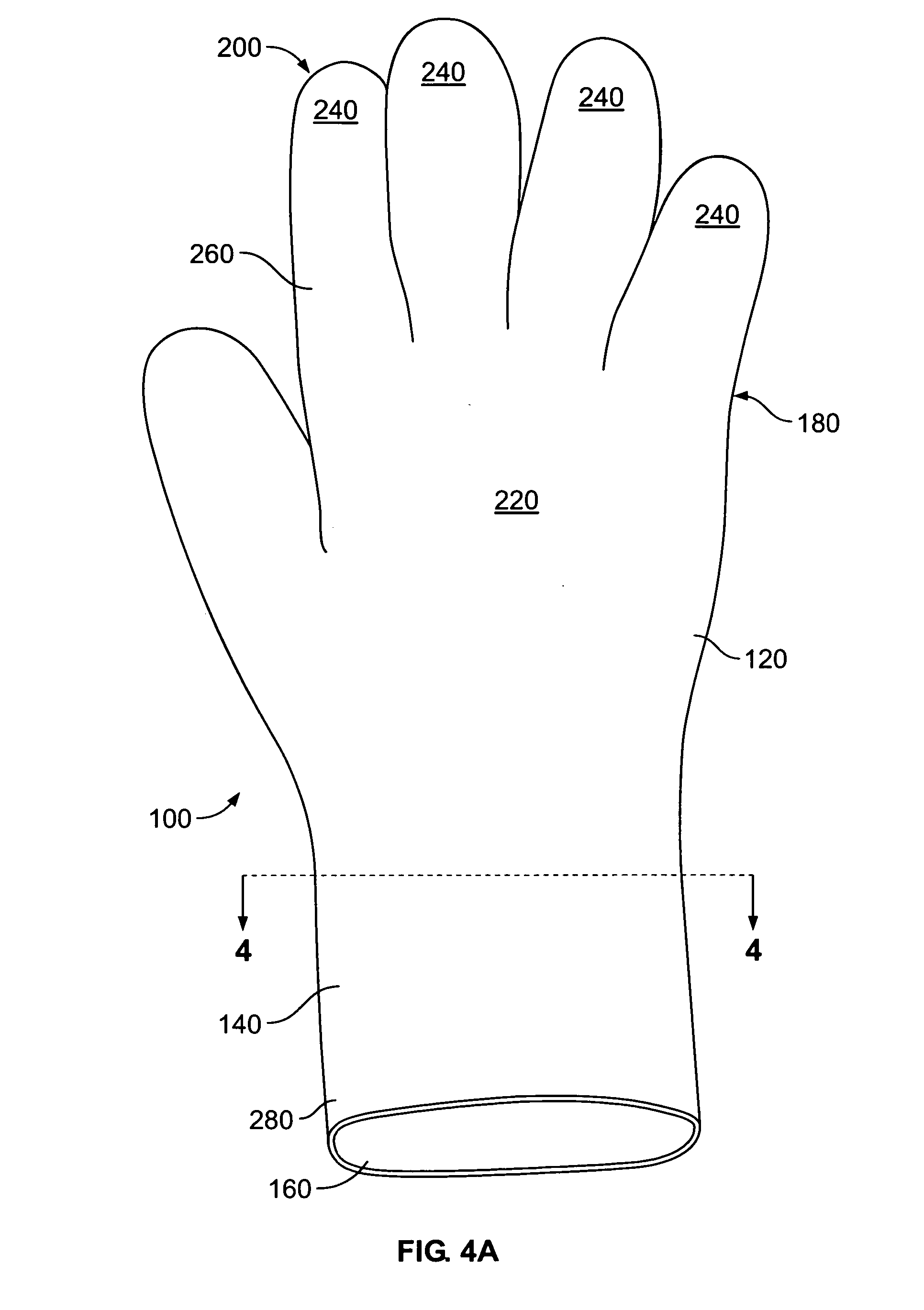
Disposable gloves
PatentInactiveUS20060222688A1
Innovation
- A disposable glove is created by blending polyisoprene with other non-latex materials like vinyl, nitrile, or neoprene, in ratios ranging from 0.05 to 0.95, potentially including plasticizers, elastomers, viscosity reducers, and stabilizing agents, to mimic the properties of latex gloves while reducing polyisoprene usage.

Environmental Regulations for Polyisoprene Manufacturing
The polyisoprene manufacturing industry operates under increasingly stringent environmental regulations that directly impact weight reduction optimization efforts. These regulations encompass air quality standards, water discharge limits, and waste management protocols that manufacturers must navigate while developing lighter polyisoprene formulations. The Environmental Protection Agency and international regulatory bodies have established specific emission thresholds for volatile organic compounds (VOCs) and hazardous air pollutants commonly associated with synthetic polyisoprene production processes.
Recent regulatory developments focus on lifecycle assessment requirements, mandating manufacturers to demonstrate environmental impact reduction throughout the entire production chain. This includes regulations on solvent usage, catalyst recovery systems, and energy consumption metrics that directly influence the feasibility of weight reduction technologies. The European Union's REACH regulation particularly affects additive selection and processing aid choices critical for achieving optimal density reduction in polyisoprene applications.
Waste minimization regulations significantly impact the development of lightweight polyisoprene variants, as traditional weight reduction methods often generate increased processing waste. Current regulations require comprehensive waste stream characterization and implementation of best available control technologies, which can limit certain foaming agents and blowing agents previously used for density reduction. Additionally, regulations governing workplace exposure limits for chemical additives restrict the use of specific lightweight fillers and processing aids.
Carbon footprint regulations and greenhouse gas reporting requirements are reshaping polyisoprene manufacturing approaches for weight-optimized products. These regulations incentivize the adoption of bio-based feedstocks and renewable energy sources, which can influence material properties and processing parameters essential for weight reduction. Compliance with these environmental standards often requires significant process modifications that must be carefully balanced against weight optimization objectives.
The regulatory landscape also includes emerging standards for microplastic emissions and end-of-life product management, which affect material design choices for lightweight polyisoprene applications. Manufacturers must ensure that weight reduction strategies align with circular economy principles and biodegradability requirements where applicable, creating additional constraints on formulation development and processing techniques.
Recent regulatory developments focus on lifecycle assessment requirements, mandating manufacturers to demonstrate environmental impact reduction throughout the entire production chain. This includes regulations on solvent usage, catalyst recovery systems, and energy consumption metrics that directly influence the feasibility of weight reduction technologies. The European Union's REACH regulation particularly affects additive selection and processing aid choices critical for achieving optimal density reduction in polyisoprene applications.
Waste minimization regulations significantly impact the development of lightweight polyisoprene variants, as traditional weight reduction methods often generate increased processing waste. Current regulations require comprehensive waste stream characterization and implementation of best available control technologies, which can limit certain foaming agents and blowing agents previously used for density reduction. Additionally, regulations governing workplace exposure limits for chemical additives restrict the use of specific lightweight fillers and processing aids.
Carbon footprint regulations and greenhouse gas reporting requirements are reshaping polyisoprene manufacturing approaches for weight-optimized products. These regulations incentivize the adoption of bio-based feedstocks and renewable energy sources, which can influence material properties and processing parameters essential for weight reduction. Compliance with these environmental standards often requires significant process modifications that must be carefully balanced against weight optimization objectives.
The regulatory landscape also includes emerging standards for microplastic emissions and end-of-life product management, which affect material design choices for lightweight polyisoprene applications. Manufacturers must ensure that weight reduction strategies align with circular economy principles and biodegradability requirements where applicable, creating additional constraints on formulation development and processing techniques.
Sustainability Considerations in Polyisoprene Optimization
The optimization of polyisoprene for weight reduction applications must be evaluated through a comprehensive sustainability lens that encompasses environmental, economic, and social dimensions. As industries increasingly prioritize circular economy principles, the development of lightweight polyisoprene materials presents both opportunities and challenges for sustainable manufacturing practices.
Environmental impact assessment reveals that weight reduction in polyisoprene applications can significantly decrease carbon footprint throughout the product lifecycle. Lighter automotive components, for instance, contribute to improved fuel efficiency and reduced greenhouse gas emissions during vehicle operation. However, the optimization process itself may require energy-intensive chemical modifications or the incorporation of additives that could potentially compromise biodegradability or recyclability characteristics.
The sourcing of raw materials for polyisoprene optimization presents critical sustainability considerations. Natural rubber derived from Hevea brasiliensis offers renewable resource advantages, yet synthetic polyisoprene production relies on petroleum-based feedstocks. Advanced optimization techniques increasingly explore bio-based alternatives and hybrid approaches that balance performance requirements with environmental responsibility.
Lifecycle assessment methodologies demonstrate that sustainable polyisoprene optimization extends beyond material properties to encompass manufacturing processes, transportation efficiency, and end-of-life management. Weight reduction strategies must consider the trade-offs between material performance, durability, and recyclability to ensure overall environmental benefits are not compromised by shortened product lifespans or increased waste generation.
Economic sustainability factors include the cost-effectiveness of optimization technologies, scalability of production processes, and long-term market viability. Sustainable optimization approaches often require initial investments in research and development, specialized equipment, and quality control systems, but can yield significant returns through reduced material consumption, improved energy efficiency, and enhanced product competitiveness.
Social sustainability aspects encompass worker safety during manufacturing processes, community impact of production facilities, and equitable access to lightweight polyisoprene technologies across different market segments. Responsible optimization practices must ensure that weight reduction benefits do not come at the expense of occupational health or environmental justice concerns in manufacturing communities.
Environmental impact assessment reveals that weight reduction in polyisoprene applications can significantly decrease carbon footprint throughout the product lifecycle. Lighter automotive components, for instance, contribute to improved fuel efficiency and reduced greenhouse gas emissions during vehicle operation. However, the optimization process itself may require energy-intensive chemical modifications or the incorporation of additives that could potentially compromise biodegradability or recyclability characteristics.
The sourcing of raw materials for polyisoprene optimization presents critical sustainability considerations. Natural rubber derived from Hevea brasiliensis offers renewable resource advantages, yet synthetic polyisoprene production relies on petroleum-based feedstocks. Advanced optimization techniques increasingly explore bio-based alternatives and hybrid approaches that balance performance requirements with environmental responsibility.
Lifecycle assessment methodologies demonstrate that sustainable polyisoprene optimization extends beyond material properties to encompass manufacturing processes, transportation efficiency, and end-of-life management. Weight reduction strategies must consider the trade-offs between material performance, durability, and recyclability to ensure overall environmental benefits are not compromised by shortened product lifespans or increased waste generation.
Economic sustainability factors include the cost-effectiveness of optimization technologies, scalability of production processes, and long-term market viability. Sustainable optimization approaches often require initial investments in research and development, specialized equipment, and quality control systems, but can yield significant returns through reduced material consumption, improved energy efficiency, and enhanced product competitiveness.
Social sustainability aspects encompass worker safety during manufacturing processes, community impact of production facilities, and equitable access to lightweight polyisoprene technologies across different market segments. Responsible optimization practices must ensure that weight reduction benefits do not come at the expense of occupational health or environmental justice concerns in manufacturing communities.
Unlock deeper insights with PatSnap Eureka Quick Research — get a full tech report to explore trends and direct your research. Try now!
Generate Your Research Report Instantly with AI Agent
Supercharge your innovation with PatSnap Eureka AI Agent Platform!