
Optimize Power Usage in Peristaltic Pumps for Energy Efficiency
MAR 13, 20268 MIN READ
Generate Your Research Report Instantly with AI Agent
Patsnap Eureka helps you evaluate technical feasibility & market potential.
Peristaltic Pump Power Optimization Background and Objectives
Peristaltic pumps have emerged as critical components in numerous industrial applications due to their unique ability to handle sensitive fluids without contamination. These positive displacement pumps operate by compressing flexible tubing through rotating rollers or shoes, creating a sealed chamber that moves fluid along the tube. This mechanism makes them indispensable in pharmaceutical manufacturing, food processing, chemical handling, and medical devices where sterility and precision are paramount.
The evolution of peristaltic pump technology spans over six decades, beginning with simple manual designs in the 1950s to today's sophisticated computer-controlled systems. Early developments focused primarily on reliability and flow accuracy, with limited attention to energy consumption. However, the growing emphasis on sustainability and operational cost reduction has shifted industry focus toward energy-efficient designs.
Current market demands reflect increasing pressure for environmentally responsible manufacturing processes. Industries are mandated to reduce carbon footprints while maintaining operational excellence, creating a compelling need for energy-optimized pumping solutions. The global push toward Industry 4.0 has further accelerated requirements for smart, efficient pump systems that can integrate with automated production lines.
Traditional peristaltic pump designs often exhibit suboptimal energy utilization due to inherent mechanical inefficiencies. The compression mechanism requires significant force to occlude tubing completely, while maintaining consistent flow rates demands continuous high torque. Additionally, friction losses between rollers and tubing, along with motor inefficiencies, contribute to substantial energy waste.
The primary objective of power optimization in peristaltic pumps centers on achieving maximum volumetric efficiency while minimizing electrical energy consumption. This involves developing advanced motor control algorithms, optimizing mechanical compression ratios, and implementing intelligent speed modulation based on real-time flow requirements. Secondary objectives include extending component lifespan through reduced mechanical stress and enabling predictive maintenance capabilities.
Successful power optimization must balance multiple performance parameters including flow accuracy, pressure capability, and operational reliability. The ultimate goal is creating pump systems that deliver 30-40% energy savings compared to conventional designs while maintaining or improving fluid handling precision and system durability.
The evolution of peristaltic pump technology spans over six decades, beginning with simple manual designs in the 1950s to today's sophisticated computer-controlled systems. Early developments focused primarily on reliability and flow accuracy, with limited attention to energy consumption. However, the growing emphasis on sustainability and operational cost reduction has shifted industry focus toward energy-efficient designs.
Current market demands reflect increasing pressure for environmentally responsible manufacturing processes. Industries are mandated to reduce carbon footprints while maintaining operational excellence, creating a compelling need for energy-optimized pumping solutions. The global push toward Industry 4.0 has further accelerated requirements for smart, efficient pump systems that can integrate with automated production lines.
Traditional peristaltic pump designs often exhibit suboptimal energy utilization due to inherent mechanical inefficiencies. The compression mechanism requires significant force to occlude tubing completely, while maintaining consistent flow rates demands continuous high torque. Additionally, friction losses between rollers and tubing, along with motor inefficiencies, contribute to substantial energy waste.
The primary objective of power optimization in peristaltic pumps centers on achieving maximum volumetric efficiency while minimizing electrical energy consumption. This involves developing advanced motor control algorithms, optimizing mechanical compression ratios, and implementing intelligent speed modulation based on real-time flow requirements. Secondary objectives include extending component lifespan through reduced mechanical stress and enabling predictive maintenance capabilities.
Successful power optimization must balance multiple performance parameters including flow accuracy, pressure capability, and operational reliability. The ultimate goal is creating pump systems that deliver 30-40% energy savings compared to conventional designs while maintaining or improving fluid handling precision and system durability.
Market Demand for Energy-Efficient Peristaltic Pumps
The global peristaltic pump market is experiencing significant growth driven by increasing environmental regulations and rising energy costs across multiple industries. Healthcare facilities, pharmaceutical manufacturing, water treatment plants, and chemical processing operations are actively seeking energy-efficient pumping solutions to reduce operational expenses and meet sustainability targets. This demand is particularly pronounced in developed markets where energy costs represent a substantial portion of operational budgets.
Healthcare applications represent the largest market segment for energy-efficient peristaltic pumps, with hospitals and medical device manufacturers prioritizing equipment that minimizes power consumption while maintaining precise fluid handling capabilities. The pharmaceutical industry demonstrates strong demand for optimized pumps in drug manufacturing processes, where continuous operation requirements make energy efficiency critical for cost management. Laboratory automation systems increasingly specify low-power peristaltic pumps to reduce facility energy loads and heat generation.
Industrial water treatment facilities are driving substantial demand for energy-optimized peristaltic pumps, particularly in municipal wastewater treatment and industrial process water applications. These facilities operate pumps continuously, making power consumption optimization a primary selection criterion. The chemical processing industry shows growing interest in energy-efficient pumping solutions for corrosive fluid handling, where peristaltic pumps offer both chemical compatibility and reduced energy consumption.
Emerging markets in Asia-Pacific and Latin America present expanding opportunities for energy-efficient peristaltic pumps as industrial infrastructure development accelerates. These regions increasingly adopt energy efficiency standards similar to developed markets, creating demand for optimized pumping technologies. Food and beverage processing facilities in these markets particularly value energy-efficient peristaltic pumps for hygienic fluid transfer applications.
The market trend toward Industry 4.0 and smart manufacturing is amplifying demand for intelligent peristaltic pumps with energy monitoring and optimization capabilities. Manufacturers seek pumps that integrate with facility energy management systems to provide real-time power consumption data and automated efficiency optimization. This technological convergence creates opportunities for advanced energy-efficient peristaltic pump solutions that combine traditional mechanical optimization with digital intelligence features.
Healthcare applications represent the largest market segment for energy-efficient peristaltic pumps, with hospitals and medical device manufacturers prioritizing equipment that minimizes power consumption while maintaining precise fluid handling capabilities. The pharmaceutical industry demonstrates strong demand for optimized pumps in drug manufacturing processes, where continuous operation requirements make energy efficiency critical for cost management. Laboratory automation systems increasingly specify low-power peristaltic pumps to reduce facility energy loads and heat generation.
Industrial water treatment facilities are driving substantial demand for energy-optimized peristaltic pumps, particularly in municipal wastewater treatment and industrial process water applications. These facilities operate pumps continuously, making power consumption optimization a primary selection criterion. The chemical processing industry shows growing interest in energy-efficient pumping solutions for corrosive fluid handling, where peristaltic pumps offer both chemical compatibility and reduced energy consumption.
Emerging markets in Asia-Pacific and Latin America present expanding opportunities for energy-efficient peristaltic pumps as industrial infrastructure development accelerates. These regions increasingly adopt energy efficiency standards similar to developed markets, creating demand for optimized pumping technologies. Food and beverage processing facilities in these markets particularly value energy-efficient peristaltic pumps for hygienic fluid transfer applications.
The market trend toward Industry 4.0 and smart manufacturing is amplifying demand for intelligent peristaltic pumps with energy monitoring and optimization capabilities. Manufacturers seek pumps that integrate with facility energy management systems to provide real-time power consumption data and automated efficiency optimization. This technological convergence creates opportunities for advanced energy-efficient peristaltic pump solutions that combine traditional mechanical optimization with digital intelligence features.
Current Power Consumption Issues in Peristaltic Pumps
Peristaltic pumps face significant power consumption challenges that directly impact their operational efficiency and cost-effectiveness across various industrial applications. The primary issue stems from the inherent mechanical design where rollers or shoes compress flexible tubing against a circular housing, creating substantial friction and mechanical resistance that demands continuous high torque from the drive motor.
Motor inefficiencies represent a critical power consumption concern in current peristaltic pump systems. Most conventional designs utilize standard AC motors or basic DC motors with limited speed control capabilities, operating at fixed speeds regardless of actual flow requirements. This results in substantial energy waste during low-demand periods and contributes to unnecessary power draw when precise flow control is not implemented.
The compression mechanism itself generates considerable energy losses through mechanical friction between moving components. Traditional roller designs create significant contact pressure against the tubing, requiring substantial force to maintain proper occlusion while simultaneously generating heat and mechanical wear. This continuous compression-decompression cycle demands consistent high-power input to overcome the inherent resistance of the flexible tubing material.
Tubing material properties significantly influence power consumption patterns in peristaltic pumps. Harder tubing materials require greater compression forces, directly increasing motor load and power requirements. Additionally, tubing degradation over time leads to increased stiffness, progressively elevating power consumption as the system compensates for reduced flexibility and elasticity.
Control system limitations in existing peristaltic pump designs contribute to suboptimal power utilization. Many current systems lack sophisticated feedback mechanisms to adjust motor speed and torque based on actual flow requirements or system backpressure conditions. This absence of intelligent control results in constant high-power operation regardless of varying application demands.
Thermal management issues compound power consumption problems as excessive heat generation from mechanical friction and motor inefficiencies requires additional cooling systems. These auxiliary cooling mechanisms further increase overall system power requirements while reducing operational efficiency. The cumulative effect of these thermal losses significantly impacts the total energy footprint of peristaltic pump operations in industrial settings.
Motor inefficiencies represent a critical power consumption concern in current peristaltic pump systems. Most conventional designs utilize standard AC motors or basic DC motors with limited speed control capabilities, operating at fixed speeds regardless of actual flow requirements. This results in substantial energy waste during low-demand periods and contributes to unnecessary power draw when precise flow control is not implemented.
The compression mechanism itself generates considerable energy losses through mechanical friction between moving components. Traditional roller designs create significant contact pressure against the tubing, requiring substantial force to maintain proper occlusion while simultaneously generating heat and mechanical wear. This continuous compression-decompression cycle demands consistent high-power input to overcome the inherent resistance of the flexible tubing material.
Tubing material properties significantly influence power consumption patterns in peristaltic pumps. Harder tubing materials require greater compression forces, directly increasing motor load and power requirements. Additionally, tubing degradation over time leads to increased stiffness, progressively elevating power consumption as the system compensates for reduced flexibility and elasticity.
Control system limitations in existing peristaltic pump designs contribute to suboptimal power utilization. Many current systems lack sophisticated feedback mechanisms to adjust motor speed and torque based on actual flow requirements or system backpressure conditions. This absence of intelligent control results in constant high-power operation regardless of varying application demands.
Thermal management issues compound power consumption problems as excessive heat generation from mechanical friction and motor inefficiencies requires additional cooling systems. These auxiliary cooling mechanisms further increase overall system power requirements while reducing operational efficiency. The cumulative effect of these thermal losses significantly impacts the total energy footprint of peristaltic pump operations in industrial settings.
Existing Power Optimization Solutions for Peristaltic Pumps
01 Power control and energy efficiency optimization in peristaltic pumps
Technologies focused on controlling and optimizing the power consumption of peristaltic pumps through various methods including variable speed control, intelligent power management systems, and energy-efficient motor designs. These approaches aim to reduce overall power usage while maintaining pump performance, often incorporating feedback mechanisms and adaptive control algorithms to adjust power delivery based on operational requirements.- Power control and energy efficiency optimization in peristaltic pumps: Technologies focused on controlling and optimizing the power consumption of peristaltic pumps through various methods including variable speed control, intelligent power management systems, and energy-efficient motor designs. These approaches aim to reduce overall power usage while maintaining pump performance, often incorporating feedback mechanisms and adaptive control algorithms to adjust power delivery based on operational requirements.
- Motor drive systems and power supply configurations: Innovations in motor drive systems and power supply architectures specifically designed for peristaltic pumps. These include specialized power conversion circuits, motor driver configurations, and electrical supply systems that optimize power delivery to the pump motor. The technologies address power factor correction, voltage regulation, and efficient power transmission to minimize energy losses during pump operation.
- Low-power and battery-operated peristaltic pump designs: Development of peristaltic pumps optimized for low-power operation and battery-powered applications. These designs incorporate power-saving features, efficient mechanical configurations, and specialized control circuits that enable extended operation on limited power sources. The technologies are particularly suitable for portable, medical, and remote applications where power availability is constrained.
- Power monitoring and consumption measurement systems: Systems and methods for monitoring, measuring, and analyzing power consumption in peristaltic pumps. These technologies include sensors, measurement circuits, and data processing algorithms that track real-time power usage, identify inefficiencies, and provide feedback for operational optimization. The monitoring capabilities enable predictive maintenance and performance analysis based on power consumption patterns.
- Mechanical design improvements for reduced power requirements: Mechanical innovations in peristaltic pump design that reduce the power needed for operation. These include optimized roller configurations, improved tubing materials, enhanced bearing systems, and friction-reducing mechanisms. The mechanical improvements decrease the load on the motor, thereby reducing overall power consumption while maintaining or improving flow characteristics and pump longevity.
02 Motor drive systems and power supply configurations
Innovations in motor drive systems and power supply architectures specifically designed for peristaltic pumps. These include specialized power conversion circuits, battery-powered systems, and efficient motor driver configurations that minimize energy losses during operation. The technologies address power delivery optimization and voltage regulation to ensure consistent pump performance across varying load conditions.Expand Specific Solutions03 Low-power and portable peristaltic pump designs
Development of peristaltic pumps optimized for low power consumption, particularly for portable and battery-operated applications. These designs incorporate miniaturized components, efficient mechanical configurations, and power-saving operational modes to extend battery life and reduce energy requirements. The focus is on maintaining adequate pumping performance while minimizing power draw for mobile medical devices and field applications.Expand Specific Solutions04 Power monitoring and measurement systems
Systems and methods for monitoring, measuring, and analyzing power consumption in peristaltic pumps during operation. These technologies enable real-time tracking of energy usage, power demand profiling, and diagnostic capabilities to identify inefficiencies. The monitoring systems provide data for optimizing pump operation and predicting maintenance needs based on power consumption patterns.Expand Specific Solutions05 Adaptive power management for variable flow applications
Advanced power management techniques that dynamically adjust power consumption based on flow rate requirements and operational conditions. These systems utilize sensors and control algorithms to match power delivery with actual pumping demands, reducing unnecessary energy expenditure during low-flow or standby periods. The adaptive approaches optimize power usage across different operating scenarios while ensuring precise flow control.Expand Specific Solutions
Key Players in Energy-Efficient Peristaltic Pump Industry
The peristaltic pump power optimization market is in a mature growth stage, driven by increasing energy efficiency demands across medical, industrial, and water management sectors. The market demonstrates significant scale with established players like KSB, Grundfos, and WILO dominating industrial applications, while specialized companies such as Ismatec, Baoding Longer Precision Pump, and ZEVEX focus on precision medical applications. Technology maturity varies considerably across segments - medical device companies like Medtronic, B. Braun, and Fresenius Vial have achieved high sophistication in biocompatible, energy-efficient designs, whereas industrial players like ABB, Bosch, and Graco are advancing smart motor control and IoT integration. Emerging players from Asia, including SWS Hemodialysis and Sedin Engineering, are introducing cost-effective solutions with competitive power efficiency. The competitive landscape shows clear segmentation between high-precision medical applications requiring stringent regulatory compliance and industrial applications prioritizing robust, scalable energy optimization technologies.
Medtronic, Inc.
Technical Solution: Medtronic has developed proprietary power management systems for medical peristaltic pumps focusing on battery life optimization and energy-efficient motor control. Their technology employs advanced pulse-width modulation (PWM) techniques combined with low-power microcontrollers to minimize energy consumption during drug delivery and dialysis applications. The system includes intelligent sleep modes, dynamic voltage scaling, and optimized rotor positioning algorithms that reduce power draw by approximately 40% while maintaining clinical accuracy. Their pumps feature adaptive compression algorithms that adjust roller pressure based on tubing characteristics and fluid viscosity, further enhancing energy efficiency without compromising therapeutic effectiveness.
Strengths: Specialized expertise in medical applications with stringent safety and efficiency requirements. Weaknesses: Limited to medical market segment with regulatory constraints affecting broader applications.
Grundfos Management A/S
Technical Solution: Grundfos has developed advanced variable frequency drive (VFD) technology integrated with intelligent motor control systems for peristaltic pumps to optimize power consumption. Their solution incorporates real-time flow monitoring and adaptive speed control algorithms that automatically adjust pump operation based on actual demand, reducing energy consumption by up to 50% compared to constant-speed operations. The system features predictive maintenance capabilities using IoT sensors to monitor pump performance and detect inefficiencies before they impact energy usage. Additionally, their smart pump controllers utilize machine learning algorithms to optimize operational parameters continuously, ensuring maximum energy efficiency while maintaining precise flow control required for critical applications.
Strengths: Market leader in pump technology with extensive R&D capabilities and proven energy-efficient solutions. Weaknesses: Higher initial investment costs and complexity in system integration.
Core Patents in Peristaltic Pump Energy Efficiency
Controlling pumps for improved energy efficiency
PatentActiveUS9181953B2
Innovation
- A method and system that measure instantaneous power consumption and fluid flow rate to determine specific energy consumption, adjusting pump speed to minimize energy usage, with the ability to adjust speed in both directions and modify adjustment sizes based on changing energy consumption, without prior knowledge of pump or system curves.
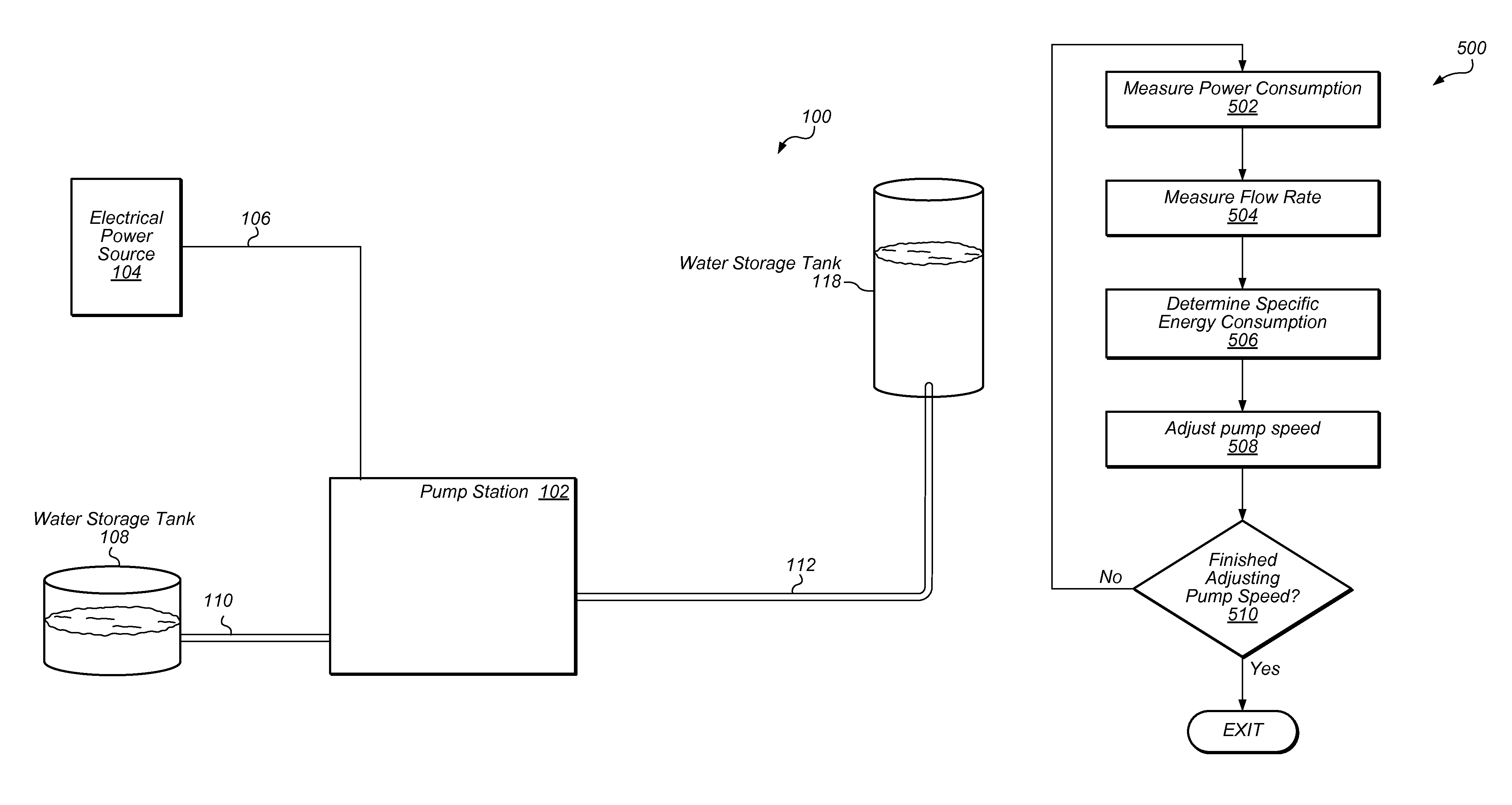
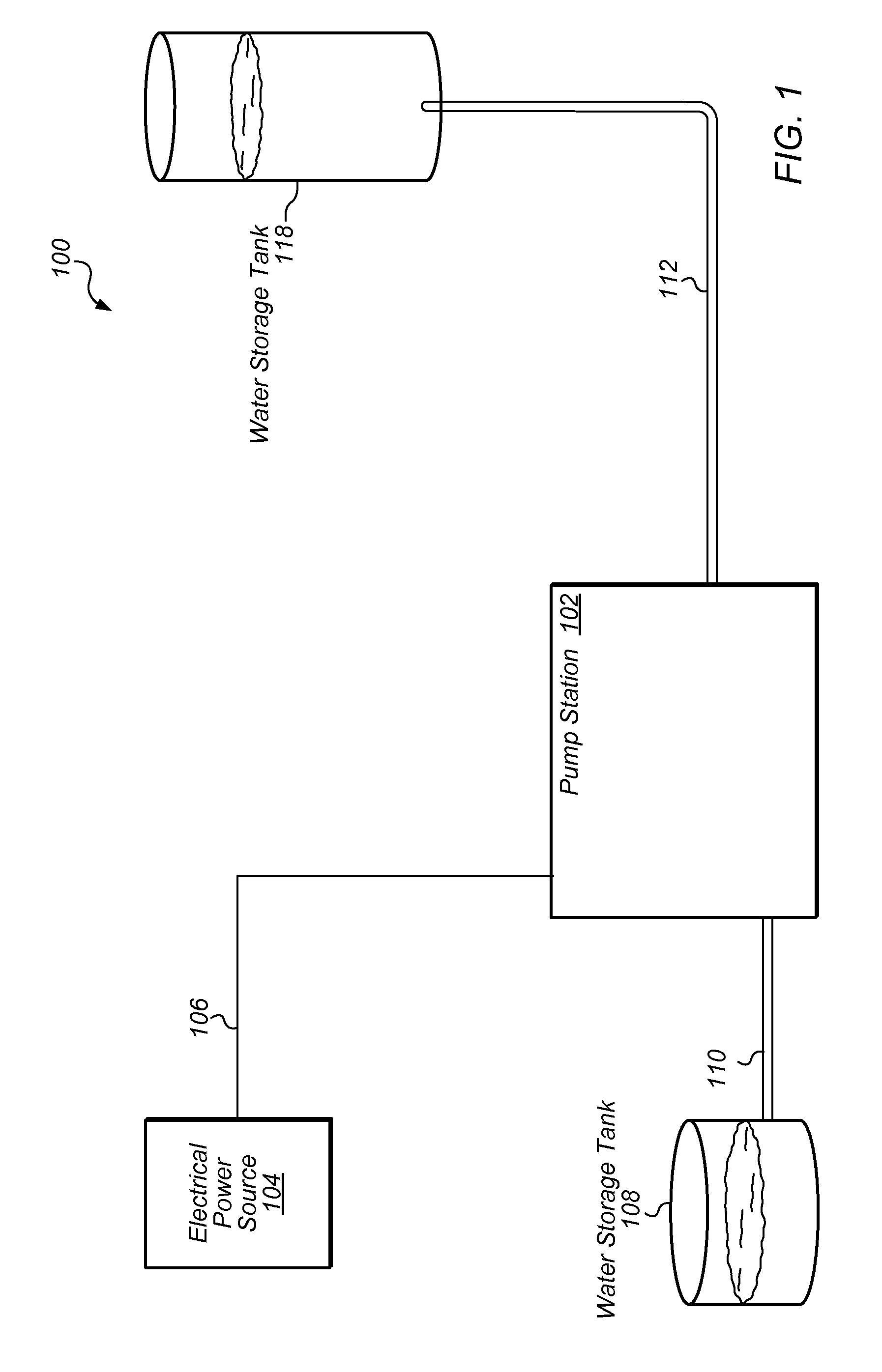
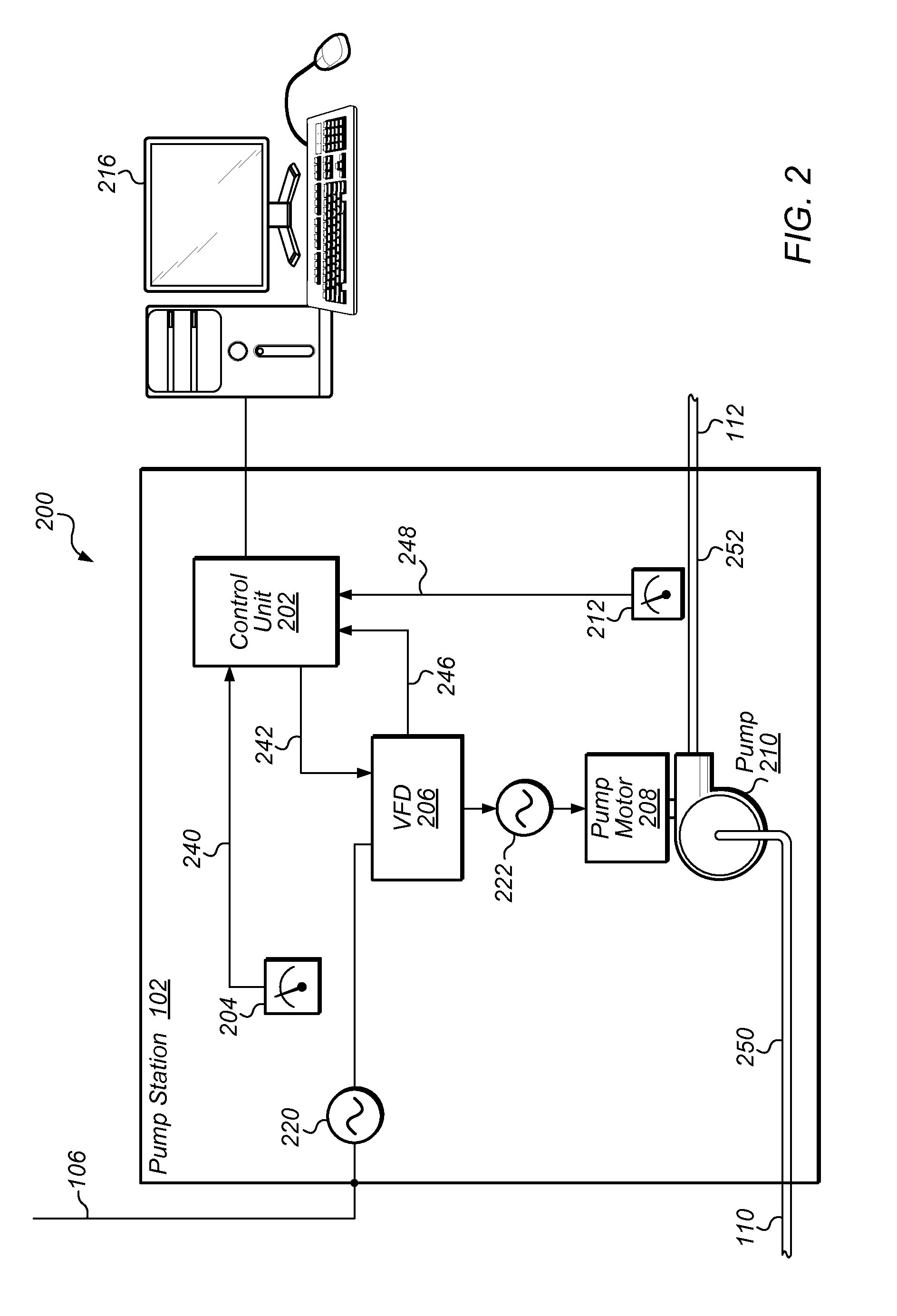

Method for the energy-optimized regulation of the speed of a pump unit
PatentActiveEP2944821A1
Innovation
- A method for energy-optimal operation of variable-speed pump units, where the pump speed is calculated to minimize volume flow-specific energy consumption based on system characteristic curves, allowing the pump to operate at the speed that results in the lowest energy usage, unless extraordinary conditions require a different setting.


Energy Efficiency Standards for Industrial Pumps
The regulatory landscape for industrial pump energy efficiency has evolved significantly over the past two decades, driven by global sustainability initiatives and rising energy costs. The European Union's ErP Directive 2009/125/EC established the foundation for pump efficiency standards, mandating minimum energy performance requirements for water pumps. This directive introduced the Energy Efficiency Index (EEI) as a key metric, requiring pumps to achieve specific efficiency thresholds based on their operational characteristics.
In the United States, the Department of Energy (DOE) implemented comprehensive pump efficiency standards under the Energy Policy and Conservation Act, effective from January 2020. These standards apply to clean water pumps, including certain categories of peristaltic pumps used in industrial applications. The regulations establish minimum energy efficiency requirements based on pump-specific speed and flow rate parameters, with compliance measured through standardized testing procedures.
The International Electrotechnical Commission (IEC) has developed IEC 60034-30-1 standards specifically addressing motor efficiency classes, which directly impact peristaltic pump systems. These standards define IE1 through IE5 efficiency classes, with IE3 becoming the minimum requirement in many jurisdictions. For peristaltic pumps, motor efficiency represents a critical component of overall system performance, as these pumps typically operate continuously in industrial processes.
China's GB 19762 standard and Japan's Top Runner Program have established regional efficiency benchmarks that influence global manufacturing practices. These standards often incorporate lifecycle energy consumption assessments, pushing manufacturers to optimize not only pump hydraulic efficiency but also motor control systems and variable frequency drive integration.
Recent developments include the introduction of smart pump standards that encompass IoT connectivity and predictive maintenance capabilities. The ISO 50001 energy management framework increasingly influences pump selection criteria, requiring industrial facilities to demonstrate measurable energy performance improvements. These evolving standards create both challenges and opportunities for peristaltic pump optimization, particularly in applications requiring precise flow control and contamination-free operation.
Compliance verification typically involves third-party testing laboratories using standardized test rigs that simulate real-world operating conditions, ensuring that efficiency claims translate to actual energy savings in industrial environments.
In the United States, the Department of Energy (DOE) implemented comprehensive pump efficiency standards under the Energy Policy and Conservation Act, effective from January 2020. These standards apply to clean water pumps, including certain categories of peristaltic pumps used in industrial applications. The regulations establish minimum energy efficiency requirements based on pump-specific speed and flow rate parameters, with compliance measured through standardized testing procedures.
The International Electrotechnical Commission (IEC) has developed IEC 60034-30-1 standards specifically addressing motor efficiency classes, which directly impact peristaltic pump systems. These standards define IE1 through IE5 efficiency classes, with IE3 becoming the minimum requirement in many jurisdictions. For peristaltic pumps, motor efficiency represents a critical component of overall system performance, as these pumps typically operate continuously in industrial processes.
China's GB 19762 standard and Japan's Top Runner Program have established regional efficiency benchmarks that influence global manufacturing practices. These standards often incorporate lifecycle energy consumption assessments, pushing manufacturers to optimize not only pump hydraulic efficiency but also motor control systems and variable frequency drive integration.
Recent developments include the introduction of smart pump standards that encompass IoT connectivity and predictive maintenance capabilities. The ISO 50001 energy management framework increasingly influences pump selection criteria, requiring industrial facilities to demonstrate measurable energy performance improvements. These evolving standards create both challenges and opportunities for peristaltic pump optimization, particularly in applications requiring precise flow control and contamination-free operation.
Compliance verification typically involves third-party testing laboratories using standardized test rigs that simulate real-world operating conditions, ensuring that efficiency claims translate to actual energy savings in industrial environments.
Sustainability Impact of Energy-Optimized Peristaltic Pumps
Energy-optimized peristaltic pumps represent a significant advancement in sustainable fluid handling technology, offering substantial environmental benefits across multiple dimensions. The reduction in power consumption directly translates to decreased carbon emissions, particularly in industrial applications where pump systems operate continuously. Studies indicate that optimized peristaltic pumps can achieve energy savings of 20-40% compared to conventional designs, resulting in proportional reductions in greenhouse gas emissions from power generation.
The extended operational lifespan of energy-efficient peristaltic pumps contributes meaningfully to circular economy principles. Enhanced motor efficiency and intelligent control systems reduce mechanical stress and wear, potentially doubling equipment service life. This longevity directly impacts resource conservation by minimizing the frequency of equipment replacement and reducing demand for raw materials such as rare earth elements used in motor magnets and specialized polymers for tubing components.
Water conservation emerges as another critical sustainability benefit, particularly in applications requiring precise fluid metering. Energy-optimized pumps with advanced flow control algorithms minimize waste through improved accuracy and reduced system leakage. In pharmaceutical and chemical processing industries, this precision translates to reduced raw material consumption and decreased waste generation, supporting zero-waste manufacturing initiatives.
The integration of smart monitoring capabilities in energy-optimized peristaltic pumps enables predictive maintenance strategies that further enhance sustainability outcomes. Real-time performance data allows for proactive component replacement, preventing catastrophic failures that could result in environmental contamination or significant material waste. This approach reduces unplanned downtime and extends overall system reliability.
From a broader industrial ecology perspective, the adoption of energy-efficient peristaltic pumps supports corporate sustainability goals and regulatory compliance. Many jurisdictions now mandate energy efficiency improvements in industrial equipment, making optimized pump systems essential for maintaining operational licenses. The cumulative impact of widespread adoption could significantly contribute to national carbon reduction targets and industrial decarbonization efforts.
The extended operational lifespan of energy-efficient peristaltic pumps contributes meaningfully to circular economy principles. Enhanced motor efficiency and intelligent control systems reduce mechanical stress and wear, potentially doubling equipment service life. This longevity directly impacts resource conservation by minimizing the frequency of equipment replacement and reducing demand for raw materials such as rare earth elements used in motor magnets and specialized polymers for tubing components.
Water conservation emerges as another critical sustainability benefit, particularly in applications requiring precise fluid metering. Energy-optimized pumps with advanced flow control algorithms minimize waste through improved accuracy and reduced system leakage. In pharmaceutical and chemical processing industries, this precision translates to reduced raw material consumption and decreased waste generation, supporting zero-waste manufacturing initiatives.
The integration of smart monitoring capabilities in energy-optimized peristaltic pumps enables predictive maintenance strategies that further enhance sustainability outcomes. Real-time performance data allows for proactive component replacement, preventing catastrophic failures that could result in environmental contamination or significant material waste. This approach reduces unplanned downtime and extends overall system reliability.
From a broader industrial ecology perspective, the adoption of energy-efficient peristaltic pumps supports corporate sustainability goals and regulatory compliance. Many jurisdictions now mandate energy efficiency improvements in industrial equipment, making optimized pump systems essential for maintaining operational licenses. The cumulative impact of widespread adoption could significantly contribute to national carbon reduction targets and industrial decarbonization efforts.
Unlock deeper insights with Patsnap Eureka Quick Research — get a full tech report to explore trends and direct your research. Try now!
Generate Your Research Report Instantly with AI Agent
Supercharge your innovation with Patsnap Eureka AI Agent Platform!