Optimize Printed Electronics encapsulation thickness for 1000h 85/85
APR 30, 20269 MIN READ
Generate Your Research Report Instantly with AI Agent
PatSnap Eureka helps you evaluate technical feasibility & market potential.
Printed Electronics Encapsulation Background and Objectives
Printed electronics represents a revolutionary manufacturing paradigm that enables the production of electronic devices through conventional printing processes. This technology utilizes conductive inks, substrates, and printing techniques such as inkjet, screen printing, and flexographic printing to create electronic components on flexible materials like plastic, paper, or textile. The fundamental appeal lies in its potential for low-cost, high-volume production of lightweight, flexible electronic devices that can be integrated into various applications ranging from smart packaging to wearable sensors.
The encapsulation of printed electronic devices has emerged as one of the most critical technical challenges limiting widespread commercial adoption. Unlike traditional silicon-based electronics housed in rigid protective casings, printed electronics require specialized barrier protection that maintains flexibility while preventing environmental degradation. The encapsulation layer serves as the primary defense mechanism against moisture, oxygen, and other environmental factors that can severely compromise device performance and longevity.
The specific challenge of optimizing encapsulation thickness for 1000-hour durability under 85°C temperature and 85% relative humidity conditions represents a stringent reliability benchmark in the electronics industry. These accelerated aging test conditions, commonly referred to as 85/85 testing, simulate years of real-world environmental exposure in a compressed timeframe. The harsh combination of elevated temperature and humidity creates an aggressive environment that accelerates chemical degradation processes, making it an ideal stress test for evaluating long-term device reliability.
Current encapsulation approaches face a fundamental trade-off between protection effectiveness and manufacturing practicality. Thicker encapsulation layers generally provide superior barrier properties but introduce challenges including increased material costs, processing complexity, and potential mechanical stress on the underlying printed circuits. Conversely, thinner layers may compromise long-term reliability while offering advantages in flexibility, cost-effectiveness, and manufacturing scalability.
The primary objective of this research focuses on identifying the optimal encapsulation thickness that ensures device survival through 1000-hour 85/85 testing while maintaining manufacturing feasibility and cost-effectiveness. This optimization requires comprehensive understanding of barrier material properties, degradation mechanisms, and the relationship between layer thickness and protective performance. Success in this endeavor would significantly advance the commercial viability of printed electronics by establishing reliable protection standards for demanding environmental conditions.
The encapsulation of printed electronic devices has emerged as one of the most critical technical challenges limiting widespread commercial adoption. Unlike traditional silicon-based electronics housed in rigid protective casings, printed electronics require specialized barrier protection that maintains flexibility while preventing environmental degradation. The encapsulation layer serves as the primary defense mechanism against moisture, oxygen, and other environmental factors that can severely compromise device performance and longevity.
The specific challenge of optimizing encapsulation thickness for 1000-hour durability under 85°C temperature and 85% relative humidity conditions represents a stringent reliability benchmark in the electronics industry. These accelerated aging test conditions, commonly referred to as 85/85 testing, simulate years of real-world environmental exposure in a compressed timeframe. The harsh combination of elevated temperature and humidity creates an aggressive environment that accelerates chemical degradation processes, making it an ideal stress test for evaluating long-term device reliability.
Current encapsulation approaches face a fundamental trade-off between protection effectiveness and manufacturing practicality. Thicker encapsulation layers generally provide superior barrier properties but introduce challenges including increased material costs, processing complexity, and potential mechanical stress on the underlying printed circuits. Conversely, thinner layers may compromise long-term reliability while offering advantages in flexibility, cost-effectiveness, and manufacturing scalability.
The primary objective of this research focuses on identifying the optimal encapsulation thickness that ensures device survival through 1000-hour 85/85 testing while maintaining manufacturing feasibility and cost-effectiveness. This optimization requires comprehensive understanding of barrier material properties, degradation mechanisms, and the relationship between layer thickness and protective performance. Success in this endeavor would significantly advance the commercial viability of printed electronics by establishing reliable protection standards for demanding environmental conditions.
Market Demand for Durable Printed Electronics
The global printed electronics market is experiencing unprecedented growth driven by the increasing demand for flexible, lightweight, and cost-effective electronic solutions across multiple industries. Consumer electronics manufacturers are particularly seeking durable printed electronic components that can withstand harsh environmental conditions while maintaining performance reliability. The automotive sector represents a significant growth driver, with applications ranging from flexible displays and sensors to heating elements and smart packaging solutions requiring robust encapsulation technologies.
Healthcare and medical device industries are emerging as key market segments demanding printed electronics with enhanced durability specifications. Wearable medical monitors, smart bandages, and implantable sensors require components that can operate reliably under physiological conditions, including exposure to moisture and temperature variations. The stringent 1000-hour 85°C/85% relative humidity testing standard has become a critical benchmark for market acceptance in these applications.
Industrial Internet of Things deployments are creating substantial demand for printed sensors and communication devices that must operate in challenging environments. Manufacturing facilities, agricultural monitoring systems, and infrastructure monitoring applications require printed electronics capable of withstanding prolonged exposure to temperature fluctuations and humidity variations. The ability to pass accelerated aging tests under 85/85 conditions has become a fundamental requirement for market penetration in these sectors.
The packaging industry is driving significant demand for smart packaging solutions incorporating printed electronics for supply chain tracking, freshness monitoring, and consumer interaction. These applications require encapsulation technologies that protect printed circuits from moisture ingress while maintaining flexibility and cost-effectiveness. Market adoption rates are directly correlated with the reliability performance of these components under standardized environmental stress testing.
Emerging applications in smart textiles and flexible displays are creating new market opportunities for durable printed electronics. Fashion technology, military applications, and architectural integration require printed electronic components with exceptional environmental resilience. The market is increasingly demanding solutions that can demonstrate long-term reliability through rigorous testing protocols, making encapsulation optimization a critical competitive differentiator for manufacturers seeking to capture these high-value market segments.
Healthcare and medical device industries are emerging as key market segments demanding printed electronics with enhanced durability specifications. Wearable medical monitors, smart bandages, and implantable sensors require components that can operate reliably under physiological conditions, including exposure to moisture and temperature variations. The stringent 1000-hour 85°C/85% relative humidity testing standard has become a critical benchmark for market acceptance in these applications.
Industrial Internet of Things deployments are creating substantial demand for printed sensors and communication devices that must operate in challenging environments. Manufacturing facilities, agricultural monitoring systems, and infrastructure monitoring applications require printed electronics capable of withstanding prolonged exposure to temperature fluctuations and humidity variations. The ability to pass accelerated aging tests under 85/85 conditions has become a fundamental requirement for market penetration in these sectors.
The packaging industry is driving significant demand for smart packaging solutions incorporating printed electronics for supply chain tracking, freshness monitoring, and consumer interaction. These applications require encapsulation technologies that protect printed circuits from moisture ingress while maintaining flexibility and cost-effectiveness. Market adoption rates are directly correlated with the reliability performance of these components under standardized environmental stress testing.
Emerging applications in smart textiles and flexible displays are creating new market opportunities for durable printed electronics. Fashion technology, military applications, and architectural integration require printed electronic components with exceptional environmental resilience. The market is increasingly demanding solutions that can demonstrate long-term reliability through rigorous testing protocols, making encapsulation optimization a critical competitive differentiator for manufacturers seeking to capture these high-value market segments.
Current Encapsulation Challenges in 85/85 Conditions
Printed electronics encapsulation faces significant durability challenges under 85°C/85% relative humidity conditions, particularly when devices must maintain functionality for 1000 hours. The combination of elevated temperature and high moisture creates a harsh environment that accelerates multiple degradation mechanisms simultaneously. Water vapor permeation through encapsulation layers represents the primary failure mode, as moisture infiltration leads to electrode corrosion, delamination of printed layers, and degradation of organic semiconductors commonly used in flexible electronics.
Current encapsulation materials struggle with the fundamental trade-off between barrier performance and mechanical flexibility. Traditional inorganic barriers like silicon nitride or aluminum oxide provide excellent moisture protection but suffer from brittleness and crack formation under mechanical stress. Organic encapsulants offer superior flexibility but exhibit significantly higher water vapor transmission rates, particularly at elevated temperatures where molecular mobility increases substantially.
Thickness optimization presents complex challenges as increasing encapsulation thickness generally improves barrier properties but introduces several adverse effects. Thicker layers increase internal stress, leading to delamination risks and reduced device flexibility. Additionally, thermal expansion mismatches between thick encapsulation layers and underlying printed electronics create mechanical stress concentrations that can compromise long-term reliability under thermal cycling conditions inherent in 85/85 testing.
Multi-layer encapsulation strategies, while promising, face manufacturing complexity and cost escalation issues. The interfaces between different encapsulation layers often become weak points where moisture can accumulate and propagate laterally. Edge sealing remains particularly problematic, as conventional encapsulation techniques struggle to provide uniform coverage at device perimeters where moisture ingress typically initiates.
Temperature-dependent permeation kinetics further complicate thickness optimization. At 85°C, diffusion coefficients for water vapor increase exponentially, reducing the effectiveness of thickness-based barrier strategies. This temperature sensitivity means that encapsulation designs optimized for room temperature conditions may prove inadequate under accelerated aging conditions, necessitating specialized material formulations and thickness calculations.
Processing constraints in printed electronics manufacturing limit encapsulation thickness options. High-temperature curing processes required for some high-performance encapsulants can damage temperature-sensitive printed components. Low-temperature alternatives often exhibit inferior barrier properties, creating a materials selection dilemma that directly impacts optimal thickness determination for long-term reliability under demanding environmental conditions.
Current encapsulation materials struggle with the fundamental trade-off between barrier performance and mechanical flexibility. Traditional inorganic barriers like silicon nitride or aluminum oxide provide excellent moisture protection but suffer from brittleness and crack formation under mechanical stress. Organic encapsulants offer superior flexibility but exhibit significantly higher water vapor transmission rates, particularly at elevated temperatures where molecular mobility increases substantially.
Thickness optimization presents complex challenges as increasing encapsulation thickness generally improves barrier properties but introduces several adverse effects. Thicker layers increase internal stress, leading to delamination risks and reduced device flexibility. Additionally, thermal expansion mismatches between thick encapsulation layers and underlying printed electronics create mechanical stress concentrations that can compromise long-term reliability under thermal cycling conditions inherent in 85/85 testing.
Multi-layer encapsulation strategies, while promising, face manufacturing complexity and cost escalation issues. The interfaces between different encapsulation layers often become weak points where moisture can accumulate and propagate laterally. Edge sealing remains particularly problematic, as conventional encapsulation techniques struggle to provide uniform coverage at device perimeters where moisture ingress typically initiates.
Temperature-dependent permeation kinetics further complicate thickness optimization. At 85°C, diffusion coefficients for water vapor increase exponentially, reducing the effectiveness of thickness-based barrier strategies. This temperature sensitivity means that encapsulation designs optimized for room temperature conditions may prove inadequate under accelerated aging conditions, necessitating specialized material formulations and thickness calculations.
Processing constraints in printed electronics manufacturing limit encapsulation thickness options. High-temperature curing processes required for some high-performance encapsulants can damage temperature-sensitive printed components. Low-temperature alternatives often exhibit inferior barrier properties, creating a materials selection dilemma that directly impacts optimal thickness determination for long-term reliability under demanding environmental conditions.
Existing Thickness Optimization Solutions
01 Thin film encapsulation layers for flexible electronics
Encapsulation techniques utilizing ultra-thin barrier films to protect printed electronic components while maintaining flexibility. These methods focus on achieving optimal thickness ranges that provide adequate moisture and oxygen protection without compromising the mechanical properties of flexible substrates. The encapsulation layers are designed to be as thin as possible while ensuring long-term reliability of the electronic devices.- Thin film encapsulation layers for flexible electronics: Encapsulation techniques utilizing ultra-thin barrier films to protect printed electronic components while maintaining flexibility. These methods focus on achieving optimal thickness ranges that provide adequate moisture and oxygen protection without compromising the mechanical properties of flexible substrates. The encapsulation layers are designed to be conformal and uniform across the printed electronic surface.
- Multi-layer encapsulation structures with controlled thickness: Implementation of multiple encapsulation layers with precisely controlled individual thicknesses to enhance protection performance. This approach involves stacking different materials with specific thickness ratios to optimize barrier properties, thermal management, and mechanical stability. Each layer serves a distinct protective function while contributing to the overall encapsulation effectiveness.
- Thickness optimization for organic electronic device encapsulation: Specialized encapsulation thickness considerations for organic printed electronics, including organic light-emitting diodes and organic photovoltaics. The thickness parameters are optimized to prevent degradation from environmental factors while minimizing optical interference and maintaining device performance. Critical thickness ranges are established based on the specific organic materials and their sensitivity to moisture and oxygen.
- Encapsulation thickness for conductive ink and printed circuit applications: Thickness specifications for encapsulating printed conductive patterns and circuits to ensure electrical performance and reliability. The encapsulation thickness is tailored to provide adequate insulation and protection while maintaining signal integrity and preventing short circuits. Special consideration is given to the interaction between encapsulation materials and conductive inks.
- Process-dependent thickness control in printed electronics encapsulation: Manufacturing process considerations for achieving consistent encapsulation thickness across large-area printed electronics. This includes coating techniques, curing processes, and quality control methods that ensure uniform thickness distribution. The approach addresses challenges related to substrate variations, printing irregularities, and process scalability for commercial production.
02 Multi-layer encapsulation structures with controlled thickness
Implementation of multiple encapsulation layers with precisely controlled individual thicknesses to enhance protection efficiency. This approach involves stacking different materials with specific thickness parameters to create a comprehensive barrier system. Each layer serves a distinct protective function while contributing to the overall encapsulation effectiveness.Expand Specific Solutions03 Thickness optimization for organic electronic device encapsulation
Methods for determining and implementing optimal encapsulation thickness specifically for organic printed electronics such as displays and photovoltaic cells. The thickness parameters are carefully calibrated to balance protection requirements with optical transparency and electrical performance. These techniques ensure minimal interference with device functionality while providing maximum environmental protection.Expand Specific Solutions04 Conformal coating thickness control for printed circuits
Techniques for applying conformal encapsulation coatings with uniform thickness distribution over complex printed circuit geometries. These methods address the challenges of maintaining consistent coating thickness across varying surface topographies and component heights. The approach ensures complete coverage while minimizing material usage and maintaining electrical isolation.Expand Specific Solutions05 Encapsulation thickness measurement and quality control
Systems and methods for measuring and controlling encapsulation layer thickness during manufacturing processes. These techniques include real-time monitoring capabilities and feedback control systems to ensure consistent thickness application. The methods enable quality assurance and process optimization for large-scale production of encapsulated printed electronics.Expand Specific Solutions
Key Players in Printed Electronics Encapsulation
The printed electronics encapsulation optimization for 1000h 85/85 testing represents a mature but rapidly evolving market segment within the broader flexible electronics industry. The sector is experiencing significant growth driven by increasing demand for durable, flexible electronic devices across automotive, consumer electronics, and industrial applications. Market leaders like Samsung Electro-Mechanics, LG Chem, and Corning demonstrate advanced technological capabilities in materials science and encapsulation technologies, while companies such as DuPont, TDK, and SCHOTT provide specialized barrier materials and glass substrates. Asian manufacturers including Panasonic Electric Works and AGC contribute substantial manufacturing expertise, particularly in high-volume production processes. Research institutions like VTT and Industrial Technology Research Institute are advancing fundamental encapsulation science, while emerging players such as Chinese companies Jiangsu Jilai Microelectronics and SVG Group are developing cost-effective solutions. The technology maturity varies significantly across applications, with display encapsulation being most advanced, while emerging applications in printed sensors and flexible circuits still require substantial development for meeting stringent 85°C/85% humidity reliability standards.
Samsung Electro-Mechanics Co., Ltd.
Technical Solution: Samsung Electro-Mechanics employs a hybrid encapsulation approach combining thin-film encapsulation (TFE) with optimized thickness control for printed electronics durability. Their technology utilizes alternating organic-inorganic multilayer structures with individual layer thickness ranging from 100-500nm[4]. For 85°C/85%RH conditions over 1000 hours, they optimize total encapsulation thickness to 2-8 micrometers through precise control of deposition parameters and material selection. The company leverages plasma-enhanced chemical vapor deposition (PECVD) and solution-based coating processes to achieve uniform coverage while minimizing stress-induced defects[5][6].
Strengths: Advanced manufacturing capabilities, integrated supply chain, strong R&D in flexible electronics. Weaknesses: Limited availability of materials to external customers, focus primarily on display applications.
Corning, Inc.
Technical Solution: Corning has developed Willow Glass and associated encapsulation solutions for flexible printed electronics applications. Their encapsulation strategy focuses on ultra-thin glass substrates (25-100 micrometers) combined with organic barrier coatings optimized for thermal cycling resistance[7]. For 1000-hour 85/85 testing, Corning optimizes encapsulation thickness through hybrid approaches using their proprietary glass compositions with coefficient of thermal expansion matching printed electronic materials. Their encapsulation systems typically range from 50-200 micrometers total thickness, incorporating stress-relief layers and moisture getters to maintain performance under accelerated aging conditions[8][9].
Strengths: Superior dimensional stability, excellent thermal properties, proven glass expertise. Weaknesses: Brittleness concerns in flexible applications, higher processing temperatures required.
Core Patents in Barrier Layer Thickness Control
Encapsulation film
PatentActiveUS20210083224A1
Innovation
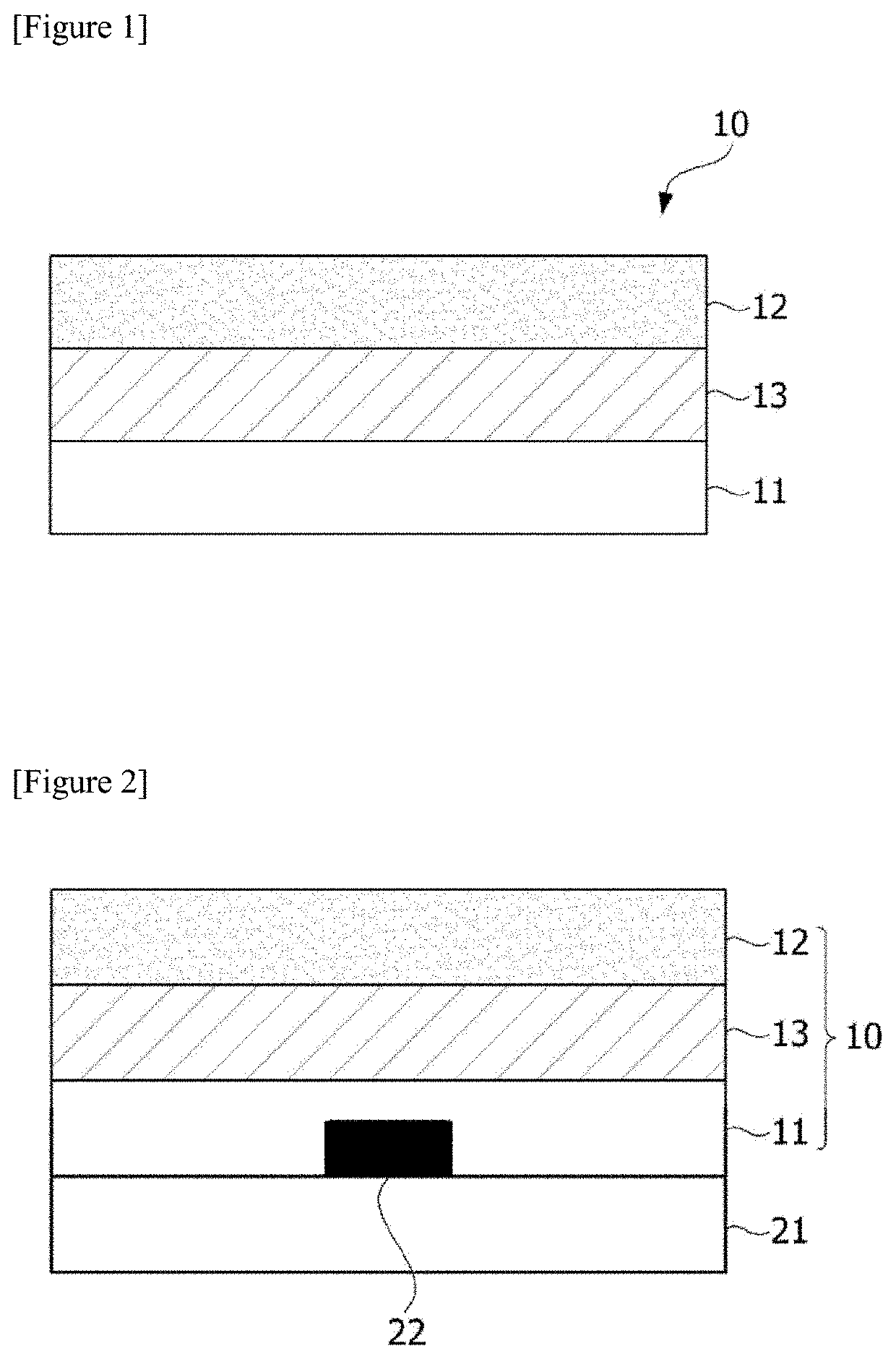
- An encapsulation film with a moisture adsorbent layer, a thermally conductive metal layer, and a magnetic layer with magnetic particles is developed, which effectively blocks moisture and oxygen, releases heat, and prevents bright spots by incorporating a bright spot inhibitor with adsorption energy of 0 eV or less, enhancing the film's adhesiveness and durability.
Organic encapsulant compositions for protection of electronic components
PatentInactiveUS20070236859A1
Innovation
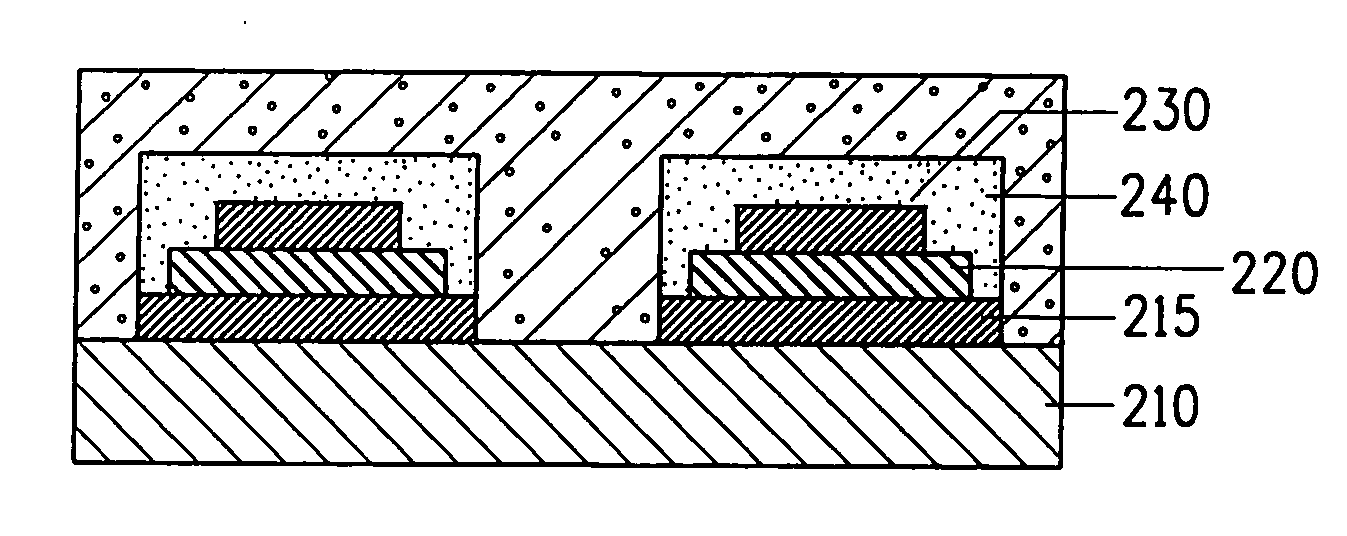
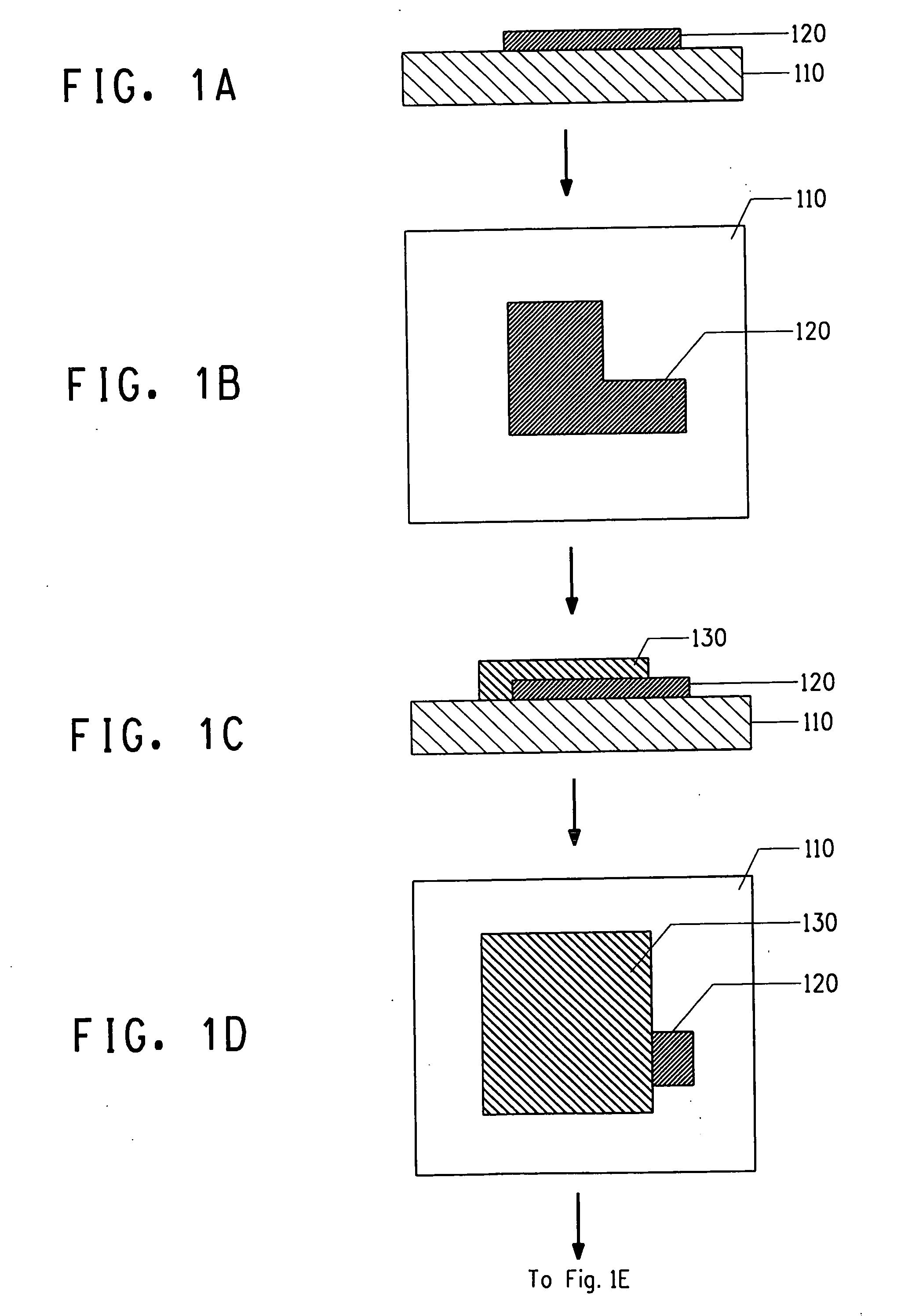
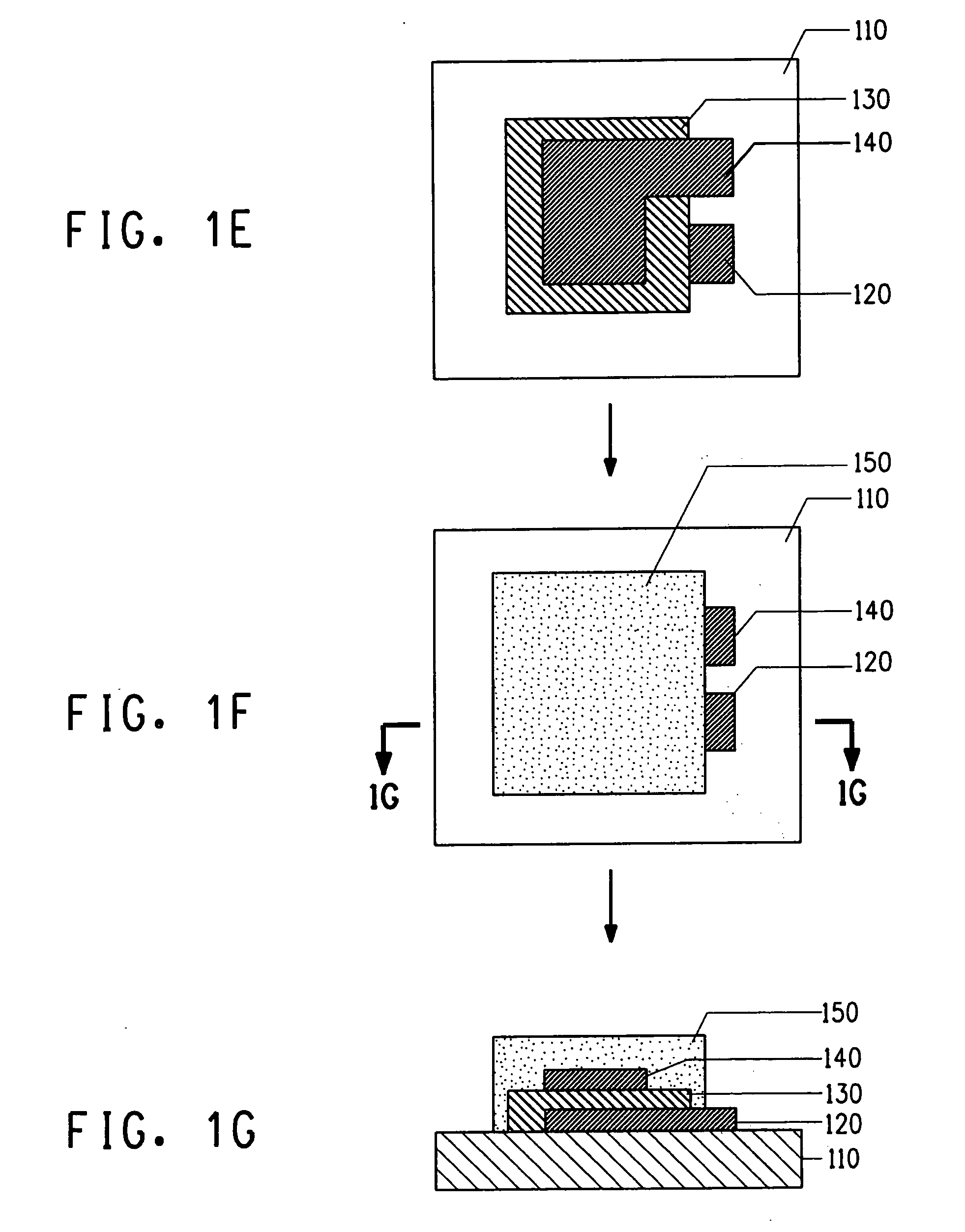
- A crosslinkable encapsulant composition comprising an epoxy-containing cyclic olefin resin with low water absorption, phenolic resins, an epoxy catalyst, and optional inorganic fillers and solvents is applied to the capacitors, providing protection against moisture and chemicals, and cured at a temperature of 190°C or less to ensure adhesion and stability.

Environmental Testing Standards for Electronics
Environmental testing standards for electronics serve as the foundation for evaluating device reliability and performance under various stress conditions. These standards establish systematic methodologies for assessing how electronic components and systems respond to environmental factors such as temperature, humidity, thermal cycling, and mechanical stress. The development of these standards has evolved significantly over decades, driven by the increasing complexity of electronic systems and the demand for higher reliability in diverse applications.
The most widely recognized environmental testing standards include IEC 60068 series, MIL-STD-810, JEDEC standards, and ASTM specifications. IEC 60068 provides comprehensive guidelines for environmental testing of electrotechnical products, covering temperature, humidity, vibration, and combined stress conditions. MIL-STD-810 focuses on military and aerospace applications, offering rigorous testing protocols for extreme environmental conditions. JEDEC standards specifically address semiconductor reliability, including moisture sensitivity levels and thermal cycling requirements.
For printed electronics applications, particularly regarding encapsulation performance evaluation, several key standards are directly applicable. The 85°C/85% relative humidity test condition, commonly referenced as "85/85," is standardized under IEC 60068-2-78 and JEDEC JESD22-A101. This test simulates accelerated aging under high temperature and high humidity conditions, enabling prediction of long-term reliability performance through relatively short-term testing periods.
The 1000-hour duration requirement aligns with industry-standard accelerated life testing protocols, where extended exposure periods provide statistically significant data for reliability projections. Temperature-humidity bias testing standards specify precise control parameters, including temperature tolerance of ±2°C, humidity tolerance of ±3% RH, and specific ramp rates for condition transitions.
Compliance with these environmental testing standards ensures that encapsulation thickness optimization efforts for printed electronics are conducted within established frameworks that enable meaningful comparison with industry benchmarks. The standards also define failure criteria, measurement protocols, and statistical analysis methods necessary for determining optimal encapsulation parameters that meet reliability targets under specified environmental stress conditions.
The most widely recognized environmental testing standards include IEC 60068 series, MIL-STD-810, JEDEC standards, and ASTM specifications. IEC 60068 provides comprehensive guidelines for environmental testing of electrotechnical products, covering temperature, humidity, vibration, and combined stress conditions. MIL-STD-810 focuses on military and aerospace applications, offering rigorous testing protocols for extreme environmental conditions. JEDEC standards specifically address semiconductor reliability, including moisture sensitivity levels and thermal cycling requirements.
For printed electronics applications, particularly regarding encapsulation performance evaluation, several key standards are directly applicable. The 85°C/85% relative humidity test condition, commonly referenced as "85/85," is standardized under IEC 60068-2-78 and JEDEC JESD22-A101. This test simulates accelerated aging under high temperature and high humidity conditions, enabling prediction of long-term reliability performance through relatively short-term testing periods.
The 1000-hour duration requirement aligns with industry-standard accelerated life testing protocols, where extended exposure periods provide statistically significant data for reliability projections. Temperature-humidity bias testing standards specify precise control parameters, including temperature tolerance of ±2°C, humidity tolerance of ±3% RH, and specific ramp rates for condition transitions.
Compliance with these environmental testing standards ensures that encapsulation thickness optimization efforts for printed electronics are conducted within established frameworks that enable meaningful comparison with industry benchmarks. The standards also define failure criteria, measurement protocols, and statistical analysis methods necessary for determining optimal encapsulation parameters that meet reliability targets under specified environmental stress conditions.
Cost-Performance Trade-offs in Encapsulation Design
The optimization of encapsulation thickness for printed electronics operating under 1000-hour 85°C/85% relative humidity conditions presents a complex cost-performance paradigm that requires careful balance between material expenses and reliability requirements. Traditional approaches often default to maximum thickness assumptions, leading to unnecessary material consumption and increased manufacturing costs without proportional performance gains.
Material cost considerations represent the most immediate factor in encapsulation design decisions. Barrier materials such as atomic layer deposition films, parylene coatings, and multilayer polymer systems exhibit exponential cost scaling with thickness increases. For instance, doubling encapsulation thickness typically results in 150-200% cost escalation when accounting for material consumption, processing time, and yield considerations. This relationship becomes particularly pronounced in high-volume manufacturing scenarios where marginal cost improvements translate to significant competitive advantages.
Performance optimization reveals diminishing returns beyond critical thickness thresholds. Research indicates that moisture ingress rates follow logarithmic decay patterns with increasing barrier thickness, suggesting optimal performance zones rather than linear improvements. For 85/85 test conditions, most polymer-based encapsulants achieve 90% of their maximum barrier effectiveness within the first 10-15 micrometers, with subsequent thickness additions providing marginal protection improvements.
Manufacturing complexity introduces additional cost factors often overlooked in initial design phases. Thicker encapsulation layers require extended curing times, increased energy consumption, and more sophisticated process control systems. These operational costs can exceed raw material expenses, particularly for temperature-sensitive substrates requiring controlled thermal profiles during encapsulation processes.
The economic sweet spot typically emerges through systematic thickness optimization studies that correlate accelerated aging test results with material consumption data. Advanced modeling approaches utilizing Arrhenius relationships and Peck's model enable prediction of long-term performance from shorter test cycles, allowing rapid iteration through thickness variables while maintaining cost visibility. This methodology enables identification of minimum viable thickness values that satisfy reliability requirements while minimizing material and processing costs.
Strategic cost-performance optimization requires consideration of failure mode economics, where the cost of field failures must be weighed against incremental encapsulation investments, establishing a quantitative framework for thickness selection decisions.
Material cost considerations represent the most immediate factor in encapsulation design decisions. Barrier materials such as atomic layer deposition films, parylene coatings, and multilayer polymer systems exhibit exponential cost scaling with thickness increases. For instance, doubling encapsulation thickness typically results in 150-200% cost escalation when accounting for material consumption, processing time, and yield considerations. This relationship becomes particularly pronounced in high-volume manufacturing scenarios where marginal cost improvements translate to significant competitive advantages.
Performance optimization reveals diminishing returns beyond critical thickness thresholds. Research indicates that moisture ingress rates follow logarithmic decay patterns with increasing barrier thickness, suggesting optimal performance zones rather than linear improvements. For 85/85 test conditions, most polymer-based encapsulants achieve 90% of their maximum barrier effectiveness within the first 10-15 micrometers, with subsequent thickness additions providing marginal protection improvements.
Manufacturing complexity introduces additional cost factors often overlooked in initial design phases. Thicker encapsulation layers require extended curing times, increased energy consumption, and more sophisticated process control systems. These operational costs can exceed raw material expenses, particularly for temperature-sensitive substrates requiring controlled thermal profiles during encapsulation processes.
The economic sweet spot typically emerges through systematic thickness optimization studies that correlate accelerated aging test results with material consumption data. Advanced modeling approaches utilizing Arrhenius relationships and Peck's model enable prediction of long-term performance from shorter test cycles, allowing rapid iteration through thickness variables while maintaining cost visibility. This methodology enables identification of minimum viable thickness values that satisfy reliability requirements while minimizing material and processing costs.
Strategic cost-performance optimization requires consideration of failure mode economics, where the cost of field failures must be weighed against incremental encapsulation investments, establishing a quantitative framework for thickness selection decisions.
Unlock deeper insights with PatSnap Eureka Quick Research — get a full tech report to explore trends and direct your research. Try now!
Generate Your Research Report Instantly with AI Agent
Supercharge your innovation with PatSnap Eureka AI Agent Platform!