Optimize Rheological Action with Thixotropic Agents
MAR 17, 20269 MIN READ
Generate Your Research Report Instantly with AI Agent
Patsnap Eureka helps you evaluate technical feasibility & market potential.
Thixotropic Agent Technology Background and Rheological Goals
Thixotropic agents represent a specialized class of rheological modifiers that have evolved significantly since their initial discovery in the early 20th century. The term "thixotropy" was first coined by Herbert Freundlich in 1935, describing materials that exhibit time-dependent viscosity changes under applied stress. These agents fundamentally alter the flow behavior of fluids by creating reversible structural networks that break down under shear and rebuild during rest periods.
The development of thixotropic technology has progressed through several distinct phases, beginning with naturally occurring clay minerals like bentonite and attapulgite. Early applications focused primarily on drilling muds and ceramic glazes, where the unique shear-thinning and recovery properties provided essential performance benefits. The mid-20th century witnessed the emergence of synthetic thixotropic agents, including fumed silica, organoclays, and polymer-based systems, expanding application possibilities across diverse industries.
Modern thixotropic agent technology encompasses a broad spectrum of materials, from inorganic particulates to complex organic molecules and hybrid systems. Fumed silica remains one of the most widely utilized agents due to its exceptional surface area and hydrogen bonding capabilities. Organoclays offer superior compatibility with non-polar systems, while associative polymers provide tunable thixotropic behavior through molecular design modifications.
The primary rheological goals when optimizing thixotropic action center on achieving precise control over viscosity recovery kinetics, shear-thinning behavior, and structural strength. Applications demand materials that exhibit rapid viscosity reduction under applied stress to enable easy processing, pumping, or application, followed by swift structural recovery to prevent sagging, settling, or phase separation during storage or use.
Contemporary research focuses on developing next-generation thixotropic systems that offer enhanced performance characteristics, including improved temperature stability, reduced sensitivity to environmental conditions, and compatibility with emerging formulation technologies. The integration of nanotechnology has opened new avenues for creating highly efficient thixotropic agents with tailored surface chemistries and morphologies.
The ultimate objective in thixotropic agent optimization involves balancing multiple rheological parameters to achieve desired application performance while maintaining cost-effectiveness and regulatory compliance. This requires deep understanding of structure-property relationships, formulation interactions, and end-use requirements across diverse industrial sectors including coatings, adhesives, cosmetics, pharmaceuticals, and advanced materials manufacturing.
The development of thixotropic technology has progressed through several distinct phases, beginning with naturally occurring clay minerals like bentonite and attapulgite. Early applications focused primarily on drilling muds and ceramic glazes, where the unique shear-thinning and recovery properties provided essential performance benefits. The mid-20th century witnessed the emergence of synthetic thixotropic agents, including fumed silica, organoclays, and polymer-based systems, expanding application possibilities across diverse industries.
Modern thixotropic agent technology encompasses a broad spectrum of materials, from inorganic particulates to complex organic molecules and hybrid systems. Fumed silica remains one of the most widely utilized agents due to its exceptional surface area and hydrogen bonding capabilities. Organoclays offer superior compatibility with non-polar systems, while associative polymers provide tunable thixotropic behavior through molecular design modifications.
The primary rheological goals when optimizing thixotropic action center on achieving precise control over viscosity recovery kinetics, shear-thinning behavior, and structural strength. Applications demand materials that exhibit rapid viscosity reduction under applied stress to enable easy processing, pumping, or application, followed by swift structural recovery to prevent sagging, settling, or phase separation during storage or use.
Contemporary research focuses on developing next-generation thixotropic systems that offer enhanced performance characteristics, including improved temperature stability, reduced sensitivity to environmental conditions, and compatibility with emerging formulation technologies. The integration of nanotechnology has opened new avenues for creating highly efficient thixotropic agents with tailored surface chemistries and morphologies.
The ultimate objective in thixotropic agent optimization involves balancing multiple rheological parameters to achieve desired application performance while maintaining cost-effectiveness and regulatory compliance. This requires deep understanding of structure-property relationships, formulation interactions, and end-use requirements across diverse industrial sectors including coatings, adhesives, cosmetics, pharmaceuticals, and advanced materials manufacturing.
Market Demand for Advanced Rheological Modifiers
The global market for advanced rheological modifiers is experiencing robust growth driven by increasing demand across multiple industrial sectors. The coatings and paints industry represents the largest consumption segment, where thixotropic agents are essential for achieving optimal flow properties, preventing sagging, and ensuring uniform application. This sector's expansion is fueled by growing construction activities, automotive production, and infrastructure development worldwide.
The adhesives and sealants market constitutes another significant demand driver, particularly in automotive, aerospace, and construction applications. Advanced rheological modifiers enable precise control of viscosity profiles, ensuring proper application characteristics while maintaining structural integrity after curing. The trend toward high-performance adhesives in lightweight vehicle manufacturing and energy-efficient building construction continues to expand market opportunities.
Personal care and cosmetics industries are increasingly adopting sophisticated thixotropic agents to enhance product texture, stability, and user experience. The growing consumer preference for premium formulations with superior sensory properties drives demand for innovative rheological solutions that provide smooth application, long-lasting performance, and aesthetic appeal.
The pharmaceutical sector presents emerging opportunities for specialized rheological modifiers, particularly in topical formulations, controlled-release systems, and injectable drug delivery. Regulatory requirements for consistent product performance and patient safety necessitate precise rheological control, creating demand for advanced thixotropic agents with proven biocompatibility and stability profiles.
Industrial applications including oil field chemicals, printing inks, and specialty chemicals represent substantial market segments. The oil and gas industry requires rheological modifiers for drilling fluids, fracturing fluids, and enhanced oil recovery operations, where performance under extreme conditions is critical.
Geographically, Asia-Pacific leads market consumption due to rapid industrialization, expanding manufacturing capabilities, and growing end-user industries. North America and Europe maintain strong demand driven by technological innovation, stringent quality requirements, and established industrial bases. The shift toward sustainable and bio-based rheological modifiers is creating new market dynamics, with increasing emphasis on environmental compliance and renewable raw materials.
Market growth is supported by continuous technological advancement, expanding application scope, and increasing awareness of rheological optimization benefits across industries.
The adhesives and sealants market constitutes another significant demand driver, particularly in automotive, aerospace, and construction applications. Advanced rheological modifiers enable precise control of viscosity profiles, ensuring proper application characteristics while maintaining structural integrity after curing. The trend toward high-performance adhesives in lightweight vehicle manufacturing and energy-efficient building construction continues to expand market opportunities.
Personal care and cosmetics industries are increasingly adopting sophisticated thixotropic agents to enhance product texture, stability, and user experience. The growing consumer preference for premium formulations with superior sensory properties drives demand for innovative rheological solutions that provide smooth application, long-lasting performance, and aesthetic appeal.
The pharmaceutical sector presents emerging opportunities for specialized rheological modifiers, particularly in topical formulations, controlled-release systems, and injectable drug delivery. Regulatory requirements for consistent product performance and patient safety necessitate precise rheological control, creating demand for advanced thixotropic agents with proven biocompatibility and stability profiles.
Industrial applications including oil field chemicals, printing inks, and specialty chemicals represent substantial market segments. The oil and gas industry requires rheological modifiers for drilling fluids, fracturing fluids, and enhanced oil recovery operations, where performance under extreme conditions is critical.
Geographically, Asia-Pacific leads market consumption due to rapid industrialization, expanding manufacturing capabilities, and growing end-user industries. North America and Europe maintain strong demand driven by technological innovation, stringent quality requirements, and established industrial bases. The shift toward sustainable and bio-based rheological modifiers is creating new market dynamics, with increasing emphasis on environmental compliance and renewable raw materials.
Market growth is supported by continuous technological advancement, expanding application scope, and increasing awareness of rheological optimization benefits across industries.
Current State and Challenges in Thixotropic Agent Development
The global thixotropic agent market has experienced significant growth over the past decade, driven by increasing demand across diverse industries including paints and coatings, adhesives, cosmetics, and construction materials. Current market penetration remains concentrated in developed regions, with North America and Europe accounting for approximately 60% of global consumption. However, emerging markets in Asia-Pacific are demonstrating rapid adoption rates, particularly in automotive and construction applications.
Contemporary thixotropic agents primarily consist of organoclay compounds, fumed silica, and synthetic polymeric systems. Organoclays dominate the market with roughly 45% share due to their cost-effectiveness and versatility across multiple formulations. These bentonite-derived materials offer reliable shear-thinning behavior but face limitations in high-temperature applications and compatibility with certain solvent systems.
Fumed silica represents the second-largest segment, providing excellent transparency and chemical inertness. However, its hydrophilic nature creates challenges in non-polar systems, requiring surface modifications that increase production costs. Recent developments in hydrophobic silica treatments have partially addressed these limitations but remain economically prohibitive for many applications.
The industry confronts several critical technical challenges that impede optimization efforts. Temperature stability remains a primary concern, as most conventional thixotropic agents exhibit degraded performance above 150°C, limiting their utility in high-performance applications such as aerospace composites and industrial coatings. Additionally, achieving consistent rheological profiles across varying shear rates proves problematic, particularly in complex multi-phase systems.
Compatibility issues persist between thixotropic agents and modern formulation components, including UV stabilizers, antimicrobial additives, and advanced pigment systems. These interactions often result in reduced thixotropic efficiency or undesirable side effects such as color shifts or reduced durability. Furthermore, environmental regulations increasingly restrict traditional organoclay processing methods, necessitating development of sustainable alternatives.
Manufacturing scalability presents another significant obstacle, as laboratory-optimized formulations frequently fail to maintain performance characteristics during industrial-scale production. This challenge is particularly acute for nano-structured thixotropic systems, where particle size distribution and surface chemistry prove difficult to control consistently across large batches.
Contemporary thixotropic agents primarily consist of organoclay compounds, fumed silica, and synthetic polymeric systems. Organoclays dominate the market with roughly 45% share due to their cost-effectiveness and versatility across multiple formulations. These bentonite-derived materials offer reliable shear-thinning behavior but face limitations in high-temperature applications and compatibility with certain solvent systems.
Fumed silica represents the second-largest segment, providing excellent transparency and chemical inertness. However, its hydrophilic nature creates challenges in non-polar systems, requiring surface modifications that increase production costs. Recent developments in hydrophobic silica treatments have partially addressed these limitations but remain economically prohibitive for many applications.
The industry confronts several critical technical challenges that impede optimization efforts. Temperature stability remains a primary concern, as most conventional thixotropic agents exhibit degraded performance above 150°C, limiting their utility in high-performance applications such as aerospace composites and industrial coatings. Additionally, achieving consistent rheological profiles across varying shear rates proves problematic, particularly in complex multi-phase systems.
Compatibility issues persist between thixotropic agents and modern formulation components, including UV stabilizers, antimicrobial additives, and advanced pigment systems. These interactions often result in reduced thixotropic efficiency or undesirable side effects such as color shifts or reduced durability. Furthermore, environmental regulations increasingly restrict traditional organoclay processing methods, necessitating development of sustainable alternatives.
Manufacturing scalability presents another significant obstacle, as laboratory-optimized formulations frequently fail to maintain performance characteristics during industrial-scale production. This challenge is particularly acute for nano-structured thixotropic systems, where particle size distribution and surface chemistry prove difficult to control consistently across large batches.
Existing Solutions for Rheological Optimization
01 Thixotropic agents based on modified clay minerals
Modified clay minerals such as organoclays and bentonite derivatives are widely used as thixotropic agents to control rheological properties. These materials provide reversible gel-like structures that break down under shear stress and recover when stress is removed. The modification of clay minerals through organic treatment enhances their compatibility with various formulation systems and improves their thixotropic efficiency.- Thixotropic agents based on modified clay minerals: Modified clay minerals such as organoclays and bentonite derivatives are widely used as thixotropic agents to control rheological properties. These materials provide shear-thinning behavior where viscosity decreases under applied stress and recovers when stress is removed. The modification of clay minerals through organic treatment enhances their dispersibility and thixotropic efficiency in various formulations including coatings, adhesives, and cosmetics.
- Fumed silica as rheology modifier: Fumed silica and precipitated silica materials function as effective thixotropic agents through their high surface area and particle network formation. These agents create three-dimensional structures that provide suspension stability and prevent settling while allowing easy application under shear. The rheological properties can be tailored by controlling particle size, surface treatment, and concentration in the formulation.
- Polymeric thixotropic agents: Synthetic and natural polymers serve as thixotropic agents by forming reversible gel networks through physical or chemical interactions. These polymeric systems include associative thickeners, cellulose derivatives, and polyamides that provide controlled viscosity profiles. The thixotropic behavior is achieved through temporary crosslinking mechanisms that break down under shear stress and rebuild during rest periods.
- Hydrogenated castor oil derivatives for thixotropy: Hydrogenated castor oil and its derivatives act as thixotropic agents by forming fibrous networks in liquid systems. These materials provide excellent suspension properties and anti-settling characteristics while maintaining good flow behavior during application. The crystalline structure of these agents creates a yield stress that must be overcome before flow begins, making them suitable for paints, inks, and personal care products.
- Composite and hybrid thixotropic systems: Advanced thixotropic agents combine multiple components such as inorganic particles with organic modifiers or different types of rheology modifiers to achieve synergistic effects. These composite systems offer enhanced performance including improved stability, broader application temperature ranges, and better control over flow properties. The combination approach allows for customization of rheological profiles to meet specific application requirements in industries ranging from construction materials to pharmaceuticals.
02 Fumed silica and pyrogenic silica as rheology modifiers
Fumed silica and pyrogenic silica particles serve as effective thixotropic agents by forming three-dimensional network structures through hydrogen bonding. These materials exhibit excellent shear-thinning behavior and provide anti-settling properties in liquid systems. The particle size, surface area, and surface treatment of silica significantly influence the rheological performance and thixotropic index of formulations.Expand Specific Solutions03 Polymeric thixotropic agents and associative thickeners
Polymeric materials including associative thickeners and modified cellulose derivatives function as thixotropic agents through reversible physical interactions. These agents create temporary network structures that respond to applied shear forces, providing controlled flow properties. The molecular weight, degree of substitution, and hydrophobic modification of polymers determine their thixotropic behavior and compatibility with different formulation components.Expand Specific Solutions04 Combination systems of multiple thixotropic agents
Synergistic combinations of different thixotropic agents can achieve enhanced rheological control compared to single-component systems. These combinations may include mixtures of organic and inorganic thixotropes, or blends of different particle sizes and surface properties. The interaction between multiple thixotropic agents allows for fine-tuning of viscosity profiles, yield stress, and recovery time to meet specific application requirements.Expand Specific Solutions05 Application-specific thixotropic formulations
Thixotropic agents are formulated differently depending on the target application, such as coatings, adhesives, cosmetics, or pharmaceutical preparations. The selection and concentration of thixotropic agents must consider factors including temperature stability, chemical compatibility, and desired flow characteristics during application and at rest. Advanced formulations may incorporate novel thixotropic agents or modified conventional materials to achieve specific performance criteria such as sag resistance, leveling properties, or controlled release.Expand Specific Solutions
Key Players in Thixotropic Agent and Rheology Industry
The thixotropic agents market for rheological optimization represents a mature yet evolving industry currently in its growth-to-maturity phase. The global market demonstrates substantial scale, driven by diverse applications across coatings, pharmaceuticals, and construction materials. Technology maturity varies significantly among key players, with established chemical giants like BYK-Chemie GmbH, BASF Coatings GmbH, and Henkel AG & Co. KGaA leading through decades of formulation expertise and comprehensive product portfolios. Arkema France SA and Sika Technology AG contribute specialized polymer solutions, while pharmaceutical companies including Pfizer Inc., Takeda Pharmaceutical, and Spectrum Pharmaceuticals focus on biomedical applications. Emerging players like Sobute New Materials and Niche Tech Kaiser represent regional innovation hubs, particularly in Asia-Pacific markets. The competitive landscape reflects a bifurcated structure where multinational corporations dominate high-performance segments through advanced R&D capabilities, while specialized firms target niche applications with tailored solutions.
BYK-Chemie GmbH
Technical Solution: BYK-Chemie specializes in developing advanced thixotropic agents including organoclay rheology modifiers and fumed silica-based additives for optimizing flow behavior in coatings, inks, and adhesives. Their RHEOBYK series provides controlled shear-thinning properties, enabling excellent application characteristics while maintaining structural integrity at rest. The company's thixotropic solutions offer precise viscosity control across different shear rates, preventing sagging and settling while ensuring smooth application and leveling properties in various formulations.
Strengths: Market-leading expertise in rheology modification with comprehensive product portfolio. Weaknesses: Higher cost compared to conventional thickeners and potential compatibility issues with certain formulations.
Sika Technology AG
Technical Solution: Sika focuses on thixotropic agents for construction materials and sealants, utilizing modified clay minerals and polymer-based rheology modifiers to optimize workability and application properties. Their thixotropic systems provide controlled flow behavior in adhesives, sealants, and construction chemicals, enabling vertical application without slumping while maintaining pumpability and spreadability. The technology ensures proper gap filling and tooling characteristics while preventing material migration during curing processes.
Strengths: Specialized expertise in construction applications with proven field performance. Weaknesses: Limited applicability outside construction sector and potential temperature sensitivity affecting performance consistency.
Core Innovations in Thixotropic Agent Formulations
Polyurea Product as Thixotropic Rheology Modifying Agent
PatentActiveUS20100137453A1
Innovation
- A thixotropic agent comprising a first polyurea reaction product of a polyisocyanate with a chiral amine and a second polyurea reaction product of a different polyisocyanate with a second amine, where the first polyurea compound acts as a nucleation site for the second, resulting in a templated polyurea product with controlled colloidal characteristics and improved rheological and optical properties.
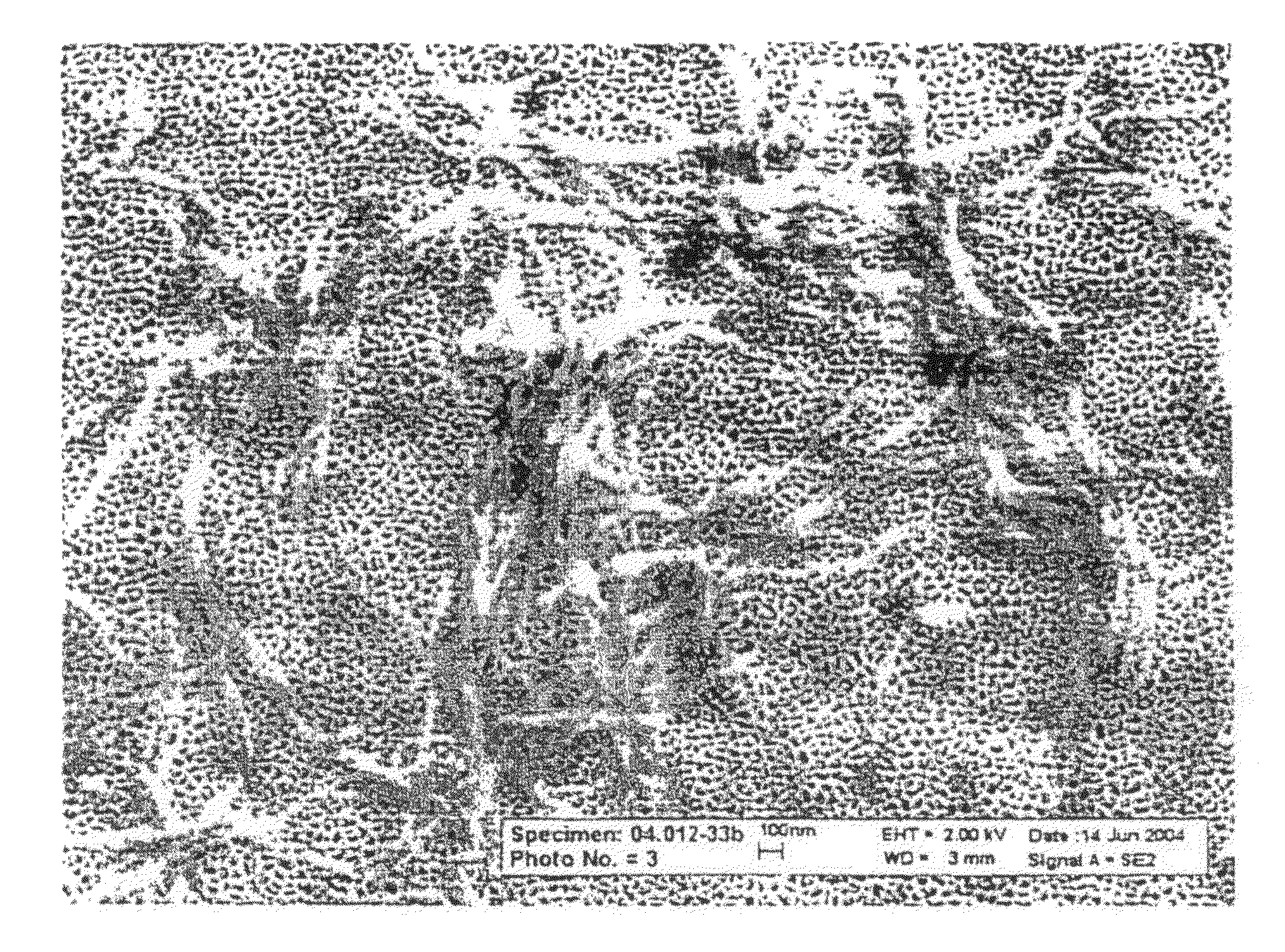
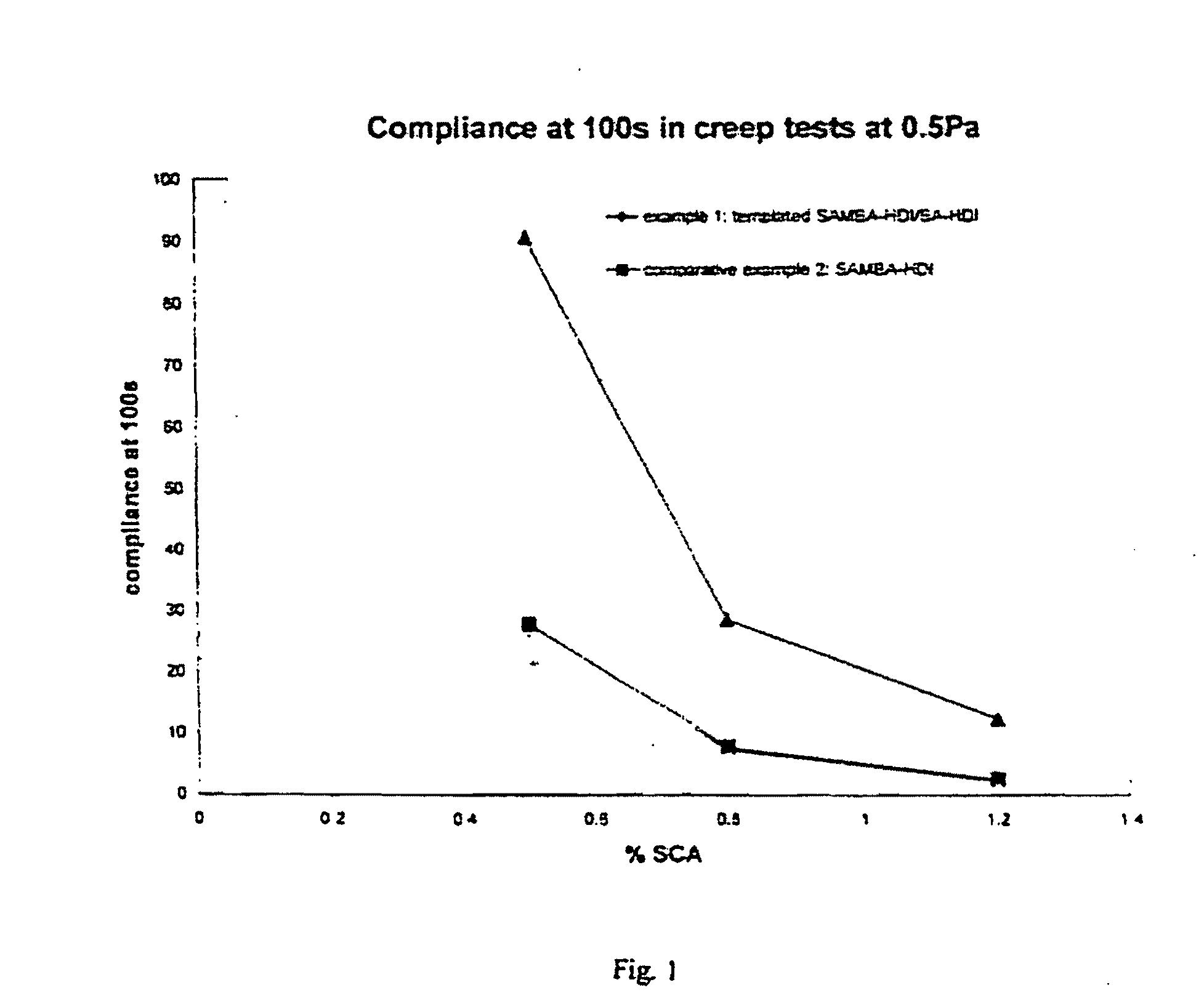
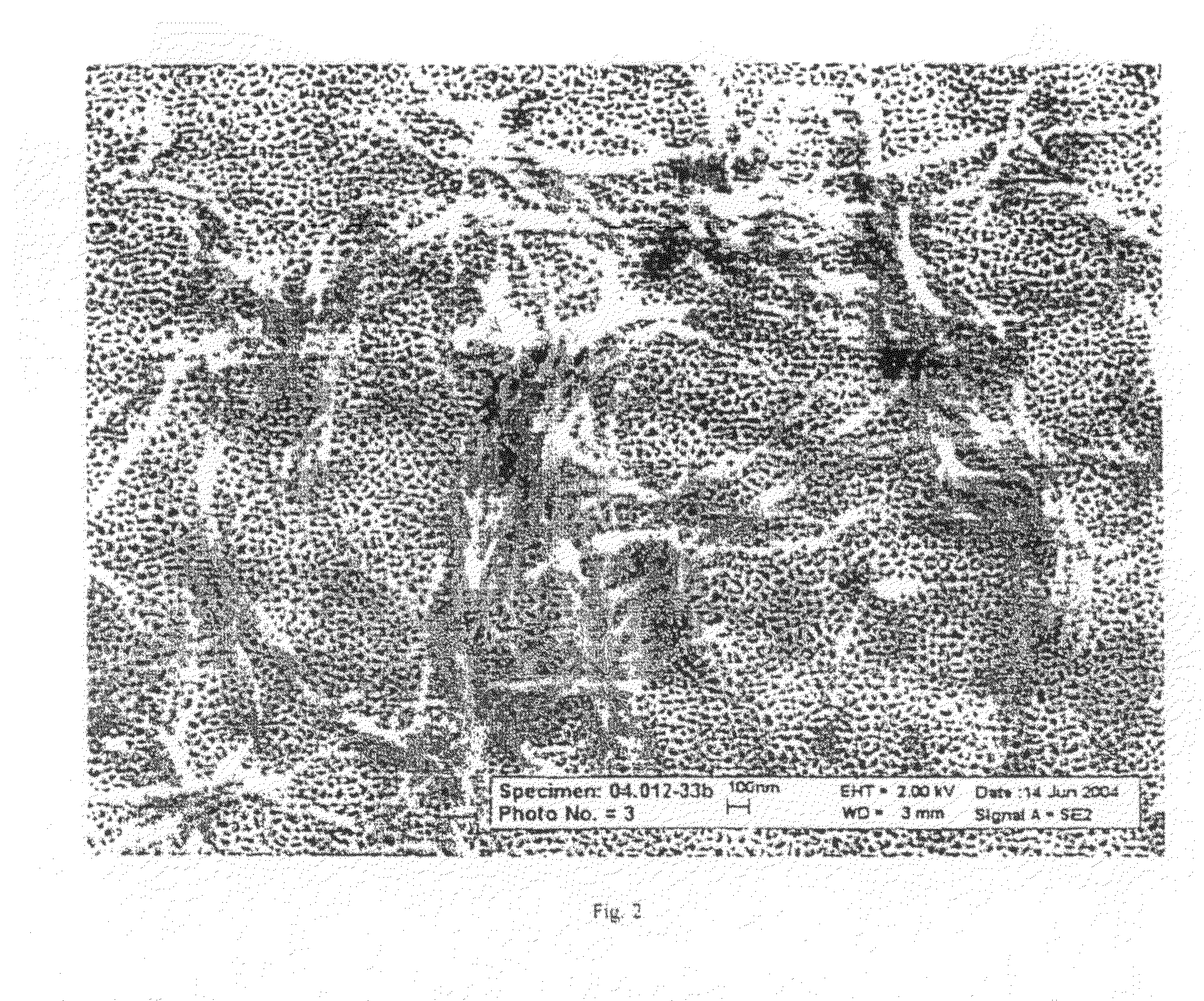

Thixotropic diurea-diurethane composition
PatentPendingUS20230406991A1
Innovation
- A thixotropic composition comprising a diurea-diurethane compound and an aprotic solvent with reduced lithium salt content, prepared by controlling the molar ratio of reactants to minimize residual diisocyanate and eliminate the need for distillation, resulting in a stable and efficient rheology agent.


Environmental Impact Assessment of Thixotropic Agents
The environmental implications of thixotropic agents present a complex landscape of considerations spanning their entire lifecycle from production to disposal. These rheology-modifying substances, while offering significant performance benefits in various industrial applications, require careful evaluation of their ecological footprint and potential environmental consequences.
Manufacturing processes for thixotropic agents typically involve chemical synthesis pathways that may generate industrial waste streams and consume substantial energy resources. Organic-based thixotropic agents, such as modified clays and synthetic polymers, often require petroleum-derived feedstocks and energy-intensive purification steps. Inorganic alternatives like fumed silica and bentonite clays, while derived from more abundant natural resources, still demand significant processing energy and may involve mining operations with associated environmental disturbances.
The release pathways of thixotropic agents into environmental compartments occur through multiple channels during their application lifecycle. Direct emissions may result from manufacturing facilities, while indirect releases happen through product use, weathering, and end-of-life disposal. Paints, coatings, and construction materials containing these agents can gradually release particles into air, water, and soil systems through normal weathering processes and mechanical wear.
Aquatic ecosystems face particular vulnerability to thixotropic agent contamination, as many of these substances exhibit persistence in water systems. Clay-based agents may alter sediment properties and water turbidity, potentially affecting benthic organisms and aquatic plant photosynthesis. Synthetic polymer-based thixotropic agents raise concerns about bioaccumulation potential and long-term persistence, particularly in marine environments where degradation rates are typically slower.
Terrestrial environmental impacts encompass soil chemistry alterations and potential effects on plant growth and soil microorganism communities. Some thixotropic agents may modify soil permeability and water retention characteristics, influencing agricultural productivity and natural ecosystem functions. The mobility of these agents in soil systems depends heavily on their chemical composition, particle size, and interaction with soil organic matter.
Regulatory frameworks governing thixotropic agents vary significantly across jurisdictions, with evolving standards reflecting growing environmental awareness. Current assessment methodologies focus on acute toxicity testing, though chronic exposure effects and ecosystem-level impacts require more comprehensive evaluation protocols to ensure adequate environmental protection.
Manufacturing processes for thixotropic agents typically involve chemical synthesis pathways that may generate industrial waste streams and consume substantial energy resources. Organic-based thixotropic agents, such as modified clays and synthetic polymers, often require petroleum-derived feedstocks and energy-intensive purification steps. Inorganic alternatives like fumed silica and bentonite clays, while derived from more abundant natural resources, still demand significant processing energy and may involve mining operations with associated environmental disturbances.
The release pathways of thixotropic agents into environmental compartments occur through multiple channels during their application lifecycle. Direct emissions may result from manufacturing facilities, while indirect releases happen through product use, weathering, and end-of-life disposal. Paints, coatings, and construction materials containing these agents can gradually release particles into air, water, and soil systems through normal weathering processes and mechanical wear.
Aquatic ecosystems face particular vulnerability to thixotropic agent contamination, as many of these substances exhibit persistence in water systems. Clay-based agents may alter sediment properties and water turbidity, potentially affecting benthic organisms and aquatic plant photosynthesis. Synthetic polymer-based thixotropic agents raise concerns about bioaccumulation potential and long-term persistence, particularly in marine environments where degradation rates are typically slower.
Terrestrial environmental impacts encompass soil chemistry alterations and potential effects on plant growth and soil microorganism communities. Some thixotropic agents may modify soil permeability and water retention characteristics, influencing agricultural productivity and natural ecosystem functions. The mobility of these agents in soil systems depends heavily on their chemical composition, particle size, and interaction with soil organic matter.
Regulatory frameworks governing thixotropic agents vary significantly across jurisdictions, with evolving standards reflecting growing environmental awareness. Current assessment methodologies focus on acute toxicity testing, though chronic exposure effects and ecosystem-level impacts require more comprehensive evaluation protocols to ensure adequate environmental protection.
Industrial Application Standards for Rheological Modifiers
The industrial application of rheological modifiers requires adherence to stringent standards that ensure consistent performance, safety, and regulatory compliance across diverse manufacturing sectors. These standards encompass material specifications, testing protocols, and quality assurance measures that govern the implementation of thixotropic agents in commercial applications.
International standards organizations such as ASTM, ISO, and DIN have established comprehensive testing methodologies for rheological modifiers. ASTM D4287 defines standard test methods for high-shear viscosity using rotational viscometers, while ISO 3219 specifies procedures for determining viscosity at ambient temperatures. These protocols ensure reproducible measurements of thixotropic behavior, enabling manufacturers to validate product performance against established benchmarks.
Quality control standards mandate specific purity levels and chemical composition requirements for thixotropic agents. Industrial-grade modifiers must typically achieve minimum purity thresholds of 95-98%, with strict limits on heavy metals, volatile organic compounds, and residual catalysts. Particle size distribution standards require D50 values within specified ranges, typically 0.1-50 micrometers depending on application requirements.
Safety and environmental compliance standards play crucial roles in industrial implementation. REACH regulations in Europe and TSCA requirements in the United States govern the registration and use of rheological modifiers. Workplace exposure limits, typically ranging from 1-10 mg/m³ for respirable dust, must be maintained through appropriate engineering controls and personal protective equipment protocols.
Application-specific standards vary significantly across industries. In coatings applications, ASTM D562 governs consistency measurements, while pharmaceutical applications must comply with USP standards for excipient materials. Food-grade applications require adherence to FDA regulations and European food additive directives, with specific migration limits and toxicological assessments.
Performance validation standards require comprehensive rheological characterization including yield stress measurements, recovery time quantification, and temperature stability assessments. These standards ensure that thixotropic agents maintain their functional properties throughout the product lifecycle, from manufacturing through end-use applications.
International standards organizations such as ASTM, ISO, and DIN have established comprehensive testing methodologies for rheological modifiers. ASTM D4287 defines standard test methods for high-shear viscosity using rotational viscometers, while ISO 3219 specifies procedures for determining viscosity at ambient temperatures. These protocols ensure reproducible measurements of thixotropic behavior, enabling manufacturers to validate product performance against established benchmarks.
Quality control standards mandate specific purity levels and chemical composition requirements for thixotropic agents. Industrial-grade modifiers must typically achieve minimum purity thresholds of 95-98%, with strict limits on heavy metals, volatile organic compounds, and residual catalysts. Particle size distribution standards require D50 values within specified ranges, typically 0.1-50 micrometers depending on application requirements.
Safety and environmental compliance standards play crucial roles in industrial implementation. REACH regulations in Europe and TSCA requirements in the United States govern the registration and use of rheological modifiers. Workplace exposure limits, typically ranging from 1-10 mg/m³ for respirable dust, must be maintained through appropriate engineering controls and personal protective equipment protocols.
Application-specific standards vary significantly across industries. In coatings applications, ASTM D562 governs consistency measurements, while pharmaceutical applications must comply with USP standards for excipient materials. Food-grade applications require adherence to FDA regulations and European food additive directives, with specific migration limits and toxicological assessments.
Performance validation standards require comprehensive rheological characterization including yield stress measurements, recovery time quantification, and temperature stability assessments. These standards ensure that thixotropic agents maintain their functional properties throughout the product lifecycle, from manufacturing through end-use applications.
Unlock deeper insights with Patsnap Eureka Quick Research — get a full tech report to explore trends and direct your research. Try now!
Generate Your Research Report Instantly with AI Agent
Supercharge your innovation with Patsnap Eureka AI Agent Platform!