

Optimize Sorbent Binder Interactions for Greater Mechanical Strength
MAY 20, 20269 MIN READ
Generate Your Research Report Instantly with AI Agent
PatSnap Eureka helps you evaluate technical feasibility & market potential.
Sorbent Binder Technology Background and Objectives
Sorbent materials have emerged as critical components in various industrial applications, ranging from gas separation and purification to environmental remediation and energy storage systems. These materials rely on their ability to selectively adsorb target molecules while maintaining structural integrity under operational conditions. The effectiveness of sorbent systems fundamentally depends on the delicate balance between adsorption capacity and mechanical durability, with binder interactions playing a pivotal role in determining overall performance.
The evolution of sorbent technology has progressed from simple physical adsorbents to sophisticated engineered materials incorporating advanced binder systems. Early sorbent applications primarily utilized naturally occurring materials with inherent structural limitations. As industrial demands intensified, the need for enhanced mechanical properties became apparent, driving innovation in binder chemistry and sorbent-binder interface engineering.
Modern sorbent applications face increasingly stringent mechanical requirements due to harsh operating environments, including high pressures, temperature cycling, and chemical exposure. Traditional binder systems often compromise either adsorption performance or mechanical strength, creating a fundamental challenge in material design. The optimization of sorbent-binder interactions represents a critical pathway to achieving superior mechanical properties without sacrificing functional performance.
Current technological objectives focus on developing binder systems that enhance inter-particle cohesion while preserving pore accessibility and surface chemistry. This involves understanding the molecular-level interactions between sorbent particles and binder matrices, optimizing interfacial bonding mechanisms, and controlling microstructural evolution during processing. Advanced characterization techniques now enable precise analysis of these interactions, facilitating rational design approaches.
The strategic importance of optimized sorbent-binder systems extends across multiple industries, including carbon capture, hydrogen purification, and pharmaceutical manufacturing. Enhanced mechanical strength directly translates to improved operational reliability, reduced maintenance costs, and extended service life. Furthermore, robust sorbent materials enable operation under more aggressive conditions, expanding application possibilities and improving process economics.
Future technological development aims to achieve multifunctional binder systems that simultaneously enhance mechanical properties, maintain high adsorption capacity, and provide additional benefits such as improved thermal conductivity or chemical resistance. This holistic approach represents the next generation of sorbent technology, addressing the growing complexity of industrial separation and purification challenges.
The evolution of sorbent technology has progressed from simple physical adsorbents to sophisticated engineered materials incorporating advanced binder systems. Early sorbent applications primarily utilized naturally occurring materials with inherent structural limitations. As industrial demands intensified, the need for enhanced mechanical properties became apparent, driving innovation in binder chemistry and sorbent-binder interface engineering.
Modern sorbent applications face increasingly stringent mechanical requirements due to harsh operating environments, including high pressures, temperature cycling, and chemical exposure. Traditional binder systems often compromise either adsorption performance or mechanical strength, creating a fundamental challenge in material design. The optimization of sorbent-binder interactions represents a critical pathway to achieving superior mechanical properties without sacrificing functional performance.
Current technological objectives focus on developing binder systems that enhance inter-particle cohesion while preserving pore accessibility and surface chemistry. This involves understanding the molecular-level interactions between sorbent particles and binder matrices, optimizing interfacial bonding mechanisms, and controlling microstructural evolution during processing. Advanced characterization techniques now enable precise analysis of these interactions, facilitating rational design approaches.
The strategic importance of optimized sorbent-binder systems extends across multiple industries, including carbon capture, hydrogen purification, and pharmaceutical manufacturing. Enhanced mechanical strength directly translates to improved operational reliability, reduced maintenance costs, and extended service life. Furthermore, robust sorbent materials enable operation under more aggressive conditions, expanding application possibilities and improving process economics.
Future technological development aims to achieve multifunctional binder systems that simultaneously enhance mechanical properties, maintain high adsorption capacity, and provide additional benefits such as improved thermal conductivity or chemical resistance. This holistic approach represents the next generation of sorbent technology, addressing the growing complexity of industrial separation and purification challenges.
Market Demand for High-Strength Sorbent Materials
The global market for high-strength sorbent materials is experiencing unprecedented growth driven by increasingly stringent environmental regulations and expanding industrial applications. Traditional sorbent materials often suffer from mechanical degradation during operation, leading to reduced efficiency and increased replacement costs. Industries are actively seeking advanced sorbent solutions that can maintain structural integrity under harsh operating conditions while delivering superior adsorption performance.
Environmental remediation sectors represent the largest demand segment for mechanically robust sorbents. Water treatment facilities require materials capable of withstanding high flow rates and pressure differentials without particle breakdown. Air pollution control systems in power plants and manufacturing facilities demand sorbents that resist attrition during repeated regeneration cycles. The growing emphasis on carbon capture and storage technologies has further amplified the need for durable sorbent materials that can operate reliably over extended periods.
Industrial gas separation applications constitute another significant market driver. Petrochemical refineries, natural gas processing plants, and hydrogen production facilities require sorbents with enhanced mechanical properties to minimize operational disruptions and maintenance costs. The transition toward cleaner energy sources has intensified demand for specialized sorbents capable of selective gas separation under challenging process conditions.
Pharmaceutical and biotechnology industries present emerging opportunities for high-strength sorbent materials. Purification processes in drug manufacturing require materials that maintain consistent performance without generating particulate contamination. The expanding biopharmaceutical sector particularly values sorbents with superior mechanical stability to ensure product quality and regulatory compliance.
Market analysis reveals that end-users are willing to invest in premium sorbent materials that offer extended service life and reduced operational complexity. Cost-benefit evaluations consistently favor mechanically robust sorbents despite higher initial procurement costs, as they deliver substantial savings through reduced replacement frequency and improved process reliability.
The competitive landscape shows increasing consolidation among sorbent manufacturers, with companies investing heavily in binder optimization technologies to differentiate their products. Market leaders are focusing on developing proprietary binder formulations that enhance mechanical strength without compromising adsorption capacity or selectivity.
Regional demand patterns indicate strong growth in Asia-Pacific markets, driven by rapid industrialization and tightening environmental standards. North American and European markets emphasize performance optimization and sustainability considerations, creating opportunities for advanced sorbent technologies that combine mechanical durability with environmental compatibility.
Environmental remediation sectors represent the largest demand segment for mechanically robust sorbents. Water treatment facilities require materials capable of withstanding high flow rates and pressure differentials without particle breakdown. Air pollution control systems in power plants and manufacturing facilities demand sorbents that resist attrition during repeated regeneration cycles. The growing emphasis on carbon capture and storage technologies has further amplified the need for durable sorbent materials that can operate reliably over extended periods.
Industrial gas separation applications constitute another significant market driver. Petrochemical refineries, natural gas processing plants, and hydrogen production facilities require sorbents with enhanced mechanical properties to minimize operational disruptions and maintenance costs. The transition toward cleaner energy sources has intensified demand for specialized sorbents capable of selective gas separation under challenging process conditions.
Pharmaceutical and biotechnology industries present emerging opportunities for high-strength sorbent materials. Purification processes in drug manufacturing require materials that maintain consistent performance without generating particulate contamination. The expanding biopharmaceutical sector particularly values sorbents with superior mechanical stability to ensure product quality and regulatory compliance.
Market analysis reveals that end-users are willing to invest in premium sorbent materials that offer extended service life and reduced operational complexity. Cost-benefit evaluations consistently favor mechanically robust sorbents despite higher initial procurement costs, as they deliver substantial savings through reduced replacement frequency and improved process reliability.
The competitive landscape shows increasing consolidation among sorbent manufacturers, with companies investing heavily in binder optimization technologies to differentiate their products. Market leaders are focusing on developing proprietary binder formulations that enhance mechanical strength without compromising adsorption capacity or selectivity.
Regional demand patterns indicate strong growth in Asia-Pacific markets, driven by rapid industrialization and tightening environmental standards. North American and European markets emphasize performance optimization and sustainability considerations, creating opportunities for advanced sorbent technologies that combine mechanical durability with environmental compatibility.
Current Challenges in Sorbent-Binder Interface Engineering
The optimization of sorbent-binder interactions for enhanced mechanical strength faces several critical engineering challenges that significantly impact the performance and durability of sorbent materials. These challenges stem from the complex physicochemical interactions occurring at the interface between sorbent particles and binding agents, which directly influence the structural integrity of the final composite material.
One of the primary challenges lies in achieving optimal adhesion between sorbent particles and binder matrices. Many sorbent materials, particularly activated carbons and zeolites, possess surface chemistries that are inherently incompatible with conventional organic binders. The hydrophobic nature of certain sorbents creates weak interfacial bonding with hydrophilic binders, resulting in poor mechanical cohesion and susceptibility to particle detachment under operational stresses.
Thermal expansion mismatch represents another significant obstacle in sorbent-binder interface engineering. During temperature cycling operations, differential expansion coefficients between sorbent particles and binder materials generate internal stresses that can lead to interfacial delamination and crack propagation. This phenomenon is particularly pronounced in high-temperature applications where thermal gradients create localized stress concentrations at particle-binder boundaries.
The preservation of sorbent porosity while maintaining adequate mechanical strength presents a fundamental trade-off challenge. Excessive binder loading can block micropores and reduce surface area, compromising adsorption capacity. Conversely, insufficient binder content results in weak particle-to-particle connections and poor mechanical integrity. Achieving the optimal balance requires precise control over binder distribution and penetration depth into the sorbent structure.
Chemical compatibility issues further complicate interface engineering efforts. Many binders undergo degradation or chemical reactions when exposed to aggressive sorbates or regeneration conditions. These reactions can alter interfacial properties, leading to progressive weakening of particle-binder bonds and eventual structural failure. The challenge is compounded by the need to maintain chemical stability across diverse operating environments.
Manufacturing scalability poses additional constraints on interface optimization strategies. Laboratory-scale mixing and curing processes that achieve excellent interfacial bonding may not translate effectively to industrial production methods. Variations in mixing intensity, residence time, and curing conditions can result in non-uniform binder distribution and inconsistent interfacial properties throughout the sorbent bed.
Finally, the characterization and quantification of interfacial strength remain technically challenging. Traditional mechanical testing methods may not adequately capture the complex stress states experienced at particle-binder interfaces during actual service conditions, making it difficult to establish reliable design criteria for interface optimization.
One of the primary challenges lies in achieving optimal adhesion between sorbent particles and binder matrices. Many sorbent materials, particularly activated carbons and zeolites, possess surface chemistries that are inherently incompatible with conventional organic binders. The hydrophobic nature of certain sorbents creates weak interfacial bonding with hydrophilic binders, resulting in poor mechanical cohesion and susceptibility to particle detachment under operational stresses.
Thermal expansion mismatch represents another significant obstacle in sorbent-binder interface engineering. During temperature cycling operations, differential expansion coefficients between sorbent particles and binder materials generate internal stresses that can lead to interfacial delamination and crack propagation. This phenomenon is particularly pronounced in high-temperature applications where thermal gradients create localized stress concentrations at particle-binder boundaries.
The preservation of sorbent porosity while maintaining adequate mechanical strength presents a fundamental trade-off challenge. Excessive binder loading can block micropores and reduce surface area, compromising adsorption capacity. Conversely, insufficient binder content results in weak particle-to-particle connections and poor mechanical integrity. Achieving the optimal balance requires precise control over binder distribution and penetration depth into the sorbent structure.
Chemical compatibility issues further complicate interface engineering efforts. Many binders undergo degradation or chemical reactions when exposed to aggressive sorbates or regeneration conditions. These reactions can alter interfacial properties, leading to progressive weakening of particle-binder bonds and eventual structural failure. The challenge is compounded by the need to maintain chemical stability across diverse operating environments.
Manufacturing scalability poses additional constraints on interface optimization strategies. Laboratory-scale mixing and curing processes that achieve excellent interfacial bonding may not translate effectively to industrial production methods. Variations in mixing intensity, residence time, and curing conditions can result in non-uniform binder distribution and inconsistent interfacial properties throughout the sorbent bed.
Finally, the characterization and quantification of interfacial strength remain technically challenging. Traditional mechanical testing methods may not adequately capture the complex stress states experienced at particle-binder interfaces during actual service conditions, making it difficult to establish reliable design criteria for interface optimization.
Current Binder Optimization Solutions
01 Polymer-based binder systems for enhanced mechanical strength
Polymer-based binder systems are utilized to improve the mechanical strength of sorbent materials. These systems typically involve synthetic polymers or modified natural polymers that provide strong adhesive properties and structural integrity. The polymer binders create a network structure that holds the sorbent particles together while maintaining porosity for effective sorption. Various crosslinking mechanisms and polymer compositions are employed to optimize both mechanical durability and sorption performance.- Polymer-based binder systems for enhanced mechanical strength: Polymer-based binder systems are utilized to improve the mechanical strength of sorbent materials. These systems typically involve synthetic polymers or modified natural polymers that provide strong adhesion between sorbent particles while maintaining porosity. The polymer chains create a network structure that enhances the overall structural integrity of the sorbent material, preventing particle migration and maintaining dimensional stability under various operating conditions.
- Inorganic binder compositions for structural reinforcement: Inorganic binder compositions are employed to provide structural reinforcement to sorbent materials. These binders often include ceramic precursors, silicate-based compounds, or metal oxide systems that form strong chemical bonds during curing processes. The inorganic nature of these binders offers excellent thermal stability and chemical resistance while contributing to the overall mechanical durability of the sorbent structure.
- Fiber reinforcement integration in sorbent structures: Fiber reinforcement techniques are incorporated into sorbent materials to significantly enhance their mechanical properties. Various types of fibers, including synthetic, natural, or ceramic fibers, are distributed throughout the sorbent matrix to provide tensile strength and prevent cracking or fragmentation. The fiber network acts as a reinforcing skeleton that maintains structural integrity even under mechanical stress or thermal cycling.
- Cross-linking agents for improved binder performance: Cross-linking agents are utilized to enhance the performance of binder systems in sorbent materials. These chemical compounds create covalent bonds between polymer chains or other binder components, resulting in a three-dimensional network with superior mechanical properties. The cross-linking process increases the material's resistance to deformation, improves load-bearing capacity, and enhances durability under various environmental conditions.
- Composite binder formulations with additives: Composite binder formulations incorporate various additives to optimize mechanical strength characteristics of sorbent materials. These formulations may include plasticizers, strengthening agents, or nano-scale reinforcing particles that work synergistically with the primary binder system. The carefully balanced composition ensures optimal mechanical properties while maintaining the desired porosity and sorption capacity of the final material.
02 Inorganic binder compositions for structural reinforcement
Inorganic binder materials such as clays, silicates, and ceramic precursors are incorporated to enhance the mechanical properties of sorbent structures. These binders provide thermal stability and chemical resistance while contributing to the overall structural integrity. The inorganic components often form rigid frameworks that support the sorbent material under various operating conditions including high temperatures and aggressive chemical environments.Expand Specific Solutions03 Fiber reinforcement and composite structures
Fiber reinforcement techniques are employed to significantly improve the mechanical strength of sorbent materials. Various types of fibers including synthetic, natural, and ceramic fibers are integrated into the sorbent matrix to provide tensile strength and prevent cracking or fragmentation. The composite approach combines the sorption capabilities of the active material with the mechanical properties of the reinforcing fibers.Expand Specific Solutions04 Granulation and pelletization methods for mechanical durability
Specialized granulation and pelletization techniques are used to create mechanically robust sorbent particles. These methods involve controlled agglomeration processes that bind fine sorbent powders into larger, more durable granules or pellets. The resulting structures maintain high surface area for sorption while exhibiting improved resistance to attrition and mechanical stress during handling and operation.Expand Specific Solutions05 Surface modification and coating technologies
Surface modification and coating approaches are applied to enhance the mechanical properties of sorbent materials without significantly compromising their sorption capacity. These techniques involve applying thin protective layers or chemically modifying the surface to improve wear resistance and structural stability. The modifications can include chemical treatments, plasma processing, or application of protective coatings that strengthen the material structure.Expand Specific Solutions
Key Players in Advanced Sorbent Manufacturing
The sorbent binder optimization field represents a mature industrial sector experiencing steady growth, driven by increasing demand across energy storage, automotive, and chemical processing applications. The market demonstrates significant scale with established players like 3M Innovative Properties Co., Henkel AG & Co. KGaA, and BASF Corp. leading through extensive R&D investments and comprehensive product portfolios. Technology maturity varies considerably across applications, with companies like Multisorb Technologies specializing in advanced active packaging solutions, while energy-focused entities such as Saft Groupe SA and Albemarle Corp. push boundaries in battery technologies. Academic institutions including University of Delaware and École Polytechnique Fédérale de Lausanne contribute fundamental research, while industrial giants like Dow Global Technologies LLC and ExxonMobil Technology & Engineering Co. drive practical implementations, creating a competitive landscape characterized by both incremental improvements and breakthrough innovations.
3M Innovative Properties Co.
Technical Solution: 3M has developed advanced polymer-based binder systems that utilize cross-linking chemistry to enhance mechanical strength in sorbent materials. Their technology focuses on silane coupling agents and modified acrylate polymers that create strong interfacial bonds between sorbent particles and the binder matrix. The company's approach involves surface functionalization of sorbent materials to improve compatibility with organic binders, resulting in composite structures with enhanced tensile strength and durability. Their proprietary formulations include reactive additives that promote chemical bonding rather than just physical adhesion, leading to superior mechanical performance under stress conditions.
Strengths: Extensive R&D capabilities and proven track record in adhesive technologies. Weaknesses: Higher cost compared to conventional binders and complex manufacturing processes.
Henkel AG & Co. KGaA
Technical Solution: Henkel has developed specialized adhesive binder systems specifically designed for sorbent applications, focusing on structural adhesives that maintain integrity under varying environmental conditions. Their technology incorporates modified epoxy and polyurethane-based binders with enhanced flexibility and chemical resistance. The company's approach emphasizes the development of low-temperature curing systems that prevent thermal degradation of sensitive sorbent materials while achieving optimal mechanical properties. Their binder formulations include toughening agents and impact modifiers that improve fracture resistance and overall mechanical durability of sorbent composites.
Strengths: Strong expertise in industrial adhesives and global manufacturing capabilities. Weaknesses: Limited specialization in sorbent-specific applications and potential compatibility issues with certain sorbent types.
Core Patents in Sorbent-Binder Interface Design
Curable binder formulation
PatentPendingUS20240170672A1
Innovation
- A method involving a liquid formulation comprising a polymeric binder, active material, and a modified metal coordination complex, which is cured to form a conductive binder material with cross-linking between the metal complex, active material, and polymeric binder, creating a homogeneous network that maintains electrode integrity and can be easily integrated into existing manufacturing processes.


A carbon dioxide capture structure and a method of making thereof, and a method for removing carbon dioxide from a fluid
PatentWO2023180580A1
Innovation
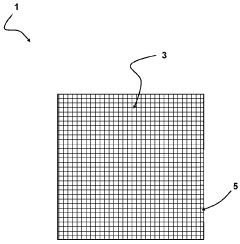
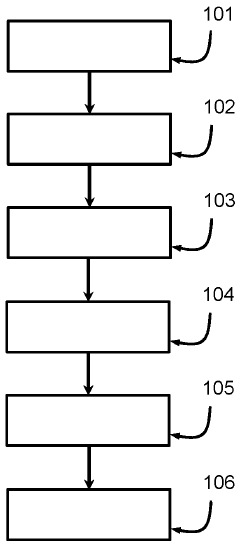
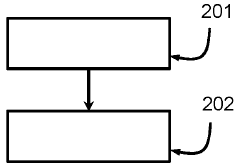
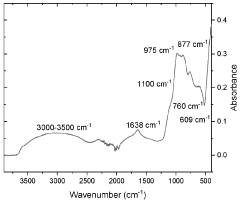
- A carbon dioxide capture structure using a monolithic three-dimensional porous structure with a carbon-based sorbent material and a potassium silicate binder, which increases CO2 adsorption capacity by up to 500% and provides improved mechanical strength and cycling properties, achieved through a low-temperature manufacturing process.
Environmental Impact of Sorbent Binder Systems
The environmental implications of sorbent binder systems represent a critical consideration in the development of mechanically robust carbon capture technologies. Traditional binder materials, particularly synthetic polymers and cement-based compounds, present significant environmental challenges throughout their lifecycle. These materials often require energy-intensive manufacturing processes that generate substantial carbon emissions, potentially offsetting the environmental benefits achieved through carbon capture operations.
Polymer-based binders commonly used in sorbent applications, such as polyvinyl alcohol and polyethylene glycol derivatives, raise concerns regarding biodegradability and long-term environmental persistence. When these systems reach end-of-life, disposal becomes problematic as many synthetic binders resist natural decomposition processes. Additionally, the production of these polymers typically relies on petrochemical feedstocks, creating indirect environmental impacts through resource extraction and processing.
The manufacturing phase of sorbent binder systems contributes significantly to their overall environmental footprint. High-temperature processing requirements for ceramic and inorganic binders result in substantial energy consumption, while solvent-based preparation methods introduce volatile organic compound emissions. These manufacturing impacts must be carefully weighed against the long-term carbon capture benefits to ensure net positive environmental outcomes.
Emerging bio-based binder alternatives present promising opportunities for reducing environmental impact while maintaining mechanical performance. Natural polymers derived from agricultural waste, such as lignin-based binders and cellulose derivatives, offer renewable alternatives with improved biodegradability profiles. These materials can potentially achieve comparable mechanical strength enhancement while significantly reducing the carbon footprint associated with binder production.
The operational environmental impact extends beyond material composition to include system durability and maintenance requirements. Binder systems that enhance mechanical strength contribute to extended sorbent lifespans, reducing replacement frequency and associated material consumption. This durability improvement translates to reduced waste generation and lower overall resource utilization throughout the system's operational lifetime.
Water usage and contamination represent additional environmental considerations, particularly for aqueous-based binder preparation methods. Optimizing binder formulations to minimize water consumption during manufacturing and reduce potential groundwater contamination risks becomes essential for sustainable implementation. Advanced binder chemistries that eliminate toxic solvents and reduce processing water requirements offer pathways toward more environmentally responsible sorbent systems.
Polymer-based binders commonly used in sorbent applications, such as polyvinyl alcohol and polyethylene glycol derivatives, raise concerns regarding biodegradability and long-term environmental persistence. When these systems reach end-of-life, disposal becomes problematic as many synthetic binders resist natural decomposition processes. Additionally, the production of these polymers typically relies on petrochemical feedstocks, creating indirect environmental impacts through resource extraction and processing.
The manufacturing phase of sorbent binder systems contributes significantly to their overall environmental footprint. High-temperature processing requirements for ceramic and inorganic binders result in substantial energy consumption, while solvent-based preparation methods introduce volatile organic compound emissions. These manufacturing impacts must be carefully weighed against the long-term carbon capture benefits to ensure net positive environmental outcomes.
Emerging bio-based binder alternatives present promising opportunities for reducing environmental impact while maintaining mechanical performance. Natural polymers derived from agricultural waste, such as lignin-based binders and cellulose derivatives, offer renewable alternatives with improved biodegradability profiles. These materials can potentially achieve comparable mechanical strength enhancement while significantly reducing the carbon footprint associated with binder production.
The operational environmental impact extends beyond material composition to include system durability and maintenance requirements. Binder systems that enhance mechanical strength contribute to extended sorbent lifespans, reducing replacement frequency and associated material consumption. This durability improvement translates to reduced waste generation and lower overall resource utilization throughout the system's operational lifetime.
Water usage and contamination represent additional environmental considerations, particularly for aqueous-based binder preparation methods. Optimizing binder formulations to minimize water consumption during manufacturing and reduce potential groundwater contamination risks becomes essential for sustainable implementation. Advanced binder chemistries that eliminate toxic solvents and reduce processing water requirements offer pathways toward more environmentally responsible sorbent systems.
Cost-Performance Trade-offs in Binder Selection
The selection of binders for sorbent applications presents a complex optimization challenge where cost considerations must be carefully balanced against performance requirements. Traditional polymer binders such as polyvinyl alcohol (PVA) and polyvinyl pyrrolidone (PVP) offer excellent mechanical properties but command premium prices ranging from $3-8 per kilogram. In contrast, natural binders like starch derivatives and cellulose-based materials provide cost advantages at $0.5-2 per kilogram while delivering moderate performance characteristics.
Economic analysis reveals that high-performance synthetic binders can increase overall sorbent production costs by 15-25%, yet they often justify this premium through enhanced durability and extended operational lifespans. Polyacrylamide-based systems, despite their higher initial cost, demonstrate superior mechanical strength retention under cyclic loading conditions, potentially reducing replacement frequencies by 30-40% compared to conventional alternatives.
The emergence of hybrid binder formulations represents a strategic approach to optimizing cost-performance ratios. These systems combine low-cost base materials with targeted performance enhancers, achieving 70-80% of premium binder performance at approximately 60% of the cost. Cross-linking agents and reinforcement additives can be selectively incorporated to address specific mechanical requirements without comprehensive system redesign.
Manufacturing scale significantly influences cost-performance dynamics. Large-scale production facilities benefit from economies of scale for premium binders, reducing unit costs by 20-30% compared to small-batch applications. However, specialized applications requiring custom binder formulations may necessitate accepting higher costs to achieve critical performance thresholds.
Regional availability and supply chain considerations further complicate cost-performance optimization. Local sourcing of natural binders can provide substantial cost advantages while reducing supply chain risks, though performance consistency may require additional quality control investments. The total cost of ownership analysis must encompass not only material costs but also processing requirements, quality assurance measures, and long-term performance implications to achieve optimal binder selection strategies.
Economic analysis reveals that high-performance synthetic binders can increase overall sorbent production costs by 15-25%, yet they often justify this premium through enhanced durability and extended operational lifespans. Polyacrylamide-based systems, despite their higher initial cost, demonstrate superior mechanical strength retention under cyclic loading conditions, potentially reducing replacement frequencies by 30-40% compared to conventional alternatives.
The emergence of hybrid binder formulations represents a strategic approach to optimizing cost-performance ratios. These systems combine low-cost base materials with targeted performance enhancers, achieving 70-80% of premium binder performance at approximately 60% of the cost. Cross-linking agents and reinforcement additives can be selectively incorporated to address specific mechanical requirements without comprehensive system redesign.
Manufacturing scale significantly influences cost-performance dynamics. Large-scale production facilities benefit from economies of scale for premium binders, reducing unit costs by 20-30% compared to small-batch applications. However, specialized applications requiring custom binder formulations may necessitate accepting higher costs to achieve critical performance thresholds.
Regional availability and supply chain considerations further complicate cost-performance optimization. Local sourcing of natural binders can provide substantial cost advantages while reducing supply chain risks, though performance consistency may require additional quality control investments. The total cost of ownership analysis must encompass not only material costs but also processing requirements, quality assurance measures, and long-term performance implications to achieve optimal binder selection strategies.
Unlock deeper insights with PatSnap Eureka Quick Research — get a full tech report to explore trends and direct your research. Try now!
Generate Your Research Report Instantly with AI Agent
Supercharge your innovation with PatSnap Eureka AI Agent Platform!