

Optimize thermionic converter cesium pressure for min space charge
MAY 7, 20269 MIN READ
Generate Your Research Report Instantly with AI Agent
PatSnap Eureka helps you evaluate technical feasibility & market potential.
Thermionic Converter Cesium Optimization Background and Goals
Thermionic converters represent a direct energy conversion technology that transforms thermal energy into electrical energy through the emission and collection of electrons across a vacuum gap. This technology has garnered significant attention for space power applications due to its ability to operate at high temperatures and provide reliable power generation in harsh environments. The fundamental principle relies on thermionic emission, where electrons are emitted from a heated cathode surface and collected at a cooler anode, creating an electrical current.
The historical development of thermionic converters dates back to the early 20th century, with Thomas Edison's observation of thermionic emission in 1883. However, practical applications emerged during the 1960s space race, when NASA and other space agencies recognized the potential for nuclear-powered thermionic systems in long-duration space missions. Early converters suffered from significant efficiency limitations due to space charge effects, where accumulated electrons in the inter-electrode gap created an electrostatic barrier that impeded current flow.
The introduction of cesium vapor as an ionizable medium marked a revolutionary advancement in thermionic converter technology. Cesium atoms, with their low ionization potential of 3.89 eV, readily ionize in the high-temperature environment near the emitter surface. These positive cesium ions neutralize the negative space charge created by emitted electrons, effectively reducing the electrostatic barrier and enabling higher current densities. Additionally, cesium adsorption on electrode surfaces modifies work functions, further enhancing performance.
Current technological objectives focus on optimizing cesium pressure to achieve minimal space charge effects while maintaining stable converter operation. The challenge lies in establishing the precise cesium vapor pressure that balances space charge neutralization with other operational parameters. Excessive cesium pressure can lead to increased collision losses and reduced mean free path for electrons, while insufficient pressure fails to adequately neutralize space charge effects.
The primary goal of cesium pressure optimization encompasses achieving maximum power density output, improving overall conversion efficiency, and ensuring long-term operational stability. This optimization directly impacts the viability of thermionic converters for next-generation space power systems, terrestrial waste heat recovery applications, and concentrated solar power installations. Advanced modeling techniques and experimental validation are essential to determine optimal operating conditions that minimize space charge while maximizing energy conversion performance.
The historical development of thermionic converters dates back to the early 20th century, with Thomas Edison's observation of thermionic emission in 1883. However, practical applications emerged during the 1960s space race, when NASA and other space agencies recognized the potential for nuclear-powered thermionic systems in long-duration space missions. Early converters suffered from significant efficiency limitations due to space charge effects, where accumulated electrons in the inter-electrode gap created an electrostatic barrier that impeded current flow.
The introduction of cesium vapor as an ionizable medium marked a revolutionary advancement in thermionic converter technology. Cesium atoms, with their low ionization potential of 3.89 eV, readily ionize in the high-temperature environment near the emitter surface. These positive cesium ions neutralize the negative space charge created by emitted electrons, effectively reducing the electrostatic barrier and enabling higher current densities. Additionally, cesium adsorption on electrode surfaces modifies work functions, further enhancing performance.
Current technological objectives focus on optimizing cesium pressure to achieve minimal space charge effects while maintaining stable converter operation. The challenge lies in establishing the precise cesium vapor pressure that balances space charge neutralization with other operational parameters. Excessive cesium pressure can lead to increased collision losses and reduced mean free path for electrons, while insufficient pressure fails to adequately neutralize space charge effects.
The primary goal of cesium pressure optimization encompasses achieving maximum power density output, improving overall conversion efficiency, and ensuring long-term operational stability. This optimization directly impacts the viability of thermionic converters for next-generation space power systems, terrestrial waste heat recovery applications, and concentrated solar power installations. Advanced modeling techniques and experimental validation are essential to determine optimal operating conditions that minimize space charge while maximizing energy conversion performance.
Market Demand for Advanced Thermionic Energy Systems
The global energy landscape is experiencing unprecedented transformation, driven by increasing demand for sustainable and efficient power generation technologies. Advanced thermionic energy systems represent a critical frontier in this evolution, offering unique advantages for specialized applications where conventional power generation methods face significant limitations. The optimization of cesium pressure in thermionic converters to minimize space charge effects directly addresses one of the fundamental challenges limiting the commercial viability and performance efficiency of these systems.
Space-based applications constitute the primary market driver for advanced thermionic energy systems. Satellite operators, space agencies, and commercial space ventures require reliable, long-duration power sources that can operate in extreme environments without maintenance. The ability to optimize cesium pressure for minimal space charge losses directly translates to improved power-to-weight ratios and extended operational lifespans, making these systems increasingly attractive for deep space missions and long-term orbital platforms.
Industrial high-temperature applications represent another significant market segment with growing demand. Steel manufacturing, glass production, and chemical processing industries generate substantial waste heat that remains largely unutilized. Advanced thermionic systems optimized for minimal space charge can efficiently convert this waste heat into usable electricity, addressing both energy efficiency mandates and carbon reduction targets that are becoming increasingly stringent across developed economies.
The nuclear power sector presents substantial opportunities for thermionic energy systems, particularly in next-generation reactor designs and radioisotope thermoelectric generators. Enhanced cesium pressure optimization enables these systems to achieve higher conversion efficiencies in radiation-rich environments where traditional power conversion technologies experience rapid degradation. This capability aligns with renewed global interest in nuclear energy as a clean baseload power source.
Military and defense applications drive demand for robust, silent power generation systems capable of operating in harsh environments. Optimized thermionic converters offer advantages in terms of electromagnetic signature reduction and mechanical reliability compared to conventional generators, making them valuable for specialized defense applications where operational security and equipment durability are paramount considerations.
Emerging markets in distributed energy systems and off-grid applications are beginning to recognize the potential of advanced thermionic technologies. Remote industrial facilities, research stations, and specialized manufacturing processes require reliable power sources that can operate independently of traditional grid infrastructure while maintaining consistent performance over extended periods.
Space-based applications constitute the primary market driver for advanced thermionic energy systems. Satellite operators, space agencies, and commercial space ventures require reliable, long-duration power sources that can operate in extreme environments without maintenance. The ability to optimize cesium pressure for minimal space charge losses directly translates to improved power-to-weight ratios and extended operational lifespans, making these systems increasingly attractive for deep space missions and long-term orbital platforms.
Industrial high-temperature applications represent another significant market segment with growing demand. Steel manufacturing, glass production, and chemical processing industries generate substantial waste heat that remains largely unutilized. Advanced thermionic systems optimized for minimal space charge can efficiently convert this waste heat into usable electricity, addressing both energy efficiency mandates and carbon reduction targets that are becoming increasingly stringent across developed economies.
The nuclear power sector presents substantial opportunities for thermionic energy systems, particularly in next-generation reactor designs and radioisotope thermoelectric generators. Enhanced cesium pressure optimization enables these systems to achieve higher conversion efficiencies in radiation-rich environments where traditional power conversion technologies experience rapid degradation. This capability aligns with renewed global interest in nuclear energy as a clean baseload power source.
Military and defense applications drive demand for robust, silent power generation systems capable of operating in harsh environments. Optimized thermionic converters offer advantages in terms of electromagnetic signature reduction and mechanical reliability compared to conventional generators, making them valuable for specialized defense applications where operational security and equipment durability are paramount considerations.
Emerging markets in distributed energy systems and off-grid applications are beginning to recognize the potential of advanced thermionic technologies. Remote industrial facilities, research stations, and specialized manufacturing processes require reliable power sources that can operate independently of traditional grid infrastructure while maintaining consistent performance over extended periods.
Current Cesium Pressure Control Challenges and Space Charge Issues
Thermionic converters face significant challenges in maintaining optimal cesium pressure control, which directly impacts space charge formation and overall device efficiency. The primary difficulty lies in achieving precise vapor pressure regulation across varying operational temperatures and power output demands. Current cesium reservoir systems struggle with temperature-dependent vapor pressure variations, where small temperature fluctuations can lead to substantial changes in cesium density within the interelectrode gap.
Space charge accumulation represents one of the most critical performance limitations in thermionic energy conversion. When cesium pressure deviates from optimal levels, positive ions and electrons create charge clouds that impede current flow and reduce power output. Insufficient cesium pressure results in inadequate space charge neutralization, while excessive pressure leads to increased collision losses and reduced mean free path for electrons. This delicate balance becomes increasingly difficult to maintain during transient operations and varying thermal conditions.
Traditional cesium pressure control methods rely on passive reservoir heating systems that exhibit slow response times and limited precision. These systems typically demonstrate temperature control accuracies of ±10-20K, translating to cesium pressure variations of 30-50%, which significantly exceeds the ±5% precision required for optimal space charge minimization. The thermal inertia of conventional reservoir designs prevents rapid adjustment to changing operational demands.
Current monitoring techniques for cesium pressure measurement present additional challenges. Direct pressure sensing at high temperatures proves problematic due to sensor degradation and interference from electromagnetic fields. Indirect methods, such as work function measurements or current-voltage characteristic analysis, provide delayed feedback and insufficient real-time control capability for dynamic space charge optimization.
The interelectrode gap geometry further complicates cesium pressure distribution uniformity. Non-uniform cesium density creates localized space charge variations that reduce overall converter efficiency. Edge effects and thermal gradients across the electrode surfaces contribute to cesium vapor redistribution, making it difficult to maintain consistent space charge conditions throughout the active conversion area.
Advanced control systems attempting to address these challenges face integration difficulties with existing thermionic converter designs. Feedback control loops require sophisticated sensors and actuators capable of operating in high-temperature, high-radiation environments. The complexity of implementing real-time cesium pressure adjustment while maintaining system reliability and longevity presents ongoing engineering obstacles that limit widespread adoption of precision control technologies.
Space charge accumulation represents one of the most critical performance limitations in thermionic energy conversion. When cesium pressure deviates from optimal levels, positive ions and electrons create charge clouds that impede current flow and reduce power output. Insufficient cesium pressure results in inadequate space charge neutralization, while excessive pressure leads to increased collision losses and reduced mean free path for electrons. This delicate balance becomes increasingly difficult to maintain during transient operations and varying thermal conditions.
Traditional cesium pressure control methods rely on passive reservoir heating systems that exhibit slow response times and limited precision. These systems typically demonstrate temperature control accuracies of ±10-20K, translating to cesium pressure variations of 30-50%, which significantly exceeds the ±5% precision required for optimal space charge minimization. The thermal inertia of conventional reservoir designs prevents rapid adjustment to changing operational demands.
Current monitoring techniques for cesium pressure measurement present additional challenges. Direct pressure sensing at high temperatures proves problematic due to sensor degradation and interference from electromagnetic fields. Indirect methods, such as work function measurements or current-voltage characteristic analysis, provide delayed feedback and insufficient real-time control capability for dynamic space charge optimization.
The interelectrode gap geometry further complicates cesium pressure distribution uniformity. Non-uniform cesium density creates localized space charge variations that reduce overall converter efficiency. Edge effects and thermal gradients across the electrode surfaces contribute to cesium vapor redistribution, making it difficult to maintain consistent space charge conditions throughout the active conversion area.
Advanced control systems attempting to address these challenges face integration difficulties with existing thermionic converter designs. Feedback control loops require sophisticated sensors and actuators capable of operating in high-temperature, high-radiation environments. The complexity of implementing real-time cesium pressure adjustment while maintaining system reliability and longevity presents ongoing engineering obstacles that limit widespread adoption of precision control technologies.
Existing Cesium Pressure Optimization Solutions
01 Space charge neutralization techniques in thermionic converters
Methods for neutralizing or reducing space charge effects in thermionic converters through the introduction of ions or other charged particles. These techniques help overcome the space charge barrier that limits electron flow between the emitter and collector electrodes, thereby improving converter efficiency and power output.- Space charge neutralization techniques in thermionic converters: Methods for neutralizing space charge effects in thermionic converters through the introduction of ions or plasma to reduce the potential barrier between electrodes. These techniques help improve electron flow and overall converter efficiency by counteracting the negative space charge buildup that impedes electron transport from cathode to anode.
- Electrode design and geometry optimization for space charge control: Specialized electrode configurations and geometric arrangements designed to minimize space charge effects in thermionic converters. These designs focus on optimizing the spacing, surface area, and shape of cathode and anode structures to enhance electron emission and collection while reducing space charge limitations.
- Cesium vapor and alkali metal systems for space charge mitigation: Utilization of cesium vapor or other alkali metals in thermionic converters to create a low work function environment and provide positive ions that neutralize space charge. These systems help maintain optimal plasma conditions and improve the converter's power output by reducing electron space charge effects.
- Advanced materials and surface treatments for enhanced thermionic emission: Development of specialized cathode materials, surface coatings, and treatments that improve thermionic emission characteristics while managing space charge effects. These innovations focus on reducing work function, increasing emission current density, and maintaining stable operation under space charge limited conditions.
- Plasma-enhanced and hybrid thermionic converter systems: Integration of plasma generation and control systems with thermionic converters to actively manage space charge through external ionization sources. These hybrid approaches combine traditional thermionic emission with plasma physics principles to overcome space charge limitations and achieve higher conversion efficiencies.
02 Electrode configuration and geometry optimization
Design approaches focusing on the physical arrangement, spacing, and geometry of emitter and collector electrodes to minimize space charge effects. These configurations aim to optimize the electric field distribution and reduce the accumulation of electrons in the interelectrode space that creates the space charge barrier.Expand Specific Solutions03 Cesium vapor and alkali metal additives for space charge control
Utilization of cesium vapor or other alkali metals in the interelectrode space to provide positive ions that neutralize the negative space charge created by electrons. This approach involves controlling the cesium pressure and temperature to achieve optimal ionization and space charge neutralization conditions.Expand Specific Solutions04 Advanced thermionic converter structures with integrated space charge management
Modern thermionic converter designs that incorporate specialized structures or materials to inherently manage space charge effects. These may include multi-stage configurations, micro-scale devices, or novel electrode materials that provide improved space charge control through their fundamental design principles.Expand Specific Solutions05 Plasma-enhanced thermionic conversion systems
Systems that utilize plasma formation or plasma-assisted processes to overcome space charge limitations in thermionic converters. These approaches leverage the conductive properties of plasma to facilitate electron transport and reduce the impedance caused by space charge accumulation between electrodes.Expand Specific Solutions
Key Players in Thermionic Energy Conversion Industry
The thermionic converter cesium pressure optimization field represents an emerging niche within advanced energy conversion technologies, currently in early development stages with limited commercial deployment. The market remains nascent with modest scale, primarily driven by research institutions and specialized companies exploring next-generation power systems. Technology maturity varies significantly across players, with Spark Thermionics leading commercial development of thermionic energy conversion devices, while TerraPower incorporates related technologies in advanced nuclear reactor designs. Academic institutions including Xi'an Jiaotong University, Harbin Institute of Technology, and University of Bristol contribute fundamental research on cesium optimization and space charge minimization. Industrial giants like DENSO, Murata Manufacturing, and Taiwan Semiconductor Manufacturing provide supporting component technologies, though thermionic conversion remains peripheral to their core operations. The competitive landscape reflects a technology still transitioning from laboratory research toward practical applications.
Spark Thermionics, Inc.
Technical Solution: Spark Thermionics specializes in advanced thermionic converter technology with proprietary cesium vapor pressure optimization systems. Their approach utilizes dynamic cesium reservoir control mechanisms that maintain optimal cesium pressure between 1-10 Torr to minimize space charge effects while maximizing electron emission efficiency. The company has developed sophisticated modeling algorithms that predict optimal cesium pressure based on electrode temperature differentials, work function variations, and plasma density measurements. Their converters incorporate real-time feedback control systems that automatically adjust cesium vapor pressure to maintain peak performance under varying operational conditions.
Strengths: Specialized expertise in thermionic systems, advanced control algorithms. Weaknesses: Limited scale manufacturing capabilities, high development costs.
TerraPower LLC
Technical Solution: TerraPower has developed innovative thermionic converter designs for nuclear space applications, focusing on cesium pressure optimization for minimal space charge interference. Their technology employs multi-stage cesium vapor management systems that utilize temperature-controlled reservoirs to maintain precise cesium partial pressures. The company's approach integrates computational fluid dynamics modeling to predict cesium ion distribution and optimize electrode spacing. Their converters feature advanced cesium recycling mechanisms that ensure consistent vapor pressure while minimizing cesium consumption, critical for long-duration space missions requiring reliable power generation.
Strengths: Nuclear expertise, space application focus, advanced modeling capabilities. Weaknesses: Limited commercial availability, regulatory constraints for nuclear applications.
Core Innovations in Space Charge Minimization Techniques
Means and method of processing reservoirless thermionic converters
PatentInactiveUS3807827A
Innovation
- A thermionic converter design with emitter and collector surfaces optimized for adequate adsorption area to vapor volume ratio, using refluxing cesium at high collector temperature and pressure to eliminate impurities and maintain cesium vapor pressure before sealing, allowing for performance control and minimizing cesium loss.


Self-powered microthermionic converter
PatentInactiveUS6774532B1
Innovation
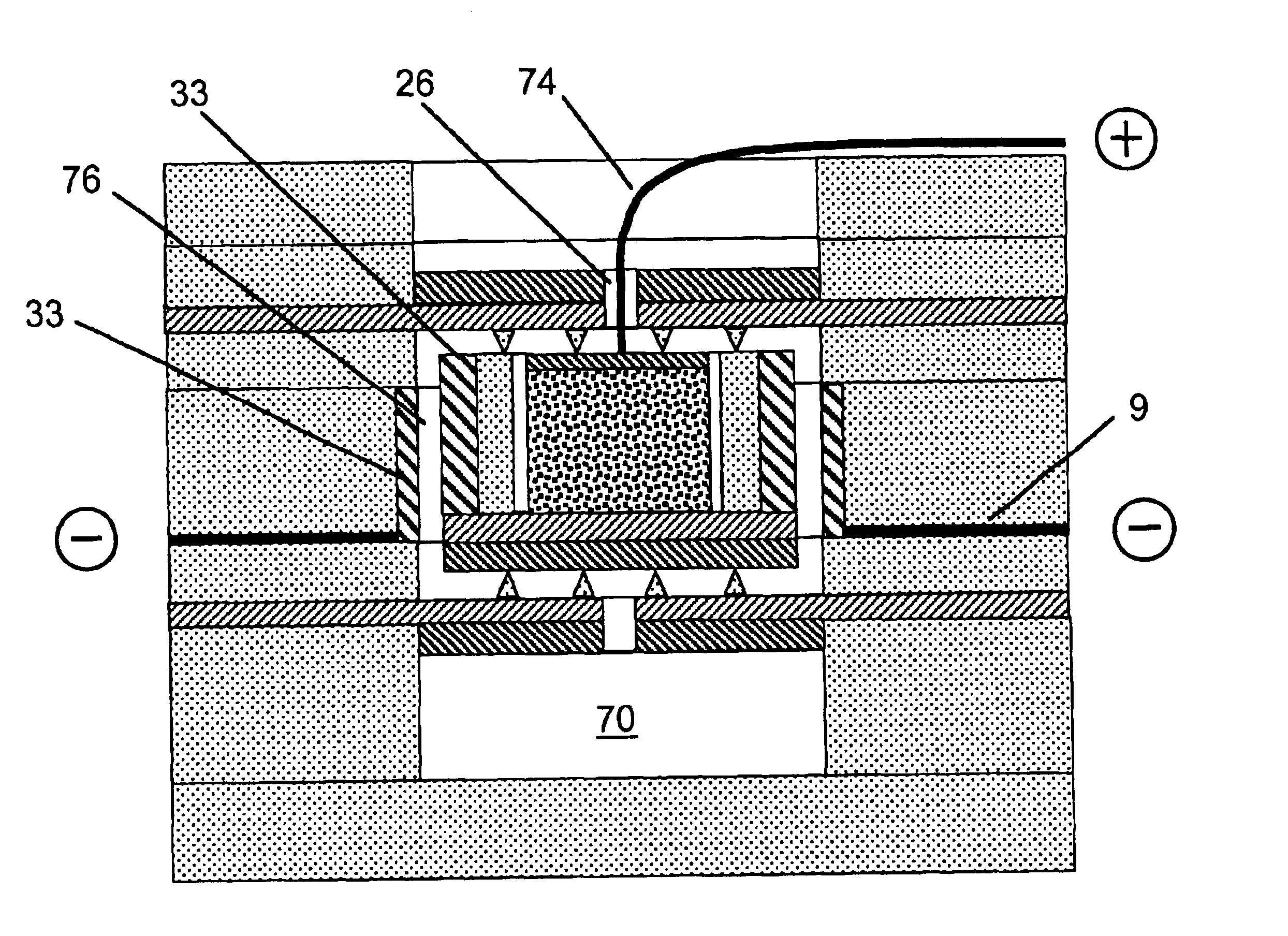
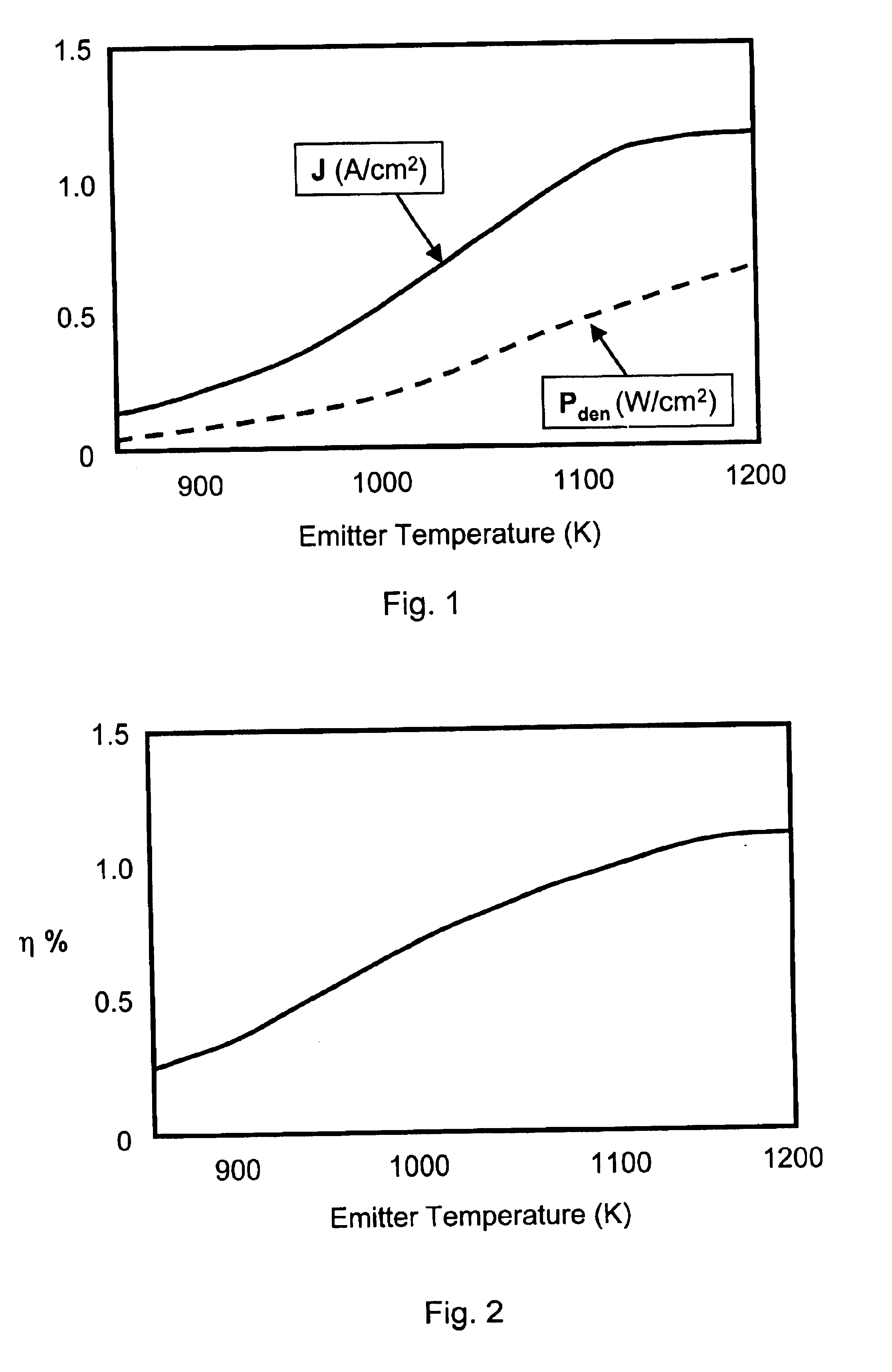
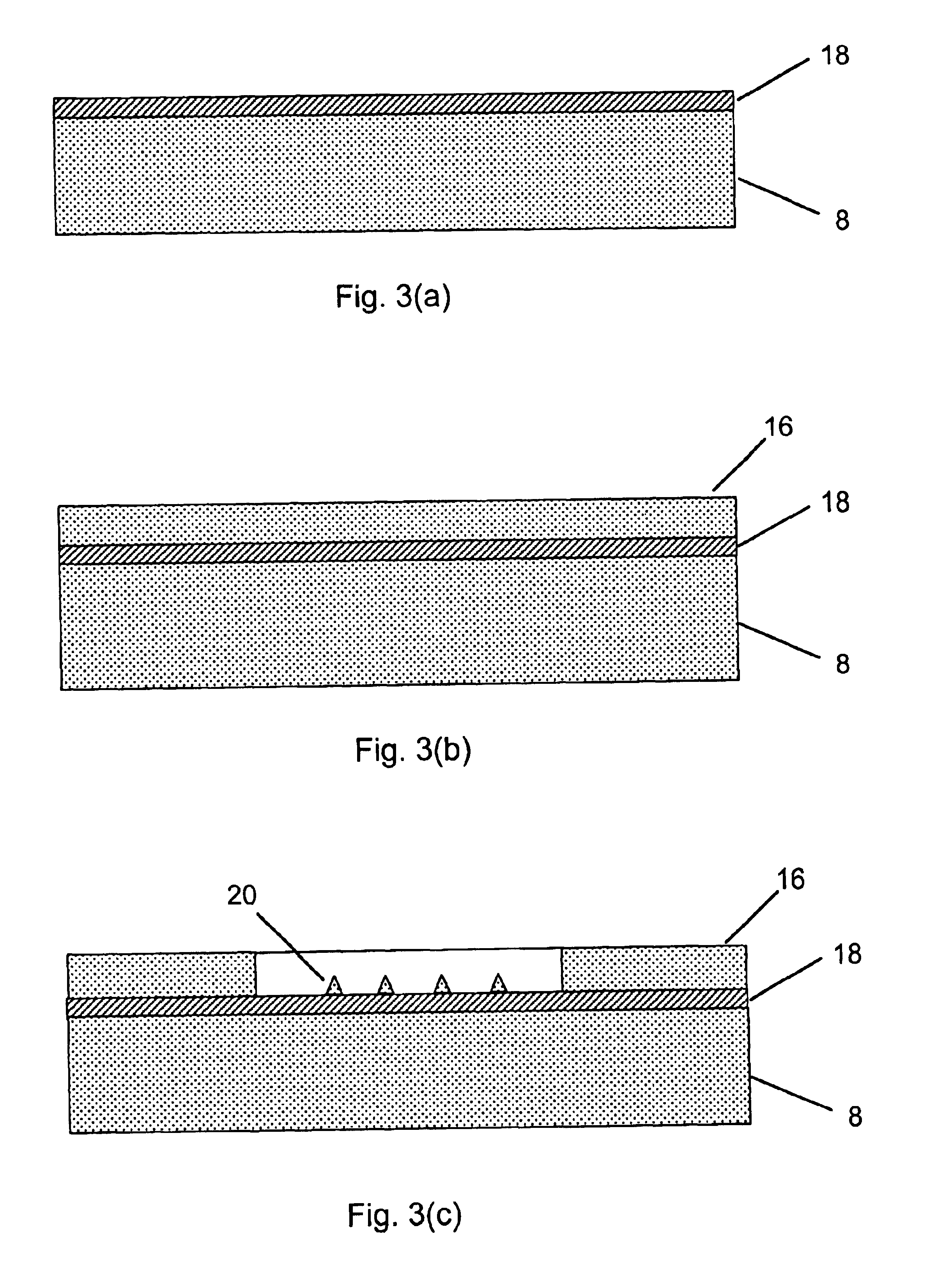
- A self-powered microthermionic converter with a micron-scale interelectrode gap, a self-contained thermal power source, and thermionic electron emissive materials, utilizing a low-pressure cesium or barium vapor system and a radioisotopic thermal source to achieve efficient energy conversion without external heat sources.

Space Application Safety Standards for Thermionic Systems
Space applications of thermionic systems demand rigorous safety standards due to the unique operational environment and critical mission requirements. The optimization of cesium pressure to minimize space charge effects must comply with comprehensive safety protocols that address both system reliability and mission success criteria. These standards encompass material compatibility, operational limits, and failure mode analysis specific to the space environment.
Primary safety considerations for thermionic converter cesium pressure optimization include containment integrity under extreme temperature variations and vacuum conditions. The cesium reservoir and distribution system must maintain structural integrity throughout launch vibrations, thermal cycling, and long-term space exposure. Safety standards mandate redundant sealing mechanisms and pressure relief systems to prevent catastrophic failure modes that could compromise spacecraft operations or crew safety.
Radiation exposure presents unique challenges for cesium-based thermionic systems in space applications. Safety protocols require comprehensive shielding analysis and material selection to prevent radiation-induced degradation of cesium containment systems. The standards specify maximum allowable radiation doses for critical components and establish monitoring requirements for cesium vapor pressure stability under prolonged radiation exposure.
Thermal management safety standards are particularly critical when optimizing cesium pressure for minimum space charge conditions. The narrow operational window for optimal cesium pressure requires precise temperature control systems with multiple redundancy levels. Safety protocols mandate fail-safe thermal control mechanisms that prevent cesium condensation or excessive vaporization, both of which could lead to system failure or safety hazards.
Contamination control represents another essential aspect of safety standards for space thermionic systems. Cesium vapor must be contained to prevent interference with other spacecraft systems, particularly optical instruments and life support systems in crewed missions. Standards specify maximum allowable cesium leak rates and require comprehensive testing protocols to verify containment effectiveness under all operational conditions.
Emergency response procedures form an integral component of safety standards, addressing potential cesium system failures during mission operations. These protocols include isolation procedures, backup power systems, and communication requirements for ground-based mission control. The standards also establish clear decision criteria for system shutdown and recovery operations to minimize mission impact while ensuring crew and spacecraft safety.
Primary safety considerations for thermionic converter cesium pressure optimization include containment integrity under extreme temperature variations and vacuum conditions. The cesium reservoir and distribution system must maintain structural integrity throughout launch vibrations, thermal cycling, and long-term space exposure. Safety standards mandate redundant sealing mechanisms and pressure relief systems to prevent catastrophic failure modes that could compromise spacecraft operations or crew safety.
Radiation exposure presents unique challenges for cesium-based thermionic systems in space applications. Safety protocols require comprehensive shielding analysis and material selection to prevent radiation-induced degradation of cesium containment systems. The standards specify maximum allowable radiation doses for critical components and establish monitoring requirements for cesium vapor pressure stability under prolonged radiation exposure.
Thermal management safety standards are particularly critical when optimizing cesium pressure for minimum space charge conditions. The narrow operational window for optimal cesium pressure requires precise temperature control systems with multiple redundancy levels. Safety protocols mandate fail-safe thermal control mechanisms that prevent cesium condensation or excessive vaporization, both of which could lead to system failure or safety hazards.
Contamination control represents another essential aspect of safety standards for space thermionic systems. Cesium vapor must be contained to prevent interference with other spacecraft systems, particularly optical instruments and life support systems in crewed missions. Standards specify maximum allowable cesium leak rates and require comprehensive testing protocols to verify containment effectiveness under all operational conditions.
Emergency response procedures form an integral component of safety standards, addressing potential cesium system failures during mission operations. These protocols include isolation procedures, backup power systems, and communication requirements for ground-based mission control. The standards also establish clear decision criteria for system shutdown and recovery operations to minimize mission impact while ensuring crew and spacecraft safety.
Material Science Advances in Thermionic Electrode Design
The optimization of cesium pressure in thermionic converters to minimize space charge effects has driven significant advances in electrode material science, particularly in the development of specialized cathode and anode materials that can operate efficiently under varying cesium vapor conditions. Modern thermionic electrode design focuses on materials that maintain stable work functions while demonstrating enhanced resistance to cesium corrosion and thermal cycling.
Recent breakthroughs in cathode materials have centered on advanced tungsten-based composites and refractory metal carbides that exhibit superior electron emission characteristics at optimized cesium pressures. These materials incorporate nanostructured surfaces that enhance the cesium adsorption-desorption kinetics, enabling more precise control over the electrode work function. The development of graded composition electrodes has shown particular promise, where the surface layer composition is tailored to interact optimally with cesium atoms while the bulk material provides structural integrity and thermal conductivity.
Anode material innovations have focused on creating surfaces that minimize cesium condensation while maintaining low work functions. Advanced molybdenum alloys and rhenium-based materials have emerged as leading candidates, offering improved thermal stability and reduced susceptibility to cesium-induced surface reconstruction. These materials demonstrate enhanced performance in the low cesium pressure regimes required for space charge minimization.
Surface engineering techniques have revolutionized electrode design through the application of atomic layer deposition and ion beam modification methods. These approaches enable the creation of precisely controlled surface morphologies that optimize cesium interaction dynamics. Nanostructured electrode surfaces with controlled porosity and surface area have shown significant improvements in cesium pressure tolerance ranges.
The integration of computational materials science has accelerated electrode development by enabling predictive modeling of cesium-electrode interactions at the atomic scale. This approach has identified novel material combinations and surface treatments that were previously unexplored, leading to electrodes with enhanced performance under optimized cesium pressure conditions for space charge reduction.
Recent breakthroughs in cathode materials have centered on advanced tungsten-based composites and refractory metal carbides that exhibit superior electron emission characteristics at optimized cesium pressures. These materials incorporate nanostructured surfaces that enhance the cesium adsorption-desorption kinetics, enabling more precise control over the electrode work function. The development of graded composition electrodes has shown particular promise, where the surface layer composition is tailored to interact optimally with cesium atoms while the bulk material provides structural integrity and thermal conductivity.
Anode material innovations have focused on creating surfaces that minimize cesium condensation while maintaining low work functions. Advanced molybdenum alloys and rhenium-based materials have emerged as leading candidates, offering improved thermal stability and reduced susceptibility to cesium-induced surface reconstruction. These materials demonstrate enhanced performance in the low cesium pressure regimes required for space charge minimization.
Surface engineering techniques have revolutionized electrode design through the application of atomic layer deposition and ion beam modification methods. These approaches enable the creation of precisely controlled surface morphologies that optimize cesium interaction dynamics. Nanostructured electrode surfaces with controlled porosity and surface area have shown significant improvements in cesium pressure tolerance ranges.
The integration of computational materials science has accelerated electrode development by enabling predictive modeling of cesium-electrode interactions at the atomic scale. This approach has identified novel material combinations and surface treatments that were previously unexplored, leading to electrodes with enhanced performance under optimized cesium pressure conditions for space charge reduction.
Unlock deeper insights with PatSnap Eureka Quick Research — get a full tech report to explore trends and direct your research. Try now!
Generate Your Research Report Instantly with AI Agent
Supercharge your innovation with PatSnap Eureka AI Agent Platform!