

Optimizing Barrier Efficiency for Next-Gen Energy Storage
MAY 15, 202610 MIN READ
Generate Your Research Report Instantly with AI Agent
PatSnap Eureka helps you evaluate technical feasibility & market potential.
Energy Storage Barrier Tech Background and Goals
Energy storage systems have undergone remarkable evolution since the early development of lead-acid batteries in the 1850s, progressing through nickel-cadmium technologies in the early 20th century to today's sophisticated lithium-ion and emerging solid-state solutions. The fundamental challenge of optimizing barrier efficiency has remained central to advancing energy storage performance, as barriers directly influence ion transport, energy density, and system longevity.
The concept of barrier optimization encompasses multiple dimensions within energy storage architectures. In electrochemical systems, barriers serve as selective membranes that facilitate desired ion movement while preventing unwanted reactions and degradation processes. These barriers must balance permeability for target ions with impermeability to undesired species, creating a complex engineering challenge that has driven decades of materials science research.
Contemporary energy storage demands have intensified the focus on barrier efficiency optimization. Modern applications require systems capable of rapid charging, extended cycle life, enhanced safety profiles, and increased energy density. These requirements place unprecedented demands on barrier materials, necessitating innovations in membrane chemistry, nanostructure engineering, and interface design to achieve optimal performance characteristics.
The technological trajectory toward next-generation energy storage solutions has identified several critical barrier-related objectives. Primary goals include developing barriers with enhanced ionic conductivity while maintaining structural integrity under extreme operating conditions. Secondary objectives focus on creating self-healing barrier materials that can recover from microscopic damage, extending system operational life and reliability.
Advanced barrier technologies are targeting specific performance metrics that define next-generation capabilities. These include achieving ionic conductivities exceeding 10^-3 S/cm at room temperature, maintaining barrier integrity across temperature ranges from -40°C to 85°C, and demonstrating cycle stability beyond 10,000 charge-discharge cycles without significant performance degradation.
The integration of nanotechnology and advanced materials science has opened new pathways for barrier optimization. Researchers are exploring hybrid organic-inorganic barriers, nanocomposite membranes with tailored porosity, and smart barriers that adapt their properties based on operating conditions. These innovations represent fundamental shifts from traditional barrier approaches toward dynamic, responsive systems.
Future barrier technologies aim to enable energy storage systems with energy densities approaching 500 Wh/kg while maintaining safety standards and cost-effectiveness. This ambitious target requires breakthrough innovations in barrier design, manufacturing processes, and system integration approaches that can scale from laboratory demonstrations to commercial production.
The concept of barrier optimization encompasses multiple dimensions within energy storage architectures. In electrochemical systems, barriers serve as selective membranes that facilitate desired ion movement while preventing unwanted reactions and degradation processes. These barriers must balance permeability for target ions with impermeability to undesired species, creating a complex engineering challenge that has driven decades of materials science research.
Contemporary energy storage demands have intensified the focus on barrier efficiency optimization. Modern applications require systems capable of rapid charging, extended cycle life, enhanced safety profiles, and increased energy density. These requirements place unprecedented demands on barrier materials, necessitating innovations in membrane chemistry, nanostructure engineering, and interface design to achieve optimal performance characteristics.
The technological trajectory toward next-generation energy storage solutions has identified several critical barrier-related objectives. Primary goals include developing barriers with enhanced ionic conductivity while maintaining structural integrity under extreme operating conditions. Secondary objectives focus on creating self-healing barrier materials that can recover from microscopic damage, extending system operational life and reliability.
Advanced barrier technologies are targeting specific performance metrics that define next-generation capabilities. These include achieving ionic conductivities exceeding 10^-3 S/cm at room temperature, maintaining barrier integrity across temperature ranges from -40°C to 85°C, and demonstrating cycle stability beyond 10,000 charge-discharge cycles without significant performance degradation.
The integration of nanotechnology and advanced materials science has opened new pathways for barrier optimization. Researchers are exploring hybrid organic-inorganic barriers, nanocomposite membranes with tailored porosity, and smart barriers that adapt their properties based on operating conditions. These innovations represent fundamental shifts from traditional barrier approaches toward dynamic, responsive systems.
Future barrier technologies aim to enable energy storage systems with energy densities approaching 500 Wh/kg while maintaining safety standards and cost-effectiveness. This ambitious target requires breakthrough innovations in barrier design, manufacturing processes, and system integration approaches that can scale from laboratory demonstrations to commercial production.
Market Demand for Advanced Energy Storage Solutions
The global energy storage market is experiencing unprecedented growth driven by the urgent need for grid stabilization, renewable energy integration, and electrification across multiple sectors. Traditional energy storage systems face significant limitations in efficiency, safety, and longevity, creating substantial market opportunities for next-generation solutions with optimized barrier technologies.
Grid-scale energy storage represents the largest demand segment, as utilities worldwide struggle to manage intermittent renewable energy sources. Wind and solar power generation creates substantial grid instability challenges, requiring advanced storage systems capable of rapid charge-discharge cycles while maintaining high efficiency over extended periods. Current lithium-ion technologies suffer from thermal runaway risks and capacity degradation, driving demand for safer alternatives with superior barrier materials.
The electric vehicle revolution has created another massive demand driver for advanced energy storage solutions. Automotive manufacturers require batteries with enhanced safety profiles, faster charging capabilities, and extended operational lifespans. Optimized barrier efficiency directly addresses these requirements by preventing dendrite formation, reducing thermal risks, and enabling higher energy densities without compromising safety standards.
Industrial and commercial applications represent rapidly expanding market segments, particularly in data centers, telecommunications infrastructure, and manufacturing facilities. These sectors demand reliable backup power systems with minimal maintenance requirements and consistent performance over decades of operation. Enhanced barrier technologies can significantly reduce total cost of ownership while improving system reliability.
Residential energy storage markets are emerging globally as consumers seek energy independence and grid resilience. Home energy storage systems require compact designs with exceptional safety characteristics, making barrier optimization crucial for market acceptance. The integration of solar panels with residential storage creates additional demand for efficient, long-lasting battery systems.
Emerging applications in aerospace, marine, and remote infrastructure sectors present specialized requirements for energy storage systems operating under extreme conditions. These niche markets demand exceptional reliability and performance, often justifying premium pricing for advanced barrier technologies that ensure consistent operation in challenging environments.
The convergence of these market demands creates substantial opportunities for breakthrough barrier technologies that can simultaneously address efficiency, safety, and longevity challenges across multiple application domains.
Grid-scale energy storage represents the largest demand segment, as utilities worldwide struggle to manage intermittent renewable energy sources. Wind and solar power generation creates substantial grid instability challenges, requiring advanced storage systems capable of rapid charge-discharge cycles while maintaining high efficiency over extended periods. Current lithium-ion technologies suffer from thermal runaway risks and capacity degradation, driving demand for safer alternatives with superior barrier materials.
The electric vehicle revolution has created another massive demand driver for advanced energy storage solutions. Automotive manufacturers require batteries with enhanced safety profiles, faster charging capabilities, and extended operational lifespans. Optimized barrier efficiency directly addresses these requirements by preventing dendrite formation, reducing thermal risks, and enabling higher energy densities without compromising safety standards.
Industrial and commercial applications represent rapidly expanding market segments, particularly in data centers, telecommunications infrastructure, and manufacturing facilities. These sectors demand reliable backup power systems with minimal maintenance requirements and consistent performance over decades of operation. Enhanced barrier technologies can significantly reduce total cost of ownership while improving system reliability.
Residential energy storage markets are emerging globally as consumers seek energy independence and grid resilience. Home energy storage systems require compact designs with exceptional safety characteristics, making barrier optimization crucial for market acceptance. The integration of solar panels with residential storage creates additional demand for efficient, long-lasting battery systems.
Emerging applications in aerospace, marine, and remote infrastructure sectors present specialized requirements for energy storage systems operating under extreme conditions. These niche markets demand exceptional reliability and performance, often justifying premium pricing for advanced barrier technologies that ensure consistent operation in challenging environments.
The convergence of these market demands creates substantial opportunities for breakthrough barrier technologies that can simultaneously address efficiency, safety, and longevity challenges across multiple application domains.
Current Barrier Efficiency Challenges in Storage Systems
Energy storage systems face significant barrier efficiency challenges that fundamentally limit their performance, safety, and commercial viability. These barriers, whether physical separators in batteries or thermal barriers in other storage technologies, must effectively prevent unwanted interactions while allowing controlled energy transfer processes. Current systems struggle with achieving optimal barrier performance across multiple operational parameters simultaneously.
Ionic conductivity versus mechanical strength represents one of the most persistent trade-offs in battery separator technology. Traditional polyolefin separators provide excellent mechanical properties and safety shutdown capabilities but exhibit limited ionic conductivity, particularly at lower temperatures. Conversely, ceramic-coated separators offer improved thermal stability and ionic transport but often compromise mechanical flexibility and increase manufacturing complexity.
Thermal management barriers in large-scale energy storage installations present another critical challenge. Existing thermal interface materials and insulation systems frequently fail to maintain consistent performance across wide temperature ranges. These materials often experience degradation under thermal cycling, leading to reduced efficiency and potential safety hazards. The challenge intensifies in grid-scale applications where temperature variations can be extreme and sustained.
Electrolyte compatibility issues create additional barriers to efficiency optimization. Many advanced barrier materials demonstrate excellent properties in laboratory conditions but suffer rapid degradation when exposed to aggressive electrolyte chemistries over extended periods. This incompatibility manifests as increased internal resistance, reduced cycle life, and potential safety risks through barrier breakdown.
Manufacturing scalability constraints significantly impact barrier efficiency implementation. Advanced barrier materials often require specialized production processes that are difficult to scale economically. Coating uniformity, thickness control, and defect minimization become increasingly challenging as production volumes increase, directly affecting barrier performance consistency.
Interfacial resistance at barrier boundaries represents a fundamental efficiency limitation. Poor adhesion between barrier layers and adjacent components creates high-resistance pathways that reduce overall system efficiency. This challenge is particularly pronounced in solid-state systems where intimate contact between components is critical for optimal performance.
Environmental degradation mechanisms pose long-term challenges to barrier efficiency maintenance. Humidity, temperature fluctuations, and chemical exposure gradually compromise barrier integrity, leading to progressive performance decline. Current barrier materials lack sufficient durability to maintain consistent efficiency over the extended operational lifetimes required for next-generation energy storage applications.
Cost-performance optimization remains a significant constraint in barrier technology development. While advanced materials can achieve superior barrier properties, their high costs often prohibit widespread commercial adoption. This economic barrier limits the implementation of more efficient solutions and constrains overall system performance improvements.
Ionic conductivity versus mechanical strength represents one of the most persistent trade-offs in battery separator technology. Traditional polyolefin separators provide excellent mechanical properties and safety shutdown capabilities but exhibit limited ionic conductivity, particularly at lower temperatures. Conversely, ceramic-coated separators offer improved thermal stability and ionic transport but often compromise mechanical flexibility and increase manufacturing complexity.
Thermal management barriers in large-scale energy storage installations present another critical challenge. Existing thermal interface materials and insulation systems frequently fail to maintain consistent performance across wide temperature ranges. These materials often experience degradation under thermal cycling, leading to reduced efficiency and potential safety hazards. The challenge intensifies in grid-scale applications where temperature variations can be extreme and sustained.
Electrolyte compatibility issues create additional barriers to efficiency optimization. Many advanced barrier materials demonstrate excellent properties in laboratory conditions but suffer rapid degradation when exposed to aggressive electrolyte chemistries over extended periods. This incompatibility manifests as increased internal resistance, reduced cycle life, and potential safety risks through barrier breakdown.
Manufacturing scalability constraints significantly impact barrier efficiency implementation. Advanced barrier materials often require specialized production processes that are difficult to scale economically. Coating uniformity, thickness control, and defect minimization become increasingly challenging as production volumes increase, directly affecting barrier performance consistency.
Interfacial resistance at barrier boundaries represents a fundamental efficiency limitation. Poor adhesion between barrier layers and adjacent components creates high-resistance pathways that reduce overall system efficiency. This challenge is particularly pronounced in solid-state systems where intimate contact between components is critical for optimal performance.
Environmental degradation mechanisms pose long-term challenges to barrier efficiency maintenance. Humidity, temperature fluctuations, and chemical exposure gradually compromise barrier integrity, leading to progressive performance decline. Current barrier materials lack sufficient durability to maintain consistent efficiency over the extended operational lifetimes required for next-generation energy storage applications.
Cost-performance optimization remains a significant constraint in barrier technology development. While advanced materials can achieve superior barrier properties, their high costs often prohibit widespread commercial adoption. This economic barrier limits the implementation of more efficient solutions and constrains overall system performance improvements.
Existing Barrier Optimization Solutions and Methods
01 Physical barrier structures and materials
Development of physical barrier systems using specialized materials and structural designs to enhance protective efficiency. These systems focus on creating effective physical impediments through material composition and geometric configurations that optimize barrier performance across various applications.- Physical barrier structures and materials: Development of physical barrier systems using specialized materials and structures to enhance protective efficiency. These systems focus on creating effective physical impediments through engineered materials, coatings, and structural designs that provide superior barrier performance across various applications.
- Membrane and film barrier technologies: Advanced membrane and film technologies designed to optimize barrier properties through controlled permeability and selective filtering mechanisms. These technologies utilize thin-film structures and specialized membrane compositions to achieve enhanced barrier efficiency in various industrial and consumer applications.
- Composite barrier systems and layered structures: Multi-layered composite systems that combine different materials and technologies to create superior barrier performance. These systems leverage the synergistic effects of multiple barrier components working together to achieve enhanced protection and efficiency beyond what single-layer systems can provide.
- Chemical and molecular barrier enhancement: Chemical formulations and molecular-level modifications designed to improve barrier effectiveness through specialized compounds and surface treatments. These approaches focus on enhancing barrier properties at the molecular level using chemical additives, surface modifications, and reactive compounds.
- Smart and adaptive barrier systems: Intelligent barrier systems that can adapt and respond to environmental conditions or specific requirements. These systems incorporate responsive materials, sensors, or control mechanisms that allow for dynamic adjustment of barrier properties based on changing conditions or performance needs.
02 Membrane and film barrier technologies
Advanced membrane and thin film technologies designed to provide selective permeability and enhanced barrier properties. These solutions utilize specialized polymer compositions and layered structures to achieve optimal barrier efficiency while maintaining desired functional characteristics.Expand Specific Solutions03 Coating and surface treatment methods
Surface modification techniques and coating applications that improve barrier effectiveness through chemical and physical surface treatments. These methods enhance the protective capabilities of substrates by applying specialized coatings or surface modifications that increase resistance to penetration.Expand Specific Solutions04 Composite and multilayer barrier systems
Integration of multiple materials and layers to create composite barrier systems with enhanced protective properties. These systems combine different materials with complementary characteristics to achieve superior barrier performance through synergistic effects and optimized layer arrangements.Expand Specific Solutions05 Testing and measurement methodologies for barrier performance
Standardized testing protocols and measurement techniques for evaluating and quantifying barrier efficiency. These methodologies provide systematic approaches to assess barrier performance under various conditions and establish reliable metrics for comparing different barrier solutions.Expand Specific Solutions
Key Players in Next-Gen Energy Storage Industry
The next-generation energy storage barrier efficiency optimization field represents a rapidly evolving sector characterized by significant technological advancement and substantial market growth potential. The industry is currently in a transitional phase from research-intensive development to commercial deployment, with market expansion driven by renewable energy integration demands and grid modernization initiatives. Technology maturity varies considerably across different approaches, with established players like State Grid Corp. of China, Huawei Digital Power Technologies, and Sony Group Corp. demonstrating advanced commercial solutions, while research institutions including Tsinghua University, University of California, and China Electric Power Research Institute are pioneering breakthrough barrier technologies. Companies such as SolarEdge Technologies and BluWave-ai are advancing AI-driven optimization methods, while traditional power system operators like Jiangsu Electric Power Co. are implementing large-scale storage integration. The competitive landscape reflects a convergence of established energy infrastructure companies, technology innovators, and academic research centers, indicating robust technological development momentum and increasing commercial viability in optimizing energy storage barrier efficiency.
State Grid Corp. of China
Technical Solution: State Grid has developed advanced barrier optimization technologies for large-scale energy storage systems, focusing on electrochemical impedance spectroscopy (EIS) based barrier characterization and real-time monitoring systems. Their approach integrates AI-driven predictive algorithms to optimize solid electrolyte interphase (SEI) layer formation in lithium-ion batteries, achieving up to 15% improvement in energy density and 20% enhancement in cycle life. The company has implemented smart grid integration protocols that enable dynamic barrier management across distributed energy storage networks, utilizing machine learning models to predict and prevent barrier degradation in real-time operational conditions.
Strengths: Extensive grid-scale deployment experience and comprehensive infrastructure integration capabilities. Weaknesses: Limited focus on emerging solid-state battery technologies and slower adaptation to next-generation materials.
Huawei Digital Power Technologies Co., Ltd.
Technical Solution: Huawei Digital Power has developed proprietary barrier enhancement technologies for next-generation energy storage systems, incorporating advanced thermal management and electrochemical optimization algorithms. Their solution features intelligent barrier monitoring using IoT sensors and cloud-based analytics, enabling real-time adjustment of charging protocols to minimize barrier resistance and maximize energy transfer efficiency. The technology integrates with their FusionSolar platform, providing end-to-end optimization from cell level to system level, with reported improvements of 12% in round-trip efficiency and 25% reduction in thermal-related barrier degradation through predictive maintenance algorithms.
Strengths: Strong integration with digital infrastructure and advanced AI-driven optimization capabilities. Weaknesses: Relatively newer entrant in energy storage compared to traditional battery manufacturers, limited long-term field data.
Core Innovations in Barrier Efficiency Enhancement
In-situ co-deposition of Si in diffusion barrier material depositions with improved wettability, barrier efficiency, and device reliability
PatentInactiveUS7655555B2
Innovation
- A transition metal-silicon-nitride barrier is co-deposited using reactive sputter deposition in a Si-containing ambient, providing improved adhesion and low resistance, and can be fabricated with higher throughput and ease, using materials like TaSiN or WSiN.


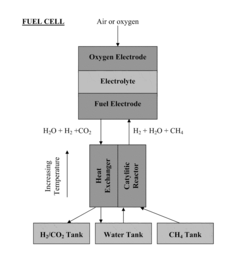
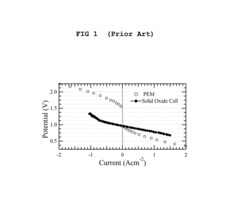
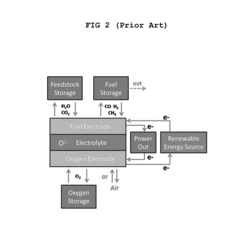
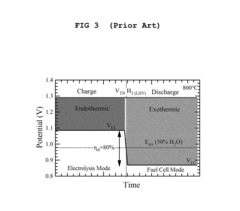
Method for improving the efficiency and durability of electrical energy storage using solid oxide electrolysis cell
PatentActiveUS9945039B2
Innovation
- Operating SOECs with specific C—H—O gas mixtures at reduced temperatures and elevated pressures to lower thermal-neutral voltage, maintaining thermal balance, and integrating a thermally-integrated catalytic reactor for efficient fuel production and storage.
Safety Standards for Advanced Energy Storage Systems
The development of comprehensive safety standards for advanced energy storage systems has become increasingly critical as next-generation technologies push the boundaries of energy density and performance. Current regulatory frameworks, primarily established for conventional lithium-ion batteries, are being rapidly outpaced by emerging technologies such as solid-state batteries, lithium-metal systems, and novel electrolyte formulations that require fundamentally different safety considerations.
International standardization bodies including IEC, UL, and IEEE are actively developing new protocols specifically addressing the unique risks associated with high-efficiency barrier materials and advanced cell architectures. These evolving standards focus on thermal runaway prevention, gas emission control, and mechanical integrity under extreme conditions. The challenge lies in creating standards that are both stringent enough to ensure safety and flexible enough to accommodate rapid technological advancement.
Key safety parameters being standardized include barrier material flammability ratings, electrolyte vapor toxicity limits, and cell-level thermal propagation resistance. New testing methodologies are being established to evaluate the performance of advanced separator materials under abuse conditions, including nail penetration, crush tests, and extended overcharge scenarios. These protocols specifically address the behavior of ceramic-coated separators, polymer-ceramic composites, and solid electrolyte interfaces.
Regulatory harmonization across different markets presents significant challenges, as regional safety requirements vary substantially. The European Union's Battery Regulation, China's GB standards, and North American UL certifications each emphasize different aspects of safety performance, creating complexity for manufacturers developing global products. This fragmentation necessitates comprehensive testing protocols that can satisfy multiple regulatory frameworks simultaneously.
Emerging safety standards are also incorporating predictive safety assessment methodologies, utilizing machine learning algorithms to identify potential failure modes before they manifest in physical testing. These approaches enable more efficient validation of new barrier technologies while maintaining rigorous safety requirements. The integration of real-time monitoring systems and advanced diagnostics into safety standards represents a paradigm shift toward proactive rather than reactive safety management.
The timeline for implementing these new standards varies significantly across different technology categories, with solid-state systems expected to receive comprehensive regulatory frameworks by 2026, while more experimental technologies may require additional years of development and validation.
International standardization bodies including IEC, UL, and IEEE are actively developing new protocols specifically addressing the unique risks associated with high-efficiency barrier materials and advanced cell architectures. These evolving standards focus on thermal runaway prevention, gas emission control, and mechanical integrity under extreme conditions. The challenge lies in creating standards that are both stringent enough to ensure safety and flexible enough to accommodate rapid technological advancement.
Key safety parameters being standardized include barrier material flammability ratings, electrolyte vapor toxicity limits, and cell-level thermal propagation resistance. New testing methodologies are being established to evaluate the performance of advanced separator materials under abuse conditions, including nail penetration, crush tests, and extended overcharge scenarios. These protocols specifically address the behavior of ceramic-coated separators, polymer-ceramic composites, and solid electrolyte interfaces.
Regulatory harmonization across different markets presents significant challenges, as regional safety requirements vary substantially. The European Union's Battery Regulation, China's GB standards, and North American UL certifications each emphasize different aspects of safety performance, creating complexity for manufacturers developing global products. This fragmentation necessitates comprehensive testing protocols that can satisfy multiple regulatory frameworks simultaneously.
Emerging safety standards are also incorporating predictive safety assessment methodologies, utilizing machine learning algorithms to identify potential failure modes before they manifest in physical testing. These approaches enable more efficient validation of new barrier technologies while maintaining rigorous safety requirements. The integration of real-time monitoring systems and advanced diagnostics into safety standards represents a paradigm shift toward proactive rather than reactive safety management.
The timeline for implementing these new standards varies significantly across different technology categories, with solid-state systems expected to receive comprehensive regulatory frameworks by 2026, while more experimental technologies may require additional years of development and validation.
Environmental Impact of Next-Gen Storage Technologies
The environmental implications of next-generation energy storage technologies represent a critical consideration in the pursuit of optimized barrier efficiency. As advanced storage systems evolve to incorporate novel barrier materials and architectures, their environmental footprint extends beyond traditional manufacturing and disposal concerns to encompass the entire lifecycle of barrier-enhanced components.
Manufacturing processes for high-efficiency barrier materials often require energy-intensive synthesis methods and specialized chemical precursors. Advanced ceramic barriers, polymer-based separators with enhanced ionic conductivity, and nanostructured composite materials demand precise fabrication conditions that can significantly increase production energy consumption. The environmental cost of producing ultra-thin barrier films through atomic layer deposition or chemical vapor deposition processes must be weighed against their performance benefits in extending battery lifespan and improving safety margins.
Resource extraction for next-generation barrier materials presents unique sustainability challenges. Critical materials such as lithium compounds for solid-state electrolytes, rare earth elements for advanced ceramic barriers, and specialized polymers derived from petroleum feedstocks create supply chain dependencies with substantial environmental implications. The geographic concentration of these resources often necessitates long-distance transportation, further amplifying the carbon footprint of barrier-optimized storage systems.
End-of-life considerations for advanced barrier technologies reveal both opportunities and challenges for environmental stewardship. While improved barrier efficiency can extend operational lifespans and reduce replacement frequency, the complex material compositions of next-generation barriers may complicate recycling processes. Solid-state electrolytes and multi-layered barrier structures require specialized separation techniques to recover valuable materials effectively.
The operational environmental benefits of optimized barrier efficiency include reduced thermal management requirements, decreased safety incidents, and improved energy density that enables smaller system footprints. These advantages can offset manufacturing impacts over extended operational periods, particularly in grid-scale applications where barrier improvements translate to measurable reductions in auxiliary cooling and safety infrastructure requirements.
Emerging barrier technologies also present opportunities for incorporating sustainable materials and manufacturing approaches. Bio-derived polymer barriers, recyclable ceramic compositions, and additive manufacturing techniques for barrier structures represent promising pathways toward environmentally conscious storage solutions that maintain high performance standards while minimizing ecological impact throughout their operational lifecycle.
Manufacturing processes for high-efficiency barrier materials often require energy-intensive synthesis methods and specialized chemical precursors. Advanced ceramic barriers, polymer-based separators with enhanced ionic conductivity, and nanostructured composite materials demand precise fabrication conditions that can significantly increase production energy consumption. The environmental cost of producing ultra-thin barrier films through atomic layer deposition or chemical vapor deposition processes must be weighed against their performance benefits in extending battery lifespan and improving safety margins.
Resource extraction for next-generation barrier materials presents unique sustainability challenges. Critical materials such as lithium compounds for solid-state electrolytes, rare earth elements for advanced ceramic barriers, and specialized polymers derived from petroleum feedstocks create supply chain dependencies with substantial environmental implications. The geographic concentration of these resources often necessitates long-distance transportation, further amplifying the carbon footprint of barrier-optimized storage systems.
End-of-life considerations for advanced barrier technologies reveal both opportunities and challenges for environmental stewardship. While improved barrier efficiency can extend operational lifespans and reduce replacement frequency, the complex material compositions of next-generation barriers may complicate recycling processes. Solid-state electrolytes and multi-layered barrier structures require specialized separation techniques to recover valuable materials effectively.
The operational environmental benefits of optimized barrier efficiency include reduced thermal management requirements, decreased safety incidents, and improved energy density that enables smaller system footprints. These advantages can offset manufacturing impacts over extended operational periods, particularly in grid-scale applications where barrier improvements translate to measurable reductions in auxiliary cooling and safety infrastructure requirements.
Emerging barrier technologies also present opportunities for incorporating sustainable materials and manufacturing approaches. Bio-derived polymer barriers, recyclable ceramic compositions, and additive manufacturing techniques for barrier structures represent promising pathways toward environmentally conscious storage solutions that maintain high performance standards while minimizing ecological impact throughout their operational lifecycle.
Unlock deeper insights with PatSnap Eureka Quick Research — get a full tech report to explore trends and direct your research. Try now!
Generate Your Research Report Instantly with AI Agent
Supercharge your innovation with PatSnap Eureka AI Agent Platform!