
Optimizing Benzene Ring Derivatives for Improved Pharmaceutics
FEB 25, 20269 MIN READ
Generate Your Research Report Instantly with AI Agent
Patsnap Eureka helps you evaluate technical feasibility & market potential.
Benzene Derivative Pharmaceutical Development Background and Objectives
Benzene ring derivatives represent one of the most fundamental and extensively utilized structural frameworks in modern pharmaceutical chemistry. The aromatic benzene core, with its unique electronic properties and structural versatility, serves as the backbone for approximately 60-70% of all marketed pharmaceutical compounds. This prevalence stems from the benzene ring's ability to provide metabolic stability, facilitate specific protein-drug interactions, and offer multiple sites for chemical modification to fine-tune pharmacological properties.
The historical development of benzene-based pharmaceuticals traces back to the late 19th century with the discovery of aspirin, marking the beginning of systematic aromatic compound utilization in medicine. Over the subsequent decades, the pharmaceutical industry has witnessed remarkable evolution in benzene derivative applications, spanning from simple analgesics to complex targeted therapies for cancer, neurological disorders, and autoimmune diseases.
Current pharmaceutical development faces unprecedented challenges in drug discovery and optimization. Traditional approaches often result in compounds with suboptimal pharmacokinetic profiles, including poor bioavailability, rapid metabolism, and undesirable side effects. The increasing complexity of disease targets, coupled with stringent regulatory requirements and rising development costs, necessitates more sophisticated approaches to molecular design and optimization.
The primary objective of optimizing benzene ring derivatives centers on enhancing multiple pharmaceutical parameters simultaneously. Key targets include improving drug solubility and bioavailability through strategic substitution patterns, extending half-life by modulating metabolic stability, and enhancing target selectivity to minimize off-target effects. Additionally, optimization efforts focus on reducing toxicity profiles while maintaining or improving therapeutic efficacy.
Modern optimization strategies leverage computational drug design, structure-activity relationship studies, and advanced synthetic methodologies to systematically modify benzene derivatives. These approaches aim to achieve optimal balance between potency, selectivity, and drug-like properties, ultimately accelerating the translation of promising compounds from laboratory bench to clinical application.
The strategic importance of benzene derivative optimization extends beyond individual drug development programs, representing a cornerstone technology that influences the entire pharmaceutical pipeline and future therapeutic innovation capabilities.
The historical development of benzene-based pharmaceuticals traces back to the late 19th century with the discovery of aspirin, marking the beginning of systematic aromatic compound utilization in medicine. Over the subsequent decades, the pharmaceutical industry has witnessed remarkable evolution in benzene derivative applications, spanning from simple analgesics to complex targeted therapies for cancer, neurological disorders, and autoimmune diseases.
Current pharmaceutical development faces unprecedented challenges in drug discovery and optimization. Traditional approaches often result in compounds with suboptimal pharmacokinetic profiles, including poor bioavailability, rapid metabolism, and undesirable side effects. The increasing complexity of disease targets, coupled with stringent regulatory requirements and rising development costs, necessitates more sophisticated approaches to molecular design and optimization.
The primary objective of optimizing benzene ring derivatives centers on enhancing multiple pharmaceutical parameters simultaneously. Key targets include improving drug solubility and bioavailability through strategic substitution patterns, extending half-life by modulating metabolic stability, and enhancing target selectivity to minimize off-target effects. Additionally, optimization efforts focus on reducing toxicity profiles while maintaining or improving therapeutic efficacy.
Modern optimization strategies leverage computational drug design, structure-activity relationship studies, and advanced synthetic methodologies to systematically modify benzene derivatives. These approaches aim to achieve optimal balance between potency, selectivity, and drug-like properties, ultimately accelerating the translation of promising compounds from laboratory bench to clinical application.
The strategic importance of benzene derivative optimization extends beyond individual drug development programs, representing a cornerstone technology that influences the entire pharmaceutical pipeline and future therapeutic innovation capabilities.
Market Demand for Optimized Benzene-Based Drug Compounds
The global pharmaceutical market demonstrates substantial demand for optimized benzene-based drug compounds, driven by the versatility and therapeutic potential of benzene ring derivatives. These compounds serve as fundamental building blocks in numerous drug classes, including analgesics, anti-inflammatory agents, cardiovascular medications, and central nervous system therapeutics. The structural flexibility of benzene rings allows for precise molecular modifications that can enhance drug efficacy, reduce side effects, and improve pharmacokinetic properties.
Current market dynamics reveal increasing pressure on pharmaceutical companies to develop more effective and safer drug formulations. Regulatory agencies worldwide are implementing stricter safety standards, creating demand for benzene derivatives with improved toxicity profiles and reduced adverse effects. This regulatory environment has intensified the need for optimization strategies that can maintain therapeutic efficacy while minimizing potential risks associated with aromatic compounds.
The oncology segment represents a particularly significant market opportunity for optimized benzene-based compounds. Many established cancer therapeutics contain benzene ring structures, and there is growing demand for next-generation versions with enhanced selectivity and reduced systemic toxicity. Similarly, the neurological disorders market shows strong interest in benzene derivatives with improved blood-brain barrier penetration and enhanced target specificity.
Generic drug manufacturers are also driving demand for optimized benzene-based compounds as they seek to develop improved formulations of existing medications. Patent expirations of major benzene-containing drugs create opportunities for enhanced versions that offer competitive advantages through superior pharmacological properties or manufacturing efficiency.
The personalized medicine trend further amplifies market demand, as optimized benzene derivatives can be tailored for specific patient populations or genetic profiles. This approach requires sophisticated molecular design capabilities and represents a growing segment within the broader pharmaceutical development landscape.
Emerging markets in Asia-Pacific and Latin America are contributing to increased demand, as these regions expand their pharmaceutical manufacturing capabilities and seek to develop proprietary drug compounds. The combination of cost pressures and quality requirements in these markets creates specific demand for benzene derivatives that offer both economic and therapeutic advantages.
Current market dynamics reveal increasing pressure on pharmaceutical companies to develop more effective and safer drug formulations. Regulatory agencies worldwide are implementing stricter safety standards, creating demand for benzene derivatives with improved toxicity profiles and reduced adverse effects. This regulatory environment has intensified the need for optimization strategies that can maintain therapeutic efficacy while minimizing potential risks associated with aromatic compounds.
The oncology segment represents a particularly significant market opportunity for optimized benzene-based compounds. Many established cancer therapeutics contain benzene ring structures, and there is growing demand for next-generation versions with enhanced selectivity and reduced systemic toxicity. Similarly, the neurological disorders market shows strong interest in benzene derivatives with improved blood-brain barrier penetration and enhanced target specificity.
Generic drug manufacturers are also driving demand for optimized benzene-based compounds as they seek to develop improved formulations of existing medications. Patent expirations of major benzene-containing drugs create opportunities for enhanced versions that offer competitive advantages through superior pharmacological properties or manufacturing efficiency.
The personalized medicine trend further amplifies market demand, as optimized benzene derivatives can be tailored for specific patient populations or genetic profiles. This approach requires sophisticated molecular design capabilities and represents a growing segment within the broader pharmaceutical development landscape.
Emerging markets in Asia-Pacific and Latin America are contributing to increased demand, as these regions expand their pharmaceutical manufacturing capabilities and seek to develop proprietary drug compounds. The combination of cost pressures and quality requirements in these markets creates specific demand for benzene derivatives that offer both economic and therapeutic advantages.
Current Challenges in Benzene Ring Pharmaceutical Optimization
The optimization of benzene ring derivatives for pharmaceutical applications faces significant structural complexity challenges that fundamentally impact drug development timelines and success rates. The aromatic nature of benzene rings creates unique electronic environments that can dramatically alter molecular interactions, making predictive modeling exceptionally difficult. Traditional computational approaches often fail to accurately capture the nuanced behavior of substituted benzene systems, particularly when multiple functional groups are present.
Selectivity remains one of the most pressing technical obstacles in benzene ring pharmaceutical optimization. The inherent reactivity patterns of aromatic systems frequently lead to off-target interactions, creating unwanted side effects that can render promising compounds clinically unusable. Achieving precise selectivity for specific biological targets while maintaining therapeutic efficacy requires sophisticated understanding of structure-activity relationships that current methodologies struggle to provide consistently.
Metabolic stability presents another critical challenge, as benzene ring derivatives often undergo rapid biotransformation through cytochrome P450 enzymes and other metabolic pathways. The aromatic ring system can serve as a metabolic hotspot, leading to rapid clearance or formation of toxic metabolites that compromise drug safety profiles. Balancing metabolic stability with maintained biological activity requires careful consideration of substitution patterns and electronic effects.
Solubility optimization represents a persistent bottleneck in benzene ring derivative development. The hydrophobic nature of aromatic systems frequently results in poor aqueous solubility, limiting bioavailability and therapeutic potential. Traditional approaches to enhance solubility through polar substituent addition often compromise target binding affinity or introduce new toxicity concerns, creating complex optimization trade-offs.
Synthetic accessibility continues to constrain the exploration of novel benzene ring derivatives, as many theoretically promising structures remain practically inaccessible through current synthetic methodologies. The development of efficient, scalable synthetic routes for complex substituted benzene systems requires significant investment in process chemistry, often extending development timelines and increasing costs substantially.
Regulatory compliance adds additional complexity layers, as benzene-containing pharmaceuticals face heightened scrutiny due to historical safety concerns associated with aromatic compounds. Meeting evolving regulatory standards while maintaining competitive development timelines requires comprehensive safety assessment strategies that can significantly impact resource allocation and project feasibility.
Selectivity remains one of the most pressing technical obstacles in benzene ring pharmaceutical optimization. The inherent reactivity patterns of aromatic systems frequently lead to off-target interactions, creating unwanted side effects that can render promising compounds clinically unusable. Achieving precise selectivity for specific biological targets while maintaining therapeutic efficacy requires sophisticated understanding of structure-activity relationships that current methodologies struggle to provide consistently.
Metabolic stability presents another critical challenge, as benzene ring derivatives often undergo rapid biotransformation through cytochrome P450 enzymes and other metabolic pathways. The aromatic ring system can serve as a metabolic hotspot, leading to rapid clearance or formation of toxic metabolites that compromise drug safety profiles. Balancing metabolic stability with maintained biological activity requires careful consideration of substitution patterns and electronic effects.
Solubility optimization represents a persistent bottleneck in benzene ring derivative development. The hydrophobic nature of aromatic systems frequently results in poor aqueous solubility, limiting bioavailability and therapeutic potential. Traditional approaches to enhance solubility through polar substituent addition often compromise target binding affinity or introduce new toxicity concerns, creating complex optimization trade-offs.
Synthetic accessibility continues to constrain the exploration of novel benzene ring derivatives, as many theoretically promising structures remain practically inaccessible through current synthetic methodologies. The development of efficient, scalable synthetic routes for complex substituted benzene systems requires significant investment in process chemistry, often extending development timelines and increasing costs substantially.
Regulatory compliance adds additional complexity layers, as benzene-containing pharmaceuticals face heightened scrutiny due to historical safety concerns associated with aromatic compounds. Meeting evolving regulatory standards while maintaining competitive development timelines requires comprehensive safety assessment strategies that can significantly impact resource allocation and project feasibility.
Current Optimization Methods for Benzene-Based Pharmaceuticals
01 Benzene ring derivatives as pharmaceutical intermediates
Benzene ring derivatives serve as important pharmaceutical intermediates in drug synthesis. These compounds feature various functional groups attached to the benzene ring structure, enabling their use in the preparation of therapeutic agents. The derivatives can be modified through substitution reactions to create compounds with specific biological activities. These intermediates are particularly valuable in synthesizing medications for treating various diseases and medical conditions.- Benzene ring derivatives as pharmaceutical intermediates: Benzene ring derivatives serve as important pharmaceutical intermediates in the synthesis of various medicinal compounds. These derivatives can be modified through substitution reactions to introduce functional groups that enhance biological activity. The structural modifications of the benzene ring allow for the development of compounds with improved pharmacological properties, including enhanced selectivity and potency for therapeutic targets.
- Substituted benzene derivatives for chemical synthesis: Substituted benzene derivatives are utilized in various chemical synthesis processes to create complex organic molecules. These derivatives undergo reactions such as halogenation, nitration, and alkylation to produce compounds with specific chemical properties. The versatility of benzene ring modifications enables the production of materials for industrial applications, including polymers and specialty chemicals.
- Benzene derivatives with functional group modifications: Functional group modifications on benzene rings create derivatives with enhanced reactivity and specific chemical characteristics. These modifications include the introduction of hydroxyl, amino, carboxyl, and other functional groups that alter the electronic properties of the aromatic system. Such derivatives find applications in organic synthesis, materials science, and the development of functional compounds with tailored properties.
- Multi-substituted benzene ring compounds: Multi-substituted benzene ring compounds contain multiple substituents at different positions on the aromatic ring, creating molecules with complex structural features. The positioning and nature of substituents significantly influence the chemical and physical properties of these compounds. These derivatives are valuable in the synthesis of advanced materials, agrochemicals, and pharmaceutical compounds where specific spatial arrangements of functional groups are required.
- Benzene ring derivatives for material applications: Benzene ring derivatives are employed in the development of advanced materials with specific properties such as conductivity, optical characteristics, and thermal stability. These derivatives can be incorporated into polymer matrices, used as building blocks for liquid crystals, or serve as components in electronic materials. The aromatic structure provides stability and allows for precise tuning of material properties through chemical modification.
02 Substituted benzene derivatives for chemical synthesis
Substituted benzene derivatives are utilized in chemical synthesis processes where the benzene ring is modified with different substituent groups. These modifications can include halogens, alkyl groups, hydroxyl groups, or other functional moieties that alter the chemical properties of the base structure. The synthesis methods involve various reaction pathways including electrophilic aromatic substitution, nucleophilic substitution, and coupling reactions. These derivatives find applications in producing fine chemicals and specialty materials.Expand Specific Solutions03 Benzene ring derivatives in polymer and material science
Benzene ring derivatives are incorporated into polymer structures and advanced materials to enhance their properties. These compounds can serve as monomers or cross-linking agents in polymerization reactions, contributing to improved thermal stability, mechanical strength, and chemical resistance. The aromatic structure provides rigidity and specific electronic properties to the resulting materials. Applications include high-performance plastics, coatings, and composite materials.Expand Specific Solutions04 Functionalized benzene derivatives for agrochemical applications
Functionalized benzene derivatives are employed in the development of agrochemical products including pesticides, herbicides, and plant growth regulators. The benzene ring structure provides a stable framework that can be modified with various functional groups to achieve desired biological activity against pests or weeds. These compounds are designed to have specific modes of action while maintaining acceptable environmental and toxicological profiles. The derivatives can be formulated into various application forms for agricultural use.Expand Specific Solutions05 Benzene derivatives with heterocyclic modifications
Benzene derivatives combined with heterocyclic structures create compounds with enhanced chemical and biological properties. These hybrid molecules incorporate nitrogen, oxygen, or sulfur-containing rings fused or attached to the benzene core, resulting in unique reactivity patterns and biological activities. The heterocyclic modifications can improve solubility, bioavailability, and target specificity. Such derivatives are valuable in medicinal chemistry and materials science applications.Expand Specific Solutions
Major Pharmaceutical Companies in Benzene Ring Drug Research
The benzene ring derivatives optimization field represents a mature pharmaceutical sector experiencing steady growth, with the global pharmaceutical market for such compounds valued at approximately $50-70 billion annually. The industry is in a consolidation phase, characterized by intense competition among established players and emerging biotechnology firms. Major pharmaceutical giants including Takeda Pharmaceutical, Roche, Boehringer Ingelheim, Astellas Pharma, and Bayer HealthCare dominate the landscape with extensive R&D capabilities and established market presence. Technology maturity varies significantly across therapeutic applications, with companies like ImmunoGen pioneering advanced antibody-drug conjugates while traditional players such as Chugai Pharmaceutical and Merz Pharma focus on conventional small molecule optimization. The competitive dynamics show a clear division between large multinational corporations leveraging economies of scale and specialized biotechnology companies pursuing innovative approaches to benzene derivative modifications for enhanced pharmaceutical properties.
Takeda Pharmaceutical Co., Ltd.
Technical Solution: Takeda utilizes advanced medicinal chemistry approaches for benzene ring optimization, focusing on structure-guided design and pharmacokinetic enhancement strategies. Their methodology combines computational modeling with experimental validation to systematically modify benzene ring systems for improved pharmaceutical properties. The company employs molecular dynamics simulations and quantum chemical calculations to understand the electronic properties of benzene derivatives and their impact on biological activity. Their integrated platform includes automated synthesis capabilities and high-throughput screening to rapidly evaluate benzene ring modifications. Takeda's approach particularly emphasizes optimizing benzene derivatives for central nervous system and gastrointestinal therapeutic applications, leveraging their expertise in neuroscience and gastroenterology drug development.
Strengths: Strong focus on CNS and GI therapeutics with advanced computational modeling capabilities. Weaknesses: Limited therapeutic scope and dependence on specialized expertise for complex benzene modifications.
Astellas Pharma, Inc.
Technical Solution: Astellas employs a systematic approach to benzene ring optimization through their integrated drug discovery platform, combining computational chemistry with medicinal chemistry expertise. Their methodology focuses on structure-activity relationship studies and bioisosteric replacement strategies to enhance the pharmaceutical properties of benzene-containing compounds. The company utilizes advanced molecular modeling techniques, including density functional theory calculations and molecular dynamics simulations, to predict optimal benzene ring modifications that improve target selectivity and pharmacokinetic profiles. Their platform integrates automated synthesis with high-throughput biological screening to rapidly evaluate benzene derivatives. Astellas particularly excels in optimizing benzene ring systems for urology and immunology applications, leveraging their therapeutic area expertise and proprietary compound libraries.
Strengths: Specialized expertise in urology and immunology with integrated discovery platform. Weaknesses: Narrow therapeutic focus and limited scalability for diverse benzene derivative optimization projects.
Key Innovations in Benzene Ring Modification Techniques
Process for producing 3-acylaminobenzofuran-2-carboxylic acid derivative
PatentInactiveEP1640373A1
Innovation
- A novel process involving specific reactions such as catalytic reduction, esterification, isomerization, cyanation, and cyclization of compounds with defined structures, using catalysts like palladium-carbon and bases, to efficiently produce benzofuran or pyridofuran derivatives or their pharmaceutically acceptable salts.


Pharmaceutical composition, pharmaceutical dosage form, process for their preparation, methods for treating and uses thereof
PatentInactiveUS20110014284A1
Innovation
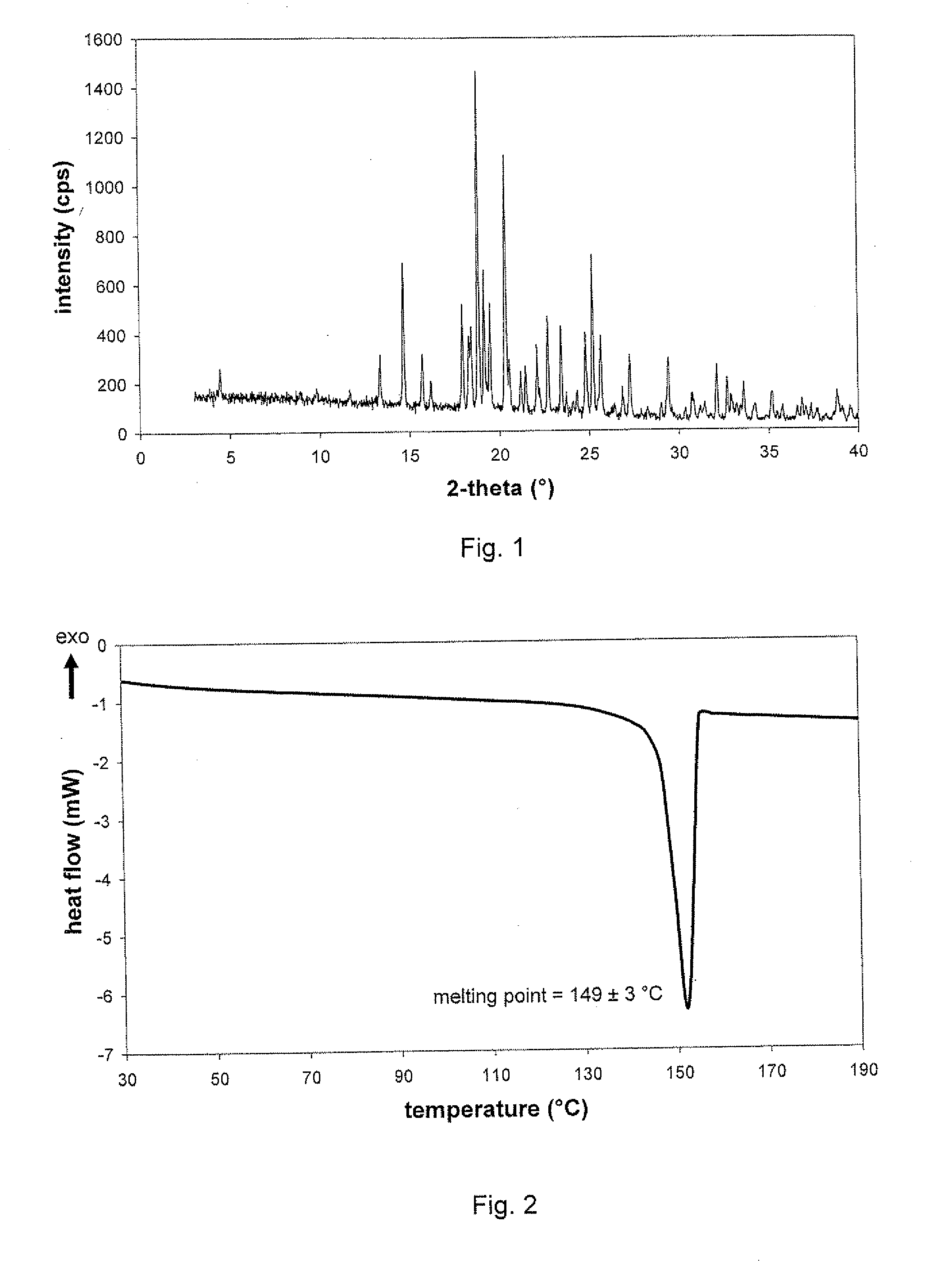
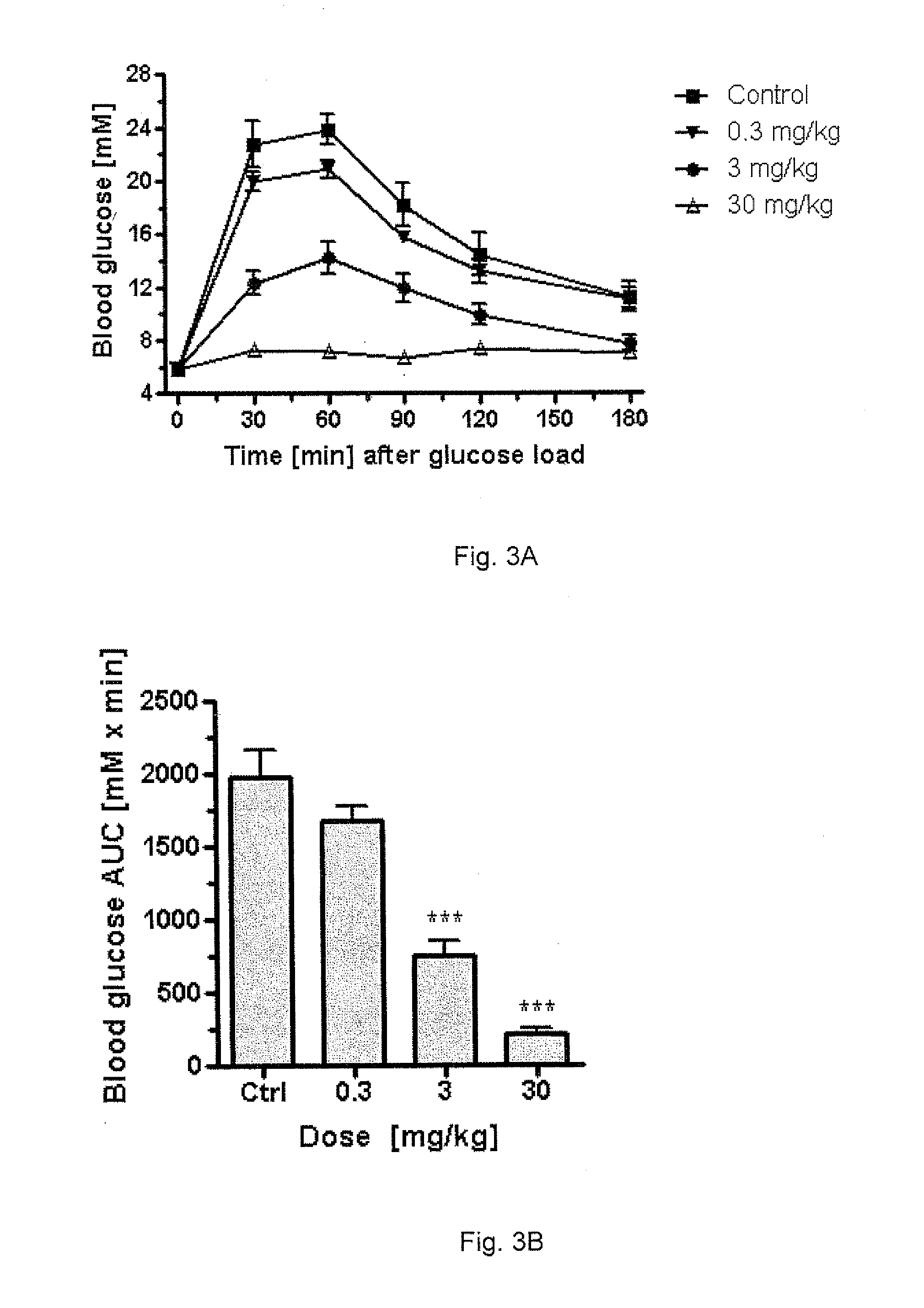
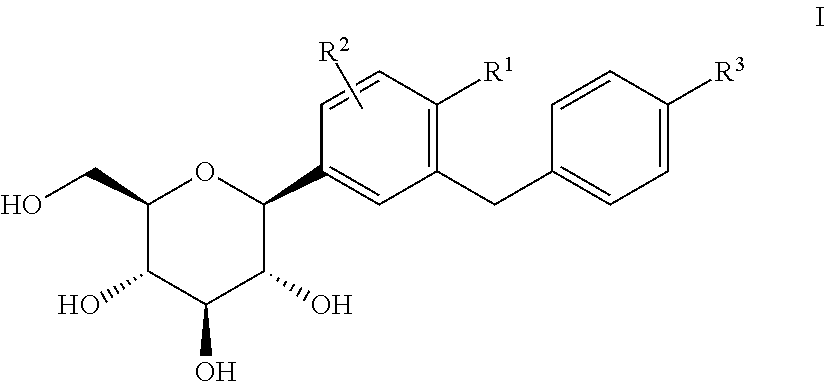
- A pharmaceutical composition comprising a SGLT-2 inhibitor with a specific particle size distribution and formulation, including excipients like croscarmellose sodium and hydroxypropyl cellulose, to enhance bioavailability, disintegration time, and content uniformity, allowing for effective production and administration.

Regulatory Framework for Benzene-Based Pharmaceutical Compounds
The regulatory framework governing benzene-based pharmaceutical compounds represents a complex and evolving landscape that significantly impacts the development and commercialization of benzene ring derivatives. Regulatory agencies worldwide have established stringent guidelines specifically addressing the safety, efficacy, and quality standards for pharmaceutical compounds containing benzene moieties, recognizing both their therapeutic potential and inherent toxicological concerns.
The International Council for Harmonisation (ICH) guidelines serve as the foundational framework for benzene-containing pharmaceuticals, with ICH M7 specifically addressing the assessment and control of DNA reactive impurities. This guideline establishes acceptable intake limits for benzene and related aromatic compounds, typically setting daily exposure thresholds at 2 ppm for benzene itself. The European Medicines Agency (EMA) and Food and Drug Administration (FDA) have adopted these standards while implementing additional region-specific requirements for genotoxicity testing and risk assessment protocols.
Regulatory approval pathways for benzene derivatives require comprehensive toxicological studies, including Ames testing, chromosomal aberration assays, and in vivo micronucleus tests. The regulatory framework mandates detailed impurity profiling, with particular attention to potential carcinogenic degradation products and manufacturing-related impurities. Quality control specifications must demonstrate consistent removal or control of benzene-related impurities below established safety thresholds throughout the product lifecycle.
Recent regulatory developments have introduced risk-based approaches for benzene derivative assessment, allowing for more nuanced evaluation of structure-activity relationships. The FDA's Quality by Design (QbD) initiative has been extended to benzene-containing compounds, requiring pharmaceutical manufacturers to demonstrate robust control strategies that account for the unique chemical properties and potential risks associated with aromatic ring systems.
Emerging regulatory trends indicate increased scrutiny of environmental impact assessments for benzene-based pharmaceuticals, with new guidelines addressing pharmaceutical waste disposal and environmental fate studies. Additionally, regulatory agencies are developing specialized guidance for novel benzene derivatives, including those incorporating advanced synthetic modifications designed to minimize toxicological risks while maintaining therapeutic efficacy.
The International Council for Harmonisation (ICH) guidelines serve as the foundational framework for benzene-containing pharmaceuticals, with ICH M7 specifically addressing the assessment and control of DNA reactive impurities. This guideline establishes acceptable intake limits for benzene and related aromatic compounds, typically setting daily exposure thresholds at 2 ppm for benzene itself. The European Medicines Agency (EMA) and Food and Drug Administration (FDA) have adopted these standards while implementing additional region-specific requirements for genotoxicity testing and risk assessment protocols.
Regulatory approval pathways for benzene derivatives require comprehensive toxicological studies, including Ames testing, chromosomal aberration assays, and in vivo micronucleus tests. The regulatory framework mandates detailed impurity profiling, with particular attention to potential carcinogenic degradation products and manufacturing-related impurities. Quality control specifications must demonstrate consistent removal or control of benzene-related impurities below established safety thresholds throughout the product lifecycle.
Recent regulatory developments have introduced risk-based approaches for benzene derivative assessment, allowing for more nuanced evaluation of structure-activity relationships. The FDA's Quality by Design (QbD) initiative has been extended to benzene-containing compounds, requiring pharmaceutical manufacturers to demonstrate robust control strategies that account for the unique chemical properties and potential risks associated with aromatic ring systems.
Emerging regulatory trends indicate increased scrutiny of environmental impact assessments for benzene-based pharmaceuticals, with new guidelines addressing pharmaceutical waste disposal and environmental fate studies. Additionally, regulatory agencies are developing specialized guidance for novel benzene derivatives, including those incorporating advanced synthetic modifications designed to minimize toxicological risks while maintaining therapeutic efficacy.
Safety Assessment of Modified Benzene Ring Structures
The safety assessment of modified benzene ring structures represents a critical evaluation framework that encompasses multiple dimensions of pharmaceutical risk analysis. This assessment paradigm has evolved significantly from traditional toxicological screening methods to incorporate advanced computational modeling, structure-activity relationship analysis, and predictive safety profiling techniques.
Contemporary safety evaluation protocols for benzene derivatives integrate both in vitro and in silico methodologies to predict potential adverse effects before clinical testing. These approaches utilize quantitative structure-toxicity relationship models that correlate molecular descriptors with known toxicological endpoints, enabling rapid screening of novel benzene-based pharmaceutical candidates.
Genotoxicity assessment remains paramount in evaluating modified benzene structures, given the historical association of certain aromatic compounds with mutagenic potential. Modern screening protocols employ bacterial reverse mutation assays, chromosomal aberration tests, and micronucleus assays to detect DNA-damaging properties. Advanced computational tools now complement these traditional methods by predicting genotoxic potential through structural alerts and expert systems.
Hepatotoxicity evaluation has gained prominence due to the liver's role in metabolizing aromatic compounds. Modified benzene derivatives undergo extensive Phase I and Phase II metabolic transformations, potentially generating reactive metabolites that may cause hepatocellular damage. Safety assessment protocols now incorporate hepatocyte-based assays and biomarker analysis to identify potential liver toxicity early in development.
Cardiovascular safety assessment has become increasingly sophisticated, particularly for benzene derivatives that may interact with cardiac ion channels or affect hemodynamic parameters. Comprehensive cardiac safety evaluation includes hERG channel inhibition studies, action potential duration measurements, and integrated risk assessment approaches that consider multiple cardiovascular endpoints simultaneously.
Regulatory frameworks have adapted to accommodate the unique safety considerations of modified benzene structures. The International Council for Harmonisation guidelines provide standardized approaches for safety assessment, while emerging regulatory science initiatives promote the integration of alternative testing methods and computational approaches to reduce animal testing requirements while maintaining safety standards.
Contemporary safety evaluation protocols for benzene derivatives integrate both in vitro and in silico methodologies to predict potential adverse effects before clinical testing. These approaches utilize quantitative structure-toxicity relationship models that correlate molecular descriptors with known toxicological endpoints, enabling rapid screening of novel benzene-based pharmaceutical candidates.
Genotoxicity assessment remains paramount in evaluating modified benzene structures, given the historical association of certain aromatic compounds with mutagenic potential. Modern screening protocols employ bacterial reverse mutation assays, chromosomal aberration tests, and micronucleus assays to detect DNA-damaging properties. Advanced computational tools now complement these traditional methods by predicting genotoxic potential through structural alerts and expert systems.
Hepatotoxicity evaluation has gained prominence due to the liver's role in metabolizing aromatic compounds. Modified benzene derivatives undergo extensive Phase I and Phase II metabolic transformations, potentially generating reactive metabolites that may cause hepatocellular damage. Safety assessment protocols now incorporate hepatocyte-based assays and biomarker analysis to identify potential liver toxicity early in development.
Cardiovascular safety assessment has become increasingly sophisticated, particularly for benzene derivatives that may interact with cardiac ion channels or affect hemodynamic parameters. Comprehensive cardiac safety evaluation includes hERG channel inhibition studies, action potential duration measurements, and integrated risk assessment approaches that consider multiple cardiovascular endpoints simultaneously.
Regulatory frameworks have adapted to accommodate the unique safety considerations of modified benzene structures. The International Council for Harmonisation guidelines provide standardized approaches for safety assessment, while emerging regulatory science initiatives promote the integration of alternative testing methods and computational approaches to reduce animal testing requirements while maintaining safety standards.
Unlock deeper insights with Patsnap Eureka Quick Research — get a full tech report to explore trends and direct your research. Try now!
Generate Your Research Report Instantly with AI Agent
Supercharge your innovation with Patsnap Eureka AI Agent Platform!