

Optimizing Cable Carrier Chains for Fast Palletizing Machinery
JUN 2, 202610 MIN READ
Generate Your Research Report Instantly with AI Agent
Patsnap Eureka helps you evaluate technical feasibility & market potential.
Cable Carrier Chain Technology Background and Objectives
Cable carrier chains, also known as drag chains or energy chains, represent a critical component in modern industrial automation systems, serving as protective conduits for cables, hoses, and other flexible media during dynamic machine operations. These systems have evolved from simple cable management solutions into sophisticated engineering components that enable high-speed, high-precision manufacturing processes across diverse industrial applications.
The historical development of cable carrier technology traces back to the 1950s when German engineer Günter Blase invented the first energy chain system to address cable management challenges in automated machinery. Initially designed for basic linear motion applications, these systems have undergone substantial technological advancement, incorporating advanced materials science, precision engineering, and dynamic analysis methodologies to meet increasingly demanding performance requirements.
In the context of fast palletizing machinery, cable carrier chains face unique operational challenges that distinguish them from conventional industrial applications. Palletizing systems typically operate at extremely high speeds with frequent acceleration and deceleration cycles, requiring cable management solutions that can withstand millions of operational cycles while maintaining precise positioning accuracy and minimal maintenance requirements.
The primary technical objectives for optimizing cable carrier chains in fast palletizing applications encompass several critical performance parameters. Speed optimization remains paramount, with modern palletizing systems demanding operational velocities exceeding 5 meters per second while maintaining smooth, vibration-free motion characteristics. Acceleration capabilities must support rapid directional changes and emergency stops without compromising system integrity or cable protection.
Durability and reliability objectives focus on achieving extended operational lifespans under continuous high-stress conditions. Target specifications typically include minimum cycle life ratings of 10 million operations, with some applications requiring up to 50 million cycles before scheduled maintenance intervals. This necessitates advanced material selection, precision manufacturing tolerances, and innovative design approaches that minimize wear mechanisms and fatigue failures.
Precision and accuracy objectives address the critical requirement for maintaining consistent cable positioning throughout the operational envelope. Palletizing applications demand positional accuracy within ±0.1mm tolerances, requiring cable carrier systems that exhibit minimal deflection, backlash, and dynamic settling characteristics. These requirements drive innovations in structural design, bearing systems, and dynamic balancing methodologies.
The integration of smart monitoring and predictive maintenance capabilities represents an emerging objective in cable carrier optimization. Advanced systems incorporate sensor technologies for real-time monitoring of operational parameters, enabling predictive maintenance strategies that minimize unplanned downtime and optimize overall equipment effectiveness in high-volume palletizing operations.
The historical development of cable carrier technology traces back to the 1950s when German engineer Günter Blase invented the first energy chain system to address cable management challenges in automated machinery. Initially designed for basic linear motion applications, these systems have undergone substantial technological advancement, incorporating advanced materials science, precision engineering, and dynamic analysis methodologies to meet increasingly demanding performance requirements.
In the context of fast palletizing machinery, cable carrier chains face unique operational challenges that distinguish them from conventional industrial applications. Palletizing systems typically operate at extremely high speeds with frequent acceleration and deceleration cycles, requiring cable management solutions that can withstand millions of operational cycles while maintaining precise positioning accuracy and minimal maintenance requirements.
The primary technical objectives for optimizing cable carrier chains in fast palletizing applications encompass several critical performance parameters. Speed optimization remains paramount, with modern palletizing systems demanding operational velocities exceeding 5 meters per second while maintaining smooth, vibration-free motion characteristics. Acceleration capabilities must support rapid directional changes and emergency stops without compromising system integrity or cable protection.
Durability and reliability objectives focus on achieving extended operational lifespans under continuous high-stress conditions. Target specifications typically include minimum cycle life ratings of 10 million operations, with some applications requiring up to 50 million cycles before scheduled maintenance intervals. This necessitates advanced material selection, precision manufacturing tolerances, and innovative design approaches that minimize wear mechanisms and fatigue failures.
Precision and accuracy objectives address the critical requirement for maintaining consistent cable positioning throughout the operational envelope. Palletizing applications demand positional accuracy within ±0.1mm tolerances, requiring cable carrier systems that exhibit minimal deflection, backlash, and dynamic settling characteristics. These requirements drive innovations in structural design, bearing systems, and dynamic balancing methodologies.
The integration of smart monitoring and predictive maintenance capabilities represents an emerging objective in cable carrier optimization. Advanced systems incorporate sensor technologies for real-time monitoring of operational parameters, enabling predictive maintenance strategies that minimize unplanned downtime and optimize overall equipment effectiveness in high-volume palletizing operations.
Market Demand for High-Speed Palletizing Automation
The global palletizing automation market is experiencing unprecedented growth driven by the convergence of labor shortages, rising operational costs, and increasing demand for supply chain efficiency. Manufacturing facilities across industries are transitioning from manual palletizing operations to automated systems to maintain competitiveness and meet production targets. This transformation has created substantial market opportunities for high-speed palletizing machinery and associated components.
E-commerce expansion has fundamentally altered warehouse operations, creating demand for systems capable of handling diverse product types at accelerated speeds. Distribution centers now require palletizing solutions that can process mixed-case loads, varying package sizes, and multiple product lines simultaneously. The pharmaceutical and food processing industries have emerged as particularly strong growth segments, where contamination prevention and traceability requirements favor automated solutions over manual handling.
Manufacturing facilities are increasingly prioritizing equipment reliability and uptime as key performance indicators. Unplanned downtime in palletizing operations can cascade through entire production lines, making system reliability a critical purchasing criterion. This emphasis on operational continuity has elevated the importance of robust cable management systems that can withstand continuous high-speed motion without failure.
The automotive and consumer goods sectors are driving demand for palletizing systems capable of handling heavier loads at faster cycle rates. Modern palletizing robots are expected to achieve cycle times under three seconds while maintaining precision and load integrity. These performance requirements place extraordinary stress on cable carrier chains, which must maintain signal integrity and power delivery throughout millions of operational cycles.
Regional market dynamics show particularly strong growth in Asia-Pacific manufacturing hubs, where labor cost increases and quality consistency requirements are accelerating automation adoption. European markets emphasize energy efficiency and sustainability metrics, influencing design requirements for palletizing systems. North American facilities focus on flexibility and rapid changeover capabilities to accommodate diverse product portfolios.
Investment patterns indicate that companies are willing to pay premium prices for palletizing systems that demonstrate superior reliability metrics and lower total cost of ownership. This market willingness to invest in quality components creates opportunities for advanced cable carrier chain solutions that can deliver enhanced performance and longevity in demanding high-speed applications.
E-commerce expansion has fundamentally altered warehouse operations, creating demand for systems capable of handling diverse product types at accelerated speeds. Distribution centers now require palletizing solutions that can process mixed-case loads, varying package sizes, and multiple product lines simultaneously. The pharmaceutical and food processing industries have emerged as particularly strong growth segments, where contamination prevention and traceability requirements favor automated solutions over manual handling.
Manufacturing facilities are increasingly prioritizing equipment reliability and uptime as key performance indicators. Unplanned downtime in palletizing operations can cascade through entire production lines, making system reliability a critical purchasing criterion. This emphasis on operational continuity has elevated the importance of robust cable management systems that can withstand continuous high-speed motion without failure.
The automotive and consumer goods sectors are driving demand for palletizing systems capable of handling heavier loads at faster cycle rates. Modern palletizing robots are expected to achieve cycle times under three seconds while maintaining precision and load integrity. These performance requirements place extraordinary stress on cable carrier chains, which must maintain signal integrity and power delivery throughout millions of operational cycles.
Regional market dynamics show particularly strong growth in Asia-Pacific manufacturing hubs, where labor cost increases and quality consistency requirements are accelerating automation adoption. European markets emphasize energy efficiency and sustainability metrics, influencing design requirements for palletizing systems. North American facilities focus on flexibility and rapid changeover capabilities to accommodate diverse product portfolios.
Investment patterns indicate that companies are willing to pay premium prices for palletizing systems that demonstrate superior reliability metrics and lower total cost of ownership. This market willingness to invest in quality components creates opportunities for advanced cable carrier chain solutions that can deliver enhanced performance and longevity in demanding high-speed applications.
Current State and Challenges of Cable Management Systems
Cable management systems in fast palletizing machinery currently face significant performance limitations that directly impact operational efficiency and system reliability. Traditional cable carrier chains, while providing basic protection for power and data cables, struggle to meet the demanding requirements of high-speed palletizing operations that can exceed 2,000 cycles per hour. The rapid acceleration and deceleration cycles inherent in modern palletizing systems create substantial mechanical stress on cable management components, leading to premature wear and frequent maintenance interventions.
The primary challenge lies in the dynamic loading conditions experienced by cable carriers during high-speed operations. Conventional designs exhibit excessive cable movement within the carrier channels, resulting in internal cable abrasion, conductor fatigue, and eventual failure of critical communication lines. This internal cable motion becomes particularly problematic when managing hybrid cable bundles containing power, Ethernet, and pneumatic lines simultaneously, as different cable types respond differently to dynamic forces.
Current cable carrier technologies demonstrate inadequate damping characteristics for fast palletizing applications. The lack of effective vibration control mechanisms allows resonant frequencies to develop within the cable bundle, amplifying stress concentrations at connection points and cable entry locations. This phenomenon is exacerbated by the multi-axis movement patterns typical in palletizing robots, where simultaneous rotation and linear motion create complex loading scenarios that exceed the design parameters of standard cable management solutions.
Temperature management represents another critical challenge in existing systems. High-speed operations generate significant heat buildup within cable carriers due to increased friction and electrical losses in power conductors. Current designs lack adequate thermal dissipation mechanisms, leading to accelerated insulation degradation and reduced cable service life. The confined space within carrier channels restricts natural convection cooling, while the continuous flexing motion prevents effective heat transfer to the surrounding environment.
Maintenance accessibility issues plague current cable management implementations in palletizing systems. The integration of cable carriers within robotic arm assemblies often requires extensive disassembly procedures for routine cable replacement or inspection. This maintenance complexity results in extended downtime periods that significantly impact production throughput, particularly in automated facilities operating continuous production schedules.
The standardization gap between cable carrier manufacturers and palletizing equipment suppliers creates additional complications. Inconsistent mounting interfaces, varying bend radius specifications, and incompatible cable routing methodologies force system integrators to develop custom solutions that lack the reliability and cost-effectiveness of standardized components. This fragmentation limits the adoption of optimized cable management technologies across the palletizing industry.
The primary challenge lies in the dynamic loading conditions experienced by cable carriers during high-speed operations. Conventional designs exhibit excessive cable movement within the carrier channels, resulting in internal cable abrasion, conductor fatigue, and eventual failure of critical communication lines. This internal cable motion becomes particularly problematic when managing hybrid cable bundles containing power, Ethernet, and pneumatic lines simultaneously, as different cable types respond differently to dynamic forces.
Current cable carrier technologies demonstrate inadequate damping characteristics for fast palletizing applications. The lack of effective vibration control mechanisms allows resonant frequencies to develop within the cable bundle, amplifying stress concentrations at connection points and cable entry locations. This phenomenon is exacerbated by the multi-axis movement patterns typical in palletizing robots, where simultaneous rotation and linear motion create complex loading scenarios that exceed the design parameters of standard cable management solutions.
Temperature management represents another critical challenge in existing systems. High-speed operations generate significant heat buildup within cable carriers due to increased friction and electrical losses in power conductors. Current designs lack adequate thermal dissipation mechanisms, leading to accelerated insulation degradation and reduced cable service life. The confined space within carrier channels restricts natural convection cooling, while the continuous flexing motion prevents effective heat transfer to the surrounding environment.
Maintenance accessibility issues plague current cable management implementations in palletizing systems. The integration of cable carriers within robotic arm assemblies often requires extensive disassembly procedures for routine cable replacement or inspection. This maintenance complexity results in extended downtime periods that significantly impact production throughput, particularly in automated facilities operating continuous production schedules.
The standardization gap between cable carrier manufacturers and palletizing equipment suppliers creates additional complications. Inconsistent mounting interfaces, varying bend radius specifications, and incompatible cable routing methodologies force system integrators to develop custom solutions that lack the reliability and cost-effectiveness of standardized components. This fragmentation limits the adoption of optimized cable management technologies across the palletizing industry.
Existing Cable Carrier Solutions for High-Speed Applications
01 Chain link design and construction
Cable carrier chains utilize specialized link designs that allow for flexible movement while maintaining structural integrity. The links are engineered with specific geometries to enable smooth bending and extension while protecting cables and hoses. These designs often incorporate interlocking mechanisms that provide secure connections between adjacent links while allowing rotational movement.- Chain link design and construction: Cable carrier chains utilize specialized link designs that allow for flexible movement while maintaining structural integrity. These links are engineered with specific geometries to enable smooth articulation and provide adequate support for cables and hoses. The construction typically involves interlocking segments that can bend in controlled directions while preventing excessive stress on the carried cables.
- Material composition and durability: Cable carrier chains are manufactured using various materials designed to withstand environmental conditions and mechanical stress. The material selection focuses on properties such as wear resistance, chemical compatibility, and temperature tolerance. Advanced polymer compositions and reinforcement techniques are employed to enhance the longevity and performance of the chain systems in industrial applications.
- Mounting and attachment mechanisms: The attachment systems for cable carrier chains include various mounting brackets, connectors, and fastening methods that secure the chains to machinery or structures. These mechanisms are designed to accommodate different installation requirements and provide stable anchoring points while allowing for the necessary range of motion during operation.
- Cable management and protection features: Cable carrier chains incorporate internal compartments and separation systems to organize and protect different types of cables, hoses, and conduits. These features prevent tangling, reduce wear from friction, and maintain proper spacing between conductors. The design ensures that cables remain properly positioned throughout the range of motion while providing adequate protection from external hazards.
- Articulation and movement control: The kinematic design of cable carrier chains enables controlled movement in specific planes while restricting motion in others. This includes features for managing bend radius, preventing over-extension, and ensuring smooth operation throughout the working envelope. Advanced designs incorporate mechanisms to control the chain's behavior during acceleration and deceleration phases of machinery operation.
02 Cable management and protection systems
Advanced cable carrier systems incorporate features for organizing and protecting multiple cables within the chain structure. These systems include internal dividers, cable guides, and protective housings that prevent cable damage during movement. The design ensures proper cable routing and minimizes wear from friction and mechanical stress during operation.Expand Specific Solutions03 Modular assembly and connection mechanisms
Cable carrier chains feature modular construction allowing for easy assembly and customization based on application requirements. The connection mechanisms enable quick installation and maintenance while providing secure attachment points. These systems often include snap-fit connections, threaded fasteners, or specialized coupling devices for reliable joint integrity.Expand Specific Solutions04 Material composition and durability enhancements
Cable carrier chains are manufactured using specialized materials designed to withstand harsh operating conditions including temperature extremes, chemical exposure, and mechanical stress. The material selection focuses on providing long-term durability, resistance to wear, and maintaining flexibility over extended operational periods. Surface treatments and reinforcement techniques are employed to enhance performance characteristics.Expand Specific Solutions05 Installation and mounting systems
Comprehensive mounting and installation systems are designed to secure cable carrier chains in various industrial applications. These systems include adjustable brackets, support structures, and alignment mechanisms that ensure proper chain positioning and movement. The mounting solutions accommodate different installation environments and provide stable support throughout the operational range of motion.Expand Specific Solutions
Key Players in Cable Carrier and Palletizing Equipment Industry
The cable carrier chain optimization for fast palletizing machinery represents a mature industrial automation sector experiencing steady growth driven by increasing demand for high-speed packaging solutions across food, beverage, and manufacturing industries. The market demonstrates significant scale with established players like KHS GmbH and Sidel Participations leading in packaging equipment, while Siemens AG provides comprehensive automation infrastructure. Technology maturity varies across segments, with companies like XYZ Robotics and RO-BER Industrieroboter advancing AI-enabled robotic systems and specialized gantry solutions respectively. Traditional manufacturers such as Star Seiki and Focke & Co. offer proven cartesian robot platforms, while emerging players like Wuxi Baiqing focus on intelligent manufacturing systems. The competitive landscape shows consolidation trends with established European manufacturers competing against innovative Asian companies, particularly in precision engineering and cost-effective solutions for cable management optimization.
KHS GMBH
Technical Solution: KHS develops advanced cable carrier chain systems specifically designed for high-speed palletizing applications. Their solution incorporates lightweight polymer materials with reinforced steel cores to handle dynamic loads while maintaining flexibility. The system features modular chain links with optimized geometry that reduces friction and wear during rapid acceleration and deceleration cycles. KHS integrates predictive maintenance sensors within the carrier chains to monitor stress levels and prevent unexpected failures. Their design allows for speeds up to 2.5 m/s with payload capacities reaching 15kg per meter of chain length, specifically engineered for beverage and packaging industry requirements.
Strengths: Proven track record in packaging industry, robust engineering with integrated monitoring systems. Weaknesses: Higher initial cost, limited customization for non-beverage applications.
FIVES SYLEPS ROBOTICS
Technical Solution: FIVES SYLEPS specializes in cable carrier chains optimized for robotic palletizing systems, focusing on ultra-lightweight designs that minimize inertial loads during rapid movements. Their solution employs carbon fiber reinforced polymer construction with precision-engineered pivot points that reduce wear and extend operational life to over 10 million cycles. The system incorporates dynamic load balancing technology that automatically adjusts chain tension based on acceleration profiles. FIVES integrates their carrier chains with advanced path planning algorithms that optimize robot trajectories to minimize chain stress while maximizing throughput rates exceeding 1200 cases per hour.
Strengths: Specialized robotics expertise, lightweight high-performance materials, excellent cycle life. Weaknesses: Limited to robotic applications, requires specialized maintenance procedures.
Core Innovations in Fast-Motion Cable Management
Hybrid cable carrier chain
PatentInactiveUS20170227090A1
Innovation
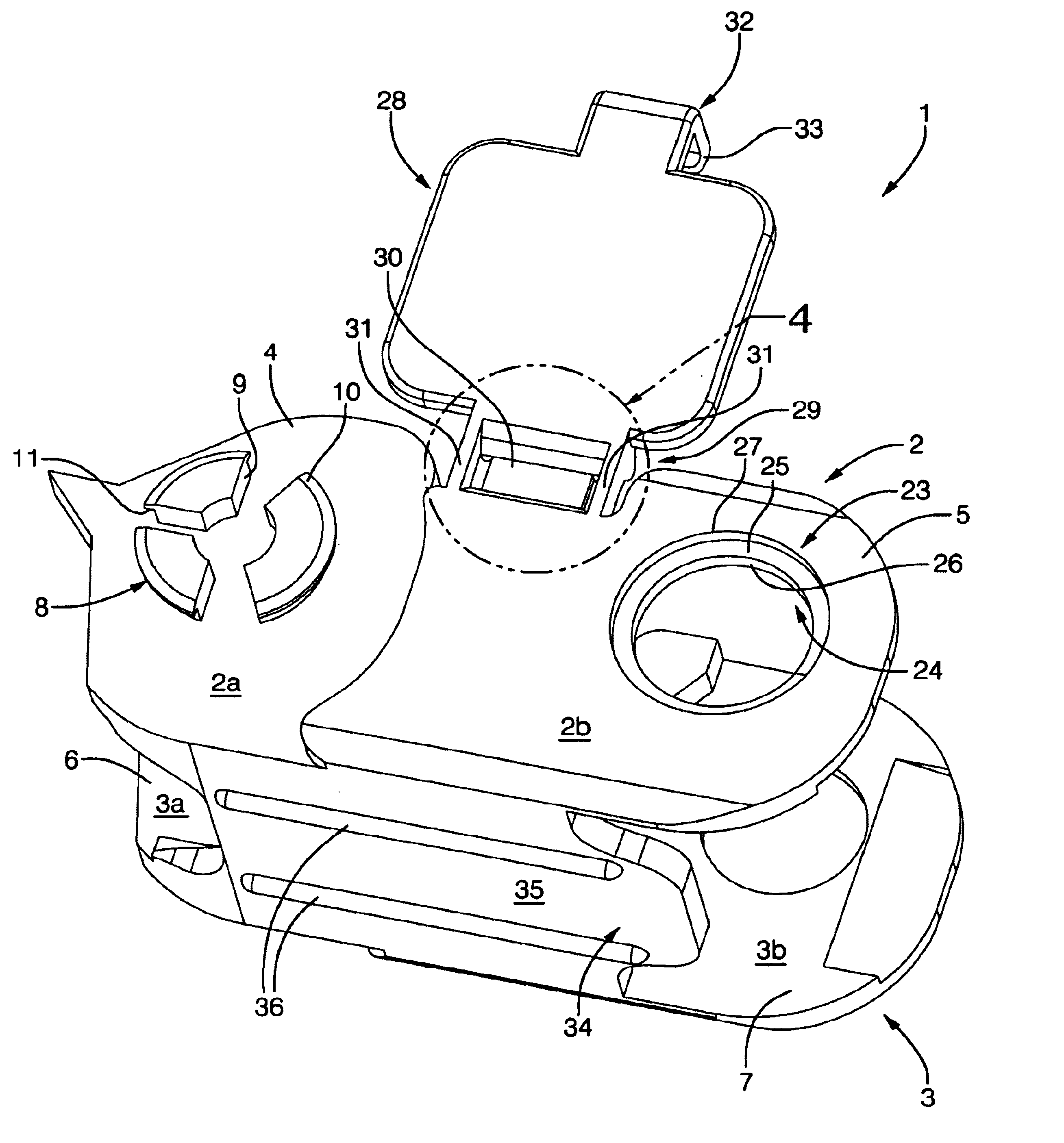
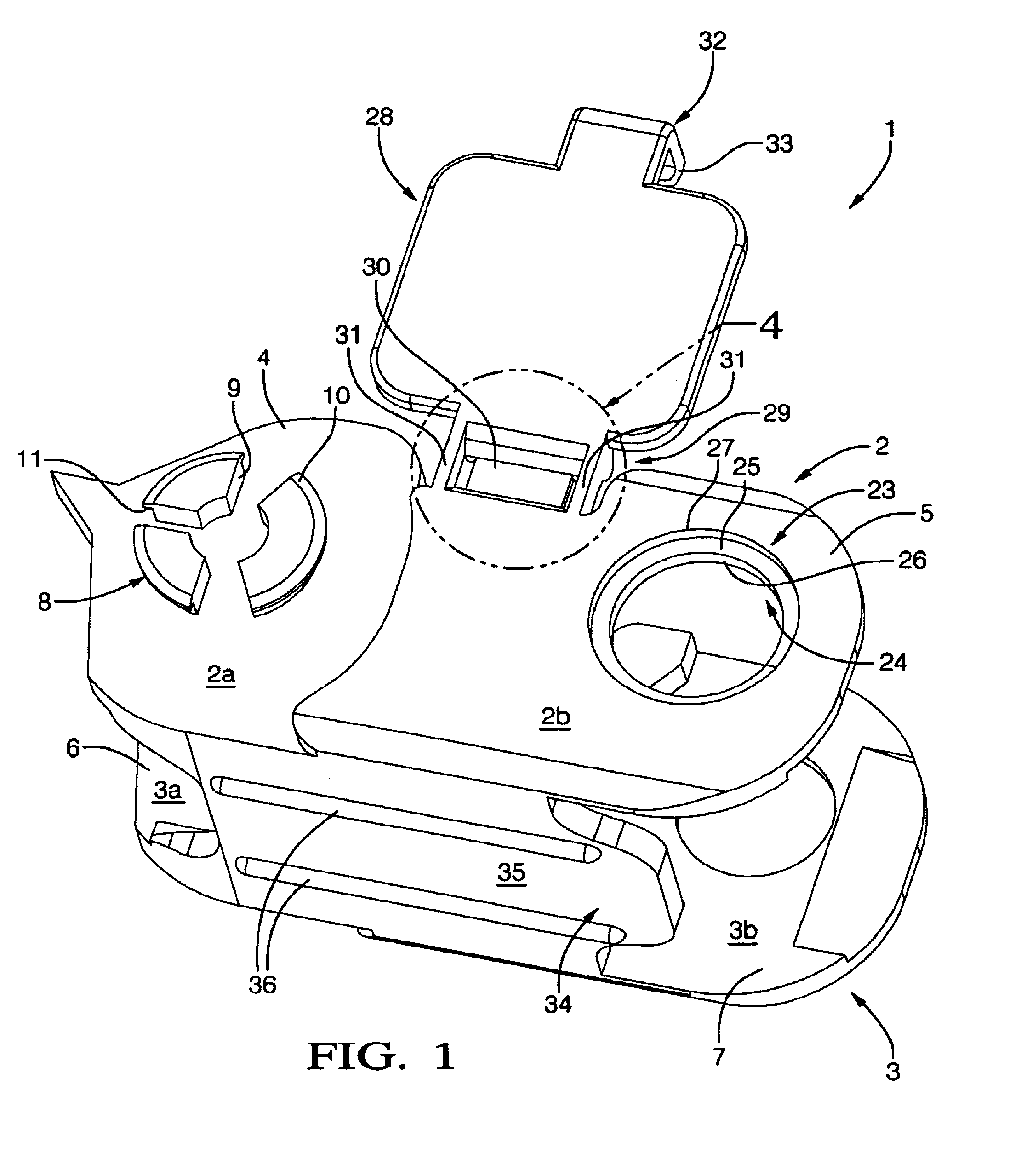
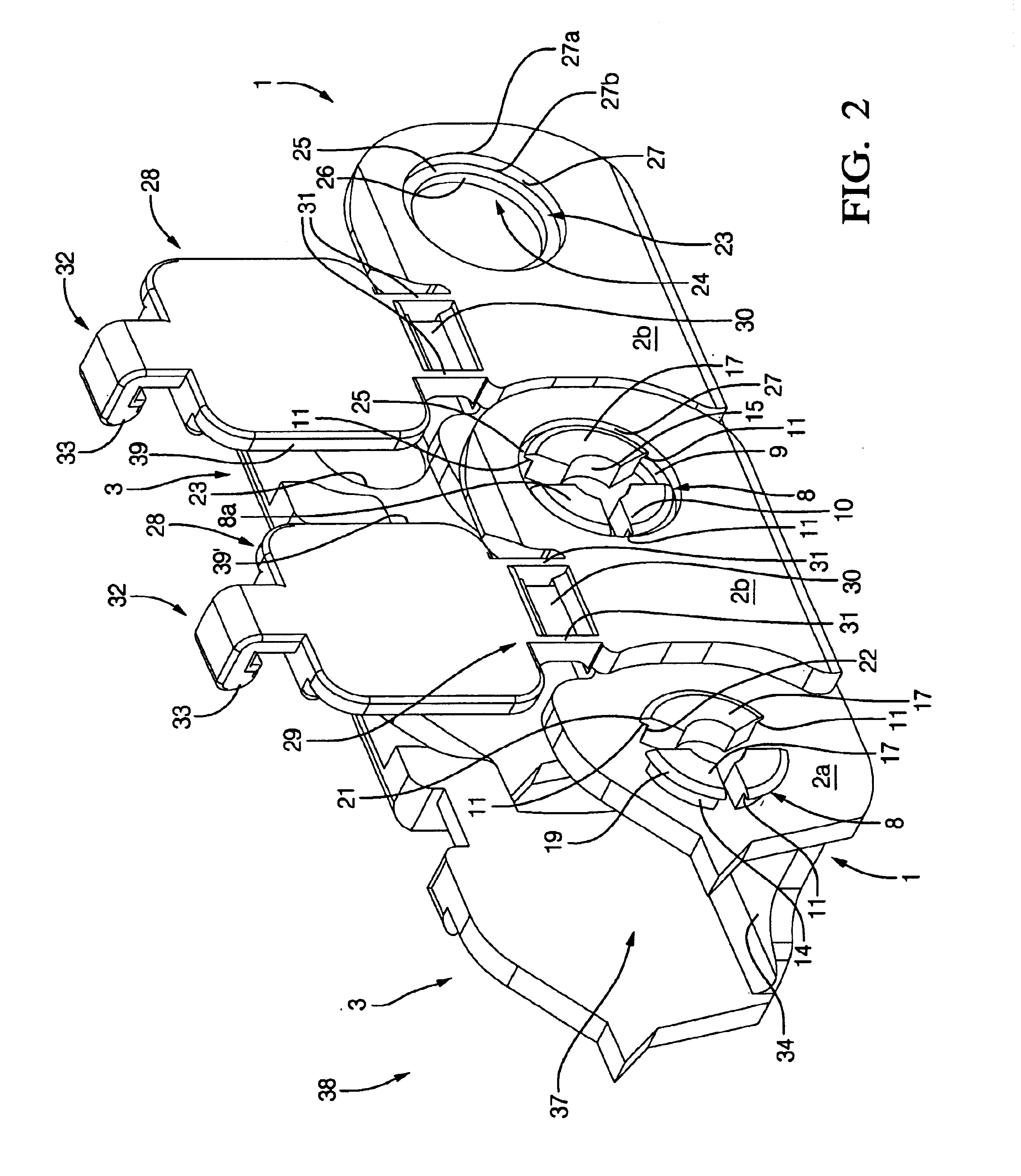
- A hybrid cable carrier chain design featuring alternating male and female pivot sections with damper blocks and support plates made of different materials, where damper blocks deflect under load to engage bearing flanges with arcuate slots, distributing loads and absorbing impacts to prevent deformation.


Chain links and cable carrier chains containing same
PatentInactiveUS6978595B2
Innovation
- The novel chain links feature laterally spaced side plates with undercut pins and oversized apertures for increased contact area, a hinged cover lid for automated assembly, and noise-reducing ribs on the bottom support plate to minimize decoupling and noise, enhancing strength, flexibility, and assembly efficiency.

Safety Standards and Regulations for Industrial Cable Systems
The safety standards and regulations governing industrial cable systems in fast palletizing machinery represent a complex framework of international, national, and industry-specific requirements. These standards primarily focus on ensuring operational safety, preventing electrical hazards, and maintaining system reliability under high-speed dynamic conditions. Key regulatory bodies include the International Electrotechnical Commission (IEC), Underwriters Laboratories (UL), and the European Committee for Electrotechnical Standardization (CENELEC), each contributing essential guidelines for cable carrier chain applications.
IEC 60204-1 serves as the fundamental standard for electrical equipment safety in machinery, establishing requirements for cable protection, routing, and strain relief mechanisms. This standard mandates specific bend radius limitations, cable separation protocols, and environmental protection measures that directly impact cable carrier chain design. For palletizing applications, compliance requires careful consideration of acceleration forces, temperature variations, and potential contamination exposure.
The Machinery Directive 2006/42/EC provides comprehensive safety requirements for industrial automation equipment, including specific provisions for cable management systems. This directive emphasizes risk assessment methodologies, requiring manufacturers to evaluate potential failure modes in cable carrier chains under extreme operational conditions. The standard addresses electromagnetic compatibility, mechanical stress tolerance, and emergency stop functionality integration within cable routing systems.
UL 508A standards govern industrial control panels and associated wiring methods, establishing critical requirements for cable carrier chain installations in North American markets. These regulations specify minimum separation distances between power and control cables, proper grounding techniques, and arc fault protection measures. The standard also addresses cable selection criteria, including temperature ratings, chemical resistance, and mechanical durability requirements specific to high-speed palletizing environments.
NFPA 79 provides additional safety guidelines for electrical systems in industrial machinery, focusing on fire prevention and electrical shock protection. This standard requires specific cable types, installation methods, and maintenance protocols for cable carrier chains operating in potentially hazardous environments. The regulation emphasizes proper cable sizing, overcurrent protection, and systematic inspection procedures to ensure long-term operational safety.
Regional variations in safety standards create additional compliance challenges for global palletizing machinery manufacturers. European CE marking requirements, North American OSHA regulations, and emerging Asian safety standards each impose unique testing protocols and certification procedures. These regulatory differences necessitate flexible cable carrier chain designs capable of meeting multiple international safety requirements while maintaining optimal performance characteristics.
IEC 60204-1 serves as the fundamental standard for electrical equipment safety in machinery, establishing requirements for cable protection, routing, and strain relief mechanisms. This standard mandates specific bend radius limitations, cable separation protocols, and environmental protection measures that directly impact cable carrier chain design. For palletizing applications, compliance requires careful consideration of acceleration forces, temperature variations, and potential contamination exposure.
The Machinery Directive 2006/42/EC provides comprehensive safety requirements for industrial automation equipment, including specific provisions for cable management systems. This directive emphasizes risk assessment methodologies, requiring manufacturers to evaluate potential failure modes in cable carrier chains under extreme operational conditions. The standard addresses electromagnetic compatibility, mechanical stress tolerance, and emergency stop functionality integration within cable routing systems.
UL 508A standards govern industrial control panels and associated wiring methods, establishing critical requirements for cable carrier chain installations in North American markets. These regulations specify minimum separation distances between power and control cables, proper grounding techniques, and arc fault protection measures. The standard also addresses cable selection criteria, including temperature ratings, chemical resistance, and mechanical durability requirements specific to high-speed palletizing environments.
NFPA 79 provides additional safety guidelines for electrical systems in industrial machinery, focusing on fire prevention and electrical shock protection. This standard requires specific cable types, installation methods, and maintenance protocols for cable carrier chains operating in potentially hazardous environments. The regulation emphasizes proper cable sizing, overcurrent protection, and systematic inspection procedures to ensure long-term operational safety.
Regional variations in safety standards create additional compliance challenges for global palletizing machinery manufacturers. European CE marking requirements, North American OSHA regulations, and emerging Asian safety standards each impose unique testing protocols and certification procedures. These regulatory differences necessitate flexible cable carrier chain designs capable of meeting multiple international safety requirements while maintaining optimal performance characteristics.
Maintenance and Lifecycle Optimization Strategies
Effective maintenance and lifecycle optimization strategies for cable carrier chains in fast palletizing machinery require a comprehensive approach that balances operational efficiency with cost management. The high-speed, repetitive nature of palletizing operations subjects cable carriers to significant mechanical stress, making proactive maintenance essential for preventing costly downtime and ensuring consistent performance throughout the equipment's operational life.
Predictive maintenance represents the cornerstone of modern cable carrier optimization strategies. Advanced monitoring systems utilizing vibration sensors, temperature monitoring, and wear detection technologies enable real-time assessment of chain condition. These systems can identify early warning signs of potential failures, such as excessive chain stretch, bearing wear, or lubrication degradation, allowing maintenance teams to schedule interventions during planned downtime rather than responding to unexpected failures.
Condition-based maintenance protocols should establish specific inspection intervals based on operational cycles rather than calendar time. For high-speed palletizing applications, daily visual inspections focusing on chain alignment, cable integrity, and mounting point stability are crucial. Weekly detailed inspections should examine chain links for wear patterns, lubrication levels, and proper cable routing within the carrier segments.
Lifecycle optimization extends beyond reactive maintenance to encompass strategic component replacement and system upgrades. Implementing a phased replacement strategy allows for the systematic renewal of critical components before they reach failure thresholds. This approach minimizes the risk of cascading failures where one worn component accelerates the degradation of adjacent elements.
Environmental factors significantly impact maintenance requirements and lifecycle performance. Dust, moisture, and temperature variations common in industrial palletizing environments necessitate enhanced protection measures and modified maintenance schedules. Sealed chain designs and appropriate lubrication selection based on operating conditions can substantially extend service intervals and overall system longevity.
Documentation and data analytics play vital roles in optimizing maintenance strategies. Comprehensive maintenance logs tracking component performance, failure modes, and replacement intervals provide valuable insights for refining maintenance schedules and identifying recurring issues. This data-driven approach enables continuous improvement of maintenance protocols and supports informed decisions regarding system upgrades or replacements.
Predictive maintenance represents the cornerstone of modern cable carrier optimization strategies. Advanced monitoring systems utilizing vibration sensors, temperature monitoring, and wear detection technologies enable real-time assessment of chain condition. These systems can identify early warning signs of potential failures, such as excessive chain stretch, bearing wear, or lubrication degradation, allowing maintenance teams to schedule interventions during planned downtime rather than responding to unexpected failures.
Condition-based maintenance protocols should establish specific inspection intervals based on operational cycles rather than calendar time. For high-speed palletizing applications, daily visual inspections focusing on chain alignment, cable integrity, and mounting point stability are crucial. Weekly detailed inspections should examine chain links for wear patterns, lubrication levels, and proper cable routing within the carrier segments.
Lifecycle optimization extends beyond reactive maintenance to encompass strategic component replacement and system upgrades. Implementing a phased replacement strategy allows for the systematic renewal of critical components before they reach failure thresholds. This approach minimizes the risk of cascading failures where one worn component accelerates the degradation of adjacent elements.
Environmental factors significantly impact maintenance requirements and lifecycle performance. Dust, moisture, and temperature variations common in industrial palletizing environments necessitate enhanced protection measures and modified maintenance schedules. Sealed chain designs and appropriate lubrication selection based on operating conditions can substantially extend service intervals and overall system longevity.
Documentation and data analytics play vital roles in optimizing maintenance strategies. Comprehensive maintenance logs tracking component performance, failure modes, and replacement intervals provide valuable insights for refining maintenance schedules and identifying recurring issues. This data-driven approach enables continuous improvement of maintenance protocols and supports informed decisions regarding system upgrades or replacements.
Unlock deeper insights with Patsnap Eureka Quick Research — get a full tech report to explore trends and direct your research. Try now!
Generate Your Research Report Instantly with AI Agent
Supercharge your innovation with Patsnap Eureka AI Agent Platform!