Optimizing Cross-Border Collaborations in Molten Salt R&D
APR 17, 20269 MIN READ
Generate Your Research Report Instantly with AI Agent
PatSnap Eureka helps you evaluate technical feasibility & market potential.
Molten Salt R&D Background and Cross-Border Goals
Molten salt technology has emerged as a cornerstone of next-generation energy systems, particularly in concentrated solar power (CSP) plants, advanced nuclear reactors, and large-scale energy storage applications. The technology's foundation lies in the unique thermophysical properties of molten salts, which enable efficient heat transfer and storage at temperatures exceeding 500°C. Historical development traces back to the 1940s nuclear programs, but commercial applications gained momentum in the 2000s with the deployment of CSP plants in Spain and the United States.
The evolution of molten salt research has been characterized by distinct phases of innovation. Early research focused on basic salt chemistry and corrosion mechanisms, primarily driven by nuclear applications. The renewable energy transition catalyzed a second wave of development, emphasizing thermal storage systems and heat transfer optimization. Current research directions encompass advanced salt compositions, including chloride and fluoride-based systems, which promise higher operating temperatures and improved energy density.
Cross-border collaboration in molten salt R&D has become increasingly critical due to the technology's complexity and the substantial investment requirements for experimental facilities. Leading research institutions across North America, Europe, and Asia have established complementary expertise areas. European institutions excel in materials science and corrosion studies, while American laboratories lead in system integration and nuclear applications. Asian research centers, particularly in China and Japan, have advanced manufacturing processes and cost optimization strategies.
The primary objectives of international collaboration center on accelerating technology maturation while reducing development costs. Key goals include establishing standardized testing protocols for salt properties, developing predictive models for long-term system performance, and creating shared databases of materials compatibility data. Collaborative efforts aim to address critical technical challenges such as salt purification methods, corrosion mitigation strategies, and thermal cycling durability.
Strategic collaboration frameworks target the development of next-generation molten salt systems capable of operating at temperatures above 700°C, which would significantly enhance system efficiency and broaden application scope. Joint research initiatives focus on novel salt compositions, advanced containment materials, and integrated system designs that can achieve commercial viability across diverse geographic and regulatory environments.
The evolution of molten salt research has been characterized by distinct phases of innovation. Early research focused on basic salt chemistry and corrosion mechanisms, primarily driven by nuclear applications. The renewable energy transition catalyzed a second wave of development, emphasizing thermal storage systems and heat transfer optimization. Current research directions encompass advanced salt compositions, including chloride and fluoride-based systems, which promise higher operating temperatures and improved energy density.
Cross-border collaboration in molten salt R&D has become increasingly critical due to the technology's complexity and the substantial investment requirements for experimental facilities. Leading research institutions across North America, Europe, and Asia have established complementary expertise areas. European institutions excel in materials science and corrosion studies, while American laboratories lead in system integration and nuclear applications. Asian research centers, particularly in China and Japan, have advanced manufacturing processes and cost optimization strategies.
The primary objectives of international collaboration center on accelerating technology maturation while reducing development costs. Key goals include establishing standardized testing protocols for salt properties, developing predictive models for long-term system performance, and creating shared databases of materials compatibility data. Collaborative efforts aim to address critical technical challenges such as salt purification methods, corrosion mitigation strategies, and thermal cycling durability.
Strategic collaboration frameworks target the development of next-generation molten salt systems capable of operating at temperatures above 700°C, which would significantly enhance system efficiency and broaden application scope. Joint research initiatives focus on novel salt compositions, advanced containment materials, and integrated system designs that can achieve commercial viability across diverse geographic and regulatory environments.
Global Market Demand for Molten Salt Technologies
The global molten salt technology market is experiencing unprecedented growth driven by the urgent need for advanced energy storage solutions and next-generation nuclear reactor systems. The renewable energy sector's expansion has created substantial demand for grid-scale energy storage technologies, where molten salt systems offer superior thermal storage capabilities compared to conventional battery technologies. This demand is particularly pronounced in regions with aggressive renewable energy targets and substantial solar thermal installations.
Concentrated Solar Power plants represent the largest current market segment for molten salt technologies, with installations across Spain, the United States, Chile, and emerging markets in the Middle East and North Africa. These facilities require sophisticated molten salt formulations that can operate efficiently at high temperatures while maintaining long-term stability. The market demand extends beyond traditional nitrate-based salts to include chloride and fluoride salt systems that enable higher operating temperatures and improved energy conversion efficiency.
The nuclear energy sector is driving significant demand for advanced molten salt reactor technologies, particularly as countries seek carbon-neutral baseload power generation. Small Modular Reactors incorporating molten salt coolants are attracting substantial investment from utilities and governments worldwide. This application requires specialized salt compositions with enhanced neutron transparency and corrosion resistance properties, creating demand for innovative salt purification and handling technologies.
Industrial process heat applications represent an emerging but rapidly growing market segment. Industries requiring high-temperature thermal management, including steel production, chemical processing, and cement manufacturing, are increasingly adopting molten salt heat transfer systems. These applications demand cost-effective salt formulations that can withstand harsh industrial environments while providing reliable thermal performance.
The market landscape reveals significant regional variations in demand patterns. North American and European markets prioritize advanced nuclear applications and grid-scale energy storage, while Asia-Pacific regions focus on industrial process applications and solar thermal integration. Developing markets in Africa and Latin America show growing interest in concentrated solar power installations utilizing molten salt storage systems.
Cross-border collaboration opportunities are particularly evident in the development of standardized salt specifications and testing protocols. International research partnerships are essential for advancing salt chemistry understanding, developing corrosion-resistant materials, and establishing safety standards that can facilitate global technology deployment and market expansion.
Concentrated Solar Power plants represent the largest current market segment for molten salt technologies, with installations across Spain, the United States, Chile, and emerging markets in the Middle East and North Africa. These facilities require sophisticated molten salt formulations that can operate efficiently at high temperatures while maintaining long-term stability. The market demand extends beyond traditional nitrate-based salts to include chloride and fluoride salt systems that enable higher operating temperatures and improved energy conversion efficiency.
The nuclear energy sector is driving significant demand for advanced molten salt reactor technologies, particularly as countries seek carbon-neutral baseload power generation. Small Modular Reactors incorporating molten salt coolants are attracting substantial investment from utilities and governments worldwide. This application requires specialized salt compositions with enhanced neutron transparency and corrosion resistance properties, creating demand for innovative salt purification and handling technologies.
Industrial process heat applications represent an emerging but rapidly growing market segment. Industries requiring high-temperature thermal management, including steel production, chemical processing, and cement manufacturing, are increasingly adopting molten salt heat transfer systems. These applications demand cost-effective salt formulations that can withstand harsh industrial environments while providing reliable thermal performance.
The market landscape reveals significant regional variations in demand patterns. North American and European markets prioritize advanced nuclear applications and grid-scale energy storage, while Asia-Pacific regions focus on industrial process applications and solar thermal integration. Developing markets in Africa and Latin America show growing interest in concentrated solar power installations utilizing molten salt storage systems.
Cross-border collaboration opportunities are particularly evident in the development of standardized salt specifications and testing protocols. International research partnerships are essential for advancing salt chemistry understanding, developing corrosion-resistant materials, and establishing safety standards that can facilitate global technology deployment and market expansion.
Current State of International Molten Salt R&D
The global molten salt research and development landscape has experienced significant expansion over the past decade, driven primarily by the growing demand for advanced energy storage solutions and next-generation nuclear reactor technologies. Currently, international R&D efforts are concentrated across several key regions, with the United States, China, European Union, and Japan leading the charge in both fundamental research and commercial applications.
In the United States, the Department of Energy has allocated substantial funding through programs like ARPA-E and the Solar Energy Technologies Office, focusing on molten salt applications in concentrated solar power systems and advanced nuclear reactors. Major research institutions including Oak Ridge National Laboratory, Sandia National Laboratories, and MIT are conducting cutting-edge research on salt chemistry, corrosion mitigation, and thermal properties optimization.
China has emerged as a dominant force in molten salt technology development, particularly in the context of molten salt reactors and thermal energy storage systems. The Chinese Academy of Sciences, through its Shanghai Institute of Applied Physics, has made remarkable progress in thorium-based molten salt reactor development. Additionally, Chinese companies like BYD and CATL are investing heavily in molten salt battery technologies for grid-scale energy storage applications.
European research efforts are coordinated through various Horizon Europe initiatives, with countries like France, Germany, and the Netherlands leading collaborative projects. The European Commission has prioritized molten salt research as part of its Green Deal objectives, focusing on renewable energy integration and carbon-neutral industrial processes. Notable institutions include CEA in France and DLR in Germany, which are advancing high-temperature solar thermal technologies.
Japan's approach emphasizes precision engineering and materials science, with organizations like JAEA and major corporations such as Mitsubishi Heavy Industries developing innovative molten salt solutions for both energy storage and nuclear applications. Their research particularly focuses on advanced materials compatibility and long-term operational stability.
Despite these advances, the current international molten salt R&D ecosystem faces several critical challenges that limit cross-border collaboration effectiveness. Intellectual property concerns, export control regulations, and varying safety standards create barriers to seamless knowledge exchange. Additionally, the lack of standardized testing protocols and measurement techniques across different countries complicates comparative analysis and technology transfer.
The fragmented nature of current research efforts often results in duplicated work and missed opportunities for synergistic breakthroughs. While individual countries have made significant strides, the absence of coordinated international frameworks limits the potential for accelerated innovation and cost-effective technology development in the molten salt domain.
In the United States, the Department of Energy has allocated substantial funding through programs like ARPA-E and the Solar Energy Technologies Office, focusing on molten salt applications in concentrated solar power systems and advanced nuclear reactors. Major research institutions including Oak Ridge National Laboratory, Sandia National Laboratories, and MIT are conducting cutting-edge research on salt chemistry, corrosion mitigation, and thermal properties optimization.
China has emerged as a dominant force in molten salt technology development, particularly in the context of molten salt reactors and thermal energy storage systems. The Chinese Academy of Sciences, through its Shanghai Institute of Applied Physics, has made remarkable progress in thorium-based molten salt reactor development. Additionally, Chinese companies like BYD and CATL are investing heavily in molten salt battery technologies for grid-scale energy storage applications.
European research efforts are coordinated through various Horizon Europe initiatives, with countries like France, Germany, and the Netherlands leading collaborative projects. The European Commission has prioritized molten salt research as part of its Green Deal objectives, focusing on renewable energy integration and carbon-neutral industrial processes. Notable institutions include CEA in France and DLR in Germany, which are advancing high-temperature solar thermal technologies.
Japan's approach emphasizes precision engineering and materials science, with organizations like JAEA and major corporations such as Mitsubishi Heavy Industries developing innovative molten salt solutions for both energy storage and nuclear applications. Their research particularly focuses on advanced materials compatibility and long-term operational stability.
Despite these advances, the current international molten salt R&D ecosystem faces several critical challenges that limit cross-border collaboration effectiveness. Intellectual property concerns, export control regulations, and varying safety standards create barriers to seamless knowledge exchange. Additionally, the lack of standardized testing protocols and measurement techniques across different countries complicates comparative analysis and technology transfer.
The fragmented nature of current research efforts often results in duplicated work and missed opportunities for synergistic breakthroughs. While individual countries have made significant strides, the absence of coordinated international frameworks limits the potential for accelerated innovation and cost-effective technology development in the molten salt domain.
Existing Cross-Border Collaboration Models
01 Molten salt compositions for thermal energy storage systems
Development of specific molten salt formulations and mixtures designed for efficient thermal energy storage applications. These compositions focus on optimizing thermal properties, stability, and heat transfer characteristics for use in concentrated solar power systems and other energy storage technologies. The formulations may include various salt combinations to achieve desired melting points and thermal conductivity.- Molten salt compositions for thermal energy storage systems: Development of specific molten salt formulations and mixtures designed for efficient thermal energy storage applications. These compositions focus on optimizing thermal properties, stability, and heat transfer characteristics for use in concentrated solar power systems and other energy storage technologies. The formulations may include various salt combinations to achieve desired melting points and thermal conductivity.
- Molten salt reactor designs and nuclear fuel processing: Technologies related to molten salt reactor configurations and nuclear fuel cycle processes utilizing molten salt systems. These innovations cover reactor core designs, fuel salt compositions, and methods for processing nuclear materials in molten salt environments. The approaches aim to improve reactor safety, efficiency, and fuel utilization in next-generation nuclear energy systems.
- Corrosion resistance and material compatibility in molten salt environments: Solutions addressing material degradation and corrosion challenges in high-temperature molten salt applications. These technologies include protective coatings, corrosion-resistant alloys, and material selection strategies for components exposed to aggressive molten salt conditions. The innovations focus on extending equipment lifetime and maintaining system integrity in extreme operating environments.
- Heat transfer and thermal management systems using molten salts: Technologies for heat exchange, thermal transport, and temperature control utilizing molten salt as a heat transfer medium. These systems encompass heat exchanger designs, circulation methods, and thermal management strategies for industrial processes and power generation applications. The innovations optimize heat transfer efficiency and system performance across various temperature ranges.
- Molten salt production, purification and handling methods: Processes and equipment for manufacturing, purifying, and managing molten salt materials in industrial applications. These technologies cover salt preparation techniques, impurity removal methods, and safe handling procedures for molten salt systems. The innovations address quality control, contamination prevention, and operational safety in molten salt processing and utilization.
02 Molten salt reactor designs and nuclear fuel processing
Technologies related to molten salt reactor configurations and nuclear fuel cycle processes utilizing molten salt media. These innovations cover reactor core designs, fuel salt compositions, and methods for processing nuclear materials in molten salt environments. The approaches aim to improve reactor safety, efficiency, and fuel utilization in next-generation nuclear energy systems.Expand Specific Solutions03 Corrosion resistance and material compatibility in molten salt environments
Solutions addressing material degradation and corrosion challenges in high-temperature molten salt applications. These technologies include protective coatings, corrosion-resistant alloys, and material selection strategies for components exposed to aggressive molten salt conditions. The innovations focus on extending equipment lifetime and maintaining system integrity in extreme operating environments.Expand Specific Solutions04 Heat transfer and thermal management systems using molten salts
Technologies for heat exchange and thermal management utilizing molten salt as a heat transfer medium. These systems encompass heat exchanger designs, circulation methods, and thermal control strategies for industrial processes and power generation applications. The innovations aim to maximize heat transfer efficiency while maintaining operational safety and system reliability.Expand Specific Solutions05 Molten salt production and purification processes
Methods and systems for manufacturing, refining, and purifying molten salt materials for various industrial applications. These processes address impurity removal, salt composition control, and quality assurance to meet specific application requirements. The technologies include electrolytic processes, chemical treatment methods, and continuous purification systems to ensure consistent salt quality.Expand Specific Solutions
Key Players in Global Molten Salt R&D
The molten salt R&D landscape for cross-border collaborations represents a rapidly evolving sector driven by the global energy transition and industrial decarbonization needs. The market is experiencing significant growth, particularly in thermal energy storage and advanced nuclear applications, with increasing investment in renewable energy integration solutions. Technology maturity varies considerably across applications, with established players like TerraPower LLC advancing molten salt reactor technologies and Hyme Energy ApS pioneering hydroxide salt thermal storage systems. Traditional industrial giants including Corning Inc., Shanghai Electric Group, and Haynes International provide critical materials and manufacturing capabilities, while research institutions such as Tohoku University, Institute of Science Tokyo, and Commissariat à l'énergie atomique contribute fundamental research. The competitive landscape shows strong regional clusters in Japan, China, Europe, and North America, with emerging specialization in energy storage companies like Beijing Minli Energy Storage Technology, indicating a maturing ecosystem ready for enhanced international collaboration and technology transfer initiatives.
Shanghai Electric Group Co., Ltd.
Technical Solution: Shanghai Electric has developed industrial-focused cross-border collaboration strategies for molten salt R&D, particularly in thermal energy storage and concentrated solar power applications. Their approach includes establishing joint ventures and research partnerships with international companies and research institutions, creating shared development programs for molten salt technologies, and implementing coordinated supply chain management for specialized materials and components. The company utilizes integrated project management systems that enable real-time collaboration between teams in different countries, standardized quality control procedures across international facilities, and joint intellectual property development frameworks. Their collaboration model includes shared testing facilities, coordinated market development strategies, and integrated manufacturing processes that leverage expertise and resources from multiple countries to accelerate molten salt technology commercialization.
Strengths: Strong industrial manufacturing capabilities and established international business networks. Weaknesses: May face technology transfer restrictions and varying international regulatory requirements.
UT-Battelle LLC
Technical Solution: UT-Battelle operates Oak Ridge National Laboratory and has developed comprehensive cross-border collaboration protocols for molten salt research and development. Their approach focuses on creating secure international research networks that facilitate knowledge sharing while protecting sensitive information. The organization has established formal collaboration agreements with research institutions in Europe, Asia, and other regions, enabling coordinated research efforts on molten salt reactor technologies, thermal energy storage systems, and advanced materials development. Their collaboration framework includes standardized research methodologies, shared experimental facilities access, joint publication protocols, and coordinated funding mechanisms that allow multiple countries to contribute resources to large-scale molten salt R&D projects.
Strengths: Access to world-class research facilities and extensive government backing for international collaborations. Weaknesses: Bureaucratic processes may slow down rapid collaboration initiatives.
Core Technologies in Molten Salt Research
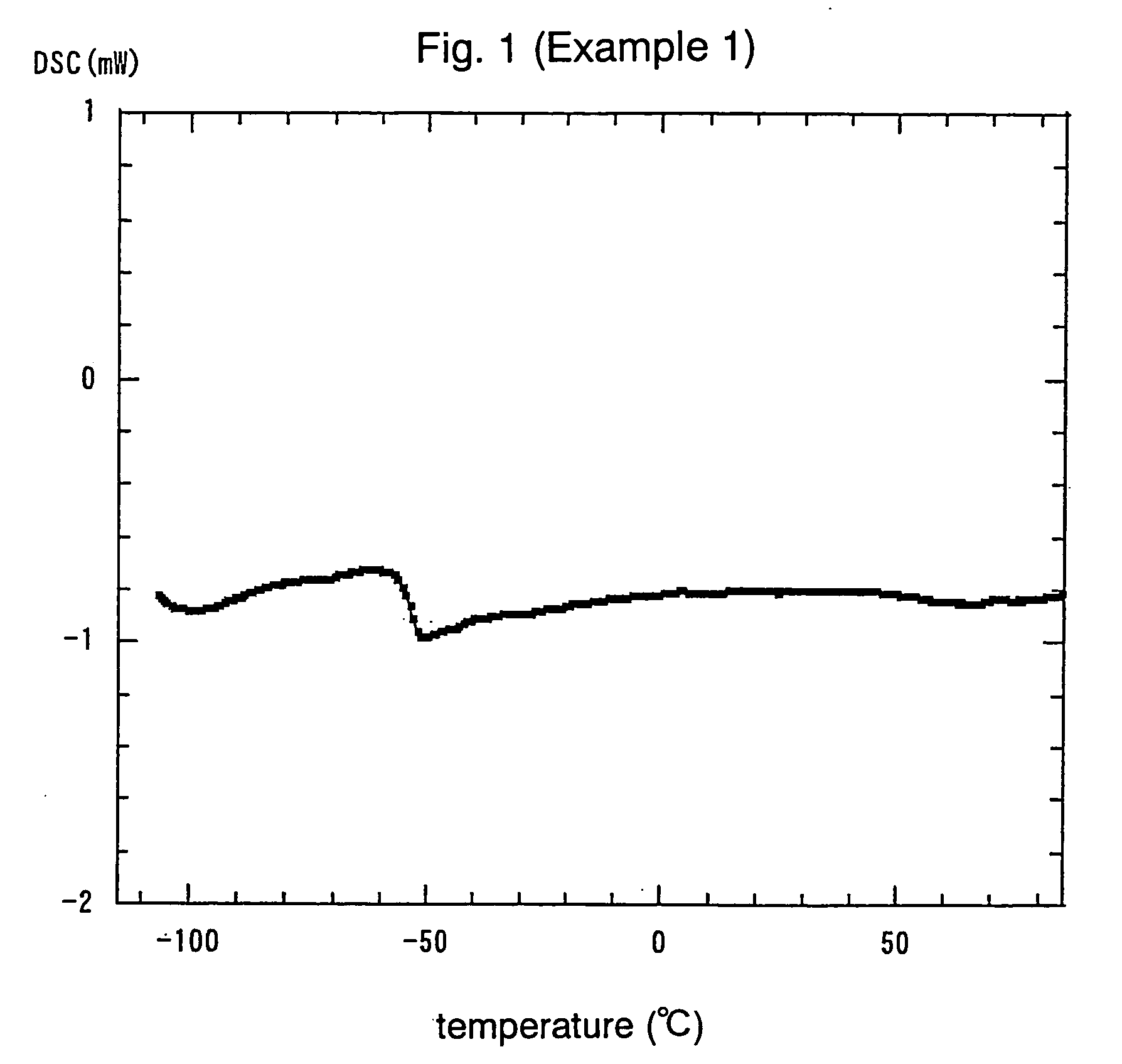
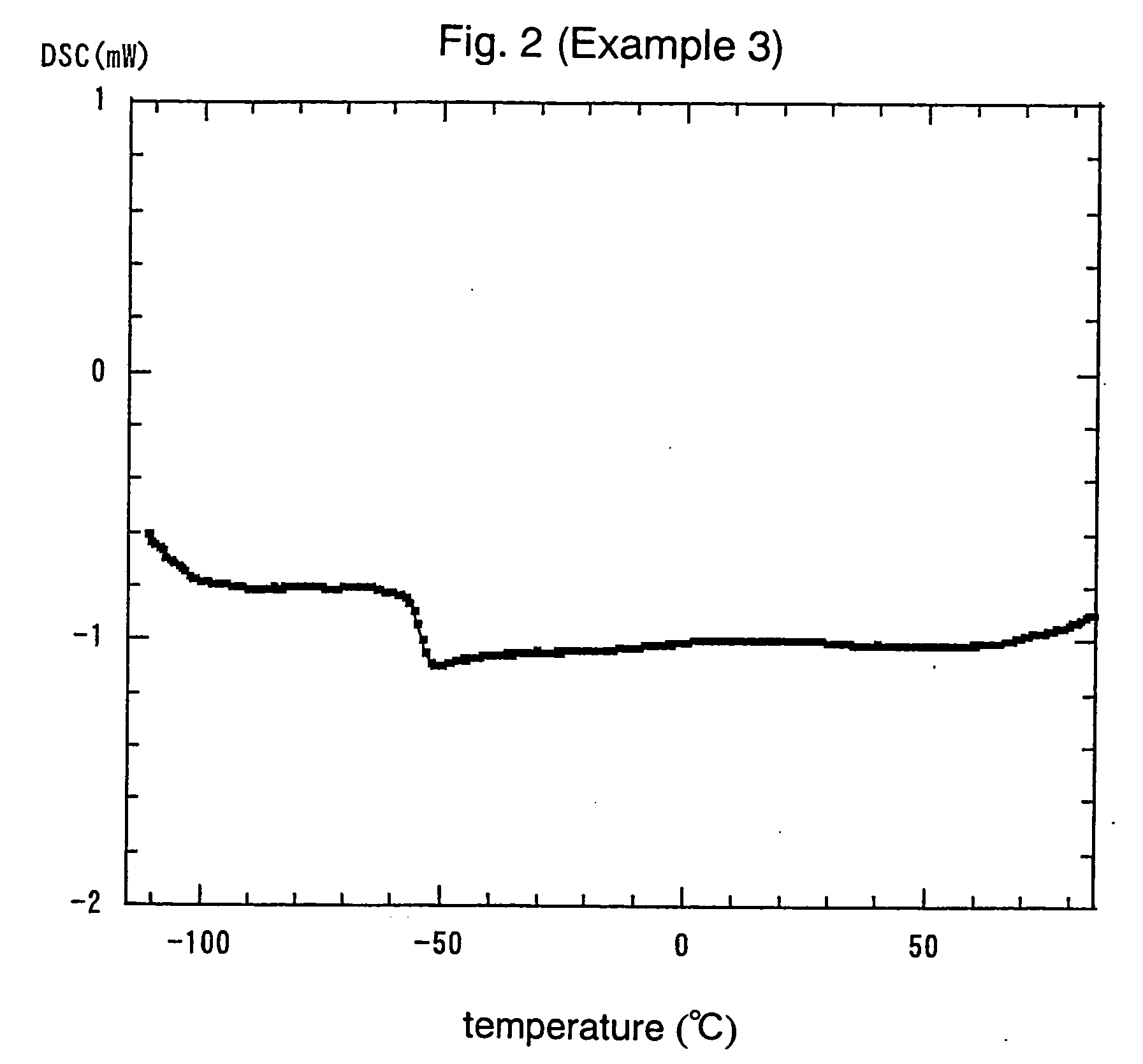
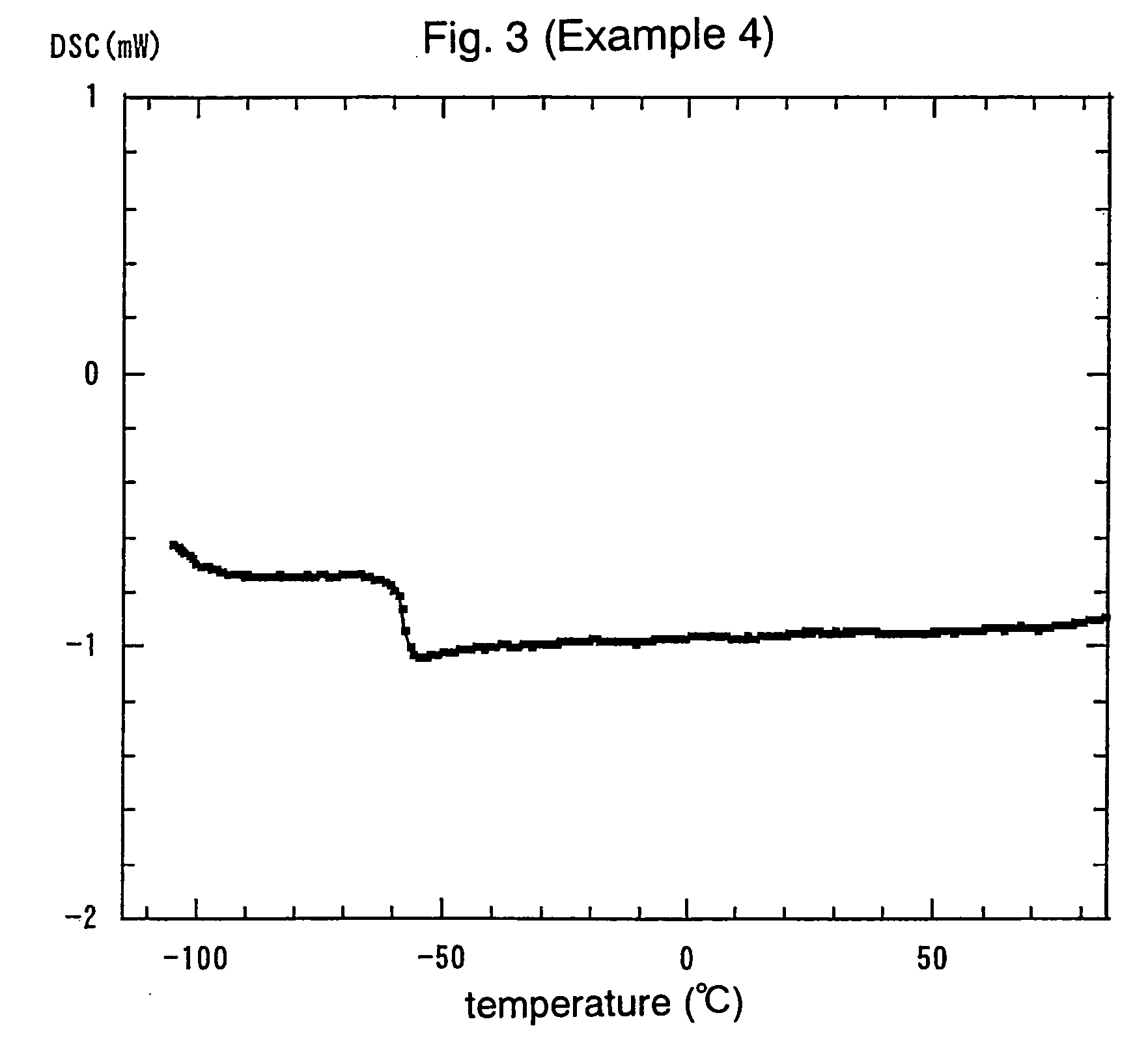
Room-temperature molten salt, process for producing the same and applications thereof
PatentInactiveUS20050175867A1
Innovation
- Mixing two or more organic salts with different anionic and cationic moieties to create a room-temperature molten salt with a lower solidifying point than individual salts, utilizing specific organic salts represented by formulae (I) to (VI), which are solids at room temperature for easy purification and high purity production.

Molten salt environment creep testing extensometry system
PatentWO2018152104A1
Innovation
- A creep testing system that includes a load train and extensometry system to measure elongation of test specimens under load within a high-temperature molten salt environment, using a cylindrical gage portion with an internal void filled with molten salt to simulate corrosive effects, and a thermal break to protect temperature-sensitive components, allowing for accurate load measurement and minimization of heat conduction.


International Policy Framework for Energy R&D
The international policy framework for energy research and development has evolved significantly to address global climate challenges and energy security concerns. Multilateral agreements such as the Paris Climate Accord and the International Energy Agency's Technology Roadmaps have established foundational principles for collaborative energy research initiatives. These frameworks emphasize technology transfer, shared intellectual property protocols, and coordinated funding mechanisms that facilitate cross-border scientific cooperation.
Regional policy initiatives have emerged as critical enablers for molten salt research collaborations. The European Union's Horizon Europe program allocates substantial resources for advanced nuclear technologies, including molten salt reactor development, while establishing clear guidelines for international partnerships. Similarly, the U.S. Department of Energy's International Nuclear Energy Research Initiative creates structured pathways for bilateral and multilateral research agreements, particularly in advanced reactor technologies.
Export control regulations present both opportunities and constraints for international molten salt research cooperation. The Nuclear Suppliers Group guidelines and national export administration regulations govern the transfer of dual-use technologies and materials essential for molten salt research. Recent policy updates have streamlined certain research exemptions while maintaining strict oversight of sensitive materials and technologies, creating a more navigable regulatory environment for legitimate research collaborations.
Funding harmonization policies have become increasingly important for sustaining long-term international research partnerships. Organizations like the Generation IV International Forum have developed cost-sharing frameworks that align national research priorities with international collaborative objectives. These policies establish transparent mechanisms for intellectual property sharing, publication rights, and technology commercialization pathways.
Emerging policy trends indicate growing support for public-private partnerships in international energy research. Recent legislative initiatives in major economies have introduced tax incentives and regulatory sandboxes that encourage private sector participation in government-led international research programs. These policies recognize the critical role of industry expertise and resources in accelerating molten salt technology development while maintaining appropriate oversight and safety standards.
Regional policy initiatives have emerged as critical enablers for molten salt research collaborations. The European Union's Horizon Europe program allocates substantial resources for advanced nuclear technologies, including molten salt reactor development, while establishing clear guidelines for international partnerships. Similarly, the U.S. Department of Energy's International Nuclear Energy Research Initiative creates structured pathways for bilateral and multilateral research agreements, particularly in advanced reactor technologies.
Export control regulations present both opportunities and constraints for international molten salt research cooperation. The Nuclear Suppliers Group guidelines and national export administration regulations govern the transfer of dual-use technologies and materials essential for molten salt research. Recent policy updates have streamlined certain research exemptions while maintaining strict oversight of sensitive materials and technologies, creating a more navigable regulatory environment for legitimate research collaborations.
Funding harmonization policies have become increasingly important for sustaining long-term international research partnerships. Organizations like the Generation IV International Forum have developed cost-sharing frameworks that align national research priorities with international collaborative objectives. These policies establish transparent mechanisms for intellectual property sharing, publication rights, and technology commercialization pathways.
Emerging policy trends indicate growing support for public-private partnerships in international energy research. Recent legislative initiatives in major economies have introduced tax incentives and regulatory sandboxes that encourage private sector participation in government-led international research programs. These policies recognize the critical role of industry expertise and resources in accelerating molten salt technology development while maintaining appropriate oversight and safety standards.
Knowledge Transfer Mechanisms in Molten Salt R&D
Knowledge transfer mechanisms in molten salt research and development represent critical pathways for accelerating innovation and reducing technological barriers across international boundaries. These mechanisms encompass formal and informal channels through which scientific knowledge, technical expertise, and practical experience flow between research institutions, universities, and industrial partners across different countries.
Academic exchange programs constitute one of the most established knowledge transfer mechanisms in molten salt R&D. These programs facilitate researcher mobility through visiting fellowships, joint doctoral programs, and sabbatical arrangements. Such exchanges enable direct transfer of tacit knowledge, laboratory techniques, and experimental methodologies that are often difficult to communicate through publications alone. The hands-on experience gained through these programs proves invaluable for understanding complex molten salt handling procedures and safety protocols.
Joint research publications and collaborative authorship serve as fundamental vehicles for knowledge dissemination in the molten salt community. Co-authored papers not only share research findings but also establish professional networks that facilitate ongoing knowledge exchange. The peer review process inherent in academic publishing ensures quality control while creating opportunities for cross-pollination of ideas between different research groups and national research traditions.
Technology licensing agreements and intellectual property sharing arrangements provide structured mechanisms for transferring commercially viable molten salt technologies across borders. These formal agreements often include technical documentation, training programs, and ongoing technical support, ensuring comprehensive knowledge transfer beyond mere patent rights. Such arrangements are particularly important for scaling laboratory discoveries to industrial applications.
International conferences, workshops, and symposiums dedicated to molten salt technologies create concentrated opportunities for knowledge exchange. These events facilitate both formal presentations of research findings and informal networking that often leads to future collaborations. The face-to-face interactions at such gatherings enable nuanced discussions about technical challenges and solutions that may not emerge through other communication channels.
Digital platforms and online repositories increasingly serve as repositories for molten salt research data, computational models, and simulation tools. These platforms enable real-time sharing of research resources and facilitate collaborative analysis of complex datasets. Open-source initiatives in molten salt modeling software exemplify how digital knowledge transfer mechanisms can accelerate research progress across geographical boundaries.
Industrial secondments and personnel exchanges between companies and research institutions create bidirectional knowledge flows that bridge the gap between fundamental research and practical applications. These arrangements allow researchers to gain industrial perspective while enabling industry professionals to access cutting-edge academic research, fostering innovation at the intersection of theory and practice.
Academic exchange programs constitute one of the most established knowledge transfer mechanisms in molten salt R&D. These programs facilitate researcher mobility through visiting fellowships, joint doctoral programs, and sabbatical arrangements. Such exchanges enable direct transfer of tacit knowledge, laboratory techniques, and experimental methodologies that are often difficult to communicate through publications alone. The hands-on experience gained through these programs proves invaluable for understanding complex molten salt handling procedures and safety protocols.
Joint research publications and collaborative authorship serve as fundamental vehicles for knowledge dissemination in the molten salt community. Co-authored papers not only share research findings but also establish professional networks that facilitate ongoing knowledge exchange. The peer review process inherent in academic publishing ensures quality control while creating opportunities for cross-pollination of ideas between different research groups and national research traditions.
Technology licensing agreements and intellectual property sharing arrangements provide structured mechanisms for transferring commercially viable molten salt technologies across borders. These formal agreements often include technical documentation, training programs, and ongoing technical support, ensuring comprehensive knowledge transfer beyond mere patent rights. Such arrangements are particularly important for scaling laboratory discoveries to industrial applications.
International conferences, workshops, and symposiums dedicated to molten salt technologies create concentrated opportunities for knowledge exchange. These events facilitate both formal presentations of research findings and informal networking that often leads to future collaborations. The face-to-face interactions at such gatherings enable nuanced discussions about technical challenges and solutions that may not emerge through other communication channels.
Digital platforms and online repositories increasingly serve as repositories for molten salt research data, computational models, and simulation tools. These platforms enable real-time sharing of research resources and facilitate collaborative analysis of complex datasets. Open-source initiatives in molten salt modeling software exemplify how digital knowledge transfer mechanisms can accelerate research progress across geographical boundaries.
Industrial secondments and personnel exchanges between companies and research institutions create bidirectional knowledge flows that bridge the gap between fundamental research and practical applications. These arrangements allow researchers to gain industrial perspective while enabling industry professionals to access cutting-edge academic research, fostering innovation at the intersection of theory and practice.
Unlock deeper insights with PatSnap Eureka Quick Research — get a full tech report to explore trends and direct your research. Try now!
Generate Your Research Report Instantly with AI Agent
Supercharge your innovation with PatSnap Eureka AI Agent Platform!