

Optimizing Crosslinking Density in Ionomer Binders for Added Efficiency
MAY 15, 20269 MIN READ
Generate Your Research Report Instantly with AI Agent
PatSnap Eureka helps you evaluate technical feasibility & market potential.
Ionomer Crosslinking Background and Efficiency Targets
Ionomer binders represent a critical class of polymeric materials that have revolutionized energy storage and conversion technologies over the past several decades. These specialized polymers, characterized by their unique combination of ionic and covalent bonding mechanisms, emerged from early research in the 1960s when scientists first recognized the potential of incorporating ionic functionalities into polymer backbones. The fundamental principle underlying ionomer technology lies in the ability to create materials that exhibit both mechanical flexibility and ionic conductivity through controlled crosslinking networks.
The evolution of ionomer binders has been driven by the increasing demand for high-performance materials in electrochemical applications, particularly in fuel cells, batteries, and supercapacitors. Traditional polymer binders often suffered from limitations in ionic conductivity, mechanical stability, or chemical resistance, creating a technological gap that ionomers were uniquely positioned to fill. The crosslinking density within these materials emerged as a pivotal parameter, directly influencing both the mechanical properties and ionic transport characteristics.
Historical development trajectories show that early ionomer formulations focused primarily on achieving basic functionality, with crosslinking densities often determined through trial-and-error approaches rather than systematic optimization. The lack of precise control over crosslinking parameters frequently resulted in suboptimal performance, where increased mechanical strength came at the expense of ionic conductivity, or vice versa. This fundamental trade-off became a central challenge that has shaped decades of research and development efforts.
Contemporary efficiency targets for optimized ionomer binders encompass multiple performance metrics that must be simultaneously achieved. Primary objectives include maximizing ionic conductivity while maintaining mechanical integrity under operational stresses, achieving chemical stability across wide temperature and pH ranges, and ensuring long-term durability under cycling conditions. Specific quantitative targets vary by application, but generally aim for ionic conductivities exceeding 10^-2 S/cm, mechanical tensile strengths above 20 MPa, and operational lifespans extending beyond 5000 charge-discharge cycles.
The strategic importance of crosslinking density optimization has intensified with the growing emphasis on sustainable energy technologies and the need for materials that can enable next-generation energy storage systems with superior performance characteristics.
The evolution of ionomer binders has been driven by the increasing demand for high-performance materials in electrochemical applications, particularly in fuel cells, batteries, and supercapacitors. Traditional polymer binders often suffered from limitations in ionic conductivity, mechanical stability, or chemical resistance, creating a technological gap that ionomers were uniquely positioned to fill. The crosslinking density within these materials emerged as a pivotal parameter, directly influencing both the mechanical properties and ionic transport characteristics.
Historical development trajectories show that early ionomer formulations focused primarily on achieving basic functionality, with crosslinking densities often determined through trial-and-error approaches rather than systematic optimization. The lack of precise control over crosslinking parameters frequently resulted in suboptimal performance, where increased mechanical strength came at the expense of ionic conductivity, or vice versa. This fundamental trade-off became a central challenge that has shaped decades of research and development efforts.
Contemporary efficiency targets for optimized ionomer binders encompass multiple performance metrics that must be simultaneously achieved. Primary objectives include maximizing ionic conductivity while maintaining mechanical integrity under operational stresses, achieving chemical stability across wide temperature and pH ranges, and ensuring long-term durability under cycling conditions. Specific quantitative targets vary by application, but generally aim for ionic conductivities exceeding 10^-2 S/cm, mechanical tensile strengths above 20 MPa, and operational lifespans extending beyond 5000 charge-discharge cycles.
The strategic importance of crosslinking density optimization has intensified with the growing emphasis on sustainable energy technologies and the need for materials that can enable next-generation energy storage systems with superior performance characteristics.
Market Demand for High-Performance Ionomer Binders
The global demand for high-performance ionomer binders has experienced substantial growth driven by the expanding applications in energy storage systems, particularly lithium-ion batteries and fuel cells. The increasing adoption of electric vehicles and renewable energy storage solutions has created a pressing need for advanced binder materials that can enhance battery performance, cycle life, and safety characteristics.
Battery manufacturers are increasingly seeking ionomer binders with optimized crosslinking density to address critical performance challenges. These include improving electrode mechanical integrity, enhancing ionic conductivity, and maintaining structural stability during charge-discharge cycles. The automotive industry's transition toward electrification has intensified requirements for binders that can withstand extreme operating conditions while maintaining consistent performance over extended periods.
The consumer electronics sector represents another significant demand driver, where miniaturization trends require binders that can deliver superior performance in increasingly compact battery designs. Manufacturers in this segment prioritize ionomer binders that enable higher energy density while ensuring safety and reliability in portable devices.
Industrial energy storage applications have emerged as a rapidly growing market segment, with utility-scale battery systems requiring binders that can maintain performance over decades of operation. This sector demands ionomer materials with precisely controlled crosslinking density to ensure long-term stability and cost-effectiveness in large-scale deployments.
Regional demand patterns show particularly strong growth in Asia-Pacific markets, driven by concentrated battery manufacturing activities and supportive government policies for electric vehicle adoption. North American and European markets demonstrate increasing demand for premium ionomer binders that meet stringent environmental and performance standards.
The market is also witnessing growing interest in sustainable and environmentally friendly ionomer binder formulations. Manufacturers are seeking solutions that reduce environmental impact while maintaining or improving performance characteristics, creating opportunities for innovative crosslinking optimization approaches.
Supply chain considerations have become increasingly important, with manufacturers prioritizing reliable access to high-quality ionomer binders. This has led to increased investment in local production capabilities and strategic partnerships between binder suppliers and battery manufacturers to ensure consistent supply of optimized materials.
Battery manufacturers are increasingly seeking ionomer binders with optimized crosslinking density to address critical performance challenges. These include improving electrode mechanical integrity, enhancing ionic conductivity, and maintaining structural stability during charge-discharge cycles. The automotive industry's transition toward electrification has intensified requirements for binders that can withstand extreme operating conditions while maintaining consistent performance over extended periods.
The consumer electronics sector represents another significant demand driver, where miniaturization trends require binders that can deliver superior performance in increasingly compact battery designs. Manufacturers in this segment prioritize ionomer binders that enable higher energy density while ensuring safety and reliability in portable devices.
Industrial energy storage applications have emerged as a rapidly growing market segment, with utility-scale battery systems requiring binders that can maintain performance over decades of operation. This sector demands ionomer materials with precisely controlled crosslinking density to ensure long-term stability and cost-effectiveness in large-scale deployments.
Regional demand patterns show particularly strong growth in Asia-Pacific markets, driven by concentrated battery manufacturing activities and supportive government policies for electric vehicle adoption. North American and European markets demonstrate increasing demand for premium ionomer binders that meet stringent environmental and performance standards.
The market is also witnessing growing interest in sustainable and environmentally friendly ionomer binder formulations. Manufacturers are seeking solutions that reduce environmental impact while maintaining or improving performance characteristics, creating opportunities for innovative crosslinking optimization approaches.
Supply chain considerations have become increasingly important, with manufacturers prioritizing reliable access to high-quality ionomer binders. This has led to increased investment in local production capabilities and strategic partnerships between binder suppliers and battery manufacturers to ensure consistent supply of optimized materials.
Current Crosslinking Density Challenges and Limitations
The optimization of crosslinking density in ionomer binders faces several fundamental challenges that significantly impact the performance and efficiency of electrochemical systems. Current manufacturing processes struggle to achieve precise control over crosslinking density distribution, resulting in heterogeneous network structures that compromise overall binder performance. This lack of uniformity creates localized weak points and stress concentrations that can lead to premature failure under operational conditions.
Traditional crosslinking methods rely heavily on thermal or chemical curing processes that are inherently difficult to control at the molecular level. These conventional approaches often produce broad distributions of crosslink densities rather than the targeted uniform networks required for optimal performance. The temporal and spatial variations in crosslinking reactions create inconsistencies that directly translate to reduced mechanical properties and ionic conductivity.
Temperature sensitivity represents another critical limitation in current crosslinking density optimization efforts. Most existing ionomer systems exhibit significant performance degradation when exposed to elevated temperatures during processing or operation. The thermal instability of crosslinked networks leads to chain scission, crosslink degradation, and subsequent loss of mechanical integrity, particularly problematic in high-temperature applications such as fuel cells and advanced battery systems.
The characterization and measurement of crosslinking density present substantial technical challenges that hinder optimization efforts. Current analytical techniques, including dynamic mechanical analysis and swelling studies, provide only bulk average measurements rather than localized density information. This limitation makes it extremely difficult to establish clear structure-property relationships and develop targeted improvement strategies.
Chemical compatibility issues between crosslinking agents and ionomer matrices create additional constraints on achievable crosslinking densities. Many conventional crosslinking chemistries are incompatible with the ionic functionalities present in ionomer systems, leading to side reactions that compromise both crosslinking efficiency and ionic transport properties. The competing requirements for high crosslinking density and maintained ionic conductivity create a fundamental trade-off that current technologies struggle to resolve effectively.
Processing scalability remains a significant barrier to implementing optimized crosslinking density solutions in commercial applications. Laboratory-scale optimization techniques often fail to translate to industrial manufacturing processes due to heat and mass transfer limitations, residence time variations, and equipment constraints. These scalability challenges prevent the realization of theoretically achievable performance improvements in practical applications.
Traditional crosslinking methods rely heavily on thermal or chemical curing processes that are inherently difficult to control at the molecular level. These conventional approaches often produce broad distributions of crosslink densities rather than the targeted uniform networks required for optimal performance. The temporal and spatial variations in crosslinking reactions create inconsistencies that directly translate to reduced mechanical properties and ionic conductivity.
Temperature sensitivity represents another critical limitation in current crosslinking density optimization efforts. Most existing ionomer systems exhibit significant performance degradation when exposed to elevated temperatures during processing or operation. The thermal instability of crosslinked networks leads to chain scission, crosslink degradation, and subsequent loss of mechanical integrity, particularly problematic in high-temperature applications such as fuel cells and advanced battery systems.
The characterization and measurement of crosslinking density present substantial technical challenges that hinder optimization efforts. Current analytical techniques, including dynamic mechanical analysis and swelling studies, provide only bulk average measurements rather than localized density information. This limitation makes it extremely difficult to establish clear structure-property relationships and develop targeted improvement strategies.
Chemical compatibility issues between crosslinking agents and ionomer matrices create additional constraints on achievable crosslinking densities. Many conventional crosslinking chemistries are incompatible with the ionic functionalities present in ionomer systems, leading to side reactions that compromise both crosslinking efficiency and ionic transport properties. The competing requirements for high crosslinking density and maintained ionic conductivity create a fundamental trade-off that current technologies struggle to resolve effectively.
Processing scalability remains a significant barrier to implementing optimized crosslinking density solutions in commercial applications. Laboratory-scale optimization techniques often fail to translate to industrial manufacturing processes due to heat and mass transfer limitations, residence time variations, and equipment constraints. These scalability challenges prevent the realization of theoretically achievable performance improvements in practical applications.
Existing Crosslinking Density Optimization Solutions
01 Crosslinking methods for ionomer binders
Various crosslinking techniques can be employed to enhance the crosslinking density of ionomer binders. These methods include chemical crosslinking through ionic interactions, covalent bonding mechanisms, and thermal treatment processes. The crosslinking process improves the mechanical properties and durability of the ionomer network by creating three-dimensional polymer structures with enhanced intermolecular connections.- Crosslinking methods for ionomer binders: Various crosslinking techniques can be employed to enhance the crosslinking density of ionomer binders. These methods include chemical crosslinking through ionic interactions, covalent bonding mechanisms, and thermal treatment processes. The crosslinking process improves the mechanical properties and durability of the ionomer network by creating three-dimensional polymer structures with enhanced intermolecular connections.
- Control of crosslinking density through ionic content: The crosslinking density of ionomer binders can be controlled by adjusting the ionic content and distribution within the polymer matrix. Higher ionic concentrations typically lead to increased crosslinking density due to enhanced ionic clustering and association. The type and concentration of ionic groups directly influence the formation of ionic domains and the overall network structure.
- Temperature effects on crosslinking density: Temperature plays a crucial role in determining the crosslinking density of ionomer binders. Elevated temperatures can promote crosslinking reactions and increase the degree of crosslinking, while also affecting the mobility of polymer chains and ionic associations. Temperature control during processing allows for optimization of the final crosslinking density and material properties.
- Additives and modifiers for crosslinking enhancement: Various additives and modifying agents can be incorporated to enhance the crosslinking density of ionomer binders. These include crosslinking agents, catalysts, and compatibilizers that facilitate the formation of additional crosslinks. The selection and concentration of these additives significantly impact the final crosslinking density and the resulting mechanical and thermal properties.
- Characterization and measurement of crosslinking density: Several analytical techniques are employed to characterize and quantify the crosslinking density in ionomer binders. These methods include dynamic mechanical analysis, swelling studies, and spectroscopic techniques that provide insights into the degree of crosslinking and network structure. Proper characterization is essential for optimizing processing conditions and predicting material performance.
02 Control of crosslinking density through ionic content
The crosslinking density of ionomer binders can be controlled by adjusting the ionic content and distribution within the polymer matrix. Higher ionic concentrations typically lead to increased crosslinking density due to enhanced ionic clustering and association. The type and concentration of ionic groups directly influence the formation of ionic domains and the overall network structure.Expand Specific Solutions03 Temperature effects on crosslinking density
Temperature plays a crucial role in determining the crosslinking density of ionomer binders. Elevated temperatures can promote crosslinking reactions and improve the mobility of polymer chains, facilitating better network formation. However, excessive temperatures may lead to degradation or unwanted side reactions that can negatively impact the crosslinking efficiency and final properties.Expand Specific Solutions04 Additives and catalysts for enhanced crosslinking
Various additives and catalysts can be incorporated to enhance the crosslinking density of ionomer binders. These include metal salts, organic catalysts, and crosslinking agents that facilitate the formation of ionic bonds and improve the overall network connectivity. The selection and concentration of these additives significantly influence the final crosslinking density and mechanical properties.Expand Specific Solutions05 Characterization and measurement of crosslinking density
Several analytical techniques are employed to characterize and measure the crosslinking density of ionomer binders. These methods include dynamic mechanical analysis, swelling tests, and spectroscopic techniques that provide insights into the degree of crosslinking and network structure. Proper characterization is essential for optimizing the crosslinking process and achieving desired material properties.Expand Specific Solutions
Key Players in Ionomer and Crosslinking Industry
The ionomer binder crosslinking density optimization field represents a mature technology sector within the broader advanced materials industry, characterized by significant market consolidation and established technological frameworks. The industry has reached a stable growth phase, with market size driven primarily by applications in energy storage, automotive, and electronics sectors. Technology maturity is evidenced by the presence of established chemical giants including LG Chem, DuPont, Henkel, and Bayer, alongside specialized materials companies like Nitto Denko, Sekisui Chemical, and Wacker Chemie. These players have developed sophisticated polymer chemistry capabilities and manufacturing infrastructure. Research institutions such as Fraunhofer-Gesellschaft and various universities continue advancing fundamental science, while companies like 3M and Evonik focus on application-specific innovations. The competitive landscape shows clear segmentation between large-scale producers offering standardized solutions and specialty chemical companies providing customized formulations for niche applications.
LG Chem Ltd.
Technical Solution: LG Chem has developed ionomer binder systems with optimized crosslinking density specifically for lithium-ion battery applications. Their technology focuses on controlled crosslinking of polymer matrices using multi-functional crosslinking agents and precise curing protocols. The company's approach involves systematic variation of crosslinker concentration and curing conditions to achieve optimal balance between mechanical strength and ionic transport properties. Their research demonstrates significant improvements in battery cycle life and thermal stability through careful control of crosslink density, with particular emphasis on maintaining flexibility at the electrode-electrolyte interface.
Strengths: Strong battery industry expertise, integrated manufacturing capabilities, cost-effective production methods. Weaknesses: Limited experience with fuel cell applications, relatively narrow crosslinking chemistry portfolio compared to specialized chemical companies.
Bayer AG
Technical Solution: Bayer has developed ionomer crosslinking technologies through their MaterialScience division, focusing on polyurethane and hybrid crosslinking systems. Their approach combines chemical and physical crosslinking mechanisms to optimize ionomer binder performance. The technology utilizes controlled crosslinking density through precise stoichiometric ratios of crosslinking agents and careful temperature-time profiles during curing. Bayer's systems demonstrate improved mechanical properties and ionic transport characteristics, with particular applications in coatings and membrane technologies. Their research emphasizes the relationship between crosslink density and long-term stability under various environmental conditions.
Strengths: Broad polymer chemistry expertise, established industrial relationships, proven crosslinking technologies. Weaknesses: Limited focus on energy storage applications, potential supply chain constraints, higher development costs for specialized formulations.
Core Patents in Ionomer Crosslinking Innovation
Hydrophilic gel from reactive hydrophilic oligomers
PatentInactiveUS7659323B2
Innovation
- Development of novel hydrophilic, crosslinkable oligomer compositions that can be melt-processed and cured using UV radiation to create transparent, flexible, and absorbent gel materials with controlled crosslink density for improved mechanical properties and reduced residual content.


Biomedical compositions
PatentInactiveUS7452377B2
Innovation
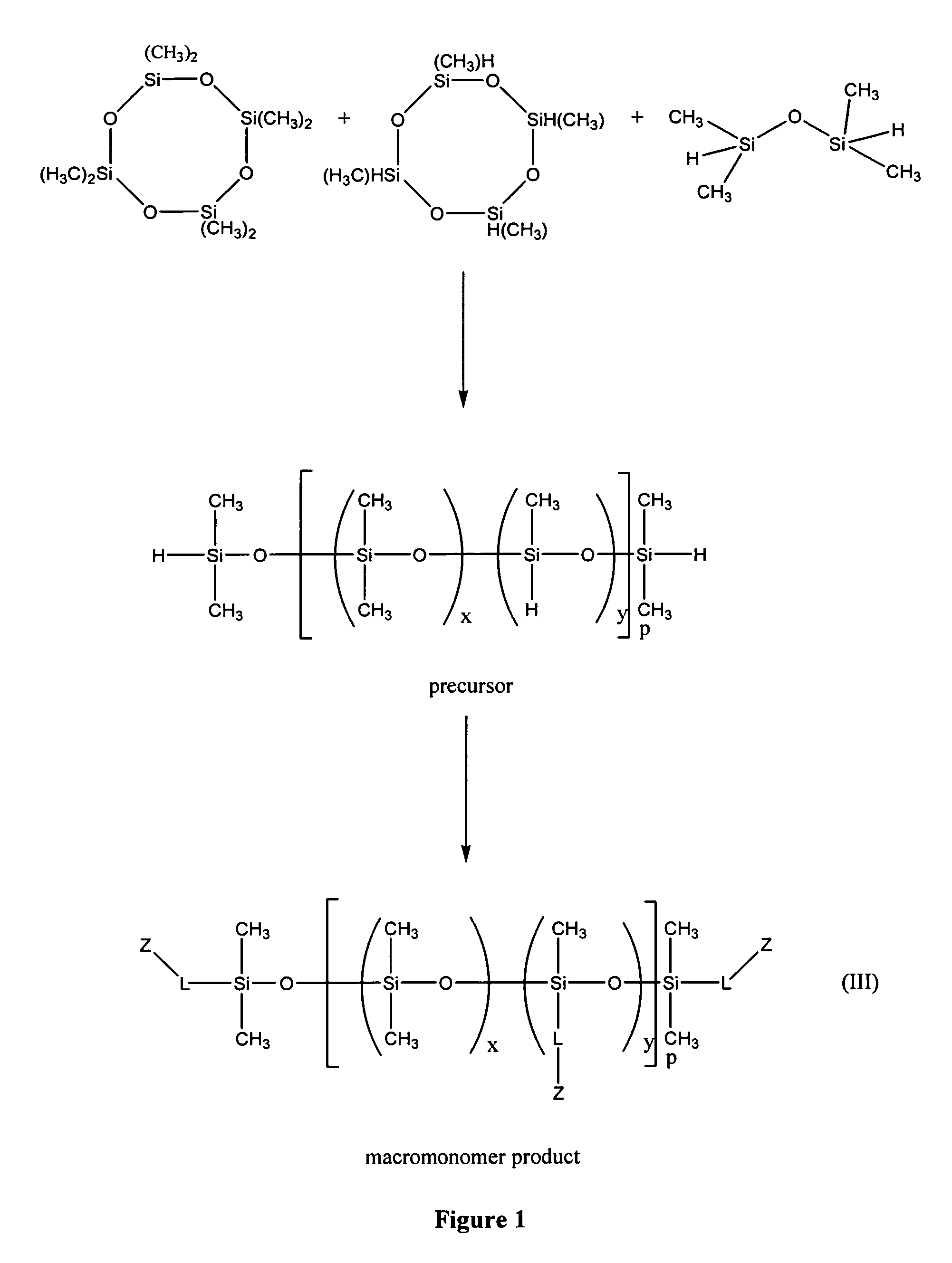
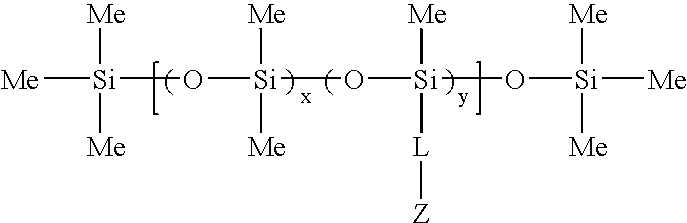
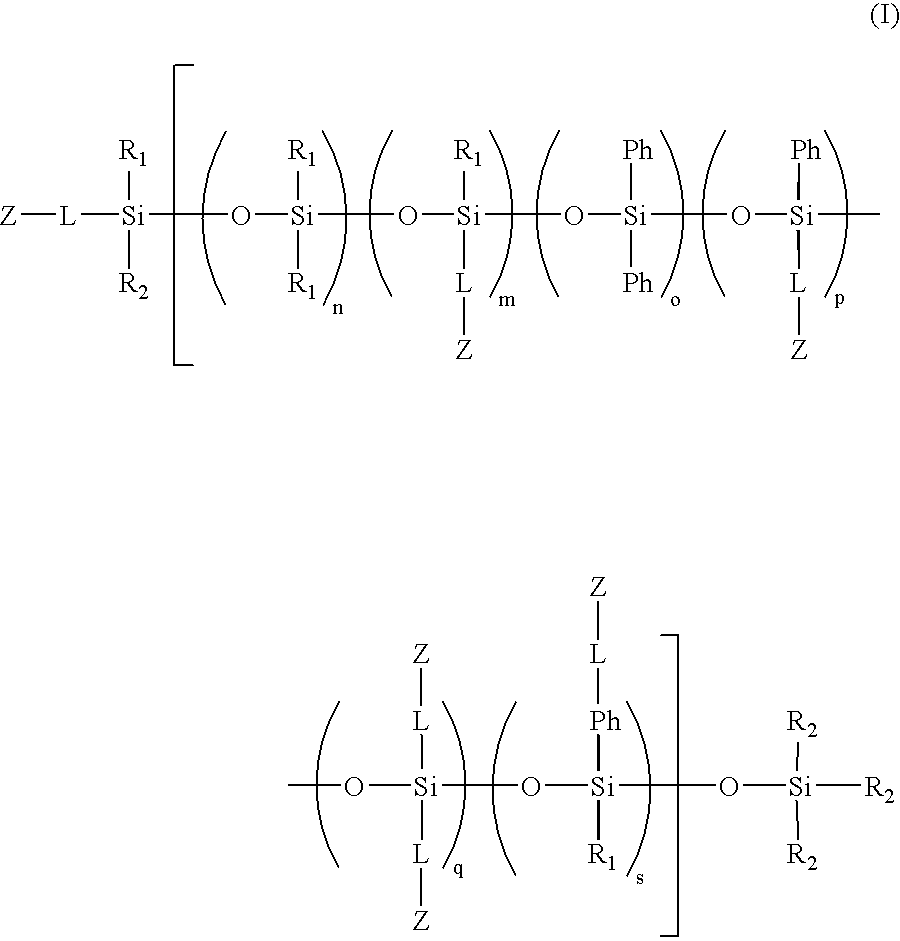
- Development of ethylenically unsaturated macromonomers with a polysiloxane copolymer backbone, incorporating crosslinkable (meth)acryl or (meth)acrylamide groups, which can be injected in a liquid form and cured in situ with visible or UV light, allowing for smaller incisions and accommodating properties without adverse residues.

Environmental Impact of Ionomer Manufacturing
The manufacturing of ionomer binders presents significant environmental challenges that require careful consideration as the industry pursues optimization of crosslinking density for enhanced efficiency. The production process typically involves energy-intensive polymerization reactions, solvent usage, and chemical treatments that generate various environmental impacts throughout the manufacturing lifecycle.
Energy consumption represents one of the most substantial environmental concerns in ionomer production. The synthesis of ionomer materials requires high-temperature processing, often exceeding 200°C, combined with extended reaction times that can span several hours. This energy-intensive nature directly correlates with carbon footprint, particularly when manufacturing facilities rely on fossil fuel-based energy sources. The optimization of crosslinking density often necessitates additional thermal treatment cycles, further amplifying energy requirements.
Chemical waste generation poses another critical environmental challenge. The manufacturing process typically employs organic solvents, catalysts, and various chemical additives that must be properly managed to prevent environmental contamination. Unreacted monomers, byproducts from crosslinking reactions, and spent catalysts contribute to hazardous waste streams requiring specialized treatment and disposal methods.
Water usage and wastewater treatment constitute significant environmental considerations. Ionomer manufacturing often requires substantial water volumes for cooling, cleaning, and purification processes. The resulting wastewater may contain residual chemicals, suspended particles, and ionic species that necessitate comprehensive treatment before discharge to meet environmental regulations.
Air emissions from ionomer production facilities include volatile organic compounds (VOCs), particulate matter, and potential greenhouse gases. These emissions arise from solvent evaporation, thermal decomposition during high-temperature processing, and incomplete combustion in heating systems. Regulatory compliance requires implementation of emission control technologies and continuous monitoring systems.
The environmental impact extends to raw material sourcing, where the extraction and processing of petroleum-based feedstocks contribute to upstream environmental burdens. Additionally, packaging materials and transportation of finished products add to the overall environmental footprint of ionomer manufacturing operations.
Emerging regulatory frameworks increasingly emphasize lifecycle assessment approaches, requiring manufacturers to quantify and minimize environmental impacts across all production stages. This regulatory pressure drives innovation toward more sustainable manufacturing processes and cleaner production technologies.
Energy consumption represents one of the most substantial environmental concerns in ionomer production. The synthesis of ionomer materials requires high-temperature processing, often exceeding 200°C, combined with extended reaction times that can span several hours. This energy-intensive nature directly correlates with carbon footprint, particularly when manufacturing facilities rely on fossil fuel-based energy sources. The optimization of crosslinking density often necessitates additional thermal treatment cycles, further amplifying energy requirements.
Chemical waste generation poses another critical environmental challenge. The manufacturing process typically employs organic solvents, catalysts, and various chemical additives that must be properly managed to prevent environmental contamination. Unreacted monomers, byproducts from crosslinking reactions, and spent catalysts contribute to hazardous waste streams requiring specialized treatment and disposal methods.
Water usage and wastewater treatment constitute significant environmental considerations. Ionomer manufacturing often requires substantial water volumes for cooling, cleaning, and purification processes. The resulting wastewater may contain residual chemicals, suspended particles, and ionic species that necessitate comprehensive treatment before discharge to meet environmental regulations.
Air emissions from ionomer production facilities include volatile organic compounds (VOCs), particulate matter, and potential greenhouse gases. These emissions arise from solvent evaporation, thermal decomposition during high-temperature processing, and incomplete combustion in heating systems. Regulatory compliance requires implementation of emission control technologies and continuous monitoring systems.
The environmental impact extends to raw material sourcing, where the extraction and processing of petroleum-based feedstocks contribute to upstream environmental burdens. Additionally, packaging materials and transportation of finished products add to the overall environmental footprint of ionomer manufacturing operations.
Emerging regulatory frameworks increasingly emphasize lifecycle assessment approaches, requiring manufacturers to quantify and minimize environmental impacts across all production stages. This regulatory pressure drives innovation toward more sustainable manufacturing processes and cleaner production technologies.
Cost-Benefit Analysis of Crosslinking Optimization
The economic evaluation of crosslinking density optimization in ionomer binders reveals a complex interplay between initial investment costs and long-term operational benefits. Implementation of advanced crosslinking optimization technologies typically requires substantial upfront capital expenditure, including specialized equipment for precise polymer modification, advanced characterization instruments, and process control systems. These initial costs can range from $2-5 million for mid-scale manufacturing facilities, depending on the sophistication of the crosslinking control mechanisms employed.
Direct material costs present both challenges and opportunities in crosslinking optimization strategies. While premium crosslinking agents and catalysts may increase raw material expenses by 15-25%, the enhanced efficiency of optimized ionomer binders often compensates through reduced material consumption per unit of performance. Advanced crosslinking formulations enable thinner coating applications while maintaining superior mechanical properties, potentially reducing overall material usage by 20-30% in battery electrode applications.
Manufacturing efficiency gains constitute a significant portion of the economic benefits. Optimized crosslinking density reduces processing defects, minimizes rework rates, and enhances production yield consistency. Quality control improvements typically result in 10-15% reduction in manufacturing waste, while enhanced processability can increase production throughput by 8-12%. These operational improvements translate to substantial cost savings over the product lifecycle.
Performance-driven cost benefits emerge through extended product lifespan and enhanced functionality. Optimized ionomer binders with controlled crosslinking density demonstrate improved durability, reducing maintenance requirements and replacement frequency. In energy storage applications, enhanced ionic conductivity and mechanical stability can extend battery cycle life by 25-40%, providing significant value proposition for end-users.
The return on investment timeline for crosslinking optimization initiatives typically spans 18-36 months, depending on production scale and market application. High-volume manufacturing scenarios generally achieve faster payback periods due to economies of scale, while specialized applications may require longer investment recovery periods but offer higher profit margins. Risk mitigation strategies should account for technology obsolescence and evolving regulatory requirements that may impact long-term cost projections.
Direct material costs present both challenges and opportunities in crosslinking optimization strategies. While premium crosslinking agents and catalysts may increase raw material expenses by 15-25%, the enhanced efficiency of optimized ionomer binders often compensates through reduced material consumption per unit of performance. Advanced crosslinking formulations enable thinner coating applications while maintaining superior mechanical properties, potentially reducing overall material usage by 20-30% in battery electrode applications.
Manufacturing efficiency gains constitute a significant portion of the economic benefits. Optimized crosslinking density reduces processing defects, minimizes rework rates, and enhances production yield consistency. Quality control improvements typically result in 10-15% reduction in manufacturing waste, while enhanced processability can increase production throughput by 8-12%. These operational improvements translate to substantial cost savings over the product lifecycle.
Performance-driven cost benefits emerge through extended product lifespan and enhanced functionality. Optimized ionomer binders with controlled crosslinking density demonstrate improved durability, reducing maintenance requirements and replacement frequency. In energy storage applications, enhanced ionic conductivity and mechanical stability can extend battery cycle life by 25-40%, providing significant value proposition for end-users.
The return on investment timeline for crosslinking optimization initiatives typically spans 18-36 months, depending on production scale and market application. High-volume manufacturing scenarios generally achieve faster payback periods due to economies of scale, while specialized applications may require longer investment recovery periods but offer higher profit margins. Risk mitigation strategies should account for technology obsolescence and evolving regulatory requirements that may impact long-term cost projections.
Unlock deeper insights with PatSnap Eureka Quick Research — get a full tech report to explore trends and direct your research. Try now!
Generate Your Research Report Instantly with AI Agent
Supercharge your innovation with PatSnap Eureka AI Agent Platform!