

Optimizing Digital Twins in CVD for Improved Process Simulation
APR 8, 20269 MIN READ
Generate Your Research Report Instantly with AI Agent
PatSnap Eureka helps you evaluate technical feasibility & market potential.
Digital Twin CVD Background and Objectives
Chemical Vapor Deposition (CVD) has emerged as a cornerstone technology in semiconductor manufacturing, thin film deposition, and advanced materials synthesis since its commercial introduction in the 1960s. The process involves the chemical reaction of gaseous precursors on heated substrates to form solid films with precise thickness and composition control. Over the decades, CVD has evolved from simple thermal processes to sophisticated variants including plasma-enhanced CVD (PECVD), atomic layer deposition (ALD), and metal-organic CVD (MOCVD), each addressing specific material and application requirements.
The complexity of CVD processes stems from the intricate interplay of thermodynamics, fluid dynamics, mass transport, and surface chemistry occurring simultaneously within reaction chambers. Traditional process optimization relies heavily on empirical approaches, requiring extensive experimental iterations that consume significant time and resources. This trial-and-error methodology becomes increasingly inadequate as semiconductor devices shrink to nanoscale dimensions and demand for process precision intensifies.
Digital twin technology represents a paradigm shift in CVD process development and optimization. By creating real-time virtual replicas of physical CVD systems, digital twins enable comprehensive process simulation, predictive modeling, and optimization without the constraints of physical experimentation. These virtual models integrate multi-physics simulations, machine learning algorithms, and real-time sensor data to provide unprecedented insights into process behavior and performance.
The primary objective of optimizing digital twins in CVD applications centers on achieving superior process simulation accuracy and reliability. This involves developing high-fidelity models that accurately capture the complex physics governing CVD processes, including gas flow patterns, temperature distributions, species transport, and surface reaction kinetics. Enhanced simulation capabilities enable precise prediction of film properties, uniformity, and defect formation before physical deposition occurs.
Secondary objectives include establishing robust data integration frameworks that seamlessly connect physical sensors, process equipment, and simulation models. This integration enables real-time model calibration and validation, ensuring digital twin accuracy throughout varying process conditions. Additionally, the optimization aims to develop predictive maintenance capabilities, identifying potential equipment failures or process deviations before they impact production quality.
The ultimate goal encompasses creating intelligent, self-learning digital twin systems that continuously improve their predictive accuracy through machine learning algorithms and accumulated process data. These advanced systems will enable autonomous process optimization, reducing development cycles, minimizing material waste, and achieving consistent, high-quality film deposition across diverse applications ranging from semiconductor devices to advanced coating technologies.
The complexity of CVD processes stems from the intricate interplay of thermodynamics, fluid dynamics, mass transport, and surface chemistry occurring simultaneously within reaction chambers. Traditional process optimization relies heavily on empirical approaches, requiring extensive experimental iterations that consume significant time and resources. This trial-and-error methodology becomes increasingly inadequate as semiconductor devices shrink to nanoscale dimensions and demand for process precision intensifies.
Digital twin technology represents a paradigm shift in CVD process development and optimization. By creating real-time virtual replicas of physical CVD systems, digital twins enable comprehensive process simulation, predictive modeling, and optimization without the constraints of physical experimentation. These virtual models integrate multi-physics simulations, machine learning algorithms, and real-time sensor data to provide unprecedented insights into process behavior and performance.
The primary objective of optimizing digital twins in CVD applications centers on achieving superior process simulation accuracy and reliability. This involves developing high-fidelity models that accurately capture the complex physics governing CVD processes, including gas flow patterns, temperature distributions, species transport, and surface reaction kinetics. Enhanced simulation capabilities enable precise prediction of film properties, uniformity, and defect formation before physical deposition occurs.
Secondary objectives include establishing robust data integration frameworks that seamlessly connect physical sensors, process equipment, and simulation models. This integration enables real-time model calibration and validation, ensuring digital twin accuracy throughout varying process conditions. Additionally, the optimization aims to develop predictive maintenance capabilities, identifying potential equipment failures or process deviations before they impact production quality.
The ultimate goal encompasses creating intelligent, self-learning digital twin systems that continuously improve their predictive accuracy through machine learning algorithms and accumulated process data. These advanced systems will enable autonomous process optimization, reducing development cycles, minimizing material waste, and achieving consistent, high-quality film deposition across diverse applications ranging from semiconductor devices to advanced coating technologies.
Market Demand for Advanced CVD Process Simulation
The semiconductor industry's relentless pursuit of smaller node geometries and advanced device architectures has created unprecedented demand for sophisticated Chemical Vapor Deposition process simulation capabilities. As manufacturers transition to sub-3nm processes and explore novel materials like high-k dielectrics and 2D materials, traditional empirical approaches to CVD optimization have reached their limitations. The complexity of modern multi-layer structures, where atomic-level precision determines device performance, necessitates predictive simulation tools that can model intricate chemical kinetics, transport phenomena, and surface reactions with exceptional accuracy.
Market drivers extend beyond traditional logic devices to encompass emerging applications in quantum computing, neuromorphic chips, and advanced packaging technologies. Each application domain presents unique CVD challenges, from achieving uniform deposition across large wafers to controlling interfacial properties in heterogeneous material systems. The growing emphasis on sustainability and cost reduction further amplifies demand for simulation tools that can minimize experimental iterations and optimize resource utilization.
The compound annual growth trajectory in the CVD equipment market reflects increasing capital investments in advanced manufacturing capabilities. Leading foundries and memory manufacturers are allocating substantial resources to digital transformation initiatives, recognizing that competitive advantage increasingly depends on simulation-driven process development. This trend is particularly pronounced in regions with aggressive semiconductor expansion plans, where new fabs require rapid process qualification and yield optimization.
Digital twin technology represents a paradigm shift from reactive to predictive manufacturing. The ability to create virtual replicas of CVD reactors enables real-time process monitoring, predictive maintenance, and autonomous optimization. Industry adoption is accelerated by the integration of artificial intelligence and machine learning algorithms that can identify subtle process signatures and correlations invisible to conventional analysis methods.
The market demand is further intensified by regulatory pressures for improved process control and traceability. Advanced simulation capabilities enable comprehensive documentation of process variations and their impact on device characteristics, supporting quality assurance requirements in automotive, aerospace, and medical device applications where reliability standards are paramount.
Market drivers extend beyond traditional logic devices to encompass emerging applications in quantum computing, neuromorphic chips, and advanced packaging technologies. Each application domain presents unique CVD challenges, from achieving uniform deposition across large wafers to controlling interfacial properties in heterogeneous material systems. The growing emphasis on sustainability and cost reduction further amplifies demand for simulation tools that can minimize experimental iterations and optimize resource utilization.
The compound annual growth trajectory in the CVD equipment market reflects increasing capital investments in advanced manufacturing capabilities. Leading foundries and memory manufacturers are allocating substantial resources to digital transformation initiatives, recognizing that competitive advantage increasingly depends on simulation-driven process development. This trend is particularly pronounced in regions with aggressive semiconductor expansion plans, where new fabs require rapid process qualification and yield optimization.
Digital twin technology represents a paradigm shift from reactive to predictive manufacturing. The ability to create virtual replicas of CVD reactors enables real-time process monitoring, predictive maintenance, and autonomous optimization. Industry adoption is accelerated by the integration of artificial intelligence and machine learning algorithms that can identify subtle process signatures and correlations invisible to conventional analysis methods.
The market demand is further intensified by regulatory pressures for improved process control and traceability. Advanced simulation capabilities enable comprehensive documentation of process variations and their impact on device characteristics, supporting quality assurance requirements in automotive, aerospace, and medical device applications where reliability standards are paramount.
Current CVD Digital Twin Limitations and Challenges
Current digital twin implementations in Chemical Vapor Deposition (CVD) processes face significant computational limitations that hinder their effectiveness in real-time process optimization. The primary challenge stems from the multi-physics nature of CVD processes, which require simultaneous modeling of fluid dynamics, heat transfer, mass transport, and chemical kinetics. Existing digital twin frameworks often rely on simplified models that sacrifice accuracy for computational speed, resulting in inadequate representation of complex phenomena such as boundary layer effects, species diffusion, and surface reaction kinetics.
Model fidelity represents another critical limitation in current CVD digital twins. Most implementations struggle to accurately capture the intricate relationships between process parameters and film quality characteristics. The challenge is particularly pronounced when modeling non-uniform deposition patterns, where local variations in temperature, pressure, and precursor concentration significantly impact film thickness and composition. Traditional modeling approaches often fail to account for equipment-specific variations and aging effects, leading to discrepancies between simulated and actual process outcomes.
Real-time data integration poses substantial technical challenges for CVD digital twin systems. Current implementations frequently suffer from sensor data latency, limited sensor coverage, and inadequate data fusion algorithms. The temporal mismatch between fast chemical reactions occurring in milliseconds and sensor response times creates gaps in process understanding. Additionally, many existing systems lack the capability to dynamically update model parameters based on real-time feedback, limiting their predictive accuracy and adaptive capabilities.
Scalability issues significantly constrain the practical deployment of CVD digital twins across different reactor configurations and process scales. Current solutions often require extensive recalibration and model restructuring when transitioning between laboratory-scale and production-scale systems. The lack of standardized modeling frameworks and interoperability between different simulation platforms creates additional barriers to widespread adoption.
Validation and verification challenges further complicate CVD digital twin development. Establishing reliable benchmarks for model accuracy remains difficult due to the complexity of measuring all relevant process variables simultaneously. Current validation methodologies often rely on limited experimental datasets that may not capture the full operational envelope of CVD processes, leading to models that perform well under specific conditions but fail to generalize across broader operating ranges.
Model fidelity represents another critical limitation in current CVD digital twins. Most implementations struggle to accurately capture the intricate relationships between process parameters and film quality characteristics. The challenge is particularly pronounced when modeling non-uniform deposition patterns, where local variations in temperature, pressure, and precursor concentration significantly impact film thickness and composition. Traditional modeling approaches often fail to account for equipment-specific variations and aging effects, leading to discrepancies between simulated and actual process outcomes.
Real-time data integration poses substantial technical challenges for CVD digital twin systems. Current implementations frequently suffer from sensor data latency, limited sensor coverage, and inadequate data fusion algorithms. The temporal mismatch between fast chemical reactions occurring in milliseconds and sensor response times creates gaps in process understanding. Additionally, many existing systems lack the capability to dynamically update model parameters based on real-time feedback, limiting their predictive accuracy and adaptive capabilities.
Scalability issues significantly constrain the practical deployment of CVD digital twins across different reactor configurations and process scales. Current solutions often require extensive recalibration and model restructuring when transitioning between laboratory-scale and production-scale systems. The lack of standardized modeling frameworks and interoperability between different simulation platforms creates additional barriers to widespread adoption.
Validation and verification challenges further complicate CVD digital twin development. Establishing reliable benchmarks for model accuracy remains difficult due to the complexity of measuring all relevant process variables simultaneously. Current validation methodologies often rely on limited experimental datasets that may not capture the full operational envelope of CVD processes, leading to models that perform well under specific conditions but fail to generalize across broader operating ranges.
Existing CVD Process Simulation Approaches
01 Digital twin modeling and simulation framework for industrial processes
Systems and methods for creating comprehensive digital twin models that replicate physical industrial processes through virtual simulation environments. These frameworks enable real-time monitoring, analysis, and optimization of manufacturing and production processes by establishing bidirectional data flow between physical assets and their digital counterparts. The simulation capabilities allow for predictive maintenance, process optimization, and scenario testing without disrupting actual operations.- Digital twin creation and synchronization with physical systems: Methods and systems for creating digital representations of physical assets, processes, or systems that enable real-time synchronization and data exchange. These approaches involve establishing bidirectional communication channels between physical entities and their virtual counterparts, allowing continuous updates of operational parameters, sensor data, and state information. The digital twin maintains an accurate reflection of the physical system's current condition and behavior through automated data collection and processing mechanisms.
- Simulation and predictive modeling using digital twins: Techniques for performing virtual simulations and predictive analytics on digital twin models to forecast system behavior, optimize operations, and identify potential issues before they occur in physical systems. These methods utilize historical data, machine learning algorithms, and physics-based models to simulate various scenarios and operating conditions. The simulation capabilities enable testing of different configurations and parameters without disrupting actual production processes.
- Process optimization and control through digital twin integration: Systems that leverage digital twin technology to optimize manufacturing processes, production workflows, and operational efficiency. These solutions analyze real-time data from digital twins to identify bottlenecks, adjust process parameters, and implement automated control strategies. The integration enables dynamic optimization based on current conditions and performance metrics, leading to improved productivity and resource utilization.
- Monitoring and anomaly detection in digital twin environments: Approaches for continuous monitoring of physical systems through their digital twins, incorporating anomaly detection algorithms and diagnostic capabilities. These methods compare actual system behavior against expected performance patterns derived from the digital twin model to identify deviations, faults, or abnormal conditions. Early detection mechanisms enable proactive maintenance and prevent system failures through timely interventions.
- Multi-domain and collaborative digital twin frameworks: Architectures that support integration of multiple digital twins across different domains, systems, or organizational boundaries to enable comprehensive process simulation and collaborative analysis. These frameworks facilitate data sharing, interoperability, and coordinated simulations among various digital twin instances. The collaborative approach allows for system-of-systems modeling and holistic optimization of complex interconnected processes.
02 Data integration and synchronization for digital twin systems
Technologies focused on collecting, processing, and synchronizing data from multiple sources including sensors, IoT devices, and control systems to maintain accurate digital representations. These solutions address the challenges of real-time data streaming, data quality management, and ensuring consistency between physical processes and their digital models. Advanced algorithms enable continuous updating of digital twins based on operational data.Expand Specific Solutions03 Process optimization and predictive analytics using digital twins
Methods for leveraging digital twin simulations to perform advanced analytics, predict process outcomes, and optimize operational parameters. These approaches utilize machine learning and artificial intelligence to analyze historical and real-time data, identify patterns, and recommend improvements. The predictive capabilities enable proactive decision-making and continuous process enhancement.Expand Specific Solutions04 Virtual commissioning and testing through digital twin simulation
Techniques for using digital twins to perform virtual commissioning, testing, and validation of processes before physical implementation. This approach reduces commissioning time, minimizes risks, and allows for iterative design improvements in a virtual environment. Engineers can simulate various scenarios, test control strategies, and identify potential issues without affecting actual production.Expand Specific Solutions05 Collaborative digital twin platforms for multi-domain process simulation
Platforms that enable collaboration across different domains and stakeholders through shared digital twin environments. These systems support integration of multiple simulation models, facilitate cross-functional analysis, and provide unified interfaces for process visualization and control. The collaborative approach enhances decision-making by providing comprehensive views of complex interconnected processes.Expand Specific Solutions
Key Players in CVD Digital Twin Solutions
The digital twin optimization in CVD represents a rapidly evolving technological landscape characterized by significant industrial transformation and substantial market expansion. The industry is transitioning from traditional process control to intelligent, data-driven manufacturing systems, with market valuations reaching billions globally. Technology maturity varies considerably across market players, with established industrial giants like Siemens AG, Applied Materials, and Robert Bosch GmbH leading advanced digital twin implementations through decades of automation expertise. Meanwhile, emerging players such as LG Energy Solution and SK Innovation are accelerating adoption in battery manufacturing applications. Academic institutions including Beihang University, Zhejiang University, and Huazhong University of Science & Technology are driving fundamental research breakthroughs in simulation algorithms and process modeling. The competitive landscape shows a clear bifurcation between mature technology providers offering comprehensive solutions and specialized companies focusing on niche CVD applications, indicating both market consolidation opportunities and continued innovation potential.
Siemens AG
Technical Solution: Siemens has developed comprehensive digital twin solutions for CVD processes through their MindSphere IoT platform and Process Simulate software. Their approach integrates real-time sensor data with advanced physics-based models to create high-fidelity virtual representations of CVD chambers. The system employs machine learning algorithms to continuously update process parameters, enabling predictive maintenance and process optimization. Their digital twin framework includes thermal modeling, gas flow dynamics simulation, and deposition rate prediction capabilities, which can reduce process development time by up to 40% and improve yield rates by 15-25% in semiconductor manufacturing applications.
Strengths: Market-leading industrial automation expertise, comprehensive IoT platform integration, proven track record in semiconductor manufacturing. Weaknesses: High implementation costs, complex system integration requirements, dependency on proprietary platforms.
Applied Materials, Inc.
Technical Solution: Applied Materials leverages their extensive CVD equipment expertise to develop advanced digital twin solutions specifically for semiconductor manufacturing processes. Their approach combines decades of process knowledge with AI-driven modeling to create highly accurate virtual CVD chambers. The system integrates real-time equipment telemetry, process recipes, and material properties to simulate deposition uniformity, film quality, and equipment performance. Their digital twin platform enables virtual process development, reducing physical experimentation by 60% and accelerating time-to-market for new process technologies. The solution includes predictive analytics for equipment health monitoring and automated process optimization algorithms.
Strengths: Deep CVD process expertise, extensive equipment data access, strong semiconductor industry relationships. Weaknesses: Limited to semiconductor applications, high dependency on proprietary equipment, complex customization requirements.
Core Innovations in CVD Digital Twin Optimization
Novel chemical vapor deposition process
PatentInactiveUS20080171445A1
Innovation
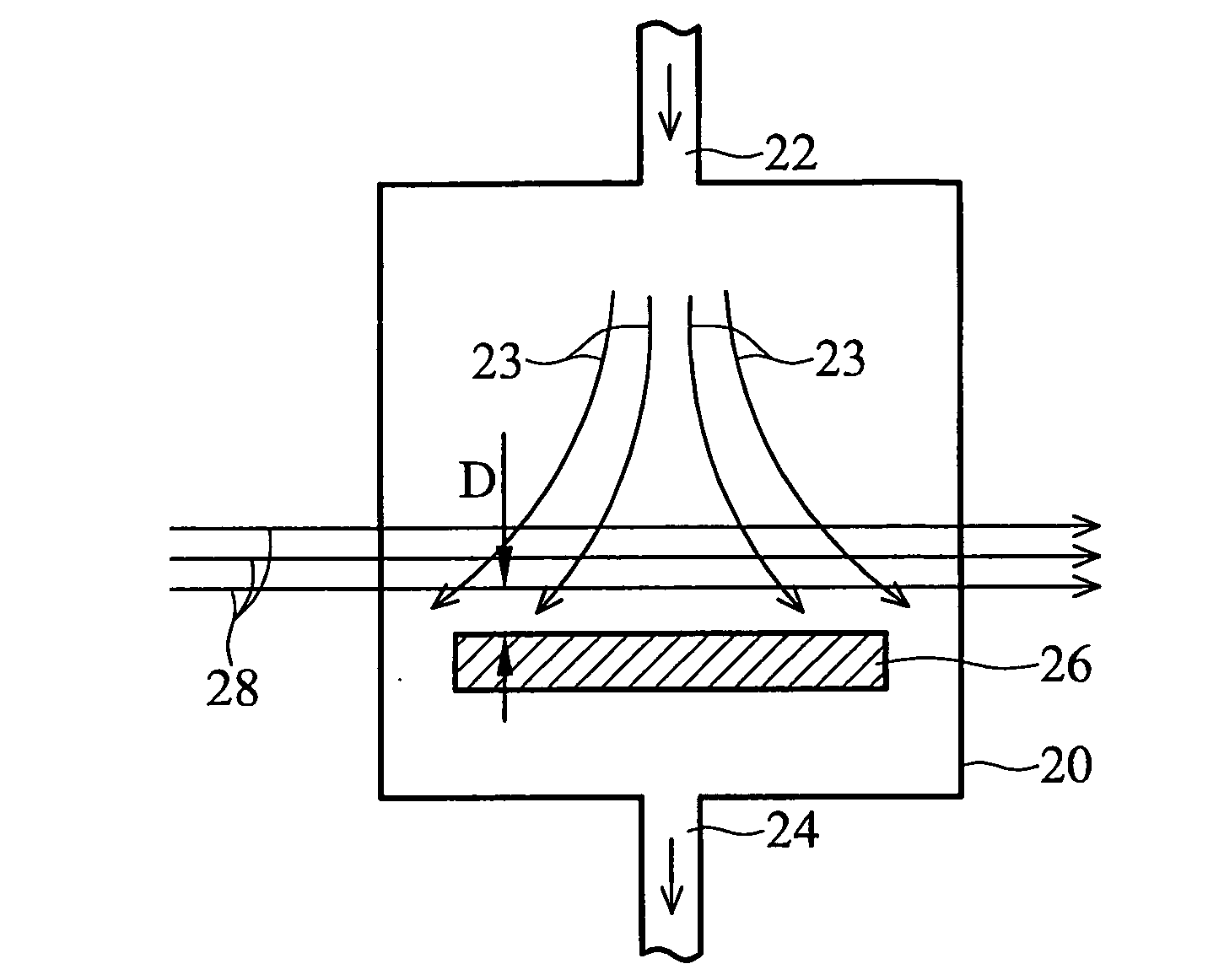
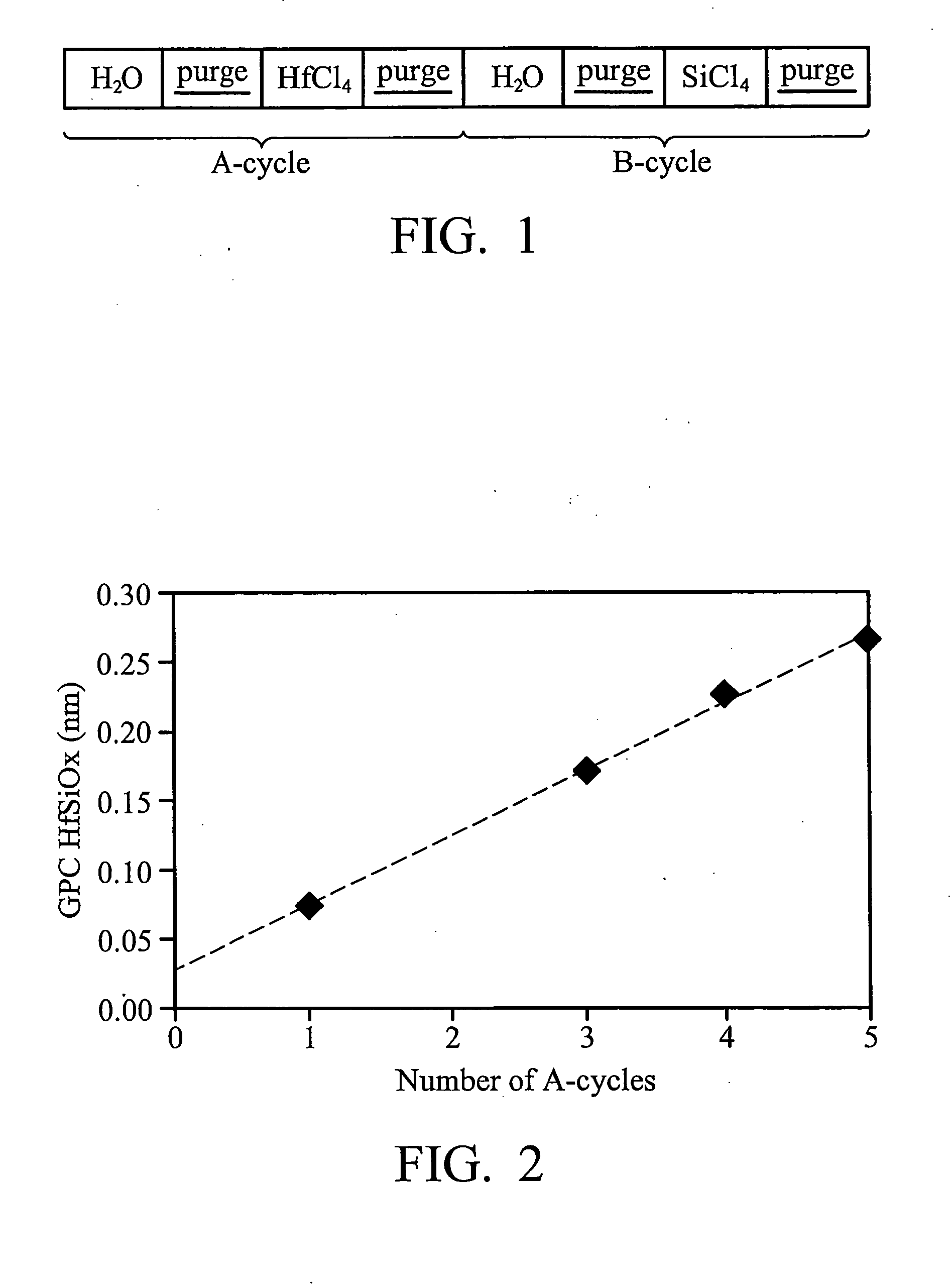
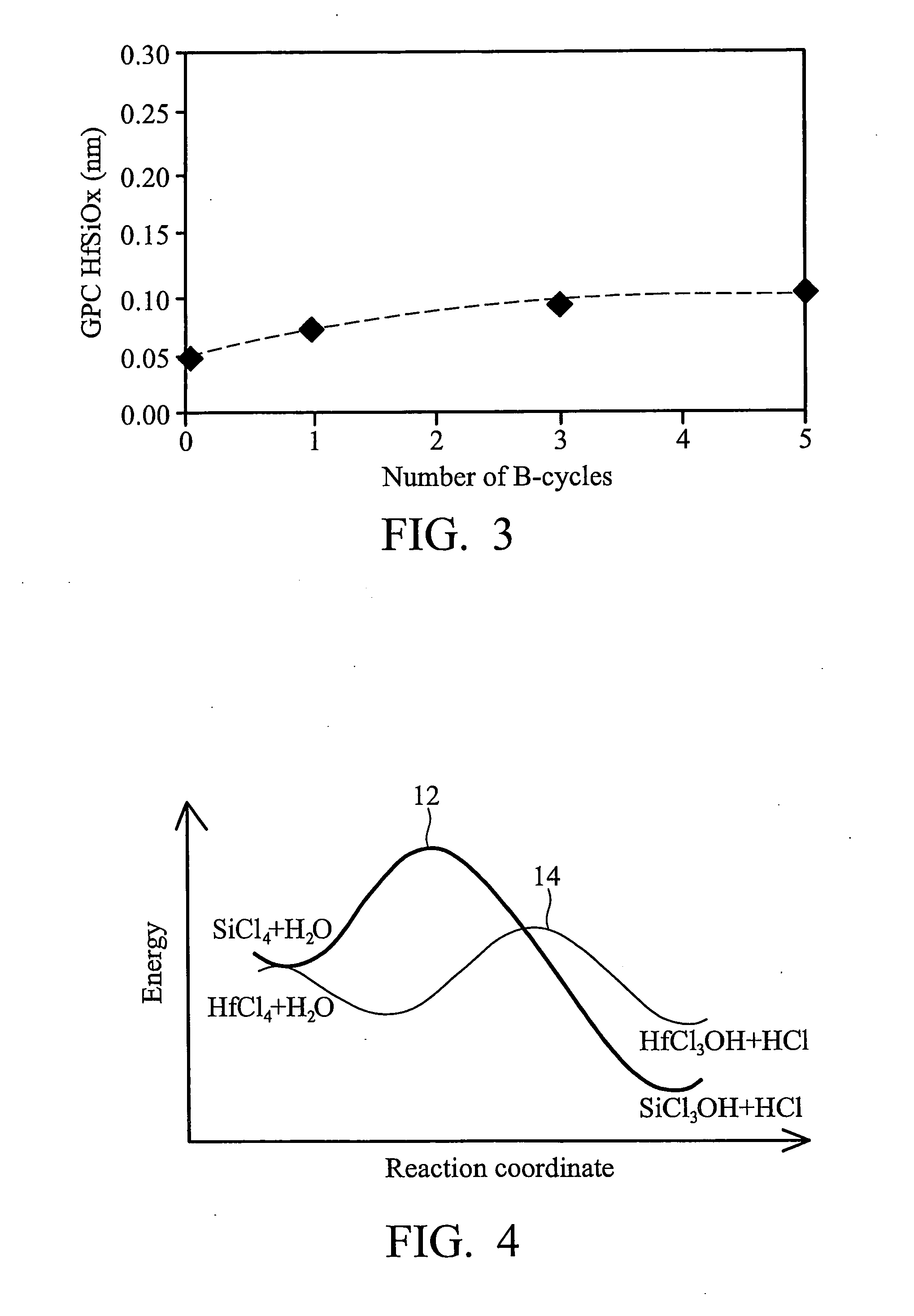
- The method involves activating ALD precursors using a non-direct plasma energy source, such as ultra-violet (UV) light, to overcome high free energy barriers, reducing incubation time and ensuring complete chemical reactions, thereby improving film quality and density.

Environmental Impact of CVD Process Optimization
The optimization of Chemical Vapor Deposition (CVD) processes through digital twin technology presents significant opportunities for reducing environmental impact across multiple dimensions. Traditional CVD operations often suffer from inefficient resource utilization, excessive energy consumption, and substantial waste generation due to suboptimal process parameters and limited real-time monitoring capabilities.
Digital twin-enabled CVD optimization directly addresses energy consumption challenges by providing precise control over temperature profiles, gas flow rates, and reaction kinetics. Advanced simulation models can identify optimal operating windows that minimize energy requirements while maintaining product quality standards. Studies indicate that optimized CVD processes can achieve energy savings of 15-25% compared to conventional approaches, primarily through improved thermal management and reduced processing times.
Precursor utilization efficiency represents another critical environmental benefit. Digital twins enable real-time monitoring and predictive control of precursor consumption, reducing material waste through optimized delivery timing and concentration management. Enhanced precursor efficiency not only decreases raw material costs but also minimizes the environmental burden associated with precursor production and disposal of unreacted chemicals.
Waste stream reduction emerges as a substantial environmental advantage through digital twin implementation. Optimized process parameters reduce the formation of unwanted byproducts and minimize the need for post-processing treatments. Predictive maintenance capabilities enabled by digital twins also reduce equipment failures that typically result in batch losses and associated waste generation.
The carbon footprint reduction potential extends beyond direct process improvements. Digital twin optimization enables reduced cycle times, higher first-pass yields, and decreased equipment downtime, collectively contributing to lower overall emissions per unit of production. Integration with renewable energy systems becomes more feasible when process energy demands are precisely predicted and controlled.
Water consumption and chemical waste disposal requirements are significantly reduced through optimized cleaning cycles and maintenance schedules. Digital twins can predict optimal cleaning intervals and chemical usage, minimizing environmental impact while maintaining equipment performance standards.
Digital twin-enabled CVD optimization directly addresses energy consumption challenges by providing precise control over temperature profiles, gas flow rates, and reaction kinetics. Advanced simulation models can identify optimal operating windows that minimize energy requirements while maintaining product quality standards. Studies indicate that optimized CVD processes can achieve energy savings of 15-25% compared to conventional approaches, primarily through improved thermal management and reduced processing times.
Precursor utilization efficiency represents another critical environmental benefit. Digital twins enable real-time monitoring and predictive control of precursor consumption, reducing material waste through optimized delivery timing and concentration management. Enhanced precursor efficiency not only decreases raw material costs but also minimizes the environmental burden associated with precursor production and disposal of unreacted chemicals.
Waste stream reduction emerges as a substantial environmental advantage through digital twin implementation. Optimized process parameters reduce the formation of unwanted byproducts and minimize the need for post-processing treatments. Predictive maintenance capabilities enabled by digital twins also reduce equipment failures that typically result in batch losses and associated waste generation.
The carbon footprint reduction potential extends beyond direct process improvements. Digital twin optimization enables reduced cycle times, higher first-pass yields, and decreased equipment downtime, collectively contributing to lower overall emissions per unit of production. Integration with renewable energy systems becomes more feasible when process energy demands are precisely predicted and controlled.
Water consumption and chemical waste disposal requirements are significantly reduced through optimized cleaning cycles and maintenance schedules. Digital twins can predict optimal cleaning intervals and chemical usage, minimizing environmental impact while maintaining equipment performance standards.
Industrial Standards for CVD Digital Twin Implementation
The establishment of comprehensive industrial standards for CVD digital twin implementation represents a critical foundation for widespread adoption and interoperability across the semiconductor manufacturing ecosystem. Current standardization efforts are being led by organizations such as SEMI, IEEE, and ISO, which are developing frameworks that address data exchange protocols, model validation procedures, and performance benchmarking criteria specifically tailored for CVD process digital twins.
Data interoperability standards constitute the cornerstone of effective CVD digital twin implementation. The emerging SEMI E164 standard defines structured data formats for equipment-to-digital twin communication, ensuring seamless integration between physical CVD reactors and their virtual counterparts. These protocols establish standardized APIs for real-time data streaming, historical data access, and bidirectional control commands, enabling consistent implementation across different equipment vendors and fab environments.
Model validation and verification standards are being developed to ensure digital twin accuracy and reliability in production environments. The proposed IEEE 2857 standard outlines systematic approaches for validating CVD process models against experimental data, defining acceptable tolerance ranges for key parameters such as deposition rate, uniformity, and film properties. These standards establish rigorous testing protocols that digital twin implementations must satisfy before deployment in critical manufacturing processes.
Cybersecurity frameworks specifically designed for CVD digital twins address the unique vulnerabilities associated with real-time process monitoring and control. Industry standards mandate encrypted communication channels, multi-factor authentication systems, and secure data storage protocols to protect sensitive process intellectual property and prevent unauthorized access to production systems.
Performance benchmarking standards define quantitative metrics for evaluating digital twin effectiveness, including prediction accuracy thresholds, computational efficiency requirements, and response time specifications. These standards ensure that CVD digital twin implementations meet minimum performance criteria necessary for practical industrial deployment while providing consistent evaluation methodologies across different technology providers.
Certification processes are being established to validate compliance with these emerging standards, creating a framework for third-party verification of digital twin implementations. This standardization ecosystem will accelerate adoption by providing manufacturers with confidence in digital twin reliability and enabling seamless integration across multi-vendor production environments.
Data interoperability standards constitute the cornerstone of effective CVD digital twin implementation. The emerging SEMI E164 standard defines structured data formats for equipment-to-digital twin communication, ensuring seamless integration between physical CVD reactors and their virtual counterparts. These protocols establish standardized APIs for real-time data streaming, historical data access, and bidirectional control commands, enabling consistent implementation across different equipment vendors and fab environments.
Model validation and verification standards are being developed to ensure digital twin accuracy and reliability in production environments. The proposed IEEE 2857 standard outlines systematic approaches for validating CVD process models against experimental data, defining acceptable tolerance ranges for key parameters such as deposition rate, uniformity, and film properties. These standards establish rigorous testing protocols that digital twin implementations must satisfy before deployment in critical manufacturing processes.
Cybersecurity frameworks specifically designed for CVD digital twins address the unique vulnerabilities associated with real-time process monitoring and control. Industry standards mandate encrypted communication channels, multi-factor authentication systems, and secure data storage protocols to protect sensitive process intellectual property and prevent unauthorized access to production systems.
Performance benchmarking standards define quantitative metrics for evaluating digital twin effectiveness, including prediction accuracy thresholds, computational efficiency requirements, and response time specifications. These standards ensure that CVD digital twin implementations meet minimum performance criteria necessary for practical industrial deployment while providing consistent evaluation methodologies across different technology providers.
Certification processes are being established to validate compliance with these emerging standards, creating a framework for third-party verification of digital twin implementations. This standardization ecosystem will accelerate adoption by providing manufacturers with confidence in digital twin reliability and enabling seamless integration across multi-vendor production environments.
Unlock deeper insights with PatSnap Eureka Quick Research — get a full tech report to explore trends and direct your research. Try now!
Generate Your Research Report Instantly with AI Agent
Supercharge your innovation with PatSnap Eureka AI Agent Platform!