

Optimizing Microinverter Placement for Complex Solar Installations
MAY 19, 20269 MIN READ
Generate Your Research Report Instantly with AI Agent
PatSnap Eureka helps you evaluate technical feasibility & market potential.
Microinverter Technology Background and Optimization Goals
Microinverter technology emerged as a revolutionary advancement in photovoltaic systems during the early 2000s, fundamentally transforming how solar energy conversion is approached at the module level. Unlike traditional string inverters that convert DC power from multiple solar panels collectively, microinverters perform this conversion individually for each solar panel, enabling unprecedented granular control and optimization capabilities.
The evolution of microinverter technology has been driven by the inherent limitations of centralized inverter systems, particularly their vulnerability to partial shading, module mismatch, and single-point failures. Early microinverter designs focused primarily on basic DC-to-AC conversion efficiency, achieving conversion rates of approximately 90-92%. However, modern microinverters have reached efficiency levels exceeding 96%, incorporating advanced maximum power point tracking algorithms and sophisticated power electronics.
The technological progression has witnessed significant improvements in power density, thermal management, and communication capabilities. Contemporary microinverters integrate wireless monitoring systems, enabling real-time performance tracking and fault detection at the individual panel level. This granular visibility has become crucial for complex solar installations where varying environmental conditions, architectural constraints, and shading patterns create heterogeneous operating conditions across the array.
Complex solar installations present unique challenges that traditional optimization approaches cannot adequately address. These installations typically involve irregular roof geometries, multiple orientations, varying tilt angles, and diverse shading patterns throughout the day. Commercial and industrial installations often feature complex architectural elements such as HVAC equipment, chimneys, and structural obstacles that create dynamic shading scenarios requiring sophisticated placement optimization strategies.
The primary optimization goals for microinverter placement encompass maximizing energy harvest efficiency, minimizing installation costs, ensuring system reliability, and facilitating maintenance accessibility. Energy harvest optimization involves strategic positioning to minimize the impact of partial shading while maximizing exposure to available solar irradiance. Cost optimization requires balancing the number of microinverters with system performance gains, considering both equipment costs and installation complexity.
Reliability optimization focuses on thermal management and component longevity, as microinverters operate in harsh outdoor environments with significant temperature variations. Placement strategies must consider heat dissipation pathways, ventilation requirements, and protection from environmental factors. Additionally, maintenance accessibility remains crucial for long-term system performance, requiring placement configurations that enable efficient inspection, replacement, and troubleshooting procedures without compromising overall system operation.
The evolution of microinverter technology has been driven by the inherent limitations of centralized inverter systems, particularly their vulnerability to partial shading, module mismatch, and single-point failures. Early microinverter designs focused primarily on basic DC-to-AC conversion efficiency, achieving conversion rates of approximately 90-92%. However, modern microinverters have reached efficiency levels exceeding 96%, incorporating advanced maximum power point tracking algorithms and sophisticated power electronics.
The technological progression has witnessed significant improvements in power density, thermal management, and communication capabilities. Contemporary microinverters integrate wireless monitoring systems, enabling real-time performance tracking and fault detection at the individual panel level. This granular visibility has become crucial for complex solar installations where varying environmental conditions, architectural constraints, and shading patterns create heterogeneous operating conditions across the array.
Complex solar installations present unique challenges that traditional optimization approaches cannot adequately address. These installations typically involve irregular roof geometries, multiple orientations, varying tilt angles, and diverse shading patterns throughout the day. Commercial and industrial installations often feature complex architectural elements such as HVAC equipment, chimneys, and structural obstacles that create dynamic shading scenarios requiring sophisticated placement optimization strategies.
The primary optimization goals for microinverter placement encompass maximizing energy harvest efficiency, minimizing installation costs, ensuring system reliability, and facilitating maintenance accessibility. Energy harvest optimization involves strategic positioning to minimize the impact of partial shading while maximizing exposure to available solar irradiance. Cost optimization requires balancing the number of microinverters with system performance gains, considering both equipment costs and installation complexity.
Reliability optimization focuses on thermal management and component longevity, as microinverters operate in harsh outdoor environments with significant temperature variations. Placement strategies must consider heat dissipation pathways, ventilation requirements, and protection from environmental factors. Additionally, maintenance accessibility remains crucial for long-term system performance, requiring placement configurations that enable efficient inspection, replacement, and troubleshooting procedures without compromising overall system operation.
Market Demand for Complex Solar Installation Solutions
The global solar energy market has experienced unprecedented growth, driven by declining photovoltaic costs, supportive government policies, and increasing environmental consciousness. Complex solar installations, including commercial rooftops, industrial facilities, and distributed energy systems, represent a rapidly expanding segment within this broader market. These installations typically feature irregular surfaces, varying orientations, partial shading conditions, and diverse structural constraints that demand sophisticated optimization approaches.
Market demand for complex solar installation solutions has intensified as property owners seek to maximize energy generation from challenging spaces. Commercial and industrial sectors particularly drive this demand, as they often possess large but architecturally complex roof structures with HVAC equipment, skylights, and varying elevation levels. The need to optimize power output while managing installation costs has created substantial market opportunities for advanced microinverter placement technologies.
Residential markets also contribute significantly to demand growth, especially in urban environments where roof configurations are increasingly complex due to architectural diversity and space constraints. Homeowners with non-standard roof orientations, multiple roof planes, or partial shading from nearby structures require optimized solutions that traditional string inverter systems cannot adequately address.
The market demonstrates strong preference for solutions that combine high energy yield optimization with simplified installation processes. Installers and system integrators increasingly seek technologies that can automatically determine optimal microinverter placement while reducing design time and minimizing field modifications. This demand has created opportunities for software-driven optimization tools and intelligent placement algorithms.
Geographic markets show varying demand patterns, with mature solar markets like California, Germany, and Australia leading adoption of complex installation solutions. Emerging markets in Southeast Asia and Latin America are beginning to recognize the value proposition of optimized microinverter placement as their solar sectors mature and face more challenging installation scenarios.
The integration of energy storage systems with complex solar installations has further amplified market demand. Property owners increasingly require holistic solutions that optimize both solar generation and storage placement, creating additional complexity that drives demand for sophisticated optimization technologies.
Market demand for complex solar installation solutions has intensified as property owners seek to maximize energy generation from challenging spaces. Commercial and industrial sectors particularly drive this demand, as they often possess large but architecturally complex roof structures with HVAC equipment, skylights, and varying elevation levels. The need to optimize power output while managing installation costs has created substantial market opportunities for advanced microinverter placement technologies.
Residential markets also contribute significantly to demand growth, especially in urban environments where roof configurations are increasingly complex due to architectural diversity and space constraints. Homeowners with non-standard roof orientations, multiple roof planes, or partial shading from nearby structures require optimized solutions that traditional string inverter systems cannot adequately address.
The market demonstrates strong preference for solutions that combine high energy yield optimization with simplified installation processes. Installers and system integrators increasingly seek technologies that can automatically determine optimal microinverter placement while reducing design time and minimizing field modifications. This demand has created opportunities for software-driven optimization tools and intelligent placement algorithms.
Geographic markets show varying demand patterns, with mature solar markets like California, Germany, and Australia leading adoption of complex installation solutions. Emerging markets in Southeast Asia and Latin America are beginning to recognize the value proposition of optimized microinverter placement as their solar sectors mature and face more challenging installation scenarios.
The integration of energy storage systems with complex solar installations has further amplified market demand. Property owners increasingly require holistic solutions that optimize both solar generation and storage placement, creating additional complexity that drives demand for sophisticated optimization technologies.
Current State and Challenges in Microinverter Placement
The current landscape of microinverter placement in solar installations presents a complex array of technological achievements alongside persistent challenges. Modern microinverter systems have evolved significantly from their initial deployment models, now incorporating advanced power electronics, enhanced maximum power point tracking algorithms, and sophisticated communication protocols. These systems typically operate at efficiency levels exceeding 95% under optimal conditions, with leading manufacturers achieving conversion efficiencies approaching 97%.
Contemporary microinverter placement strategies predominantly rely on standardized mounting configurations that prioritize ease of installation over performance optimization. Most installations follow manufacturer-recommended spacing guidelines, typically positioning one microinverter per solar panel or per two panels, depending on system specifications. This approach, while simplifying deployment logistics, often fails to account for site-specific variables such as shading patterns, thermal characteristics, and electrical load distribution.
The geographical distribution of advanced microinverter technology shows significant concentration in North American and European markets, where regulatory frameworks and incentive structures have driven adoption. Asian markets, particularly China and Japan, demonstrate rapid technological advancement in manufacturing capabilities, though deployment strategies remain largely conventional. Emerging markets continue to face barriers related to cost considerations and technical expertise availability.
Current placement methodologies face substantial limitations when addressing complex installation scenarios. Irregular roof geometries, mixed-orientation arrays, and varying tilt angles create optimization challenges that existing placement algorithms struggle to resolve effectively. Traditional approaches often result in suboptimal energy harvesting, particularly in installations with significant shading obstacles or non-uniform irradiance conditions.
Thermal management represents another critical challenge in current microinverter placement practices. Inadequate consideration of heat dissipation requirements leads to performance degradation and reduced system longevity. Many installations lack proper thermal modeling, resulting in hotspot formation and accelerated component aging. This issue becomes particularly pronounced in high-density installations where microinverters are placed in close proximity without adequate ventilation pathways.
Communication network topology optimization remains an underexplored aspect of microinverter placement. Current systems often employ linear or basic mesh communication architectures that may not provide optimal data transmission reliability or system monitoring capabilities. This limitation becomes critical in large-scale installations where communication failures can significantly impact system performance monitoring and maintenance operations.
The integration of energy storage systems with microinverter installations introduces additional placement complexity that current methodologies inadequately address. Optimal positioning must now consider bidirectional power flow requirements, battery charging profiles, and grid interaction protocols, factors that traditional placement strategies do not comprehensively evaluate.
Contemporary microinverter placement strategies predominantly rely on standardized mounting configurations that prioritize ease of installation over performance optimization. Most installations follow manufacturer-recommended spacing guidelines, typically positioning one microinverter per solar panel or per two panels, depending on system specifications. This approach, while simplifying deployment logistics, often fails to account for site-specific variables such as shading patterns, thermal characteristics, and electrical load distribution.
The geographical distribution of advanced microinverter technology shows significant concentration in North American and European markets, where regulatory frameworks and incentive structures have driven adoption. Asian markets, particularly China and Japan, demonstrate rapid technological advancement in manufacturing capabilities, though deployment strategies remain largely conventional. Emerging markets continue to face barriers related to cost considerations and technical expertise availability.
Current placement methodologies face substantial limitations when addressing complex installation scenarios. Irregular roof geometries, mixed-orientation arrays, and varying tilt angles create optimization challenges that existing placement algorithms struggle to resolve effectively. Traditional approaches often result in suboptimal energy harvesting, particularly in installations with significant shading obstacles or non-uniform irradiance conditions.
Thermal management represents another critical challenge in current microinverter placement practices. Inadequate consideration of heat dissipation requirements leads to performance degradation and reduced system longevity. Many installations lack proper thermal modeling, resulting in hotspot formation and accelerated component aging. This issue becomes particularly pronounced in high-density installations where microinverters are placed in close proximity without adequate ventilation pathways.
Communication network topology optimization remains an underexplored aspect of microinverter placement. Current systems often employ linear or basic mesh communication architectures that may not provide optimal data transmission reliability or system monitoring capabilities. This limitation becomes critical in large-scale installations where communication failures can significantly impact system performance monitoring and maintenance operations.
The integration of energy storage systems with microinverter installations introduces additional placement complexity that current methodologies inadequately address. Optimal positioning must now consider bidirectional power flow requirements, battery charging profiles, and grid interaction protocols, factors that traditional placement strategies do not comprehensively evaluate.
Existing Placement Optimization Solutions
01 Optimization algorithms for microinverter positioning
Advanced optimization algorithms are employed to determine the optimal placement of microinverters in photovoltaic systems. These algorithms consider various factors such as energy yield, system efficiency, and cost-effectiveness to identify the best positioning strategies. Machine learning and artificial intelligence techniques are integrated to enhance the optimization process and adapt to different environmental conditions and system configurations.- Optimization algorithms for microinverter positioning: Advanced optimization algorithms are employed to determine the optimal placement of microinverters in photovoltaic systems. These algorithms consider various factors such as system efficiency, power output maximization, and installation constraints to calculate the best positioning strategies for microinverters across solar panel arrays.
- Grid configuration and layout optimization: Methods for optimizing the grid configuration and physical layout of microinverter installations to maximize energy harvesting and minimize losses. This includes considerations for spacing, orientation, and interconnection patterns that enhance overall system performance while reducing installation complexity and costs.
- Performance monitoring and adaptive placement: Systems that utilize real-time performance monitoring data to adaptively optimize microinverter placement and operation. These approaches incorporate feedback mechanisms and machine learning techniques to continuously improve placement strategies based on actual performance metrics and environmental conditions.
- Environmental and shading considerations: Optimization techniques that account for environmental factors such as shading patterns, weather conditions, and geographical constraints when determining microinverter placement. These methods analyze shadow effects, seasonal variations, and local climate data to optimize positioning for maximum energy yield throughout different conditions.
- Communication and control network optimization: Strategies for optimizing the communication network topology and control systems associated with microinverter placement. This includes methods for establishing efficient data transmission paths, reducing communication overhead, and ensuring reliable monitoring and control capabilities across distributed microinverter installations.
02 Shading analysis and mitigation strategies
Microinverter placement optimization incorporates comprehensive shading analysis to minimize the impact of partial shading on system performance. Advanced modeling techniques are used to predict shading patterns throughout different times of day and seasons. The optimization process considers shadow effects from nearby structures, vegetation, and other obstacles to determine optimal microinverter locations that maximize energy harvesting even under partial shading conditions.Expand Specific Solutions03 Thermal management and cooling considerations
Optimal microinverter placement takes into account thermal management requirements to ensure proper heat dissipation and prevent overheating. The positioning strategy considers ambient temperature conditions, airflow patterns, and heat generation characteristics. Thermal modeling is integrated into the optimization process to maintain optimal operating temperatures and extend equipment lifespan while maximizing system efficiency.Expand Specific Solutions04 Grid integration and electrical configuration optimization
Microinverter placement optimization addresses grid integration requirements and electrical system configuration. The optimization process considers electrical load distribution, voltage regulation, power quality requirements, and grid connection points. Advanced algorithms optimize the electrical layout to minimize power losses, reduce installation complexity, and ensure compliance with grid codes and electrical standards.Expand Specific Solutions05 Economic and installation cost optimization
The optimization framework incorporates economic factors and installation costs to achieve the most cost-effective microinverter placement strategy. This includes analysis of installation labor requirements, cable routing optimization, maintenance accessibility, and long-term economic benefits. The optimization balances initial installation costs with long-term performance gains to maximize return on investment while considering practical installation constraints.Expand Specific Solutions
Key Players in Microinverter and Solar Industry
The microinverter optimization market for complex solar installations is experiencing rapid growth, driven by increasing demand for distributed solar systems and enhanced energy harvesting efficiency. The industry is in a mature development stage with established market leaders like Enphase Energy dominating through proven microinverter technologies, while companies such as SMA Solar Technology and Sungrow Power Supply contribute robust string inverter solutions. Technology maturity varies significantly across players - Enphase Energy and SPARQ Systems represent advanced microinverter specialists with sophisticated power electronics, Tesla and Siemens bring broader energy system integration capabilities, while emerging companies like RTS Energy and SINEWATTS focus on power optimization innovations. The competitive landscape shows consolidation around proven technologies, with established players leveraging economies of scale while newer entrants pursue niche optimization solutions for complex installation scenarios.
Enphase Energy, Inc.
Technical Solution: Enphase Energy has developed advanced microinverter placement optimization through their IQ series microinverters combined with intelligent monitoring and design software. Their approach utilizes module-level power electronics (MLPE) technology that enables individual panel optimization regardless of shading or orientation differences. The company's Enlighten monitoring platform provides real-time performance data and predictive analytics to optimize placement decisions for complex installations. Their microinverters feature advanced maximum power point tracking (MPPT) algorithms that can handle partial shading conditions effectively. The system includes automated design tools that analyze roof topology, shading patterns, and electrical constraints to determine optimal microinverter placement configurations for maximum energy harvest in residential and commercial installations.
Strengths: Market leader in microinverter technology with proven MLPE solutions, comprehensive monitoring platform, strong reliability record. Weaknesses: Higher initial cost compared to string inverters, potential communication complexity in large installations.
SMA Solar Technology AG
Technical Solution: SMA Solar Technology has developed sophisticated placement optimization solutions through their Power+ series microinverters and advanced system design software. Their approach combines intelligent inverter technology with comprehensive shading analysis and electrical design optimization tools. The company's Sunny Design software incorporates complex installation modeling capabilities that account for roof geometry, structural constraints, and electrical code requirements to optimize microinverter placement. Their microinverters feature adaptive power processing and communication protocols that enable coordinated operation across complex installation topologies. SMA's solution includes predictive modeling algorithms that simulate performance under various placement scenarios, considering factors such as temperature variations, partial shading, and module mismatch conditions to maximize overall system efficiency.
Strengths: Strong engineering expertise, comprehensive design software suite, robust inverter technology with global market presence. Weaknesses: Less specialized focus on microinverters compared to dedicated MLPE companies, complex software learning curve.
Core Innovations in Microinverter Placement Algorithms
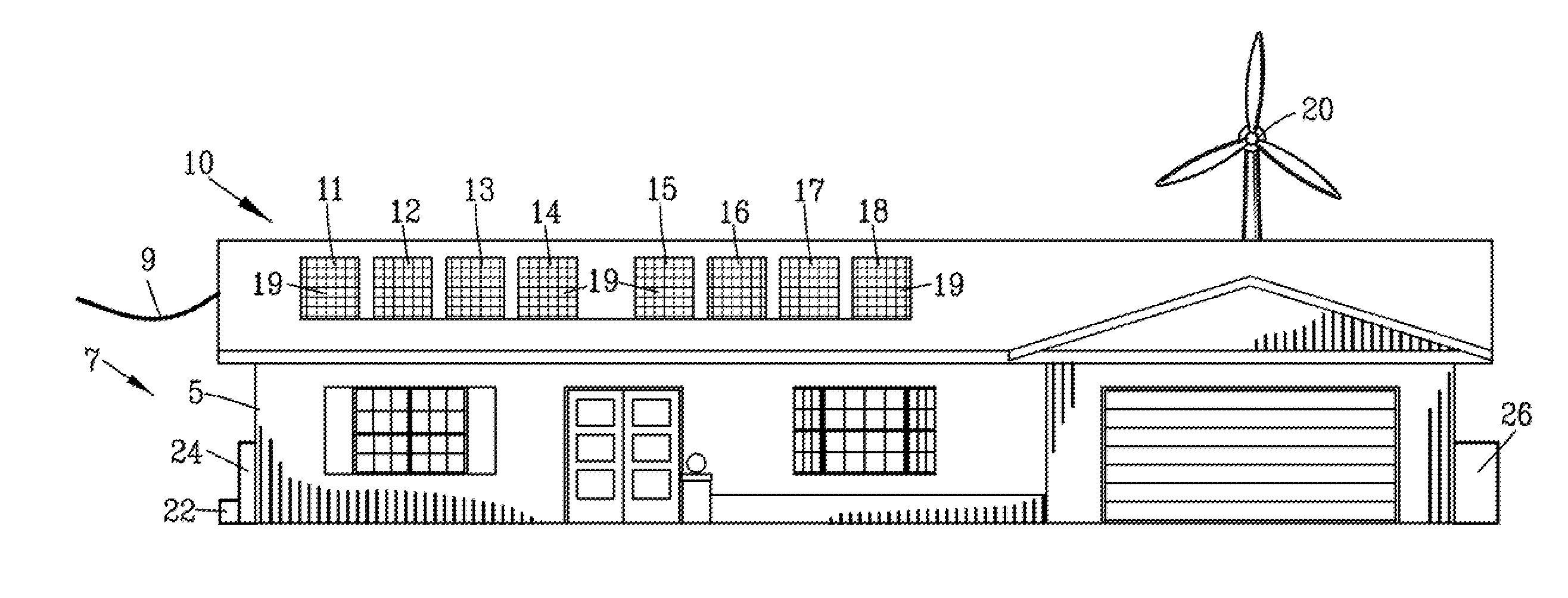
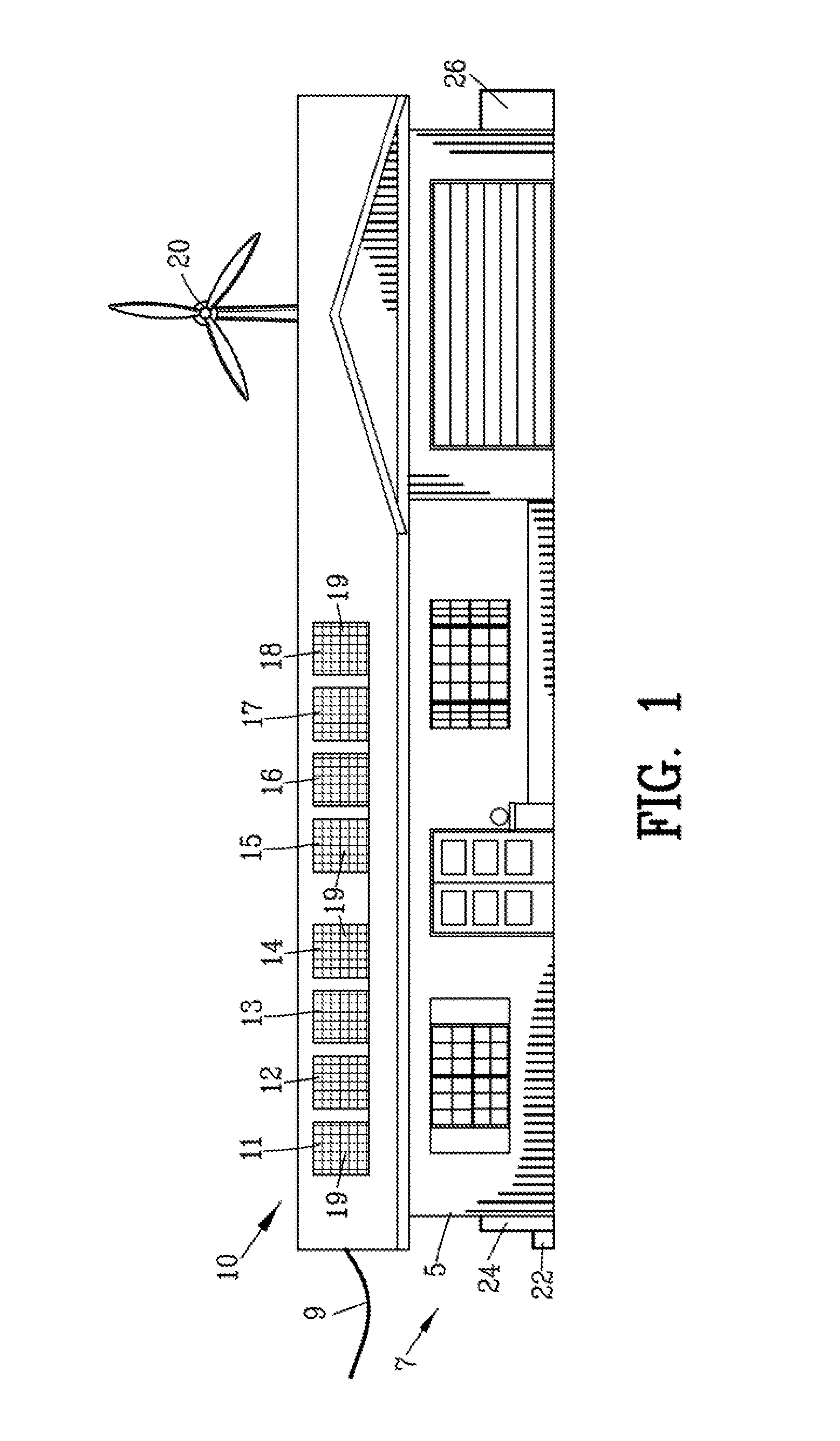
Apparatus for a microinverter particularly suited for use in solar power installations
PatentInactiveUS8422249B2
Innovation
- A microinverter design that uses a voltage-to-current control loop with a Commutator stage and an isolation transformer, employing pulse width modulation synchronized with the utility grid voltage, and implementing maximum power point tracking (MPPT) to ensure efficient energy conversion and stability, while eliminating the need for inductors and reducing switching losses through zero-crossing based switching of FETs.


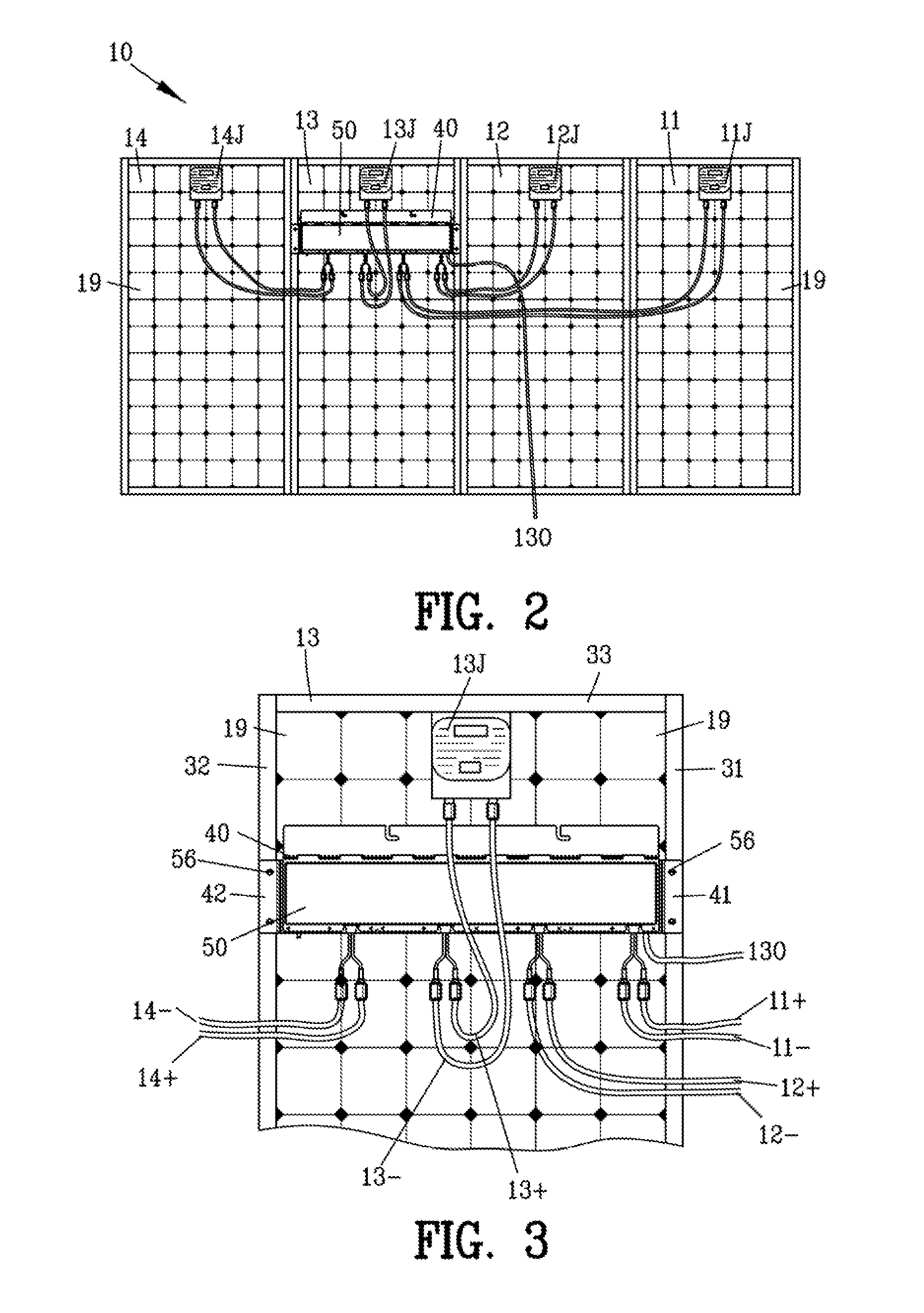
Interface for renewable energy system
PatentActiveUS20140266289A1
Innovation
- A multi-channel micro-inverter system with improved heat dissipation and mounting designs, integrated with a remote monitoring system and automatic transfer switch, allowing for independent operation of micro-inverters, and a redundant power supply, enabling easy installation on various renewable energy sources, including photovoltaic solar arrays, windmills, and fuel cells.

Grid Integration Standards for Distributed Solar Systems
Grid integration standards for distributed solar systems represent a critical framework that governs how microinverter-based installations connect to and interact with electrical distribution networks. These standards have evolved significantly as distributed energy resources proliferate, establishing technical requirements that ensure system reliability, power quality, and operational safety across diverse installation configurations.
The IEEE 1547 series serves as the foundational standard for distributed energy resource interconnection, defining voltage and frequency operating ranges, power quality requirements, and anti-islanding protection protocols. This standard specifically addresses microinverter systems by establishing individual unit compliance requirements rather than aggregate system-level specifications. Recent updates to IEEE 1547-2018 introduced advanced grid support functions, requiring microinverters to provide reactive power support and voltage regulation capabilities during normal grid operations.
UL 1741 certification requirements complement IEEE 1547 by establishing safety and performance testing protocols for inverter equipment. For microinverter installations, this standard mandates individual device certification, ensuring each unit meets rapid shutdown requirements and maintains proper grounding configurations. The standard's recent amendments address complex installation scenarios where microinverters operate under varying environmental conditions and shading patterns.
Regional grid codes impose additional requirements that significantly impact microinverter placement strategies. California's Rule 21 mandates smart inverter functionality, requiring microinverters to communicate with grid operators and respond to voltage and frequency deviations autonomously. European EN 50549 standards establish similar requirements while accommodating different voltage levels and grid characteristics prevalent in European distribution networks.
Communication and monitoring standards, including IEEE 2030.5 and SunSpec protocols, define how microinverter systems report performance data and receive grid operator commands. These standards enable granular monitoring of individual microinverter performance, facilitating optimal placement decisions based on real-time grid conditions and local voltage profiles.
Compliance with these evolving standards directly influences microinverter placement optimization, as installers must consider communication infrastructure requirements, individual device monitoring capabilities, and grid support function deployment when designing complex solar installations across diverse electrical environments.
The IEEE 1547 series serves as the foundational standard for distributed energy resource interconnection, defining voltage and frequency operating ranges, power quality requirements, and anti-islanding protection protocols. This standard specifically addresses microinverter systems by establishing individual unit compliance requirements rather than aggregate system-level specifications. Recent updates to IEEE 1547-2018 introduced advanced grid support functions, requiring microinverters to provide reactive power support and voltage regulation capabilities during normal grid operations.
UL 1741 certification requirements complement IEEE 1547 by establishing safety and performance testing protocols for inverter equipment. For microinverter installations, this standard mandates individual device certification, ensuring each unit meets rapid shutdown requirements and maintains proper grounding configurations. The standard's recent amendments address complex installation scenarios where microinverters operate under varying environmental conditions and shading patterns.
Regional grid codes impose additional requirements that significantly impact microinverter placement strategies. California's Rule 21 mandates smart inverter functionality, requiring microinverters to communicate with grid operators and respond to voltage and frequency deviations autonomously. European EN 50549 standards establish similar requirements while accommodating different voltage levels and grid characteristics prevalent in European distribution networks.
Communication and monitoring standards, including IEEE 2030.5 and SunSpec protocols, define how microinverter systems report performance data and receive grid operator commands. These standards enable granular monitoring of individual microinverter performance, facilitating optimal placement decisions based on real-time grid conditions and local voltage profiles.
Compliance with these evolving standards directly influences microinverter placement optimization, as installers must consider communication infrastructure requirements, individual device monitoring capabilities, and grid support function deployment when designing complex solar installations across diverse electrical environments.
Environmental Impact Assessment of Optimized Solar Arrays
The environmental implications of optimized solar array configurations represent a critical consideration in sustainable energy deployment. When microinverter placement is strategically optimized for complex installations, the resulting environmental benefits extend far beyond simple energy generation metrics. Optimized configurations typically achieve 15-25% higher energy yields compared to conventional string inverter systems, directly translating to reduced carbon footprint per kilowatt-hour generated over the system's operational lifetime.
Land use efficiency emerges as a primary environmental advantage of optimized microinverter deployments. Complex installations utilizing advanced placement algorithms can accommodate irregular terrain, partial shading conditions, and architectural constraints that would otherwise render sites unsuitable for solar development. This capability reduces pressure on pristine land areas by maximizing energy extraction from suboptimal or previously unusable spaces, including rooftops with multiple orientations, industrial facilities with equipment shadows, and urban environments with complex shading patterns.
The manufacturing and material impact assessment reveals nuanced environmental trade-offs. While microinverter systems require more electronic components per installation compared to centralized inverters, optimized placement strategies often reduce overall system complexity by eliminating DC optimizers, extensive DC wiring, and oversized central equipment. Life cycle assessments indicate that the additional semiconductor materials are offset by reduced copper consumption and simplified installation processes, resulting in a net positive environmental impact.
Ecosystem preservation benefits significantly from optimized solar array designs. Traditional large-scale installations often require extensive site preparation and uniform panel layouts that disrupt natural habitats. Optimized microinverter systems enable adaptive installation approaches that work around existing vegetation, preserve wildlife corridors, and maintain natural drainage patterns. This flexibility proves particularly valuable in agrivoltaic applications where solar generation coexists with agricultural activities.
The reduced maintenance requirements of optimized systems contribute to long-term environmental sustainability. Individual panel monitoring capabilities inherent in microinverter systems enable predictive maintenance strategies, reducing the frequency of service vehicle trips and associated emissions. Additionally, the modular nature of these systems extends overall installation lifespan by allowing selective component replacement rather than wholesale system upgrades, minimizing electronic waste generation and resource consumption over the project lifecycle.
Land use efficiency emerges as a primary environmental advantage of optimized microinverter deployments. Complex installations utilizing advanced placement algorithms can accommodate irregular terrain, partial shading conditions, and architectural constraints that would otherwise render sites unsuitable for solar development. This capability reduces pressure on pristine land areas by maximizing energy extraction from suboptimal or previously unusable spaces, including rooftops with multiple orientations, industrial facilities with equipment shadows, and urban environments with complex shading patterns.
The manufacturing and material impact assessment reveals nuanced environmental trade-offs. While microinverter systems require more electronic components per installation compared to centralized inverters, optimized placement strategies often reduce overall system complexity by eliminating DC optimizers, extensive DC wiring, and oversized central equipment. Life cycle assessments indicate that the additional semiconductor materials are offset by reduced copper consumption and simplified installation processes, resulting in a net positive environmental impact.
Ecosystem preservation benefits significantly from optimized solar array designs. Traditional large-scale installations often require extensive site preparation and uniform panel layouts that disrupt natural habitats. Optimized microinverter systems enable adaptive installation approaches that work around existing vegetation, preserve wildlife corridors, and maintain natural drainage patterns. This flexibility proves particularly valuable in agrivoltaic applications where solar generation coexists with agricultural activities.
The reduced maintenance requirements of optimized systems contribute to long-term environmental sustainability. Individual panel monitoring capabilities inherent in microinverter systems enable predictive maintenance strategies, reducing the frequency of service vehicle trips and associated emissions. Additionally, the modular nature of these systems extends overall installation lifespan by allowing selective component replacement rather than wholesale system upgrades, minimizing electronic waste generation and resource consumption over the project lifecycle.
Unlock deeper insights with PatSnap Eureka Quick Research — get a full tech report to explore trends and direct your research. Try now!
Generate Your Research Report Instantly with AI Agent
Supercharge your innovation with PatSnap Eureka AI Agent Platform!