

Optimizing Power Consumption in Solid-State Lidar Devices
APR 27, 20269 MIN READ
Generate Your Research Report Instantly with AI Agent
PatSnap Eureka helps you evaluate technical feasibility & market potential.
Solid-State Lidar Power Optimization Background and Goals
Solid-state lidar technology has emerged as a critical component in the autonomous vehicle ecosystem, industrial automation, and robotics applications since the early 2010s. Unlike traditional mechanical scanning lidar systems that rely on rotating mirrors or spinning assemblies, solid-state lidar devices utilize electronic beam steering mechanisms, including optical phased arrays, MEMS mirrors, and flash illumination techniques. This technological shift represents a fundamental evolution from mechanically complex systems toward more robust, compact, and potentially cost-effective solutions.
The development trajectory of solid-state lidar has been driven by the automotive industry's demand for reliable, high-performance sensing solutions capable of operating in diverse environmental conditions. Early implementations faced significant challenges related to power efficiency, as the electronic components required for beam steering and signal processing consumed substantially more energy than anticipated. The integration of high-power laser sources, sophisticated photodetectors, and complex signal processing units created thermal management issues that directly impacted system reliability and operational lifespan.
Current market demands emphasize the critical importance of power optimization in solid-state lidar devices. Automotive applications require sensors that can operate continuously for extended periods without compromising vehicle energy efficiency or requiring frequent maintenance. Industrial and robotics applications similarly demand power-efficient solutions that can integrate seamlessly into existing systems without imposing excessive energy burdens or generating problematic heat signatures.
The primary technical objectives for power consumption optimization encompass several key areas. Reducing overall system power draw while maintaining detection accuracy and range performance represents the fundamental challenge. This involves optimizing laser pulse energy management, implementing intelligent duty cycling mechanisms, and developing more efficient photodetector architectures. Additionally, minimizing thermal dissipation through improved component design and advanced materials integration constitutes another critical goal.
Advanced signal processing optimization aims to reduce computational power requirements through hardware acceleration, algorithm refinement, and selective data processing techniques. The implementation of adaptive scanning patterns that focus energy only on regions of interest rather than uniform illumination represents a promising approach for significant power reduction. Furthermore, developing standardized power management protocols that enable seamless integration with various platform power systems remains essential for widespread commercial adoption.
These optimization efforts ultimately target the achievement of commercially viable solid-state lidar systems that can compete effectively with traditional mechanical alternatives while offering superior reliability, reduced maintenance requirements, and enhanced integration capabilities across diverse application domains.
The development trajectory of solid-state lidar has been driven by the automotive industry's demand for reliable, high-performance sensing solutions capable of operating in diverse environmental conditions. Early implementations faced significant challenges related to power efficiency, as the electronic components required for beam steering and signal processing consumed substantially more energy than anticipated. The integration of high-power laser sources, sophisticated photodetectors, and complex signal processing units created thermal management issues that directly impacted system reliability and operational lifespan.
Current market demands emphasize the critical importance of power optimization in solid-state lidar devices. Automotive applications require sensors that can operate continuously for extended periods without compromising vehicle energy efficiency or requiring frequent maintenance. Industrial and robotics applications similarly demand power-efficient solutions that can integrate seamlessly into existing systems without imposing excessive energy burdens or generating problematic heat signatures.
The primary technical objectives for power consumption optimization encompass several key areas. Reducing overall system power draw while maintaining detection accuracy and range performance represents the fundamental challenge. This involves optimizing laser pulse energy management, implementing intelligent duty cycling mechanisms, and developing more efficient photodetector architectures. Additionally, minimizing thermal dissipation through improved component design and advanced materials integration constitutes another critical goal.
Advanced signal processing optimization aims to reduce computational power requirements through hardware acceleration, algorithm refinement, and selective data processing techniques. The implementation of adaptive scanning patterns that focus energy only on regions of interest rather than uniform illumination represents a promising approach for significant power reduction. Furthermore, developing standardized power management protocols that enable seamless integration with various platform power systems remains essential for widespread commercial adoption.
These optimization efforts ultimately target the achievement of commercially viable solid-state lidar systems that can compete effectively with traditional mechanical alternatives while offering superior reliability, reduced maintenance requirements, and enhanced integration capabilities across diverse application domains.
Market Demand for Energy-Efficient Lidar Systems
The automotive industry represents the largest and most rapidly expanding market segment for energy-efficient lidar systems, driven by the accelerating development of autonomous vehicles and advanced driver assistance systems. Major automotive manufacturers are increasingly prioritizing power-efficient lidar solutions to address the critical challenge of extending electric vehicle range while maintaining comprehensive environmental sensing capabilities. The stringent power budgets in automotive applications, typically requiring lidar systems to operate within 10-20 watts for passenger vehicles, have created substantial demand for solid-state lidar devices with optimized power consumption profiles.
Industrial automation and robotics sectors demonstrate significant appetite for low-power lidar technologies, particularly in warehouse automation, manufacturing quality control, and mobile robotics applications. These sectors require continuous operation capabilities with minimal power infrastructure modifications, making energy efficiency a primary selection criterion. The proliferation of autonomous mobile robots in logistics and manufacturing environments has intensified the need for compact, power-efficient sensing solutions that can operate for extended periods without frequent recharging or complex power management systems.
Smart city infrastructure development has emerged as a substantial growth driver for energy-efficient lidar systems, encompassing traffic monitoring, pedestrian safety, and urban planning applications. Municipal authorities increasingly seek sensing technologies that minimize operational costs and environmental impact while providing reliable long-term performance. The integration of lidar systems into existing urban infrastructure requires solutions that can operate efficiently within existing power grids and renewable energy systems.
The consumer electronics and personal mobility markets are experiencing growing interest in miniaturized, low-power lidar technologies for applications including smartphones, drones, and personal transportation devices. These applications demand ultra-low power consumption to preserve battery life while delivering accurate distance measurement and obstacle detection capabilities. The convergence of consumer expectations for longer battery life and enhanced safety features has created new market opportunities for innovative power optimization approaches.
Emerging applications in agriculture, security, and environmental monitoring are driving demand for solar-powered and battery-operated lidar systems capable of autonomous operation in remote locations. These markets require robust, energy-efficient solutions that can function reliably with limited power infrastructure while maintaining measurement accuracy across diverse environmental conditions.
Industrial automation and robotics sectors demonstrate significant appetite for low-power lidar technologies, particularly in warehouse automation, manufacturing quality control, and mobile robotics applications. These sectors require continuous operation capabilities with minimal power infrastructure modifications, making energy efficiency a primary selection criterion. The proliferation of autonomous mobile robots in logistics and manufacturing environments has intensified the need for compact, power-efficient sensing solutions that can operate for extended periods without frequent recharging or complex power management systems.
Smart city infrastructure development has emerged as a substantial growth driver for energy-efficient lidar systems, encompassing traffic monitoring, pedestrian safety, and urban planning applications. Municipal authorities increasingly seek sensing technologies that minimize operational costs and environmental impact while providing reliable long-term performance. The integration of lidar systems into existing urban infrastructure requires solutions that can operate efficiently within existing power grids and renewable energy systems.
The consumer electronics and personal mobility markets are experiencing growing interest in miniaturized, low-power lidar technologies for applications including smartphones, drones, and personal transportation devices. These applications demand ultra-low power consumption to preserve battery life while delivering accurate distance measurement and obstacle detection capabilities. The convergence of consumer expectations for longer battery life and enhanced safety features has created new market opportunities for innovative power optimization approaches.
Emerging applications in agriculture, security, and environmental monitoring are driving demand for solar-powered and battery-operated lidar systems capable of autonomous operation in remote locations. These markets require robust, energy-efficient solutions that can function reliably with limited power infrastructure while maintaining measurement accuracy across diverse environmental conditions.
Current Power Consumption Challenges in Solid-State Lidar
Solid-state lidar systems face significant power consumption challenges that directly impact their commercial viability and widespread adoption across automotive and industrial applications. The primary power-hungry components include laser sources, photodetectors, signal processing units, and beam steering mechanisms, collectively consuming between 50-200 watts depending on system specifications and operational requirements.
Laser diode arrays represent one of the most substantial power drains in solid-state lidar architectures. High-power semiconductor lasers operating at 905nm or 1550nm wavelengths require substantial electrical input to generate sufficient optical output for long-range detection capabilities. The conversion efficiency from electrical to optical power typically ranges from 30-50%, resulting in significant heat generation that necessitates additional thermal management systems, further increasing overall power consumption.
Signal processing and computational units present another critical power consumption bottleneck. Real-time point cloud generation, noise filtering, and object detection algorithms demand intensive parallel processing capabilities. Advanced system-on-chip solutions and field-programmable gate arrays consume 15-40 watts continuously, with power spikes during peak computational loads reaching significantly higher levels.
Beam steering mechanisms in solid-state designs, including optical phased arrays and micro-electromechanical systems, introduce additional power requirements. Electronic beam steering systems require precise voltage control across hundreds or thousands of phase shifters, consuming 10-30 watts depending on array size and scanning frequency. Mechanical micro-mirror systems demand continuous actuation power for rapid angular adjustments.
Thermal management systems compound the power consumption challenge by requiring active cooling solutions. Heat dissipation from laser sources and processing units necessitates fans, thermoelectric coolers, or liquid cooling systems that can consume an additional 20-40% of the total system power budget, creating a cascading effect on overall energy efficiency.
The automotive industry's stringent power budget constraints, typically limiting lidar systems to under 75 watts for passenger vehicles, create significant engineering challenges. Current solid-state lidar prototypes often exceed these limits, particularly when maintaining performance requirements for 200+ meter detection ranges and high-resolution scanning capabilities necessary for autonomous driving applications.
Laser diode arrays represent one of the most substantial power drains in solid-state lidar architectures. High-power semiconductor lasers operating at 905nm or 1550nm wavelengths require substantial electrical input to generate sufficient optical output for long-range detection capabilities. The conversion efficiency from electrical to optical power typically ranges from 30-50%, resulting in significant heat generation that necessitates additional thermal management systems, further increasing overall power consumption.
Signal processing and computational units present another critical power consumption bottleneck. Real-time point cloud generation, noise filtering, and object detection algorithms demand intensive parallel processing capabilities. Advanced system-on-chip solutions and field-programmable gate arrays consume 15-40 watts continuously, with power spikes during peak computational loads reaching significantly higher levels.
Beam steering mechanisms in solid-state designs, including optical phased arrays and micro-electromechanical systems, introduce additional power requirements. Electronic beam steering systems require precise voltage control across hundreds or thousands of phase shifters, consuming 10-30 watts depending on array size and scanning frequency. Mechanical micro-mirror systems demand continuous actuation power for rapid angular adjustments.
Thermal management systems compound the power consumption challenge by requiring active cooling solutions. Heat dissipation from laser sources and processing units necessitates fans, thermoelectric coolers, or liquid cooling systems that can consume an additional 20-40% of the total system power budget, creating a cascading effect on overall energy efficiency.
The automotive industry's stringent power budget constraints, typically limiting lidar systems to under 75 watts for passenger vehicles, create significant engineering challenges. Current solid-state lidar prototypes often exceed these limits, particularly when maintaining performance requirements for 200+ meter detection ranges and high-resolution scanning capabilities necessary for autonomous driving applications.
Existing Power Optimization Solutions for Lidar Devices
01 Power management circuits and control systems for solid-state lidar
Advanced power management circuits and control systems are implemented to optimize energy consumption in solid-state lidar devices. These systems include intelligent power switching, voltage regulation, and dynamic power allocation mechanisms that can adjust power consumption based on operational requirements. The control systems monitor power usage in real-time and implement power-saving modes during idle periods or reduced operational demands.- Power management circuits and control systems for solid-state lidar: Advanced power management circuits are designed to optimize energy consumption in solid-state lidar systems through intelligent control algorithms and adaptive power regulation. These systems monitor operational states and dynamically adjust power distribution to different components based on real-time requirements. The circuits incorporate voltage regulators, current limiters, and switching mechanisms to minimize power waste during idle periods and optimize performance during active scanning operations.
- Low-power laser driver circuits and pulse optimization: Specialized driver circuits are developed to control laser diodes with minimal power consumption while maintaining optimal performance. These circuits utilize pulse width modulation, current control techniques, and timing optimization to reduce energy requirements. The systems implement efficient switching topologies and incorporate feedback mechanisms to ensure precise laser control with reduced power overhead.
- Energy-efficient photodetector arrays and signal processing: Photodetector systems are optimized for low power operation through advanced semiconductor designs and signal processing algorithms. These systems incorporate avalanche photodiodes, silicon photomultipliers, and complementary metal-oxide-semiconductor sensors with reduced dark current and improved quantum efficiency. The signal processing chains utilize low-power analog-to-digital converters and digital signal processors to minimize overall system power consumption.
- Thermal management and power dissipation optimization: Thermal management systems are integrated to control heat generation and improve power efficiency in solid-state lidar devices. These solutions include heat sinks, thermal interface materials, and active cooling systems that prevent overheating while minimizing additional power requirements. The designs incorporate temperature monitoring and adaptive control to maintain optimal operating conditions with reduced energy consumption.
- System-level power optimization and sleep mode implementations: Comprehensive power optimization strategies are implemented at the system level to reduce overall energy consumption through intelligent operational modes and component coordination. These approaches include sleep mode implementations, duty cycle optimization, and selective component activation based on operational requirements. The systems incorporate power gating techniques and dynamic frequency scaling to achieve significant power savings during various operational states.
02 Low-power laser driver circuits and pulse optimization
Specialized laser driver circuits are designed to minimize power consumption while maintaining optimal performance in solid-state lidar systems. These circuits employ efficient pulse generation techniques, optimized duty cycles, and advanced modulation schemes to reduce overall power requirements. The driver circuits incorporate feedback mechanisms to ensure consistent laser output while minimizing energy waste through improved electrical efficiency.Expand Specific Solutions03 Energy-efficient photodetector and receiver architectures
Novel photodetector and receiver architectures are developed to reduce power consumption in the detection and signal processing stages of solid-state lidar systems. These architectures utilize low-power amplification circuits, optimized analog-to-digital conversion processes, and efficient signal conditioning techniques. The receiver systems are designed with selective activation capabilities and adaptive sensitivity controls to minimize continuous power draw.Expand Specific Solutions04 Thermal management and heat dissipation for power efficiency
Comprehensive thermal management solutions are integrated into solid-state lidar devices to improve power efficiency and prevent thermal-induced power losses. These solutions include advanced heat sink designs, thermal interface materials, and active cooling systems that maintain optimal operating temperatures. Effective thermal management reduces the need for additional power to compensate for temperature-related performance degradation and extends component lifespan.Expand Specific Solutions05 System-level power optimization and sleep mode implementations
System-level power optimization strategies are employed to reduce overall power consumption through intelligent operational scheduling and sleep mode implementations. These approaches include selective component activation, adaptive scanning patterns, and power-aware algorithms that balance performance requirements with energy efficiency. The systems can dynamically adjust their operational parameters based on environmental conditions and application demands to minimize unnecessary power consumption.Expand Specific Solutions
Key Players in Solid-State Lidar and Power Electronics
The solid-state lidar power optimization sector represents a rapidly evolving market in the early-to-mid growth stage, driven by autonomous vehicle adoption and industrial automation demands. The market demonstrates significant scale potential, with established players like Hesai Technology, Ouster Technologies, and RoboSense leading specialized lidar development, while tech giants Samsung Electronics, Sony Semiconductor Solutions, and Huawei Technologies leverage their semiconductor expertise for power-efficient solutions. Technology maturity varies considerably across the competitive landscape, with companies like Intel and Bosch bringing advanced chip-level optimization capabilities, while emerging players such as SOS LAB and VisionICs focus on innovative hybrid and solid-state approaches. The fragmented ecosystem includes automotive suppliers like Huayu Automotive Systems and LG Innotek integrating power-optimized lidar into vehicle platforms, indicating strong cross-industry collaboration driving technological advancement.
Hesai Technology Co. Ltd.
Technical Solution: Hesai has developed advanced power management systems for their solid-state lidar products, implementing dynamic power scaling technology that adjusts laser pulse frequency and intensity based on detection requirements. Their AT128 solid-state lidar utilizes optimized VCSEL arrays with intelligent thermal management, reducing power consumption by up to 40% compared to traditional mechanical lidar systems. The company employs adaptive scanning algorithms that selectively activate laser elements only when needed, combined with advanced signal processing chips that operate at lower voltages while maintaining detection accuracy. Their power optimization approach includes sleep mode functionality during idle periods and efficient heat dissipation designs that prevent thermal throttling.
Strengths: Leading market position in automotive lidar with proven power-efficient designs, strong R&D capabilities in VCSEL technology. Weaknesses: Higher manufacturing costs due to complex power management systems, limited scalability for ultra-low power applications.
Huawei Technologies Co., Ltd.
Technical Solution: Huawei has developed comprehensive power optimization solutions for solid-state lidar systems through their advanced semiconductor and AI capabilities. Their approach integrates custom-designed low-power laser drivers with intelligent power management algorithms that dynamically adjust operational parameters based on real-time environmental analysis. The company leverages their expertise in 5G and AI chips to create specialized processors that handle lidar data processing with minimal power consumption. Their solid-state lidar solutions incorporate advanced thermal management systems, adaptive scanning patterns that reduce unnecessary laser emissions, and machine learning algorithms that predict optimal power allocation strategies. Huawei's power optimization extends to system-level integration, including efficient data transmission protocols and edge computing capabilities that reduce overall system power requirements.
Strengths: Strong semiconductor design capabilities, extensive AI and machine learning expertise for intelligent power management. Weaknesses: Geopolitical restrictions may limit market access, less specialized focus on lidar compared to dedicated lidar companies.
Core Innovations in Low-Power Lidar Design
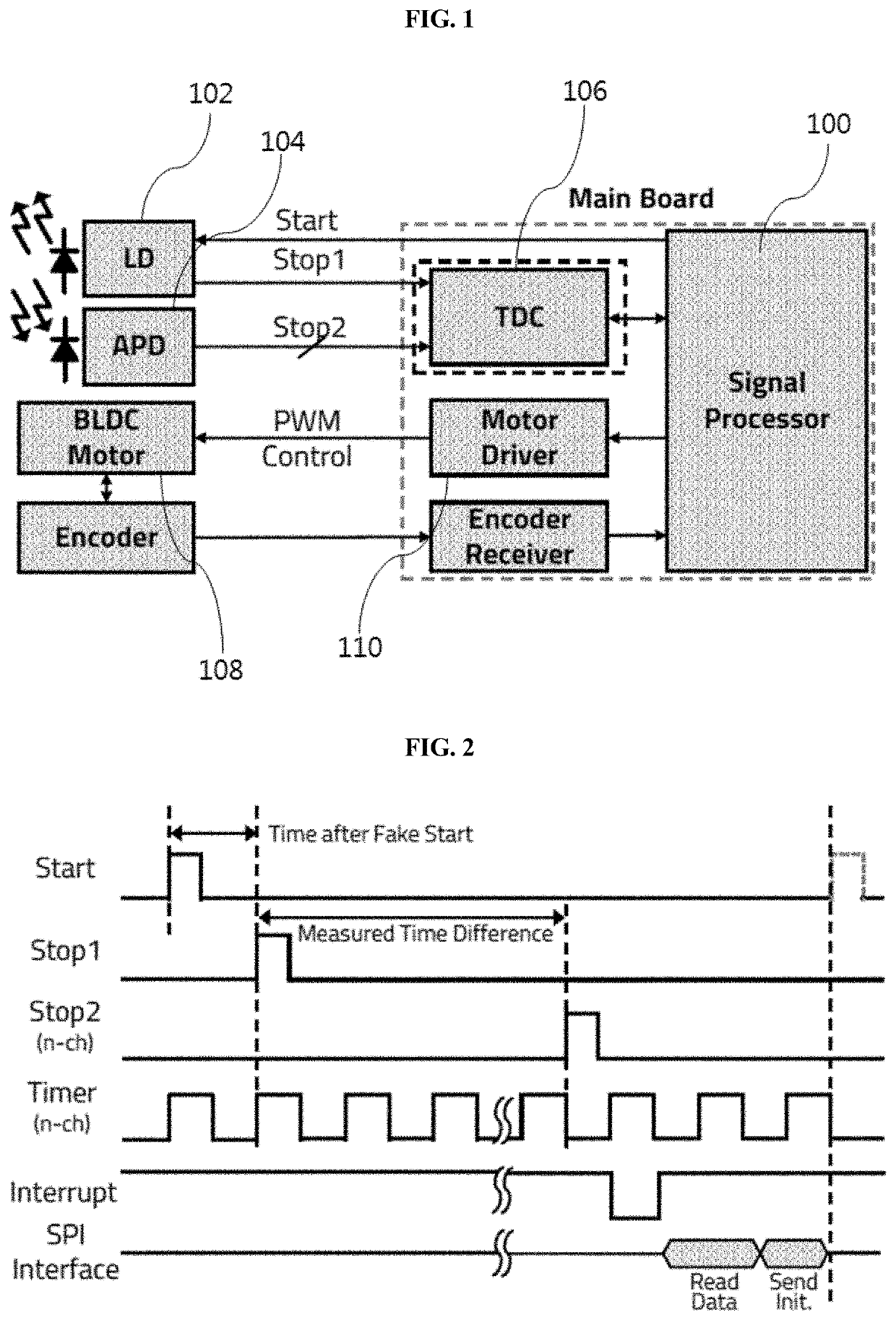
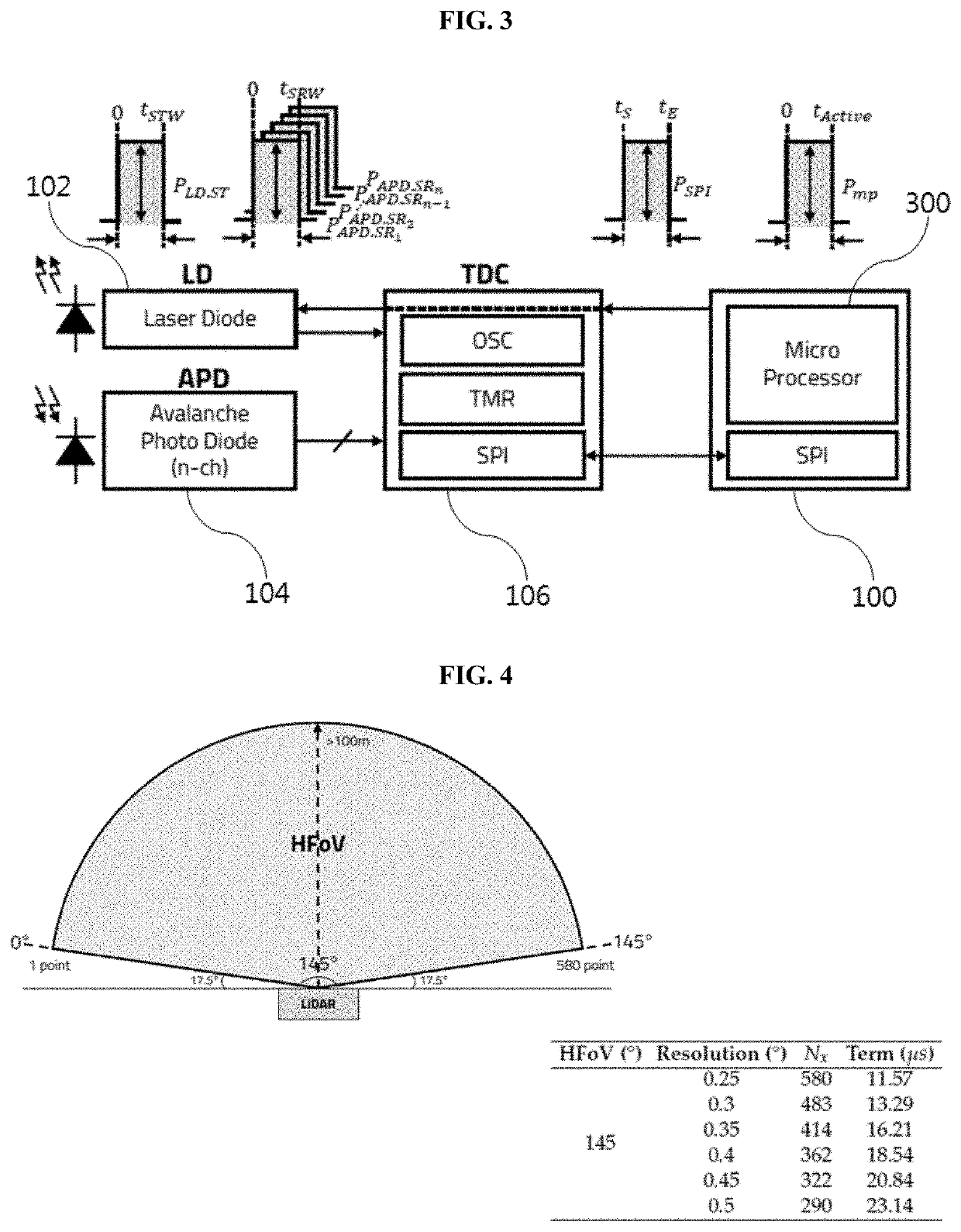
Lidar system for reducing power consumption and method of operating the same
PatentPendingUS20220317265A1
Innovation
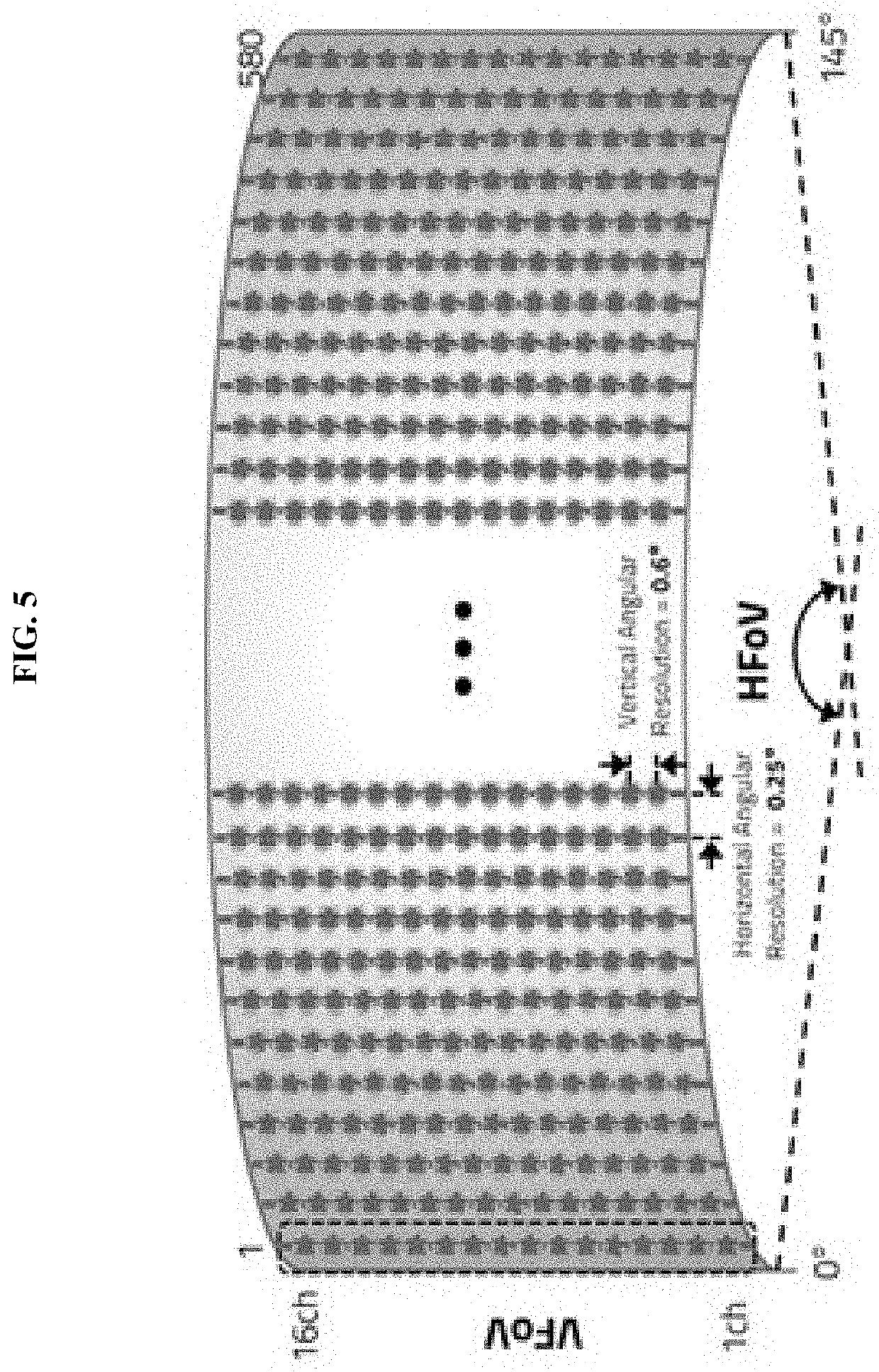
- A lidar system that adjusts the output resolution of the laser based on driving speed and surrounding environment by controlling the transmission unit and time measuring unit, reducing power consumption by altering the number of lasers and pulse period accordingly.

Electronic device and operation method thereof
PatentWO2023106712A1
Innovation
- An electronic device with a LiDAR system that controls the operation of transmitting and receiving diodes based on depth detection, turning them on only in areas where the object is recognized and turning them off in non-detection areas, using a processor to manage the diodes and reduce power consumption.


Automotive Safety Standards for Lidar Power Systems
Automotive safety standards for lidar power systems represent a critical regulatory framework that governs the deployment of solid-state lidar devices in vehicular applications. These standards establish mandatory requirements for power consumption limits, thermal management, and electromagnetic compatibility to ensure safe operation under diverse driving conditions. The International Organization for Standardization (ISO) 26262 functional safety standard serves as the primary framework, while additional regulations from the Society of Automotive Engineers (SAE) and regional authorities provide specific guidelines for lidar power system implementation.
Power consumption regulations within automotive safety standards typically mandate maximum power draw limits to prevent excessive heat generation and ensure compatibility with vehicle electrical systems. Current standards require solid-state lidar systems to operate within 15-25 watts for passenger vehicles, with stricter limitations for compact vehicle categories. These power thresholds are designed to maintain system reliability while preventing interference with critical vehicle functions such as braking, steering, and engine management systems.
Thermal safety requirements constitute another fundamental aspect of automotive lidar power standards. Regulations specify maximum operating temperatures, typically limiting surface temperatures to 85°C and internal component temperatures to 125°C during continuous operation. These thermal constraints directly impact power optimization strategies, as excessive power consumption can lead to thermal runaway conditions that compromise both lidar performance and vehicle safety. Standards also mandate thermal protection circuits and fail-safe mechanisms to prevent overheating scenarios.
Electromagnetic interference (EMI) standards play a crucial role in lidar power system design, particularly regarding switching power supplies and high-frequency components. The CISPR 25 standard defines acceptable EMI levels for automotive electronic systems, requiring lidar power circuits to minimize electromagnetic emissions that could interfere with radio communications, GPS navigation, or other vehicle sensors. Compliance with these EMI requirements often necessitates additional filtering components that can impact overall power efficiency.
Certification processes for automotive lidar power systems involve rigorous testing protocols that validate compliance with safety standards under extreme environmental conditions. These tests include temperature cycling from -40°C to 85°C, vibration resistance, and electromagnetic compatibility verification. The certification requirements directly influence power optimization approaches, as manufacturers must balance energy efficiency with robust safety margins to ensure reliable operation throughout the vehicle's operational lifetime.
Power consumption regulations within automotive safety standards typically mandate maximum power draw limits to prevent excessive heat generation and ensure compatibility with vehicle electrical systems. Current standards require solid-state lidar systems to operate within 15-25 watts for passenger vehicles, with stricter limitations for compact vehicle categories. These power thresholds are designed to maintain system reliability while preventing interference with critical vehicle functions such as braking, steering, and engine management systems.
Thermal safety requirements constitute another fundamental aspect of automotive lidar power standards. Regulations specify maximum operating temperatures, typically limiting surface temperatures to 85°C and internal component temperatures to 125°C during continuous operation. These thermal constraints directly impact power optimization strategies, as excessive power consumption can lead to thermal runaway conditions that compromise both lidar performance and vehicle safety. Standards also mandate thermal protection circuits and fail-safe mechanisms to prevent overheating scenarios.
Electromagnetic interference (EMI) standards play a crucial role in lidar power system design, particularly regarding switching power supplies and high-frequency components. The CISPR 25 standard defines acceptable EMI levels for automotive electronic systems, requiring lidar power circuits to minimize electromagnetic emissions that could interfere with radio communications, GPS navigation, or other vehicle sensors. Compliance with these EMI requirements often necessitates additional filtering components that can impact overall power efficiency.
Certification processes for automotive lidar power systems involve rigorous testing protocols that validate compliance with safety standards under extreme environmental conditions. These tests include temperature cycling from -40°C to 85°C, vibration resistance, and electromagnetic compatibility verification. The certification requirements directly influence power optimization approaches, as manufacturers must balance energy efficiency with robust safety margins to ensure reliable operation throughout the vehicle's operational lifetime.
Thermal Management Considerations in Lidar Design
Thermal management represents a critical design consideration in solid-state lidar systems, directly impacting both power consumption optimization and overall device performance. The relationship between thermal dynamics and power efficiency creates a complex engineering challenge that requires sophisticated solutions to maintain operational stability while minimizing energy consumption.
Heat generation in solid-state lidar devices primarily originates from laser diode operations, photodetector arrays, and signal processing electronics. These components generate substantial thermal loads during continuous operation, with laser diodes being particularly sensitive to temperature variations. Elevated temperatures can cause wavelength drift, reduced quantum efficiency, and increased threshold currents, all of which negatively impact power consumption and system performance.
Effective thermal management strategies must address both passive and active cooling approaches. Passive solutions include advanced heat sink designs, thermal interface materials with high conductivity coefficients, and strategic component placement to optimize heat dissipation pathways. These approaches minimize additional power consumption while providing baseline thermal control.
Active thermal management systems, while consuming additional power, often provide net energy savings through improved component efficiency. Thermoelectric coolers, micro-channel cooling systems, and intelligent fan control mechanisms can maintain optimal operating temperatures. The key challenge lies in balancing the power consumed by cooling systems against the efficiency gains achieved through temperature regulation.
Temperature-dependent power optimization algorithms represent an emerging approach to thermal management. These systems dynamically adjust laser pulse parameters, scanning patterns, and processing loads based on real-time thermal conditions. By reducing operational intensity during high-temperature periods, these algorithms prevent thermal runaway while maintaining acceptable performance levels.
Thermal modeling and simulation tools have become essential for predicting heat distribution patterns and optimizing cooling system placement. Computational fluid dynamics analysis helps engineers identify thermal hotspots and design targeted cooling solutions that maximize efficiency while minimizing power consumption overhead.
Advanced materials integration, including graphene-based thermal interfaces and phase-change materials, offers promising solutions for next-generation thermal management systems. These materials provide superior heat transfer capabilities while maintaining compact form factors essential for automotive and mobile lidar applications.
Heat generation in solid-state lidar devices primarily originates from laser diode operations, photodetector arrays, and signal processing electronics. These components generate substantial thermal loads during continuous operation, with laser diodes being particularly sensitive to temperature variations. Elevated temperatures can cause wavelength drift, reduced quantum efficiency, and increased threshold currents, all of which negatively impact power consumption and system performance.
Effective thermal management strategies must address both passive and active cooling approaches. Passive solutions include advanced heat sink designs, thermal interface materials with high conductivity coefficients, and strategic component placement to optimize heat dissipation pathways. These approaches minimize additional power consumption while providing baseline thermal control.
Active thermal management systems, while consuming additional power, often provide net energy savings through improved component efficiency. Thermoelectric coolers, micro-channel cooling systems, and intelligent fan control mechanisms can maintain optimal operating temperatures. The key challenge lies in balancing the power consumed by cooling systems against the efficiency gains achieved through temperature regulation.
Temperature-dependent power optimization algorithms represent an emerging approach to thermal management. These systems dynamically adjust laser pulse parameters, scanning patterns, and processing loads based on real-time thermal conditions. By reducing operational intensity during high-temperature periods, these algorithms prevent thermal runaway while maintaining acceptable performance levels.
Thermal modeling and simulation tools have become essential for predicting heat distribution patterns and optimizing cooling system placement. Computational fluid dynamics analysis helps engineers identify thermal hotspots and design targeted cooling solutions that maximize efficiency while minimizing power consumption overhead.
Advanced materials integration, including graphene-based thermal interfaces and phase-change materials, offers promising solutions for next-generation thermal management systems. These materials provide superior heat transfer capabilities while maintaining compact form factors essential for automotive and mobile lidar applications.
Unlock deeper insights with PatSnap Eureka Quick Research — get a full tech report to explore trends and direct your research. Try now!
Generate Your Research Report Instantly with AI Agent
Supercharge your innovation with PatSnap Eureka AI Agent Platform!