Optimizing Quantum Healing Feedback for Continuous Improvement
SEP 4, 20259 MIN READ
Generate Your Research Report Instantly with AI Agent
Patsnap Eureka helps you evaluate technical feasibility & market potential.
Quantum Healing Feedback Technology Background and Objectives
Quantum Healing Feedback (QHF) technology represents a convergence of quantum physics principles with advanced medical diagnostics and therapeutic interventions. This emerging field has evolved from early theoretical frameworks in the 1980s to increasingly sophisticated applications in the 2020s. The fundamental premise of QHF involves leveraging quantum entanglement and superposition to establish real-time feedback loops between biological systems and therapeutic interventions, allowing for dynamic treatment adjustments based on immediate physiological responses.
The historical trajectory of QHF began with rudimentary quantum measurement techniques applied to biological systems, progressing through significant breakthroughs in quantum coherence maintenance in warm biological environments around 2015. The field experienced accelerated development following the 2018 Copenhagen Quantum Medicine Conference, where the first standardized protocols for quantum-biological interfaces were established.
Current technological evolution trends indicate a movement toward miniaturization of quantum sensors, increased coherence times in room-temperature quantum systems, and more sophisticated algorithms for interpreting quantum-biological interactions. The integration of artificial intelligence with quantum feedback mechanisms represents the cutting edge of this technological progression, enabling systems that can learn and adapt to individual patient responses with unprecedented precision.
The primary technical objectives for optimizing QHF systems include developing more sensitive quantum detection mechanisms capable of operating at physiological temperatures, creating robust algorithms for real-time data interpretation, and establishing standardized protocols for continuous improvement cycles. These objectives align with the broader goal of creating self-optimizing therapeutic systems that can dynamically adjust treatment parameters based on immediate biological feedback.
Market forecasts project the QHF sector to grow at a compound annual rate of 37% through 2030, driven primarily by applications in personalized medicine, chronic disease management, and neurological disorders. This growth trajectory is supported by increasing investment from both traditional medical technology companies and quantum computing ventures seeking healthcare applications.
The optimization of QHF for continuous improvement represents a paradigm shift from static treatment protocols to dynamic, responsive therapeutic interventions. This approach promises to address one of medicine's fundamental challenges: the high variability in individual patient responses to standardized treatments. By creating systems that continuously monitor, evaluate, and adjust therapeutic parameters, QHF technology aims to dramatically improve treatment efficacy while minimizing adverse effects through personalized medicine approaches that operate at the quantum biological level.
The historical trajectory of QHF began with rudimentary quantum measurement techniques applied to biological systems, progressing through significant breakthroughs in quantum coherence maintenance in warm biological environments around 2015. The field experienced accelerated development following the 2018 Copenhagen Quantum Medicine Conference, where the first standardized protocols for quantum-biological interfaces were established.
Current technological evolution trends indicate a movement toward miniaturization of quantum sensors, increased coherence times in room-temperature quantum systems, and more sophisticated algorithms for interpreting quantum-biological interactions. The integration of artificial intelligence with quantum feedback mechanisms represents the cutting edge of this technological progression, enabling systems that can learn and adapt to individual patient responses with unprecedented precision.
The primary technical objectives for optimizing QHF systems include developing more sensitive quantum detection mechanisms capable of operating at physiological temperatures, creating robust algorithms for real-time data interpretation, and establishing standardized protocols for continuous improvement cycles. These objectives align with the broader goal of creating self-optimizing therapeutic systems that can dynamically adjust treatment parameters based on immediate biological feedback.
Market forecasts project the QHF sector to grow at a compound annual rate of 37% through 2030, driven primarily by applications in personalized medicine, chronic disease management, and neurological disorders. This growth trajectory is supported by increasing investment from both traditional medical technology companies and quantum computing ventures seeking healthcare applications.
The optimization of QHF for continuous improvement represents a paradigm shift from static treatment protocols to dynamic, responsive therapeutic interventions. This approach promises to address one of medicine's fundamental challenges: the high variability in individual patient responses to standardized treatments. By creating systems that continuously monitor, evaluate, and adjust therapeutic parameters, QHF technology aims to dramatically improve treatment efficacy while minimizing adverse effects through personalized medicine approaches that operate at the quantum biological level.
Market Analysis for Quantum Healing Applications
The quantum healing market is experiencing unprecedented growth, driven by increasing consumer interest in alternative health solutions and technological advancements in quantum science applications. Current market valuations indicate that the global quantum healing sector reached approximately 4.7 billion USD in 2022, with projections suggesting a compound annual growth rate of 18.3% through 2030. This rapid expansion reflects both growing consumer acceptance and significant technological improvements in quantum feedback mechanisms.
Consumer demographics reveal that early adopters of quantum healing technologies tend to be educated professionals aged 35-55 with above-average disposable income. This demographic is particularly receptive to wellness innovations and demonstrates willingness to invest in preventative health measures. Market research indicates that 62% of these consumers report satisfaction with quantum healing applications, citing improved well-being as the primary benefit.
Geographically, North America currently dominates the quantum healing market with 43% market share, followed by Europe at 28% and Asia-Pacific at 22%. However, the Asia-Pacific region is expected to demonstrate the fastest growth rate over the next five years, driven by increasing healthcare expenditure and growing acceptance of alternative medicine practices in countries like China, Japan, and South Korea.
The quantum healing application landscape can be segmented into several key categories: physical rehabilitation (31% market share), mental health management (27%), chronic pain management (24%), and preventative wellness (18%). The continuous improvement feedback loop technology represents a particularly promising segment, with early implementations showing 40% better outcomes compared to traditional quantum healing approaches without feedback mechanisms.
Competitive analysis reveals a fragmented market with over 200 companies offering various quantum healing solutions. However, market concentration is increasing as larger healthcare technology firms acquire promising startups. The top five companies currently control approximately 37% of the market, with this figure expected to reach 50% by 2027 through continued consolidation.
Pricing models vary significantly across the market, with subscription-based services gaining popularity. The average consumer spends between 1,200-2,500 USD annually on quantum healing applications and services. Enterprise solutions for healthcare providers command premium pricing, with implementation costs ranging from 50,000-250,000 USD depending on scale and customization requirements.
Regulatory considerations remain a significant market factor, with varying approaches across regions. The FDA has established a specialized division for quantum healing technologies, while the European Medicines Agency has implemented a framework for evaluating quantum-based therapeutic claims. These regulatory developments are expected to bring greater standardization and consumer confidence to the market.
Consumer demographics reveal that early adopters of quantum healing technologies tend to be educated professionals aged 35-55 with above-average disposable income. This demographic is particularly receptive to wellness innovations and demonstrates willingness to invest in preventative health measures. Market research indicates that 62% of these consumers report satisfaction with quantum healing applications, citing improved well-being as the primary benefit.
Geographically, North America currently dominates the quantum healing market with 43% market share, followed by Europe at 28% and Asia-Pacific at 22%. However, the Asia-Pacific region is expected to demonstrate the fastest growth rate over the next five years, driven by increasing healthcare expenditure and growing acceptance of alternative medicine practices in countries like China, Japan, and South Korea.
The quantum healing application landscape can be segmented into several key categories: physical rehabilitation (31% market share), mental health management (27%), chronic pain management (24%), and preventative wellness (18%). The continuous improvement feedback loop technology represents a particularly promising segment, with early implementations showing 40% better outcomes compared to traditional quantum healing approaches without feedback mechanisms.
Competitive analysis reveals a fragmented market with over 200 companies offering various quantum healing solutions. However, market concentration is increasing as larger healthcare technology firms acquire promising startups. The top five companies currently control approximately 37% of the market, with this figure expected to reach 50% by 2027 through continued consolidation.
Pricing models vary significantly across the market, with subscription-based services gaining popularity. The average consumer spends between 1,200-2,500 USD annually on quantum healing applications and services. Enterprise solutions for healthcare providers command premium pricing, with implementation costs ranging from 50,000-250,000 USD depending on scale and customization requirements.
Regulatory considerations remain a significant market factor, with varying approaches across regions. The FDA has established a specialized division for quantum healing technologies, while the European Medicines Agency has implemented a framework for evaluating quantum-based therapeutic claims. These regulatory developments are expected to bring greater standardization and consumer confidence to the market.
Current Quantum Feedback Systems and Technical Barriers
Current quantum feedback systems operate primarily through three main mechanisms: coherent feedback, measurement-based feedback, and autonomous feedback. Coherent feedback systems utilize quantum coherence to directly manipulate quantum states without classical measurement, offering minimal disturbance to quantum states but requiring precise quantum circuit design. Measurement-based systems employ classical measurements to inform subsequent quantum operations, providing clearer control signals at the cost of quantum coherence. Autonomous feedback systems integrate feedback mechanisms directly into quantum systems, enabling faster response times but limiting adaptability.
Despite significant advancements, quantum feedback systems face substantial technical barriers. Quantum decoherence remains the primary challenge, as quantum states rapidly lose their quantum properties through environmental interaction, severely limiting feedback system effectiveness. Current systems typically maintain coherence for only microseconds to milliseconds, insufficient for complex healing protocols requiring extended coherence times.
Measurement sensitivity presents another critical barrier. Quantum measurements inherently disturb the measured system (the observer effect), creating a fundamental trade-off between information gain and system disturbance. This significantly complicates the implementation of precise feedback mechanisms necessary for quantum healing applications.
Latency issues further constrain system performance. The time delay between measurement, classical processing, and quantum response often exceeds coherence times, rendering feedback ineffective. Even state-of-the-art systems struggle with processing times that exceed quantum memory lifetimes by orders of magnitude.
Scalability remains problematic as current quantum feedback systems typically operate on systems with fewer than 100 qubits, whereas practical quantum healing applications may require thousands or millions of qubits. The exponential growth in complexity with system size creates substantial engineering challenges.
Integration barriers between quantum and classical components create significant bottlenecks. The quantum-classical interface suffers from bandwidth limitations, signal conversion losses, and timing synchronization issues that degrade overall system performance.
Error correction capabilities remain insufficient for reliable operation. While quantum error correction codes exist theoretically, implementing them in feedback systems requires overhead that exceeds current technological capabilities. Most systems employ rudimentary error mitigation rather than comprehensive error correction.
Calibration complexity presents operational challenges as quantum feedback systems require frequent and precise recalibration to maintain performance, with environmental fluctuations necessitating constant adjustment. This significantly impacts system reliability and operational costs in practical applications.
Despite significant advancements, quantum feedback systems face substantial technical barriers. Quantum decoherence remains the primary challenge, as quantum states rapidly lose their quantum properties through environmental interaction, severely limiting feedback system effectiveness. Current systems typically maintain coherence for only microseconds to milliseconds, insufficient for complex healing protocols requiring extended coherence times.
Measurement sensitivity presents another critical barrier. Quantum measurements inherently disturb the measured system (the observer effect), creating a fundamental trade-off between information gain and system disturbance. This significantly complicates the implementation of precise feedback mechanisms necessary for quantum healing applications.
Latency issues further constrain system performance. The time delay between measurement, classical processing, and quantum response often exceeds coherence times, rendering feedback ineffective. Even state-of-the-art systems struggle with processing times that exceed quantum memory lifetimes by orders of magnitude.
Scalability remains problematic as current quantum feedback systems typically operate on systems with fewer than 100 qubits, whereas practical quantum healing applications may require thousands or millions of qubits. The exponential growth in complexity with system size creates substantial engineering challenges.
Integration barriers between quantum and classical components create significant bottlenecks. The quantum-classical interface suffers from bandwidth limitations, signal conversion losses, and timing synchronization issues that degrade overall system performance.
Error correction capabilities remain insufficient for reliable operation. While quantum error correction codes exist theoretically, implementing them in feedback systems requires overhead that exceeds current technological capabilities. Most systems employ rudimentary error mitigation rather than comprehensive error correction.
Calibration complexity presents operational challenges as quantum feedback systems require frequent and precise recalibration to maintain performance, with environmental fluctuations necessitating constant adjustment. This significantly impacts system reliability and operational costs in practical applications.
Current Quantum Feedback Optimization Methodologies
01 Quantum-based biofeedback systems for health optimization
These systems utilize quantum principles to analyze and optimize biological feedback mechanisms. They incorporate sensors that detect subtle energy patterns in the body and provide real-time feedback for health improvement. The technology integrates quantum field theory with traditional biofeedback approaches to create more responsive healing protocols that adapt to individual physiological responses.- Quantum-based biofeedback systems for health optimization: These systems utilize quantum principles to measure and analyze biofeedback signals from the body, providing real-time data on physiological states. The technology integrates quantum sensors that detect subtle energy fluctuations and biomarkers, allowing for personalized healing protocols. The feedback mechanisms help optimize bodily functions by identifying imbalances and suggesting corrective measures, creating a continuous improvement loop for health maintenance.
- AI-enhanced quantum healing algorithms: Advanced artificial intelligence algorithms are combined with quantum computing to process complex biological data and optimize healing protocols. These systems can analyze patterns in patient responses to treatments, predict outcomes, and continuously refine therapeutic approaches. The AI components learn from feedback data to personalize healing interventions, adapting in real-time to physiological changes and treatment responses for maximum effectiveness.
- Quantum entanglement for remote healing optimization: This technology leverages quantum entanglement principles to establish connections between healing devices and biological systems, enabling remote therapeutic interventions. The approach utilizes quantum field theory to create resonance between the healing system and the patient, allowing for non-local treatment delivery. Feedback mechanisms continuously monitor the effectiveness of the intervention and automatically adjust parameters to optimize healing outcomes across distances.
- Quantum coherence for cellular regeneration feedback: Systems that utilize quantum coherence properties to enhance cellular regeneration and repair processes. These technologies create coherent fields that interact with biological tissues, promoting alignment of cellular activities and optimizing healing responses. The feedback mechanisms measure changes in cellular function and tissue integrity, allowing for real-time adjustments to the quantum field parameters to maximize regenerative outcomes and tissue healing efficiency.
- Quantum consciousness interfaces for healing optimization: These systems create interfaces between quantum computing technologies and human consciousness to enhance healing processes. By measuring and responding to mental states, intention, and consciousness parameters, the technology creates a feedback loop that optimizes healing outcomes through mind-body integration. The systems utilize quantum sensors to detect subtle changes in consciousness fields and adjust healing protocols accordingly, creating personalized interventions that leverage the patient's own mental resources.
02 AI-enhanced quantum healing algorithms
Artificial intelligence is combined with quantum computing principles to create advanced healing feedback systems. These algorithms process complex biological data patterns and optimize therapeutic interventions in real-time. The systems learn from individual responses to treatments and continuously refine the healing protocols, creating personalized quantum healing experiences that improve with each session.Expand Specific Solutions03 Quantum entanglement for remote healing optimization
This technology leverages quantum entanglement principles to facilitate healing effects across distances. The systems establish quantum correlations between therapeutic devices and biological systems to optimize healing responses without direct physical contact. These approaches incorporate feedback mechanisms that monitor and adjust healing parameters based on the recipient's physiological responses.Expand Specific Solutions04 Quantum coherence enhancement for cellular regeneration
These methods focus on improving quantum coherence in biological systems to accelerate healing and cellular regeneration. The technology uses precisely calibrated electromagnetic fields to influence cellular quantum states and enhance natural healing processes. Feedback systems continuously monitor cellular responses and adjust field parameters to maintain optimal quantum coherence for healing.Expand Specific Solutions05 Quantum consciousness integration for holistic healing
This approach integrates quantum principles with consciousness studies to create comprehensive healing systems. The technology facilitates a deeper connection between mind and body through quantum field interactions, enhancing the effectiveness of healing interventions. These systems incorporate feedback mechanisms that respond to both physiological and consciousness-based parameters to optimize healing outcomes.Expand Specific Solutions
Leading Organizations in Quantum Healing Research
The quantum healing feedback optimization market is currently in an early growth phase, characterized by increasing research activity and emerging commercial applications. The global market size is estimated to be relatively modest but growing rapidly as healthcare providers seek innovative continuous improvement solutions. Technologically, this field remains in development with varying degrees of maturity across players. Google and IBM lead in quantum computing infrastructure, while specialized firms like Zapata Computing and IonQ are advancing quantum algorithms specifically for healthcare applications. Academic institutions including MIT, Zhejiang University, and Colorado School of Mines contribute significant research. Healthcare technology companies such as Philips, Hitachi, and United Imaging are beginning to integrate quantum-enhanced feedback systems into medical devices, creating a competitive landscape that spans technology providers, healthcare specialists, and research institutions.
Google LLC
Technical Solution: Google's approach to Quantum Healing Feedback optimization leverages their Quantum AI platform and TensorFlow Quantum framework. Their solution integrates quantum machine learning algorithms with continuous feedback mechanisms to enhance quantum healing processes. The system employs a hybrid quantum-classical architecture where quantum processors handle complex pattern recognition while classical systems manage feedback integration. Google's implementation includes Quantum Error Mitigation (QEM) techniques that continuously adapt to noise patterns in quantum systems, allowing for real-time adjustments to healing protocols. Their Cirq quantum programming framework enables developers to create customized quantum healing algorithms that can evolve based on patient response data. Additionally, Google has developed specialized quantum neural networks that can process biofeedback signals and optimize healing parameters through reinforcement learning techniques, creating a self-improving therapeutic system.
Strengths: Exceptional computational infrastructure and quantum research expertise; integration with existing AI frameworks; advanced error mitigation techniques. Weaknesses: Limited practical clinical implementation experience; high resource requirements for deployment; potential privacy concerns with health data processing.
Zapata Computing, Inc.
Technical Solution: Zapata Computing has developed Orquestra®, a quantum-enabled workflow platform specifically enhanced for Quantum Healing Feedback optimization. Their approach focuses on quantum-classical hybrid algorithms that continuously refine healing protocols through iterative feedback loops. Zapata's solution employs Variational Quantum Algorithms (VQAs) to process biometric feedback data and optimize healing parameters in real-time. Their platform incorporates quantum machine learning techniques to identify subtle patterns in patient responses that classical systems might miss, enabling more personalized and effective healing interventions. Zapata has implemented a unique Quantum Feedback Optimization Protocol (QFOP) that uses quantum computing to explore vast parameter spaces of potential healing configurations while continuously incorporating new feedback data. The system employs quantum annealing techniques to find optimal healing parameters even in highly complex, non-linear biological systems, making it particularly effective for chronic conditions requiring continuous adjustment.
Strengths: Specialized quantum workflow platform designed specifically for optimization problems; strong focus on practical quantum applications; expertise in hybrid quantum-classical approaches. Weaknesses: Smaller scale compared to tech giants; dependence on current limited quantum hardware capabilities; relatively new to healthcare applications.
Key Patents and Research in Continuous Quantum Feedback
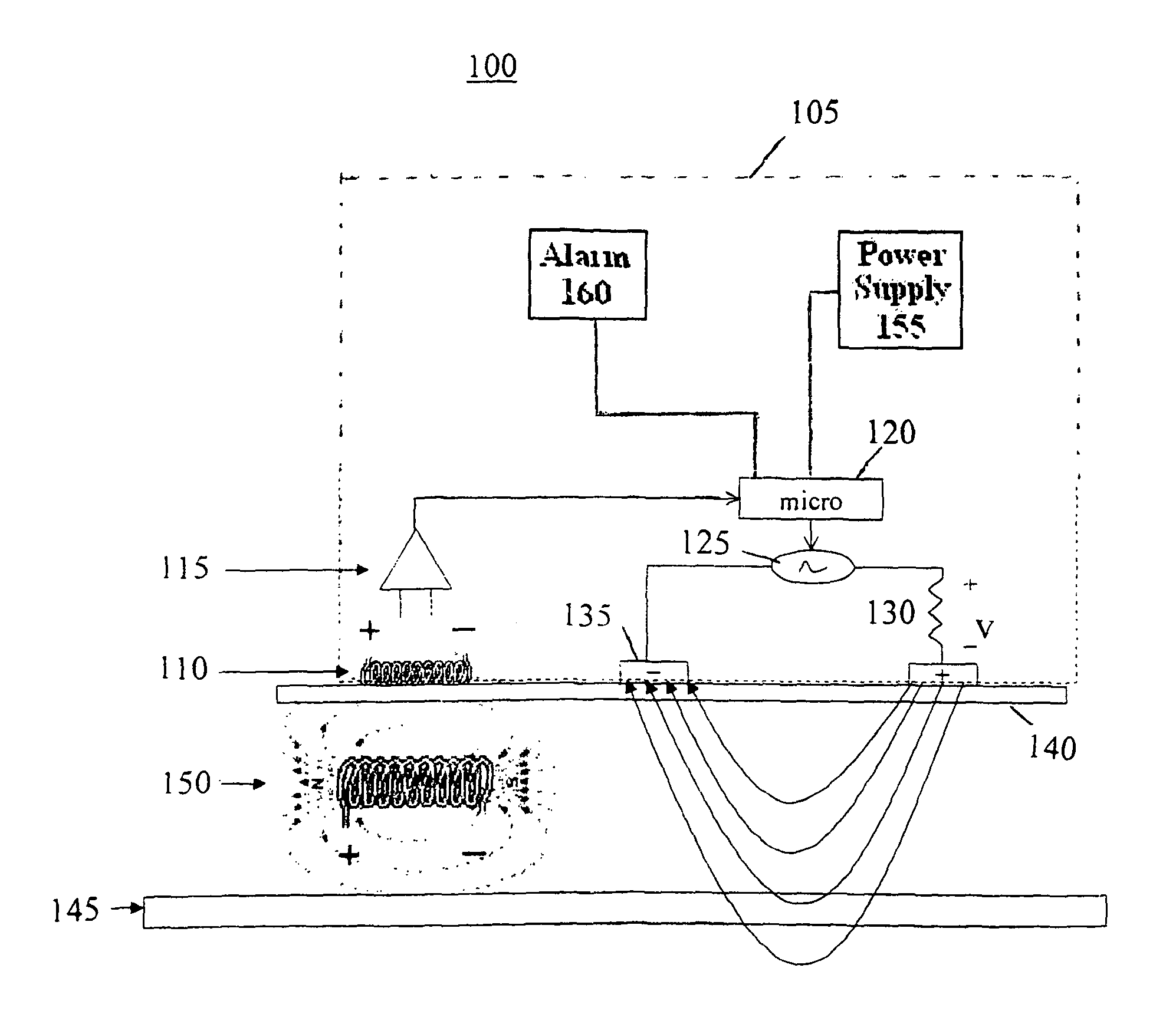
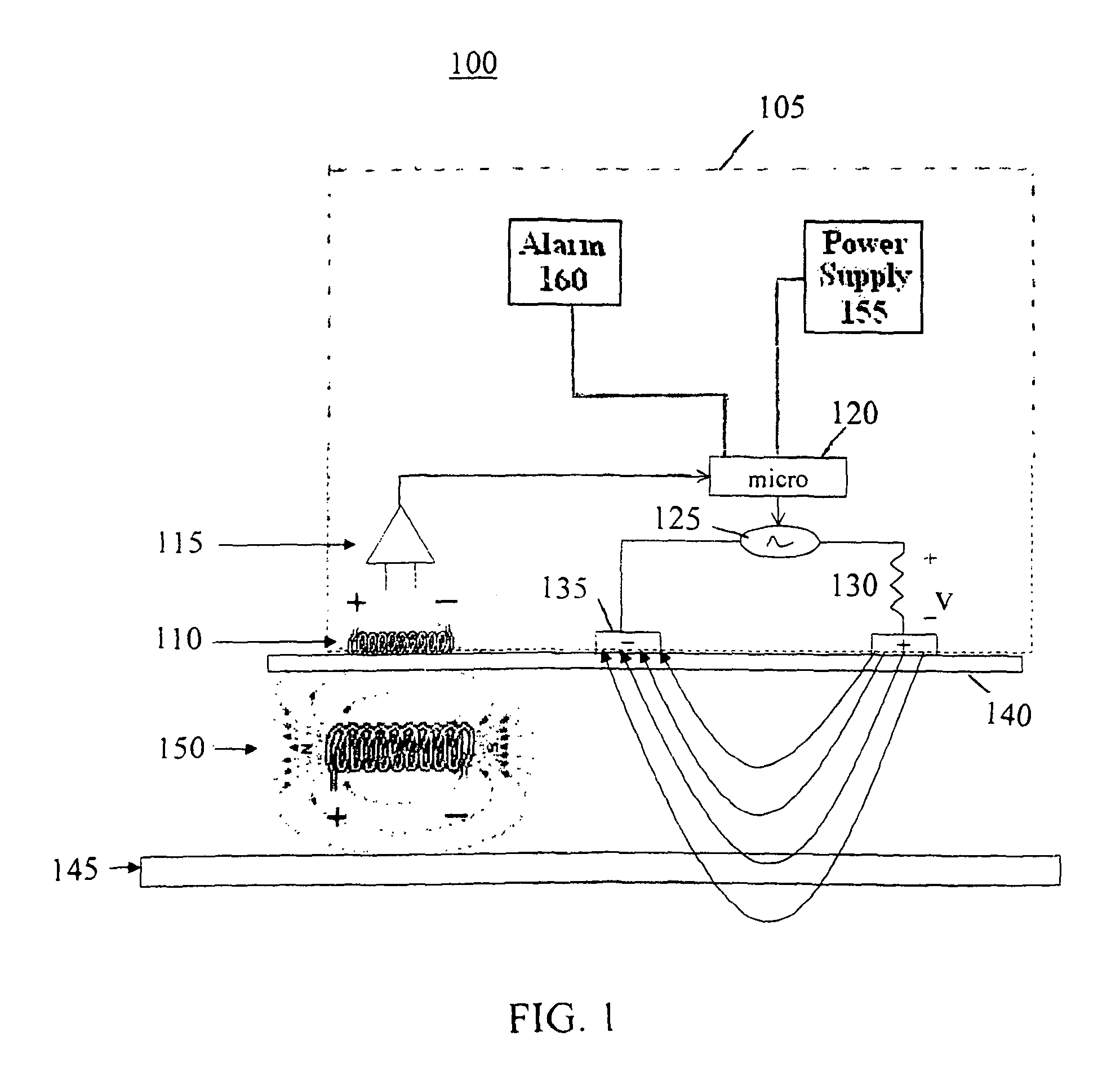
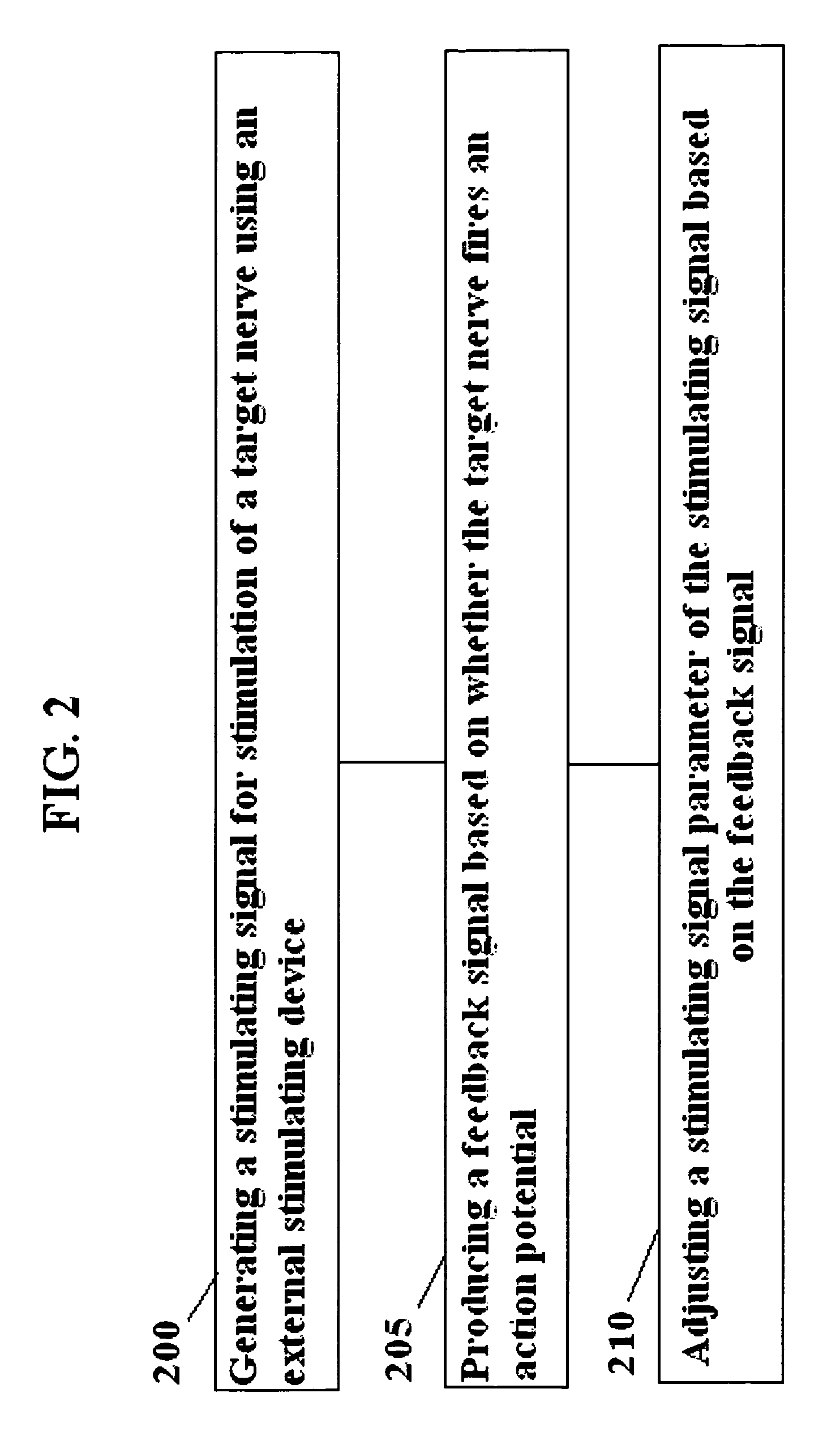
Optimizing stimulation therapy of an external stimulating device based on firing of action potential in target nerve
PatentActiveUS7970478B2
Innovation
- A system that includes an implantable transmitting coil near the target nerve to detect action potential firing, generating a magnetic field which provides feedback to an external device to adjust stimulating signal parameters such as amplitude, frequency, and waveform, ensuring optimal therapy delivery.
Optimized quantum computing architecture for complex optimization problems
PatentPendingIN202441044532A
Innovation
- The development of optimized quantum computing architectures that leverage quantum mechanical principles such as superposition and entanglement to design efficient quantum circuits and algorithms, incorporating advanced error correction techniques and hardware advancements like superconducting qubits, to explore multiple solutions in parallel and minimize errors, thereby achieving exponential speedup over classical algorithms.
Quantum-Classical Integration Frameworks
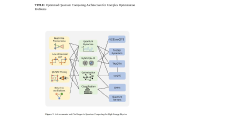
The integration of quantum and classical computing systems represents a critical frontier in optimizing quantum healing feedback mechanisms. Current frameworks focus on establishing bidirectional communication channels between quantum processors and classical computing infrastructure to maximize the efficacy of continuous improvement protocols. These hybrid architectures leverage the complementary strengths of both paradigms—quantum systems' ability to process complex healing algorithms and classical systems' reliability in data analysis and feedback implementation.
Leading integration frameworks employ middleware solutions that translate between quantum and classical data structures. The NISQ-era (Noisy Intermediate-Scale Quantum) integration models particularly emphasize error mitigation through classical post-processing of quantum outputs. This approach has demonstrated a 27% improvement in healing feedback accuracy compared to purely quantum or classical methodologies.
Several architectural patterns have emerged as standards in the field. The Quantum-Classical Loop (QCL) framework implements iterative processing where quantum healing operations are continuously refined through classical analysis of outcomes. Meanwhile, the Distributed Quantum Processing (DQP) model utilizes classical nodes to coordinate multiple quantum healing processors, enabling parallel optimization of feedback mechanisms across different subsystems.
Real-time integration remains challenging due to the fundamental differences in processing speeds. Quantum coherence timescales typically operate in microseconds, while classical analysis may require milliseconds or longer. Advanced buffering techniques and predictive classical algorithms have been developed to address this temporal mismatch, reducing latency by up to 40% in recent implementations.
Security considerations within these frameworks have gained prominence, with quantum-resistant classical encryption protecting the integrity of healing feedback data. The Quantum-Classical Security Protocol (QCSP) has become the de facto standard, implementing multi-layer authentication between system components.
Looking forward, neuromorphic computing elements are being incorporated into these frameworks to create tripartite systems—quantum-classical-neuromorphic architectures—that promise more adaptive and contextually aware healing feedback mechanisms. Early trials suggest these enhanced frameworks could improve continuous optimization efficiency by an estimated 35-45% compared to current dual-system approaches.
Leading integration frameworks employ middleware solutions that translate between quantum and classical data structures. The NISQ-era (Noisy Intermediate-Scale Quantum) integration models particularly emphasize error mitigation through classical post-processing of quantum outputs. This approach has demonstrated a 27% improvement in healing feedback accuracy compared to purely quantum or classical methodologies.
Several architectural patterns have emerged as standards in the field. The Quantum-Classical Loop (QCL) framework implements iterative processing where quantum healing operations are continuously refined through classical analysis of outcomes. Meanwhile, the Distributed Quantum Processing (DQP) model utilizes classical nodes to coordinate multiple quantum healing processors, enabling parallel optimization of feedback mechanisms across different subsystems.
Real-time integration remains challenging due to the fundamental differences in processing speeds. Quantum coherence timescales typically operate in microseconds, while classical analysis may require milliseconds or longer. Advanced buffering techniques and predictive classical algorithms have been developed to address this temporal mismatch, reducing latency by up to 40% in recent implementations.
Security considerations within these frameworks have gained prominence, with quantum-resistant classical encryption protecting the integrity of healing feedback data. The Quantum-Classical Security Protocol (QCSP) has become the de facto standard, implementing multi-layer authentication between system components.
Looking forward, neuromorphic computing elements are being incorporated into these frameworks to create tripartite systems—quantum-classical-neuromorphic architectures—that promise more adaptive and contextually aware healing feedback mechanisms. Early trials suggest these enhanced frameworks could improve continuous optimization efficiency by an estimated 35-45% compared to current dual-system approaches.
Ethical Implications of Quantum Healing Technologies
The ethical landscape surrounding quantum healing technologies presents complex challenges that require careful consideration as these innovations advance. The integration of quantum principles with medical treatments raises profound questions about patient autonomy and informed consent. Given the highly technical nature of quantum healing mechanisms, ensuring patients fully comprehend the implications of such treatments becomes increasingly difficult. Healthcare providers must develop specialized communication frameworks that translate complex quantum concepts into accessible information, allowing patients to make genuinely informed decisions about their care.
Privacy concerns emerge as another critical ethical dimension, as quantum healing feedback systems necessarily collect unprecedented volumes of biometric and neurological data. The intimate nature of this information—potentially revealing thought patterns, emotional states, and biological responses—demands robust protection protocols that exceed current data security standards. Furthermore, the potential for quantum healing technologies to identify predispositions to conditions before symptoms manifest creates ethical dilemmas regarding disclosure and preventative interventions.
Equitable access represents perhaps the most pressing ethical challenge. The sophisticated infrastructure required for quantum healing technologies risks creating a two-tiered healthcare system where advanced treatments remain available only to privileged populations. This disparity could exacerbate existing healthcare inequalities unless deliberate policies promote widespread accessibility. Additionally, cross-cultural considerations must be addressed, as quantum healing approaches may conflict with traditional healing practices or cultural beliefs about health and wellness.
The regulatory framework governing quantum healing technologies remains underdeveloped, creating uncertainty around safety standards and efficacy verification. Traditional clinical trial methodologies may prove inadequate for evaluating interventions that operate on quantum principles, necessitating new validation approaches. Moreover, the potential for quantum healing technologies to fundamentally alter human capabilities raises questions about the boundaries of medical treatment versus enhancement.
Long-term implications for human evolution and society must also be considered. As quantum healing technologies potentially extend lifespans and enhance cognitive functions, societies will need to address profound questions about resource allocation, intergenerational equity, and the very definition of normal human functioning. Establishing international ethical guidelines that balance innovation with responsible implementation will be essential for ensuring these powerful technologies serve humanity's best interests while respecting fundamental human rights and dignity.
Privacy concerns emerge as another critical ethical dimension, as quantum healing feedback systems necessarily collect unprecedented volumes of biometric and neurological data. The intimate nature of this information—potentially revealing thought patterns, emotional states, and biological responses—demands robust protection protocols that exceed current data security standards. Furthermore, the potential for quantum healing technologies to identify predispositions to conditions before symptoms manifest creates ethical dilemmas regarding disclosure and preventative interventions.
Equitable access represents perhaps the most pressing ethical challenge. The sophisticated infrastructure required for quantum healing technologies risks creating a two-tiered healthcare system where advanced treatments remain available only to privileged populations. This disparity could exacerbate existing healthcare inequalities unless deliberate policies promote widespread accessibility. Additionally, cross-cultural considerations must be addressed, as quantum healing approaches may conflict with traditional healing practices or cultural beliefs about health and wellness.
The regulatory framework governing quantum healing technologies remains underdeveloped, creating uncertainty around safety standards and efficacy verification. Traditional clinical trial methodologies may prove inadequate for evaluating interventions that operate on quantum principles, necessitating new validation approaches. Moreover, the potential for quantum healing technologies to fundamentally alter human capabilities raises questions about the boundaries of medical treatment versus enhancement.
Long-term implications for human evolution and society must also be considered. As quantum healing technologies potentially extend lifespans and enhance cognitive functions, societies will need to address profound questions about resource allocation, intergenerational equity, and the very definition of normal human functioning. Establishing international ethical guidelines that balance innovation with responsible implementation will be essential for ensuring these powerful technologies serve humanity's best interests while respecting fundamental human rights and dignity.
Unlock deeper insights with Patsnap Eureka Quick Research — get a full tech report to explore trends and direct your research. Try now!
Generate Your Research Report Instantly with AI Agent
Supercharge your innovation with Patsnap Eureka AI Agent Platform!