

Optimizing Sputtering Techniques for Glass Substrate Coatings
JUN 3, 20269 MIN READ
Generate Your Research Report Instantly with AI Agent
PatSnap Eureka helps you evaluate technical feasibility & market potential.
Glass Sputtering Technology Background and Objectives
Glass sputtering technology has emerged as a cornerstone of modern thin-film deposition processes, fundamentally transforming how functional coatings are applied to glass substrates across diverse industrial applications. This physical vapor deposition technique involves the bombardment of target materials with energetic ions, typically argon, causing atoms to be ejected and subsequently deposited onto glass surfaces to form uniform, adherent thin films.
The evolution of sputtering technology traces back to the mid-19th century when Grove first observed the phenomenon, but its practical application to glass coating began gaining momentum in the 1960s with the development of planar magnetron systems. The introduction of magnetron sputtering revolutionized the field by confining plasma near the target surface, dramatically improving deposition rates while reducing substrate heating—a critical advancement for temperature-sensitive glass substrates.
Contemporary glass sputtering applications span an impressive range of industries, from architectural glazing and automotive glass to advanced optical components and electronic displays. The technology enables the deposition of various materials including metals, oxides, nitrides, and complex multilayer structures, each serving specific functional requirements such as solar control, electromagnetic shielding, anti-reflection properties, or electrical conductivity.
The primary technical objectives driving current optimization efforts center on achieving superior film uniformity across large-area substrates, enhancing deposition rate efficiency, and maintaining precise control over film stoichiometry and microstructure. These goals are particularly challenging when dealing with reactive sputtering processes, where the introduction of reactive gases like oxygen or nitrogen can significantly alter plasma dynamics and target surface conditions.
Advanced process control has become increasingly critical as substrate sizes continue to expand and coating specifications become more stringent. Modern systems integrate real-time monitoring capabilities, including optical emission spectroscopy and mass spectrometry, to maintain consistent process conditions and film properties throughout production runs.
The strategic importance of optimizing glass sputtering techniques extends beyond mere process improvement, encompassing broader objectives of energy efficiency, environmental sustainability, and cost-effectiveness. As global demand for high-performance coated glass products continues to grow, particularly in energy-efficient building applications and next-generation display technologies, the development of more sophisticated sputtering methodologies becomes essential for maintaining competitive advantage and meeting evolving market requirements.
The evolution of sputtering technology traces back to the mid-19th century when Grove first observed the phenomenon, but its practical application to glass coating began gaining momentum in the 1960s with the development of planar magnetron systems. The introduction of magnetron sputtering revolutionized the field by confining plasma near the target surface, dramatically improving deposition rates while reducing substrate heating—a critical advancement for temperature-sensitive glass substrates.
Contemporary glass sputtering applications span an impressive range of industries, from architectural glazing and automotive glass to advanced optical components and electronic displays. The technology enables the deposition of various materials including metals, oxides, nitrides, and complex multilayer structures, each serving specific functional requirements such as solar control, electromagnetic shielding, anti-reflection properties, or electrical conductivity.
The primary technical objectives driving current optimization efforts center on achieving superior film uniformity across large-area substrates, enhancing deposition rate efficiency, and maintaining precise control over film stoichiometry and microstructure. These goals are particularly challenging when dealing with reactive sputtering processes, where the introduction of reactive gases like oxygen or nitrogen can significantly alter plasma dynamics and target surface conditions.
Advanced process control has become increasingly critical as substrate sizes continue to expand and coating specifications become more stringent. Modern systems integrate real-time monitoring capabilities, including optical emission spectroscopy and mass spectrometry, to maintain consistent process conditions and film properties throughout production runs.
The strategic importance of optimizing glass sputtering techniques extends beyond mere process improvement, encompassing broader objectives of energy efficiency, environmental sustainability, and cost-effectiveness. As global demand for high-performance coated glass products continues to grow, particularly in energy-efficient building applications and next-generation display technologies, the development of more sophisticated sputtering methodologies becomes essential for maintaining competitive advantage and meeting evolving market requirements.
Market Demand for Advanced Glass Coating Solutions
The global glass coating market is experiencing unprecedented growth driven by multiple converging technological and societal trends. Advanced glass coating solutions have become essential components across diverse industries, with demand particularly accelerating in architectural applications, automotive manufacturing, electronics, and renewable energy sectors. The architectural glass segment represents the largest market share, fueled by increasing emphasis on energy-efficient building designs and smart glass technologies that respond to environmental conditions.
Automotive industry demand continues to expand as manufacturers integrate sophisticated glass coatings for enhanced safety, comfort, and aesthetic appeal. Anti-reflective coatings, hydrophobic treatments, and electrochromic glass solutions are becoming standard features in premium vehicles, with adoption rates increasing across mid-range segments. The shift toward electric vehicles has further intensified demand for specialized glass coatings that optimize thermal management and reduce energy consumption.
Consumer electronics represent another rapidly growing market segment, where ultra-thin, durable coatings enable touchscreen functionality, scratch resistance, and optical clarity. The proliferation of smartphones, tablets, and wearable devices has created sustained demand for precision glass coating solutions that meet increasingly stringent performance requirements while maintaining cost-effectiveness.
Solar energy applications constitute a high-growth niche market, where anti-reflective and self-cleaning coatings significantly improve photovoltaic panel efficiency and longevity. As renewable energy adoption accelerates globally, demand for specialized solar glass coatings continues to outpace supply capabilities, creating opportunities for advanced sputtering technologies.
Market dynamics are increasingly favoring coating solutions that offer multifunctional properties, combining optical performance with durability, environmental resistance, and smart functionality. End-users are demanding coatings that can simultaneously provide anti-reflective properties, easy cleaning capabilities, and enhanced mechanical strength. This trend toward multifunctional coatings is driving innovation in sputtering techniques and material compositions.
Geographic demand patterns show strong growth in Asia-Pacific regions, particularly China, South Korea, and Japan, where electronics manufacturing and construction activities remain robust. European markets emphasize sustainability and energy efficiency, driving demand for environmentally friendly coating processes and materials. North American markets focus on high-performance applications in aerospace, defense, and advanced automotive segments.
The market is also witnessing increased demand for customized coating solutions tailored to specific application requirements, moving away from standardized products toward engineered solutions that address unique performance challenges in specialized environments.
Automotive industry demand continues to expand as manufacturers integrate sophisticated glass coatings for enhanced safety, comfort, and aesthetic appeal. Anti-reflective coatings, hydrophobic treatments, and electrochromic glass solutions are becoming standard features in premium vehicles, with adoption rates increasing across mid-range segments. The shift toward electric vehicles has further intensified demand for specialized glass coatings that optimize thermal management and reduce energy consumption.
Consumer electronics represent another rapidly growing market segment, where ultra-thin, durable coatings enable touchscreen functionality, scratch resistance, and optical clarity. The proliferation of smartphones, tablets, and wearable devices has created sustained demand for precision glass coating solutions that meet increasingly stringent performance requirements while maintaining cost-effectiveness.
Solar energy applications constitute a high-growth niche market, where anti-reflective and self-cleaning coatings significantly improve photovoltaic panel efficiency and longevity. As renewable energy adoption accelerates globally, demand for specialized solar glass coatings continues to outpace supply capabilities, creating opportunities for advanced sputtering technologies.
Market dynamics are increasingly favoring coating solutions that offer multifunctional properties, combining optical performance with durability, environmental resistance, and smart functionality. End-users are demanding coatings that can simultaneously provide anti-reflective properties, easy cleaning capabilities, and enhanced mechanical strength. This trend toward multifunctional coatings is driving innovation in sputtering techniques and material compositions.
Geographic demand patterns show strong growth in Asia-Pacific regions, particularly China, South Korea, and Japan, where electronics manufacturing and construction activities remain robust. European markets emphasize sustainability and energy efficiency, driving demand for environmentally friendly coating processes and materials. North American markets focus on high-performance applications in aerospace, defense, and advanced automotive segments.
The market is also witnessing increased demand for customized coating solutions tailored to specific application requirements, moving away from standardized products toward engineered solutions that address unique performance challenges in specialized environments.
Current Sputtering Challenges on Glass Substrates
Glass substrate sputtering faces significant thermal management challenges due to the inherently low thermal conductivity and high thermal expansion coefficient of glass materials. During the sputtering process, excessive heat accumulation can cause substrate warping, stress-induced cracking, and dimensional instability. The temperature gradient across large glass substrates often leads to non-uniform coating properties, particularly problematic for applications requiring precise optical or electrical characteristics.
Adhesion between sputtered thin films and glass substrates remains a persistent challenge, especially for metallic and ceramic coatings. The smooth, chemically inert surface of glass provides limited bonding sites, resulting in poor interfacial adhesion. This issue is exacerbated when coating thickness increases or when substrates undergo thermal cycling, leading to delamination and coating failure in practical applications.
Achieving uniform coating thickness across large-area glass substrates presents substantial technical difficulties. Traditional magnetron sputtering systems often exhibit non-uniform plasma distribution, resulting in thickness variations that can exceed acceptable tolerances for high-precision applications. Edge effects and shadowing phenomena further complicate uniformity control, particularly for complex substrate geometries or three-dimensional glass components.
Contamination control represents another critical challenge in glass substrate sputtering. Glass surfaces are prone to moisture absorption and organic contamination, which can significantly impact coating quality and adhesion. The outgassing characteristics of glass materials during sputtering can introduce unwanted impurities into the coating, affecting both optical and electrical properties of the final product.
Process parameter optimization for glass substrates requires careful balancing of multiple competing factors. Low-temperature processing necessary to prevent glass deformation often conflicts with requirements for high-quality crystalline coatings. Power density limitations to avoid substrate damage can result in reduced deposition rates and compromised coating properties, creating trade-offs between process efficiency and product quality.
Target utilization efficiency in glass substrate sputtering systems typically suffers from the need for gentler processing conditions. Lower power densities and modified magnetic field configurations required for glass compatibility often lead to reduced target material utilization and increased production costs. Additionally, the need for specialized substrate handling and temperature control systems adds complexity to the overall sputtering process.
Adhesion between sputtered thin films and glass substrates remains a persistent challenge, especially for metallic and ceramic coatings. The smooth, chemically inert surface of glass provides limited bonding sites, resulting in poor interfacial adhesion. This issue is exacerbated when coating thickness increases or when substrates undergo thermal cycling, leading to delamination and coating failure in practical applications.
Achieving uniform coating thickness across large-area glass substrates presents substantial technical difficulties. Traditional magnetron sputtering systems often exhibit non-uniform plasma distribution, resulting in thickness variations that can exceed acceptable tolerances for high-precision applications. Edge effects and shadowing phenomena further complicate uniformity control, particularly for complex substrate geometries or three-dimensional glass components.
Contamination control represents another critical challenge in glass substrate sputtering. Glass surfaces are prone to moisture absorption and organic contamination, which can significantly impact coating quality and adhesion. The outgassing characteristics of glass materials during sputtering can introduce unwanted impurities into the coating, affecting both optical and electrical properties of the final product.
Process parameter optimization for glass substrates requires careful balancing of multiple competing factors. Low-temperature processing necessary to prevent glass deformation often conflicts with requirements for high-quality crystalline coatings. Power density limitations to avoid substrate damage can result in reduced deposition rates and compromised coating properties, creating trade-offs between process efficiency and product quality.
Target utilization efficiency in glass substrate sputtering systems typically suffers from the need for gentler processing conditions. Lower power densities and modified magnetic field configurations required for glass compatibility often lead to reduced target material utilization and increased production costs. Additionally, the need for specialized substrate handling and temperature control systems adds complexity to the overall sputtering process.
Current Sputtering Solutions for Glass Applications
01 Magnetron sputtering techniques for glass coating
Magnetron sputtering is a widely used physical vapor deposition technique for applying thin films onto glass substrates. This method utilizes magnetic fields to confine electrons near the target surface, increasing ionization efficiency and deposition rates. The technique allows for precise control of film thickness and uniformity across large glass surfaces, making it suitable for various industrial applications including optical coatings and protective layers.- Magnetron sputtering techniques for glass coating: Magnetron sputtering is a widely used physical vapor deposition technique for applying thin films onto glass substrates. This method utilizes magnetic fields to confine electrons near the target surface, increasing ionization efficiency and deposition rates. The technique allows for precise control of film thickness and uniformity across large glass surfaces, making it suitable for various industrial applications including optical coatings and protective layers.
- Multi-layer coating systems on glass substrates: Multi-layer coating systems involve the sequential deposition of different materials to achieve specific optical, mechanical, or chemical properties. These systems can include combinations of metallic, dielectric, and semiconductor layers that work synergistically to provide enhanced performance characteristics such as improved reflectivity, transmittance, or durability compared to single-layer coatings.
- Reactive sputtering for functional glass coatings: Reactive sputtering involves introducing reactive gases during the sputtering process to form compound films directly on the glass substrate. This technique enables the formation of oxides, nitrides, and other compound materials that provide specific functionalities such as anti-reflective properties, electrical conductivity, or chemical resistance. The process parameters must be carefully controlled to achieve the desired stoichiometry and film properties.
- Low-temperature sputtering processes for glass substrates: Low-temperature sputtering processes are designed to minimize thermal stress on glass substrates during coating deposition. These techniques are particularly important for temperature-sensitive glass materials or when maintaining dimensional stability is critical. Various approaches including pulsed sputtering, substrate cooling, and optimized power delivery systems are employed to achieve high-quality coatings while keeping substrate temperatures low.
- In-line sputtering systems for large-scale glass coating: In-line sputtering systems are designed for continuous, high-throughput coating of glass substrates in industrial production environments. These systems feature multiple sputtering chambers arranged in sequence, allowing for the deposition of complex multi-layer structures while maintaining high production rates. The systems incorporate advanced substrate handling, process control, and quality monitoring capabilities to ensure consistent coating properties across large production volumes.
02 Reactive sputtering processes for functional coatings
Reactive sputtering involves introducing reactive gases during the deposition process to form compound films on glass substrates. This technique enables the creation of oxide, nitride, and carbide coatings with specific functional properties. The process parameters such as gas flow rates, pressure, and power can be optimized to achieve desired stoichiometry and film properties for applications requiring specific optical, electrical, or mechanical characteristics.Expand Specific Solutions03 Multi-layer coating systems and architectures
Advanced glass coating applications often require multi-layer structures to achieve complex functionality. These systems involve sequential deposition of different materials to create interference filters, anti-reflection coatings, or barrier layers. The design and fabrication of such architectures require careful control of individual layer thicknesses and interfaces to optimize overall performance and durability of the coated glass products.Expand Specific Solutions04 Process optimization and substrate preparation
Successful glass substrate coating requires proper surface preparation and process optimization to ensure good adhesion and film quality. This includes cleaning procedures, substrate heating, and control of deposition parameters such as power density, working pressure, and target-to-substrate distance. Advanced monitoring and control systems help maintain consistent coating quality and reduce defects in large-scale production environments.Expand Specific Solutions05 Specialized coating materials and target compositions
The development of specialized sputtering targets and coating materials enables the deposition of advanced functional films on glass substrates. This includes transparent conductive oxides, low-emissivity coatings, and decorative films with specific optical properties. Target composition and microstructure significantly influence the resulting film properties, requiring careful material selection and target manufacturing processes to achieve desired coating performance.Expand Specific Solutions
Major Players in Glass Coating Equipment Industry
The sputtering techniques for glass substrate coatings market represents a mature yet evolving industry currently in its growth phase, driven by expanding applications in displays, automotive, and architectural glass. The market demonstrates substantial scale with established players like Applied Materials, ULVAC, and Corning leading equipment manufacturing, while companies such as LG Display, AUO Corp., and TCL China Star dominate downstream applications. Technology maturity varies significantly across segments - traditional LCD coating processes are well-established through companies like AGC and Guardian Glass, while emerging applications in flexible displays and advanced optical coatings show rapid innovation. Specialized material suppliers including Tosoh SMD, Mimsi Materials, and Grinm Guojing are advancing target materials technology, indicating strong competitive dynamics. The presence of both established giants and innovative specialists suggests a healthy ecosystem with opportunities for technological differentiation and market expansion.
Cardinal CG Co.
Technical Solution: Cardinal CG focuses on high-volume production sputtering systems for architectural glass coatings, implementing dual magnetron sputtering technology that enables simultaneous deposition of metallic and dielectric layers. Their systems feature advanced power supply control with pulsed DC and RF capabilities, allowing for reactive sputtering of complex oxide films while minimizing target poisoning effects. The company has developed proprietary cathode designs that improve coating uniformity and reduce particle generation, while their automated substrate handling systems enable continuous production with minimal downtime. Their process optimization includes real-time thickness monitoring and closed-loop control systems that maintain coating specifications within tight tolerances.
Strengths: High-volume production capabilities with excellent process control and automation. Weaknesses: Limited flexibility for research applications and high initial setup costs for specialized coatings.
ULVAC, Inc.
Technical Solution: ULVAC specializes in large-area sputtering systems for architectural and automotive glass coatings, utilizing their proprietary rotary cathode technology that extends target life by up to 300% compared to conventional planar magnetrons. Their systems feature advanced substrate heating and cooling capabilities, enabling precise temperature control during deposition to optimize film stress and adhesion properties. The company's sputtering solutions incorporate in-situ monitoring systems with optical emission spectroscopy for real-time process control, and their modular chamber design allows for flexible coating stack configurations including low-emissivity and solar control coatings.
Strengths: Extended target utilization and flexible system configurations for various coating applications. Weaknesses: Limited presence in emerging markets and higher maintenance complexity for rotary systems.
Core Innovations in Glass Substrate Sputtering Patents
Sputtering method and apparatus for depositing a coating onto substrate
PatentInactiveUS6423191B1
Innovation
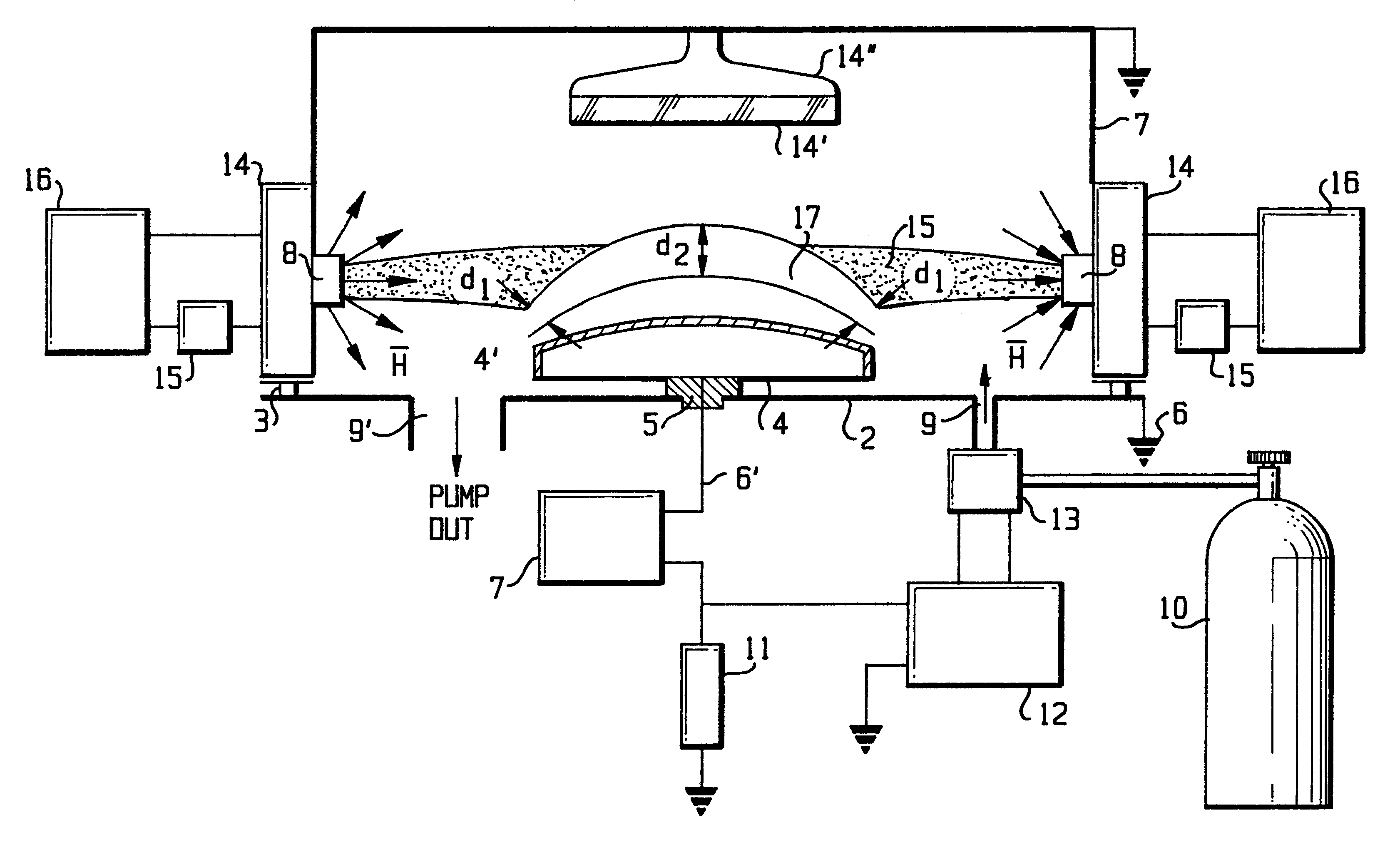
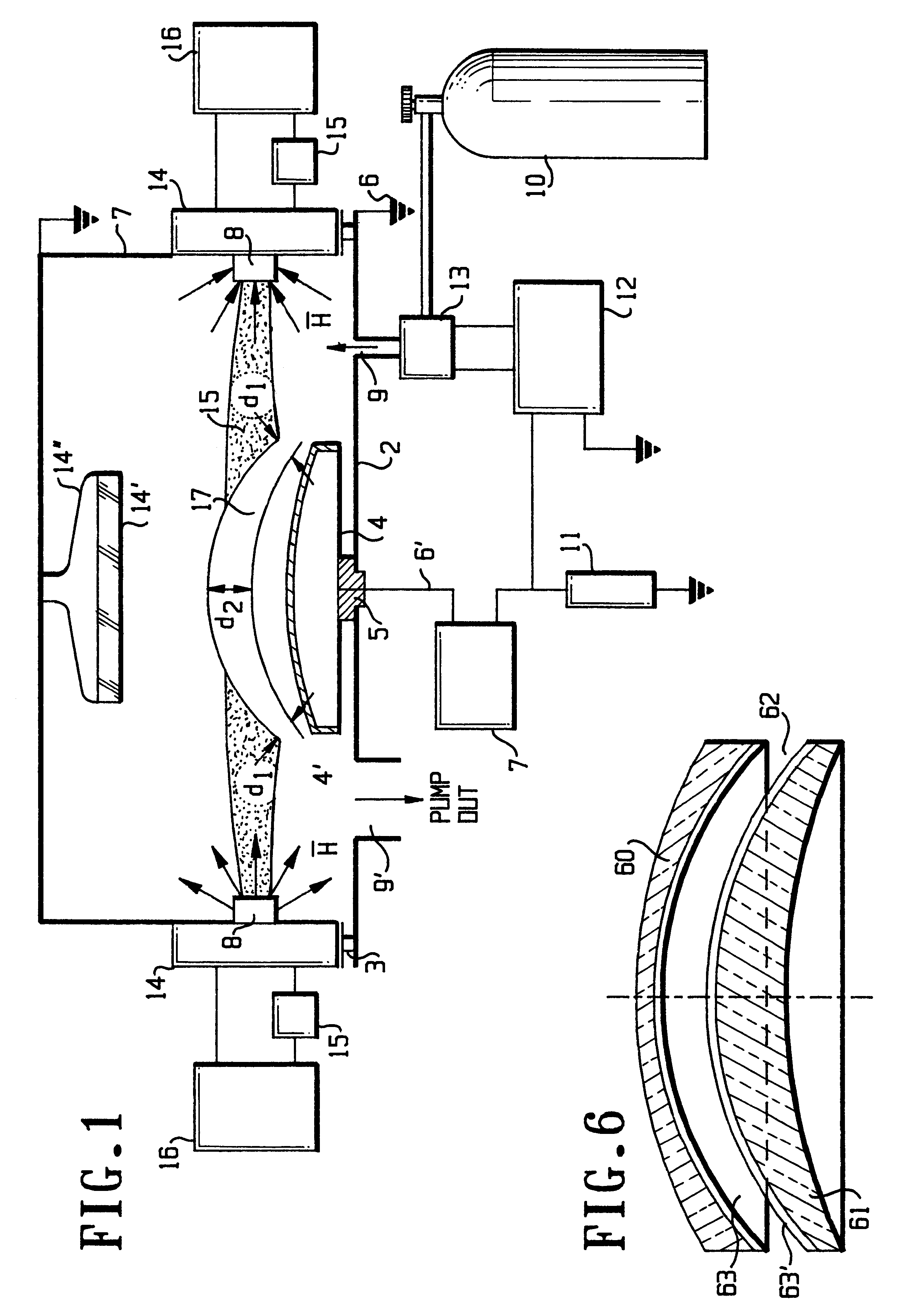
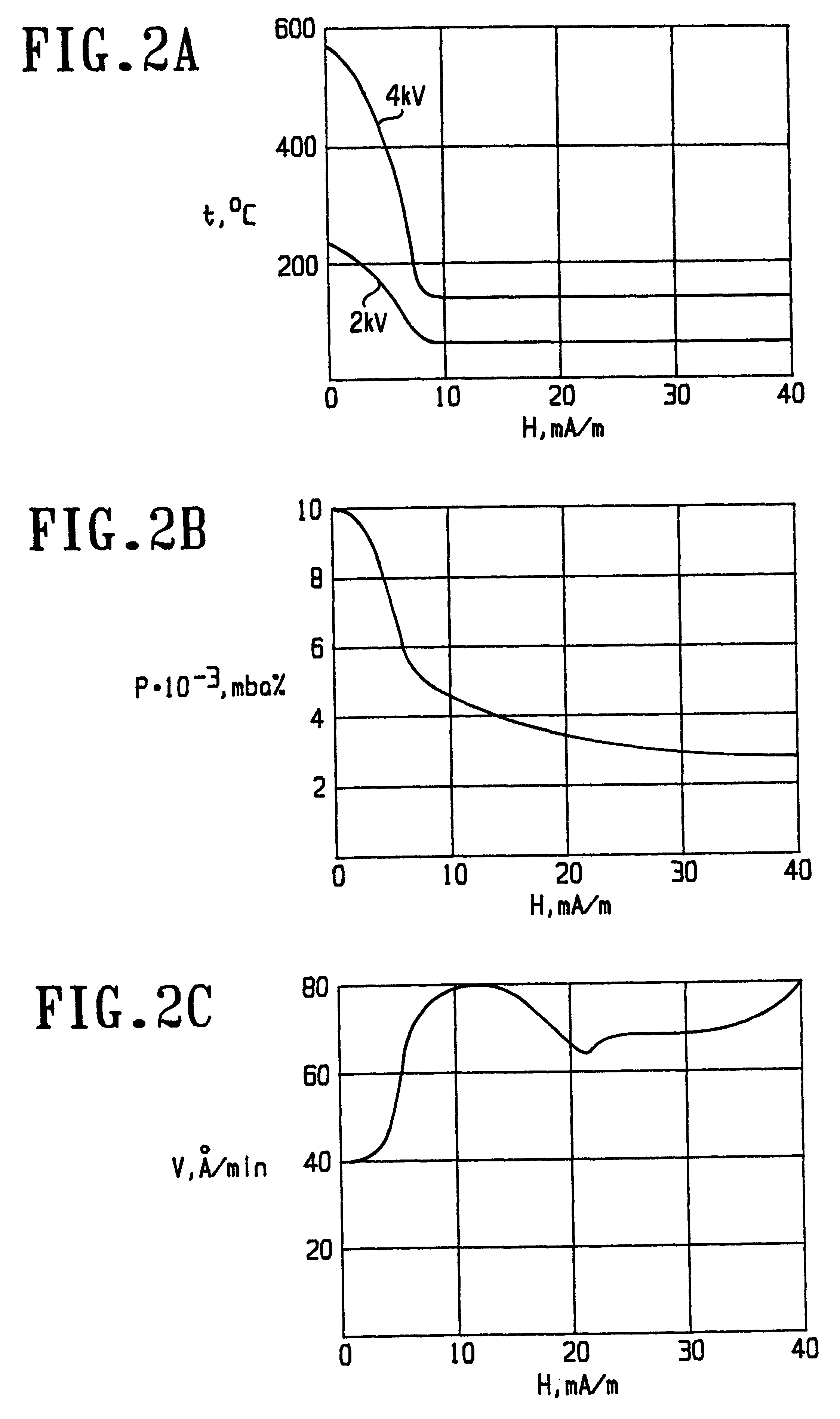
- A diode sputtering method and apparatus that utilizes a magnetic field to shift plasma away from the substrate, allowing for high voltage application while maintaining low chamber pressures, reducing substrate heating, and achieving uniform coating by varying the magnetic field strength and orientation to focus and localize the plasma.

Plant and method for sputtering a substrate using a dopant material
PatentWO2015104361A1
Innovation
- A sputtering plant and method utilizing a sputtering target with a dopant material such as hafnium, tantalum, tungsten, rhenium, osmium, or iridium to amplify sputtering yield, enhancing deposition rates while maintaining the refractive index and optical properties of titanium dioxide coatings on glass substrates.


Environmental Regulations for Coating Processes
The sputtering industry for glass substrate coatings operates under increasingly stringent environmental regulations that significantly impact process design and operational procedures. These regulations primarily focus on controlling emissions of volatile organic compounds (VOCs), particulate matter, and hazardous air pollutants generated during coating processes. The Clean Air Act and its amendments establish baseline requirements for industrial coating operations, while regional authorities often impose additional restrictions based on local air quality standards.
Waste management regulations constitute another critical compliance area, particularly regarding the handling and disposal of target materials, process chemicals, and contaminated substrates. The Resource Conservation and Recovery Act (RCRA) classifies certain sputtering materials as hazardous waste, requiring specialized treatment and disposal protocols. Companies must maintain detailed waste tracking documentation and partner with certified disposal facilities to ensure regulatory compliance.
Water discharge regulations affect facilities utilizing wet cleaning processes or cooling systems in their sputtering operations. The Clean Water Act mandates treatment of process wastewater to remove heavy metals and chemical contaminants before discharge. Many facilities implement closed-loop water systems to minimize environmental impact and reduce regulatory burden.
Occupational safety regulations intersect with environmental compliance, particularly regarding worker exposure to target materials and process gases. OSHA standards require comprehensive monitoring of workplace air quality and implementation of engineering controls to minimize exposure risks. These requirements often drive adoption of enclosed sputtering systems and advanced ventilation technologies.
Emerging regulations focus on greenhouse gas emissions and energy efficiency in manufacturing processes. Carbon footprint reporting requirements are becoming more prevalent, encouraging facilities to optimize power consumption and implement renewable energy sources. Some jurisdictions are introducing carbon pricing mechanisms that directly impact operational costs for energy-intensive sputtering processes.
International facilities must navigate varying regulatory frameworks, with European REACH regulations being particularly comprehensive in their approach to chemical substance management. These regulations require extensive documentation of material safety data and may restrict use of certain target materials or process chemicals, influencing global supply chain decisions and technology development priorities.
Waste management regulations constitute another critical compliance area, particularly regarding the handling and disposal of target materials, process chemicals, and contaminated substrates. The Resource Conservation and Recovery Act (RCRA) classifies certain sputtering materials as hazardous waste, requiring specialized treatment and disposal protocols. Companies must maintain detailed waste tracking documentation and partner with certified disposal facilities to ensure regulatory compliance.
Water discharge regulations affect facilities utilizing wet cleaning processes or cooling systems in their sputtering operations. The Clean Water Act mandates treatment of process wastewater to remove heavy metals and chemical contaminants before discharge. Many facilities implement closed-loop water systems to minimize environmental impact and reduce regulatory burden.
Occupational safety regulations intersect with environmental compliance, particularly regarding worker exposure to target materials and process gases. OSHA standards require comprehensive monitoring of workplace air quality and implementation of engineering controls to minimize exposure risks. These requirements often drive adoption of enclosed sputtering systems and advanced ventilation technologies.
Emerging regulations focus on greenhouse gas emissions and energy efficiency in manufacturing processes. Carbon footprint reporting requirements are becoming more prevalent, encouraging facilities to optimize power consumption and implement renewable energy sources. Some jurisdictions are introducing carbon pricing mechanisms that directly impact operational costs for energy-intensive sputtering processes.
International facilities must navigate varying regulatory frameworks, with European REACH regulations being particularly comprehensive in their approach to chemical substance management. These regulations require extensive documentation of material safety data and may restrict use of certain target materials or process chemicals, influencing global supply chain decisions and technology development priorities.
Quality Standards for Glass Coating Performance
Quality standards for glass coating performance represent a critical framework that ensures consistent, reliable, and durable coating applications across various industrial sectors. These standards encompass multiple performance metrics that directly correlate with the effectiveness of sputtering optimization techniques, establishing benchmarks for optical clarity, mechanical durability, and functional longevity.
Optical performance standards constitute the primary evaluation criteria for glass substrate coatings. Transmittance levels must typically exceed 90% for visible light applications, while reflectance characteristics should remain within specified tolerances depending on the intended application. Surface roughness parameters, measured in nanometer scales, directly impact light scattering properties and overall optical quality. Haze measurements, typically maintained below 1% for high-performance applications, ensure minimal visual distortion and maximum clarity.
Adhesion strength requirements form another fundamental quality parameter, with standards typically demanding pull-off strengths exceeding 10 MPa for architectural applications and up to 25 MPa for automotive glass coatings. Cross-hatch adhesion tests must demonstrate minimal coating delamination, with acceptable performance levels showing less than 5% coating loss under standardized testing conditions.
Durability standards encompass environmental resistance testing, including thermal cycling between -40°C and +85°C for automotive applications, humidity exposure at 85% relative humidity for 1000 hours, and salt spray resistance for marine environments. UV exposure testing requires coatings to maintain performance characteristics after 2000 hours of accelerated weathering without significant degradation in optical or mechanical properties.
Chemical resistance standards mandate that coatings withstand exposure to common cleaning agents, industrial solvents, and atmospheric pollutants without compromising performance. Scratch resistance testing, typically performed using standardized steel wool or diamond stylus methods, ensures coatings maintain integrity under normal handling and cleaning procedures.
Electrical performance criteria apply to functional coatings, with sheet resistance values maintained within ±10% of specified targets and electrical continuity preserved across the entire substrate surface. These comprehensive quality standards provide the foundation for evaluating and optimizing sputtering process parameters to achieve consistent, high-performance glass coating applications.
Optical performance standards constitute the primary evaluation criteria for glass substrate coatings. Transmittance levels must typically exceed 90% for visible light applications, while reflectance characteristics should remain within specified tolerances depending on the intended application. Surface roughness parameters, measured in nanometer scales, directly impact light scattering properties and overall optical quality. Haze measurements, typically maintained below 1% for high-performance applications, ensure minimal visual distortion and maximum clarity.
Adhesion strength requirements form another fundamental quality parameter, with standards typically demanding pull-off strengths exceeding 10 MPa for architectural applications and up to 25 MPa for automotive glass coatings. Cross-hatch adhesion tests must demonstrate minimal coating delamination, with acceptable performance levels showing less than 5% coating loss under standardized testing conditions.
Durability standards encompass environmental resistance testing, including thermal cycling between -40°C and +85°C for automotive applications, humidity exposure at 85% relative humidity for 1000 hours, and salt spray resistance for marine environments. UV exposure testing requires coatings to maintain performance characteristics after 2000 hours of accelerated weathering without significant degradation in optical or mechanical properties.
Chemical resistance standards mandate that coatings withstand exposure to common cleaning agents, industrial solvents, and atmospheric pollutants without compromising performance. Scratch resistance testing, typically performed using standardized steel wool or diamond stylus methods, ensures coatings maintain integrity under normal handling and cleaning procedures.
Electrical performance criteria apply to functional coatings, with sheet resistance values maintained within ±10% of specified targets and electrical continuity preserved across the entire substrate surface. These comprehensive quality standards provide the foundation for evaluating and optimizing sputtering process parameters to achieve consistent, high-performance glass coating applications.
Unlock deeper insights with PatSnap Eureka Quick Research — get a full tech report to explore trends and direct your research. Try now!
Generate Your Research Report Instantly with AI Agent
Supercharge your innovation with PatSnap Eureka AI Agent Platform!