Optimizing Wheatstone Bridge Load Capacity for Heavy-Duty Applications
MAR 24, 20268 MIN READ
Generate Your Research Report Instantly with AI Agent
PatSnap Eureka helps you evaluate technical feasibility & market potential.
Wheatstone Bridge Heavy-Duty Load Sensing Background and Objectives
The Wheatstone bridge circuit, first introduced by Sir Charles Wheatstone in 1843, has evolved from a simple electrical measurement tool into a cornerstone technology for precision load sensing applications. Originally designed for measuring electrical resistance with high accuracy, this fundamental circuit configuration has found extensive applications in strain gauge-based load cells, pressure sensors, and force measurement systems across diverse industrial sectors.
In heavy-duty applications, the demand for robust and reliable load sensing solutions has intensified significantly over the past decades. Industries such as aerospace, automotive manufacturing, construction equipment, mining operations, and industrial automation require load sensing systems capable of withstanding extreme environmental conditions while maintaining exceptional measurement precision. These applications often involve loads ranging from several tons to hundreds of tons, operating in harsh environments characterized by temperature fluctuations, vibrations, electromagnetic interference, and corrosive substances.
The evolution of Wheatstone bridge technology has been driven by the increasing complexity of modern industrial processes and the growing emphasis on safety, efficiency, and automation. Traditional load sensing solutions often fall short in heavy-duty scenarios due to limitations in load capacity, environmental resilience, signal stability, and long-term reliability. The integration of advanced materials, sophisticated signal conditioning techniques, and digital processing capabilities has opened new possibilities for enhancing bridge circuit performance.
Current technological objectives focus on maximizing the load-bearing capacity of Wheatstone bridge configurations while preserving measurement accuracy and system reliability. Key performance targets include achieving higher sensitivity ratios, improving temperature compensation mechanisms, enhancing signal-to-noise ratios, and developing more robust strain gauge materials capable of withstanding mechanical stress and environmental degradation.
The primary technical challenge lies in balancing competing requirements: increasing load capacity typically involves structural modifications that may compromise sensitivity, while enhancing durability often requires design trade-offs that affect measurement precision. Modern research efforts concentrate on developing innovative bridge topologies, advanced strain gauge geometries, and intelligent compensation algorithms to overcome these fundamental limitations and establish new performance benchmarks for heavy-duty load sensing applications.
In heavy-duty applications, the demand for robust and reliable load sensing solutions has intensified significantly over the past decades. Industries such as aerospace, automotive manufacturing, construction equipment, mining operations, and industrial automation require load sensing systems capable of withstanding extreme environmental conditions while maintaining exceptional measurement precision. These applications often involve loads ranging from several tons to hundreds of tons, operating in harsh environments characterized by temperature fluctuations, vibrations, electromagnetic interference, and corrosive substances.
The evolution of Wheatstone bridge technology has been driven by the increasing complexity of modern industrial processes and the growing emphasis on safety, efficiency, and automation. Traditional load sensing solutions often fall short in heavy-duty scenarios due to limitations in load capacity, environmental resilience, signal stability, and long-term reliability. The integration of advanced materials, sophisticated signal conditioning techniques, and digital processing capabilities has opened new possibilities for enhancing bridge circuit performance.
Current technological objectives focus on maximizing the load-bearing capacity of Wheatstone bridge configurations while preserving measurement accuracy and system reliability. Key performance targets include achieving higher sensitivity ratios, improving temperature compensation mechanisms, enhancing signal-to-noise ratios, and developing more robust strain gauge materials capable of withstanding mechanical stress and environmental degradation.
The primary technical challenge lies in balancing competing requirements: increasing load capacity typically involves structural modifications that may compromise sensitivity, while enhancing durability often requires design trade-offs that affect measurement precision. Modern research efforts concentrate on developing innovative bridge topologies, advanced strain gauge geometries, and intelligent compensation algorithms to overcome these fundamental limitations and establish new performance benchmarks for heavy-duty load sensing applications.
Market Demand for High-Capacity Load Measurement Systems
The global market for high-capacity load measurement systems is experiencing unprecedented growth driven by the expansion of heavy industrial sectors and infrastructure development worldwide. Manufacturing industries, particularly automotive, aerospace, and heavy machinery production, require precise load measurement capabilities that can handle extreme weights while maintaining accuracy. The construction sector's evolution toward larger-scale projects, including mega infrastructure developments and high-rise buildings, has created substantial demand for robust load measurement solutions capable of monitoring structural integrity under massive loads.
Transportation and logistics industries represent another significant demand driver, as the growth of global trade necessitates advanced weighing systems for cargo handling, port operations, and freight management. Modern shipping containers and cargo vessels require load measurement systems that can accurately handle weights exceeding traditional capacity limits while operating in harsh environmental conditions.
The energy sector, particularly renewable energy infrastructure, has emerged as a critical market segment. Wind turbine installations, oil and gas drilling operations, and large-scale solar panel arrays require specialized load measurement systems capable of handling substantial structural loads during installation and ongoing operations. These applications demand exceptional reliability and precision under extreme environmental conditions.
Industrial automation trends are reshaping market requirements, with manufacturers seeking integrated load measurement solutions that can seamlessly connect with digital monitoring systems and provide real-time data analytics. The demand extends beyond simple weight measurement to comprehensive load monitoring systems that can predict maintenance needs and optimize operational efficiency.
Emerging markets in developing economies are contributing significantly to demand growth, as rapid industrialization and infrastructure development create new requirements for heavy-duty load measurement capabilities. Mining operations, steel production facilities, and large-scale manufacturing plants in these regions require robust measurement systems that can withstand demanding operational environments while delivering consistent performance.
The market is also witnessing increased demand for customized solutions tailored to specific industry requirements, reflecting the diverse applications and unique challenges faced by different sectors in heavy-duty load measurement applications.
Transportation and logistics industries represent another significant demand driver, as the growth of global trade necessitates advanced weighing systems for cargo handling, port operations, and freight management. Modern shipping containers and cargo vessels require load measurement systems that can accurately handle weights exceeding traditional capacity limits while operating in harsh environmental conditions.
The energy sector, particularly renewable energy infrastructure, has emerged as a critical market segment. Wind turbine installations, oil and gas drilling operations, and large-scale solar panel arrays require specialized load measurement systems capable of handling substantial structural loads during installation and ongoing operations. These applications demand exceptional reliability and precision under extreme environmental conditions.
Industrial automation trends are reshaping market requirements, with manufacturers seeking integrated load measurement solutions that can seamlessly connect with digital monitoring systems and provide real-time data analytics. The demand extends beyond simple weight measurement to comprehensive load monitoring systems that can predict maintenance needs and optimize operational efficiency.
Emerging markets in developing economies are contributing significantly to demand growth, as rapid industrialization and infrastructure development create new requirements for heavy-duty load measurement capabilities. Mining operations, steel production facilities, and large-scale manufacturing plants in these regions require robust measurement systems that can withstand demanding operational environments while delivering consistent performance.
The market is also witnessing increased demand for customized solutions tailored to specific industry requirements, reflecting the diverse applications and unique challenges faced by different sectors in heavy-duty load measurement applications.
Current State and Challenges of Heavy-Duty Wheatstone Bridge Applications
The current landscape of heavy-duty Wheatstone bridge applications reveals a complex interplay between advancing technological capabilities and persistent engineering limitations. Traditional Wheatstone bridge configurations, while fundamentally sound in principle, face significant constraints when deployed in high-load industrial environments. The primary challenge stems from the inherent sensitivity limitations of conventional strain gauge arrangements, which often struggle to maintain accuracy under extreme mechanical stress conditions exceeding 10,000 pounds per square inch.
Material degradation represents a critical bottleneck in current implementations. Standard metallic strain gauges exhibit non-linear behavior and fatigue-induced drift when subjected to repetitive heavy loading cycles. This phenomenon is particularly pronounced in applications involving dynamic loads, where the bridge elements experience continuous stress variations that gradually compromise measurement precision. The temperature coefficient variations across different gauge materials further exacerbate these accuracy issues, creating systematic errors that compound over operational lifespans.
Signal conditioning electronics present another significant challenge in heavy-duty applications. Conventional amplification circuits often lack the dynamic range necessary to process the wide signal variations encountered in high-load scenarios. The signal-to-noise ratio deteriorates substantially as load magnitudes increase, primarily due to electromagnetic interference from industrial machinery and thermal noise generated by high-current operations. This limitation forces engineers to implement complex filtering systems that introduce phase delays and reduce system responsiveness.
Mechanical mounting and packaging constraints significantly impact the practical deployment of Wheatstone bridges in heavy-duty environments. Traditional adhesive bonding methods prove inadequate for securing strain gauges to surfaces experiencing extreme mechanical stress, leading to debonding failures and measurement discontinuities. The protective enclosures required for harsh industrial conditions often introduce additional thermal and mechanical coupling effects that alter the bridge's fundamental response characteristics.
Calibration stability emerges as a persistent challenge across heavy-duty applications. The non-linear relationship between applied load and bridge output becomes increasingly pronounced at higher stress levels, necessitating complex calibration algorithms that must account for hysteresis effects and creep phenomena. Long-term stability requirements demand frequent recalibration procedures that increase maintenance costs and system downtime, particularly problematic in continuous industrial operations where measurement interruptions directly impact productivity and safety protocols.
Material degradation represents a critical bottleneck in current implementations. Standard metallic strain gauges exhibit non-linear behavior and fatigue-induced drift when subjected to repetitive heavy loading cycles. This phenomenon is particularly pronounced in applications involving dynamic loads, where the bridge elements experience continuous stress variations that gradually compromise measurement precision. The temperature coefficient variations across different gauge materials further exacerbate these accuracy issues, creating systematic errors that compound over operational lifespans.
Signal conditioning electronics present another significant challenge in heavy-duty applications. Conventional amplification circuits often lack the dynamic range necessary to process the wide signal variations encountered in high-load scenarios. The signal-to-noise ratio deteriorates substantially as load magnitudes increase, primarily due to electromagnetic interference from industrial machinery and thermal noise generated by high-current operations. This limitation forces engineers to implement complex filtering systems that introduce phase delays and reduce system responsiveness.
Mechanical mounting and packaging constraints significantly impact the practical deployment of Wheatstone bridges in heavy-duty environments. Traditional adhesive bonding methods prove inadequate for securing strain gauges to surfaces experiencing extreme mechanical stress, leading to debonding failures and measurement discontinuities. The protective enclosures required for harsh industrial conditions often introduce additional thermal and mechanical coupling effects that alter the bridge's fundamental response characteristics.
Calibration stability emerges as a persistent challenge across heavy-duty applications. The non-linear relationship between applied load and bridge output becomes increasingly pronounced at higher stress levels, necessitating complex calibration algorithms that must account for hysteresis effects and creep phenomena. Long-term stability requirements demand frequent recalibration procedures that increase maintenance costs and system downtime, particularly problematic in continuous industrial operations where measurement interruptions directly impact productivity and safety protocols.
Existing Solutions for High-Capacity Wheatstone Bridge Optimization
01 Wheatstone bridge circuit configurations for load measurement
Various circuit configurations of Wheatstone bridges are designed to measure load capacity and force. These configurations utilize strain gauges or resistive elements arranged in bridge circuits to detect changes in resistance caused by mechanical deformation. The bridge circuit provides high sensitivity and accuracy in measuring loads by converting mechanical strain into electrical signals that can be precisely measured and calibrated.- Wheatstone bridge circuit configurations for load measurement: Various circuit configurations of Wheatstone bridges are designed to measure load capacity with improved accuracy and sensitivity. These configurations utilize different arrangements of resistive elements and strain gauges to detect changes in resistance caused by applied loads. The bridge circuits can be optimized for specific load ranges and measurement requirements, incorporating temperature compensation and signal conditioning techniques to enhance measurement precision.
- Digital signal processing and compensation methods: Advanced digital signal processing techniques are employed to improve the accuracy and reliability of Wheatstone bridge load measurements. These methods include digital filtering, linearization algorithms, and automatic calibration procedures that compensate for non-linearities and environmental factors. The digital processing enables real-time correction of measurement errors and provides enhanced resolution for load capacity determination.
- Multi-axis and distributed load sensing systems: Load sensing systems utilize multiple Wheatstone bridge configurations arranged in arrays or distributed patterns to measure complex load distributions and multi-directional forces. These systems can simultaneously detect loads in multiple axes and provide comprehensive load capacity information. The distributed sensing approach enables monitoring of load variations across larger structures and improves overall measurement coverage.
- Temperature compensation and environmental stability: Specialized techniques are implemented to maintain Wheatstone bridge measurement accuracy under varying environmental conditions, particularly temperature fluctuations. These approaches include the use of matched resistive elements, temperature-compensating circuits, and reference bridge configurations that minimize thermal drift effects. The compensation methods ensure stable and reliable load capacity measurements across wide temperature ranges.
- High-capacity and industrial load measurement applications: Wheatstone bridge configurations are adapted for high-capacity load measurement in industrial and heavy-duty applications. These implementations feature robust sensor designs, enhanced signal amplification, and specialized mounting arrangements to handle large loads while maintaining measurement sensitivity. The systems incorporate overload protection and extended range capabilities suitable for demanding industrial environments.
02 Temperature compensation in Wheatstone bridge load sensors
Temperature compensation techniques are implemented in Wheatstone bridge-based load sensors to maintain measurement accuracy across varying environmental conditions. These methods involve using matched resistive elements, compensation circuits, or digital correction algorithms to minimize temperature-induced errors. The compensation ensures that load measurements remain stable and reliable regardless of ambient temperature fluctuations.Expand Specific Solutions03 Signal conditioning and amplification for bridge output
Signal conditioning circuits are employed to amplify and process the small voltage outputs from Wheatstone bridge load sensors. These circuits include instrumentation amplifiers, filters, and analog-to-digital converters that enhance signal quality and reduce noise. The conditioning circuitry enables accurate measurement of minute changes in bridge balance corresponding to applied loads.Expand Specific Solutions04 Multi-axis and distributed load sensing systems
Advanced load sensing systems utilize multiple Wheatstone bridges arranged to measure loads in multiple axes or distributed across a structure. These systems can simultaneously detect forces in different directions or at various locations, providing comprehensive load analysis. The multi-bridge configurations enable complex load profiling and structural monitoring applications.Expand Specific Solutions05 Digital processing and calibration methods
Digital signal processing techniques are applied to Wheatstone bridge load measurements to improve accuracy and enable advanced features. These methods include digital calibration, linearization algorithms, and microprocessor-based data processing that compensate for non-linearities and drift. Digital approaches allow for programmable sensitivity adjustment and integration with modern control systems.Expand Specific Solutions
Key Players in Heavy-Duty Load Sensing Industry
The Wheatstone bridge load capacity optimization for heavy-duty applications represents a mature technology sector experiencing steady growth driven by industrial automation and IoT expansion. The market demonstrates significant scale with established players like Honeywell International, Siemens AG, and Robert Bosch GmbH leading through decades of sensor expertise. Technology maturity varies across segments, with companies like STMicroelectronics and Samsung Electronics advancing semiconductor integration, while specialized firms such as Kulite Semiconductor Products and Tecsis GmbH focus on precision measurement solutions. Asian manufacturers including TDK Corp and Minebea Mitsumi drive cost-effective innovations, while research institutions like Northwestern Polytechnical University and Trinity College Dublin contribute fundamental advances. The competitive landscape shows consolidation around platform providers offering complete sensing ecosystems, with differentiation occurring through precision, durability, and integration capabilities for demanding industrial environments.
Honeywell International Technologies Ltd.
Technical Solution: Honeywell develops advanced Wheatstone bridge-based pressure sensors with enhanced load capacity through proprietary silicon-on-insulator (SOI) technology and specialized packaging solutions. Their approach incorporates temperature compensation algorithms and signal conditioning circuits to maintain accuracy under heavy-duty conditions. The company utilizes thick-film resistor networks with optimized geometry to handle high mechanical stress while preserving sensitivity. Their sensors feature robust hermetic sealing and corrosion-resistant materials specifically designed for industrial applications requiring extended operational life under extreme loads.
Strengths: Proven industrial reliability, comprehensive temperature compensation, robust packaging. Weaknesses: Higher cost compared to standard solutions, complex manufacturing process.
Siemens AG
Technical Solution: Siemens develops industrial-grade Wheatstone bridge load cells utilizing strain gauge technology with optimized bridge configurations for maximum load capacity. Their approach incorporates advanced metallurgy and precision machining to create load-bearing structures that distribute stress evenly across the sensing elements. The company employs digital signal processing and machine learning algorithms for real-time load optimization and predictive maintenance capabilities. Their solutions feature modular designs allowing for scalable load capacity configurations suitable for various heavy-duty industrial applications including manufacturing automation and process control systems.
Strengths: Industrial automation expertise, scalable solutions, predictive maintenance capabilities. Weaknesses: Complex system integration requirements, higher initial investment costs.
Core Innovations in Heavy-Duty Load Cell Design
High-capacity low-profile load cell for measuring compression force
PatentActiveUS8256306B1
Innovation
- A high-capacity low-profile load cell design featuring a support ring, diaphragm, and strategically placed strain gauges in a Wheatstone bridge configuration, with a ball and socket mechanism to accommodate uneven loading, allowing for a compact form factor while maintaining high compression strength.


RF multiple load cell scale
PatentInactiveUS20040026135A1
Innovation
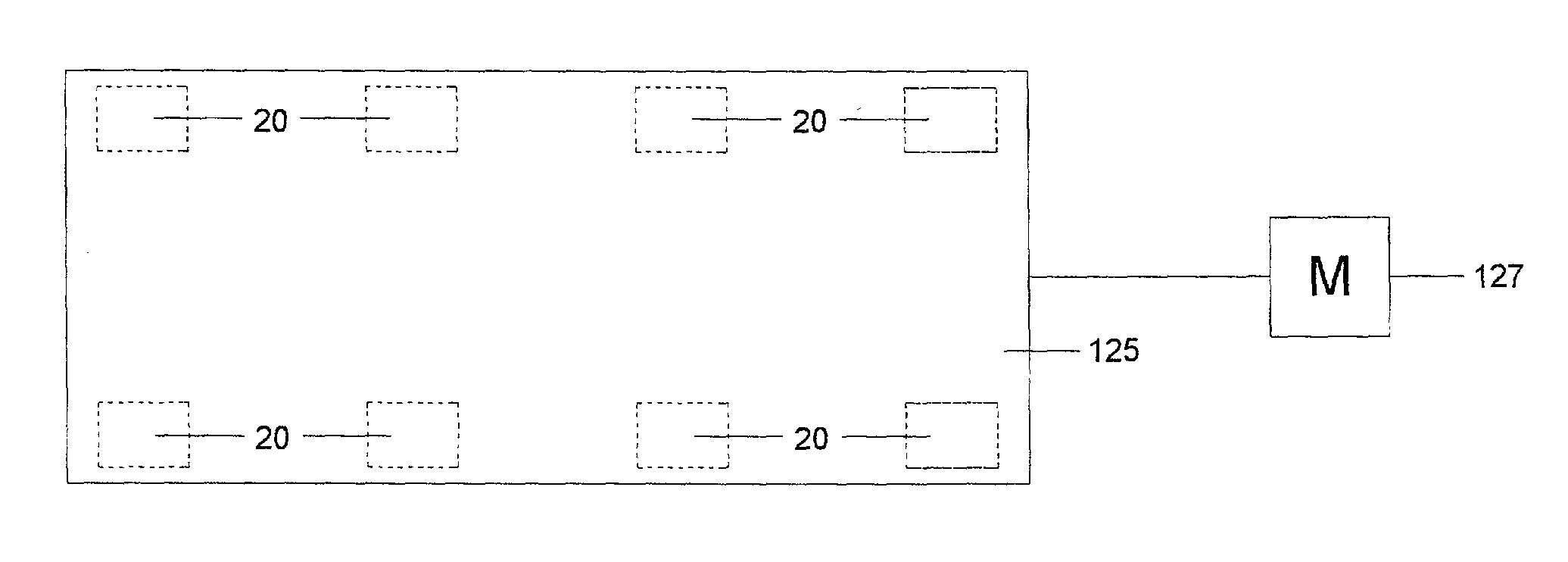
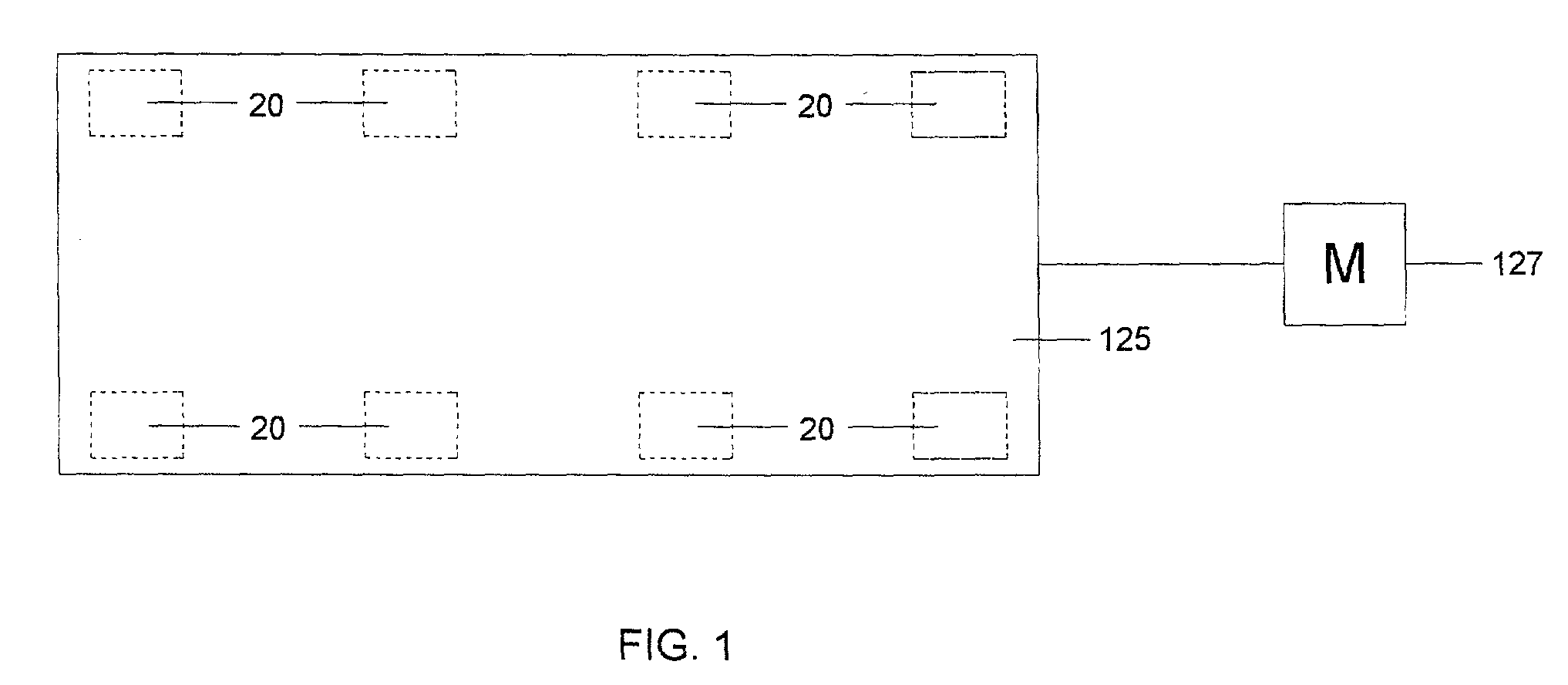
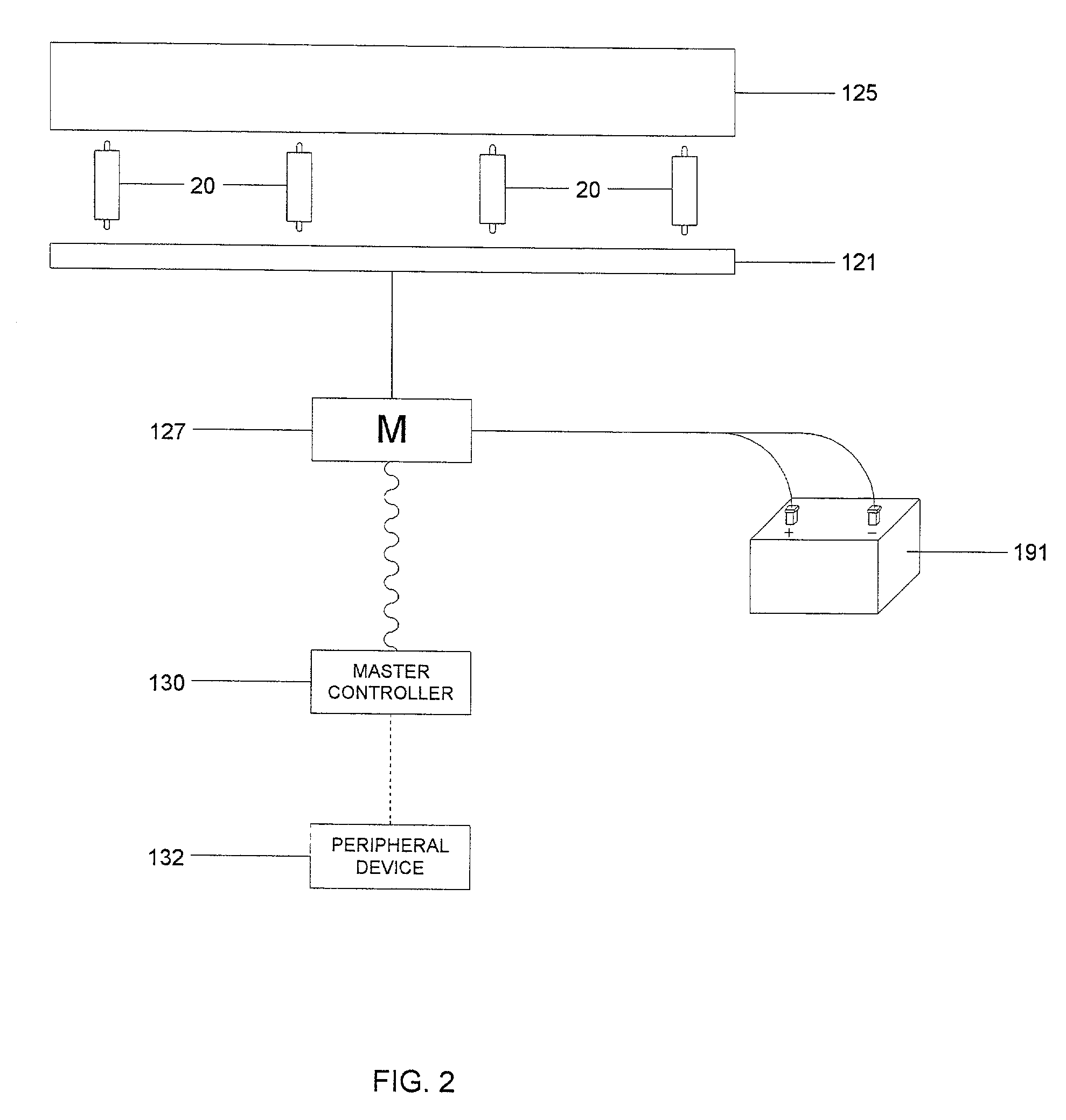
- The implementation of a wireless RF communication system between digital load cells and a controller, allowing for self-adjustment and compensation without physical intervention, and eliminating the need for cables by using waveguides for RF energy transmission.

Safety Standards and Regulations for Heavy-Duty Load Systems
Heavy-duty load systems utilizing Wheatstone bridge configurations must comply with stringent safety standards to ensure operational reliability and personnel protection. The International Electrotechnical Commission (IEC) 61508 standard serves as the foundational framework for functional safety in electrical systems, establishing Safety Integrity Levels (SIL) that range from SIL 1 to SIL 4. For heavy-duty applications, systems typically require SIL 2 or SIL 3 certification, demanding failure rates below 10^-6 to 10^-7 per hour.
The American Society of Mechanical Engineers (ASME) B30 series standards specifically address crane and lifting equipment safety, directly impacting Wheatstone bridge load monitoring systems. These regulations mandate redundant sensing mechanisms and fail-safe operation modes when load capacities exceed predetermined thresholds. European Machinery Directive 2006/42/EC establishes additional requirements for load-bearing equipment, emphasizing the need for continuous monitoring and automatic shutdown capabilities.
Occupational Safety and Health Administration (OSHA) regulations in the United States require load monitoring systems to provide real-time feedback with accuracy tolerances not exceeding ±2% of full scale. The National Institute of Standards and Technology (NIST) provides calibration standards for load cells and bridge circuits, ensuring measurement traceability and consistency across different manufacturers and applications.
Environmental protection standards such as IP65 or IP67 ratings are mandatory for heavy-duty applications, protecting sensitive bridge circuitry from moisture, dust, and chemical exposure. Temperature compensation requirements typically demand operational ranges from -40°C to +85°C, with thermal drift specifications not exceeding 0.02% per degree Celsius.
Electromagnetic compatibility (EMC) standards, particularly IEC 61000 series, govern interference susceptibility and emission limits for Wheatstone bridge systems operating in industrial environments. These regulations ensure reliable signal transmission despite the presence of high-power machinery and wireless communication systems.
Regular inspection and certification protocols mandate annual calibration verification and bi-annual comprehensive system audits. Documentation requirements include detailed maintenance logs, calibration certificates, and failure mode analysis reports to demonstrate ongoing compliance with applicable safety standards.
The American Society of Mechanical Engineers (ASME) B30 series standards specifically address crane and lifting equipment safety, directly impacting Wheatstone bridge load monitoring systems. These regulations mandate redundant sensing mechanisms and fail-safe operation modes when load capacities exceed predetermined thresholds. European Machinery Directive 2006/42/EC establishes additional requirements for load-bearing equipment, emphasizing the need for continuous monitoring and automatic shutdown capabilities.
Occupational Safety and Health Administration (OSHA) regulations in the United States require load monitoring systems to provide real-time feedback with accuracy tolerances not exceeding ±2% of full scale. The National Institute of Standards and Technology (NIST) provides calibration standards for load cells and bridge circuits, ensuring measurement traceability and consistency across different manufacturers and applications.
Environmental protection standards such as IP65 or IP67 ratings are mandatory for heavy-duty applications, protecting sensitive bridge circuitry from moisture, dust, and chemical exposure. Temperature compensation requirements typically demand operational ranges from -40°C to +85°C, with thermal drift specifications not exceeding 0.02% per degree Celsius.
Electromagnetic compatibility (EMC) standards, particularly IEC 61000 series, govern interference susceptibility and emission limits for Wheatstone bridge systems operating in industrial environments. These regulations ensure reliable signal transmission despite the presence of high-power machinery and wireless communication systems.
Regular inspection and certification protocols mandate annual calibration verification and bi-annual comprehensive system audits. Documentation requirements include detailed maintenance logs, calibration certificates, and failure mode analysis reports to demonstrate ongoing compliance with applicable safety standards.
Material Science Advances for High-Stress Applications
The evolution of materials science has fundamentally transformed the capabilities of Wheatstone bridge configurations in heavy-duty applications. Advanced metallic alloys, particularly those incorporating titanium, nickel, and specialized steel compositions, have emerged as primary candidates for high-stress sensing applications. These materials demonstrate exceptional fatigue resistance and maintain consistent electrical properties under extreme mechanical loading conditions.
Nanomaterial integration represents a significant breakthrough in enhancing load-bearing capacity. Carbon nanotube reinforced composites and graphene-enhanced metallic matrices offer unprecedented strength-to-weight ratios while preserving the electrical conductivity essential for accurate strain measurements. These materials exhibit superior performance in environments where traditional materials experience degradation or failure.
Ceramic-metal composite systems have gained prominence for applications requiring extreme temperature stability and corrosion resistance. Silicon carbide and alumina-based composites, when properly engineered with conductive pathways, provide exceptional durability in harsh industrial environments while maintaining measurement precision across wide temperature ranges.
Surface engineering techniques, including ion implantation and physical vapor deposition, have revolutionized the performance characteristics of conventional materials. These processes create protective layers that enhance wear resistance and reduce environmental sensitivity without compromising the fundamental electrical properties required for bridge operation.
Smart material technologies, particularly shape memory alloys and piezoelectric ceramics, offer self-compensating capabilities that automatically adjust to varying load conditions. These materials can provide real-time calibration adjustments and extend operational lifespan in dynamic loading scenarios.
Recent developments in additive manufacturing have enabled the creation of functionally graded materials with tailored properties throughout the component structure. This approach allows for optimized stress distribution while maintaining electrical continuity, resulting in enhanced load capacity and improved measurement accuracy in complex loading environments.
Nanomaterial integration represents a significant breakthrough in enhancing load-bearing capacity. Carbon nanotube reinforced composites and graphene-enhanced metallic matrices offer unprecedented strength-to-weight ratios while preserving the electrical conductivity essential for accurate strain measurements. These materials exhibit superior performance in environments where traditional materials experience degradation or failure.
Ceramic-metal composite systems have gained prominence for applications requiring extreme temperature stability and corrosion resistance. Silicon carbide and alumina-based composites, when properly engineered with conductive pathways, provide exceptional durability in harsh industrial environments while maintaining measurement precision across wide temperature ranges.
Surface engineering techniques, including ion implantation and physical vapor deposition, have revolutionized the performance characteristics of conventional materials. These processes create protective layers that enhance wear resistance and reduce environmental sensitivity without compromising the fundamental electrical properties required for bridge operation.
Smart material technologies, particularly shape memory alloys and piezoelectric ceramics, offer self-compensating capabilities that automatically adjust to varying load conditions. These materials can provide real-time calibration adjustments and extend operational lifespan in dynamic loading scenarios.
Recent developments in additive manufacturing have enabled the creation of functionally graded materials with tailored properties throughout the component structure. This approach allows for optimized stress distribution while maintaining electrical continuity, resulting in enhanced load capacity and improved measurement accuracy in complex loading environments.
Unlock deeper insights with PatSnap Eureka Quick Research — get a full tech report to explore trends and direct your research. Try now!
Generate Your Research Report Instantly with AI Agent
Supercharge your innovation with PatSnap Eureka AI Agent Platform!