

Optimizing Workflow Efficiency With Discrete Variable Adjustments
FEB 24, 20269 MIN READ
Generate Your Research Report Instantly with AI Agent
PatSnap Eureka helps you evaluate technical feasibility & market potential.
Discrete Variable Workflow Optimization Background and Objectives
Discrete variable workflow optimization has emerged as a critical discipline within operations research and industrial engineering, addressing the fundamental challenge of enhancing operational efficiency through strategic parameter adjustments. This field encompasses the systematic manipulation of categorical, binary, and integer variables that define workflow configurations, resource allocations, and process sequences across diverse industrial applications.
The evolution of discrete variable optimization traces back to early manufacturing systems where production scheduling and resource assignment required binary decision-making processes. Traditional approaches relied heavily on heuristic methods and manual adjustments, often resulting in suboptimal performance and limited scalability. The advent of computational optimization techniques in the 1980s marked a significant turning point, enabling more sophisticated mathematical modeling of discrete decision spaces.
Contemporary workflow environments present increasingly complex optimization challenges characterized by multi-dimensional discrete variable spaces. Modern manufacturing systems, supply chain networks, and service operations involve hundreds or thousands of discrete parameters that must be coordinated to achieve optimal performance. These variables include machine assignments, routing decisions, batch sizes, scheduling sequences, and resource allocation patterns.
The primary objective of discrete variable workflow optimization centers on maximizing operational efficiency while satisfying multiple constraints and performance criteria. Key performance indicators typically include throughput maximization, cost minimization, resource utilization optimization, and quality enhancement. Secondary objectives often encompass flexibility improvement, risk mitigation, and sustainability considerations.
Current technological trends emphasize the integration of artificial intelligence and machine learning algorithms with traditional optimization frameworks. This convergence enables real-time adaptive optimization capabilities, allowing workflows to dynamically adjust discrete variables in response to changing operational conditions. The incorporation of predictive analytics further enhances optimization effectiveness by anticipating future system states and proactively adjusting parameters.
The strategic importance of discrete variable workflow optimization continues to grow as organizations face increasing pressure to improve operational efficiency while managing complex, interconnected systems. Success in this domain requires sophisticated mathematical modeling capabilities, advanced computational resources, and deep understanding of underlying workflow dynamics and constraints.
The evolution of discrete variable optimization traces back to early manufacturing systems where production scheduling and resource assignment required binary decision-making processes. Traditional approaches relied heavily on heuristic methods and manual adjustments, often resulting in suboptimal performance and limited scalability. The advent of computational optimization techniques in the 1980s marked a significant turning point, enabling more sophisticated mathematical modeling of discrete decision spaces.
Contemporary workflow environments present increasingly complex optimization challenges characterized by multi-dimensional discrete variable spaces. Modern manufacturing systems, supply chain networks, and service operations involve hundreds or thousands of discrete parameters that must be coordinated to achieve optimal performance. These variables include machine assignments, routing decisions, batch sizes, scheduling sequences, and resource allocation patterns.
The primary objective of discrete variable workflow optimization centers on maximizing operational efficiency while satisfying multiple constraints and performance criteria. Key performance indicators typically include throughput maximization, cost minimization, resource utilization optimization, and quality enhancement. Secondary objectives often encompass flexibility improvement, risk mitigation, and sustainability considerations.
Current technological trends emphasize the integration of artificial intelligence and machine learning algorithms with traditional optimization frameworks. This convergence enables real-time adaptive optimization capabilities, allowing workflows to dynamically adjust discrete variables in response to changing operational conditions. The incorporation of predictive analytics further enhances optimization effectiveness by anticipating future system states and proactively adjusting parameters.
The strategic importance of discrete variable workflow optimization continues to grow as organizations face increasing pressure to improve operational efficiency while managing complex, interconnected systems. Success in this domain requires sophisticated mathematical modeling capabilities, advanced computational resources, and deep understanding of underlying workflow dynamics and constraints.
Market Demand for Workflow Efficiency Solutions
The global market for workflow efficiency solutions has experienced substantial growth driven by increasing operational complexity and competitive pressures across industries. Organizations worldwide are actively seeking technologies that can optimize their processes through systematic variable adjustments, creating a robust demand environment for discrete optimization solutions.
Manufacturing sectors represent the largest consumer segment for workflow efficiency technologies, particularly in automotive, electronics, and pharmaceutical industries. These sectors require precise control over production parameters, quality metrics, and resource allocation variables. The demand stems from the need to minimize waste, reduce cycle times, and maintain consistent output quality while adapting to changing market conditions and regulatory requirements.
Enterprise software markets have witnessed significant adoption of workflow optimization platforms that incorporate discrete variable adjustment capabilities. Companies are investing heavily in solutions that can automatically tune operational parameters such as staffing levels, inventory thresholds, scheduling intervals, and resource distribution ratios. This trend reflects the growing recognition that small, systematic adjustments to key variables can yield substantial efficiency improvements.
Supply chain management represents another critical demand driver, where organizations require sophisticated tools to optimize logistics networks, warehouse operations, and distribution strategies. The complexity of modern supply chains, with multiple variables affecting performance, has created strong market pull for solutions capable of handling discrete optimization challenges across interconnected systems.
Healthcare institutions increasingly demand workflow efficiency solutions to manage patient flow, staff scheduling, equipment utilization, and treatment protocols. The sector's focus on improving patient outcomes while controlling costs has generated substantial interest in technologies that can optimize operational variables without compromising service quality.
Financial services organizations seek workflow optimization solutions for trading operations, risk management processes, and customer service workflows. The industry's emphasis on regulatory compliance and operational resilience has created demand for systems capable of adjusting multiple discrete variables while maintaining strict control parameters.
The emergence of digital transformation initiatives across sectors has amplified market demand, as organizations recognize that workflow efficiency directly impacts their competitive positioning. Companies are increasingly willing to invest in advanced optimization technologies that promise measurable improvements in operational performance through systematic variable management.
Manufacturing sectors represent the largest consumer segment for workflow efficiency technologies, particularly in automotive, electronics, and pharmaceutical industries. These sectors require precise control over production parameters, quality metrics, and resource allocation variables. The demand stems from the need to minimize waste, reduce cycle times, and maintain consistent output quality while adapting to changing market conditions and regulatory requirements.
Enterprise software markets have witnessed significant adoption of workflow optimization platforms that incorporate discrete variable adjustment capabilities. Companies are investing heavily in solutions that can automatically tune operational parameters such as staffing levels, inventory thresholds, scheduling intervals, and resource distribution ratios. This trend reflects the growing recognition that small, systematic adjustments to key variables can yield substantial efficiency improvements.
Supply chain management represents another critical demand driver, where organizations require sophisticated tools to optimize logistics networks, warehouse operations, and distribution strategies. The complexity of modern supply chains, with multiple variables affecting performance, has created strong market pull for solutions capable of handling discrete optimization challenges across interconnected systems.
Healthcare institutions increasingly demand workflow efficiency solutions to manage patient flow, staff scheduling, equipment utilization, and treatment protocols. The sector's focus on improving patient outcomes while controlling costs has generated substantial interest in technologies that can optimize operational variables without compromising service quality.
Financial services organizations seek workflow optimization solutions for trading operations, risk management processes, and customer service workflows. The industry's emphasis on regulatory compliance and operational resilience has created demand for systems capable of adjusting multiple discrete variables while maintaining strict control parameters.
The emergence of digital transformation initiatives across sectors has amplified market demand, as organizations recognize that workflow efficiency directly impacts their competitive positioning. Companies are increasingly willing to invest in advanced optimization technologies that promise measurable improvements in operational performance through systematic variable management.
Current State of Discrete Variable Optimization Methods
Discrete variable optimization has evolved significantly over the past decades, with current methodologies spanning multiple algorithmic paradigms and computational approaches. The field encompasses both exact and heuristic methods, each addressing different aspects of workflow efficiency optimization challenges.
Integer programming remains the cornerstone of exact discrete optimization methods. Mixed Integer Linear Programming (MILP) and Mixed Integer Nonlinear Programming (MINLP) solvers have achieved remarkable sophistication, with commercial solutions like CPLEX, Gurobi, and SCIP demonstrating substantial performance improvements. These solvers employ advanced branch-and-bound techniques, cutting plane methods, and presolving algorithms to handle increasingly complex discrete variable problems in workflow optimization contexts.
Metaheuristic approaches have gained prominence for large-scale discrete optimization problems where exact methods become computationally prohibitive. Genetic algorithms, simulated annealing, and particle swarm optimization have been extensively adapted for discrete variable spaces. More recent developments include hybrid metaheuristics that combine multiple optimization strategies, such as memetic algorithms and variable neighborhood search methods.
Constraint programming has emerged as a powerful paradigm specifically suited for discrete optimization problems with complex logical relationships. Modern constraint solvers integrate propagation techniques, global constraints, and search strategies that are particularly effective for workflow scheduling and resource allocation problems involving discrete decision variables.
Machine learning integration represents a significant contemporary trend in discrete optimization. Reinforcement learning algorithms, particularly deep Q-networks and policy gradient methods, are being applied to learn optimal discrete variable adjustment strategies. Additionally, machine learning is being used to enhance traditional optimization algorithms through learned heuristics and solution prediction.
The current landscape also features specialized algorithms for specific discrete optimization subproblems. Dynamic programming variants, branch-and-price methods, and decomposition techniques have been refined for particular workflow optimization scenarios. Graph-based algorithms and network flow methods continue to play crucial roles in discrete optimization problems with inherent network structures.
Recent algorithmic developments focus on parallel and distributed computing architectures. GPU-accelerated optimization algorithms and cloud-based distributed optimization frameworks are enabling the solution of previously intractable discrete variable problems. These technological advances are particularly relevant for real-time workflow optimization applications requiring rapid discrete variable adjustments.
Integer programming remains the cornerstone of exact discrete optimization methods. Mixed Integer Linear Programming (MILP) and Mixed Integer Nonlinear Programming (MINLP) solvers have achieved remarkable sophistication, with commercial solutions like CPLEX, Gurobi, and SCIP demonstrating substantial performance improvements. These solvers employ advanced branch-and-bound techniques, cutting plane methods, and presolving algorithms to handle increasingly complex discrete variable problems in workflow optimization contexts.
Metaheuristic approaches have gained prominence for large-scale discrete optimization problems where exact methods become computationally prohibitive. Genetic algorithms, simulated annealing, and particle swarm optimization have been extensively adapted for discrete variable spaces. More recent developments include hybrid metaheuristics that combine multiple optimization strategies, such as memetic algorithms and variable neighborhood search methods.
Constraint programming has emerged as a powerful paradigm specifically suited for discrete optimization problems with complex logical relationships. Modern constraint solvers integrate propagation techniques, global constraints, and search strategies that are particularly effective for workflow scheduling and resource allocation problems involving discrete decision variables.
Machine learning integration represents a significant contemporary trend in discrete optimization. Reinforcement learning algorithms, particularly deep Q-networks and policy gradient methods, are being applied to learn optimal discrete variable adjustment strategies. Additionally, machine learning is being used to enhance traditional optimization algorithms through learned heuristics and solution prediction.
The current landscape also features specialized algorithms for specific discrete optimization subproblems. Dynamic programming variants, branch-and-price methods, and decomposition techniques have been refined for particular workflow optimization scenarios. Graph-based algorithms and network flow methods continue to play crucial roles in discrete optimization problems with inherent network structures.
Recent algorithmic developments focus on parallel and distributed computing architectures. GPU-accelerated optimization algorithms and cloud-based distributed optimization frameworks are enabling the solution of previously intractable discrete variable problems. These technological advances are particularly relevant for real-time workflow optimization applications requiring rapid discrete variable adjustments.
Existing Discrete Variable Adjustment Solutions
01 Dynamic workflow optimization through discrete parameter adjustment
Systems and methods for improving workflow efficiency by dynamically adjusting discrete variables in real-time based on operational conditions. These approaches utilize algorithms to identify optimal discrete parameter settings that maximize throughput, minimize bottlenecks, and enhance overall process performance. The adjustment mechanisms can respond to changing workload patterns and resource availability to maintain optimal efficiency levels.- Dynamic workflow optimization through discrete parameter adjustment: Systems and methods for improving workflow efficiency by dynamically adjusting discrete variables in real-time based on operational conditions. These approaches utilize algorithms to identify optimal discrete parameter settings that maximize throughput, minimize bottlenecks, and enhance overall process performance. The adjustment mechanisms can respond to changing workload patterns and resource availability to maintain optimal efficiency levels.
- Machine learning-based discrete variable optimization: Application of machine learning techniques to analyze historical workflow data and predict optimal discrete variable configurations. These systems learn from past performance metrics to automatically recommend or implement discrete adjustments that improve efficiency. The learning models can identify complex patterns and relationships between discrete parameters and workflow outcomes that may not be apparent through traditional analysis methods.
- Automated discrete variable scheduling and sequencing: Methods for automatically scheduling and sequencing discrete workflow variables to optimize resource utilization and reduce cycle times. These approaches involve intelligent algorithms that determine the best order and timing for discrete parameter changes to minimize idle time and maximize productivity. The scheduling systems can handle multiple constraints and objectives simultaneously while maintaining workflow stability.
- Discrete variable constraint management systems: Systems designed to manage and enforce constraints on discrete variables while optimizing workflow efficiency. These solutions balance multiple competing requirements and limitations when adjusting discrete parameters, ensuring that efficiency improvements do not violate operational, safety, or quality constraints. The constraint management approaches can prioritize different objectives based on business rules and current operational needs.
- Real-time monitoring and adaptive discrete control: Technologies for continuous monitoring of workflow performance with adaptive control mechanisms that adjust discrete variables in response to detected inefficiencies. These systems employ sensors and analytics to track key performance indicators and trigger discrete parameter modifications when thresholds are exceeded or opportunities for improvement are identified. The adaptive control enables self-correcting workflows that maintain high efficiency under varying conditions.
02 Machine learning-based discrete variable optimization
Application of machine learning and artificial intelligence techniques to optimize discrete variables in workflow systems. These methods analyze historical workflow data to identify patterns and predict optimal discrete parameter configurations. The systems can automatically learn from past performance metrics and continuously refine variable settings to improve efficiency without manual intervention.Expand Specific Solutions03 Multi-objective discrete optimization for workflow balancing
Techniques for simultaneously optimizing multiple discrete variables to balance competing workflow objectives such as speed, quality, and resource utilization. These approaches employ multi-criteria decision-making frameworks that consider trade-offs between different performance metrics. The systems can adjust discrete parameters across multiple workflow stages to achieve optimal overall system performance.Expand Specific Solutions04 Constraint-based discrete variable scheduling
Methods for adjusting discrete workflow variables while respecting operational constraints and dependencies. These systems incorporate rule-based engines and constraint satisfaction algorithms to ensure that variable adjustments maintain workflow integrity and meet business requirements. The approaches can handle complex interdependencies between discrete parameters while maximizing efficiency within defined boundaries.Expand Specific Solutions05 Adaptive discrete control for workflow automation
Automated control systems that continuously monitor workflow performance and adaptively adjust discrete variables to maintain optimal efficiency. These solutions implement feedback loops and control mechanisms that detect performance degradation and automatically reconfigure discrete parameters. The systems can handle various workflow types and scale across different operational environments while maintaining consistent efficiency improvements.Expand Specific Solutions
Key Players in Workflow Optimization Software Industry
The workflow efficiency optimization through discrete variable adjustments represents a mature technological domain experiencing significant growth across enterprise automation sectors. The market demonstrates substantial expansion driven by digital transformation initiatives, with established technology giants like IBM, Huawei, and SAP leading enterprise solutions, while specialized firms such as SambaNova Systems and Autonom8 focus on AI-driven optimization platforms. Technology maturity varies significantly across segments, with traditional players like Qualcomm and AMD providing foundational computing infrastructure, retail leaders including Shopify and Target implementing customer-facing workflow optimizations, and emerging companies like inVia Robotics developing specialized automation solutions. Academic institutions such as Southeast University and Zhejiang University of Technology contribute fundamental research, while the competitive landscape shows convergence between established enterprise software providers and innovative startups targeting specific vertical applications, indicating a transitioning market from early adoption to mainstream deployment phases.
International Business Machines Corp.
Technical Solution: IBM leverages its Watson AI platform and hybrid cloud infrastructure to optimize workflow efficiency through intelligent automation and discrete variable adjustments. Their approach combines machine learning algorithms with process mining techniques to identify bottlenecks and automatically adjust workflow parameters in real-time. The system utilizes reinforcement learning to continuously optimize discrete variables such as task priorities, resource allocation ratios, and scheduling intervals. IBM's solution integrates with existing enterprise systems through APIs and provides predictive analytics to forecast workflow performance under different variable configurations. Their technology stack includes advanced optimization engines that can handle complex constraint satisfaction problems while maintaining system stability and performance consistency.
Strengths: Comprehensive enterprise integration capabilities, robust AI-driven optimization algorithms, extensive industry experience. Weaknesses: High implementation complexity, significant resource requirements for deployment and maintenance.
Huawei Technologies Co., Ltd.
Technical Solution: Huawei's workflow optimization solution centers on their ModelArts platform and intelligent operations framework, which employs discrete optimization algorithms to enhance operational efficiency. Their system uses graph neural networks to model workflow dependencies and applies combinatorial optimization techniques to adjust discrete variables such as task sequencing, resource binding, and execution timing. The platform incorporates federated learning capabilities to optimize workflows across distributed environments while maintaining data privacy. Huawei's approach includes automated hyperparameter tuning for discrete variables and real-time performance monitoring with adaptive adjustment mechanisms. Their solution is particularly effective in telecommunications and manufacturing environments where discrete operational parameters significantly impact overall system performance.
Strengths: Strong telecommunications domain expertise, advanced distributed optimization capabilities, comprehensive cloud-edge integration. Weaknesses: Limited presence in certain international markets, dependency on proprietary hardware ecosystems.
Core Algorithms for Discrete Workflow Optimization
Method and apparatus for optimization in workflow management systems
PatentActiveUS20070055557A1
Innovation
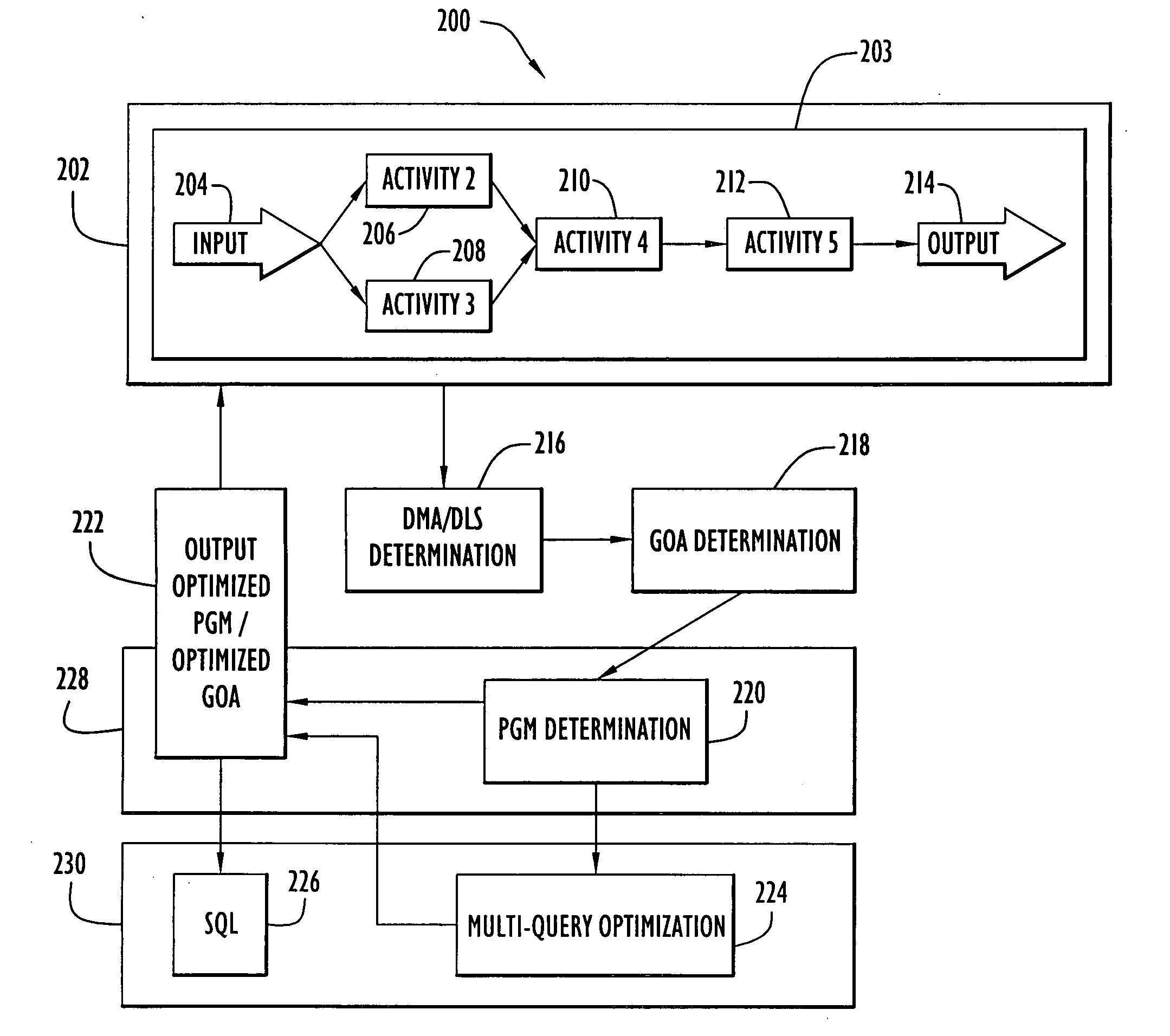
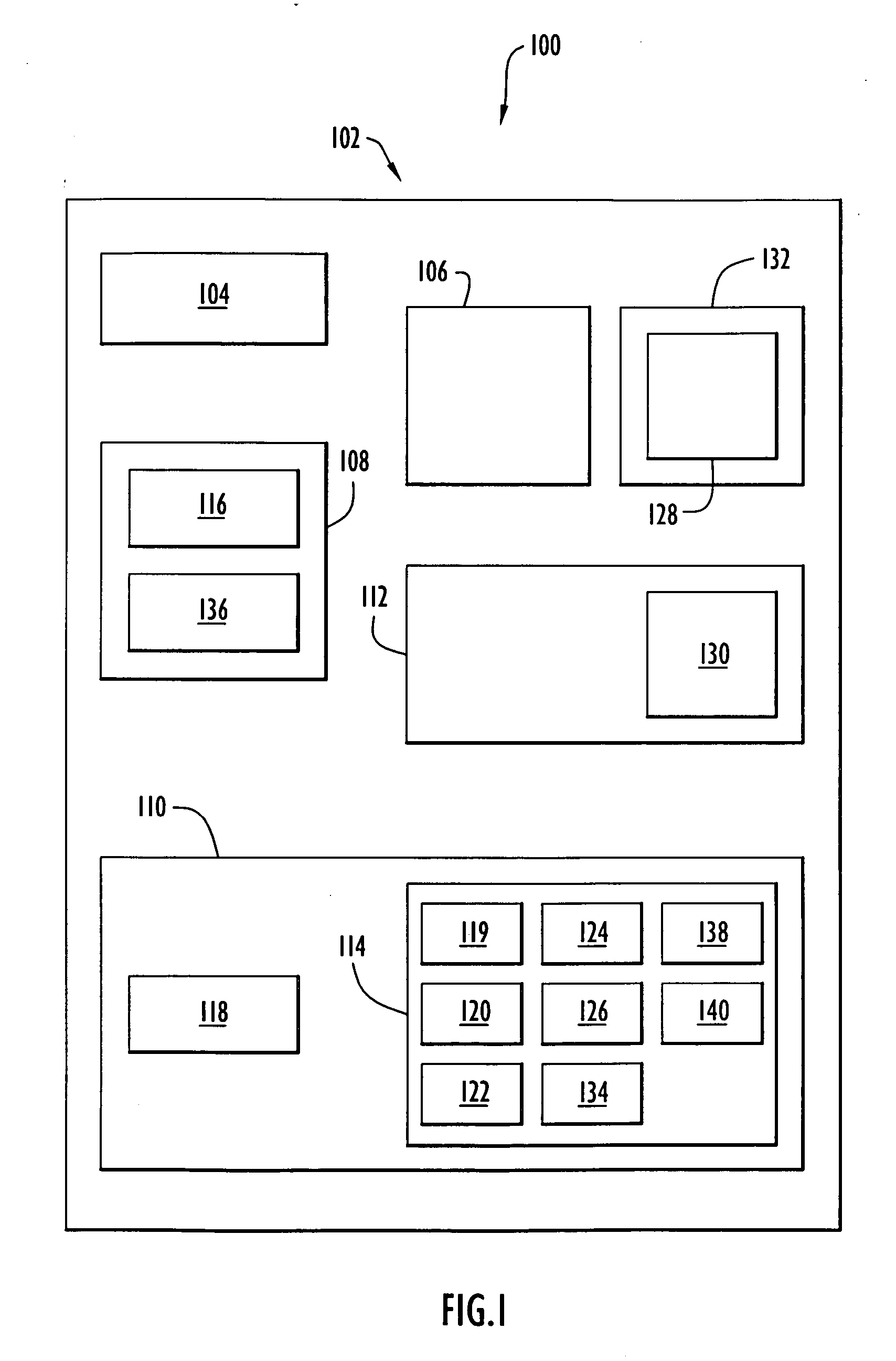
- A data processing method that optimizes groups of activities within a workflow by determining data level statements and transforming them into an optimized process graph model, which maintains identical semantics, thereby replacing the original activities to enhance overall performance.

Method and system for optimized scheduling of workflows
PatentWO2014031917A1
Innovation
- The method employs constraint programming and linear programming in conjunction with stochastic modeling to optimize resource allocation and scheduling for workflows, allowing for dynamic resource assignment, task interleaving, and 'what if' analysis to ensure efficient workflow execution and completion.


Implementation Standards for Enterprise Workflow Systems
Enterprise workflow systems require comprehensive implementation standards to ensure consistent performance, scalability, and maintainability across organizational boundaries. These standards serve as foundational frameworks that govern how discrete variable adjustments are integrated into existing business processes while maintaining operational integrity and compliance requirements.
The establishment of implementation standards begins with defining core architectural principles that support variable optimization capabilities. These principles encompass data governance protocols, system integration requirements, and performance benchmarking criteria. Organizations must establish clear guidelines for variable identification, classification, and prioritization to ensure systematic approach to workflow enhancement initiatives.
Technical specifications within implementation standards address the integration of optimization algorithms with existing enterprise resource planning systems, customer relationship management platforms, and business intelligence tools. These specifications define API requirements, data exchange formats, and security protocols necessary for seamless system interoperability while maintaining data integrity throughout optimization processes.
Quality assurance frameworks constitute essential components of implementation standards, establishing testing methodologies for validating discrete variable adjustments before deployment. These frameworks include simulation environments, rollback procedures, and performance monitoring protocols that ensure optimization changes do not compromise system stability or business continuity.
Governance structures within implementation standards define roles, responsibilities, and approval processes for workflow optimization initiatives. These structures establish clear accountability chains, change management procedures, and documentation requirements that support organizational compliance and audit requirements while enabling agile response to optimization opportunities.
Training and competency standards ensure personnel possess necessary skills to implement and maintain optimized workflow systems effectively. These standards define certification requirements, ongoing education protocols, and knowledge transfer mechanisms that support sustainable optimization practices across organizational hierarchies and functional departments.
The establishment of implementation standards begins with defining core architectural principles that support variable optimization capabilities. These principles encompass data governance protocols, system integration requirements, and performance benchmarking criteria. Organizations must establish clear guidelines for variable identification, classification, and prioritization to ensure systematic approach to workflow enhancement initiatives.
Technical specifications within implementation standards address the integration of optimization algorithms with existing enterprise resource planning systems, customer relationship management platforms, and business intelligence tools. These specifications define API requirements, data exchange formats, and security protocols necessary for seamless system interoperability while maintaining data integrity throughout optimization processes.
Quality assurance frameworks constitute essential components of implementation standards, establishing testing methodologies for validating discrete variable adjustments before deployment. These frameworks include simulation environments, rollback procedures, and performance monitoring protocols that ensure optimization changes do not compromise system stability or business continuity.
Governance structures within implementation standards define roles, responsibilities, and approval processes for workflow optimization initiatives. These structures establish clear accountability chains, change management procedures, and documentation requirements that support organizational compliance and audit requirements while enabling agile response to optimization opportunities.
Training and competency standards ensure personnel possess necessary skills to implement and maintain optimized workflow systems effectively. These standards define certification requirements, ongoing education protocols, and knowledge transfer mechanisms that support sustainable optimization practices across organizational hierarchies and functional departments.
ROI Assessment Framework for Workflow Optimization Projects
The establishment of a comprehensive ROI assessment framework for workflow optimization projects requires a systematic approach that quantifies both tangible and intangible benefits derived from discrete variable adjustments. This framework serves as a critical decision-making tool for organizations seeking to justify investments in workflow enhancement initiatives and measure their subsequent performance impact.
The foundation of effective ROI measurement begins with establishing baseline metrics before implementing any discrete variable modifications. Key performance indicators must encompass operational efficiency metrics such as cycle time reduction, throughput improvement, error rate minimization, and resource utilization optimization. Financial metrics should include direct cost savings, revenue enhancement opportunities, and productivity gains that can be directly attributed to specific variable adjustments within the workflow system.
A robust assessment framework incorporates both quantitative and qualitative measurement methodologies. Quantitative measures focus on measurable outcomes such as processing time reductions, labor cost savings, and equipment utilization improvements. These metrics provide concrete data points that can be easily translated into financial returns. The framework should establish clear measurement intervals and data collection protocols to ensure consistency and accuracy in ROI calculations.
Qualitative benefits, while more challenging to quantify, represent significant value drivers in workflow optimization projects. These include improved employee satisfaction, enhanced customer experience, reduced operational risk, and increased organizational agility. The framework must develop standardized methods for converting these qualitative improvements into monetary equivalents, utilizing techniques such as customer lifetime value analysis and employee retention cost calculations.
The temporal dimension of ROI assessment requires careful consideration of both short-term and long-term benefits. Immediate gains from discrete variable adjustments may include reduced processing delays and eliminated bottlenecks, while long-term benefits encompass scalability improvements, enhanced system reliability, and increased competitive advantage. The framework should incorporate discounted cash flow analysis to accurately reflect the time value of money and provide realistic ROI projections.
Risk assessment integration within the ROI framework ensures comprehensive evaluation of workflow optimization investments. This includes identifying potential implementation risks, operational disruption costs, and technology obsolescence factors that may impact long-term returns. Sensitivity analysis should be conducted to understand how variations in key assumptions affect overall ROI calculations, providing decision-makers with confidence intervals for expected returns.
The foundation of effective ROI measurement begins with establishing baseline metrics before implementing any discrete variable modifications. Key performance indicators must encompass operational efficiency metrics such as cycle time reduction, throughput improvement, error rate minimization, and resource utilization optimization. Financial metrics should include direct cost savings, revenue enhancement opportunities, and productivity gains that can be directly attributed to specific variable adjustments within the workflow system.
A robust assessment framework incorporates both quantitative and qualitative measurement methodologies. Quantitative measures focus on measurable outcomes such as processing time reductions, labor cost savings, and equipment utilization improvements. These metrics provide concrete data points that can be easily translated into financial returns. The framework should establish clear measurement intervals and data collection protocols to ensure consistency and accuracy in ROI calculations.
Qualitative benefits, while more challenging to quantify, represent significant value drivers in workflow optimization projects. These include improved employee satisfaction, enhanced customer experience, reduced operational risk, and increased organizational agility. The framework must develop standardized methods for converting these qualitative improvements into monetary equivalents, utilizing techniques such as customer lifetime value analysis and employee retention cost calculations.
The temporal dimension of ROI assessment requires careful consideration of both short-term and long-term benefits. Immediate gains from discrete variable adjustments may include reduced processing delays and eliminated bottlenecks, while long-term benefits encompass scalability improvements, enhanced system reliability, and increased competitive advantage. The framework should incorporate discounted cash flow analysis to accurately reflect the time value of money and provide realistic ROI projections.
Risk assessment integration within the ROI framework ensures comprehensive evaluation of workflow optimization investments. This includes identifying potential implementation risks, operational disruption costs, and technology obsolescence factors that may impact long-term returns. Sensitivity analysis should be conducted to understand how variations in key assumptions affect overall ROI calculations, providing decision-makers with confidence intervals for expected returns.
Unlock deeper insights with PatSnap Eureka Quick Research — get a full tech report to explore trends and direct your research. Try now!
Generate Your Research Report Instantly with AI Agent
Supercharge your innovation with PatSnap Eureka AI Agent Platform!