

Organic Rankine Cycle Integration Challenges Into Multi-Sector Distributed Grids
APR 29, 20269 MIN READ
Generate Your Research Report Instantly with AI Agent
PatSnap Eureka helps you evaluate technical feasibility & market potential.
ORC Integration Background and Technical Objectives
The Organic Rankine Cycle (ORC) technology has emerged as a pivotal solution for waste heat recovery and renewable energy conversion in distributed power generation systems. Originally developed in the 1960s for space applications, ORC systems have evolved significantly over the past five decades, transitioning from niche aerospace applications to mainstream industrial and commercial energy recovery solutions. The technology leverages organic working fluids with lower boiling points than water, enabling efficient energy conversion from low-grade heat sources typically ranging from 80°C to 350°C.
The integration of ORC systems into multi-sector distributed grids represents a natural evolution driven by the global shift toward decentralized energy systems and circular economy principles. Traditional centralized power generation models are increasingly being supplemented by distributed energy resources that can capture and utilize waste heat from industrial processes, geothermal sources, solar thermal systems, and biomass combustion. This paradigm shift has positioned ORC technology as a critical enabler for enhancing overall grid efficiency and reducing carbon emissions across multiple sectors.
Current market dynamics reveal accelerating adoption of ORC systems across diverse applications, including industrial waste heat recovery, geothermal power generation, biomass energy conversion, and concentrated solar power plants. The technology's versatility in handling various heat sources and its modular scalability make it particularly suitable for distributed grid applications where energy demands vary significantly across different sectors and time periods.
The primary technical objective of ORC integration into multi-sector distributed grids centers on maximizing energy recovery efficiency while maintaining grid stability and reliability. This involves developing advanced control systems capable of managing variable heat inputs, optimizing working fluid selection for diverse operating conditions, and implementing sophisticated grid synchronization mechanisms. Additionally, the integration aims to achieve seamless interoperability between ORC units and existing grid infrastructure, ensuring minimal disruption to established power distribution networks.
Secondary objectives include enhancing system modularity to accommodate varying capacity requirements across different sectors, developing predictive maintenance capabilities to ensure consistent performance, and implementing advanced monitoring systems for real-time optimization. The ultimate goal is establishing a robust, scalable framework that enables widespread ORC deployment while maintaining economic viability and technical reliability across diverse distributed grid applications.
The integration of ORC systems into multi-sector distributed grids represents a natural evolution driven by the global shift toward decentralized energy systems and circular economy principles. Traditional centralized power generation models are increasingly being supplemented by distributed energy resources that can capture and utilize waste heat from industrial processes, geothermal sources, solar thermal systems, and biomass combustion. This paradigm shift has positioned ORC technology as a critical enabler for enhancing overall grid efficiency and reducing carbon emissions across multiple sectors.
Current market dynamics reveal accelerating adoption of ORC systems across diverse applications, including industrial waste heat recovery, geothermal power generation, biomass energy conversion, and concentrated solar power plants. The technology's versatility in handling various heat sources and its modular scalability make it particularly suitable for distributed grid applications where energy demands vary significantly across different sectors and time periods.
The primary technical objective of ORC integration into multi-sector distributed grids centers on maximizing energy recovery efficiency while maintaining grid stability and reliability. This involves developing advanced control systems capable of managing variable heat inputs, optimizing working fluid selection for diverse operating conditions, and implementing sophisticated grid synchronization mechanisms. Additionally, the integration aims to achieve seamless interoperability between ORC units and existing grid infrastructure, ensuring minimal disruption to established power distribution networks.
Secondary objectives include enhancing system modularity to accommodate varying capacity requirements across different sectors, developing predictive maintenance capabilities to ensure consistent performance, and implementing advanced monitoring systems for real-time optimization. The ultimate goal is establishing a robust, scalable framework that enables widespread ORC deployment while maintaining economic viability and technical reliability across diverse distributed grid applications.
Market Demand for Distributed Grid ORC Systems
The global energy transition toward renewable sources and decentralized power generation has created substantial market opportunities for Organic Rankine Cycle systems integrated into distributed grids. This demand stems from the urgent need to maximize energy efficiency while reducing carbon emissions across multiple industrial sectors. Traditional centralized power systems are increasingly inadequate for meeting diverse energy requirements, particularly in remote locations and industrial facilities with varying thermal loads.
Industrial waste heat recovery represents the largest market segment driving ORC adoption in distributed grids. Manufacturing facilities, chemical plants, and steel production sites generate significant amounts of low-to-medium temperature waste heat that remains largely unutilized. The integration of ORC systems into these distributed networks enables on-site power generation while reducing overall energy costs and grid dependency. This dual benefit of waste heat utilization and distributed generation creates compelling economic incentives for industrial operators.
The renewable energy sector presents another significant demand driver, particularly in geothermal and biomass applications. Small-scale geothermal installations and biomass-fired facilities require efficient power conversion technologies that can operate reliably in distributed grid configurations. ORC systems offer superior performance compared to traditional steam cycles at lower temperature ranges, making them ideal for these applications. The modular nature of ORC technology aligns well with the scalability requirements of distributed renewable energy projects.
Data centers and commercial buildings increasingly seek integrated energy solutions that combine heating, cooling, and power generation. The growing digitalization trend has intensified energy demands in these sectors, while sustainability mandates require more efficient energy utilization. ORC systems integrated into distributed grids can provide combined heat and power solutions, addressing both electrical and thermal needs simultaneously.
Geographic market demand varies significantly, with Europe leading adoption due to stringent environmental regulations and favorable policy frameworks. North American markets show strong growth potential, particularly in industrial applications and remote power generation. Asia-Pacific regions demonstrate increasing interest, driven by rapid industrialization and growing energy security concerns.
Market barriers include high initial capital costs, complex integration requirements, and limited technical expertise in distributed grid management. However, declining component costs and advancing control technologies are gradually addressing these challenges, expanding market accessibility across various sectors and applications.
Industrial waste heat recovery represents the largest market segment driving ORC adoption in distributed grids. Manufacturing facilities, chemical plants, and steel production sites generate significant amounts of low-to-medium temperature waste heat that remains largely unutilized. The integration of ORC systems into these distributed networks enables on-site power generation while reducing overall energy costs and grid dependency. This dual benefit of waste heat utilization and distributed generation creates compelling economic incentives for industrial operators.
The renewable energy sector presents another significant demand driver, particularly in geothermal and biomass applications. Small-scale geothermal installations and biomass-fired facilities require efficient power conversion technologies that can operate reliably in distributed grid configurations. ORC systems offer superior performance compared to traditional steam cycles at lower temperature ranges, making them ideal for these applications. The modular nature of ORC technology aligns well with the scalability requirements of distributed renewable energy projects.
Data centers and commercial buildings increasingly seek integrated energy solutions that combine heating, cooling, and power generation. The growing digitalization trend has intensified energy demands in these sectors, while sustainability mandates require more efficient energy utilization. ORC systems integrated into distributed grids can provide combined heat and power solutions, addressing both electrical and thermal needs simultaneously.
Geographic market demand varies significantly, with Europe leading adoption due to stringent environmental regulations and favorable policy frameworks. North American markets show strong growth potential, particularly in industrial applications and remote power generation. Asia-Pacific regions demonstrate increasing interest, driven by rapid industrialization and growing energy security concerns.
Market barriers include high initial capital costs, complex integration requirements, and limited technical expertise in distributed grid management. However, declining component costs and advancing control technologies are gradually addressing these challenges, expanding market accessibility across various sectors and applications.
Current ORC Integration Challenges in Multi-Sector Grids
The integration of Organic Rankine Cycle systems into multi-sector distributed grids presents several critical technical challenges that currently limit widespread deployment. These challenges stem from the complex interplay between ORC thermal dynamics, electrical grid requirements, and multi-sector energy demands across industrial, commercial, and residential applications.
Grid synchronization represents one of the most significant obstacles in ORC integration. The variable nature of waste heat sources creates fluctuating power output from ORC systems, making it difficult to maintain stable grid frequency and voltage levels. Traditional grid infrastructure was designed for centralized, predictable power generation, whereas ORC systems introduce intermittent and location-dependent energy inputs that can destabilize local grid segments.
Thermal management complexity emerges as another major constraint. Multi-sector grids require ORC systems to handle diverse heat sources with varying temperatures, flow rates, and thermal profiles. Industrial waste heat differs substantially from commercial building heat recovery or residential applications, creating challenges in designing standardized ORC configurations that can efficiently operate across these diverse thermal environments.
Power quality issues pose significant technical barriers to seamless ORC integration. The conversion efficiency of ORC systems varies with operating conditions, leading to power output fluctuations that can introduce harmonics, voltage variations, and frequency deviations into the distributed grid. These power quality disturbances can affect sensitive equipment in commercial and industrial sectors, requiring sophisticated power conditioning systems.
Control system integration challenges arise from the need to coordinate ORC operations with existing grid management systems. Current distributed grid control architectures lack the sophisticated algorithms necessary to predict and manage the variable output from multiple ORC installations. The absence of standardized communication protocols between ORC systems and grid operators further complicates real-time monitoring and control capabilities.
Economic optimization barriers also constrain ORC deployment in multi-sector environments. The varying energy pricing structures across industrial, commercial, and residential sectors create complex economic calculations for ORC system sizing and operation. Current market mechanisms do not adequately compensate for the grid stabilization services that well-integrated ORC systems could potentially provide.
Grid synchronization represents one of the most significant obstacles in ORC integration. The variable nature of waste heat sources creates fluctuating power output from ORC systems, making it difficult to maintain stable grid frequency and voltage levels. Traditional grid infrastructure was designed for centralized, predictable power generation, whereas ORC systems introduce intermittent and location-dependent energy inputs that can destabilize local grid segments.
Thermal management complexity emerges as another major constraint. Multi-sector grids require ORC systems to handle diverse heat sources with varying temperatures, flow rates, and thermal profiles. Industrial waste heat differs substantially from commercial building heat recovery or residential applications, creating challenges in designing standardized ORC configurations that can efficiently operate across these diverse thermal environments.
Power quality issues pose significant technical barriers to seamless ORC integration. The conversion efficiency of ORC systems varies with operating conditions, leading to power output fluctuations that can introduce harmonics, voltage variations, and frequency deviations into the distributed grid. These power quality disturbances can affect sensitive equipment in commercial and industrial sectors, requiring sophisticated power conditioning systems.
Control system integration challenges arise from the need to coordinate ORC operations with existing grid management systems. Current distributed grid control architectures lack the sophisticated algorithms necessary to predict and manage the variable output from multiple ORC installations. The absence of standardized communication protocols between ORC systems and grid operators further complicates real-time monitoring and control capabilities.
Economic optimization barriers also constrain ORC deployment in multi-sector environments. The varying energy pricing structures across industrial, commercial, and residential sectors create complex economic calculations for ORC system sizing and operation. Current market mechanisms do not adequately compensate for the grid stabilization services that well-integrated ORC systems could potentially provide.
Existing ORC Integration Solutions for Grid Systems
01 Working fluid selection and optimization for organic Rankine cycles
The selection and optimization of working fluids is crucial for organic Rankine cycle performance. Various organic compounds with different thermodynamic properties are evaluated and selected based on their boiling points, thermal stability, and environmental impact. The working fluid selection directly affects the cycle efficiency, heat transfer characteristics, and overall system performance.- Working fluid selection and optimization for organic Rankine cycles: The selection and optimization of working fluids is crucial for organic Rankine cycle performance. Various organic compounds with different thermodynamic properties are evaluated and selected based on their boiling points, thermal stability, and environmental impact. The working fluid selection directly affects the cycle efficiency, heat transfer characteristics, and overall system performance.
- Heat exchanger design and thermal management systems: Heat exchangers play a critical role in organic Rankine cycle systems for efficient heat transfer between the heat source and working fluid. Advanced heat exchanger designs including evaporators, condensers, and recuperators are developed to maximize thermal efficiency. Thermal management systems ensure optimal temperature control throughout the cycle process.
- Expander and turbine technologies for power generation: Expanders and turbines are key components that convert thermal energy into mechanical work in organic Rankine cycles. Various expander designs including scroll expanders, screw expanders, and radial turbines are developed to handle organic working fluids efficiently. These components are optimized for different power ranges and operating conditions.
- Waste heat recovery and energy conversion applications: Organic Rankine cycles are widely applied for waste heat recovery from industrial processes, geothermal sources, and other low-grade heat sources. These systems convert previously unused thermal energy into useful electrical power, improving overall energy efficiency. Applications include industrial waste heat recovery, biomass energy conversion, and solar thermal power generation.
- System control and optimization strategies: Advanced control systems and optimization strategies are implemented to maximize organic Rankine cycle performance under varying operating conditions. These include automated control algorithms, performance monitoring systems, and adaptive optimization techniques. The control systems manage parameters such as pressure, temperature, and flow rates to maintain optimal efficiency.
02 Heat exchanger design and thermal management systems
Heat exchangers play a critical role in organic Rankine cycle systems for efficient heat transfer between the heat source and working fluid. Advanced heat exchanger designs including evaporators, condensers, and recuperators are developed to maximize thermal efficiency. The thermal management systems ensure optimal heat recovery and minimize thermal losses throughout the cycle.Expand Specific Solutions03 Expander and turbine technologies for power generation
Expanders and turbines are key components that convert thermal energy into mechanical work in organic Rankine cycles. Various expander designs including scroll expanders, screw expanders, and radial turbines are developed to handle organic working fluids effectively. The expander technology significantly influences the power output and overall cycle efficiency.Expand Specific Solutions04 Waste heat recovery applications and integration
Organic Rankine cycles are widely applied for waste heat recovery from various industrial processes, geothermal sources, and solar thermal systems. The integration of these cycles with existing industrial facilities enables the conversion of low-grade waste heat into useful electrical power. Different heat sources require specific cycle configurations and operating parameters for optimal energy recovery.Expand Specific Solutions05 Control systems and cycle optimization methods
Advanced control systems and optimization methods are essential for maintaining optimal operating conditions in organic Rankine cycles. These systems monitor and adjust various parameters such as working fluid flow rates, temperatures, and pressures to maximize efficiency. Control strategies include feedback control, predictive control, and adaptive optimization algorithms to handle varying operating conditions.Expand Specific Solutions
Key Players in ORC and Distributed Grid Industry
The Organic Rankine Cycle (ORC) integration into multi-sector distributed grids represents a rapidly evolving market in the early growth stage, driven by increasing demand for waste heat recovery and distributed energy solutions. The global ORC market is experiencing significant expansion, valued at approximately $1.2 billion with projected compound annual growth rates exceeding 12%. Technology maturity varies considerably across players, with established companies like Ormat Technologies and Turboden SpA leading commercial deployment, while Mitsubishi Heavy Industries and State Grid Corp. of China drive large-scale integration capabilities. Research institutions including North China Electric Power University, Tianjin University, and Wuhan University are advancing next-generation ORC technologies, particularly focusing on grid integration challenges and multi-sector applications, indicating strong innovation pipeline supporting market growth.
State Grid Corp. of China
Technical Solution: State Grid Corporation develops comprehensive solutions for integrating ORC systems into large-scale distributed grid networks. Their approach focuses on grid stability and power quality management when incorporating ORC-based distributed generation sources. The company has implemented advanced grid management systems that can handle the variable output characteristics of ORC systems across multiple sectors, including industrial, commercial, and residential applications, with sophisticated load balancing and energy storage integration capabilities.
Strengths: Extensive grid infrastructure experience and comprehensive system integration capabilities. Weaknesses: Limited direct ORC technology development and potential regulatory constraints in international markets.
Turboden SpA
Technical Solution: Turboden specializes in ORC technology for distributed energy systems, offering modular ORC units ranging from 200kW to 15MW that can be integrated into multi-sector grids. Their systems feature advanced heat recovery capabilities and grid synchronization technology, enabling seamless integration with existing electrical infrastructure. The company has developed proprietary control systems that optimize ORC performance across varying load conditions typical in distributed grid applications, with efficiency rates reaching up to 95% in heat recovery applications.
Strengths: Market leader in ORC technology with proven track record in distributed applications. Weaknesses: Higher initial capital costs and complex maintenance requirements for multi-unit deployments.
Core Patents in Multi-Sector ORC Grid Integration
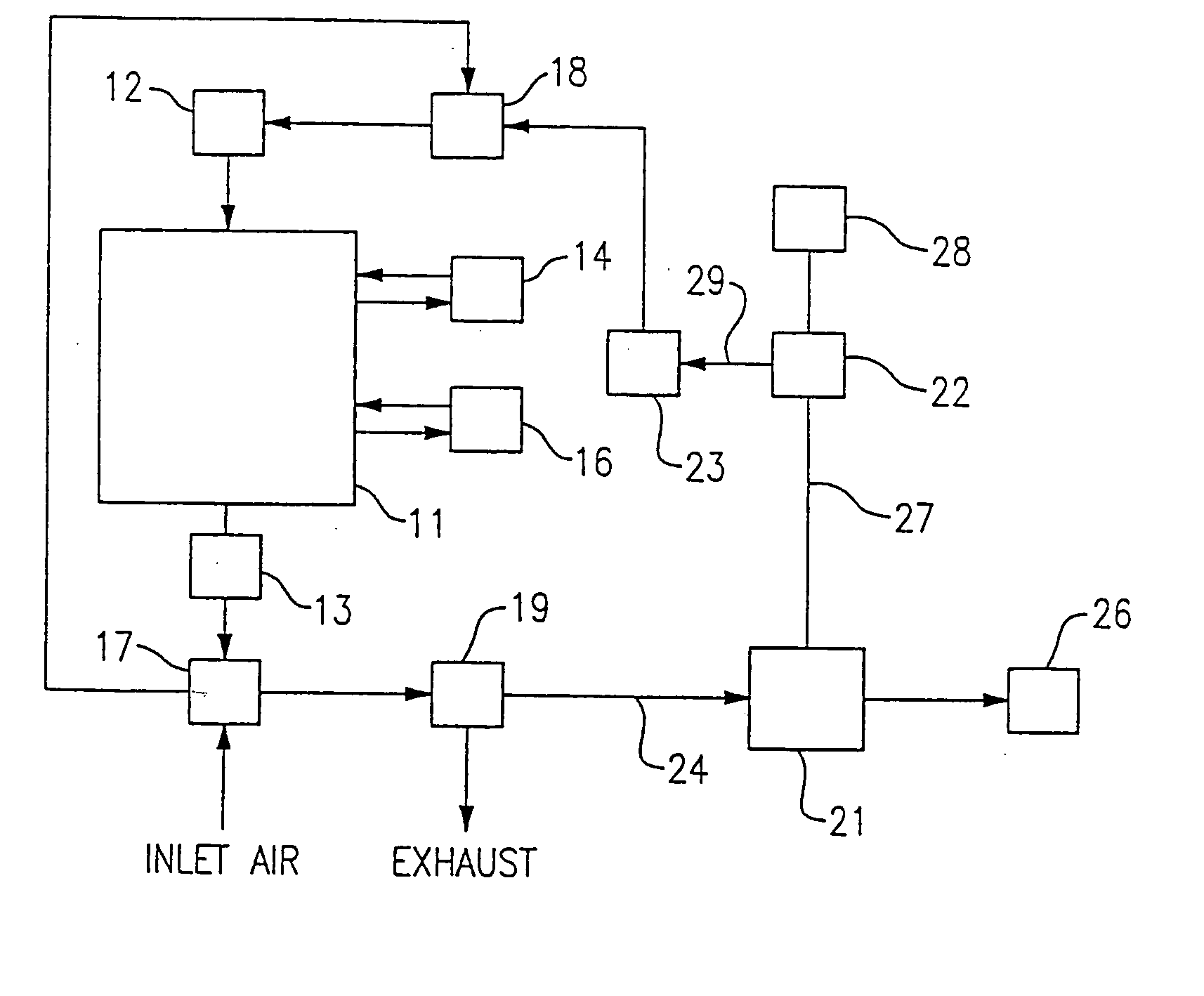
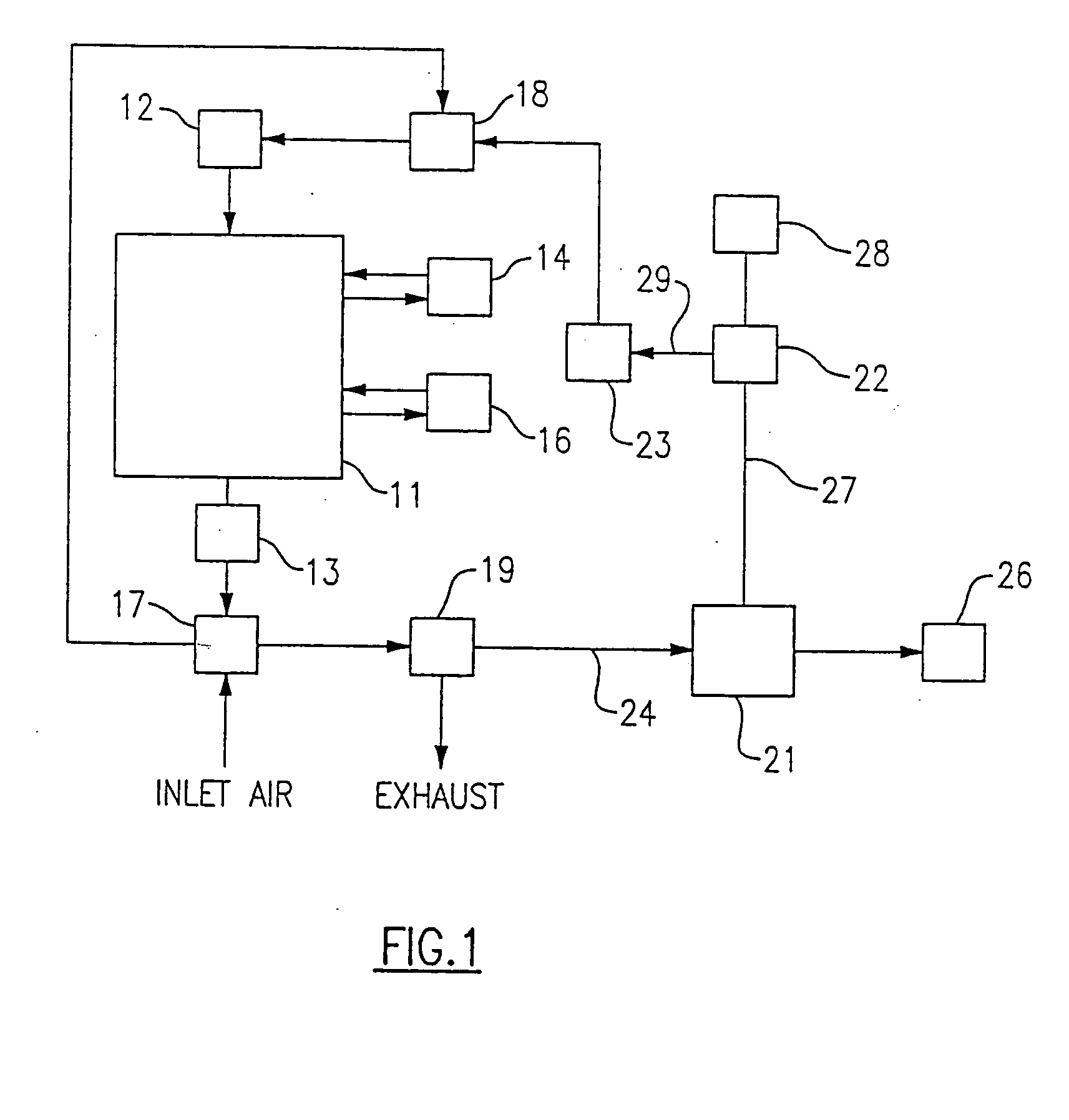
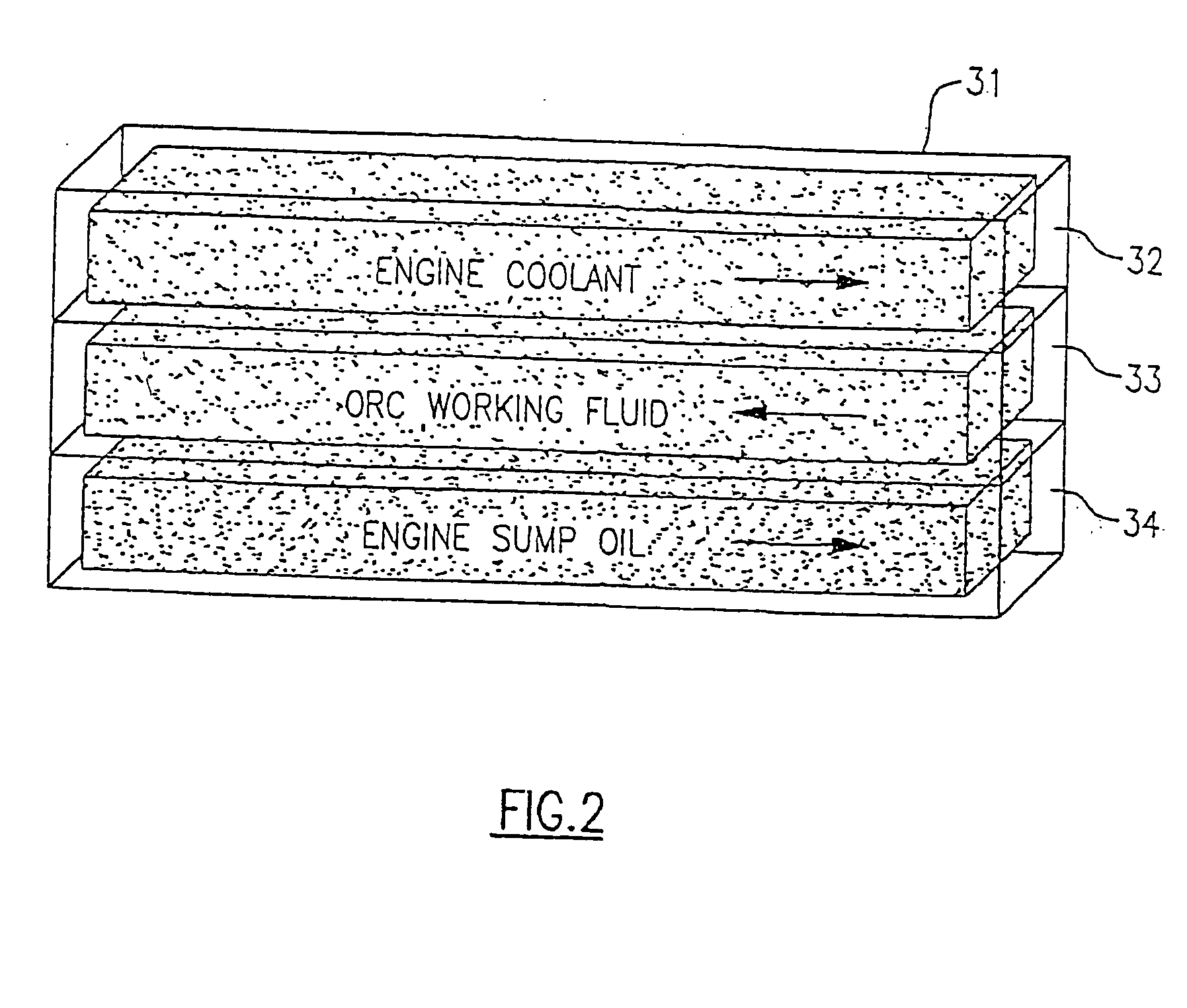
Organic rankine cycle system with shared heat exchanger for use with a reciprocating engine
PatentInactiveUS20050103016A1
Innovation
- The implementation of staged heat exchangers that progressively increase the temperature of the ORC fluid by transferring heat from the intake tract, water cooling jacket, oil sump, and exhaust gas cooler, with a shared heat exchanger design that combines coolant and oil flow with counterflow ORC fluid, replacing traditional air-to-air or air-to-coolant heat exchangers with liquid-to-liquid configurations to enhance heat transfer efficiency.
Integration of waste heat from charge air cooling into a cascaded organic rankine cycle system
PatentInactiveUS8650879B2
Innovation
- A cascaded organic rankine cycle system integrated with one or more charge air coolers, where the waste heat from charge air cooling is used to preheat working fluids in both high and low temperature loops, enhancing energy recovery and power generation efficiency.


Grid Integration Standards and Regulatory Framework
The integration of Organic Rankine Cycle systems into multi-sector distributed grids operates within a complex regulatory landscape that varies significantly across jurisdictions. Current grid integration standards primarily focus on conventional renewable energy sources, creating regulatory gaps for ORC-specific applications. The IEEE 1547 series provides foundational interconnection standards, while IEC 61400 series offers wind-specific guidelines that partially apply to ORC systems. However, these frameworks inadequately address the unique operational characteristics of ORC systems, particularly their variable heat source dependencies and multi-sector integration requirements.
Regulatory frameworks governing distributed energy resources typically emphasize electrical safety, grid stability, and power quality standards. For ORC systems, additional considerations include thermal efficiency regulations, waste heat recovery mandates, and cross-sector energy trading mechanisms. The European Union's Clean Energy Package and the United States' FERC Order 2222 establish precedents for distributed resource participation in energy markets, yet specific provisions for thermal-to-electric conversion systems remain underdeveloped.
Grid codes present significant challenges for ORC integration, particularly regarding voltage regulation, frequency response, and fault ride-through capabilities. Many existing standards assume predictable generation profiles, which conflicts with ORC systems' dependence on industrial process heat availability. The intermittent nature of waste heat sources requires adaptive grid codes that accommodate variable generation patterns while maintaining system reliability.
Certification processes for ORC grid integration involve multiple regulatory bodies, including electrical safety authorities, environmental agencies, and grid operators. The lack of standardized testing procedures for ORC-grid interfaces creates compliance uncertainties and extends project development timelines. Harmonization efforts between thermal and electrical regulatory domains remain fragmented, necessitating comprehensive framework updates.
Future regulatory developments must address multi-sector energy trading, real-time thermal-electric optimization, and cross-infrastructure coordination mechanisms. Emerging smart grid standards increasingly recognize the need for flexible integration protocols that accommodate diverse distributed energy technologies, including ORC systems, while ensuring grid stability and operational efficiency.
Regulatory frameworks governing distributed energy resources typically emphasize electrical safety, grid stability, and power quality standards. For ORC systems, additional considerations include thermal efficiency regulations, waste heat recovery mandates, and cross-sector energy trading mechanisms. The European Union's Clean Energy Package and the United States' FERC Order 2222 establish precedents for distributed resource participation in energy markets, yet specific provisions for thermal-to-electric conversion systems remain underdeveloped.
Grid codes present significant challenges for ORC integration, particularly regarding voltage regulation, frequency response, and fault ride-through capabilities. Many existing standards assume predictable generation profiles, which conflicts with ORC systems' dependence on industrial process heat availability. The intermittent nature of waste heat sources requires adaptive grid codes that accommodate variable generation patterns while maintaining system reliability.
Certification processes for ORC grid integration involve multiple regulatory bodies, including electrical safety authorities, environmental agencies, and grid operators. The lack of standardized testing procedures for ORC-grid interfaces creates compliance uncertainties and extends project development timelines. Harmonization efforts between thermal and electrical regulatory domains remain fragmented, necessitating comprehensive framework updates.
Future regulatory developments must address multi-sector energy trading, real-time thermal-electric optimization, and cross-infrastructure coordination mechanisms. Emerging smart grid standards increasingly recognize the need for flexible integration protocols that accommodate diverse distributed energy technologies, including ORC systems, while ensuring grid stability and operational efficiency.
Environmental Impact Assessment of ORC Grid Systems
The environmental impact assessment of Organic Rankine Cycle (ORC) grid systems represents a critical evaluation framework for understanding the ecological implications of integrating waste heat recovery technologies into distributed energy networks. This assessment encompasses multiple environmental dimensions, including greenhouse gas emissions reduction potential, resource consumption patterns, and ecosystem effects throughout the technology lifecycle.
ORC grid systems demonstrate significant positive environmental impacts through their ability to convert low-grade waste heat into useful electricity, thereby reducing overall carbon footprint of distributed energy networks. Studies indicate that properly implemented ORC systems can achieve carbon emission reductions of 15-30% compared to conventional grid configurations, primarily through improved energy efficiency and reduced reliance on fossil fuel-based power generation.
The lifecycle environmental assessment reveals that ORC systems exhibit favorable environmental profiles despite initial manufacturing impacts. Working fluid selection plays a crucial role in environmental performance, with natural refrigerants like ammonia and CO2 showing superior environmental characteristics compared to synthetic alternatives. However, potential leakage risks and proper end-of-life management remain important considerations for maintaining environmental benefits.
Water consumption represents another significant environmental factor, particularly for ORC systems employing wet cooling technologies. Air-cooled configurations demonstrate reduced water footprint but may exhibit slightly lower efficiency rates. The trade-off between water conservation and energy efficiency requires careful evaluation based on regional environmental priorities and resource availability.
Noise pollution and visual impact assessments indicate that ORC grid systems generally produce minimal environmental disturbance when properly designed and installed. Advanced noise mitigation technologies and compact system designs have successfully addressed most community concerns regarding environmental intrusion.
The cumulative environmental benefits of ORC grid integration become more pronounced at scale, with distributed networks showing enhanced environmental performance through reduced transmission losses and improved grid resilience. Long-term environmental monitoring data suggests that ORC systems maintain their environmental advantages throughout their operational lifespan, typically spanning 20-25 years.
ORC grid systems demonstrate significant positive environmental impacts through their ability to convert low-grade waste heat into useful electricity, thereby reducing overall carbon footprint of distributed energy networks. Studies indicate that properly implemented ORC systems can achieve carbon emission reductions of 15-30% compared to conventional grid configurations, primarily through improved energy efficiency and reduced reliance on fossil fuel-based power generation.
The lifecycle environmental assessment reveals that ORC systems exhibit favorable environmental profiles despite initial manufacturing impacts. Working fluid selection plays a crucial role in environmental performance, with natural refrigerants like ammonia and CO2 showing superior environmental characteristics compared to synthetic alternatives. However, potential leakage risks and proper end-of-life management remain important considerations for maintaining environmental benefits.
Water consumption represents another significant environmental factor, particularly for ORC systems employing wet cooling technologies. Air-cooled configurations demonstrate reduced water footprint but may exhibit slightly lower efficiency rates. The trade-off between water conservation and energy efficiency requires careful evaluation based on regional environmental priorities and resource availability.
Noise pollution and visual impact assessments indicate that ORC grid systems generally produce minimal environmental disturbance when properly designed and installed. Advanced noise mitigation technologies and compact system designs have successfully addressed most community concerns regarding environmental intrusion.
The cumulative environmental benefits of ORC grid integration become more pronounced at scale, with distributed networks showing enhanced environmental performance through reduced transmission losses and improved grid resilience. Long-term environmental monitoring data suggests that ORC systems maintain their environmental advantages throughout their operational lifespan, typically spanning 20-25 years.
Unlock deeper insights with PatSnap Eureka Quick Research — get a full tech report to explore trends and direct your research. Try now!
Generate Your Research Report Instantly with AI Agent
Supercharge your innovation with PatSnap Eureka AI Agent Platform!