Performance indicators for effective PEC water splitting measurement.
SEP 4, 20259 MIN READ
Generate Your Research Report Instantly with AI Agent
PatSnap Eureka helps you evaluate technical feasibility & market potential.
PEC Water Splitting Background and Objectives
Photoelectrochemical (PEC) water splitting represents a promising approach for sustainable hydrogen production, leveraging solar energy to directly convert water into hydrogen and oxygen. This technology has evolved significantly since its inception in the 1970s with Honda and Fujishima's groundbreaking demonstration of water splitting using titanium dioxide electrodes under ultraviolet light. Over the past five decades, research has progressed from fundamental understanding to practical implementation challenges.
The evolution of PEC water splitting technology has been characterized by continuous improvements in photoelectrode materials, system architectures, and efficiency metrics. Early research focused primarily on semiconductor materials with appropriate band gaps, while recent advancements have expanded to include nanostructured materials, heterojunctions, and co-catalyst integration to enhance performance and stability.
Current technological trends indicate a shift toward tandem cell configurations, which can theoretically achieve higher solar-to-hydrogen conversion efficiencies by utilizing a broader spectrum of solar radiation. Additionally, there is growing interest in developing earth-abundant materials to replace rare and expensive elements traditionally used in high-performance photoelectrodes.
The primary objective of PEC water splitting research is to develop systems capable of achieving solar-to-hydrogen conversion efficiencies exceeding 10% with operational stability of more than 10,000 hours, as outlined by the U.S. Department of Energy's technical targets. These benchmarks are considered essential for commercial viability and widespread adoption.
Accurate performance measurement and standardized testing protocols are becoming increasingly critical as the field matures. The development of reliable performance indicators for effective PEC water splitting measurement serves multiple purposes: enabling fair comparison between different systems, identifying bottlenecks in current technologies, guiding future research directions, and providing realistic assessments for potential commercialization pathways.
Key performance indicators currently include solar-to-hydrogen conversion efficiency, applied bias photon-to-current efficiency, incident photon-to-current efficiency, stability under operating conditions, and faradaic efficiency. However, inconsistencies in measurement methodologies and reporting standards have hindered meaningful comparisons across research groups and technologies.
The establishment of standardized performance indicators and measurement protocols represents a crucial step toward accelerating the development and eventual commercialization of PEC water splitting technology, ultimately contributing to the global transition toward renewable hydrogen production and a sustainable energy ecosystem.
The evolution of PEC water splitting technology has been characterized by continuous improvements in photoelectrode materials, system architectures, and efficiency metrics. Early research focused primarily on semiconductor materials with appropriate band gaps, while recent advancements have expanded to include nanostructured materials, heterojunctions, and co-catalyst integration to enhance performance and stability.
Current technological trends indicate a shift toward tandem cell configurations, which can theoretically achieve higher solar-to-hydrogen conversion efficiencies by utilizing a broader spectrum of solar radiation. Additionally, there is growing interest in developing earth-abundant materials to replace rare and expensive elements traditionally used in high-performance photoelectrodes.
The primary objective of PEC water splitting research is to develop systems capable of achieving solar-to-hydrogen conversion efficiencies exceeding 10% with operational stability of more than 10,000 hours, as outlined by the U.S. Department of Energy's technical targets. These benchmarks are considered essential for commercial viability and widespread adoption.
Accurate performance measurement and standardized testing protocols are becoming increasingly critical as the field matures. The development of reliable performance indicators for effective PEC water splitting measurement serves multiple purposes: enabling fair comparison between different systems, identifying bottlenecks in current technologies, guiding future research directions, and providing realistic assessments for potential commercialization pathways.
Key performance indicators currently include solar-to-hydrogen conversion efficiency, applied bias photon-to-current efficiency, incident photon-to-current efficiency, stability under operating conditions, and faradaic efficiency. However, inconsistencies in measurement methodologies and reporting standards have hindered meaningful comparisons across research groups and technologies.
The establishment of standardized performance indicators and measurement protocols represents a crucial step toward accelerating the development and eventual commercialization of PEC water splitting technology, ultimately contributing to the global transition toward renewable hydrogen production and a sustainable energy ecosystem.
Market Analysis for PEC Hydrogen Production
The global market for photoelectrochemical (PEC) hydrogen production is experiencing significant growth, driven by increasing demand for clean energy solutions and the global push towards decarbonization. Current market valuations place the PEC hydrogen sector at approximately $2.5 billion in 2023, with projections indicating a compound annual growth rate of 15-18% through 2030.
The demand for efficient PEC water splitting technologies stems primarily from three key sectors: industrial applications, energy storage, and transportation. Industrial users represent the largest market segment, accounting for roughly 45% of current demand, as they seek to reduce carbon emissions in manufacturing processes. Energy storage applications constitute approximately 30% of the market, while transportation applications, particularly hydrogen fuel cells for vehicles, make up about 20%.
Geographically, Asia-Pacific leads the market with approximately 40% share, driven by substantial investments in hydrogen infrastructure in Japan, South Korea, and increasingly China. Europe follows closely at 35%, supported by aggressive climate policies and hydrogen strategy roadmaps. North America accounts for about 20% of the market, with growth accelerating due to recent policy initiatives like the Inflation Reduction Act in the United States.
Market analysis reveals that performance indicators for PEC water splitting are becoming increasingly critical differentiators for commercial viability. End-users are prioritizing solar-to-hydrogen efficiency above 10%, system durability exceeding 10,000 hours, and cost metrics below $5/kg H₂. These benchmarks are driving research priorities and investment decisions throughout the value chain.
The competitive landscape is characterized by a mix of established energy companies diversifying into hydrogen production, specialized cleantech startups focused exclusively on PEC technologies, and research institutions commercializing breakthrough innovations. Strategic partnerships between technology developers and industrial end-users are becoming increasingly common, accelerating the path to market for promising technologies.
Regulatory frameworks and government incentives significantly influence market dynamics. Regions with carbon pricing mechanisms, renewable energy mandates, and specific hydrogen production targets show accelerated market growth. The European Union's Hydrogen Strategy and Japan's Basic Hydrogen Strategy are notable examples of policy frameworks creating favorable market conditions.
Investment in the sector has seen remarkable growth, with venture capital funding for PEC hydrogen startups increasing by 65% in 2022 compared to the previous year. Corporate strategic investments have similarly expanded, with major energy companies allocating dedicated funds for hydrogen technology acquisition and development.
The demand for efficient PEC water splitting technologies stems primarily from three key sectors: industrial applications, energy storage, and transportation. Industrial users represent the largest market segment, accounting for roughly 45% of current demand, as they seek to reduce carbon emissions in manufacturing processes. Energy storage applications constitute approximately 30% of the market, while transportation applications, particularly hydrogen fuel cells for vehicles, make up about 20%.
Geographically, Asia-Pacific leads the market with approximately 40% share, driven by substantial investments in hydrogen infrastructure in Japan, South Korea, and increasingly China. Europe follows closely at 35%, supported by aggressive climate policies and hydrogen strategy roadmaps. North America accounts for about 20% of the market, with growth accelerating due to recent policy initiatives like the Inflation Reduction Act in the United States.
Market analysis reveals that performance indicators for PEC water splitting are becoming increasingly critical differentiators for commercial viability. End-users are prioritizing solar-to-hydrogen efficiency above 10%, system durability exceeding 10,000 hours, and cost metrics below $5/kg H₂. These benchmarks are driving research priorities and investment decisions throughout the value chain.
The competitive landscape is characterized by a mix of established energy companies diversifying into hydrogen production, specialized cleantech startups focused exclusively on PEC technologies, and research institutions commercializing breakthrough innovations. Strategic partnerships between technology developers and industrial end-users are becoming increasingly common, accelerating the path to market for promising technologies.
Regulatory frameworks and government incentives significantly influence market dynamics. Regions with carbon pricing mechanisms, renewable energy mandates, and specific hydrogen production targets show accelerated market growth. The European Union's Hydrogen Strategy and Japan's Basic Hydrogen Strategy are notable examples of policy frameworks creating favorable market conditions.
Investment in the sector has seen remarkable growth, with venture capital funding for PEC hydrogen startups increasing by 65% in 2022 compared to the previous year. Corporate strategic investments have similarly expanded, with major energy companies allocating dedicated funds for hydrogen technology acquisition and development.
Current Challenges in PEC Performance Measurement
Despite significant advancements in photoelectrochemical (PEC) water splitting technology, the field continues to face substantial challenges in performance measurement and standardization. One of the primary obstacles is the lack of universally accepted protocols for measuring and reporting PEC performance, leading to inconsistencies across research publications and hindering meaningful comparisons between different materials and systems.
The absence of standardized testing conditions represents a critical issue. Variations in light sources, electrolytes, pH levels, and cell configurations significantly impact performance metrics, making it difficult to establish reliable benchmarks. For instance, solar simulators with different spectral distributions can yield varying photocurrent densities for identical photoelectrodes, creating confusion when comparing results from different laboratories.
Stability assessment methodologies present another major challenge. Current approaches often fail to adequately capture long-term performance degradation mechanisms. Short-duration tests frequently reported in literature (typically hours) do not reflect the real-world operational requirements of commercial systems (years). Additionally, accelerated stability testing protocols that reliably predict long-term performance remain underdeveloped.
The measurement of solar-to-hydrogen (STH) efficiency, considered the ultimate performance indicator, faces significant practical difficulties. Direct measurement requires specialized closed systems with accurate hydrogen collection capabilities, which many research laboratories lack. Consequently, researchers often report surrogate metrics like applied bias photon-to-current efficiency (ABPE) or incident photon-to-current efficiency (IPCE), which do not fully represent actual water splitting performance.
Faradaic efficiency determination presents additional complications. Quantifying the proportion of photogenerated charge carriers that contribute to water splitting versus competing side reactions requires sophisticated product analysis techniques. Many published studies assume 100% Faradaic efficiency without experimental verification, potentially overestimating actual hydrogen production capabilities.
The challenge of separating material properties from system design effects further complicates performance assessment. PEC performance depends not only on the intrinsic properties of photoelectrode materials but also on cell design, mass transport limitations, and bubble management strategies. Current measurement approaches often fail to decouple these factors, making it difficult to identify whether performance limitations stem from material deficiencies or system engineering issues.
Addressing these challenges requires concerted efforts toward establishing standardized testing protocols, developing more sophisticated measurement techniques, and creating comprehensive reporting frameworks that enable meaningful comparison across the research community.
The absence of standardized testing conditions represents a critical issue. Variations in light sources, electrolytes, pH levels, and cell configurations significantly impact performance metrics, making it difficult to establish reliable benchmarks. For instance, solar simulators with different spectral distributions can yield varying photocurrent densities for identical photoelectrodes, creating confusion when comparing results from different laboratories.
Stability assessment methodologies present another major challenge. Current approaches often fail to adequately capture long-term performance degradation mechanisms. Short-duration tests frequently reported in literature (typically hours) do not reflect the real-world operational requirements of commercial systems (years). Additionally, accelerated stability testing protocols that reliably predict long-term performance remain underdeveloped.
The measurement of solar-to-hydrogen (STH) efficiency, considered the ultimate performance indicator, faces significant practical difficulties. Direct measurement requires specialized closed systems with accurate hydrogen collection capabilities, which many research laboratories lack. Consequently, researchers often report surrogate metrics like applied bias photon-to-current efficiency (ABPE) or incident photon-to-current efficiency (IPCE), which do not fully represent actual water splitting performance.
Faradaic efficiency determination presents additional complications. Quantifying the proportion of photogenerated charge carriers that contribute to water splitting versus competing side reactions requires sophisticated product analysis techniques. Many published studies assume 100% Faradaic efficiency without experimental verification, potentially overestimating actual hydrogen production capabilities.
The challenge of separating material properties from system design effects further complicates performance assessment. PEC performance depends not only on the intrinsic properties of photoelectrode materials but also on cell design, mass transport limitations, and bubble management strategies. Current measurement approaches often fail to decouple these factors, making it difficult to identify whether performance limitations stem from material deficiencies or system engineering issues.
Addressing these challenges requires concerted efforts toward establishing standardized testing protocols, developing more sophisticated measurement techniques, and creating comprehensive reporting frameworks that enable meaningful comparison across the research community.
Standardized Protocols for PEC Characterization
01 Efficiency measurement and evaluation metrics
Performance indicators for photoelectrochemical (PEC) water splitting include various efficiency metrics that evaluate the conversion of solar energy to hydrogen. These metrics typically measure solar-to-hydrogen conversion efficiency, quantum efficiency, and overall system performance under standardized conditions. The evaluation framework allows for comparison between different PEC systems and materials, helping researchers identify promising approaches for improved water splitting performance.- Efficiency measurement and enhancement in PEC water splitting: Photoelectrochemical (PEC) water splitting efficiency is a critical performance indicator that measures how effectively solar energy is converted into hydrogen fuel. Key metrics include solar-to-hydrogen conversion efficiency, quantum efficiency, and photocurrent density. Various approaches to enhance efficiency include developing novel photocatalyst materials, optimizing electrode structures, and improving charge separation mechanisms. These measurements help researchers evaluate and improve the overall performance of PEC water splitting systems.
- Stability and durability assessment methods: Stability and durability are essential performance indicators for practical PEC water splitting applications. These metrics evaluate how well the photoelectrode materials maintain their activity over extended operation periods. Assessment methods include long-term chronoamperometry tests, accelerated degradation studies, and post-operation material characterization. Factors affecting stability include photocorrosion resistance, mechanical integrity, and chemical stability in electrolytes. Improving these parameters is crucial for developing commercially viable PEC water splitting technologies.
- Advanced characterization techniques for PEC materials: Sophisticated characterization techniques are employed to evaluate PEC water splitting materials and systems. These include electrochemical impedance spectroscopy to analyze charge transfer processes, scanning electron microscopy for surface morphology assessment, X-ray diffraction for crystal structure analysis, and ultraviolet-visible spectroscopy to determine light absorption properties. These techniques provide crucial insights into material properties that influence performance indicators such as photocurrent density, onset potential, and incident photon-to-current efficiency.
- Standardized testing protocols and benchmarking: Standardized testing protocols are essential for reliable comparison of different PEC water splitting systems. These protocols specify standard conditions for measurements including light intensity, electrolyte composition, pH, and temperature. Benchmarking involves comparing performance against established reference materials or systems. Key standardized indicators include applied bias photon-to-current efficiency, solar-to-hydrogen efficiency, and faradaic efficiency. These standardized approaches enable meaningful evaluation of innovations and technological progress in the field.
- Integrated monitoring systems for real-time performance evaluation: Integrated monitoring systems enable real-time evaluation of PEC water splitting performance. These systems incorporate sensors and analytical instruments to continuously measure parameters such as hydrogen production rate, oxygen evolution, current density, and system temperature. Advanced monitoring setups may include automated data collection, processing algorithms, and feedback control mechanisms to maintain optimal operating conditions. Real-time monitoring allows for immediate detection of performance degradation and facilitates the development of more efficient and reliable PEC water splitting technologies.
02 Electrode materials and catalyst performance
The performance of electrode materials and catalysts is critical in PEC water splitting systems. Key indicators include catalytic activity, stability under operating conditions, charge transfer efficiency, and surface area effects. Advanced materials such as nanostructured semiconductors, noble metal catalysts, and metal oxide composites are evaluated based on their ability to reduce overpotential, increase reaction kinetics, and maintain performance over extended operation periods.Expand Specific Solutions03 Stability and durability assessment
Long-term stability and durability are crucial performance indicators for practical PEC water splitting systems. These metrics evaluate the degradation rate of photoelectrodes, catalyst leaching, corrosion resistance, and performance consistency over time. Testing protocols typically include accelerated aging tests, continuous operation measurements, and post-operation characterization to identify failure mechanisms and improve system longevity.Expand Specific Solutions04 Light absorption and charge separation efficiency
The efficiency of light absorption and charge separation processes significantly impacts overall PEC water splitting performance. Indicators in this category measure spectral response, light harvesting efficiency, charge carrier lifetime, and recombination rates. Advanced characterization techniques are used to evaluate band gap engineering, surface treatments, and heterojunction designs that enhance photon-to-current conversion and minimize energy losses in the photoelectrochemical process.Expand Specific Solutions05 System design and operational parameters
The overall system design and operational parameters significantly influence PEC water splitting performance. These indicators evaluate reactor configuration, electrolyte composition, operating temperature, pH conditions, and gas separation efficiency. Standardized testing protocols help assess how system architecture affects hydrogen production rates, energy consumption, and overall process economics, guiding the development of more efficient and scalable PEC water splitting technologies.Expand Specific Solutions
Leading Research Groups and Industrial Players
The photoelectrochemical (PEC) water splitting market is currently in its early growth phase, characterized by intensive R&D activities and emerging commercial applications. The global market size is projected to expand significantly, driven by increasing clean hydrogen demand and renewable energy integration. From a technical maturity perspective, the field shows varied development levels across key players. Academic institutions like Tsinghua University, Zhejiang University, and University of Michigan are advancing fundamental research, while industrial entities including Toray Industries, 3M Innovative Properties, and SABIC are focusing on material optimization and scalable technologies. Companies such as Cubic Sensor & Instrument and Kemira Oyj are developing specialized measurement systems for performance evaluation, addressing the critical need for standardized indicators to accurately assess PEC efficiency, stability, and scalability for commercial viability.
Tsinghua University
Technical Solution: Tsinghua University has developed comprehensive performance evaluation frameworks for photoelectrochemical (PEC) water splitting systems. Their approach includes standardized protocols for measuring solar-to-hydrogen (STH) efficiency, applied bias photon-to-current efficiency (ABPE), and incident photon-to-current efficiency (IPCE). They've pioneered advanced in-situ characterization techniques that combine electrochemical impedance spectroscopy with time-resolved spectroscopy to quantify charge carrier dynamics at semiconductor-electrolyte interfaces. Their research has established correlations between material properties and PEC performance, with particular focus on separating bulk recombination from surface reaction kinetics. Tsinghua has also developed specialized setups for measuring Faradaic efficiency through gas chromatography integration with electrochemical cells, ensuring accurate quantification of H₂ and O₂ evolution rates relative to charge transfer.
Strengths: Exceptional integration of multiple measurement techniques providing comprehensive performance assessment; strong focus on standardization enabling reliable comparison between different PEC systems. Weaknesses: Some of their advanced characterization methods require sophisticated equipment not readily available in all research settings, potentially limiting widespread adoption of their complete methodology.
Zhejiang University
Technical Solution: Zhejiang University has developed an integrated performance evaluation system for PEC water splitting that emphasizes stability metrics alongside efficiency measurements. Their approach incorporates accelerated durability testing protocols that simulate real-world operating conditions, including intermittent illumination cycles and varying electrolyte compositions. They've pioneered the use of operando spectroscopic techniques to monitor catalyst degradation mechanisms during extended operation. Their measurement system includes specialized gas collection apparatus with high temporal resolution, allowing precise correlation between photocurrent and gas evolution rates. Zhejiang's methodology places particular emphasis on standardized reporting of performance under various pH conditions and electrolyte compositions, addressing a critical gap in comparative analysis across different material systems. Their research has established benchmark protocols for quantifying performance decay rates and identifying failure mechanisms in various photoelectrode materials.
Strengths: Superior focus on long-term stability assessment and degradation mechanisms, which addresses a critical challenge in PEC commercialization; excellent correlation between laboratory measurements and practical application conditions. Weaknesses: Their comprehensive stability testing protocols are time-intensive, potentially slowing the screening process for new materials in early development stages.
Critical Performance Metrics and Benchmarking
Hydrogen-treated semiconductor metal oxides for photoelectrical water splitting
PatentActiveUS9379422B2
Innovation
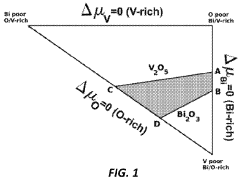
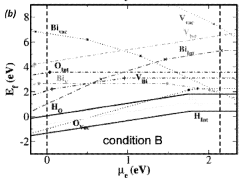
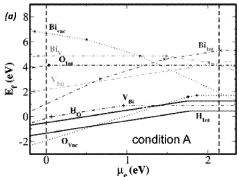
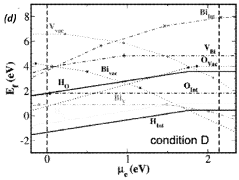
- The method involves hydrogenation of PEC electrodes, specifically annealing in hydrogen to form hydrogenated-PEC electrodes, which enhances charge transfer and transport by increasing donor density and electrical conductivity in materials such as BiVO4, TiO2, WO3, and ZnO.
Scalability and Cost Analysis
Scaling PEC water splitting systems from laboratory to industrial scale presents significant challenges that directly impact economic viability. Current laboratory-scale PEC devices typically operate at areas of 1-10 cm², while commercial implementation would require scaling to several square meters or larger. This scaling introduces substantial engineering challenges related to uniform light distribution, electrolyte flow dynamics, and maintaining consistent photoelectrode performance across larger surface areas. The non-linear relationship between device size and performance often results in efficiency losses during scale-up, with most systems showing 15-30% decreased solar-to-hydrogen efficiency when scaled beyond 100 cm².
Cost analysis of PEC water splitting systems must consider both capital expenditure (CAPEX) and operational expenditure (OPEX). Current CAPEX estimates range from $100-300/kW for PEC systems, significantly higher than the $50-100/kW target needed for commercial viability. Material costs constitute 40-60% of total system costs, with semiconductor photoelectrodes representing the most expensive components. Precious metal catalysts (Pt, Ir, Ru) add substantial cost, though recent advances in earth-abundant catalysts (Ni, Fe, Co compounds) show promise for cost reduction.
Manufacturing scalability presents another critical consideration. Current fabrication methods for high-performance photoelectrodes often involve vacuum deposition techniques or complex nanostructuring processes that are challenging to scale economically. Solution-based processing methods show greater promise for large-scale manufacturing but typically yield lower performance. The trade-off between performance and manufacturability remains a central challenge, with techno-economic analyses suggesting that solar-to-hydrogen efficiencies above 10% combined with system lifetimes exceeding 5 years are necessary for economic viability.
Levelized cost of hydrogen (LCOH) calculations for PEC systems currently range from $5-15/kg H₂, substantially higher than the DOE target of $2/kg by 2025. Sensitivity analyses indicate that efficiency improvements yield diminishing returns beyond 15%, while durability enhancements from the current 1000-hour benchmark to 50,000+ hours would provide the most significant cost reduction pathway. This highlights the importance of stability metrics in performance indicator frameworks.
Infrastructure requirements for scaled PEC systems include water purification, product gas separation, compression, and storage, collectively adding 20-35% to system costs. Regional variations in solar irradiance significantly impact economic feasibility, with locations receiving >5 kWh/m²/day of solar energy showing the most promising economics. These factors must be integrated into comprehensive performance indicators that address not only laboratory efficiency metrics but also scalability potential and projected costs at commercial deployment scales.
Cost analysis of PEC water splitting systems must consider both capital expenditure (CAPEX) and operational expenditure (OPEX). Current CAPEX estimates range from $100-300/kW for PEC systems, significantly higher than the $50-100/kW target needed for commercial viability. Material costs constitute 40-60% of total system costs, with semiconductor photoelectrodes representing the most expensive components. Precious metal catalysts (Pt, Ir, Ru) add substantial cost, though recent advances in earth-abundant catalysts (Ni, Fe, Co compounds) show promise for cost reduction.
Manufacturing scalability presents another critical consideration. Current fabrication methods for high-performance photoelectrodes often involve vacuum deposition techniques or complex nanostructuring processes that are challenging to scale economically. Solution-based processing methods show greater promise for large-scale manufacturing but typically yield lower performance. The trade-off between performance and manufacturability remains a central challenge, with techno-economic analyses suggesting that solar-to-hydrogen efficiencies above 10% combined with system lifetimes exceeding 5 years are necessary for economic viability.
Levelized cost of hydrogen (LCOH) calculations for PEC systems currently range from $5-15/kg H₂, substantially higher than the DOE target of $2/kg by 2025. Sensitivity analyses indicate that efficiency improvements yield diminishing returns beyond 15%, while durability enhancements from the current 1000-hour benchmark to 50,000+ hours would provide the most significant cost reduction pathway. This highlights the importance of stability metrics in performance indicator frameworks.
Infrastructure requirements for scaled PEC systems include water purification, product gas separation, compression, and storage, collectively adding 20-35% to system costs. Regional variations in solar irradiance significantly impact economic feasibility, with locations receiving >5 kWh/m²/day of solar energy showing the most promising economics. These factors must be integrated into comprehensive performance indicators that address not only laboratory efficiency metrics but also scalability potential and projected costs at commercial deployment scales.
Environmental Impact and Sustainability
Photoelectrochemical (PEC) water splitting represents a promising pathway toward sustainable hydrogen production, offering significant environmental benefits compared to conventional hydrogen production methods. The environmental impact of PEC water splitting systems extends beyond their operational phase to include manufacturing, deployment, and end-of-life considerations. When properly implemented, these systems can substantially reduce greenhouse gas emissions compared to fossil fuel-based hydrogen production methods, which currently account for approximately 95% of global hydrogen production and generate significant CO2 emissions.
The sustainability of PEC water splitting technology depends critically on the materials used in photoelectrode fabrication. Many high-performance photoelectrodes incorporate rare earth elements or precious metals as catalysts, raising concerns about resource depletion and supply chain vulnerabilities. Life cycle assessment (LCA) studies indicate that the environmental footprint of PEC systems is heavily influenced by the energy-intensive manufacturing processes of semiconductor materials and the extraction of catalyst materials.
Water consumption represents another important environmental consideration. While water splitting inherently requires water as a feedstock, the technology's water footprint extends to cooling systems and manufacturing processes. In water-stressed regions, this could potentially create competition with other essential water uses. However, innovations in system design are progressively reducing water requirements beyond the stoichiometric needs for hydrogen production.
The durability and stability of PEC materials significantly impact their environmental sustainability profile. Systems requiring frequent component replacement due to degradation or corrosion effectively multiply their embodied environmental impacts. Performance indicators that track degradation rates and lifetime expectations are therefore crucial not only for economic viability but also for comprehensive environmental assessment.
Land use considerations also factor into environmental impact evaluations. Large-scale deployment of PEC systems requires substantial surface area exposure to sunlight, potentially competing with agricultural land or natural habitats. This necessitates thoughtful integration with existing infrastructure or development of vertical deployment strategies to minimize land footprint.
The environmental benefits of PEC water splitting ultimately depend on the renewable nature of the energy source powering the process. When coupled with renewable electricity sources, PEC systems can achieve near-zero operational emissions, creating a truly sustainable hydrogen production pathway. Performance indicators must therefore include metrics for total system efficiency that account for both direct solar-to-hydrogen conversion and any supplementary energy inputs.
The sustainability of PEC water splitting technology depends critically on the materials used in photoelectrode fabrication. Many high-performance photoelectrodes incorporate rare earth elements or precious metals as catalysts, raising concerns about resource depletion and supply chain vulnerabilities. Life cycle assessment (LCA) studies indicate that the environmental footprint of PEC systems is heavily influenced by the energy-intensive manufacturing processes of semiconductor materials and the extraction of catalyst materials.
Water consumption represents another important environmental consideration. While water splitting inherently requires water as a feedstock, the technology's water footprint extends to cooling systems and manufacturing processes. In water-stressed regions, this could potentially create competition with other essential water uses. However, innovations in system design are progressively reducing water requirements beyond the stoichiometric needs for hydrogen production.
The durability and stability of PEC materials significantly impact their environmental sustainability profile. Systems requiring frequent component replacement due to degradation or corrosion effectively multiply their embodied environmental impacts. Performance indicators that track degradation rates and lifetime expectations are therefore crucial not only for economic viability but also for comprehensive environmental assessment.
Land use considerations also factor into environmental impact evaluations. Large-scale deployment of PEC systems requires substantial surface area exposure to sunlight, potentially competing with agricultural land or natural habitats. This necessitates thoughtful integration with existing infrastructure or development of vertical deployment strategies to minimize land footprint.
The environmental benefits of PEC water splitting ultimately depend on the renewable nature of the energy source powering the process. When coupled with renewable electricity sources, PEC systems can achieve near-zero operational emissions, creating a truly sustainable hydrogen production pathway. Performance indicators must therefore include metrics for total system efficiency that account for both direct solar-to-hydrogen conversion and any supplementary energy inputs.
Unlock deeper insights with PatSnap Eureka Quick Research — get a full tech report to explore trends and direct your research. Try now!
Generate Your Research Report Instantly with AI Agent
Supercharge your innovation with PatSnap Eureka AI Agent Platform!