Pneumatics in Hybrid Systems: Integration Techniques
MAR 13, 20269 MIN READ
Generate Your Research Report Instantly with AI Agent
Patsnap Eureka helps you evaluate technical feasibility & market potential.
Pneumatic Hybrid System Background and Integration Goals
Pneumatic hybrid systems represent a convergence of traditional pneumatic technology with modern hybrid propulsion concepts, emerging as a promising solution for energy-efficient transportation and industrial applications. The fundamental principle involves utilizing compressed air as an energy storage medium, which can be integrated with conventional internal combustion engines or electric powertrains to create multi-modal energy systems. This approach leverages the high power density of pneumatic systems while addressing their inherent energy density limitations through strategic integration with complementary technologies.
The historical development of pneumatic hybrid systems traces back to early compressed air vehicles in the 19th century, but modern applications have evolved significantly with advances in materials science, control systems, and energy management technologies. Contemporary pneumatic hybrid systems incorporate sophisticated valve timing mechanisms, advanced composite pressure vessels, and intelligent energy recovery systems that can capture and store energy during braking or deceleration phases.
Current technological evolution trends indicate a shift toward more sophisticated integration architectures that optimize the synergistic benefits of pneumatic and conventional powertrains. These systems are increasingly incorporating digital control algorithms, predictive energy management strategies, and adaptive operational modes that can dynamically adjust power distribution based on driving conditions and energy availability.
The primary technical objectives for pneumatic hybrid system integration focus on achieving seamless power coordination between pneumatic and conventional propulsion sources while maximizing overall system efficiency. Key goals include developing robust energy management protocols that can effectively balance power demands across multiple energy sources, minimizing energy losses during mode transitions, and ensuring reliable operation under diverse environmental conditions.
Integration targets also encompass the development of compact, lightweight system architectures that can be readily incorporated into existing vehicle platforms without significant structural modifications. This requires innovative packaging solutions for compressed air storage systems, efficient heat management strategies to address thermal effects during compression and expansion cycles, and standardized interface protocols that enable modular system configurations.
Advanced control system objectives aim to establish intelligent coordination mechanisms that can predict optimal energy utilization patterns, implement real-time system diagnostics, and provide adaptive performance optimization based on operational history and environmental factors. These goals collectively drive toward creating pneumatic hybrid systems that offer enhanced fuel economy, reduced emissions, and improved operational flexibility compared to conventional single-source powertrains.
The historical development of pneumatic hybrid systems traces back to early compressed air vehicles in the 19th century, but modern applications have evolved significantly with advances in materials science, control systems, and energy management technologies. Contemporary pneumatic hybrid systems incorporate sophisticated valve timing mechanisms, advanced composite pressure vessels, and intelligent energy recovery systems that can capture and store energy during braking or deceleration phases.
Current technological evolution trends indicate a shift toward more sophisticated integration architectures that optimize the synergistic benefits of pneumatic and conventional powertrains. These systems are increasingly incorporating digital control algorithms, predictive energy management strategies, and adaptive operational modes that can dynamically adjust power distribution based on driving conditions and energy availability.
The primary technical objectives for pneumatic hybrid system integration focus on achieving seamless power coordination between pneumatic and conventional propulsion sources while maximizing overall system efficiency. Key goals include developing robust energy management protocols that can effectively balance power demands across multiple energy sources, minimizing energy losses during mode transitions, and ensuring reliable operation under diverse environmental conditions.
Integration targets also encompass the development of compact, lightweight system architectures that can be readily incorporated into existing vehicle platforms without significant structural modifications. This requires innovative packaging solutions for compressed air storage systems, efficient heat management strategies to address thermal effects during compression and expansion cycles, and standardized interface protocols that enable modular system configurations.
Advanced control system objectives aim to establish intelligent coordination mechanisms that can predict optimal energy utilization patterns, implement real-time system diagnostics, and provide adaptive performance optimization based on operational history and environmental factors. These goals collectively drive toward creating pneumatic hybrid systems that offer enhanced fuel economy, reduced emissions, and improved operational flexibility compared to conventional single-source powertrains.
Market Demand for Pneumatic Hybrid Solutions
The global market for pneumatic hybrid solutions is experiencing significant growth driven by increasing environmental regulations and the urgent need for energy-efficient technologies across multiple industries. Traditional pneumatic systems, while reliable and cost-effective, face mounting pressure to reduce energy consumption and carbon emissions, creating substantial demand for hybrid integration approaches that combine pneumatic power with electric, hydraulic, or other energy sources.
Automotive manufacturing represents the largest market segment for pneumatic hybrid solutions, where assembly lines require precise, high-speed operations while meeting stringent energy efficiency standards. The integration of pneumatic actuators with electric servo systems enables manufacturers to achieve optimal performance while reducing compressed air consumption by significant margins. This demand is particularly pronounced in emerging markets where automotive production is rapidly expanding.
Industrial automation sectors, including packaging, food processing, and pharmaceutical manufacturing, demonstrate strong adoption rates for hybrid pneumatic systems. These industries require the cleanliness and safety benefits of pneumatic systems while demanding improved energy efficiency and precise control capabilities. The integration of smart sensors and electric control systems with traditional pneumatic components addresses these dual requirements effectively.
The renewable energy sector presents emerging opportunities for pneumatic hybrid solutions, particularly in wind turbine pitch control systems and solar panel positioning mechanisms. These applications benefit from the reliability of pneumatic systems combined with the precision control offered by electric integration, creating new market niches with substantial growth potential.
Market demand is further accelerated by government incentives promoting energy-efficient industrial equipment and corporate sustainability initiatives. Companies across various sectors are actively seeking pneumatic hybrid solutions to meet internal carbon reduction targets while maintaining operational efficiency. The total addressable market continues expanding as integration technologies mature and cost barriers decrease.
Regional demand patterns show strongest growth in Asia-Pacific manufacturing hubs, followed by European markets driven by environmental regulations, and North American industrial modernization initiatives. Small and medium enterprises increasingly recognize the long-term cost benefits of hybrid pneumatic systems, broadening the market base beyond large industrial corporations.
Automotive manufacturing represents the largest market segment for pneumatic hybrid solutions, where assembly lines require precise, high-speed operations while meeting stringent energy efficiency standards. The integration of pneumatic actuators with electric servo systems enables manufacturers to achieve optimal performance while reducing compressed air consumption by significant margins. This demand is particularly pronounced in emerging markets where automotive production is rapidly expanding.
Industrial automation sectors, including packaging, food processing, and pharmaceutical manufacturing, demonstrate strong adoption rates for hybrid pneumatic systems. These industries require the cleanliness and safety benefits of pneumatic systems while demanding improved energy efficiency and precise control capabilities. The integration of smart sensors and electric control systems with traditional pneumatic components addresses these dual requirements effectively.
The renewable energy sector presents emerging opportunities for pneumatic hybrid solutions, particularly in wind turbine pitch control systems and solar panel positioning mechanisms. These applications benefit from the reliability of pneumatic systems combined with the precision control offered by electric integration, creating new market niches with substantial growth potential.
Market demand is further accelerated by government incentives promoting energy-efficient industrial equipment and corporate sustainability initiatives. Companies across various sectors are actively seeking pneumatic hybrid solutions to meet internal carbon reduction targets while maintaining operational efficiency. The total addressable market continues expanding as integration technologies mature and cost barriers decrease.
Regional demand patterns show strongest growth in Asia-Pacific manufacturing hubs, followed by European markets driven by environmental regulations, and North American industrial modernization initiatives. Small and medium enterprises increasingly recognize the long-term cost benefits of hybrid pneumatic systems, broadening the market base beyond large industrial corporations.
Current State and Challenges of Pneumatic Integration
The integration of pneumatic systems into hybrid configurations represents a rapidly evolving technological landscape with significant potential across multiple industrial sectors. Currently, pneumatic integration technologies are primarily concentrated in automotive, manufacturing automation, and aerospace applications, where the combination of pneumatic actuators with electric, hydraulic, or electronic control systems offers enhanced performance characteristics.
Modern pneumatic hybrid systems predominantly utilize proportional valve technologies and advanced sensor feedback mechanisms to achieve precise control integration. The most prevalent approach involves coupling pneumatic actuators with electronic control units that manage air flow, pressure regulation, and positioning accuracy. This integration typically employs real-time communication protocols such as CAN bus, Profibus, or Ethernet-based systems to coordinate between pneumatic and other subsystem components.
Despite technological advances, several critical challenges continue to impede optimal pneumatic integration. Energy efficiency remains a primary concern, as traditional pneumatic systems exhibit inherent losses through air compression and distribution processes. The integration complexity increases significantly when attempting to synchronize pneumatic response times with faster electric or hydraulic systems, creating timing coordination difficulties that affect overall system performance.
Control precision represents another substantial challenge, particularly in applications requiring sub-millimeter positioning accuracy. Pneumatic systems inherently exhibit compressibility characteristics that introduce non-linear behavior, making precise control integration more complex compared to rigid mechanical or hydraulic alternatives. Temperature variations further compound these precision challenges by affecting air density and system response characteristics.
System reliability and maintenance requirements pose additional integration obstacles. Pneumatic components require regular maintenance for air quality management, seal replacement, and pressure system integrity checks. When integrated with electronic systems, the maintenance complexity multiplies, requiring specialized expertise across multiple technological domains.
Cost optimization remains a significant barrier for widespread adoption, particularly in smaller-scale applications. The initial investment for sophisticated pneumatic integration systems, including advanced controllers, sensors, and communication interfaces, often exceeds the cost benefits in lower-volume production environments. Additionally, the geographical distribution of pneumatic integration expertise is concentrated primarily in developed industrial regions, limiting technology transfer and implementation in emerging markets.
Current integration approaches also face standardization challenges, with limited universal protocols for seamless pneumatic-electronic system communication, resulting in proprietary solutions that restrict interoperability and increase long-term operational costs.
Modern pneumatic hybrid systems predominantly utilize proportional valve technologies and advanced sensor feedback mechanisms to achieve precise control integration. The most prevalent approach involves coupling pneumatic actuators with electronic control units that manage air flow, pressure regulation, and positioning accuracy. This integration typically employs real-time communication protocols such as CAN bus, Profibus, or Ethernet-based systems to coordinate between pneumatic and other subsystem components.
Despite technological advances, several critical challenges continue to impede optimal pneumatic integration. Energy efficiency remains a primary concern, as traditional pneumatic systems exhibit inherent losses through air compression and distribution processes. The integration complexity increases significantly when attempting to synchronize pneumatic response times with faster electric or hydraulic systems, creating timing coordination difficulties that affect overall system performance.
Control precision represents another substantial challenge, particularly in applications requiring sub-millimeter positioning accuracy. Pneumatic systems inherently exhibit compressibility characteristics that introduce non-linear behavior, making precise control integration more complex compared to rigid mechanical or hydraulic alternatives. Temperature variations further compound these precision challenges by affecting air density and system response characteristics.
System reliability and maintenance requirements pose additional integration obstacles. Pneumatic components require regular maintenance for air quality management, seal replacement, and pressure system integrity checks. When integrated with electronic systems, the maintenance complexity multiplies, requiring specialized expertise across multiple technological domains.
Cost optimization remains a significant barrier for widespread adoption, particularly in smaller-scale applications. The initial investment for sophisticated pneumatic integration systems, including advanced controllers, sensors, and communication interfaces, often exceeds the cost benefits in lower-volume production environments. Additionally, the geographical distribution of pneumatic integration expertise is concentrated primarily in developed industrial regions, limiting technology transfer and implementation in emerging markets.
Current integration approaches also face standardization challenges, with limited universal protocols for seamless pneumatic-electronic system communication, resulting in proprietary solutions that restrict interoperability and increase long-term operational costs.
Existing Pneumatic Integration Techniques and Methods
01 Pneumatic control systems and valves
Pneumatic control systems utilize compressed air to operate various valves and control mechanisms. These systems include directional control valves, pressure regulators, and flow control valves that manage the distribution and pressure of compressed air in pneumatic circuits. The technology enables precise control of pneumatic actuators and other components through automated or manual valve operations.- Pneumatic control systems and valves: Pneumatic control systems utilize compressed air to operate various valves and control mechanisms. These systems include directional control valves, pressure regulators, and flow control valves that manage the distribution and regulation of compressed air in pneumatic circuits. The technology focuses on improving response time, precision control, and energy efficiency in pneumatic operations.
- Pneumatic actuators and cylinders: Pneumatic actuators convert compressed air energy into mechanical motion, commonly used in automation and industrial applications. These devices include linear cylinders, rotary actuators, and gripper mechanisms that provide force and movement for various manufacturing processes. Design improvements focus on enhancing durability, reducing air consumption, and increasing operational efficiency.
- Pneumatic connectors and fittings: Pneumatic connectors and fittings are essential components for establishing secure and leak-free connections in compressed air systems. These include quick-connect couplings, push-to-connect fittings, and threaded connectors designed for easy installation and maintenance. The technology emphasizes reliability, pressure resistance, and compatibility with different tubing materials and sizes.
- Pneumatic transmission and distribution systems: Pneumatic transmission systems are designed for the efficient distribution of compressed air throughout industrial facilities. These systems incorporate air preparation units, manifolds, and piping networks that ensure clean, dry air delivery to multiple points of use. Key features include pressure stabilization, moisture removal, and modular design for flexible system configuration.
- Pneumatic tools and equipment: Pneumatic tools utilize compressed air to power various hand-held and stationary equipment for industrial and construction applications. These tools include impact wrenches, grinders, drills, and spray guns that offer advantages in power-to-weight ratio and safety in hazardous environments. Development focuses on ergonomic design, noise reduction, and improved air efficiency.
02 Pneumatic actuators and cylinders
Pneumatic actuators convert compressed air energy into mechanical motion, commonly used in automation and industrial applications. These devices include linear cylinders, rotary actuators, and gripper mechanisms that provide force and movement for various operations. The technology focuses on efficient energy conversion, precise positioning, and reliable operation under different load conditions.Expand Specific Solutions03 Pneumatic connectors and fittings
Pneumatic connectors and fittings provide secure and leak-proof connections between pneumatic components and air supply lines. These components include quick-connect couplings, threaded fittings, push-to-connect fittings, and manifold systems that facilitate easy assembly and maintenance of pneumatic systems. The technology emphasizes durability, ease of installation, and minimal air leakage.Expand Specific Solutions04 Pneumatic pressure regulation and monitoring
Pressure regulation and monitoring systems maintain optimal air pressure levels in pneumatic circuits and provide real-time feedback on system performance. These systems incorporate pressure sensors, regulators, gauges, and safety relief valves to ensure stable operation and prevent over-pressurization. The technology enables automatic pressure adjustment and system protection.Expand Specific Solutions05 Pneumatic tools and equipment
Pneumatic tools and equipment utilize compressed air to perform various industrial and manufacturing tasks. These applications include pneumatic drills, impact wrenches, spray guns, and material handling devices that offer high power-to-weight ratios and continuous operation capabilities. The technology provides efficient and safe alternatives to electric or hydraulic tools in many applications.Expand Specific Solutions
Key Players in Pneumatic Hybrid System Industry
The pneumatics in hybrid systems integration technology represents a rapidly evolving sector within the broader automotive and industrial automation markets. The industry is currently in a growth phase, driven by increasing demand for fuel-efficient and environmentally sustainable solutions. Major automotive manufacturers like Toyota Motor Corp., Volvo, Renault SA, and BYD Co. Ltd. are actively developing hybrid propulsion systems, while specialized transmission companies such as Allison Transmission Inc. and ZF Friedrichshafen AG focus on integration technologies. The technology maturity varies significantly across applications, with established players like Robert Bosch GmbH and Schaeffler Technologies AG offering advanced pneumatic components, while emerging companies like Movener SpA develop innovative hybrid kits. Research institutions including ETH Zurich and Southeast University contribute to technological advancement through fundamental research and development initiatives.
Allison Transmission, Inc.
Technical Solution: Allison has developed pneumatic-assisted electric transmission systems that integrate compressed air actuation with electric motor control for enhanced performance in heavy-duty applications. Their hybrid integration approach combines pneumatic clutch and brake actuation with electric shift control, enabling rapid response times and improved durability under high-load conditions. The system utilizes pneumatic energy storage to provide instantaneous high-force actuation while electric components manage precise timing and modulation. Allison's technology demonstrates particular effectiveness in stop-and-go applications where frequent shifting benefits from the quick response characteristics of pneumatic systems combined with the precision control capabilities of electric actuators, resulting in improved transmission efficiency and extended component life.
Strengths: Specialized transmission expertise, proven performance in demanding applications, strong commercial vehicle market presence. Weaknesses: Narrow application focus, limited integration with broader vehicle energy management systems.
Volvo Lastvagnar AB
Technical Solution: Volvo Trucks has implemented pneumatic-electric hybrid systems specifically designed for heavy-duty commercial applications, focusing on air brake system integration with electric powertrains. Their technology leverages the existing pneumatic infrastructure in commercial vehicles to create dual-purpose energy storage and recovery systems. The integration technique employs advanced pneumatic-electric converters that can function as both compressors and expanders, enabling bidirectional energy flow between compressed air storage and electric battery systems. Volvo's approach emphasizes practical implementation in existing vehicle platforms, utilizing pneumatic energy for auxiliary systems while electric components handle primary propulsion, resulting in improved fuel economy and reduced operational costs for fleet operators.
Strengths: Deep understanding of commercial vehicle requirements, established pneumatic system expertise, strong focus on practical implementation. Weaknesses: Limited passenger vehicle applications, dependency on existing pneumatic infrastructure constraints.
Core Patents in Pneumatic Hybrid Integration
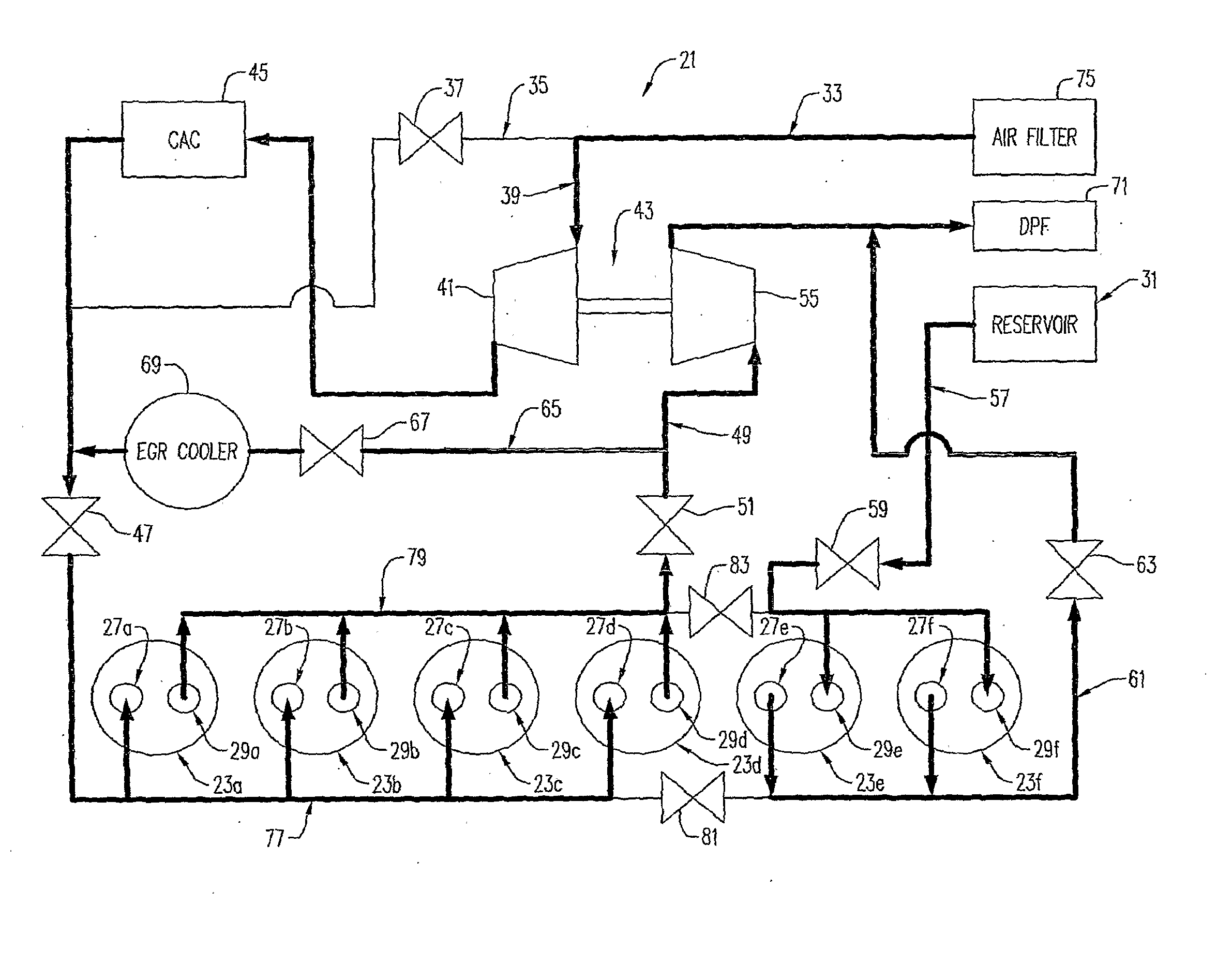
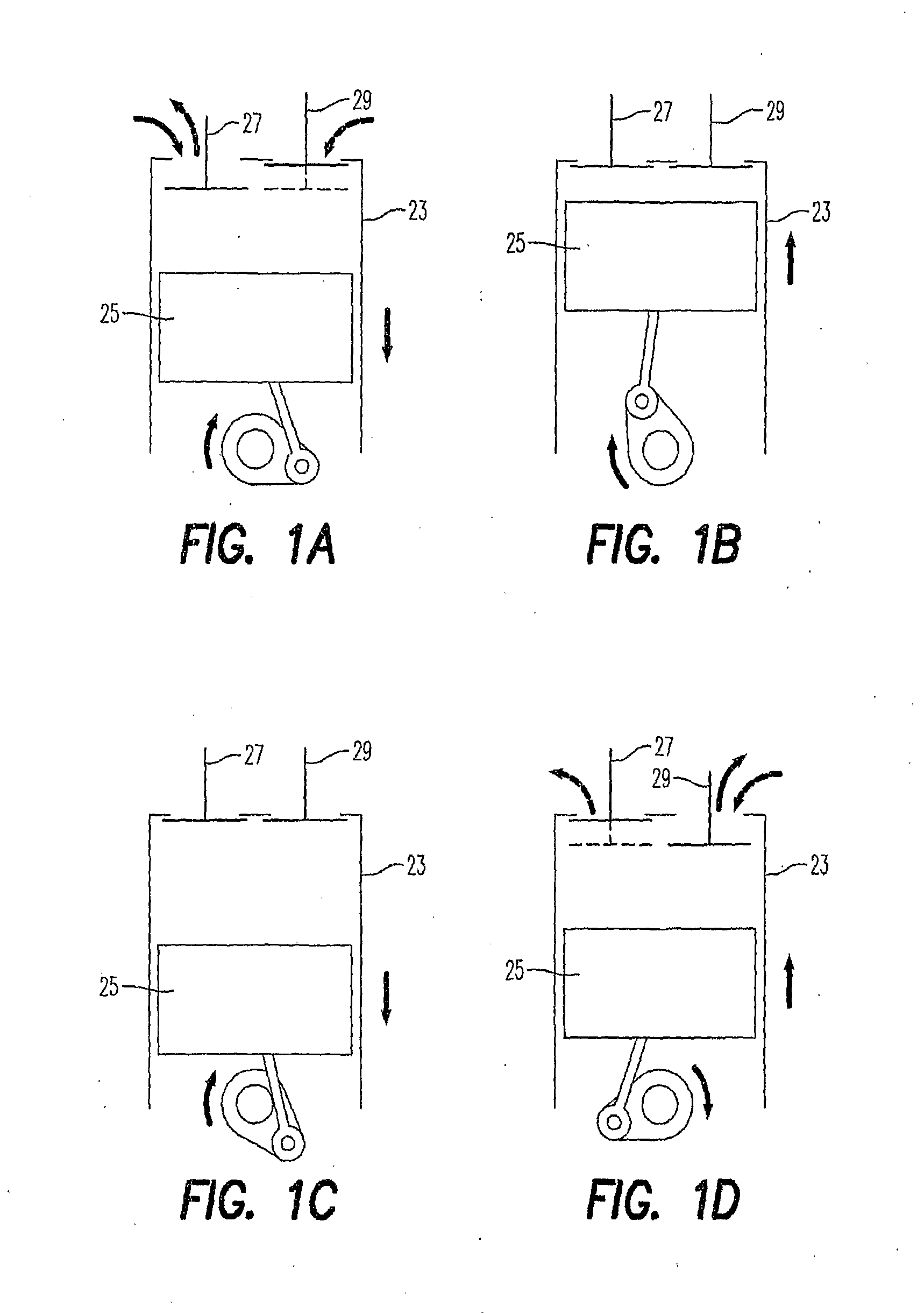
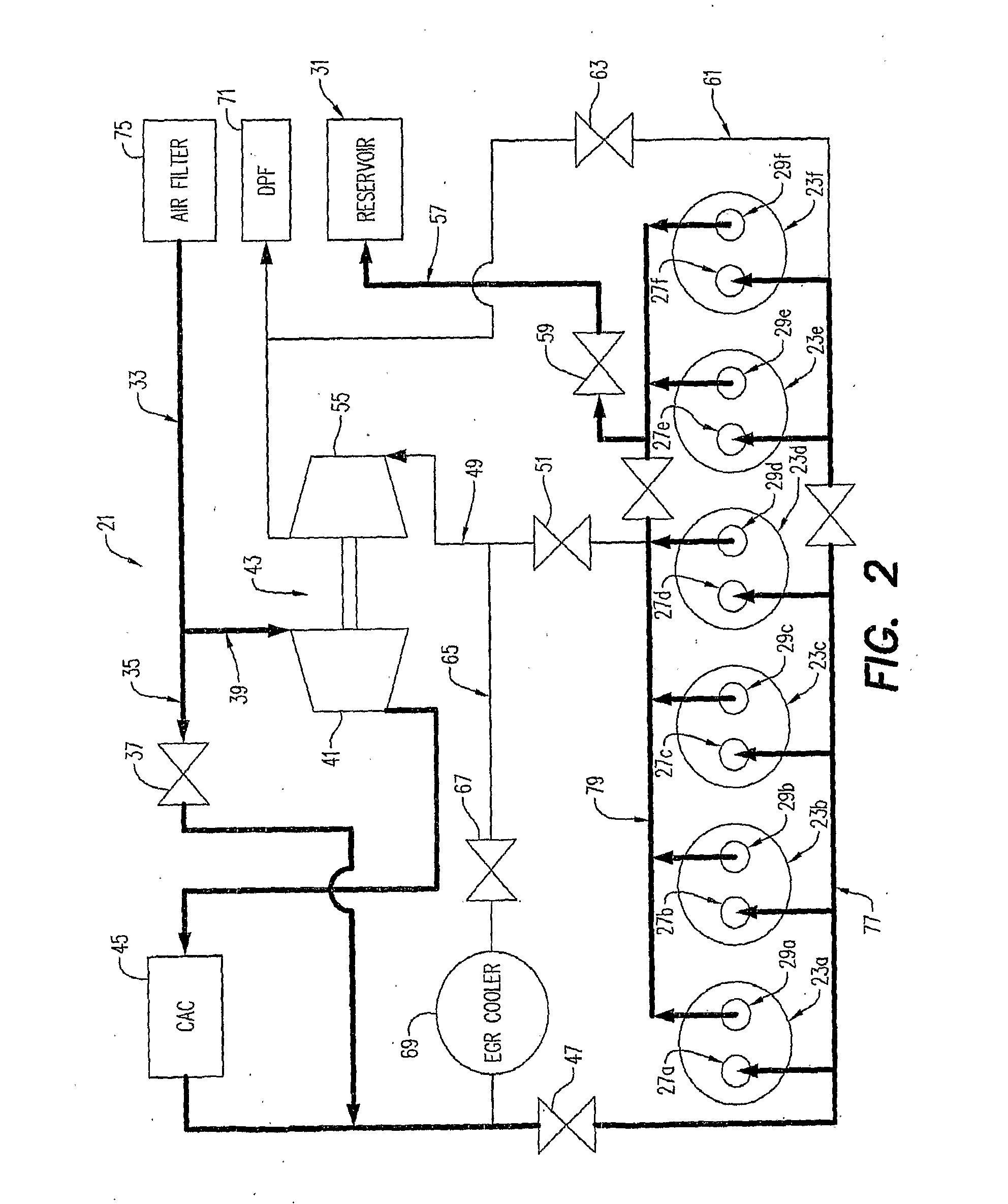
Hybrid internal combustion engine and air motor system and method
PatentInactiveUS20100086414A1
Innovation
- A method for calculating air compressor and air motor efficiencies using specific equations to optimize intake and exhaust valve timing sequences, allowing for seamless transitions between air motor and internal combustion engine modes while minimizing torque changes, thereby enhancing overall system efficiency and fuel economy.

Hybrid steering system for a vehicle and method for operating such a hybrid steering system
PatentPendingEP4644213A1
Innovation
- A hybrid steering system incorporating a mechanical linkage, a steering assister, a hydraulic system, and a pneumatic system, allowing the hydraulic system to be safely deactivated by pressurizing it with a pneumatic system, a pneumatic system, connected to the hydraulic system, to maintain hydraulic pressure, and a pneumatic system, connected to the hydraulic system and configured to pressurize the hydraulic system when it is in the disabled configuration.


Energy Efficiency Standards for Hybrid Systems
Energy efficiency standards for hybrid systems incorporating pneumatic components have emerged as critical regulatory frameworks driving technological advancement and market adoption. These standards establish minimum performance thresholds, measurement protocols, and certification requirements that manufacturers must meet to ensure their hybrid pneumatic systems deliver optimal energy utilization while maintaining operational reliability.
The International Organization for Standardization (ISO) has developed ISO 8573 series standards specifically addressing compressed air quality and energy efficiency in pneumatic systems. For hybrid applications, ISO 50001 energy management systems standard provides the overarching framework, while sector-specific standards like ISO 14040 for life cycle assessment help evaluate the complete energy footprint of integrated pneumatic-electric systems.
Regional regulatory bodies have established distinct efficiency benchmarks. The European Union's Ecodesign Directive mandates minimum energy performance standards for industrial pneumatic equipment, requiring hybrid systems to demonstrate at least 15% energy savings compared to conventional pneumatic solutions. The directive also establishes mandatory energy labeling requirements, enabling end-users to make informed decisions based on standardized efficiency metrics.
In North America, the Department of Energy's Federal Energy Management Program has introduced guidelines for pneumatic system efficiency in federal facilities. These standards require hybrid pneumatic systems to achieve minimum Specific Energy Consumption (SEC) values, typically measured in kWh per standard cubic meter of compressed air delivered. The standards also mandate the implementation of variable speed drives and intelligent control systems in hybrid configurations.
Emerging standards focus on dynamic efficiency measurement methodologies that account for the variable load conditions typical in hybrid system operations. The International Electrotechnical Commission (IEC) 61800 series addresses variable frequency drives used in pneumatic compressors, establishing efficiency classes and testing procedures for hybrid system components.
Compliance verification requires comprehensive testing protocols that evaluate system performance across multiple operating scenarios. These protocols assess energy consumption during startup, steady-state operation, and load variation cycles, ensuring that efficiency claims reflect real-world performance rather than optimal laboratory conditions.
The International Organization for Standardization (ISO) has developed ISO 8573 series standards specifically addressing compressed air quality and energy efficiency in pneumatic systems. For hybrid applications, ISO 50001 energy management systems standard provides the overarching framework, while sector-specific standards like ISO 14040 for life cycle assessment help evaluate the complete energy footprint of integrated pneumatic-electric systems.
Regional regulatory bodies have established distinct efficiency benchmarks. The European Union's Ecodesign Directive mandates minimum energy performance standards for industrial pneumatic equipment, requiring hybrid systems to demonstrate at least 15% energy savings compared to conventional pneumatic solutions. The directive also establishes mandatory energy labeling requirements, enabling end-users to make informed decisions based on standardized efficiency metrics.
In North America, the Department of Energy's Federal Energy Management Program has introduced guidelines for pneumatic system efficiency in federal facilities. These standards require hybrid pneumatic systems to achieve minimum Specific Energy Consumption (SEC) values, typically measured in kWh per standard cubic meter of compressed air delivered. The standards also mandate the implementation of variable speed drives and intelligent control systems in hybrid configurations.
Emerging standards focus on dynamic efficiency measurement methodologies that account for the variable load conditions typical in hybrid system operations. The International Electrotechnical Commission (IEC) 61800 series addresses variable frequency drives used in pneumatic compressors, establishing efficiency classes and testing procedures for hybrid system components.
Compliance verification requires comprehensive testing protocols that evaluate system performance across multiple operating scenarios. These protocols assess energy consumption during startup, steady-state operation, and load variation cycles, ensuring that efficiency claims reflect real-world performance rather than optimal laboratory conditions.
Safety Protocols in Pneumatic Hybrid Applications
Safety protocols in pneumatic hybrid applications represent a critical framework that governs the secure operation of integrated systems combining pneumatic actuators with electric, hydraulic, or mechanical components. These protocols encompass comprehensive risk assessment methodologies, operational guidelines, and emergency response procedures specifically tailored to address the unique hazards arising from multi-domain energy interactions within hybrid configurations.
The fundamental safety architecture begins with pressure management protocols that establish strict boundaries for pneumatic operating pressures in hybrid environments. These protocols mandate the implementation of redundant pressure relief systems, automated pressure monitoring with real-time feedback loops, and fail-safe mechanisms that ensure controlled system shutdown when predetermined pressure thresholds are exceeded. Critical attention is given to pressure vessel integrity, with mandatory periodic inspections and certification requirements for all pneumatic components operating within hybrid systems.
Electrical safety integration forms another cornerstone of pneumatic hybrid safety protocols, addressing the inherent risks of combining compressed air systems with electrical components. These protocols require comprehensive grounding strategies, moisture control systems to prevent electrical hazards from pneumatic condensation, and specialized enclosure ratings for electrical components exposed to pneumatic environments. Lockout-tagout procedures are enhanced to accommodate multi-energy source isolation, ensuring complete system de-energization during maintenance operations.
Emergency response protocols are specifically designed to address cascade failure scenarios unique to hybrid systems, where pneumatic system failures can trigger electrical or mechanical hazards, and vice versa. These protocols establish clear evacuation procedures, emergency venting strategies, and rapid system isolation techniques. Training requirements mandate that operators understand the interdependencies between system components and can execute appropriate emergency responses for various failure modes.
Maintenance safety protocols emphasize the sequential de-energization of hybrid systems, with specific procedures for safely releasing stored pneumatic energy while ensuring electrical and mechanical components remain in safe states. Regular safety audits and compliance verification ensure ongoing adherence to established protocols and adaptation to evolving hybrid system configurations.
The fundamental safety architecture begins with pressure management protocols that establish strict boundaries for pneumatic operating pressures in hybrid environments. These protocols mandate the implementation of redundant pressure relief systems, automated pressure monitoring with real-time feedback loops, and fail-safe mechanisms that ensure controlled system shutdown when predetermined pressure thresholds are exceeded. Critical attention is given to pressure vessel integrity, with mandatory periodic inspections and certification requirements for all pneumatic components operating within hybrid systems.
Electrical safety integration forms another cornerstone of pneumatic hybrid safety protocols, addressing the inherent risks of combining compressed air systems with electrical components. These protocols require comprehensive grounding strategies, moisture control systems to prevent electrical hazards from pneumatic condensation, and specialized enclosure ratings for electrical components exposed to pneumatic environments. Lockout-tagout procedures are enhanced to accommodate multi-energy source isolation, ensuring complete system de-energization during maintenance operations.
Emergency response protocols are specifically designed to address cascade failure scenarios unique to hybrid systems, where pneumatic system failures can trigger electrical or mechanical hazards, and vice versa. These protocols establish clear evacuation procedures, emergency venting strategies, and rapid system isolation techniques. Training requirements mandate that operators understand the interdependencies between system components and can execute appropriate emergency responses for various failure modes.
Maintenance safety protocols emphasize the sequential de-energization of hybrid systems, with specific procedures for safely releasing stored pneumatic energy while ensuring electrical and mechanical components remain in safe states. Regular safety audits and compliance verification ensure ongoing adherence to established protocols and adaptation to evolving hybrid system configurations.
Unlock deeper insights with Patsnap Eureka Quick Research — get a full tech report to explore trends and direct your research. Try now!
Generate Your Research Report Instantly with AI Agent
Supercharge your innovation with Patsnap Eureka AI Agent Platform!