Polyethylene Terephthalate Vs HDPE: Strength Comparison
FEB 27, 20269 MIN READ
Generate Your Research Report Instantly with AI Agent
PatSnap Eureka helps you evaluate technical feasibility & market potential.
PET vs HDPE Material Properties and Performance Goals
The comparative analysis of Polyethylene Terephthalate (PET) and High-Density Polyethylene (HDPE) reveals distinct material characteristics that define their respective application domains. PET exhibits superior tensile strength, typically ranging from 50-80 MPa, compared to HDPE's 20-37 MPa range. This fundamental difference positions PET as the preferred material for applications requiring higher mechanical stress resistance, particularly in beverage containers and textile fibers.
HDPE demonstrates exceptional chemical resistance and environmental stress crack resistance, making it ideal for chemical storage containers and piping systems. Its crystalline structure provides excellent impact resistance at low temperatures, with values reaching 400-800 J/m, significantly outperforming PET's 20-80 J/m range. This characteristic enables HDPE to maintain structural integrity under harsh environmental conditions.
The thermal properties of these materials establish different performance boundaries. PET's glass transition temperature of approximately 70-80°C and melting point around 250-260°C provide thermal stability for hot-fill applications and sterilization processes. HDPE's lower melting point of 120-130°C limits high-temperature applications but offers better low-temperature flexibility and processability.
Barrier properties represent another critical differentiation factor. PET exhibits superior gas barrier characteristics, particularly for oxygen and carbon dioxide, making it essential for carbonated beverage packaging where product shelf life depends on maintaining carbonation levels. HDPE shows excellent moisture barrier properties but limited gas barrier performance, restricting its use in applications requiring extended product preservation.
The performance goals for each material align with their inherent properties. PET development focuses on enhancing clarity, reducing acetaldehyde formation, and improving recyclability while maintaining strength characteristics. HDPE advancement targets improved stress crack resistance, enhanced UV stability, and optimized molecular weight distribution for specific processing requirements.
Processing characteristics influence material selection for manufacturing efficiency. PET requires precise temperature control and moisture management during processing, with injection molding temperatures typically ranging from 270-290°C. HDPE offers broader processing windows and lower energy requirements, with processing temperatures around 180-220°C, contributing to reduced manufacturing costs.
Environmental considerations increasingly influence material performance goals. Both materials face sustainability challenges, with PET showing advantages in recycling infrastructure and HDPE demonstrating benefits in energy recovery applications. The development of bio-based alternatives and improved recycling technologies represents a shared objective for both material systems.
HDPE demonstrates exceptional chemical resistance and environmental stress crack resistance, making it ideal for chemical storage containers and piping systems. Its crystalline structure provides excellent impact resistance at low temperatures, with values reaching 400-800 J/m, significantly outperforming PET's 20-80 J/m range. This characteristic enables HDPE to maintain structural integrity under harsh environmental conditions.
The thermal properties of these materials establish different performance boundaries. PET's glass transition temperature of approximately 70-80°C and melting point around 250-260°C provide thermal stability for hot-fill applications and sterilization processes. HDPE's lower melting point of 120-130°C limits high-temperature applications but offers better low-temperature flexibility and processability.
Barrier properties represent another critical differentiation factor. PET exhibits superior gas barrier characteristics, particularly for oxygen and carbon dioxide, making it essential for carbonated beverage packaging where product shelf life depends on maintaining carbonation levels. HDPE shows excellent moisture barrier properties but limited gas barrier performance, restricting its use in applications requiring extended product preservation.
The performance goals for each material align with their inherent properties. PET development focuses on enhancing clarity, reducing acetaldehyde formation, and improving recyclability while maintaining strength characteristics. HDPE advancement targets improved stress crack resistance, enhanced UV stability, and optimized molecular weight distribution for specific processing requirements.
Processing characteristics influence material selection for manufacturing efficiency. PET requires precise temperature control and moisture management during processing, with injection molding temperatures typically ranging from 270-290°C. HDPE offers broader processing windows and lower energy requirements, with processing temperatures around 180-220°C, contributing to reduced manufacturing costs.
Environmental considerations increasingly influence material performance goals. Both materials face sustainability challenges, with PET showing advantages in recycling infrastructure and HDPE demonstrating benefits in energy recovery applications. The development of bio-based alternatives and improved recycling technologies represents a shared objective for both material systems.
Market Demand for High-Strength Polymer Applications
The global polymer market is experiencing unprecedented growth driven by the increasing demand for high-strength materials across multiple industrial sectors. Packaging applications represent the largest consumption segment, where the strength comparison between Polyethylene Terephthalate and High-Density Polyethylene becomes particularly critical. The food and beverage industry continues to drive substantial demand for PET due to its superior barrier properties and mechanical strength, while HDPE maintains dominance in applications requiring chemical resistance and impact strength.
Automotive manufacturers are increasingly adopting high-strength polymers to achieve weight reduction targets while maintaining structural integrity. The shift toward electric vehicles has intensified the need for lightweight yet durable materials, creating new opportunities for both PET and HDPE in battery housings, interior components, and structural applications. This transition is reshaping material selection criteria, with strength-to-weight ratios becoming paramount considerations.
Construction and infrastructure sectors demonstrate growing appetite for high-performance polymers, particularly in applications where traditional materials face limitations. HDPE's excellent environmental stress crack resistance makes it preferred for underground piping and geomembrane applications, while PET's dimensional stability and strength characteristics position it favorably for architectural and structural components.
The electronics and telecommunications industries present rapidly expanding markets for high-strength polymers. Miniaturization trends demand materials that can withstand mechanical stress while maintaining electrical properties. PET's superior tensile strength and thermal stability make it increasingly valuable for flexible electronics and display applications, whereas HDPE's dielectric properties serve specific niche applications.
Medical device manufacturing represents a high-value market segment where strength requirements are non-negotiable. Both materials find applications in different medical contexts, with PET's biocompatibility and strength making it suitable for implantable devices, while HDPE's chemical resistance serves pharmaceutical packaging and laboratory equipment applications.
Emerging applications in renewable energy infrastructure, particularly solar panel components and wind turbine parts, are creating new demand patterns. The marine and offshore industries also contribute to market growth, requiring materials that combine high strength with environmental resistance capabilities.
Automotive manufacturers are increasingly adopting high-strength polymers to achieve weight reduction targets while maintaining structural integrity. The shift toward electric vehicles has intensified the need for lightweight yet durable materials, creating new opportunities for both PET and HDPE in battery housings, interior components, and structural applications. This transition is reshaping material selection criteria, with strength-to-weight ratios becoming paramount considerations.
Construction and infrastructure sectors demonstrate growing appetite for high-performance polymers, particularly in applications where traditional materials face limitations. HDPE's excellent environmental stress crack resistance makes it preferred for underground piping and geomembrane applications, while PET's dimensional stability and strength characteristics position it favorably for architectural and structural components.
The electronics and telecommunications industries present rapidly expanding markets for high-strength polymers. Miniaturization trends demand materials that can withstand mechanical stress while maintaining electrical properties. PET's superior tensile strength and thermal stability make it increasingly valuable for flexible electronics and display applications, whereas HDPE's dielectric properties serve specific niche applications.
Medical device manufacturing represents a high-value market segment where strength requirements are non-negotiable. Both materials find applications in different medical contexts, with PET's biocompatibility and strength making it suitable for implantable devices, while HDPE's chemical resistance serves pharmaceutical packaging and laboratory equipment applications.
Emerging applications in renewable energy infrastructure, particularly solar panel components and wind turbine parts, are creating new demand patterns. The marine and offshore industries also contribute to market growth, requiring materials that combine high strength with environmental resistance capabilities.
Current Strength Limitations of PET and HDPE Materials
PET materials exhibit inherent limitations in mechanical strength that stem from their molecular structure and processing characteristics. The polymer's semi-crystalline nature results in tensile strength values typically ranging from 50-80 MPa, which, while adequate for many packaging applications, falls short of requirements for high-stress structural components. The material's elongation at break generally reaches 3-5%, indicating limited ductility compared to other thermoplastics.
Temperature sensitivity represents a critical weakness for PET applications. Above its glass transition temperature of approximately 78°C, PET experiences significant strength degradation, with tensile properties declining by up to 40% at elevated temperatures. This thermal limitation restricts its use in automotive and industrial applications where temperature fluctuations are common.
HDPE demonstrates different strength limitations despite its reputation for toughness and chemical resistance. The material's tensile strength typically ranges from 20-37 MPa, significantly lower than PET, though it compensates with superior impact resistance and flexibility. HDPE's elongation at break can exceed 600%, providing excellent ductility but limiting its application in rigid structural components.
Environmental stress cracking poses a significant challenge for HDPE materials, particularly when exposed to surfactants or organic solvents under mechanical stress. This phenomenon can lead to premature failure even at stress levels well below the material's ultimate tensile strength, creating reliability concerns in chemical processing and outdoor applications.
Both materials face limitations in UV resistance without proper stabilization. PET degrades under prolonged UV exposure, leading to chain scission and reduced molecular weight, while HDPE experiences oxidative degradation that compromises its mechanical properties. These degradation mechanisms necessitate the incorporation of UV stabilizers, adding complexity and cost to material formulations.
Processing-induced limitations further constrain both materials. PET's tendency toward hydrolytic degradation during melt processing requires careful moisture control, while HDPE's susceptibility to thermal oxidation during processing can create weak points that compromise long-term performance. These processing challenges directly impact the achievable strength properties in final products.
The crystallinity variations in both materials create inconsistencies in strength properties. PET's crystallization behavior is highly dependent on cooling rates and thermal history, leading to property variations across different processing conditions. Similarly, HDPE's density variations, ranging from 0.94 to 0.97 g/cm³, result in corresponding changes in mechanical properties that can limit design predictability.
Temperature sensitivity represents a critical weakness for PET applications. Above its glass transition temperature of approximately 78°C, PET experiences significant strength degradation, with tensile properties declining by up to 40% at elevated temperatures. This thermal limitation restricts its use in automotive and industrial applications where temperature fluctuations are common.
HDPE demonstrates different strength limitations despite its reputation for toughness and chemical resistance. The material's tensile strength typically ranges from 20-37 MPa, significantly lower than PET, though it compensates with superior impact resistance and flexibility. HDPE's elongation at break can exceed 600%, providing excellent ductility but limiting its application in rigid structural components.
Environmental stress cracking poses a significant challenge for HDPE materials, particularly when exposed to surfactants or organic solvents under mechanical stress. This phenomenon can lead to premature failure even at stress levels well below the material's ultimate tensile strength, creating reliability concerns in chemical processing and outdoor applications.
Both materials face limitations in UV resistance without proper stabilization. PET degrades under prolonged UV exposure, leading to chain scission and reduced molecular weight, while HDPE experiences oxidative degradation that compromises its mechanical properties. These degradation mechanisms necessitate the incorporation of UV stabilizers, adding complexity and cost to material formulations.
Processing-induced limitations further constrain both materials. PET's tendency toward hydrolytic degradation during melt processing requires careful moisture control, while HDPE's susceptibility to thermal oxidation during processing can create weak points that compromise long-term performance. These processing challenges directly impact the achievable strength properties in final products.
The crystallinity variations in both materials create inconsistencies in strength properties. PET's crystallization behavior is highly dependent on cooling rates and thermal history, leading to property variations across different processing conditions. Similarly, HDPE's density variations, ranging from 0.94 to 0.97 g/cm³, result in corresponding changes in mechanical properties that can limit design predictability.
Existing Strength Enhancement Solutions for Polymers
01 Blending PET with HDPE to enhance mechanical strength
Polyethylene terephthalate can be blended with high-density polyethylene to create composite materials with improved mechanical properties. The combination leverages the rigidity and tensile strength of one polymer with the toughness and impact resistance of the other. Various blending ratios and processing methods can be employed to optimize the strength characteristics of the resulting material. Compatibilizers may be added to improve the interfacial adhesion between the two polymers.- Blending PET with HDPE to enhance mechanical strength: Polyethylene terephthalate can be blended with high-density polyethylene to create composite materials with improved mechanical properties. The combination leverages the rigidity and strength of PET with the toughness and flexibility of HDPE. Various blending ratios and processing methods can be employed to optimize tensile strength, impact resistance, and overall durability of the resulting material.
- Use of compatibilizers in PET-HDPE blends: Compatibilizing agents can be incorporated into blends to improve the interfacial adhesion between the two polymers. These agents help to reduce phase separation and enhance the distribution of components, resulting in improved mechanical strength and stability. The compatibilizers facilitate better stress transfer between the polymer phases, leading to enhanced overall performance of the blend.
- Reinforcement with fillers and additives: The incorporation of various fillers, fibers, or nanoparticles into PET and HDPE matrices can significantly enhance their strength properties. These reinforcing materials improve tensile strength, flexural modulus, and impact resistance. The selection of appropriate filler types, sizes, and loading levels is critical for achieving optimal mechanical performance while maintaining processability.
- Processing techniques for strength optimization: Various processing methods including extrusion, injection molding, and orientation techniques can be employed to enhance the strength characteristics of both polymers. Processing parameters such as temperature, pressure, and cooling rates significantly influence the crystallinity and molecular orientation, which directly affect mechanical properties. Advanced processing techniques can create materials with superior strength-to-weight ratios.
- Recycled PET and HDPE strength enhancement: Technologies for improving the mechanical strength of recycled materials have been developed to address sustainability concerns. Methods include chain extension, reactive processing, and the addition of virgin polymer or modifiers to restore or enhance properties. These approaches enable the production of high-strength materials from recycled sources, maintaining performance comparable to virgin materials.
02 Reinforcement with fillers and additives for strength enhancement
The mechanical strength of both polyethylene terephthalate and high-density polyethylene can be significantly improved through the incorporation of various fillers and reinforcing agents. These additives include glass fibers, carbon fibers, mineral fillers, and nanoparticles that enhance tensile strength, flexural modulus, and impact resistance. The selection and concentration of reinforcing materials are critical factors in achieving desired strength properties while maintaining processability.Expand Specific Solutions03 Processing methods to optimize polymer strength
Various processing techniques such as extrusion, injection molding, and orientation processes can be employed to enhance the strength properties of these polymers. Molecular orientation through stretching or drawing processes can significantly improve tensile strength and dimensional stability. Processing parameters including temperature, pressure, and cooling rates play crucial roles in determining the final mechanical properties of the products.Expand Specific Solutions04 Recycling and reprocessing effects on material strength
The recycling and reprocessing of polyethylene terephthalate and high-density polyethylene materials can affect their mechanical strength properties. Multiple processing cycles may lead to polymer degradation and reduction in molecular weight, impacting tensile strength and other mechanical characteristics. Various methods including chain extenders, stabilizers, and blending with virgin materials can be employed to restore or maintain the strength properties of recycled polymers.Expand Specific Solutions05 Copolymerization and modification for improved strength
Chemical modification and copolymerization techniques can be utilized to enhance the strength characteristics of both polymers. The introduction of specific comonomers or functional groups can improve crystallinity, molecular weight, and intermolecular interactions, leading to enhanced mechanical properties. Cross-linking agents and reactive compatibilizers may also be employed to create stronger polymer networks with superior strength performance.Expand Specific Solutions
Key Players in PET and HDPE Manufacturing Industry
The polyethylene terephthalate (PET) versus HDPE strength comparison represents a mature segment within the broader polymer industry, currently in a consolidation phase with established market dynamics. The global market for these thermoplastics exceeds $200 billion annually, driven by packaging, automotive, and consumer goods applications. Technology maturity is high, with incremental innovations focusing on enhanced performance characteristics and sustainability. Major players like BASF Corp., LG Chem Ltd., and Toray Industries demonstrate advanced processing capabilities, while companies such as Dow Global Technologies LLC and Chevron Phillips Chemical Co. LP leverage integrated petrochemical operations. Asian manufacturers including Nan Ya Plastics Corp. and Kingfa Sci. & Tech. Co. provide cost-competitive solutions. The competitive landscape shows established players optimizing existing technologies rather than pursuing breakthrough innovations, indicating a mature market with differentiation occurring through specialized grades, processing efficiency, and sustainable material development.
LG Chem Ltd.
Technical Solution: LG Chem has developed comparative analysis methodologies for PET and HDPE strength characteristics through their petrochemical division. Their research indicates PET's higher modulus (2.8-4.1 GPa) versus HDPE (0.4-1.5 GPa) makes it suitable for rigid applications, while HDPE's lower modulus provides flexibility advantages. LG Chem's polymer modification technologies include impact modifiers and reinforcement additives that can enhance both materials' mechanical properties for specific applications requiring optimized strength profiles.
Strengths: Strong petrochemical integration and comprehensive polymer testing capabilities. Weaknesses: Focus primarily on Asian markets with limited global technical support.
Dow Global Technologies LLC
Technical Solution: Dow has developed advanced polyethylene technologies including enhanced HDPE formulations with improved stress crack resistance and impact strength. Their HDPE solutions utilize metallocene catalysts to achieve superior molecular weight distribution, resulting in tensile strengths up to 32 MPa and enhanced environmental stress crack resistance. For PET applications, Dow focuses on barrier properties and recyclability improvements through molecular design modifications that maintain mechanical integrity while reducing permeability.
Strengths: Leading catalyst technology and extensive polymer science expertise. Weaknesses: Higher production costs due to advanced catalyst systems.
Core Innovations in Polymer Strength Optimization
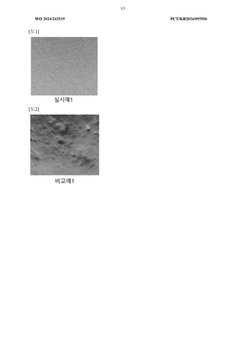
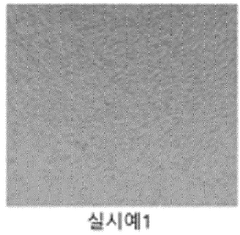
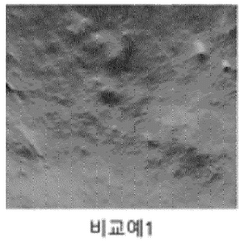
Method for producing polypropylene-dispersed high-density polyethylene composition, and article manufactured thereby
PatentWO2024242519A1
Innovation
- A method involving the prepolymerization of propylene on an activated catalyst to form a polypropylene catalyst seed, followed by polymerizing polypropylene and polyethylene at different catalyst sites, resulting in a high-density polyethylene composition with dispersed polypropylene, which enhances heat resistance and strength.
Graphene reinforced polyethylene terephthalate
PatentInactiveAU2023201451A1
Innovation
- The use of ultrasound-assisted twin-screw extrusion and in-situ polymerization techniques to disperse graphene nanoplatelets in PET, combined with micromechanical models for predicting material properties, enhances the uniformity and effectiveness of graphene reinforcement in PET nanocomposites.


Environmental Regulations for Plastic Materials
The regulatory landscape for plastic materials, particularly PET and HDPE, has evolved significantly over the past decade, driven by growing environmental concerns and sustainability imperatives. Both materials face increasingly stringent regulations across multiple jurisdictions, with particular emphasis on recyclability, biodegradability, and lifecycle environmental impact assessment.
In the European Union, the Single-Use Plastics Directive (EU 2019/904) has established comprehensive restrictions on certain plastic products while mandating minimum recycled content requirements. PET bottles must contain at least 25% recycled content by 2025, increasing to 30% by 2030. HDPE containers face similar requirements, though with different timelines and specifications based on their application categories.
The United States regulatory framework operates through multiple agencies, with the EPA leading environmental impact assessments and the FDA governing food-contact applications. Recent state-level initiatives, particularly California's SB 54, mandate significant reductions in single-use plastic packaging and establish extended producer responsibility programs that directly impact both PET and HDPE manufacturers.
China's National Sword policy and subsequent waste import restrictions have fundamentally altered global plastic waste management, forcing domestic recycling infrastructure development. The country's new Solid Waste Law emphasizes circular economy principles, requiring manufacturers to demonstrate end-of-life management strategies for plastic products.
Emerging regulations focus on microplastic pollution, with both materials under scrutiny for their degradation patterns in marine environments. The International Maritime Organization has begun developing guidelines that may affect plastic packaging used in maritime transport, potentially favoring materials with superior mechanical integrity under stress conditions.
Extended Producer Responsibility (EPR) schemes are expanding globally, requiring manufacturers to assume financial and operational responsibility for their products' entire lifecycle. These regulations particularly impact the comparative economics of PET versus HDPE selection, as recycling infrastructure and costs vary significantly between the two materials.
In the European Union, the Single-Use Plastics Directive (EU 2019/904) has established comprehensive restrictions on certain plastic products while mandating minimum recycled content requirements. PET bottles must contain at least 25% recycled content by 2025, increasing to 30% by 2030. HDPE containers face similar requirements, though with different timelines and specifications based on their application categories.
The United States regulatory framework operates through multiple agencies, with the EPA leading environmental impact assessments and the FDA governing food-contact applications. Recent state-level initiatives, particularly California's SB 54, mandate significant reductions in single-use plastic packaging and establish extended producer responsibility programs that directly impact both PET and HDPE manufacturers.
China's National Sword policy and subsequent waste import restrictions have fundamentally altered global plastic waste management, forcing domestic recycling infrastructure development. The country's new Solid Waste Law emphasizes circular economy principles, requiring manufacturers to demonstrate end-of-life management strategies for plastic products.
Emerging regulations focus on microplastic pollution, with both materials under scrutiny for their degradation patterns in marine environments. The International Maritime Organization has begun developing guidelines that may affect plastic packaging used in maritime transport, potentially favoring materials with superior mechanical integrity under stress conditions.
Extended Producer Responsibility (EPR) schemes are expanding globally, requiring manufacturers to assume financial and operational responsibility for their products' entire lifecycle. These regulations particularly impact the comparative economics of PET versus HDPE selection, as recycling infrastructure and costs vary significantly between the two materials.
Sustainability Considerations in Polymer Selection
The environmental impact of polymer selection has become increasingly critical in material engineering decisions, particularly when comparing Polyethylene Terephthalate (PET) and High-Density Polyethylene (HDPE). Both materials present distinct sustainability profiles that significantly influence their application suitability beyond mechanical strength considerations.
PET demonstrates superior recyclability characteristics, with established infrastructure supporting bottle-to-bottle recycling processes. The material can undergo mechanical recycling multiple times while maintaining acceptable performance properties, though some degradation occurs with each cycle. Chemical recycling technologies for PET are advancing rapidly, enabling depolymerization back to monomers for virgin-quality material production. However, PET production requires higher energy input and generates more carbon emissions during manufacturing compared to HDPE.
HDPE exhibits excellent chemical recycling potential due to its simpler molecular structure, allowing for efficient pyrolysis and gasification processes. The material's recycling rate remains lower than PET primarily due to collection and sorting challenges rather than technical limitations. HDPE production typically requires less energy and generates fewer greenhouse gas emissions per unit mass, contributing to a lower initial carbon footprint.
Life cycle assessment considerations reveal that PET's higher strength-to-weight ratio can offset its production emissions through lightweighting benefits in transportation applications. Conversely, HDPE's durability and chemical resistance extend product lifespan, reducing replacement frequency and overall material consumption over time.
Biodegradability remains limited for both polymers under standard environmental conditions, necessitating proper end-of-life management strategies. However, bio-based variants of both materials are emerging, with bio-PET achieving commercial scale and bio-HDPE showing promising development progress.
The circular economy integration differs significantly between these materials. PET benefits from established collection networks and consumer awareness, particularly in beverage packaging. HDPE applications often involve longer service lives, complicating collection but potentially offering greater material value retention. Regulatory frameworks increasingly favor materials with demonstrated recycling success, potentially advantaging PET in certain markets while HDPE benefits from its chemical stability and processing flexibility.
PET demonstrates superior recyclability characteristics, with established infrastructure supporting bottle-to-bottle recycling processes. The material can undergo mechanical recycling multiple times while maintaining acceptable performance properties, though some degradation occurs with each cycle. Chemical recycling technologies for PET are advancing rapidly, enabling depolymerization back to monomers for virgin-quality material production. However, PET production requires higher energy input and generates more carbon emissions during manufacturing compared to HDPE.
HDPE exhibits excellent chemical recycling potential due to its simpler molecular structure, allowing for efficient pyrolysis and gasification processes. The material's recycling rate remains lower than PET primarily due to collection and sorting challenges rather than technical limitations. HDPE production typically requires less energy and generates fewer greenhouse gas emissions per unit mass, contributing to a lower initial carbon footprint.
Life cycle assessment considerations reveal that PET's higher strength-to-weight ratio can offset its production emissions through lightweighting benefits in transportation applications. Conversely, HDPE's durability and chemical resistance extend product lifespan, reducing replacement frequency and overall material consumption over time.
Biodegradability remains limited for both polymers under standard environmental conditions, necessitating proper end-of-life management strategies. However, bio-based variants of both materials are emerging, with bio-PET achieving commercial scale and bio-HDPE showing promising development progress.
The circular economy integration differs significantly between these materials. PET benefits from established collection networks and consumer awareness, particularly in beverage packaging. HDPE applications often involve longer service lives, complicating collection but potentially offering greater material value retention. Regulatory frameworks increasingly favor materials with demonstrated recycling success, potentially advantaging PET in certain markets while HDPE benefits from its chemical stability and processing flexibility.
Unlock deeper insights with PatSnap Eureka Quick Research — get a full tech report to explore trends and direct your research. Try now!
Generate Your Research Report Instantly with AI Agent
Supercharge your innovation with PatSnap Eureka AI Agent Platform!