
Polyurethane Dispersion Vs Silicone: Temperature Performance
MAR 9, 20268 MIN READ
Generate Your Research Report Instantly with AI Agent
Patsnap Eureka helps you evaluate technical feasibility & market potential.
PU Dispersion vs Silicone Temperature Performance Background
Polyurethane dispersions and silicone materials represent two distinct polymer technologies that have evolved to address diverse industrial coating and adhesive applications. Both material systems have undergone significant technological advancement over the past several decades, driven by increasing demands for performance optimization across varying environmental conditions.
Polyurethane dispersions emerged in the 1950s as waterborne alternatives to solvent-based polyurethane systems. These colloidal dispersions consist of polyurethane particles suspended in water, offering reduced volatile organic compound emissions while maintaining many desirable properties of traditional polyurethanes. The technology has progressed through multiple generations, incorporating various polyol and isocyanate chemistries to achieve specific performance characteristics.
Silicone polymers, based on siloxane backbone chemistry, were first commercialized in the 1940s. These materials feature inherent thermal stability and flexibility due to the unique properties of silicon-oxygen bonds. Silicone technology has expanded from basic polydimethylsiloxane formulations to complex modified systems incorporating organic functional groups and crosslinking mechanisms.
Temperature performance has become a critical differentiating factor between these two technologies. Industrial applications increasingly demand materials that maintain consistent properties across extreme temperature ranges, from cryogenic conditions to high-temperature processing environments. This requirement spans multiple sectors including automotive, aerospace, construction, and electronics manufacturing.
The fundamental chemical differences between polyurethane and silicone structures directly influence their thermal behavior. Polyurethane dispersions rely on hydrogen bonding and urethane linkages, which exhibit temperature-dependent mechanical properties. Silicone materials benefit from the inherent thermal stability of siloxane bonds, providing consistent performance across broader temperature ranges.
Current market drivers emphasize the need for comprehensive understanding of temperature-related performance characteristics. Manufacturers require detailed comparative data to select appropriate materials for specific applications, considering factors such as glass transition temperatures, thermal expansion coefficients, and long-term thermal aging behavior. This comparative analysis becomes essential for optimizing product performance while managing cost considerations and processing requirements.
Polyurethane dispersions emerged in the 1950s as waterborne alternatives to solvent-based polyurethane systems. These colloidal dispersions consist of polyurethane particles suspended in water, offering reduced volatile organic compound emissions while maintaining many desirable properties of traditional polyurethanes. The technology has progressed through multiple generations, incorporating various polyol and isocyanate chemistries to achieve specific performance characteristics.
Silicone polymers, based on siloxane backbone chemistry, were first commercialized in the 1940s. These materials feature inherent thermal stability and flexibility due to the unique properties of silicon-oxygen bonds. Silicone technology has expanded from basic polydimethylsiloxane formulations to complex modified systems incorporating organic functional groups and crosslinking mechanisms.
Temperature performance has become a critical differentiating factor between these two technologies. Industrial applications increasingly demand materials that maintain consistent properties across extreme temperature ranges, from cryogenic conditions to high-temperature processing environments. This requirement spans multiple sectors including automotive, aerospace, construction, and electronics manufacturing.
The fundamental chemical differences between polyurethane and silicone structures directly influence their thermal behavior. Polyurethane dispersions rely on hydrogen bonding and urethane linkages, which exhibit temperature-dependent mechanical properties. Silicone materials benefit from the inherent thermal stability of siloxane bonds, providing consistent performance across broader temperature ranges.
Current market drivers emphasize the need for comprehensive understanding of temperature-related performance characteristics. Manufacturers require detailed comparative data to select appropriate materials for specific applications, considering factors such as glass transition temperatures, thermal expansion coefficients, and long-term thermal aging behavior. This comparative analysis becomes essential for optimizing product performance while managing cost considerations and processing requirements.
Market Demand for High-Temperature Resistant Coatings
The global coatings industry is experiencing unprecedented demand for high-temperature resistant solutions, driven by expanding applications across aerospace, automotive, industrial manufacturing, and energy sectors. Traditional coating systems frequently fail under extreme thermal conditions, creating substantial market opportunities for advanced formulations that can withstand elevated temperatures while maintaining performance characteristics.
Aerospace applications represent a particularly demanding segment, where components must endure temperatures exceeding 200°C during operation. Engine components, exhaust systems, and structural elements require coatings that maintain adhesion, flexibility, and protective properties under thermal cycling conditions. The growing commercial aviation sector and increasing defense spending globally are amplifying demand for reliable high-temperature coating solutions.
The automotive industry's shift toward electric vehicles and advanced internal combustion engines has intensified requirements for thermal management coatings. Battery housings, electric motor components, and traditional engine parts demand coatings capable of withstanding sustained high temperatures while providing electrical insulation and corrosion protection. Stricter emission regulations are pushing manufacturers to seek coating solutions that perform reliably at higher operating temperatures.
Industrial manufacturing sectors, including steel production, chemical processing, and power generation, require coatings for equipment operating in extreme thermal environments. Furnace components, heat exchangers, and processing equipment demand protective coatings that resist thermal degradation, oxidation, and chemical attack at elevated temperatures. The expansion of renewable energy infrastructure, particularly solar thermal and geothermal systems, is creating additional demand for specialized high-temperature coatings.
Market dynamics indicate strong preference for coating systems offering superior temperature stability, extended service life, and reduced maintenance requirements. End users increasingly prioritize total cost of ownership over initial material costs, driving demand for premium high-performance solutions. The polyurethane dispersion versus silicone comparison becomes critical in this context, as each technology offers distinct advantages for specific temperature ranges and application requirements.
Emerging applications in electronics thermal management, LED lighting systems, and advanced manufacturing processes are expanding the addressable market for temperature-resistant coatings. The miniaturization trend in electronics requires coatings that provide thermal protection in confined spaces while maintaining thin film properties and electrical performance.
Aerospace applications represent a particularly demanding segment, where components must endure temperatures exceeding 200°C during operation. Engine components, exhaust systems, and structural elements require coatings that maintain adhesion, flexibility, and protective properties under thermal cycling conditions. The growing commercial aviation sector and increasing defense spending globally are amplifying demand for reliable high-temperature coating solutions.
The automotive industry's shift toward electric vehicles and advanced internal combustion engines has intensified requirements for thermal management coatings. Battery housings, electric motor components, and traditional engine parts demand coatings capable of withstanding sustained high temperatures while providing electrical insulation and corrosion protection. Stricter emission regulations are pushing manufacturers to seek coating solutions that perform reliably at higher operating temperatures.
Industrial manufacturing sectors, including steel production, chemical processing, and power generation, require coatings for equipment operating in extreme thermal environments. Furnace components, heat exchangers, and processing equipment demand protective coatings that resist thermal degradation, oxidation, and chemical attack at elevated temperatures. The expansion of renewable energy infrastructure, particularly solar thermal and geothermal systems, is creating additional demand for specialized high-temperature coatings.
Market dynamics indicate strong preference for coating systems offering superior temperature stability, extended service life, and reduced maintenance requirements. End users increasingly prioritize total cost of ownership over initial material costs, driving demand for premium high-performance solutions. The polyurethane dispersion versus silicone comparison becomes critical in this context, as each technology offers distinct advantages for specific temperature ranges and application requirements.
Emerging applications in electronics thermal management, LED lighting systems, and advanced manufacturing processes are expanding the addressable market for temperature-resistant coatings. The miniaturization trend in electronics requires coatings that provide thermal protection in confined spaces while maintaining thin film properties and electrical performance.
Current Thermal Limitations of PU and Silicone Systems
Polyurethane dispersions face significant thermal limitations that restrict their application in high-temperature environments. The primary constraint stems from the thermal decomposition of urethane bonds, which typically begins around 180-200°C. At these temperatures, the polymer backbone starts to break down through depolymerization reactions, leading to the formation of isocyanates, alcohols, and carbon dioxide. This degradation process is accelerated by the presence of moisture and oxygen, making PU dispersions particularly vulnerable in humid, high-temperature conditions.
The glass transition temperature of most polyurethane dispersions ranges from -40°C to 80°C, depending on the hard and soft segment composition. While this provides excellent flexibility at room temperature, it also means that mechanical properties deteriorate rapidly as temperatures approach the upper end of this range. Above 100°C, most PU dispersions experience significant softening, loss of tensile strength, and dimensional instability.
Silicone systems demonstrate superior thermal stability compared to polyurethanes, with most silicone polymers maintaining structural integrity up to 200-250°C in continuous service applications. However, they are not without limitations. The primary thermal constraint for silicones occurs at the Si-O-Si backbone level, where chain scission and crosslinking reactions can occur simultaneously at elevated temperatures. Above 300°C, silicones begin to undergo thermal rearrangement, leading to the formation of cyclic oligomers and eventual degradation.
Oxidative degradation represents another critical limitation for both systems. Silicones, while more thermally stable, can experience catalytic degradation in the presence of certain metal ions at temperatures above 200°C. This process leads to chain scission and the formation of volatile cyclic siloxanes, compromising the material's integrity and performance.
The thermal expansion coefficients of both materials also present challenges. Polyurethane dispersions typically exhibit higher thermal expansion rates compared to silicones, leading to dimensional instability and potential adhesion failure in temperature cycling applications. Silicones, while more dimensionally stable, can experience stress concentration at interfaces due to their relatively high thermal expansion compared to inorganic substrates.
Processing temperature limitations further constrain both systems. Most polyurethane dispersions require curing temperatures below 150°C to prevent premature degradation, while silicone systems, although capable of higher processing temperatures, may require specialized catalysts and controlled atmospheres to achieve optimal crosslinking without unwanted side reactions.
The glass transition temperature of most polyurethane dispersions ranges from -40°C to 80°C, depending on the hard and soft segment composition. While this provides excellent flexibility at room temperature, it also means that mechanical properties deteriorate rapidly as temperatures approach the upper end of this range. Above 100°C, most PU dispersions experience significant softening, loss of tensile strength, and dimensional instability.
Silicone systems demonstrate superior thermal stability compared to polyurethanes, with most silicone polymers maintaining structural integrity up to 200-250°C in continuous service applications. However, they are not without limitations. The primary thermal constraint for silicones occurs at the Si-O-Si backbone level, where chain scission and crosslinking reactions can occur simultaneously at elevated temperatures. Above 300°C, silicones begin to undergo thermal rearrangement, leading to the formation of cyclic oligomers and eventual degradation.
Oxidative degradation represents another critical limitation for both systems. Silicones, while more thermally stable, can experience catalytic degradation in the presence of certain metal ions at temperatures above 200°C. This process leads to chain scission and the formation of volatile cyclic siloxanes, compromising the material's integrity and performance.
The thermal expansion coefficients of both materials also present challenges. Polyurethane dispersions typically exhibit higher thermal expansion rates compared to silicones, leading to dimensional instability and potential adhesion failure in temperature cycling applications. Silicones, while more dimensionally stable, can experience stress concentration at interfaces due to their relatively high thermal expansion compared to inorganic substrates.
Processing temperature limitations further constrain both systems. Most polyurethane dispersions require curing temperatures below 150°C to prevent premature degradation, while silicone systems, although capable of higher processing temperatures, may require specialized catalysts and controlled atmospheres to achieve optimal crosslinking without unwanted side reactions.
Existing High-Temperature Performance Solutions
01 Silicone-modified polyurethane dispersions for enhanced temperature resistance
Polyurethane dispersions can be modified with silicone components to improve their temperature performance and thermal stability. The incorporation of silicone segments into the polyurethane backbone or as additives enhances the material's resistance to high temperatures, improves flexibility at low temperatures, and provides better overall thermal stability. These modifications result in coatings and materials that maintain their properties across a wider temperature range.- Silicone-modified polyurethane dispersions for enhanced temperature resistance: Polyurethane dispersions can be modified with silicone components to improve their temperature performance and thermal stability. The incorporation of silicone segments into the polyurethane backbone or as additives enhances the material's resistance to high temperatures, improves flexibility at low temperatures, and provides better overall thermal stability. These modifications can be achieved through various methods including copolymerization, blending, or surface treatment.
- Polyurethane dispersions with improved heat resistance through crosslinking: The temperature performance of polyurethane dispersions can be significantly enhanced through crosslinking mechanisms. Crosslinked polyurethane systems exhibit superior heat resistance, dimensional stability, and mechanical properties at elevated temperatures. Various crosslinking agents and methods can be employed to create three-dimensional network structures that maintain integrity under thermal stress.
- Hybrid polyurethane-silicone compositions for extreme temperature applications: Hybrid compositions combining polyurethane dispersions with silicone materials provide exceptional performance across wide temperature ranges. These hybrid systems leverage the advantages of both materials, offering excellent adhesion, flexibility, and durability from cryogenic to high-temperature conditions. The synergistic effects result in coatings and materials suitable for demanding applications requiring thermal cycling resistance.
- Additives and fillers for enhancing thermal properties of polyurethane dispersions: Various additives and fillers can be incorporated into polyurethane dispersions to improve their temperature performance. These include inorganic fillers, thermal stabilizers, and functional additives that enhance heat resistance, reduce thermal expansion, and improve thermal conductivity. The selection and optimization of these components allow for tailored thermal properties to meet specific application requirements.
- Formulation strategies for temperature-stable polyurethane-silicone systems: Specific formulation approaches can optimize the temperature performance of polyurethane-silicone systems. These strategies include controlling the ratio of hard to soft segments, selecting appropriate chain extenders, optimizing particle size distribution, and adjusting the silicone content. Proper formulation design ensures consistent performance across the intended temperature range while maintaining other desired properties such as adhesion, flexibility, and chemical resistance.
02 Polyurethane-silicone hybrid systems with improved thermal properties
Hybrid systems combining polyurethane and silicone components offer superior temperature performance compared to conventional polyurethane dispersions. These systems utilize the complementary properties of both materials, where silicone provides thermal stability and flexibility while polyurethane contributes mechanical strength and adhesion. The resulting hybrid materials exhibit enhanced performance at both elevated and reduced temperatures.Expand Specific Solutions03 Cross-linking agents for temperature-stable polyurethane-silicone compositions
The use of specific cross-linking agents in polyurethane-silicone compositions significantly improves their temperature resistance and dimensional stability. Cross-linking creates a three-dimensional network structure that enhances the material's ability to withstand thermal stress and maintain its properties under varying temperature conditions. This approach is particularly effective for applications requiring long-term thermal stability.Expand Specific Solutions04 Functional additives for optimizing thermal performance of polyurethane dispersions
Various functional additives can be incorporated into polyurethane dispersions to optimize their temperature performance. These additives may include thermal stabilizers, plasticizers, and inorganic fillers that work synergistically with silicone components to enhance heat resistance, reduce thermal degradation, and improve the material's performance across different temperature ranges. The selection and combination of additives are crucial for achieving desired thermal properties.Expand Specific Solutions05 Aqueous polyurethane-silicone dispersions with controlled particle size for temperature stability
Aqueous dispersions of polyurethane-silicone systems with controlled particle size distribution demonstrate improved temperature performance and stability. The particle size and distribution affect the film formation, mechanical properties, and thermal behavior of the final coating or material. Optimizing these parameters through specific manufacturing processes results in dispersions that maintain their stability and performance characteristics across a broad temperature spectrum.Expand Specific Solutions
Key Players in PU Dispersion and Silicone Industries
The polyurethane dispersion versus silicone temperature performance landscape represents a mature market in the growth-to-consolidation phase, with established chemical giants dominating both segments. The global market exceeds $50 billion combined, driven by automotive, construction, and electronics applications requiring enhanced thermal stability. Technology maturity varies significantly between segments - polyurethane dispersions show advanced development through companies like Covestro Deutschland AG, Wanhua Chemical Group, and BASF Coatings GmbH, while silicone technologies demonstrate superior high-temperature performance via Wacker Chemie AG and Dow Global Technologies LLC. Key players including Bayer AG, Eastman Chemical Co., and Asahi Kasei Corp. are investing heavily in hybrid formulations and temperature-resistant innovations. The competitive landscape features intense R&D focus on extending operational temperature ranges, with silicones maintaining advantages above 200°C while polyurethane dispersions excel in moderate temperature applications with superior adhesion properties.
Covestro Deutschland AG
Technical Solution: Covestro develops advanced polyurethane dispersions with enhanced temperature performance through innovative polymer architecture and crosslinking technologies[9][11]. Their aqueous polyurethane dispersions maintain mechanical properties from -40°C to +120°C, offering good flexibility at low temperatures while providing adequate heat resistance[12][15]. The company focuses on optimizing glass transition temperatures and incorporating heat-stabilizing additives to improve thermal performance. Their formulations balance cost-effectiveness with performance, targeting applications in coatings, adhesives, and textiles[10][14].
Strengths: Cost-effective solutions, good low-temperature flexibility, excellent film-forming properties. Weaknesses: Limited high-temperature resistance compared to silicones, potential hydrolysis at elevated temperatures[13][16].
Wacker Chemie AG
Technical Solution: Wacker Chemie specializes in high-performance silicone dispersions with exceptional temperature stability ranging from -60°C to +250°C[1][3]. Their silicone technology offers superior thermal resistance compared to polyurethane dispersions, maintaining flexibility and adhesion properties at extreme temperatures. The company's silicone formulations demonstrate minimal thermal degradation and excellent UV resistance[5][7]. Their products show consistent performance across wide temperature ranges, making them ideal for automotive, aerospace, and industrial applications where temperature cycling is critical[2][8].
Strengths: Superior high-temperature performance, excellent thermal stability, UV resistance. Weaknesses: Higher cost compared to polyurethane, limited low-temperature flexibility in some formulations[4][6].
Core Thermal Stability Innovations in Polymers
Polyurethane composition
PatentInactiveUS20100255317A1
Innovation
- A polyurethane composition produced using organozinc, organobismuth, or organotitanium compounds instead of organotin, along with phosphorus or phenolic compounds, which is non-tacky, improving handling and adhesion to silicone without surface activation, and suitable for various molded objects and ink binders.

Method for producing a polyurethane film
PatentWO2021013421A1
Innovation
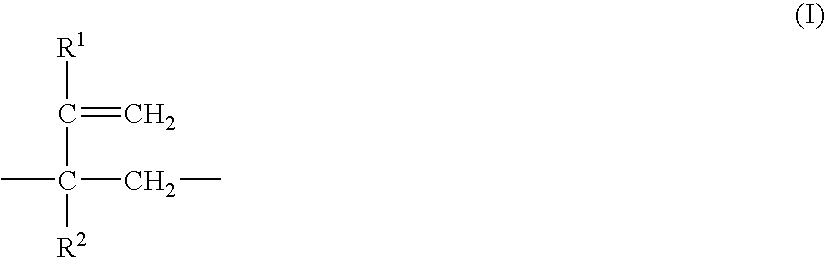
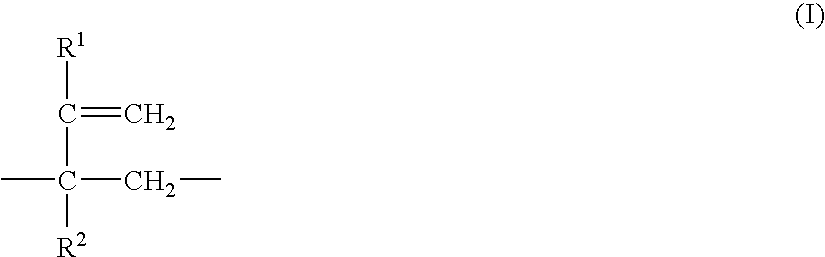
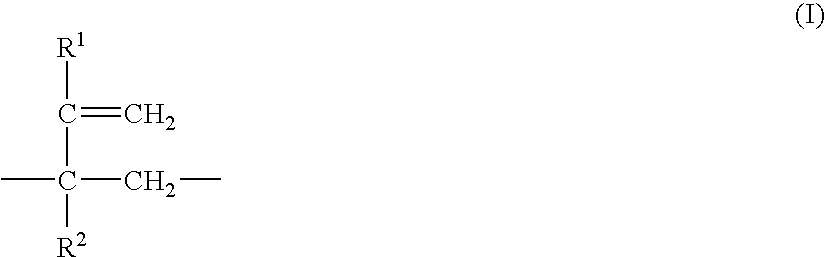
- A method involving a high-solids polyurethane system combined with an addition-curing silicone system, where the reaction temperature of the polyurethane system is set above that of the silicone system, allowing for the formation of a hybrid composite with improved mechanical stability and translucency, using a solid amine crosslinking agent and silicone polymers with silane and vinyl groups, and platinum catalysts.
Environmental Regulations for High-Temp Coatings
The regulatory landscape for high-temperature coatings has become increasingly stringent as environmental concerns intensify globally. Both polyurethane dispersions and silicone-based coatings face comprehensive oversight from multiple regulatory bodies, with particular emphasis on volatile organic compound (VOC) emissions, hazardous air pollutants (HAPs), and thermal degradation byproducts at elevated operating temperatures.
The Environmental Protection Agency (EPA) under the Clean Air Act mandates strict VOC limits for architectural and industrial maintenance coatings, typically ranging from 250-420 g/L depending on coating category. High-temperature applications present unique challenges as thermal stress can accelerate solvent evaporation and polymer degradation, potentially exceeding emission thresholds during service life rather than just application phase.
European REACH regulations impose additional constraints on chemical substances used in high-temperature formulations. Silicone coatings often contain organotin catalysts and cyclic siloxanes (D4, D5, D6) that face increasing restrictions due to bioaccumulation concerns. Polyurethane dispersions, while generally more compliant with VOC standards due to their water-based nature, must address potential isocyanate residuals and formaldehyde emissions under elevated temperature conditions.
The Industrial Emissions Directive (IED) specifically addresses thermal decomposition products from polymer coatings in high-temperature industrial processes. Both coating types must demonstrate thermal stability without releasing regulated substances above specified threshold values, typically measured at maximum service temperatures plus safety margins.
Recent regulatory trends indicate tightening standards for perfluorinated compounds in silicone formulations and enhanced monitoring requirements for thermal degradation products. Compliance strategies increasingly focus on real-time emission monitoring systems and predictive modeling of coating behavior across extended temperature ranges, driving innovation toward inherently low-emission, thermally stable formulations that maintain performance while meeting evolving environmental standards.
The Environmental Protection Agency (EPA) under the Clean Air Act mandates strict VOC limits for architectural and industrial maintenance coatings, typically ranging from 250-420 g/L depending on coating category. High-temperature applications present unique challenges as thermal stress can accelerate solvent evaporation and polymer degradation, potentially exceeding emission thresholds during service life rather than just application phase.
European REACH regulations impose additional constraints on chemical substances used in high-temperature formulations. Silicone coatings often contain organotin catalysts and cyclic siloxanes (D4, D5, D6) that face increasing restrictions due to bioaccumulation concerns. Polyurethane dispersions, while generally more compliant with VOC standards due to their water-based nature, must address potential isocyanate residuals and formaldehyde emissions under elevated temperature conditions.
The Industrial Emissions Directive (IED) specifically addresses thermal decomposition products from polymer coatings in high-temperature industrial processes. Both coating types must demonstrate thermal stability without releasing regulated substances above specified threshold values, typically measured at maximum service temperatures plus safety margins.
Recent regulatory trends indicate tightening standards for perfluorinated compounds in silicone formulations and enhanced monitoring requirements for thermal degradation products. Compliance strategies increasingly focus on real-time emission monitoring systems and predictive modeling of coating behavior across extended temperature ranges, driving innovation toward inherently low-emission, thermally stable formulations that maintain performance while meeting evolving environmental standards.
Cost-Performance Trade-offs in Thermal Applications
The cost-performance dynamics between polyurethane dispersions and silicone materials in thermal applications present distinct trade-off scenarios that significantly influence material selection strategies. Polyurethane dispersions typically offer superior cost advantages, with raw material costs ranging 30-50% lower than equivalent silicone formulations. This cost differential becomes particularly pronounced in large-scale manufacturing operations where material expenses constitute a substantial portion of total production costs.
However, the initial cost savings of polyurethane dispersions must be evaluated against their thermal performance limitations. While polyurethane systems demonstrate adequate performance in moderate temperature ranges (typically -40°C to 80°C), their degradation characteristics at elevated temperatures can lead to increased maintenance costs and shorter service intervals. The polymer backbone susceptibility to thermal oxidation results in property deterioration that may require more frequent replacement cycles.
Silicone materials command premium pricing due to their complex synthesis processes and specialized raw materials, yet they deliver exceptional thermal stability across extended temperature ranges (-65°C to 200°C or higher). This enhanced performance translates into extended service life, reduced maintenance requirements, and improved system reliability. The total cost of ownership calculations often favor silicone solutions in demanding thermal environments despite higher upfront investments.
Application-specific cost-performance optimization requires careful consideration of operational temperature profiles, service life expectations, and maintenance accessibility. In applications with moderate thermal exposure and cost-sensitive requirements, polyurethane dispersions provide optimal value propositions. Conversely, high-temperature environments, critical applications, or installations with limited maintenance access justify the premium investment in silicone technology.
The economic analysis must also incorporate indirect costs such as downtime expenses, replacement labor, and potential system failures. Silicone materials' superior thermal resilience often results in lower total lifecycle costs despite higher initial material expenses, particularly in industrial applications where operational continuity is paramount.
However, the initial cost savings of polyurethane dispersions must be evaluated against their thermal performance limitations. While polyurethane systems demonstrate adequate performance in moderate temperature ranges (typically -40°C to 80°C), their degradation characteristics at elevated temperatures can lead to increased maintenance costs and shorter service intervals. The polymer backbone susceptibility to thermal oxidation results in property deterioration that may require more frequent replacement cycles.
Silicone materials command premium pricing due to their complex synthesis processes and specialized raw materials, yet they deliver exceptional thermal stability across extended temperature ranges (-65°C to 200°C or higher). This enhanced performance translates into extended service life, reduced maintenance requirements, and improved system reliability. The total cost of ownership calculations often favor silicone solutions in demanding thermal environments despite higher upfront investments.
Application-specific cost-performance optimization requires careful consideration of operational temperature profiles, service life expectations, and maintenance accessibility. In applications with moderate thermal exposure and cost-sensitive requirements, polyurethane dispersions provide optimal value propositions. Conversely, high-temperature environments, critical applications, or installations with limited maintenance access justify the premium investment in silicone technology.
The economic analysis must also incorporate indirect costs such as downtime expenses, replacement labor, and potential system failures. Silicone materials' superior thermal resilience often results in lower total lifecycle costs despite higher initial material expenses, particularly in industrial applications where operational continuity is paramount.
Unlock deeper insights with Patsnap Eureka Quick Research — get a full tech report to explore trends and direct your research. Try now!
Generate Your Research Report Instantly with AI Agent
Supercharge your innovation with Patsnap Eureka AI Agent Platform!