

Post-Quantum Cryptography for Data Privacy Regulations: Adoption Steps
JUN 2, 20269 MIN READ
Generate Your Research Report Instantly with AI Agent
PatSnap Eureka helps you evaluate technical feasibility & market potential.
Post-Quantum Cryptography Background and Security Goals
Post-quantum cryptography emerged as a critical field of study in response to the theoretical threat posed by quantum computers to current cryptographic systems. The foundational concern stems from Shor's algorithm, developed by mathematician Peter Shor in 1994, which demonstrated that sufficiently powerful quantum computers could efficiently factor large integers and solve discrete logarithm problems. These mathematical operations form the backbone of widely-used public key cryptographic systems including RSA, Elliptic Curve Cryptography (ECC), and Diffie-Hellman key exchange protocols.
The evolution of quantum computing research has accelerated significantly over the past two decades, with major technology companies and research institutions achieving notable milestones in quantum processor development. IBM, Google, and other quantum computing pioneers have demonstrated quantum supremacy in specific computational tasks, bringing the theoretical threat closer to practical reality. This progression has created an urgent need for cryptographic systems that remain secure against both classical and quantum computational attacks.
The primary security goal of post-quantum cryptography is to maintain the fundamental security properties of confidentiality, integrity, and authenticity in a post-quantum world. Confidentiality ensures that encrypted data remains protected from unauthorized access, even when adversaries possess quantum computing capabilities. Integrity guarantees that data has not been tampered with during transmission or storage, while authenticity verifies the identity of communicating parties and the origin of digital signatures.
Post-quantum cryptographic algorithms are designed around mathematical problems believed to be intractable for both classical and quantum computers. These include lattice-based problems such as Learning With Errors (LWE), code-based cryptography relying on error-correcting codes, multivariate polynomial equations, hash-based signatures, and isogeny-based cryptography. Each approach offers different trade-offs in terms of key sizes, computational efficiency, and security assumptions.
The National Institute of Standards and Technology (NIST) has been leading the standardization effort since 2016, conducting a multi-round evaluation process to identify the most promising post-quantum algorithms. This standardization aims to ensure interoperability, security assurance, and widespread adoption across industries and government sectors, establishing a foundation for quantum-resistant cryptographic infrastructure.
The evolution of quantum computing research has accelerated significantly over the past two decades, with major technology companies and research institutions achieving notable milestones in quantum processor development. IBM, Google, and other quantum computing pioneers have demonstrated quantum supremacy in specific computational tasks, bringing the theoretical threat closer to practical reality. This progression has created an urgent need for cryptographic systems that remain secure against both classical and quantum computational attacks.
The primary security goal of post-quantum cryptography is to maintain the fundamental security properties of confidentiality, integrity, and authenticity in a post-quantum world. Confidentiality ensures that encrypted data remains protected from unauthorized access, even when adversaries possess quantum computing capabilities. Integrity guarantees that data has not been tampered with during transmission or storage, while authenticity verifies the identity of communicating parties and the origin of digital signatures.
Post-quantum cryptographic algorithms are designed around mathematical problems believed to be intractable for both classical and quantum computers. These include lattice-based problems such as Learning With Errors (LWE), code-based cryptography relying on error-correcting codes, multivariate polynomial equations, hash-based signatures, and isogeny-based cryptography. Each approach offers different trade-offs in terms of key sizes, computational efficiency, and security assumptions.
The National Institute of Standards and Technology (NIST) has been leading the standardization effort since 2016, conducting a multi-round evaluation process to identify the most promising post-quantum algorithms. This standardization aims to ensure interoperability, security assurance, and widespread adoption across industries and government sectors, establishing a foundation for quantum-resistant cryptographic infrastructure.
Market Demand for Quantum-Resistant Data Protection Solutions
The global cybersecurity market is experiencing unprecedented demand for quantum-resistant data protection solutions, driven by the imminent threat of quantum computing to current cryptographic standards. Organizations across critical sectors including financial services, healthcare, government, and telecommunications are recognizing the urgent need to transition from traditional encryption methods to post-quantum cryptographic algorithms before quantum computers achieve cryptographic relevance.
Regulatory frameworks worldwide are accelerating market demand through mandatory compliance requirements. The European Union's GDPR, California's CCPA, and emerging quantum-specific regulations are compelling organizations to implement quantum-resistant encryption to maintain data privacy compliance. Financial institutions face particularly stringent requirements, as banking regulators increasingly emphasize quantum-safe cryptography as a fundamental component of cybersecurity risk management frameworks.
Enterprise demand is concentrated in sectors handling highly sensitive data with long-term confidentiality requirements. Healthcare organizations managing patient records, government agencies protecting classified information, and financial institutions securing transaction data represent the primary market segments driving adoption. These sectors require solutions that can protect data retroactively against future quantum attacks, creating immediate demand for hybrid cryptographic implementations.
The market exhibits strong growth potential across multiple deployment models. Cloud service providers are integrating quantum-resistant algorithms into their security offerings, while enterprise software vendors are embedding post-quantum cryptography into existing applications. Hardware security module manufacturers are developing quantum-safe solutions, and specialized cybersecurity firms are creating migration tools and consulting services to support organizational transitions.
Small and medium enterprises represent an emerging market segment as quantum-resistant solutions become more accessible and cost-effective. Industry-specific compliance requirements are expanding beyond traditional high-security sectors, creating broader market opportunities for standardized post-quantum cryptographic solutions.
The convergence of regulatory pressure, technological advancement, and increasing quantum computing capabilities is creating a substantial and rapidly expanding market for quantum-resistant data protection solutions across diverse industry verticals.
Regulatory frameworks worldwide are accelerating market demand through mandatory compliance requirements. The European Union's GDPR, California's CCPA, and emerging quantum-specific regulations are compelling organizations to implement quantum-resistant encryption to maintain data privacy compliance. Financial institutions face particularly stringent requirements, as banking regulators increasingly emphasize quantum-safe cryptography as a fundamental component of cybersecurity risk management frameworks.
Enterprise demand is concentrated in sectors handling highly sensitive data with long-term confidentiality requirements. Healthcare organizations managing patient records, government agencies protecting classified information, and financial institutions securing transaction data represent the primary market segments driving adoption. These sectors require solutions that can protect data retroactively against future quantum attacks, creating immediate demand for hybrid cryptographic implementations.
The market exhibits strong growth potential across multiple deployment models. Cloud service providers are integrating quantum-resistant algorithms into their security offerings, while enterprise software vendors are embedding post-quantum cryptography into existing applications. Hardware security module manufacturers are developing quantum-safe solutions, and specialized cybersecurity firms are creating migration tools and consulting services to support organizational transitions.
Small and medium enterprises represent an emerging market segment as quantum-resistant solutions become more accessible and cost-effective. Industry-specific compliance requirements are expanding beyond traditional high-security sectors, creating broader market opportunities for standardized post-quantum cryptographic solutions.
The convergence of regulatory pressure, technological advancement, and increasing quantum computing capabilities is creating a substantial and rapidly expanding market for quantum-resistant data protection solutions across diverse industry verticals.
Current PQC Implementation Status and Migration Challenges
The current landscape of post-quantum cryptography implementation reveals a complex ecosystem of varying adoption rates across different sectors and geographical regions. Government agencies and defense organizations have emerged as early adopters, with the United States National Institute of Standards and Technology (NIST) leading standardization efforts through its PQC standardization process completed in 2022. Financial institutions are following closely, driven by stringent regulatory requirements and the critical nature of financial data protection.
Enterprise adoption remains fragmented, with large technology companies like Google, IBM, and Microsoft conducting pilot implementations and hybrid approaches. Cloud service providers are gradually integrating PQC algorithms into their security frameworks, though full deployment timelines extend into 2025-2030. Small and medium enterprises lag significantly behind due to resource constraints and limited technical expertise.
The migration from classical cryptographic systems to quantum-resistant alternatives presents unprecedented technical challenges. Legacy system compatibility emerges as the primary obstacle, as existing infrastructure often lacks the computational resources required for PQC algorithms. Key size expansion represents another critical challenge, with some PQC algorithms requiring significantly larger key sizes than current RSA or ECC implementations, impacting storage and transmission efficiency.
Performance degradation concerns persist across implementation scenarios. Lattice-based cryptographic schemes, while promising, introduce computational overhead that can affect system responsiveness. Hash-based signatures, though secure, present scalability limitations for high-volume transaction environments. Code-based cryptography faces similar efficiency challenges, particularly in resource-constrained IoT devices.
Interoperability issues compound migration complexity, as organizations must maintain backward compatibility while transitioning to quantum-resistant protocols. The absence of standardized migration frameworks creates uncertainty in implementation timelines and resource allocation. Additionally, the skills gap in quantum cryptography expertise limits organizational capacity to execute comprehensive migration strategies effectively.
Regulatory compliance adds another layer of complexity, as data privacy regulations increasingly mandate quantum-resistant security measures without providing clear implementation guidelines. Organizations must navigate evolving compliance requirements while managing technical migration challenges, creating a delicate balance between regulatory adherence and operational continuity.
Enterprise adoption remains fragmented, with large technology companies like Google, IBM, and Microsoft conducting pilot implementations and hybrid approaches. Cloud service providers are gradually integrating PQC algorithms into their security frameworks, though full deployment timelines extend into 2025-2030. Small and medium enterprises lag significantly behind due to resource constraints and limited technical expertise.
The migration from classical cryptographic systems to quantum-resistant alternatives presents unprecedented technical challenges. Legacy system compatibility emerges as the primary obstacle, as existing infrastructure often lacks the computational resources required for PQC algorithms. Key size expansion represents another critical challenge, with some PQC algorithms requiring significantly larger key sizes than current RSA or ECC implementations, impacting storage and transmission efficiency.
Performance degradation concerns persist across implementation scenarios. Lattice-based cryptographic schemes, while promising, introduce computational overhead that can affect system responsiveness. Hash-based signatures, though secure, present scalability limitations for high-volume transaction environments. Code-based cryptography faces similar efficiency challenges, particularly in resource-constrained IoT devices.
Interoperability issues compound migration complexity, as organizations must maintain backward compatibility while transitioning to quantum-resistant protocols. The absence of standardized migration frameworks creates uncertainty in implementation timelines and resource allocation. Additionally, the skills gap in quantum cryptography expertise limits organizational capacity to execute comprehensive migration strategies effectively.
Regulatory compliance adds another layer of complexity, as data privacy regulations increasingly mandate quantum-resistant security measures without providing clear implementation guidelines. Organizations must navigate evolving compliance requirements while managing technical migration challenges, creating a delicate balance between regulatory adherence and operational continuity.
Existing PQC Migration Frameworks and Implementation Strategies
01 Quantum-resistant cryptographic algorithms and protocols
Implementation of cryptographic algorithms that are resistant to quantum computing attacks, including lattice-based, hash-based, and multivariate cryptographic schemes. These algorithms are designed to maintain security even when quantum computers become capable of breaking traditional encryption methods, ensuring long-term data protection and privacy.- Quantum-resistant cryptographic algorithms and protocols: Implementation of cryptographic algorithms that are resistant to quantum computing attacks, including lattice-based, hash-based, and multivariate cryptographic schemes. These algorithms are designed to maintain security even when quantum computers become capable of breaking traditional encryption methods, ensuring long-term data protection and privacy.
- Secure key management and distribution systems: Advanced key management frameworks specifically designed for post-quantum environments, including secure key generation, distribution, and storage mechanisms. These systems ensure that cryptographic keys remain secure against both classical and quantum attacks while maintaining efficient key lifecycle management.
- Hybrid cryptographic security architectures: Integration of classical and quantum-resistant cryptographic methods to create robust security frameworks that provide protection during the transition period to fully quantum-resistant systems. These architectures combine the reliability of proven classical methods with the future-proof security of post-quantum algorithms.
- Privacy-preserving data processing and storage: Techniques for maintaining data privacy in post-quantum computing environments, including secure multi-party computation, homomorphic encryption, and zero-knowledge proofs adapted for quantum resistance. These methods enable secure data processing while protecting sensitive information from quantum-based attacks.
- Authentication and digital signature schemes: Development of quantum-resistant authentication mechanisms and digital signature algorithms that maintain integrity and non-repudiation properties in post-quantum scenarios. These schemes provide secure identity verification and message authentication while being computationally secure against quantum adversaries.
02 Key management and distribution systems for post-quantum environments
Advanced key management frameworks specifically designed for post-quantum cryptography environments, including secure key generation, distribution, and lifecycle management. These systems ensure that cryptographic keys remain secure against both classical and quantum attacks while maintaining efficient key exchange protocols.Expand Specific Solutions03 Hybrid cryptographic systems combining classical and quantum-resistant methods
Integration of traditional cryptographic methods with quantum-resistant algorithms to provide layered security during the transition period. These hybrid approaches ensure backward compatibility while gradually implementing post-quantum security measures, providing enhanced protection against various attack vectors.Expand Specific Solutions04 Secure communication protocols for quantum-safe data transmission
Development of communication protocols that incorporate post-quantum cryptographic principles to ensure secure data transmission across networks. These protocols address the challenges of maintaining data privacy and integrity in environments where quantum computing threats are present, including secure messaging and data exchange systems.Expand Specific Solutions05 Authentication and digital signature schemes for post-quantum security
Implementation of quantum-resistant authentication mechanisms and digital signature schemes that maintain data privacy and user verification capabilities. These systems provide secure identity verification and data integrity assurance using cryptographic methods that remain secure against quantum computing attacks.Expand Specific Solutions
Key Players in Post-Quantum Cryptography Ecosystem
The post-quantum cryptography landscape is rapidly evolving as organizations prepare for quantum computing threats to current encryption methods. The industry is in an early adoption phase, with market growth driven by increasing regulatory requirements and quantum computing advancements. Technology maturity varies significantly across players, with established tech giants like Intel, Huawei, and Siemens leading infrastructure development, while specialized firms like Origin Quantum and 01 Quantum focus on quantum-specific solutions. Financial institutions including Wells Fargo, Visa, and Mastercard are actively implementing quantum-resistant protocols to protect transaction data. Academic institutions such as Zhejiang University and Huazhong University contribute foundational research, while emerging companies like QKRISHI develop specialized quantum applications. The competitive landscape shows a convergence of traditional cybersecurity vendors, quantum computing specialists, and end-user organizations collaborating to establish quantum-safe cryptographic standards before widespread quantum computers become viable threats to current encryption systems.
Origin Quantum Computing Technology (Hefei) Co., Ltd.
Technical Solution: Origin Quantum has developed specialized post-quantum cryptography solutions that leverage their quantum computing expertise to create robust quantum-resistant algorithms. Their approach includes implementation of quantum key distribution (QKD) systems combined with post-quantum cryptographic protocols for enhanced data protection. The company offers quantum-safe communication platforms that integrate lattice-based cryptography with quantum random number generators for superior entropy generation. Their solution includes comprehensive cryptographic libraries optimized for various hardware platforms and compliance frameworks designed to meet international data privacy regulations. Origin Quantum's implementation focuses on providing end-to-end quantum-safe communication channels for government and enterprise applications requiring the highest levels of data security.
Strengths: Deep quantum computing expertise and innovative hybrid quantum-classical approaches. Weaknesses: Limited global market presence and higher complexity in implementation compared to traditional solutions.
Huawei Technologies Co., Ltd.
Technical Solution: Huawei has implemented a multi-layered post-quantum cryptography strategy focusing on lattice-based and hash-based cryptographic algorithms. Their solution includes quantum-safe communication protocols for 5G and 6G networks, incorporating PQC into their networking equipment and cloud infrastructure. Huawei's approach emphasizes practical deployment scenarios, offering quantum-resistant VPN solutions and secure communication channels that comply with international data privacy standards. They have developed proprietary algorithms alongside NIST-standardized ones, creating redundancy in cryptographic protection. Their implementation includes automated key management systems and real-time threat assessment capabilities specifically designed for telecommunications infrastructure and enterprise data protection.
Strengths: Comprehensive telecommunications integration and strong R&D capabilities. Weaknesses: Geopolitical restrictions may limit global adoption and regulatory compliance challenges.
Core PQC Algorithms and Standardization Innovations
Systems and methods for post-quantum cryptography optimization
PatentActiveUS11343270B1
Innovation
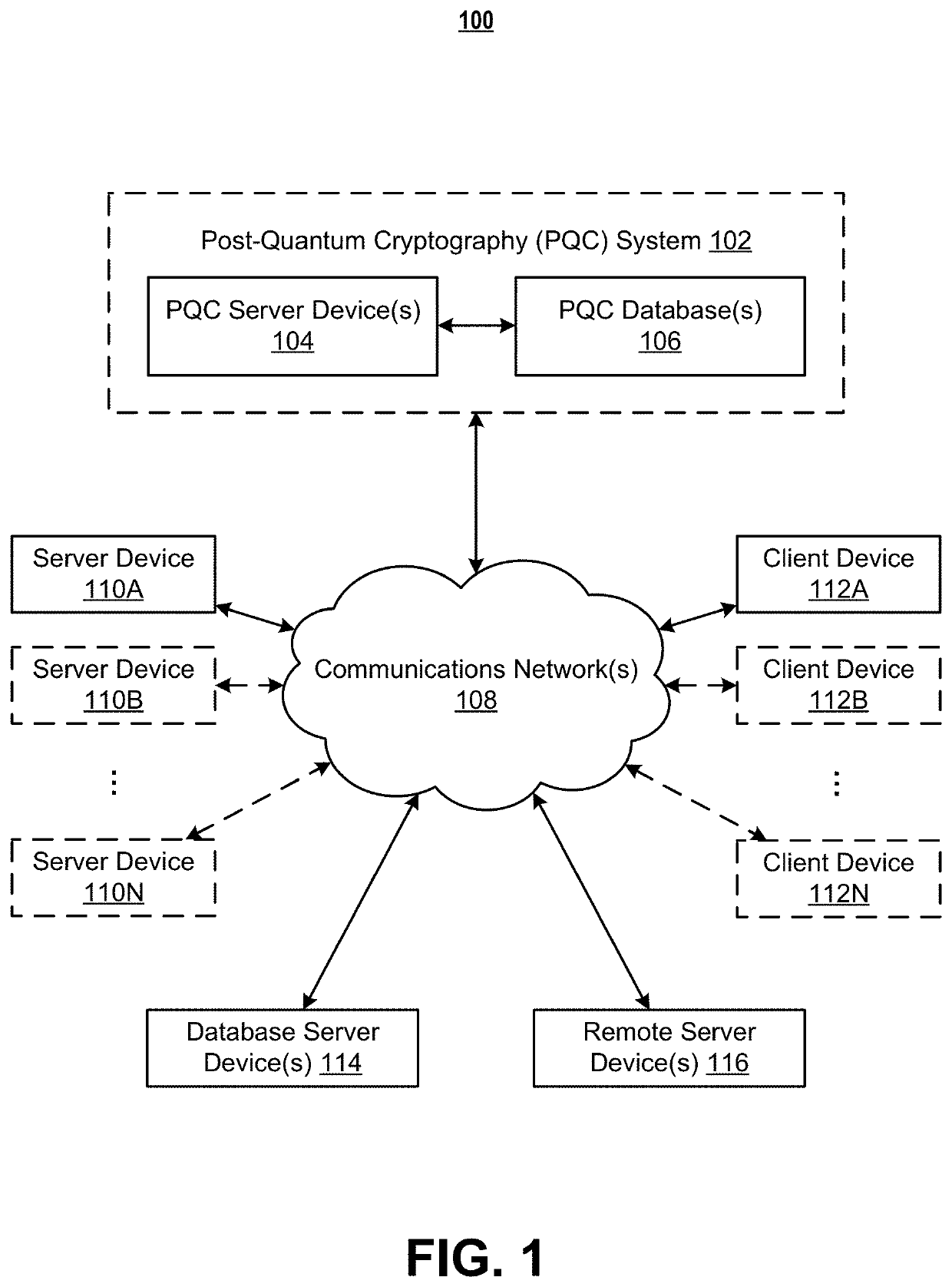
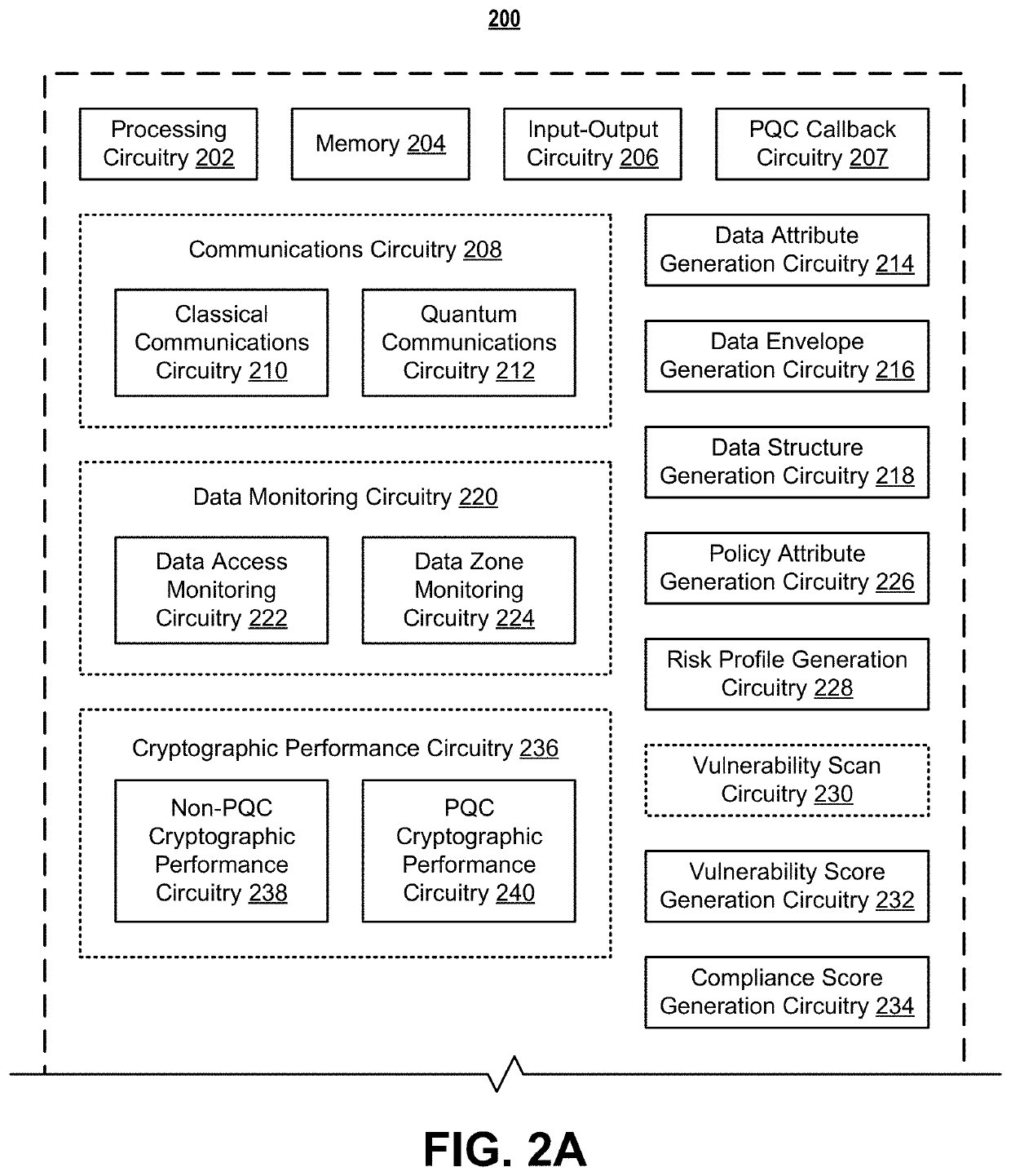
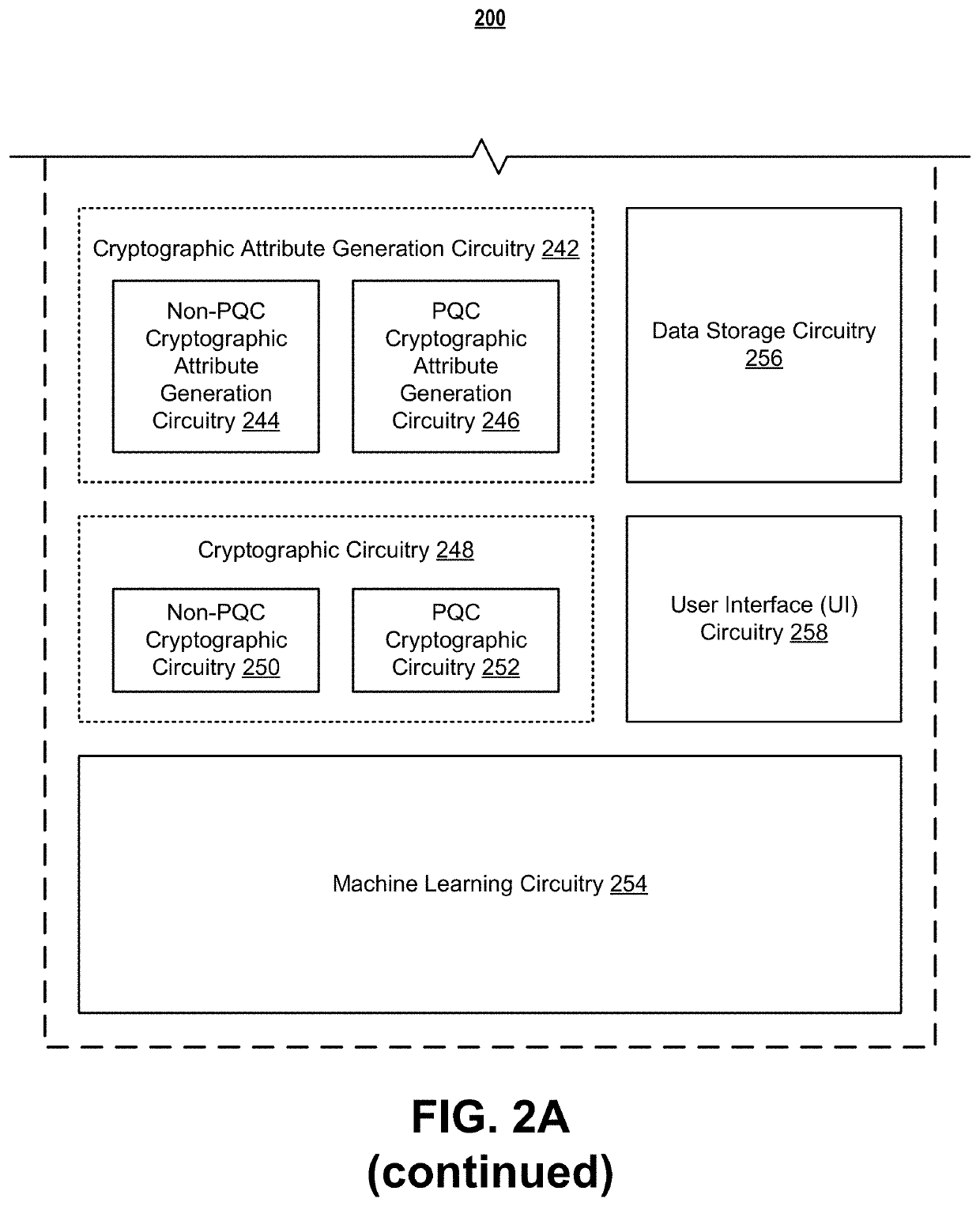
- The implementation of post-quantum cryptography (PQC) systems that generate a risk profile data structure to determine the appropriate PQC cryptographic technique for encrypting data, utilizing techniques like hash-based, lattice-based, isogeny-based, code-based, and zero-knowledge proof methods to secure data against quantum attacks.

Secret key encapsulation method, secret key de-encapsulation method and secret key de-encapsulation device
PatentPendingCN120856326A
Innovation
- By introducing a combination of hash algorithms and public-key encryption algorithms during the key encapsulation and decapsulation processes, a shared key is generated and verified, ensuring successful decapsulation and reducing storage resource consumption and verification time.


Regulatory Compliance Framework for PQC Implementation
The regulatory compliance framework for Post-Quantum Cryptography implementation requires a structured approach that addresses multiple layers of data privacy regulations while ensuring seamless integration with existing security infrastructures. Organizations must establish a comprehensive governance structure that encompasses both technical implementation standards and regulatory adherence protocols.
The foundation of this framework begins with regulatory mapping, where organizations must identify all applicable data privacy regulations within their operational jurisdictions. This includes GDPR in Europe, CCPA in California, and emerging quantum-specific regulations that are being developed by various national cybersecurity agencies. Each regulation presents unique requirements for cryptographic standards, data protection levels, and breach notification procedures that must be incorporated into the PQC transition strategy.
Risk assessment protocols form the second pillar of the compliance framework. Organizations must conduct thorough evaluations of their current cryptographic implementations to identify vulnerabilities that could arise during the transition period. This assessment should include hybrid cryptographic approaches where classical and quantum-resistant algorithms operate simultaneously, ensuring continuous protection while maintaining regulatory compliance throughout the migration process.
Documentation and audit trail requirements represent critical components of the framework. Regulatory bodies increasingly demand detailed records of cryptographic key management, algorithm selection rationale, and security control implementations. The framework must establish standardized documentation procedures that capture PQC algorithm deployment decisions, performance metrics, and compliance validation results.
Continuous monitoring and reporting mechanisms ensure ongoing regulatory alignment as PQC standards evolve. The framework should incorporate automated compliance checking tools that can assess algorithm performance against regulatory benchmarks and generate required reports for regulatory submissions. This includes establishing key performance indicators for cryptographic strength, processing efficiency, and data protection effectiveness.
Finally, the framework must address cross-border data transfer requirements under various international agreements. PQC implementations must maintain compatibility with international cryptographic standards while satisfying local regulatory requirements, necessitating flexible architecture designs that can adapt to varying compliance demands across different jurisdictions.
The foundation of this framework begins with regulatory mapping, where organizations must identify all applicable data privacy regulations within their operational jurisdictions. This includes GDPR in Europe, CCPA in California, and emerging quantum-specific regulations that are being developed by various national cybersecurity agencies. Each regulation presents unique requirements for cryptographic standards, data protection levels, and breach notification procedures that must be incorporated into the PQC transition strategy.
Risk assessment protocols form the second pillar of the compliance framework. Organizations must conduct thorough evaluations of their current cryptographic implementations to identify vulnerabilities that could arise during the transition period. This assessment should include hybrid cryptographic approaches where classical and quantum-resistant algorithms operate simultaneously, ensuring continuous protection while maintaining regulatory compliance throughout the migration process.
Documentation and audit trail requirements represent critical components of the framework. Regulatory bodies increasingly demand detailed records of cryptographic key management, algorithm selection rationale, and security control implementations. The framework must establish standardized documentation procedures that capture PQC algorithm deployment decisions, performance metrics, and compliance validation results.
Continuous monitoring and reporting mechanisms ensure ongoing regulatory alignment as PQC standards evolve. The framework should incorporate automated compliance checking tools that can assess algorithm performance against regulatory benchmarks and generate required reports for regulatory submissions. This includes establishing key performance indicators for cryptographic strength, processing efficiency, and data protection effectiveness.
Finally, the framework must address cross-border data transfer requirements under various international agreements. PQC implementations must maintain compatibility with international cryptographic standards while satisfying local regulatory requirements, necessitating flexible architecture designs that can adapt to varying compliance demands across different jurisdictions.
Risk Assessment and Timeline Planning for PQC Migration
The migration to post-quantum cryptography presents multifaceted risks that organizations must systematically evaluate before implementation. Cryptographic risks constitute the primary concern, as current RSA and ECC algorithms face potential vulnerabilities from quantum computing advances. Organizations must assess their existing cryptographic infrastructure's exposure levels and identify critical systems requiring immediate protection. Additionally, interoperability risks emerge when legacy systems cannot communicate with PQC-enabled platforms, potentially disrupting business operations and data exchange protocols.
Operational risks encompass performance degradation due to larger key sizes and increased computational overhead inherent in post-quantum algorithms. Network bandwidth consumption may increase significantly, affecting system responsiveness and user experience. Organizations must evaluate whether their current hardware infrastructure can support PQC algorithms without substantial performance penalties. Furthermore, compliance risks arise when migration timelines conflict with regulatory requirements, potentially exposing organizations to legal penalties and audit failures.
Timeline planning requires a phased approach spanning multiple years to ensure comprehensive coverage and minimal disruption. The initial assessment phase should span 6-12 months, involving inventory cataloging of all cryptographic implementations, vulnerability analysis, and risk prioritization. Organizations must identify mission-critical systems requiring immediate attention versus those suitable for gradual transition.
The pilot implementation phase typically extends 12-18 months, focusing on non-critical systems to test PQC algorithm performance and identify integration challenges. This phase enables organizations to refine deployment procedures and train technical personnel before addressing core business systems. Parallel testing environments should validate algorithm compatibility and performance benchmarks against existing security requirements.
Full-scale deployment represents the most complex phase, potentially requiring 24-36 months depending on organizational size and system complexity. Priority should be given to systems handling sensitive data subject to privacy regulations, followed by customer-facing applications and internal infrastructure. Organizations must establish rollback procedures and maintain hybrid cryptographic environments during transition periods to ensure business continuity and regulatory compliance throughout the migration process.
Operational risks encompass performance degradation due to larger key sizes and increased computational overhead inherent in post-quantum algorithms. Network bandwidth consumption may increase significantly, affecting system responsiveness and user experience. Organizations must evaluate whether their current hardware infrastructure can support PQC algorithms without substantial performance penalties. Furthermore, compliance risks arise when migration timelines conflict with regulatory requirements, potentially exposing organizations to legal penalties and audit failures.
Timeline planning requires a phased approach spanning multiple years to ensure comprehensive coverage and minimal disruption. The initial assessment phase should span 6-12 months, involving inventory cataloging of all cryptographic implementations, vulnerability analysis, and risk prioritization. Organizations must identify mission-critical systems requiring immediate attention versus those suitable for gradual transition.
The pilot implementation phase typically extends 12-18 months, focusing on non-critical systems to test PQC algorithm performance and identify integration challenges. This phase enables organizations to refine deployment procedures and train technical personnel before addressing core business systems. Parallel testing environments should validate algorithm compatibility and performance benchmarks against existing security requirements.
Full-scale deployment represents the most complex phase, potentially requiring 24-36 months depending on organizational size and system complexity. Priority should be given to systems handling sensitive data subject to privacy regulations, followed by customer-facing applications and internal infrastructure. Organizations must establish rollback procedures and maintain hybrid cryptographic environments during transition periods to ensure business continuity and regulatory compliance throughout the migration process.
Unlock deeper insights with PatSnap Eureka Quick Research — get a full tech report to explore trends and direct your research. Try now!
Generate Your Research Report Instantly with AI Agent
Supercharge your innovation with PatSnap Eureka AI Agent Platform!