
Precision Fermentation for Bacteria Cultures: Growth Optimization
MAY 18, 20269 MIN READ
Generate Your Research Report Instantly with AI Agent
Patsnap Eureka helps you evaluate technical feasibility & market potential.
Precision Fermentation Technology Background and Objectives
Precision fermentation represents a revolutionary biotechnology approach that harnesses engineered microorganisms to produce specific compounds with unprecedented accuracy and efficiency. This technology has evolved from traditional fermentation methods, incorporating advanced genetic engineering, synthetic biology, and process control systems to create highly optimized bacterial cultures capable of producing everything from proteins and enzymes to complex pharmaceuticals and food ingredients.
The historical development of precision fermentation traces back to the early applications of recombinant DNA technology in the 1970s, when scientists first demonstrated the ability to program bacteria to produce human insulin. Since then, the field has experienced exponential growth, driven by advances in CRISPR gene editing, metabolic engineering, and computational biology. Modern precision fermentation systems now enable the production of previously impossible-to-synthesize compounds at commercial scales.
Current technological trends indicate a shift toward multi-strain co-cultures, real-time metabolic monitoring, and AI-driven optimization algorithms. The integration of machine learning with fermentation control systems has opened new possibilities for dynamic process adjustment and predictive maintenance. Additionally, the development of novel bioreactor designs and advanced sensor technologies has significantly enhanced the precision and scalability of bacterial culture systems.
The primary objective of precision fermentation technology centers on achieving optimal bacterial growth conditions that maximize product yield while minimizing resource consumption and production time. This involves fine-tuning multiple parameters including nutrient composition, pH levels, temperature, dissolved oxygen, and agitation rates to create an environment where engineered bacteria can thrive and efficiently convert substrates into desired products.
Growth optimization specifically aims to establish reproducible, scalable processes that can maintain consistent product quality across different production batches. The technology seeks to eliminate variability in bacterial performance through precise environmental control and real-time monitoring systems. Furthermore, the objective extends to developing robust bacterial strains that can withstand industrial-scale production stresses while maintaining their engineered capabilities.
The ultimate goal encompasses creating economically viable production platforms that can compete with traditional manufacturing methods while offering superior sustainability profiles. This includes reducing energy consumption, minimizing waste generation, and utilizing renewable feedstocks to create a more environmentally responsible production paradigm for various industries including pharmaceuticals, food technology, and specialty chemicals.
The historical development of precision fermentation traces back to the early applications of recombinant DNA technology in the 1970s, when scientists first demonstrated the ability to program bacteria to produce human insulin. Since then, the field has experienced exponential growth, driven by advances in CRISPR gene editing, metabolic engineering, and computational biology. Modern precision fermentation systems now enable the production of previously impossible-to-synthesize compounds at commercial scales.
Current technological trends indicate a shift toward multi-strain co-cultures, real-time metabolic monitoring, and AI-driven optimization algorithms. The integration of machine learning with fermentation control systems has opened new possibilities for dynamic process adjustment and predictive maintenance. Additionally, the development of novel bioreactor designs and advanced sensor technologies has significantly enhanced the precision and scalability of bacterial culture systems.
The primary objective of precision fermentation technology centers on achieving optimal bacterial growth conditions that maximize product yield while minimizing resource consumption and production time. This involves fine-tuning multiple parameters including nutrient composition, pH levels, temperature, dissolved oxygen, and agitation rates to create an environment where engineered bacteria can thrive and efficiently convert substrates into desired products.
Growth optimization specifically aims to establish reproducible, scalable processes that can maintain consistent product quality across different production batches. The technology seeks to eliminate variability in bacterial performance through precise environmental control and real-time monitoring systems. Furthermore, the objective extends to developing robust bacterial strains that can withstand industrial-scale production stresses while maintaining their engineered capabilities.
The ultimate goal encompasses creating economically viable production platforms that can compete with traditional manufacturing methods while offering superior sustainability profiles. This includes reducing energy consumption, minimizing waste generation, and utilizing renewable feedstocks to create a more environmentally responsible production paradigm for various industries including pharmaceuticals, food technology, and specialty chemicals.
Market Demand for Optimized Bacterial Culture Production
The global market for optimized bacterial culture production is experiencing unprecedented growth driven by expanding applications across biotechnology, pharmaceuticals, food production, and environmental sectors. Traditional fermentation methods are increasingly inadequate to meet the stringent quality requirements and production scales demanded by modern industries, creating substantial market pressure for precision fermentation technologies that can deliver consistent, high-yield bacterial cultures.
Pharmaceutical and biopharmaceutical industries represent the largest market segment, where optimized bacterial cultures are essential for producing recombinant proteins, vaccines, antibiotics, and therapeutic compounds. The growing prevalence of personalized medicine and biologics has intensified demand for reliable, scalable bacterial culture systems that can maintain genetic stability while maximizing productivity. Regulatory agencies worldwide are implementing stricter quality standards, further driving the need for precision fermentation solutions.
The food and beverage industry constitutes another significant market driver, particularly in probiotics, fermented foods, and food additives production. Consumer awareness of gut health and functional foods has created explosive demand for high-quality probiotic cultures, requiring manufacturers to adopt advanced fermentation technologies that ensure viability, potency, and shelf stability of bacterial products.
Industrial biotechnology applications, including biofuel production, enzyme manufacturing, and biochemical synthesis, are increasingly relying on optimized bacterial cultures to achieve economic viability. The transition toward sustainable manufacturing processes has positioned precision fermentation as a critical technology for replacing traditional chemical processes with biological alternatives.
Emerging markets in developing countries are experiencing rapid growth in biotechnology sectors, creating new demand centers for optimized bacterial culture production technologies. Government initiatives promoting biotechnology development and increasing healthcare infrastructure investments are expanding the addressable market significantly.
The market is also being shaped by technological convergence, where artificial intelligence, process automation, and advanced monitoring systems are becoming integral to fermentation optimization. Companies are seeking comprehensive solutions that combine hardware, software, and expertise to achieve consistent production outcomes while reducing operational costs and time-to-market for new products.
Pharmaceutical and biopharmaceutical industries represent the largest market segment, where optimized bacterial cultures are essential for producing recombinant proteins, vaccines, antibiotics, and therapeutic compounds. The growing prevalence of personalized medicine and biologics has intensified demand for reliable, scalable bacterial culture systems that can maintain genetic stability while maximizing productivity. Regulatory agencies worldwide are implementing stricter quality standards, further driving the need for precision fermentation solutions.
The food and beverage industry constitutes another significant market driver, particularly in probiotics, fermented foods, and food additives production. Consumer awareness of gut health and functional foods has created explosive demand for high-quality probiotic cultures, requiring manufacturers to adopt advanced fermentation technologies that ensure viability, potency, and shelf stability of bacterial products.
Industrial biotechnology applications, including biofuel production, enzyme manufacturing, and biochemical synthesis, are increasingly relying on optimized bacterial cultures to achieve economic viability. The transition toward sustainable manufacturing processes has positioned precision fermentation as a critical technology for replacing traditional chemical processes with biological alternatives.
Emerging markets in developing countries are experiencing rapid growth in biotechnology sectors, creating new demand centers for optimized bacterial culture production technologies. Government initiatives promoting biotechnology development and increasing healthcare infrastructure investments are expanding the addressable market significantly.
The market is also being shaped by technological convergence, where artificial intelligence, process automation, and advanced monitoring systems are becoming integral to fermentation optimization. Companies are seeking comprehensive solutions that combine hardware, software, and expertise to achieve consistent production outcomes while reducing operational costs and time-to-market for new products.
Current State and Challenges in Fermentation Growth Control
Precision fermentation for bacterial cultures has reached a sophisticated level of development, yet significant challenges persist in achieving optimal growth control across diverse industrial applications. Current fermentation systems employ advanced bioreactor technologies with real-time monitoring capabilities, including dissolved oxygen sensors, pH controllers, and automated nutrient feeding systems. These systems can maintain relatively stable environmental conditions, but achieving true precision remains elusive due to the complex interplay of multiple variables affecting bacterial growth dynamics.
The primary challenge lies in the inherent variability of biological systems and the difficulty in predicting bacterial responses to environmental changes. Traditional control strategies often rely on predetermined setpoints and linear control algorithms, which fail to account for the non-linear nature of microbial metabolism. This limitation becomes particularly pronounced when dealing with mixed cultures or when optimizing for specific metabolic products rather than simple biomass accumulation.
Temperature control represents one of the most critical yet challenging aspects of fermentation optimization. While modern bioreactors can maintain temperature within narrow ranges, localized temperature variations due to metabolic heat generation and inadequate mixing create microenvironments that significantly impact growth uniformity. Heat transfer limitations in large-scale fermenters exacerbate this issue, leading to spatial heterogeneity that compromises overall process efficiency.
Nutrient delivery and consumption monitoring present another major bottleneck in current fermentation control systems. Existing sensors often lack the sensitivity and specificity required for real-time detection of critical nutrients at the concentrations relevant to bacterial metabolism. This limitation forces operators to rely on offline sampling and analysis, introducing delays that prevent timely process adjustments and optimal growth conditions.
Oxygen mass transfer remains a fundamental constraint, particularly in high-density bacterial cultures where oxygen demand can exceed the system's delivery capacity. Current aeration and agitation strategies often create trade-offs between oxygen transfer efficiency and mechanical stress on bacterial cells, limiting the achievable cell densities and productivity rates.
The integration of multiple control parameters poses additional complexity, as interactions between pH, dissolved oxygen, temperature, and nutrient concentrations create multidimensional optimization challenges that exceed the capabilities of conventional control systems. This complexity is further amplified when considering the dynamic nature of bacterial growth phases, each requiring different optimal conditions for maximum efficiency.
The primary challenge lies in the inherent variability of biological systems and the difficulty in predicting bacterial responses to environmental changes. Traditional control strategies often rely on predetermined setpoints and linear control algorithms, which fail to account for the non-linear nature of microbial metabolism. This limitation becomes particularly pronounced when dealing with mixed cultures or when optimizing for specific metabolic products rather than simple biomass accumulation.
Temperature control represents one of the most critical yet challenging aspects of fermentation optimization. While modern bioreactors can maintain temperature within narrow ranges, localized temperature variations due to metabolic heat generation and inadequate mixing create microenvironments that significantly impact growth uniformity. Heat transfer limitations in large-scale fermenters exacerbate this issue, leading to spatial heterogeneity that compromises overall process efficiency.
Nutrient delivery and consumption monitoring present another major bottleneck in current fermentation control systems. Existing sensors often lack the sensitivity and specificity required for real-time detection of critical nutrients at the concentrations relevant to bacterial metabolism. This limitation forces operators to rely on offline sampling and analysis, introducing delays that prevent timely process adjustments and optimal growth conditions.
Oxygen mass transfer remains a fundamental constraint, particularly in high-density bacterial cultures where oxygen demand can exceed the system's delivery capacity. Current aeration and agitation strategies often create trade-offs between oxygen transfer efficiency and mechanical stress on bacterial cells, limiting the achievable cell densities and productivity rates.
The integration of multiple control parameters poses additional complexity, as interactions between pH, dissolved oxygen, temperature, and nutrient concentrations create multidimensional optimization challenges that exceed the capabilities of conventional control systems. This complexity is further amplified when considering the dynamic nature of bacterial growth phases, each requiring different optimal conditions for maximum efficiency.
Current Solutions for Bacterial Growth Optimization
01 Fermentation medium composition and nutrient optimization
Optimization of bacterial culture growth through precise control of fermentation medium components including carbon sources, nitrogen sources, phosphorus compounds, and trace elements. The composition is carefully balanced to provide optimal nutrition for specific bacterial strains while maintaining proper pH and ionic strength conditions.- Fermentation medium composition and nutrient optimization: Optimization of bacterial culture growth through precise control of fermentation medium components including carbon sources, nitrogen sources, phosphorus compounds, and trace elements. The composition is carefully balanced to provide optimal nutritional conditions for specific bacterial strains, enhancing growth rates and biomass production efficiency.
- Environmental parameter control systems: Advanced monitoring and control systems for maintaining optimal environmental conditions during fermentation processes. This includes precise regulation of temperature, pH levels, dissolved oxygen concentration, and agitation rates to create ideal growth conditions for bacterial cultures and maximize fermentation efficiency.
- Bioreactor design and fermentation vessel optimization: Specialized bioreactor configurations and fermentation vessel designs that enhance mass transfer, mixing efficiency, and scalability for bacterial culture growth. These systems incorporate advanced features for improved aeration, heat transfer, and monitoring capabilities to optimize fermentation performance.
- Process monitoring and automated control technologies: Implementation of real-time monitoring systems and automated control technologies for precision fermentation processes. These systems utilize sensors, data analytics, and feedback control mechanisms to continuously optimize fermentation parameters and ensure consistent bacterial culture growth performance.
- Strain selection and genetic optimization methods: Techniques for selecting and optimizing bacterial strains for enhanced fermentation performance. This includes methods for strain improvement, genetic modifications, and adaptation strategies to increase growth rates, product yields, and resistance to environmental stresses during precision fermentation processes.
02 Environmental parameter control systems
Advanced monitoring and control systems for maintaining optimal environmental conditions during fermentation including temperature regulation, dissolved oxygen levels, pH control, and agitation speed. These systems enable real-time adjustments to maintain ideal growth conditions throughout the fermentation process.Expand Specific Solutions03 Bioreactor design and configuration optimization
Specialized bioreactor designs and configurations that enhance mass transfer, mixing efficiency, and scalability for bacterial fermentation processes. These include novel impeller designs, aeration systems, and vessel geometries that promote uniform cell distribution and optimal growth kinetics.Expand Specific Solutions04 Process monitoring and analytical techniques
Implementation of advanced analytical methods and sensors for real-time monitoring of bacterial growth parameters including cell density, metabolite concentrations, and growth rate measurements. These techniques enable precise process control and optimization of fermentation conditions.Expand Specific Solutions05 Strain selection and genetic optimization methods
Techniques for selecting and optimizing bacterial strains for enhanced fermentation performance including genetic modifications, adaptive evolution strategies, and strain characterization methods. These approaches focus on improving growth rates, product yields, and stress tolerance of bacterial cultures.Expand Specific Solutions
Key Players in Precision Fermentation Industry
The precision fermentation for bacteria cultures market is experiencing rapid growth as the industry transitions from early development to commercial maturity. The sector demonstrates significant market expansion driven by applications across pharmaceuticals, food ingredients, and biotechnology, with established players like DSM IP Assets BV, Chr. Hansen A/S, and Novartis AG leading technological advancement. Technology maturity varies considerably across applications, with pharmaceutical companies such as GlaxoSmithKline Biologicals SA and Janssen Biotech showing advanced fermentation capabilities for vaccine and therapeutic production, while food industry players including CJ CheilJedang Corp. and Bright Dairy & Food Co. focus on optimizing bacterial cultures for dairy and fermented products. Emerging biotechnology companies like Superbrewed Food Inc. and NanoLogix represent cutting-edge innovation in specialized fermentation applications, supported by extensive academic research from institutions including Southeast University and East China University of Science & Technology, indicating a robust pipeline of technological improvements and market opportunities.
DSM IP Assets BV
Technical Solution: DSM has developed comprehensive precision fermentation platforms that focus on bacterial culture optimization through integrated bioprocess control systems. Their technology combines advanced bioreactor design with sophisticated monitoring and control algorithms that maintain optimal growth conditions for various bacterial strains. The system utilizes multi-parameter optimization including temperature gradients, oxygen transfer rates, and nutrient supplementation timing to maximize bacterial productivity while minimizing resource consumption and waste generation in industrial fermentation processes.
Strengths: Strong focus on sustainability and innovation, diverse application portfolio across multiple industries. Weaknesses: Recent organizational changes may impact R&D continuity, intense competition in specialty chemicals market.
Chr. Hansen A/S
Technical Solution: Chr. Hansen has developed advanced precision fermentation technologies focusing on optimized bacterial culture growth through controlled environmental parameters and nutrient delivery systems. Their approach utilizes proprietary strain development combined with real-time monitoring of pH, dissolved oxygen, temperature, and nutrient concentrations to maximize bacterial productivity. The company employs automated feedback control systems that adjust fermentation conditions dynamically based on metabolic indicators, achieving consistent high-yield bacterial cultures for probiotic and enzyme production applications.
Strengths: Market-leading expertise in probiotic bacterial strains, established industrial-scale fermentation infrastructure. Weaknesses: Limited diversification beyond food and health applications, high dependency on traditional fermentation markets.
Core Technologies in Fermentation Process Control
Systems for end-to-end optimization of precision fermentation-produced animal proteins in food applications
PatentPendingUS20240161873A1
Innovation
- A microservices architecture that combines discovery, strain, manufacturing, and product services using machine learning and computer vision to design yeast strains, optimize fermentation parameters, and assess protein characteristics, incorporating DNA sequencing, RNA sequencing, and human panel data for holistic optimization of quality and quantity.


Fermentation process
PatentInactiveUS20150166948A1
Innovation
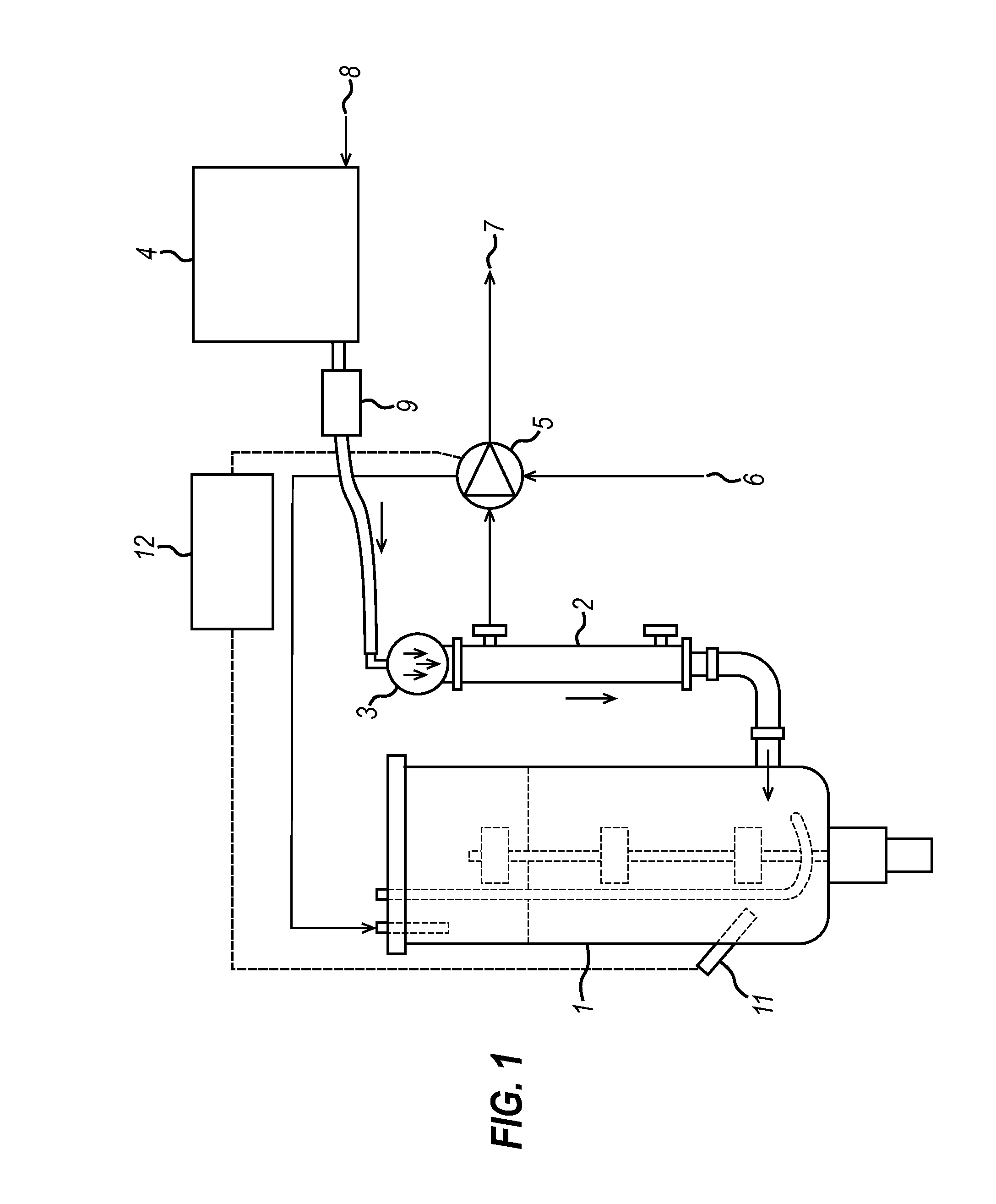
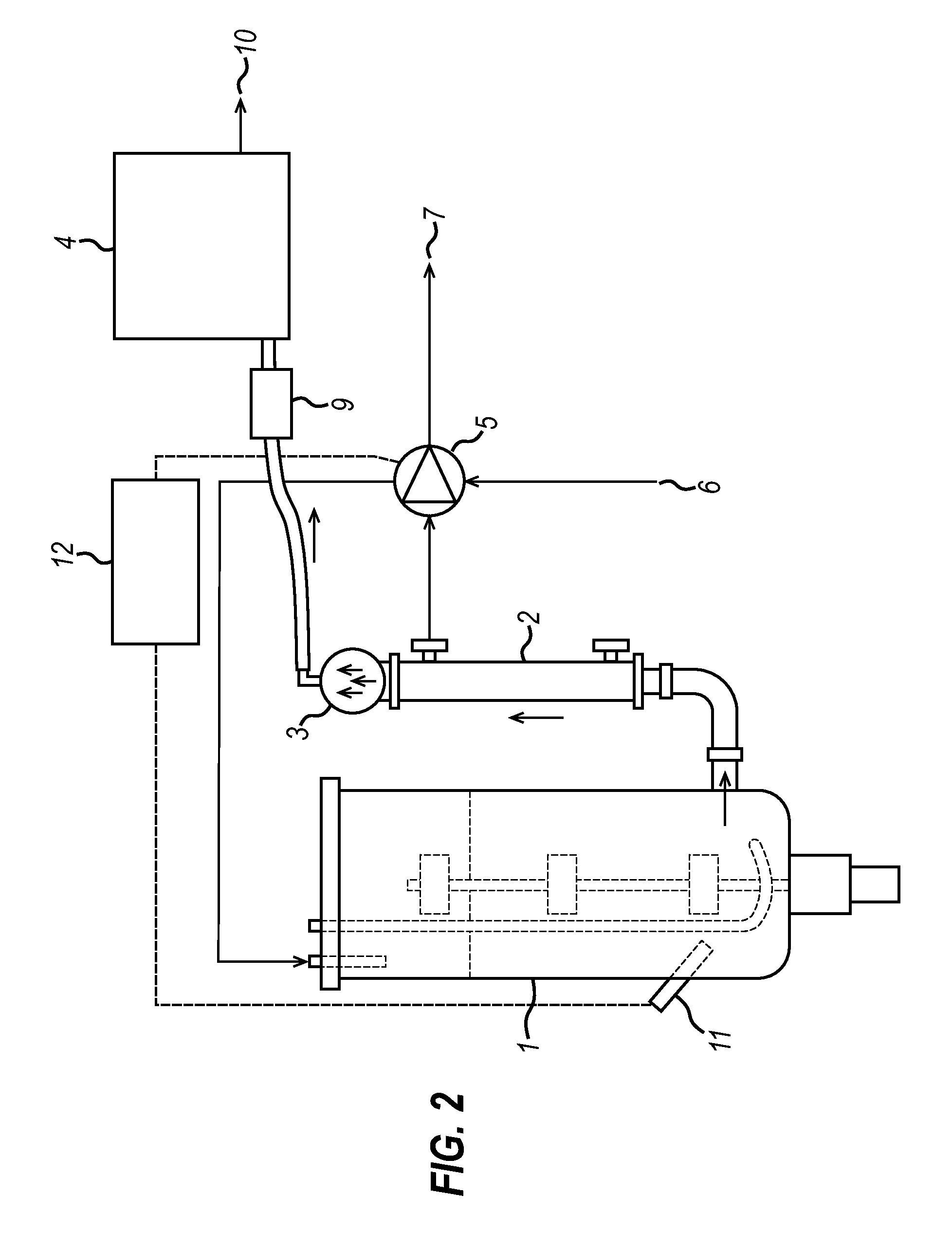
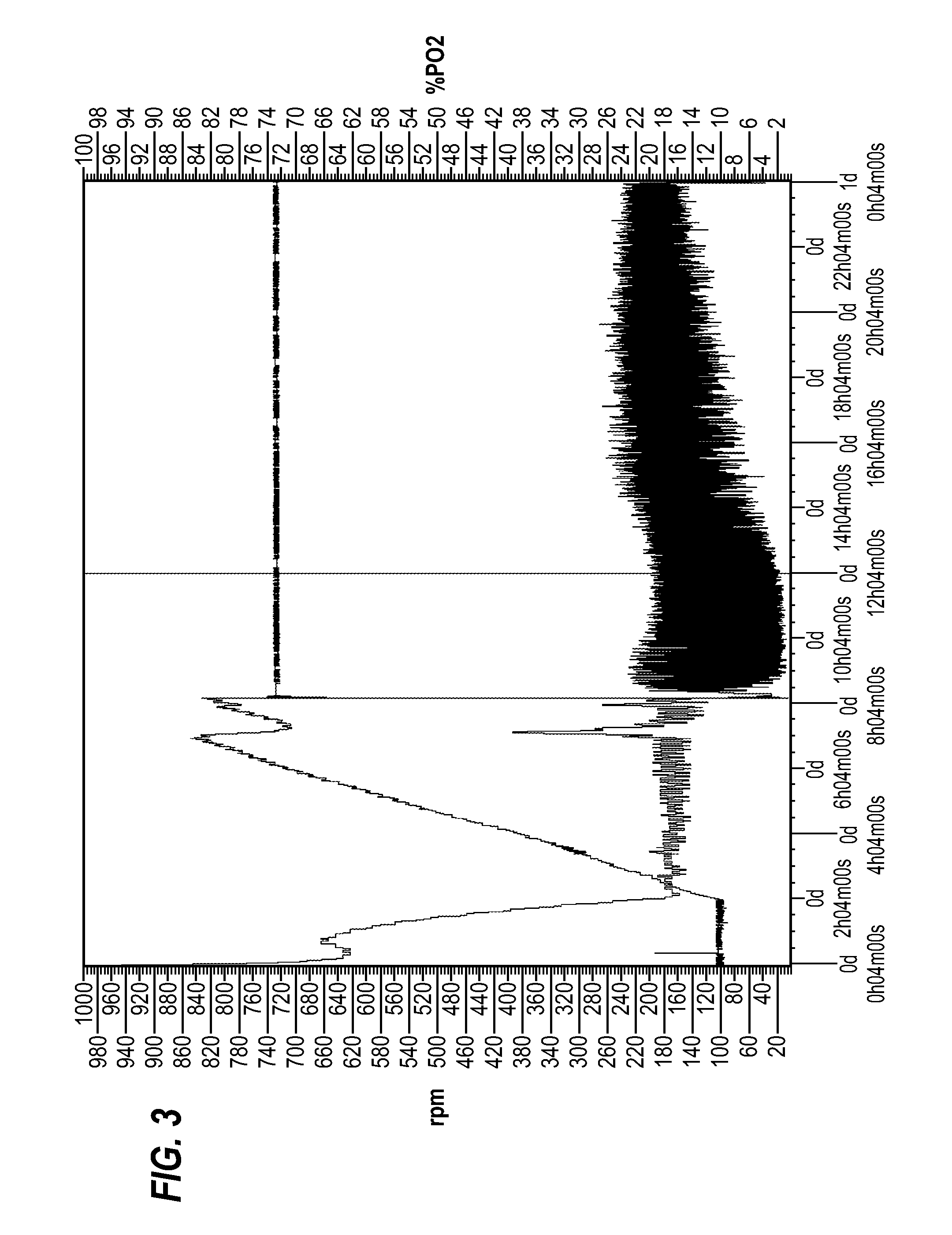
- Implementing a perfusion culture process using alternating tangential flow (ATF) in a fermenter to efficiently remove inhibitory metabolites and retain bacteria, thereby reducing membrane fouling and increasing cell density and biopolymer production, specifically for strains like Neisseria meningitidis and Streptococcus pneumoniae.

Regulatory Framework for Fermentation Products
The regulatory landscape for precision fermentation products represents a complex and evolving framework that significantly impacts the development and commercialization of optimized bacterial culture systems. Current regulatory approaches vary substantially across different jurisdictions, with the United States, European Union, and other major markets each maintaining distinct approval pathways and safety assessment protocols.
In the United States, the FDA operates under a coordinated framework involving multiple agencies, where fermentation-derived products may fall under different regulatory categories depending on their intended use. Products intended for human consumption typically require Generally Recognized as Safe (GRAS) status or food additive approval, while those for pharmaceutical applications follow more stringent drug approval processes. The USDA also plays a crucial role when fermentation products are intended for agricultural or food production applications.
European regulatory frameworks emphasize the Novel Food Regulation, which requires comprehensive safety assessments for fermentation products that lack a history of safe use before 1997. The European Food Safety Authority conducts rigorous evaluations focusing on production organism characterization, manufacturing processes, and potential allergenicity concerns. This regulatory pathway often requires extensive documentation of the fermentation process, including detailed specifications of bacterial strains and growth optimization parameters.
Asia-Pacific markets present additional regulatory complexities, with countries like Japan, Singapore, and Australia developing their own frameworks for precision fermentation products. Singapore has emerged as a regulatory pioneer, establishing streamlined approval processes for novel food technologies, while Japan maintains traditional approaches requiring extensive safety data and manufacturing process validation.
Key regulatory considerations for precision fermentation include production organism safety assessment, where regulators evaluate the genetic modifications and metabolic pathways of optimized bacterial cultures. Manufacturing process controls receive particular scrutiny, with requirements for detailed documentation of fermentation parameters, contamination prevention measures, and product consistency protocols.
International harmonization efforts are gradually emerging through organizations like Codex Alimentarius, which seeks to establish global standards for fermentation-derived products. However, significant regulatory fragmentation persists, requiring companies to navigate multiple approval pathways simultaneously. This regulatory complexity directly influences research and development strategies, as optimization efforts must consider not only technical performance but also regulatory compliance requirements across target markets.
The evolving nature of these frameworks reflects the rapid advancement of precision fermentation technologies, with regulators continuously adapting their approaches to address emerging safety considerations and technological innovations in bacterial culture optimization.
In the United States, the FDA operates under a coordinated framework involving multiple agencies, where fermentation-derived products may fall under different regulatory categories depending on their intended use. Products intended for human consumption typically require Generally Recognized as Safe (GRAS) status or food additive approval, while those for pharmaceutical applications follow more stringent drug approval processes. The USDA also plays a crucial role when fermentation products are intended for agricultural or food production applications.
European regulatory frameworks emphasize the Novel Food Regulation, which requires comprehensive safety assessments for fermentation products that lack a history of safe use before 1997. The European Food Safety Authority conducts rigorous evaluations focusing on production organism characterization, manufacturing processes, and potential allergenicity concerns. This regulatory pathway often requires extensive documentation of the fermentation process, including detailed specifications of bacterial strains and growth optimization parameters.
Asia-Pacific markets present additional regulatory complexities, with countries like Japan, Singapore, and Australia developing their own frameworks for precision fermentation products. Singapore has emerged as a regulatory pioneer, establishing streamlined approval processes for novel food technologies, while Japan maintains traditional approaches requiring extensive safety data and manufacturing process validation.
Key regulatory considerations for precision fermentation include production organism safety assessment, where regulators evaluate the genetic modifications and metabolic pathways of optimized bacterial cultures. Manufacturing process controls receive particular scrutiny, with requirements for detailed documentation of fermentation parameters, contamination prevention measures, and product consistency protocols.
International harmonization efforts are gradually emerging through organizations like Codex Alimentarius, which seeks to establish global standards for fermentation-derived products. However, significant regulatory fragmentation persists, requiring companies to navigate multiple approval pathways simultaneously. This regulatory complexity directly influences research and development strategies, as optimization efforts must consider not only technical performance but also regulatory compliance requirements across target markets.
The evolving nature of these frameworks reflects the rapid advancement of precision fermentation technologies, with regulators continuously adapting their approaches to address emerging safety considerations and technological innovations in bacterial culture optimization.
Sustainability Impact of Precision Fermentation
Precision fermentation represents a paradigm shift toward sustainable biotechnology, offering significant environmental advantages over traditional manufacturing processes. This technology enables the production of complex biomolecules through controlled bacterial cultivation, substantially reducing resource consumption and environmental impact compared to conventional agricultural and chemical synthesis methods.
The carbon footprint reduction potential of precision fermentation is remarkable. Studies indicate that bacterial-based production systems can achieve up to 85% lower greenhouse gas emissions compared to traditional protein production methods. This reduction stems from eliminated land use requirements, reduced water consumption, and the elimination of livestock-associated methane emissions. The controlled indoor environment eliminates seasonal variations and geographic constraints, enabling consistent production with minimal environmental disruption.
Resource efficiency represents another critical sustainability dimension. Precision fermentation systems require significantly less water, land, and energy per unit of output compared to conventional alternatives. The closed-loop nature of these systems allows for nutrient recycling and waste minimization, creating circular production models that align with sustainable development principles. Additionally, the elimination of pesticides, fertilizers, and other agricultural chemicals reduces environmental contamination risks.
The technology's contribution to biodiversity preservation is substantial. By reducing pressure on natural ecosystems through decreased agricultural land requirements, precision fermentation helps protect wildlife habitats and reduces deforestation pressures. This indirect environmental benefit becomes increasingly important as global demand for protein and specialty compounds continues rising.
Economic sustainability intersects with environmental benefits through improved resource utilization efficiency. The scalable nature of precision fermentation allows for localized production, reducing transportation-related emissions and creating distributed manufacturing networks. This decentralization enhances supply chain resilience while minimizing logistical environmental impacts.
However, sustainability challenges remain, particularly regarding energy consumption during fermentation processes and downstream purification. The electricity requirements for maintaining optimal growth conditions and product recovery can be substantial, making renewable energy integration crucial for maximizing environmental benefits. Additionally, the production of growth media and disposal of bacterial biomass require careful lifecycle assessment to ensure overall sustainability gains.
The carbon footprint reduction potential of precision fermentation is remarkable. Studies indicate that bacterial-based production systems can achieve up to 85% lower greenhouse gas emissions compared to traditional protein production methods. This reduction stems from eliminated land use requirements, reduced water consumption, and the elimination of livestock-associated methane emissions. The controlled indoor environment eliminates seasonal variations and geographic constraints, enabling consistent production with minimal environmental disruption.
Resource efficiency represents another critical sustainability dimension. Precision fermentation systems require significantly less water, land, and energy per unit of output compared to conventional alternatives. The closed-loop nature of these systems allows for nutrient recycling and waste minimization, creating circular production models that align with sustainable development principles. Additionally, the elimination of pesticides, fertilizers, and other agricultural chemicals reduces environmental contamination risks.
The technology's contribution to biodiversity preservation is substantial. By reducing pressure on natural ecosystems through decreased agricultural land requirements, precision fermentation helps protect wildlife habitats and reduces deforestation pressures. This indirect environmental benefit becomes increasingly important as global demand for protein and specialty compounds continues rising.
Economic sustainability intersects with environmental benefits through improved resource utilization efficiency. The scalable nature of precision fermentation allows for localized production, reducing transportation-related emissions and creating distributed manufacturing networks. This decentralization enhances supply chain resilience while minimizing logistical environmental impacts.
However, sustainability challenges remain, particularly regarding energy consumption during fermentation processes and downstream purification. The electricity requirements for maintaining optimal growth conditions and product recovery can be substantial, making renewable energy integration crucial for maximizing environmental benefits. Additionally, the production of growth media and disposal of bacterial biomass require careful lifecycle assessment to ensure overall sustainability gains.
Unlock deeper insights with Patsnap Eureka Quick Research — get a full tech report to explore trends and direct your research. Try now!
Generate Your Research Report Instantly with AI Agent
Supercharge your innovation with Patsnap Eureka AI Agent Platform!