

Predictive Analytics vs Reactive Maintenance in Wind Turbines
MAR 12, 20269 MIN READ
Generate Your Research Report Instantly with AI Agent
PatSnap Eureka helps you evaluate technical feasibility & market potential.
Wind Turbine Predictive Analytics Background and Objectives
Wind turbine technology has undergone significant transformation since its commercial inception in the 1980s, evolving from simple mechanical systems to sophisticated smart energy generation platforms. The integration of advanced sensors, IoT connectivity, and data analytics capabilities has fundamentally changed how wind farms operate and maintain their assets. This technological evolution has created unprecedented opportunities for implementing predictive maintenance strategies that can revolutionize operational efficiency.
The traditional reactive maintenance approach in wind energy has historically dominated the industry due to its straightforward implementation and lower initial investment requirements. However, this methodology often results in unexpected failures, extended downtime periods, and substantial revenue losses. Modern wind turbines, equipped with hundreds of sensors monitoring everything from vibration patterns to temperature fluctuations, generate massive amounts of operational data that remain largely underutilized in reactive maintenance frameworks.
Predictive analytics represents a paradigm shift toward proactive asset management, leveraging machine learning algorithms, statistical modeling, and real-time data processing to forecast potential equipment failures before they occur. This approach aims to optimize maintenance scheduling, reduce unplanned downtime, and extend turbine lifespan through data-driven decision making. The technology encompasses various analytical techniques including condition monitoring, trend analysis, and failure prediction models.
The primary objective of implementing predictive analytics in wind turbine maintenance is to achieve significant cost reduction while maximizing energy production availability. Industry studies indicate potential maintenance cost savings of 20-30% and downtime reduction of up to 50% compared to traditional reactive approaches. Additionally, predictive maintenance strategies aim to improve safety outcomes by identifying hazardous conditions before they manifest into dangerous situations.
Secondary objectives include optimizing spare parts inventory management, enhancing maintenance crew scheduling efficiency, and extending overall turbine operational lifespan. The technology also seeks to provide comprehensive asset performance insights that enable better long-term investment decisions and strategic planning for wind farm operators.
The ultimate goal extends beyond individual turbine optimization to encompass entire wind farm portfolio management, where predictive analytics can coordinate maintenance activities across multiple sites, optimize resource allocation, and provide stakeholders with enhanced visibility into asset performance and financial returns.
The traditional reactive maintenance approach in wind energy has historically dominated the industry due to its straightforward implementation and lower initial investment requirements. However, this methodology often results in unexpected failures, extended downtime periods, and substantial revenue losses. Modern wind turbines, equipped with hundreds of sensors monitoring everything from vibration patterns to temperature fluctuations, generate massive amounts of operational data that remain largely underutilized in reactive maintenance frameworks.
Predictive analytics represents a paradigm shift toward proactive asset management, leveraging machine learning algorithms, statistical modeling, and real-time data processing to forecast potential equipment failures before they occur. This approach aims to optimize maintenance scheduling, reduce unplanned downtime, and extend turbine lifespan through data-driven decision making. The technology encompasses various analytical techniques including condition monitoring, trend analysis, and failure prediction models.
The primary objective of implementing predictive analytics in wind turbine maintenance is to achieve significant cost reduction while maximizing energy production availability. Industry studies indicate potential maintenance cost savings of 20-30% and downtime reduction of up to 50% compared to traditional reactive approaches. Additionally, predictive maintenance strategies aim to improve safety outcomes by identifying hazardous conditions before they manifest into dangerous situations.
Secondary objectives include optimizing spare parts inventory management, enhancing maintenance crew scheduling efficiency, and extending overall turbine operational lifespan. The technology also seeks to provide comprehensive asset performance insights that enable better long-term investment decisions and strategic planning for wind farm operators.
The ultimate goal extends beyond individual turbine optimization to encompass entire wind farm portfolio management, where predictive analytics can coordinate maintenance activities across multiple sites, optimize resource allocation, and provide stakeholders with enhanced visibility into asset performance and financial returns.
Market Demand for Predictive Wind Turbine Maintenance
The global wind energy sector has experienced unprecedented growth, with wind turbines becoming increasingly sophisticated and expensive assets requiring optimal operational efficiency. Traditional reactive maintenance approaches, where repairs occur only after equipment failure, have proven inadequate for modern wind farm operations due to high downtime costs and unpredictable maintenance schedules.
Market demand for predictive wind turbine maintenance solutions has surged as operators seek to maximize asset utilization and minimize operational expenditures. Wind farm operators face significant financial pressure from unplanned downtime, with each day of turbine unavailability potentially costing thousands of dollars in lost revenue. This economic reality drives strong demand for maintenance strategies that can anticipate failures before they occur.
The increasing complexity of modern wind turbines, featuring advanced gearboxes, generators, and control systems, has created a compelling need for sophisticated monitoring and diagnostic capabilities. Operators require solutions that can process vast amounts of sensor data to identify early warning signs of component degradation, enabling proactive intervention before catastrophic failures occur.
Geographic factors significantly influence market demand patterns. Offshore wind installations face particularly acute maintenance challenges due to weather-dependent access and higher logistical costs, creating premium demand for predictive maintenance technologies. Remote onshore locations similarly drive demand for solutions that can reduce the frequency of site visits through better maintenance planning.
The market demonstrates strong appetite for integrated platforms that combine condition monitoring, data analytics, and maintenance optimization. Wind farm operators increasingly seek comprehensive solutions that can predict component failures across multiple turbine subsystems while optimizing maintenance scheduling to minimize operational disruption.
Regulatory pressures and grid reliability requirements further amplify market demand. As wind energy becomes a larger component of electrical grids, utilities and operators face increasing pressure to ensure consistent power generation, making predictive maintenance capabilities essential for meeting contractual obligations and avoiding penalty costs.
The emergence of digital twin technologies and advanced analytics has created new market segments focused on comprehensive turbine lifecycle management. Operators now demand solutions that not only predict immediate maintenance needs but also optimize long-term asset performance and inform strategic decisions about component replacement and fleet management.
Market demand for predictive wind turbine maintenance solutions has surged as operators seek to maximize asset utilization and minimize operational expenditures. Wind farm operators face significant financial pressure from unplanned downtime, with each day of turbine unavailability potentially costing thousands of dollars in lost revenue. This economic reality drives strong demand for maintenance strategies that can anticipate failures before they occur.
The increasing complexity of modern wind turbines, featuring advanced gearboxes, generators, and control systems, has created a compelling need for sophisticated monitoring and diagnostic capabilities. Operators require solutions that can process vast amounts of sensor data to identify early warning signs of component degradation, enabling proactive intervention before catastrophic failures occur.
Geographic factors significantly influence market demand patterns. Offshore wind installations face particularly acute maintenance challenges due to weather-dependent access and higher logistical costs, creating premium demand for predictive maintenance technologies. Remote onshore locations similarly drive demand for solutions that can reduce the frequency of site visits through better maintenance planning.
The market demonstrates strong appetite for integrated platforms that combine condition monitoring, data analytics, and maintenance optimization. Wind farm operators increasingly seek comprehensive solutions that can predict component failures across multiple turbine subsystems while optimizing maintenance scheduling to minimize operational disruption.
Regulatory pressures and grid reliability requirements further amplify market demand. As wind energy becomes a larger component of electrical grids, utilities and operators face increasing pressure to ensure consistent power generation, making predictive maintenance capabilities essential for meeting contractual obligations and avoiding penalty costs.
The emergence of digital twin technologies and advanced analytics has created new market segments focused on comprehensive turbine lifecycle management. Operators now demand solutions that not only predict immediate maintenance needs but also optimize long-term asset performance and inform strategic decisions about component replacement and fleet management.
Current State of Predictive vs Reactive Maintenance Technologies
The wind turbine maintenance landscape currently operates on a spectrum between reactive and predictive approaches, with significant variations in adoption rates and technological maturity across different market segments. Traditional reactive maintenance remains prevalent in older wind farms and smaller operations, where maintenance activities are triggered by equipment failures or scheduled intervals based on manufacturer recommendations. This approach typically involves responding to alarms, conducting repairs after breakdowns, and following predetermined maintenance schedules regardless of actual equipment condition.
Predictive maintenance technologies have gained substantial traction in the wind energy sector over the past decade, driven by advances in sensor technology, data analytics, and machine learning algorithms. Current predictive systems primarily focus on critical components such as gearboxes, generators, bearings, and blade systems. These technologies utilize vibration analysis, oil analysis, thermal imaging, and acoustic monitoring to assess component health and predict potential failures before they occur.
The technological infrastructure supporting predictive maintenance has evolved significantly, with modern wind turbines equipped with sophisticated SCADA systems that collect thousands of data points per turbine. Advanced analytics platforms now process this data using machine learning algorithms, statistical models, and artificial intelligence to identify patterns indicative of impending failures. Leading technology providers have developed comprehensive condition monitoring systems that integrate multiple sensor types and analytical approaches.
However, the implementation of predictive maintenance faces several challenges that limit its universal adoption. High initial investment costs for sensor installation and analytics platforms create barriers for smaller operators. Data quality issues, including sensor reliability and environmental interference, can compromise prediction accuracy. Additionally, the complexity of wind turbine systems and the variability of operating conditions across different sites make it difficult to develop universally applicable predictive models.
Current hybrid approaches are emerging as practical solutions, combining reactive and predictive strategies based on component criticality and cost-benefit analysis. Critical components like gearboxes and generators increasingly utilize predictive monitoring, while less critical systems may rely on reactive maintenance supplemented by condition-based inspections. This selective approach allows operators to optimize maintenance costs while minimizing downtime risks.
The integration of digital twin technology and IoT platforms is reshaping the maintenance landscape, enabling real-time monitoring and simulation-based predictions. Cloud-based analytics platforms are making advanced predictive capabilities more accessible to smaller operators, while standardization efforts are improving interoperability between different monitoring systems and turbine manufacturers.
Predictive maintenance technologies have gained substantial traction in the wind energy sector over the past decade, driven by advances in sensor technology, data analytics, and machine learning algorithms. Current predictive systems primarily focus on critical components such as gearboxes, generators, bearings, and blade systems. These technologies utilize vibration analysis, oil analysis, thermal imaging, and acoustic monitoring to assess component health and predict potential failures before they occur.
The technological infrastructure supporting predictive maintenance has evolved significantly, with modern wind turbines equipped with sophisticated SCADA systems that collect thousands of data points per turbine. Advanced analytics platforms now process this data using machine learning algorithms, statistical models, and artificial intelligence to identify patterns indicative of impending failures. Leading technology providers have developed comprehensive condition monitoring systems that integrate multiple sensor types and analytical approaches.
However, the implementation of predictive maintenance faces several challenges that limit its universal adoption. High initial investment costs for sensor installation and analytics platforms create barriers for smaller operators. Data quality issues, including sensor reliability and environmental interference, can compromise prediction accuracy. Additionally, the complexity of wind turbine systems and the variability of operating conditions across different sites make it difficult to develop universally applicable predictive models.
Current hybrid approaches are emerging as practical solutions, combining reactive and predictive strategies based on component criticality and cost-benefit analysis. Critical components like gearboxes and generators increasingly utilize predictive monitoring, while less critical systems may rely on reactive maintenance supplemented by condition-based inspections. This selective approach allows operators to optimize maintenance costs while minimizing downtime risks.
The integration of digital twin technology and IoT platforms is reshaping the maintenance landscape, enabling real-time monitoring and simulation-based predictions. Cloud-based analytics platforms are making advanced predictive capabilities more accessible to smaller operators, while standardization efforts are improving interoperability between different monitoring systems and turbine manufacturers.
Existing Predictive Maintenance Solutions for Wind Turbines
01 Predictive maintenance systems using sensor data and monitoring
Implementation of advanced sensor networks and monitoring systems to collect real-time operational data from wind turbines. These systems enable predictive maintenance by analyzing vibration, temperature, and performance parameters to identify potential failures before they occur. This approach reduces unplanned downtime and optimizes maintenance scheduling, significantly improving overall maintenance efficiency through data-driven decision making.- Predictive maintenance systems using sensor data and monitoring: Implementation of advanced sensor networks and monitoring systems to collect real-time operational data from wind turbines. These systems enable predictive maintenance by analyzing vibration, temperature, and performance parameters to identify potential failures before they occur. This approach reduces unplanned downtime and optimizes maintenance scheduling, significantly improving overall maintenance efficiency through data-driven decision making.
- Automated inspection and diagnostic systems: Utilization of automated inspection technologies including drones, robotic systems, and remote diagnostic tools to assess wind turbine conditions without requiring manual climbing or shutdown. These systems can perform visual inspections, thermal imaging, and structural assessments more quickly and safely than traditional methods. The automation reduces labor costs, minimizes turbine downtime, and enables more frequent inspections to catch issues early.
- Condition-based maintenance scheduling optimization: Development of intelligent maintenance scheduling systems that optimize maintenance activities based on actual turbine condition rather than fixed time intervals. These systems integrate multiple data sources and use algorithms to determine optimal maintenance timing, resource allocation, and task prioritization. This approach maximizes turbine availability while minimizing maintenance costs by performing maintenance only when necessary.
- Component lifetime extension and reliability improvement: Technologies and methods focused on extending the operational lifetime of critical wind turbine components through improved materials, design modifications, and maintenance procedures. These solutions address common failure modes in gearboxes, bearings, and blades to reduce replacement frequency. Enhanced component reliability directly improves maintenance efficiency by reducing the frequency and severity of required interventions.
- Digital twin and simulation-based maintenance planning: Application of digital twin technology and simulation models to create virtual replicas of wind turbines for maintenance planning and training purposes. These systems allow maintenance teams to simulate various scenarios, test maintenance procedures virtually, and optimize repair strategies before actual implementation. This technology improves maintenance efficiency by reducing trial-and-error approaches and enabling better preparation for complex maintenance tasks.
02 Automated inspection and diagnostic systems
Utilization of automated inspection technologies including drones, robotic systems, and remote diagnostic tools to assess wind turbine conditions without requiring manual climbing or shutdown. These systems can perform visual inspections, thermal imaging, and structural assessments more quickly and safely than traditional methods. The automation reduces labor costs, minimizes turbine downtime, and enables more frequent inspections to catch issues early.Expand Specific Solutions03 Condition-based maintenance scheduling optimization
Development of intelligent maintenance scheduling systems that optimize maintenance activities based on actual turbine condition rather than fixed time intervals. These systems integrate multiple data sources and use algorithms to determine optimal maintenance timing, resource allocation, and task prioritization. This approach maximizes turbine availability while minimizing maintenance costs by performing maintenance only when necessary.Expand Specific Solutions04 Component accessibility and modular design improvements
Engineering solutions focused on improving physical access to critical components and implementing modular designs that facilitate faster replacement and repair. These innovations include improved nacelle layouts, quick-connect systems, and standardized component interfaces that reduce the time required for maintenance operations. Enhanced accessibility reduces the need for specialized equipment and shortens maintenance windows.Expand Specific Solutions05 Digital twin technology and simulation-based maintenance
Application of digital twin technology to create virtual replicas of wind turbines for simulation and analysis purposes. These digital models enable maintenance teams to predict component wear, simulate failure scenarios, and test maintenance procedures virtually before implementation. The technology supports training, maintenance planning, and performance optimization while reducing the need for physical interventions and improving first-time fix rates.Expand Specific Solutions
Key Players in Wind Energy Predictive Analytics Market
The wind turbine predictive analytics versus reactive maintenance landscape represents a rapidly maturing market transitioning from traditional reactive approaches to AI-driven predictive solutions. The industry is experiencing significant growth driven by increasing renewable energy adoption and operational efficiency demands. Technology maturity varies considerably among key players: established manufacturers like Vestas Wind Systems, Siemens Gamesa, and General Electric leverage extensive operational data and integrated maintenance platforms, while specialized analytics companies such as Utopus Insights and Ox Mountain focus on advanced machine learning algorithms. Traditional industrial giants including Hitachi, IBM, and Siemens AG bring robust enterprise-scale predictive analytics capabilities, whereas emerging players like Univers and Shanghai Envision Digital offer innovative IoT-integrated solutions. The competitive landscape shows convergence toward comprehensive predictive maintenance ecosystems combining hardware expertise with sophisticated data analytics capabilities.
Vestas Wind Systems A/S
Technical Solution: Vestas has developed a comprehensive predictive maintenance platform that leverages advanced data analytics and machine learning algorithms to monitor wind turbine performance in real-time. Their system continuously collects data from thousands of sensors across turbine components including gearboxes, generators, and bearings. The platform uses vibration analysis, oil analysis, and thermal imaging to detect early signs of component degradation. By analyzing historical failure patterns and current operational data, Vestas can predict potential failures weeks or months in advance, allowing for planned maintenance during optimal weather windows. This approach has demonstrated significant improvements in turbine availability and reduction in unplanned downtime compared to traditional reactive maintenance strategies.
Strengths: Extensive sensor network provides comprehensive monitoring; proven track record with large installed base. Weaknesses: High initial investment costs; requires specialized technical expertise for system management.
General Electric Renovables España SL
Technical Solution: GE has implemented their Digital Wind Farm concept which integrates predictive analytics through their Predix platform specifically designed for wind energy applications. The system employs advanced algorithms to analyze turbine performance data, weather patterns, and component health indicators. GE's approach combines SCADA data with additional sensors to monitor critical components such as pitch systems, yaw drives, and power electronics. Their predictive models can forecast component failures up to several months in advance, enabling optimized maintenance scheduling. The system also incorporates weather forecasting to plan maintenance activities during low-wind periods, maximizing energy production while ensuring component reliability. This predictive approach has shown substantial improvements in operational efficiency compared to reactive maintenance protocols.
Strengths: Integrated digital platform with strong industrial IoT capabilities; comprehensive weather integration for maintenance planning. Weaknesses: Platform complexity may require extensive training; dependency on consistent data connectivity.
Core Technologies in Wind Turbine Condition Monitoring
Monitoring and data processing equipment for wind turbines and predictive maintenance system for wind power stations
PatentActiveUS7677869B2
Innovation
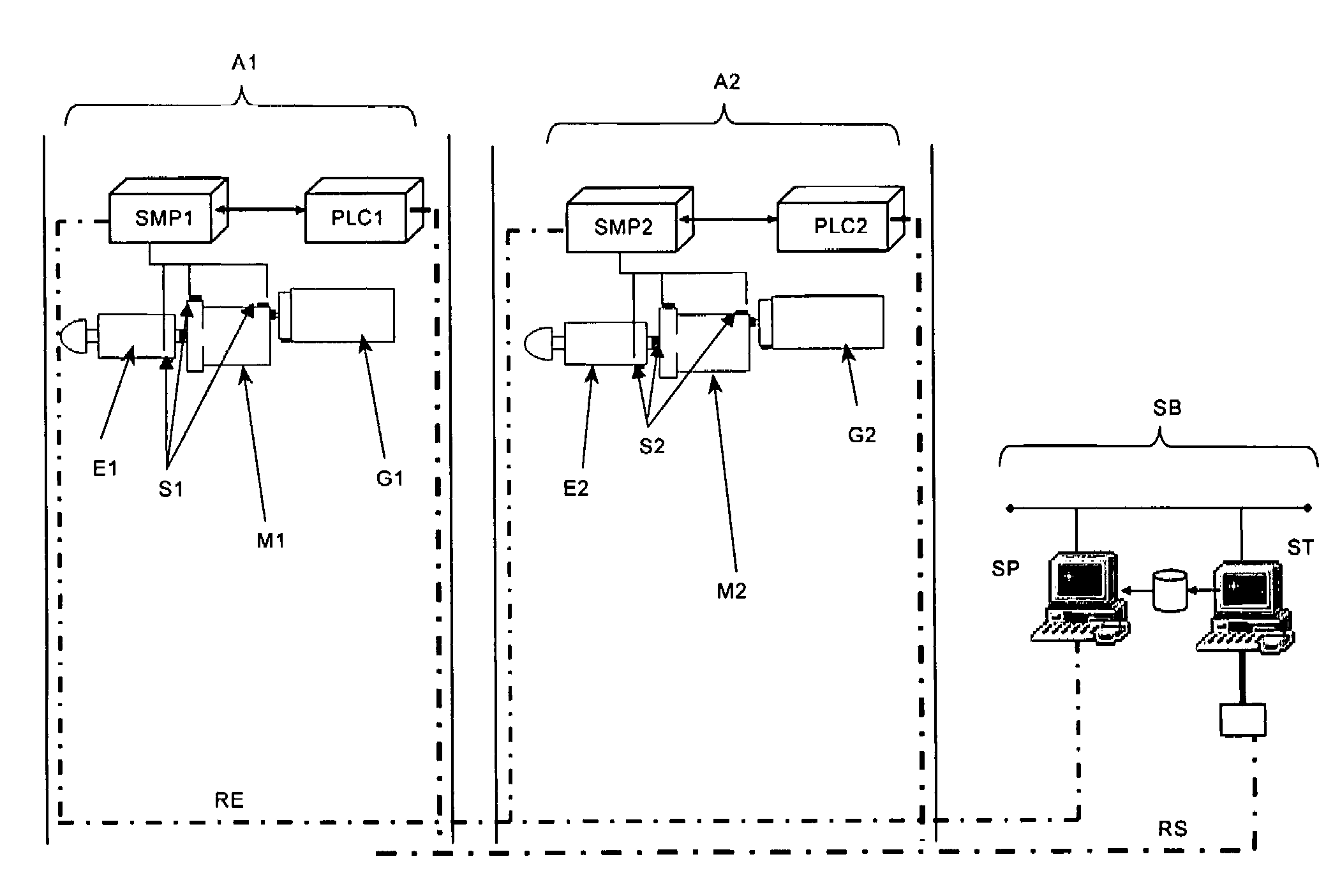
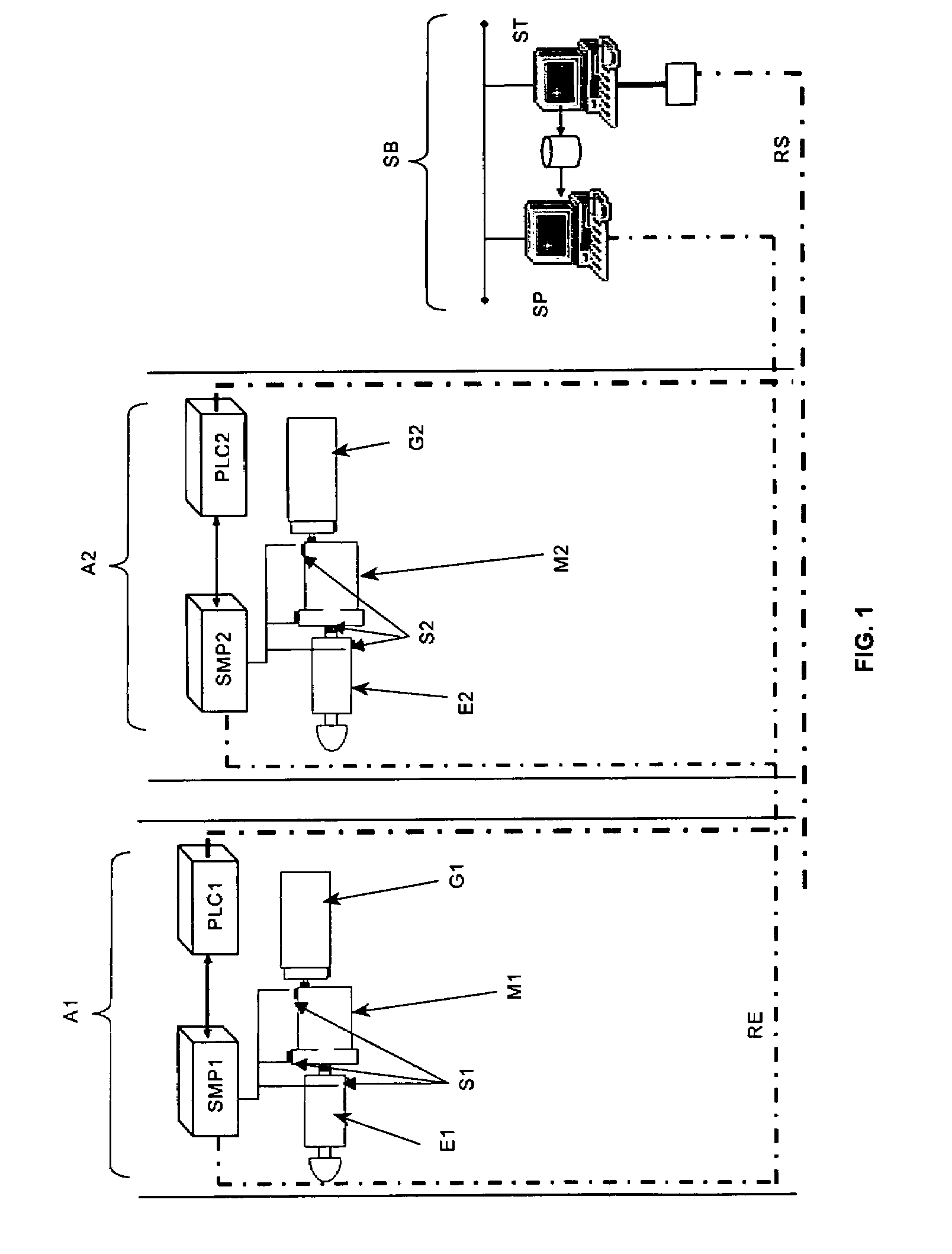
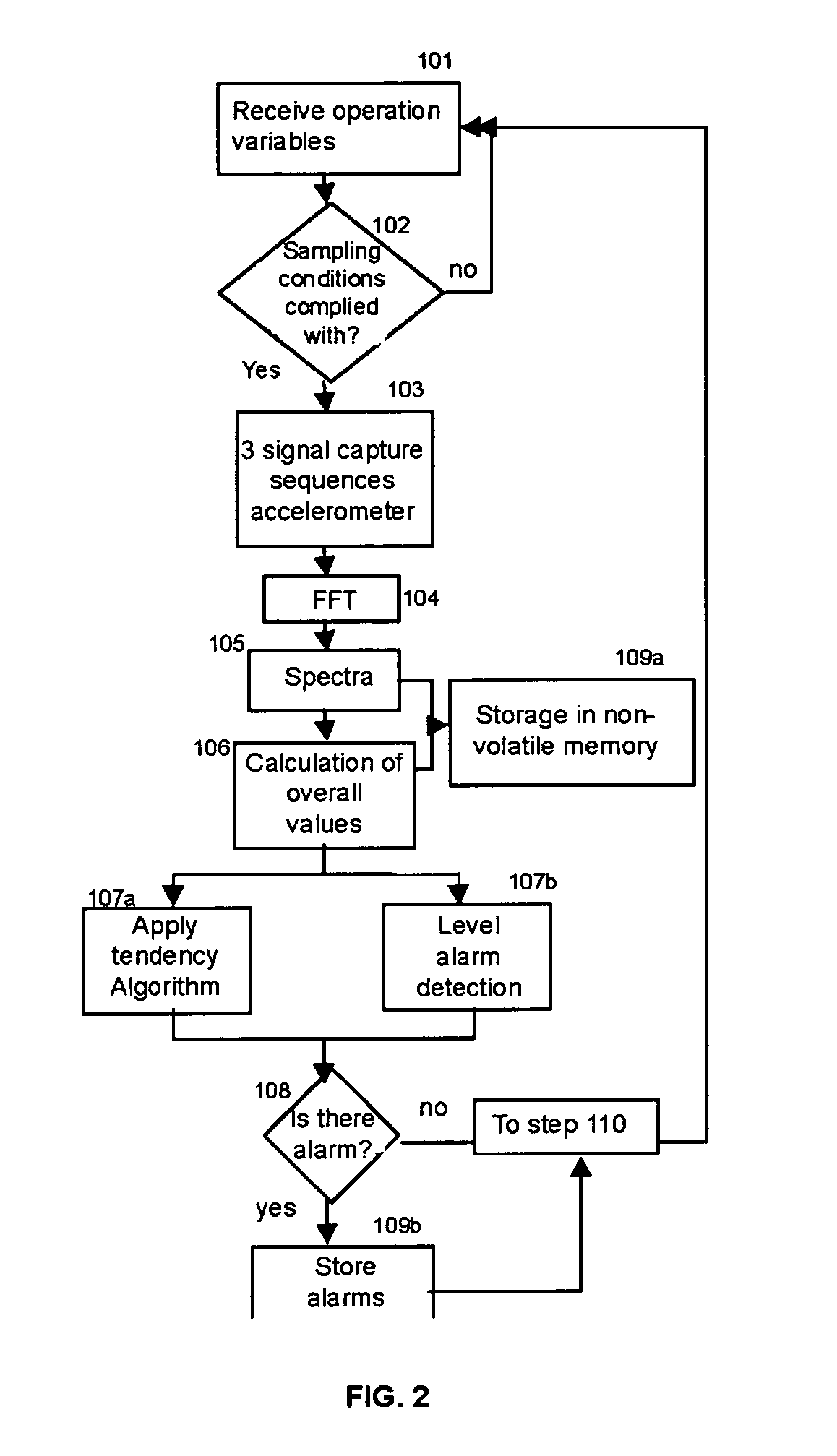
- A predictive maintenance system using vibration analysis with monitoring and processing equipment integrated into the nacelle of wind turbines, connected to accelerometers and the control system, which captures stable signals within predetermined operating ranges, processes them using anti-aliasing filtering and FFT, and generates alarms for critical component failures, reducing resource requirements and integrating with existing park infrastructures.

Environmental Impact Assessment of Maintenance Strategies
The environmental implications of maintenance strategies in wind turbines extend far beyond immediate operational considerations, encompassing lifecycle carbon footprints, resource consumption patterns, and ecosystem disruption factors. Predictive analytics-driven maintenance approaches demonstrate significantly reduced environmental impact compared to traditional reactive maintenance methodologies, primarily through optimized resource utilization and minimized intervention frequency.
Predictive maintenance strategies substantially decrease the carbon footprint associated with maintenance operations by reducing unnecessary site visits and equipment transportation. Advanced analytics enable precise scheduling of maintenance activities, consolidating multiple interventions into single site visits and eliminating redundant trips. This optimization typically results in 30-40% reduction in transportation-related emissions compared to reactive approaches, where emergency responses often require immediate deployment of personnel and equipment regardless of efficiency considerations.
Resource consumption patterns differ markedly between maintenance strategies, with predictive approaches enabling more efficient spare parts management and reducing waste generation. Predictive analytics facilitate just-in-time component replacement, minimizing inventory requirements and reducing the environmental burden of manufacturing excess spare parts. Additionally, condition-based replacement strategies extend component lifecycles by 15-25% on average, directly reducing material consumption and associated manufacturing emissions.
The manufacturing and disposal phases of maintenance components represent significant environmental considerations often overlooked in traditional reactive strategies. Predictive maintenance enables better planning for component end-of-life management, facilitating recycling programs and reducing landfill waste. Advanced analytics can predict optimal replacement timing, allowing for coordinated disposal and recycling activities that minimize environmental impact.
Ecosystem disruption represents another critical environmental factor, particularly relevant for offshore wind installations and onshore facilities in sensitive ecological areas. Predictive maintenance strategies reduce the frequency and duration of maintenance interventions, minimizing disturbance to local wildlife and marine ecosystems. Scheduled maintenance windows can be aligned with environmental considerations, such as avoiding bird migration periods or marine breeding seasons.
The environmental benefits of predictive maintenance extend to reduced lubricant and fluid consumption through optimized replacement schedules. Condition monitoring enables precise determination of lubricant degradation, preventing premature replacement while ensuring optimal performance. This approach typically reduces lubricant consumption by 20-30% compared to time-based reactive strategies, directly decreasing environmental contamination risks and disposal requirements.
Predictive maintenance strategies substantially decrease the carbon footprint associated with maintenance operations by reducing unnecessary site visits and equipment transportation. Advanced analytics enable precise scheduling of maintenance activities, consolidating multiple interventions into single site visits and eliminating redundant trips. This optimization typically results in 30-40% reduction in transportation-related emissions compared to reactive approaches, where emergency responses often require immediate deployment of personnel and equipment regardless of efficiency considerations.
Resource consumption patterns differ markedly between maintenance strategies, with predictive approaches enabling more efficient spare parts management and reducing waste generation. Predictive analytics facilitate just-in-time component replacement, minimizing inventory requirements and reducing the environmental burden of manufacturing excess spare parts. Additionally, condition-based replacement strategies extend component lifecycles by 15-25% on average, directly reducing material consumption and associated manufacturing emissions.
The manufacturing and disposal phases of maintenance components represent significant environmental considerations often overlooked in traditional reactive strategies. Predictive maintenance enables better planning for component end-of-life management, facilitating recycling programs and reducing landfill waste. Advanced analytics can predict optimal replacement timing, allowing for coordinated disposal and recycling activities that minimize environmental impact.
Ecosystem disruption represents another critical environmental factor, particularly relevant for offshore wind installations and onshore facilities in sensitive ecological areas. Predictive maintenance strategies reduce the frequency and duration of maintenance interventions, minimizing disturbance to local wildlife and marine ecosystems. Scheduled maintenance windows can be aligned with environmental considerations, such as avoiding bird migration periods or marine breeding seasons.
The environmental benefits of predictive maintenance extend to reduced lubricant and fluid consumption through optimized replacement schedules. Condition monitoring enables precise determination of lubricant degradation, preventing premature replacement while ensuring optimal performance. This approach typically reduces lubricant consumption by 20-30% compared to time-based reactive strategies, directly decreasing environmental contamination risks and disposal requirements.
Cost-Benefit Analysis of Predictive vs Reactive Approaches
The economic evaluation of predictive versus reactive maintenance strategies in wind turbine operations reveals significant disparities in both immediate costs and long-term financial returns. Initial capital expenditure for predictive maintenance systems typically ranges from $50,000 to $200,000 per turbine, encompassing sensor installation, data acquisition systems, and analytical software platforms. Conversely, reactive maintenance requires minimal upfront investment, primarily consisting of basic monitoring equipment and emergency response capabilities.
Operational cost structures demonstrate contrasting patterns between the two approaches. Predictive maintenance incurs consistent annual expenses of approximately $15,000 to $25,000 per turbine for system maintenance, data processing, and specialized personnel training. These costs remain relatively stable throughout the turbine's operational lifecycle. Reactive maintenance exhibits highly variable costs, with annual expenses fluctuating between $8,000 during fault-free periods to over $150,000 during major component failures.
Downtime costs represent the most significant economic differentiator between approaches. Predictive maintenance strategies typically achieve availability rates exceeding 97%, with planned maintenance windows averaging 2-3 days per intervention. Reactive maintenance scenarios often result in unplanned outages lasting 7-14 days, particularly for major component failures requiring specialized equipment and extended lead times for replacement parts.
Revenue impact analysis indicates that predictive maintenance generates superior financial returns over turbine lifecycles. Wind farms implementing predictive strategies report 15-25% higher annual energy production compared to reactive counterparts, translating to additional revenue of $75,000 to $125,000 per turbine annually. This enhanced performance stems from optimized component reliability, reduced catastrophic failures, and strategic maintenance scheduling during low-wind periods.
Return on investment calculations demonstrate that predictive maintenance systems typically achieve payback periods of 18-24 months, with net present value advantages of $300,000 to $500,000 per turbine over 20-year operational periods. These financial benefits become increasingly pronounced in offshore installations, where emergency repairs incur substantially higher costs due to vessel requirements and weather dependencies.
Operational cost structures demonstrate contrasting patterns between the two approaches. Predictive maintenance incurs consistent annual expenses of approximately $15,000 to $25,000 per turbine for system maintenance, data processing, and specialized personnel training. These costs remain relatively stable throughout the turbine's operational lifecycle. Reactive maintenance exhibits highly variable costs, with annual expenses fluctuating between $8,000 during fault-free periods to over $150,000 during major component failures.
Downtime costs represent the most significant economic differentiator between approaches. Predictive maintenance strategies typically achieve availability rates exceeding 97%, with planned maintenance windows averaging 2-3 days per intervention. Reactive maintenance scenarios often result in unplanned outages lasting 7-14 days, particularly for major component failures requiring specialized equipment and extended lead times for replacement parts.
Revenue impact analysis indicates that predictive maintenance generates superior financial returns over turbine lifecycles. Wind farms implementing predictive strategies report 15-25% higher annual energy production compared to reactive counterparts, translating to additional revenue of $75,000 to $125,000 per turbine annually. This enhanced performance stems from optimized component reliability, reduced catastrophic failures, and strategic maintenance scheduling during low-wind periods.
Return on investment calculations demonstrate that predictive maintenance systems typically achieve payback periods of 18-24 months, with net present value advantages of $300,000 to $500,000 per turbine over 20-year operational periods. These financial benefits become increasingly pronounced in offshore installations, where emergency repairs incur substantially higher costs due to vessel requirements and weather dependencies.
Unlock deeper insights with PatSnap Eureka Quick Research — get a full tech report to explore trends and direct your research. Try now!
Generate Your Research Report Instantly with AI Agent
Supercharge your innovation with PatSnap Eureka AI Agent Platform!