

Preparing Substrates for Optimal Corner Bonding Adhesion
MAY 27, 20269 MIN READ
Generate Your Research Report Instantly with AI Agent
Patsnap Eureka helps you evaluate technical feasibility & market potential.
Substrate Preparation Technology Background and Bonding Goals
Substrate preparation for optimal corner bonding adhesion represents a critical technological domain that has evolved significantly over the past several decades. This field encompasses the systematic treatment and modification of material surfaces to achieve superior adhesive performance, particularly in challenging geometric configurations where stress concentrations and environmental factors pose substantial challenges to bond integrity.
The historical development of substrate preparation technologies can be traced back to early industrial applications in aerospace and automotive sectors during the 1960s, where the need for reliable structural bonding drove initial research efforts. Early approaches focused primarily on mechanical surface roughening and basic chemical cleaning protocols. However, as industries demanded higher performance standards and more complex geometries, the field expanded to incorporate advanced surface chemistry, plasma treatments, and molecular-level surface modifications.
Contemporary substrate preparation has evolved into a sophisticated interdisciplinary field combining materials science, surface chemistry, and mechanical engineering principles. The technology now encompasses various treatment methodologies including chemical etching, plasma activation, primer application, and surface functionalization techniques. Each approach targets specific aspects of surface energy, topography, and chemical compatibility to optimize the substrate-adhesive interface.
The primary technological objective in substrate preparation for corner bonding applications centers on achieving uniform adhesive wetting and penetration while minimizing stress concentrations inherent in angular geometries. Corner regions present unique challenges due to their three-dimensional stress states, potential for air entrapment, and difficulties in achieving consistent surface treatment coverage. Modern preparation techniques aim to address these challenges through controlled surface roughness profiles, enhanced surface energy characteristics, and improved chemical compatibility between substrates and adhesive systems.
Current technological trends indicate a shift toward environmentally sustainable preparation methods, automated surface treatment processes, and real-time quality monitoring systems. Advanced characterization techniques now enable precise control over surface properties at the nanoscale level, allowing for tailored surface modifications that optimize specific bonding requirements. The integration of artificial intelligence and machine learning algorithms is beginning to influence process optimization and quality prediction in substrate preparation workflows.
The ultimate goal of contemporary substrate preparation technology is to achieve predictable, durable adhesive bonds that maintain performance integrity throughout the intended service life, particularly in demanding corner bonding applications where traditional mechanical fastening methods may be inadequate or impractical.
The historical development of substrate preparation technologies can be traced back to early industrial applications in aerospace and automotive sectors during the 1960s, where the need for reliable structural bonding drove initial research efforts. Early approaches focused primarily on mechanical surface roughening and basic chemical cleaning protocols. However, as industries demanded higher performance standards and more complex geometries, the field expanded to incorporate advanced surface chemistry, plasma treatments, and molecular-level surface modifications.
Contemporary substrate preparation has evolved into a sophisticated interdisciplinary field combining materials science, surface chemistry, and mechanical engineering principles. The technology now encompasses various treatment methodologies including chemical etching, plasma activation, primer application, and surface functionalization techniques. Each approach targets specific aspects of surface energy, topography, and chemical compatibility to optimize the substrate-adhesive interface.
The primary technological objective in substrate preparation for corner bonding applications centers on achieving uniform adhesive wetting and penetration while minimizing stress concentrations inherent in angular geometries. Corner regions present unique challenges due to their three-dimensional stress states, potential for air entrapment, and difficulties in achieving consistent surface treatment coverage. Modern preparation techniques aim to address these challenges through controlled surface roughness profiles, enhanced surface energy characteristics, and improved chemical compatibility between substrates and adhesive systems.
Current technological trends indicate a shift toward environmentally sustainable preparation methods, automated surface treatment processes, and real-time quality monitoring systems. Advanced characterization techniques now enable precise control over surface properties at the nanoscale level, allowing for tailored surface modifications that optimize specific bonding requirements. The integration of artificial intelligence and machine learning algorithms is beginning to influence process optimization and quality prediction in substrate preparation workflows.
The ultimate goal of contemporary substrate preparation technology is to achieve predictable, durable adhesive bonds that maintain performance integrity throughout the intended service life, particularly in demanding corner bonding applications where traditional mechanical fastening methods may be inadequate or impractical.
Market Demand for Enhanced Corner Bonding Solutions
The global adhesive bonding market has experienced substantial growth driven by increasing demands for lightweight, durable, and cost-effective joining solutions across multiple industries. Enhanced corner bonding solutions represent a critical segment within this broader market, addressing specific challenges where traditional bonding methods often fail to deliver adequate performance.
Automotive manufacturers constitute the largest consumer segment for advanced corner bonding technologies. The industry's shift toward electric vehicles and lightweight construction materials has intensified requirements for reliable corner joints in battery housings, structural components, and interior assemblies. Modern vehicles demand bonding solutions that can withstand thermal cycling, vibration, and environmental exposure while maintaining structural integrity at corner interfaces.
Electronics and consumer device manufacturers represent another significant market driver. The proliferation of smartphones, tablets, and wearable devices has created unprecedented demand for precise corner bonding in compact form factors. These applications require adhesive solutions that can accommodate miniaturization trends while providing robust sealing against moisture and contaminants at vulnerable corner junctions.
Construction and architectural sectors increasingly rely on enhanced corner bonding for curtain wall systems, window assemblies, and structural glazing applications. Building codes and energy efficiency standards have elevated performance requirements for corner seals, driving adoption of advanced substrate preparation techniques and specialized adhesive formulations.
Aerospace and defense applications demand the highest performance standards for corner bonding solutions. Critical components such as composite panels, avionics housings, and structural assemblies require bonding systems capable of withstanding extreme temperature variations, pressure differentials, and mechanical stress concentrations at corner regions.
The packaging industry has emerged as a growing market segment, particularly for food and pharmaceutical applications where corner seal integrity directly impacts product safety and shelf life. Regulatory requirements for barrier properties and contamination prevention have accelerated adoption of optimized corner bonding technologies.
Market growth is further supported by increasing awareness of substrate preparation's role in bonding performance. Industries are recognizing that proper surface treatment and preparation techniques can significantly improve corner joint reliability while reducing long-term maintenance costs and warranty claims.
Automotive manufacturers constitute the largest consumer segment for advanced corner bonding technologies. The industry's shift toward electric vehicles and lightweight construction materials has intensified requirements for reliable corner joints in battery housings, structural components, and interior assemblies. Modern vehicles demand bonding solutions that can withstand thermal cycling, vibration, and environmental exposure while maintaining structural integrity at corner interfaces.
Electronics and consumer device manufacturers represent another significant market driver. The proliferation of smartphones, tablets, and wearable devices has created unprecedented demand for precise corner bonding in compact form factors. These applications require adhesive solutions that can accommodate miniaturization trends while providing robust sealing against moisture and contaminants at vulnerable corner junctions.
Construction and architectural sectors increasingly rely on enhanced corner bonding for curtain wall systems, window assemblies, and structural glazing applications. Building codes and energy efficiency standards have elevated performance requirements for corner seals, driving adoption of advanced substrate preparation techniques and specialized adhesive formulations.
Aerospace and defense applications demand the highest performance standards for corner bonding solutions. Critical components such as composite panels, avionics housings, and structural assemblies require bonding systems capable of withstanding extreme temperature variations, pressure differentials, and mechanical stress concentrations at corner regions.
The packaging industry has emerged as a growing market segment, particularly for food and pharmaceutical applications where corner seal integrity directly impacts product safety and shelf life. Regulatory requirements for barrier properties and contamination prevention have accelerated adoption of optimized corner bonding technologies.
Market growth is further supported by increasing awareness of substrate preparation's role in bonding performance. Industries are recognizing that proper surface treatment and preparation techniques can significantly improve corner joint reliability while reducing long-term maintenance costs and warranty claims.
Current State and Challenges in Corner Adhesion Technology
Corner bonding adhesion technology currently faces significant challenges across multiple industrial sectors, particularly in automotive, aerospace, electronics, and construction applications. The fundamental difficulty lies in achieving consistent, durable bonds at substrate corners where geometric constraints and stress concentrations create inherently weak points in adhesive joints.
Traditional adhesive application methods struggle with corner geometries due to inadequate wetting and penetration into tight spaces. Conventional dispensing systems often fail to deliver uniform adhesive distribution around corners, resulting in air entrapment, incomplete coverage, and reduced bond strength. This limitation becomes particularly pronounced in automated manufacturing environments where precision and repeatability are critical.
Surface preparation techniques for corner bonding remain inconsistent across industries. Current cleaning and activation methods, including plasma treatment, chemical etching, and mechanical abrasion, show varying effectiveness depending on substrate materials and corner angles. Sharp corners present accessibility challenges for surface preparation equipment, often leaving inadequately treated areas that compromise overall bond integrity.
Material compatibility issues persist as a major constraint in corner adhesion applications. Different substrate materials expand and contract at varying rates under thermal cycling, creating differential stresses that concentrate at corner joints. Current adhesive formulations struggle to accommodate these multi-material interfaces while maintaining long-term durability and environmental resistance.
Quality control and inspection of corner bonds present ongoing challenges due to limited accessibility for non-destructive testing methods. Traditional inspection techniques such as ultrasonic testing and visual examination prove inadequate for detecting subsurface defects or incomplete adhesion in corner regions. This limitation results in potential field failures and increased warranty costs across multiple industries.
Manufacturing scalability remains a critical bottleneck in corner bonding technology. Current processes often require manual intervention or specialized tooling that increases production costs and cycle times. The lack of standardized procedures for corner substrate preparation and adhesive application creates inconsistencies between different manufacturing facilities and suppliers.
Environmental durability of corner bonds continues to underperform compared to flat surface joints. Moisture ingress, thermal cycling, and mechanical stress preferentially attack corner regions where adhesive thickness variations and geometric stress concentrations create vulnerability points. Current accelerated testing methods inadequately predict long-term performance in real-world corner bonding applications.
Traditional adhesive application methods struggle with corner geometries due to inadequate wetting and penetration into tight spaces. Conventional dispensing systems often fail to deliver uniform adhesive distribution around corners, resulting in air entrapment, incomplete coverage, and reduced bond strength. This limitation becomes particularly pronounced in automated manufacturing environments where precision and repeatability are critical.
Surface preparation techniques for corner bonding remain inconsistent across industries. Current cleaning and activation methods, including plasma treatment, chemical etching, and mechanical abrasion, show varying effectiveness depending on substrate materials and corner angles. Sharp corners present accessibility challenges for surface preparation equipment, often leaving inadequately treated areas that compromise overall bond integrity.
Material compatibility issues persist as a major constraint in corner adhesion applications. Different substrate materials expand and contract at varying rates under thermal cycling, creating differential stresses that concentrate at corner joints. Current adhesive formulations struggle to accommodate these multi-material interfaces while maintaining long-term durability and environmental resistance.
Quality control and inspection of corner bonds present ongoing challenges due to limited accessibility for non-destructive testing methods. Traditional inspection techniques such as ultrasonic testing and visual examination prove inadequate for detecting subsurface defects or incomplete adhesion in corner regions. This limitation results in potential field failures and increased warranty costs across multiple industries.
Manufacturing scalability remains a critical bottleneck in corner bonding technology. Current processes often require manual intervention or specialized tooling that increases production costs and cycle times. The lack of standardized procedures for corner substrate preparation and adhesive application creates inconsistencies between different manufacturing facilities and suppliers.
Environmental durability of corner bonds continues to underperform compared to flat surface joints. Moisture ingress, thermal cycling, and mechanical stress preferentially attack corner regions where adhesive thickness variations and geometric stress concentrations create vulnerability points. Current accelerated testing methods inadequately predict long-term performance in real-world corner bonding applications.
Existing Solutions for Corner Bonding Optimization
01 Adhesive compositions for corner bonding applications
Specialized adhesive formulations designed specifically for corner bonding applications where substrates meet at angles. These compositions provide enhanced bonding strength at corner joints and edges, addressing the unique stress distribution patterns that occur in corner configurations. The adhesives are formulated to handle the mechanical stresses and environmental conditions typical in corner bonding scenarios.- Adhesive compositions for corner bonding applications: Specialized adhesive formulations designed specifically for corner bonding applications where substrates meet at angles. These compositions provide enhanced bonding strength at corner joints and edges, addressing the unique stress distribution patterns that occur in corner configurations. The adhesives are formulated to handle the mechanical stresses and environmental conditions typical in corner bonding scenarios.
- Surface treatment methods for improved corner adhesion: Various surface preparation and treatment techniques to enhance adhesion performance at substrate corners. These methods include surface roughening, chemical etching, primer application, and plasma treatment to increase surface energy and create better mechanical interlocking. The treatments are specifically optimized for corner geometries where adhesion can be challenging due to stress concentration.
- Structural reinforcement techniques for corner joints: Methods for reinforcing corner joints through mechanical fasteners, backing materials, or structural modifications that work in conjunction with adhesive bonding. These techniques distribute loads more effectively across corner interfaces and provide redundant attachment methods. The reinforcement approaches are designed to complement adhesive bonding rather than replace it.
- Multi-layer bonding systems for corner applications: Layered bonding approaches that utilize multiple adhesive layers, interlayers, or gradient bonding systems specifically designed for corner substrates. These systems can accommodate differential thermal expansion, provide stress distribution, and offer improved durability in corner configurations. The multi-layer approach allows for optimization of different properties at different depths within the bond line.
- Testing and quality control methods for corner bond integrity: Specialized testing methodologies and quality control procedures for evaluating the performance of corner bonded substrates. These methods include non-destructive testing techniques, mechanical testing protocols, and long-term durability assessments specifically designed for corner joint configurations. The testing approaches account for the unique failure modes and stress patterns in corner bonding applications.
02 Surface treatment methods for improved corner adhesion
Various surface preparation and treatment techniques to enhance adhesion performance at substrate corners. These methods include surface roughening, chemical etching, primer application, and plasma treatment to increase surface energy and create better mechanical interlocking. The treatments are specifically optimized for corner geometries where adhesion can be challenging due to stress concentration.Expand Specific Solutions03 Structural reinforcement techniques for corner joints
Methods for reinforcing corner joints through mechanical fasteners, backing materials, or structural modifications that work in conjunction with adhesive bonding. These techniques distribute loads more effectively across corner joints and provide backup mechanical attachment in case of adhesive failure. The reinforcement methods are designed to complement adhesive bonding rather than replace it.Expand Specific Solutions04 Multi-layer bonding systems for corner applications
Layered adhesive systems that utilize multiple adhesive layers or combinations of different adhesive types to optimize corner bonding performance. These systems may include base layers for initial adhesion, intermediate layers for stress distribution, and top layers for environmental protection. The multi-layer approach allows for customization of properties at different depths within the bond line.Expand Specific Solutions05 Environmental resistance in corner bonding applications
Adhesive systems and bonding methods designed to maintain corner joint integrity under various environmental conditions including temperature cycling, humidity exposure, chemical contact, and UV radiation. These solutions focus on preventing environmental degradation at corner joints where exposure conditions may be more severe due to geometry and stress concentration effects.Expand Specific Solutions
Key Players in Adhesive and Surface Treatment Industry
The substrate preparation for optimal corner bonding adhesion market represents a mature yet evolving technological landscape driven by increasing demands in electronics, automotive, and aerospace applications. The industry is experiencing steady growth with an estimated multi-billion dollar market size, particularly in semiconductor packaging and advanced manufacturing sectors. Technology maturity varies significantly across applications, with established players like Henkel AG & Co. KGaA, 3M Innovative Properties Co., and DuPont de Nemours leading in adhesive formulations and surface treatment solutions. Asian manufacturers including Tokyo Electron Ltd., Shin-Etsu Chemical Co., and Sekisui Chemical Co. dominate equipment and specialized materials segments. The competitive landscape shows consolidation among major chemical companies while specialized firms like Sika Technology AG and Soitec SA focus on niche applications. Innovation centers around advanced surface activation techniques, novel adhesive chemistries, and automated preparation systems, with companies like FUJIFILM Corp. and Seiko Epson Corp. driving next-generation bonding technologies for high-precision applications.
Henkel AG & Co. KGaA
Technical Solution: Henkel has developed comprehensive surface preparation technologies for corner bonding applications, including plasma treatment systems and chemical etching processes that enhance substrate wettability and create micro-roughened surfaces. Their LOCTITE brand offers specialized primers and surface activators that promote chemical bonding between adhesives and various substrates including metals, plastics, and composites. The company's approach involves multi-step surface preparation protocols that include degreasing, mechanical abrasion, and chemical activation to achieve optimal adhesion strength in corner joints where stress concentration is critical.
Strengths: Extensive portfolio of surface treatment chemicals and proven industrial applications. Weaknesses: Complex multi-step processes may increase manufacturing time and costs.
Soitec SA
Technical Solution: Soitec has developed specialized substrate preparation techniques for their Smart Cut technology and wafer bonding applications, which includes optimized surface preparation for corner bonding in semiconductor device manufacturing. Their approach involves ultra-clean surface preparation using megasonic cleaning, chemical mechanical polishing, and controlled surface activation processes that create atomically smooth and chemically active surfaces. The preparation methodology includes precise control of surface roughness, contamination levels, and chemical composition to achieve strong adhesive bonds in critical corner regions of semiconductor devices and MEMS structures.
Strengths: Ultra-precise surface control with atomic-level accuracy and proven semiconductor industry applications. Weaknesses: Limited to high-tech applications with very specific substrate requirements and high processing costs.
Core Innovations in Substrate Preparation Techniques
Substrate treatment process
PatentInactiveUS8021489B2
Innovation
- A dense fluid delivery apparatus using a modified solid carbon dioxide spray mixture with reactive and non-reactive species, combined with ultraviolet radiation and corona plasma, to simultaneously clean and modify substrate surfaces, removing contaminants and enhancing surface energy for improved adhesion and coating capabilities.


Method of improving a surface of a substrate for bonding
PatentInactiveUS6875268B2
Innovation
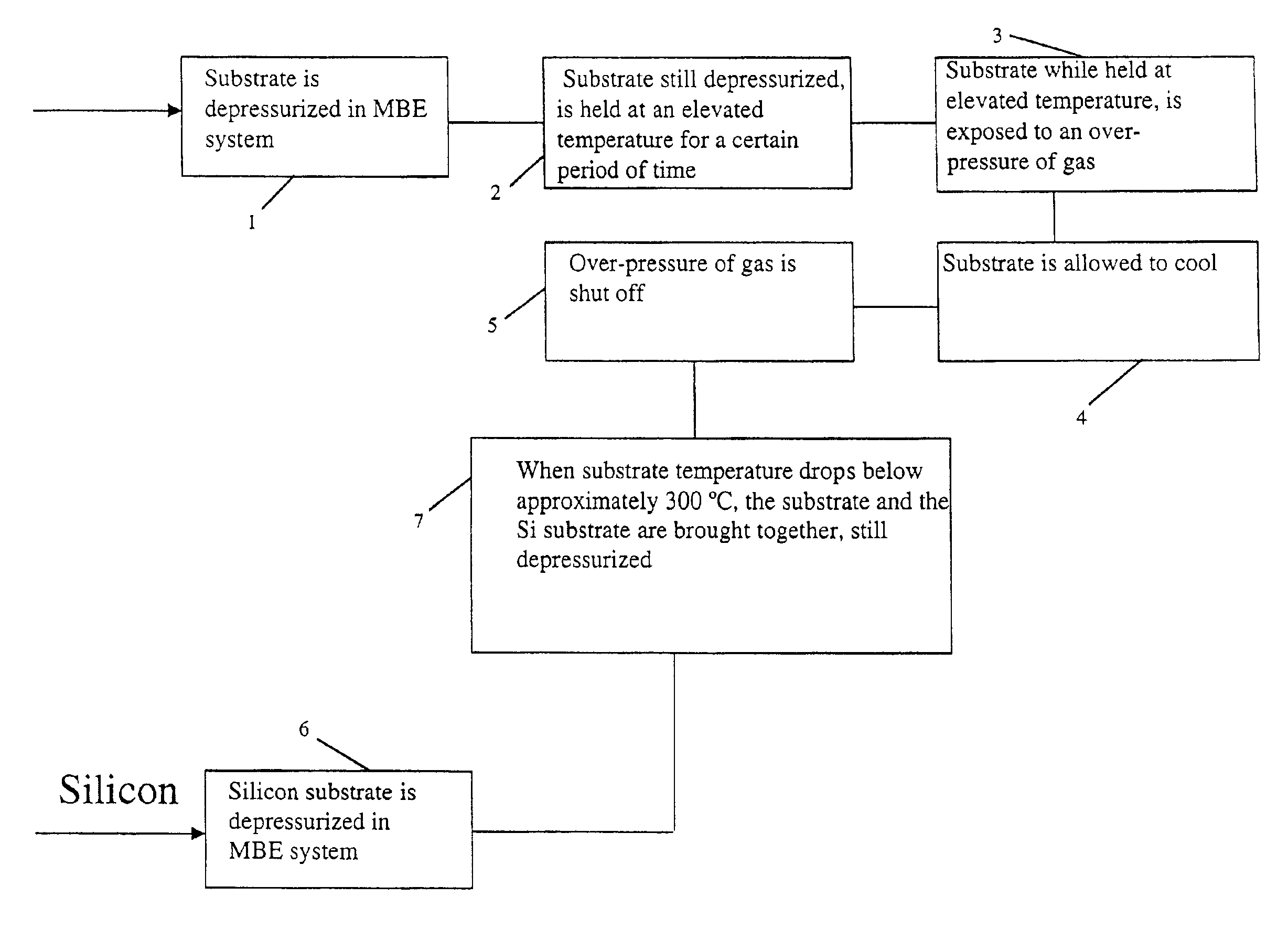
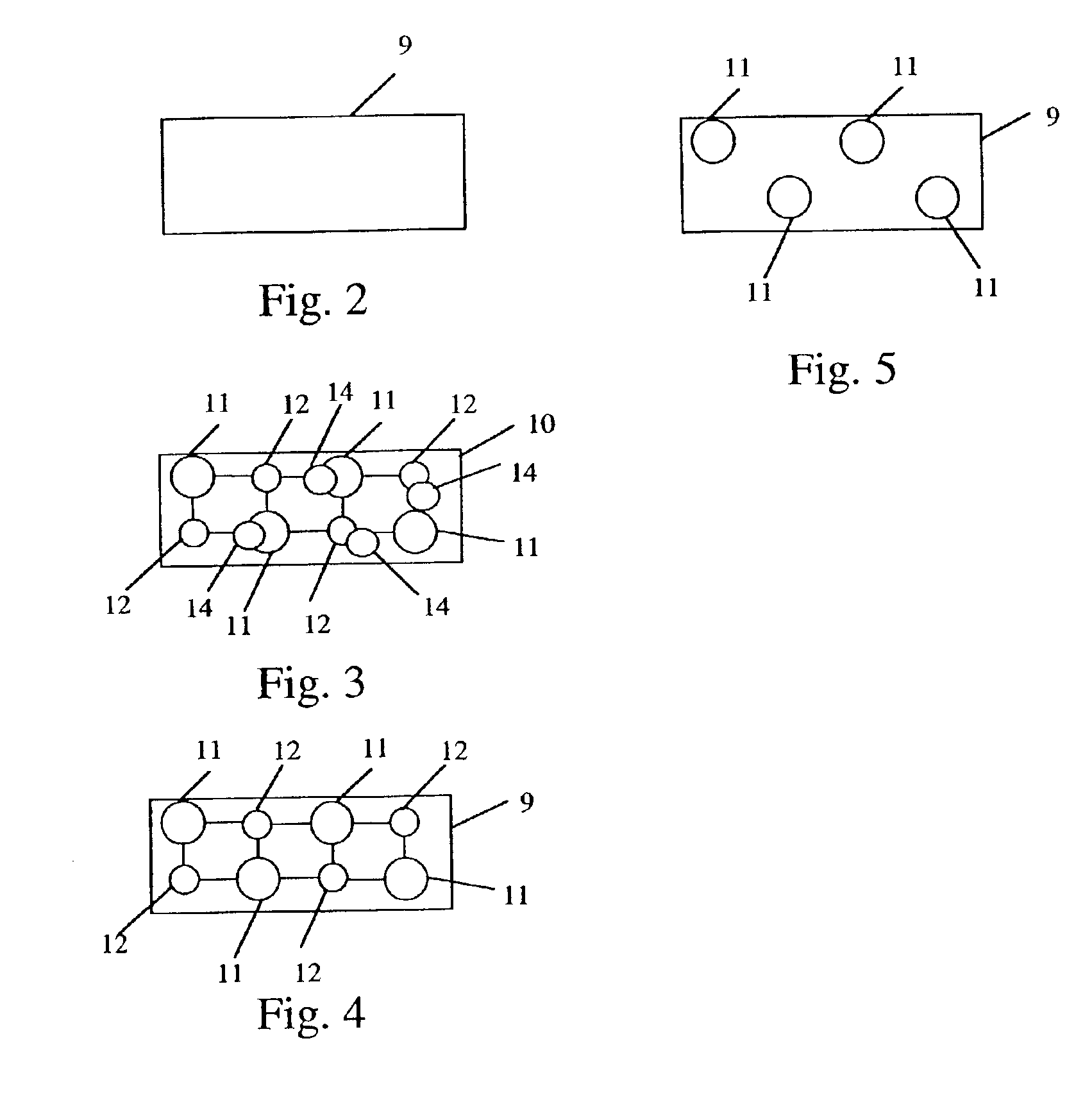
- A method involving a Molecular Beam Epitaxy (MBE) system to create an essentially oxide-free substrate surface by evaporating oxide at elevated temperatures and replacing evaporated atoms with chemisorbed gas atoms, ensuring the crystal structure remains intact and selecting the surface atoms for optimal bonding.

Environmental Regulations for Adhesive Manufacturing
The adhesive manufacturing industry operates under increasingly stringent environmental regulations that significantly impact substrate preparation processes for corner bonding applications. These regulations encompass multiple aspects of production, from raw material sourcing to waste disposal, fundamentally shaping how manufacturers approach optimal adhesion preparation techniques.
Volatile Organic Compound (VOC) emissions represent the primary regulatory focus in adhesive manufacturing. The Environmental Protection Agency and equivalent international bodies have established strict limits on VOC content in adhesive formulations, typically ranging from 50-250 grams per liter depending on application type. These restrictions directly influence substrate preparation methods, as traditional solvent-based cleaning agents and surface treatments must be replaced with compliant alternatives that maintain bonding efficacy while meeting emission standards.
Chemical safety regulations under frameworks such as REACH (Registration, Evaluation, Authorization and Restriction of Chemicals) in Europe and TSCA (Toxic Substances Control Act) in the United States impose comprehensive requirements on adhesive component management. Manufacturers must maintain detailed documentation of all chemicals used in substrate preparation processes, including surface primers, cleaning solvents, and activation treatments. This regulatory landscape has accelerated the development of water-based and bio-derived preparation solutions that reduce hazardous substance exposure while maintaining corner bonding performance.
Waste management regulations significantly impact substrate preparation workflows, particularly regarding disposal of contaminated cleaning materials and excess adhesive compounds. The Resource Conservation and Recovery Act (RCRA) classifies many traditional preparation solvents as hazardous waste, requiring specialized handling and disposal procedures that increase operational costs and complexity. Consequently, manufacturers are adopting closed-loop preparation systems and recyclable cleaning media to minimize waste generation.
Air quality standards impose additional constraints on manufacturing facilities, requiring installation of emission control systems such as thermal oxidizers or carbon adsorption units. These systems must effectively capture and treat vapors generated during substrate cleaning and surface activation processes, adding capital and operational expenses that influence technology selection decisions for corner bonding preparation methods.
Emerging regulations addressing per- and polyfluoroalkyl substances (PFAS) are reshaping adhesive formulations and substrate treatments, as these compounds face increasing restrictions despite their effectiveness in promoting adhesion to difficult-to-bond surfaces. Manufacturers must develop alternative surface preparation chemistries that achieve comparable corner bonding performance without relying on regulated fluorinated compounds.
Volatile Organic Compound (VOC) emissions represent the primary regulatory focus in adhesive manufacturing. The Environmental Protection Agency and equivalent international bodies have established strict limits on VOC content in adhesive formulations, typically ranging from 50-250 grams per liter depending on application type. These restrictions directly influence substrate preparation methods, as traditional solvent-based cleaning agents and surface treatments must be replaced with compliant alternatives that maintain bonding efficacy while meeting emission standards.
Chemical safety regulations under frameworks such as REACH (Registration, Evaluation, Authorization and Restriction of Chemicals) in Europe and TSCA (Toxic Substances Control Act) in the United States impose comprehensive requirements on adhesive component management. Manufacturers must maintain detailed documentation of all chemicals used in substrate preparation processes, including surface primers, cleaning solvents, and activation treatments. This regulatory landscape has accelerated the development of water-based and bio-derived preparation solutions that reduce hazardous substance exposure while maintaining corner bonding performance.
Waste management regulations significantly impact substrate preparation workflows, particularly regarding disposal of contaminated cleaning materials and excess adhesive compounds. The Resource Conservation and Recovery Act (RCRA) classifies many traditional preparation solvents as hazardous waste, requiring specialized handling and disposal procedures that increase operational costs and complexity. Consequently, manufacturers are adopting closed-loop preparation systems and recyclable cleaning media to minimize waste generation.
Air quality standards impose additional constraints on manufacturing facilities, requiring installation of emission control systems such as thermal oxidizers or carbon adsorption units. These systems must effectively capture and treat vapors generated during substrate cleaning and surface activation processes, adding capital and operational expenses that influence technology selection decisions for corner bonding preparation methods.
Emerging regulations addressing per- and polyfluoroalkyl substances (PFAS) are reshaping adhesive formulations and substrate treatments, as these compounds face increasing restrictions despite their effectiveness in promoting adhesion to difficult-to-bond surfaces. Manufacturers must develop alternative surface preparation chemistries that achieve comparable corner bonding performance without relying on regulated fluorinated compounds.
Quality Standards for Industrial Bonding Applications
Quality standards for industrial bonding applications involving corner substrates represent a critical framework that ensures consistent performance, reliability, and safety across diverse manufacturing environments. These standards encompass multiple dimensions of evaluation, from initial substrate preparation protocols to final bond integrity assessments, establishing benchmarks that manufacturers must meet to achieve optimal corner bonding adhesion.
International standards organizations, including ASTM, ISO, and industry-specific bodies, have developed comprehensive testing methodologies specifically addressing corner bonding scenarios. These standards define acceptable surface roughness parameters, typically ranging from 0.8 to 3.2 micrometers Ra depending on adhesive type and application requirements. Cleanliness specifications mandate contamination levels below 10 parts per million for critical applications, with specific protocols for measuring ionic, organic, and particulate contamination on prepared surfaces.
Mechanical performance criteria establish minimum bond strength requirements, with corner joints typically requiring 80-90% of the strength achieved in flat surface applications. Standards specify testing procedures including peel tests, shear tests, and environmental aging protocols that simulate real-world operating conditions. Temperature cycling requirements often mandate performance retention across ranges from -40°C to +150°C, with humidity exposure testing at 85% relative humidity for extended periods.
Surface preparation quality standards mandate specific protocols for different substrate materials. For metallic substrates, standards require defined oxide layer thickness, surface energy levels above 40 dynes/cm, and documented surface activation procedures. Composite materials must meet delamination resistance criteria and demonstrate consistent fiber-matrix interface integrity before bonding operations commence.
Documentation and traceability requirements ensure that each preparation step meets established quality benchmarks. Standards mandate real-time monitoring of critical parameters including surface temperature, ambient humidity, and processing time intervals between preparation and bonding operations. Quality control protocols require statistical process control implementation, with capability indices exceeding 1.33 for critical bonding parameters, ensuring consistent reproduction of optimal corner bonding conditions across production environments.
International standards organizations, including ASTM, ISO, and industry-specific bodies, have developed comprehensive testing methodologies specifically addressing corner bonding scenarios. These standards define acceptable surface roughness parameters, typically ranging from 0.8 to 3.2 micrometers Ra depending on adhesive type and application requirements. Cleanliness specifications mandate contamination levels below 10 parts per million for critical applications, with specific protocols for measuring ionic, organic, and particulate contamination on prepared surfaces.
Mechanical performance criteria establish minimum bond strength requirements, with corner joints typically requiring 80-90% of the strength achieved in flat surface applications. Standards specify testing procedures including peel tests, shear tests, and environmental aging protocols that simulate real-world operating conditions. Temperature cycling requirements often mandate performance retention across ranges from -40°C to +150°C, with humidity exposure testing at 85% relative humidity for extended periods.
Surface preparation quality standards mandate specific protocols for different substrate materials. For metallic substrates, standards require defined oxide layer thickness, surface energy levels above 40 dynes/cm, and documented surface activation procedures. Composite materials must meet delamination resistance criteria and demonstrate consistent fiber-matrix interface integrity before bonding operations commence.
Documentation and traceability requirements ensure that each preparation step meets established quality benchmarks. Standards mandate real-time monitoring of critical parameters including surface temperature, ambient humidity, and processing time intervals between preparation and bonding operations. Quality control protocols require statistical process control implementation, with capability indices exceeding 1.33 for critical bonding parameters, ensuring consistent reproduction of optimal corner bonding conditions across production environments.
Unlock deeper insights with Patsnap Eureka Quick Research — get a full tech report to explore trends and direct your research. Try now!
Generate Your Research Report Instantly with AI Agent
Supercharge your innovation with Patsnap Eureka AI Agent Platform!