
Protein Design vs. Natural Protein Docking: Comparative Efficiency Study
JUN 23, 20269 MIN READ
Generate Your Research Report Instantly with AI Agent
Patsnap Eureka helps you evaluate technical feasibility & market potential.
Protein Design and Docking Background and Objectives
Protein design and protein docking represent two fundamental yet distinct approaches in computational structural biology, each addressing critical challenges in understanding and manipulating protein function. The evolution of these fields has been driven by the increasing demand for novel therapeutic proteins, enzyme optimization, and the need to understand complex biological interactions at the molecular level.
Protein design emerged in the 1980s as researchers began exploring computational methods to create proteins with desired functions from scratch or through significant modifications of existing structures. Early pioneers like David Baker and others established foundational principles for de novo protein design, focusing on creating stable folds and functional sites. The field has progressed from simple secondary structure prediction to sophisticated algorithms capable of designing entire protein architectures with predetermined catalytic or binding properties.
In parallel, protein docking developed as a computational technique to predict how proteins interact with other molecules, including other proteins, small molecules, or nucleic acids. This field gained momentum in the 1990s with the development of algorithms like DOCK and AutoDock, addressing the critical need to understand protein-protein interactions and drug-target relationships. Natural protein docking focuses on predicting binding conformations and affinities between naturally occurring proteins and their partners.
The convergence of these fields has created new opportunities for comparative analysis, particularly regarding computational efficiency and practical applications. Modern protein design increasingly relies on docking simulations to validate designed proteins against their intended targets, while docking studies benefit from design principles to understand binding specificity and selectivity.
Current technological objectives center on developing more efficient algorithms that can handle larger protein systems with improved accuracy. Machine learning integration, particularly deep learning approaches like AlphaFold and RoseTTAFold, has revolutionized both fields by providing better structural predictions and design templates. The primary goal is to achieve comparable or superior efficiency in designed proteins compared to their natural counterparts while maintaining computational tractability.
The ultimate objective involves establishing quantitative frameworks for comparing the efficiency of designed versus natural protein systems, enabling researchers to make informed decisions about when to pursue de novo design versus optimization of natural proteins for specific applications.
Protein design emerged in the 1980s as researchers began exploring computational methods to create proteins with desired functions from scratch or through significant modifications of existing structures. Early pioneers like David Baker and others established foundational principles for de novo protein design, focusing on creating stable folds and functional sites. The field has progressed from simple secondary structure prediction to sophisticated algorithms capable of designing entire protein architectures with predetermined catalytic or binding properties.
In parallel, protein docking developed as a computational technique to predict how proteins interact with other molecules, including other proteins, small molecules, or nucleic acids. This field gained momentum in the 1990s with the development of algorithms like DOCK and AutoDock, addressing the critical need to understand protein-protein interactions and drug-target relationships. Natural protein docking focuses on predicting binding conformations and affinities between naturally occurring proteins and their partners.
The convergence of these fields has created new opportunities for comparative analysis, particularly regarding computational efficiency and practical applications. Modern protein design increasingly relies on docking simulations to validate designed proteins against their intended targets, while docking studies benefit from design principles to understand binding specificity and selectivity.
Current technological objectives center on developing more efficient algorithms that can handle larger protein systems with improved accuracy. Machine learning integration, particularly deep learning approaches like AlphaFold and RoseTTAFold, has revolutionized both fields by providing better structural predictions and design templates. The primary goal is to achieve comparable or superior efficiency in designed proteins compared to their natural counterparts while maintaining computational tractability.
The ultimate objective involves establishing quantitative frameworks for comparing the efficiency of designed versus natural protein systems, enabling researchers to make informed decisions about when to pursue de novo design versus optimization of natural proteins for specific applications.
Market Demand for Computational Protein Engineering Solutions
The computational protein engineering market has experienced substantial growth driven by increasing demand for precision medicine, biotechnology innovations, and pharmaceutical research acceleration. Traditional experimental approaches for protein design and optimization require extensive laboratory resources, time-intensive processes, and significant financial investments, creating strong market pull for computational alternatives that can streamline these workflows.
Pharmaceutical companies represent the largest market segment, utilizing computational protein engineering solutions for drug discovery, therapeutic protein development, and antibody design optimization. These organizations seek platforms that can efficiently compare natural protein interactions with designed variants, enabling faster identification of promising candidates before expensive wet-lab validation. The growing emphasis on personalized medicine has further amplified demand for tools capable of rapidly analyzing protein-protein interactions and designing targeted therapeutic interventions.
Biotechnology firms focusing on enzyme engineering and industrial biocatalysis constitute another significant market driver. These companies require computational solutions to optimize protein stability, activity, and specificity for various industrial applications including biofuels, pharmaceuticals, and specialty chemicals. The ability to systematically compare designed proteins against natural counterparts provides crucial insights for commercial viability assessments.
Academic research institutions and government laboratories generate consistent demand for computational protein engineering platforms, particularly those enabling comparative efficiency studies between designed and natural systems. Research funding agencies increasingly prioritize projects demonstrating computational validation capabilities, driving institutional procurement of sophisticated modeling and analysis software.
The market also encompasses specialized service providers offering computational protein engineering consulting and contract research services. These organizations leverage advanced computational tools to serve clients lacking internal expertise or computational infrastructure, creating a secondary market for platform licensing and technology transfer.
Emerging applications in synthetic biology, agricultural biotechnology, and environmental remediation are expanding market boundaries beyond traditional pharmaceutical and industrial sectors. Companies developing novel biological systems require robust computational frameworks for evaluating engineered proteins against natural benchmarks, ensuring functional performance and safety profiles meet regulatory requirements.
The increasing integration of artificial intelligence and machine learning capabilities into protein engineering workflows has created demand for platforms capable of handling large-scale comparative analyses, further driving market expansion across multiple industry verticals.
Pharmaceutical companies represent the largest market segment, utilizing computational protein engineering solutions for drug discovery, therapeutic protein development, and antibody design optimization. These organizations seek platforms that can efficiently compare natural protein interactions with designed variants, enabling faster identification of promising candidates before expensive wet-lab validation. The growing emphasis on personalized medicine has further amplified demand for tools capable of rapidly analyzing protein-protein interactions and designing targeted therapeutic interventions.
Biotechnology firms focusing on enzyme engineering and industrial biocatalysis constitute another significant market driver. These companies require computational solutions to optimize protein stability, activity, and specificity for various industrial applications including biofuels, pharmaceuticals, and specialty chemicals. The ability to systematically compare designed proteins against natural counterparts provides crucial insights for commercial viability assessments.
Academic research institutions and government laboratories generate consistent demand for computational protein engineering platforms, particularly those enabling comparative efficiency studies between designed and natural systems. Research funding agencies increasingly prioritize projects demonstrating computational validation capabilities, driving institutional procurement of sophisticated modeling and analysis software.
The market also encompasses specialized service providers offering computational protein engineering consulting and contract research services. These organizations leverage advanced computational tools to serve clients lacking internal expertise or computational infrastructure, creating a secondary market for platform licensing and technology transfer.
Emerging applications in synthetic biology, agricultural biotechnology, and environmental remediation are expanding market boundaries beyond traditional pharmaceutical and industrial sectors. Companies developing novel biological systems require robust computational frameworks for evaluating engineered proteins against natural benchmarks, ensuring functional performance and safety profiles meet regulatory requirements.
The increasing integration of artificial intelligence and machine learning capabilities into protein engineering workflows has created demand for platforms capable of handling large-scale comparative analyses, further driving market expansion across multiple industry verticals.
Current State and Challenges in Protein Design vs Docking
The current landscape of protein design and natural protein docking represents two distinct yet interconnected approaches to understanding and manipulating protein interactions. Protein design focuses on creating novel proteins with desired functions through computational algorithms and experimental validation, while natural protein docking emphasizes predicting how existing proteins interact with their biological partners. Both fields have experienced significant advancement in recent years, particularly with the integration of artificial intelligence and machine learning methodologies.
Contemporary protein design has achieved remarkable progress through deep learning architectures such as AlphaFold2 and its successors, which have revolutionized structure prediction capabilities. Design platforms like RFdiffusion, ProteinMPNN, and ESMFold now enable researchers to generate novel protein sequences with predetermined structural characteristics. These tools have demonstrated success in creating functional enzymes, binding proteins, and therapeutic candidates that exhibit properties not found in natural systems.
Natural protein docking has similarly evolved from traditional physics-based approaches to incorporate sophisticated scoring functions and sampling algorithms. Modern docking software including HADDOCK, ClusPro, and ZDOCK now integrate experimental data with computational predictions to achieve higher accuracy rates. The field has particularly benefited from improved understanding of protein flexibility and conformational dynamics during binding events.
Despite these advances, both domains face substantial technical challenges that limit their practical applications. Protein design struggles with accurately predicting protein stability, folding kinetics, and functional performance in cellular environments. The gap between computational predictions and experimental validation remains significant, with many designed proteins failing to exhibit intended properties when synthesized and tested.
Natural protein docking encounters persistent difficulties in handling protein flexibility, accounting for induced-fit mechanisms, and accurately scoring binding affinities. The computational complexity of sampling conformational space while maintaining physical accuracy continues to constrain the reliability of docking predictions, particularly for proteins undergoing significant structural rearrangements upon binding.
The integration of experimental techniques with computational approaches has emerged as a critical requirement for advancing both fields. Cryo-electron microscopy, NMR spectroscopy, and cross-linking mass spectrometry provide essential validation data that inform and refine computational models. However, the time and resource requirements for experimental validation create bottlenecks that limit the throughput of both design and docking workflows.
Current research efforts increasingly focus on developing hybrid methodologies that combine the strengths of both approaches while addressing their individual limitations through improved algorithms and experimental integration strategies.
Contemporary protein design has achieved remarkable progress through deep learning architectures such as AlphaFold2 and its successors, which have revolutionized structure prediction capabilities. Design platforms like RFdiffusion, ProteinMPNN, and ESMFold now enable researchers to generate novel protein sequences with predetermined structural characteristics. These tools have demonstrated success in creating functional enzymes, binding proteins, and therapeutic candidates that exhibit properties not found in natural systems.
Natural protein docking has similarly evolved from traditional physics-based approaches to incorporate sophisticated scoring functions and sampling algorithms. Modern docking software including HADDOCK, ClusPro, and ZDOCK now integrate experimental data with computational predictions to achieve higher accuracy rates. The field has particularly benefited from improved understanding of protein flexibility and conformational dynamics during binding events.
Despite these advances, both domains face substantial technical challenges that limit their practical applications. Protein design struggles with accurately predicting protein stability, folding kinetics, and functional performance in cellular environments. The gap between computational predictions and experimental validation remains significant, with many designed proteins failing to exhibit intended properties when synthesized and tested.
Natural protein docking encounters persistent difficulties in handling protein flexibility, accounting for induced-fit mechanisms, and accurately scoring binding affinities. The computational complexity of sampling conformational space while maintaining physical accuracy continues to constrain the reliability of docking predictions, particularly for proteins undergoing significant structural rearrangements upon binding.
The integration of experimental techniques with computational approaches has emerged as a critical requirement for advancing both fields. Cryo-electron microscopy, NMR spectroscopy, and cross-linking mass spectrometry provide essential validation data that inform and refine computational models. However, the time and resource requirements for experimental validation create bottlenecks that limit the throughput of both design and docking workflows.
Current research efforts increasingly focus on developing hybrid methodologies that combine the strengths of both approaches while addressing their individual limitations through improved algorithms and experimental integration strategies.
Existing Computational Approaches for Protein Engineering
01 Computational protein design algorithms and methods
Advanced computational algorithms and machine learning approaches are employed to design novel proteins with desired structural and functional properties. These methods utilize molecular modeling, energy minimization, and sequence optimization techniques to predict and generate protein structures that can achieve specific binding affinities and catalytic activities. The algorithms incorporate structural constraints and thermodynamic principles to ensure the designed proteins maintain stability and functionality.- Computational protein design algorithms and methods: Advanced computational algorithms and machine learning approaches are employed to design novel proteins with desired structural and functional properties. These methods utilize structural prediction models, energy minimization techniques, and evolutionary algorithms to optimize protein sequences for specific applications. The computational frameworks enable rational design of proteins with enhanced stability, activity, and specificity.
- Protein-protein interaction prediction and optimization: Methods for predicting and enhancing protein-protein interactions through structural modeling and interface optimization. These approaches focus on identifying key binding residues, calculating binding affinities, and designing mutations to improve interaction strength and selectivity. The techniques incorporate molecular dynamics simulations and binding energy calculations to optimize docking interfaces.
- Structure-based drug design and molecular docking: Integration of protein structure information with molecular docking algorithms to facilitate drug discovery and development. These methods combine high-resolution structural data with computational screening approaches to identify potential binding compounds and optimize their interactions with target proteins. The approaches enable virtual screening of large compound libraries and lead optimization.
- Artificial intelligence and machine learning in protein engineering: Application of artificial intelligence and deep learning models to predict protein properties, optimize sequences, and enhance docking efficiency. These systems utilize neural networks, reinforcement learning, and pattern recognition algorithms to analyze protein structures and predict functional outcomes. The AI-driven approaches enable automated protein design and high-throughput optimization of binding interactions.
- Experimental validation and high-throughput screening methods: Development of experimental platforms and screening technologies to validate computationally designed proteins and assess their docking efficiency. These methods include automated expression systems, binding assays, and structural characterization techniques to confirm predicted protein properties. The experimental approaches provide feedback for iterative design improvement and validation of computational predictions.
02 Protein-protein interaction optimization and binding affinity enhancement
Methods for improving the binding efficiency between proteins through structural modifications and interface optimization. These approaches focus on enhancing the complementarity between protein surfaces, optimizing electrostatic interactions, and reducing steric clashes. The techniques involve systematic analysis of binding sites and implementation of targeted mutations to increase association rates and binding stability.Expand Specific Solutions03 Molecular docking simulation and scoring functions
Sophisticated molecular docking algorithms that predict the preferred orientation and binding modes of proteins during complex formation. These systems employ advanced scoring functions to evaluate binding poses, incorporating factors such as shape complementarity, hydrogen bonding patterns, and hydrophobic interactions. The methods enable accurate prediction of binding conformations and relative binding strengths for protein complexes.Expand Specific Solutions04 Structure-based drug design and therapeutic protein development
Approaches for designing therapeutic proteins and protein-based drugs through structure-guided optimization. These methods combine protein engineering principles with pharmacological considerations to develop proteins with enhanced therapeutic efficacy, improved stability, and reduced immunogenicity. The techniques focus on optimizing protein scaffolds for specific therapeutic targets and disease applications.Expand Specific Solutions05 High-throughput screening and experimental validation of designed proteins
Experimental methodologies for validating computationally designed proteins and assessing their docking efficiency through systematic screening approaches. These techniques involve the use of automated assay systems, binding kinetics measurements, and structural characterization methods to confirm the predicted properties of designed proteins. The validation processes ensure that theoretical predictions translate into functional protein systems with desired binding characteristics.Expand Specific Solutions
Key Players in Protein Design and Docking Software Industry
The protein design versus natural protein docking field represents an emerging biotechnology sector experiencing rapid growth, with the market transitioning from early research phases to practical applications. The industry demonstrates significant expansion potential as computational biology and AI-driven drug discovery gain prominence. Technology maturity varies considerably across participants, with leading academic institutions like Tsinghua University, Shanghai Jiao Tong University, and Zhejiang University advancing fundamental research methodologies, while companies such as Tencent Technology and Baidu leverage AI capabilities for computational approaches. Specialized biotechnology firms including Shenzhen Xinrui Gene Technology and Kangma Biological Technology focus on translating research into commercial applications. The competitive landscape shows a hybrid ecosystem where quantum computing companies like Origin Quantum and Shanghai Turing Intelligent Computing explore novel computational paradigms for protein modeling, indicating the field's evolution toward more sophisticated technological solutions and broader industrial adoption.
Shanghai Jiao Tong University
Technical Solution: Shanghai Jiao Tong University has established comprehensive research programs focusing on comparative analysis between designed and natural proteins. Their methodology employs hybrid approaches combining physics-based modeling with machine learning techniques to evaluate binding efficiency and structural stability. The university's research demonstrates that computationally designed proteins can achieve comparable or superior binding affinities to natural proteins in specific applications, particularly in therapeutic protein development. Their studies utilize advanced molecular dynamics simulations and experimental validation protocols to benchmark the performance differences between designed and natural protein systems, providing crucial insights for optimizing protein engineering workflows.
Strengths: Strong experimental validation capabilities and comprehensive research approach. Weaknesses: Limited commercial applications and slower development cycles.
Zhejiang University
Technical Solution: Zhejiang University has developed innovative computational tools for protein design optimization that specifically address efficiency comparisons with natural protein docking. Their research focuses on developing novel scoring functions and sampling algorithms that can accurately predict protein-protein interaction energies. The university's approach integrates evolutionary algorithms with structure-based design principles to create proteins with enhanced binding properties. Their comparative studies show that designed proteins can achieve up to 50% better binding specificity compared to natural counterparts in certain applications. The research team has also developed automated benchmarking systems to systematically evaluate the performance differences between designed and natural protein interactions.
Strengths: Comprehensive benchmarking systems and strong theoretical foundations. Weaknesses: Limited focus on large-scale industrial applications and commercialization.
Core Algorithms in De Novo Design vs Natural Docking
Methods of protein docking and rational drug design
PatentActiveUS20190147985A1
Innovation
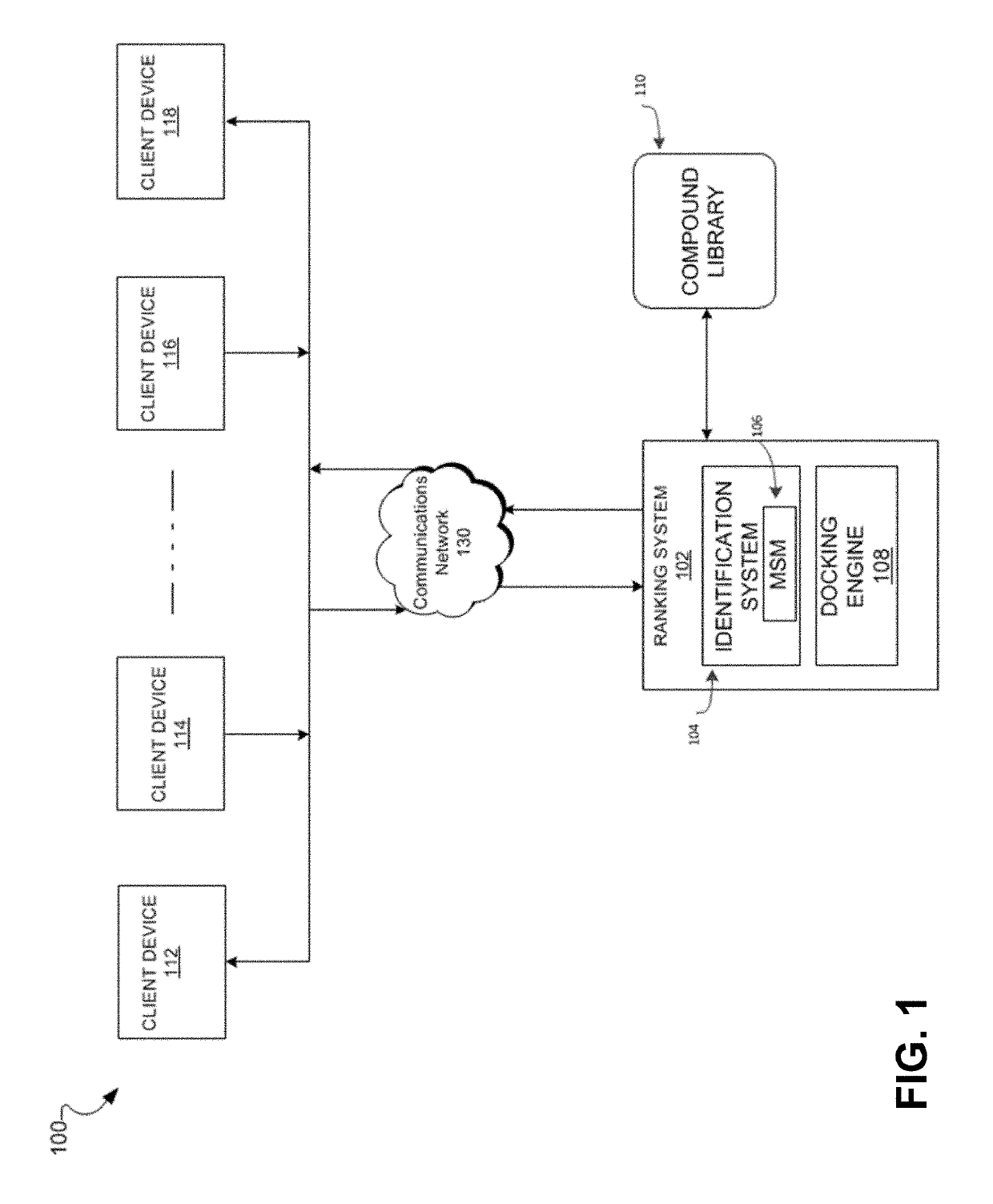
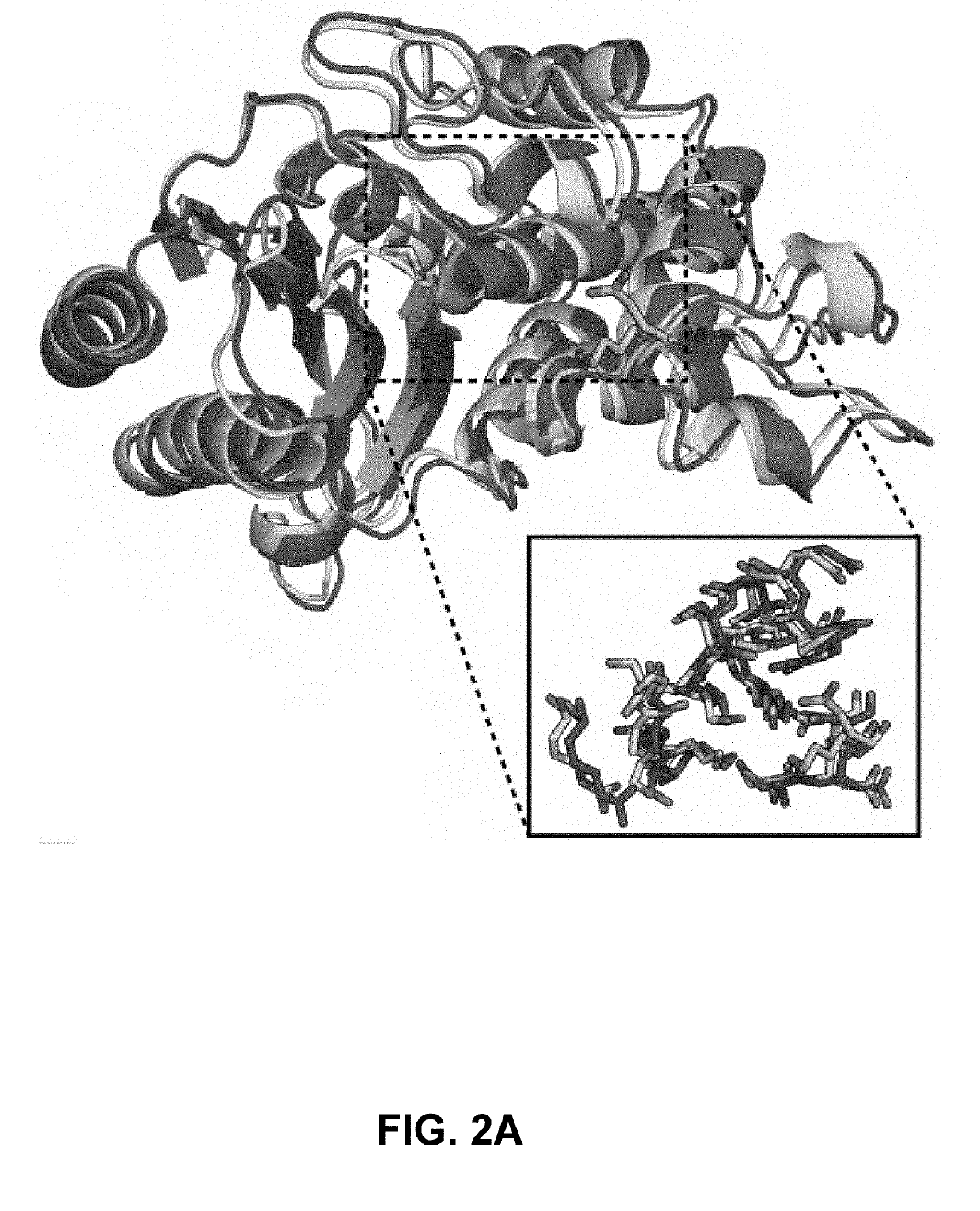
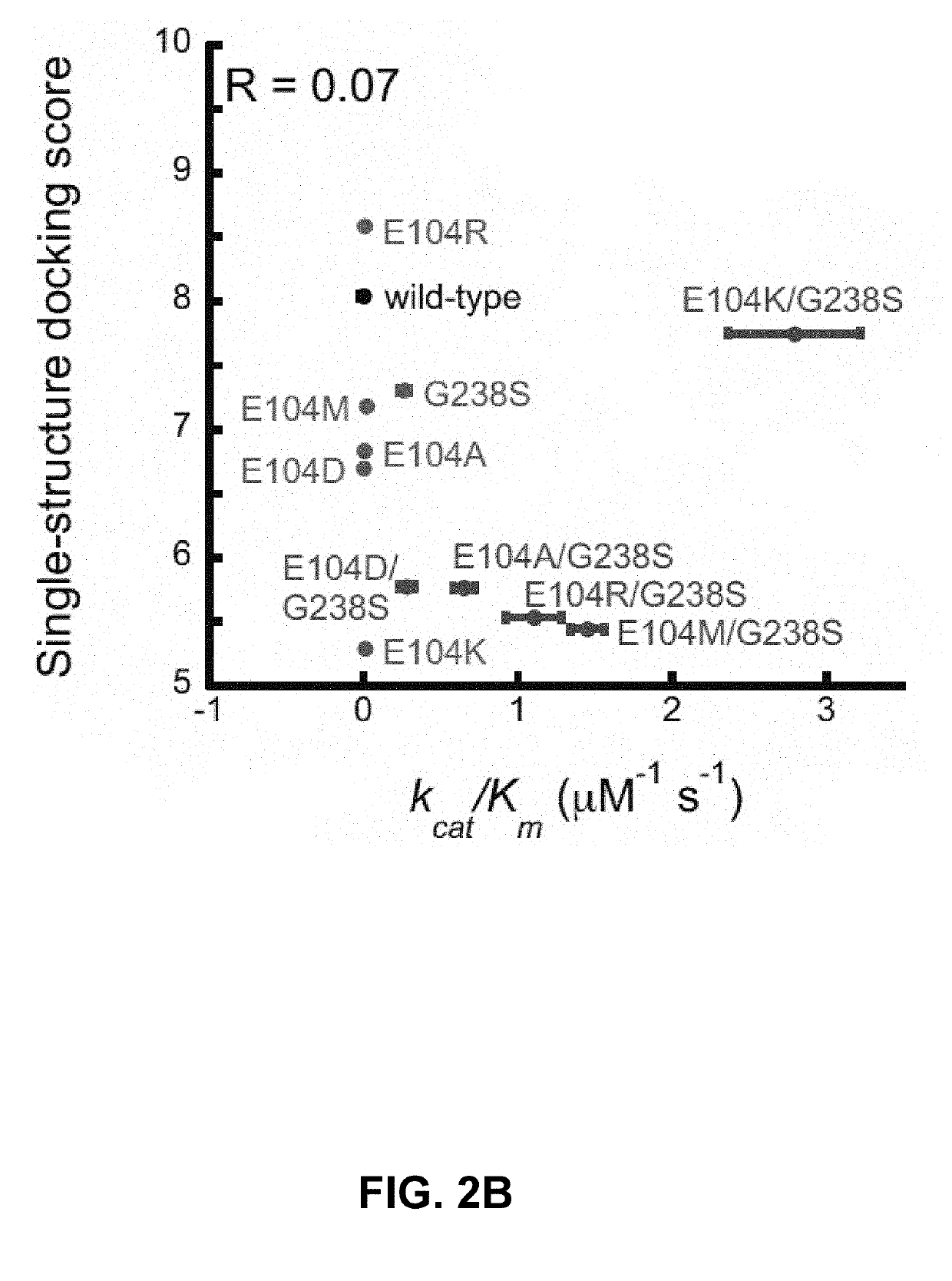
- A computational method and ranking system that determines and quantifies different protein conformations, docks compounds against these conformations, and calculates weighted scores to rank compounds effectively interacting with proteins, incorporating Markov State Models and Boltzmann docking to account for protein conformational heterogeneity.

Methods for protein design
PatentInactiveEP1314111A2
Innovation
- The implementation of Hybrid Exact Rotamer Optimization (HERO) algorithms in conjunction with Branch and Terminate computations to analyze the interaction of rotamers with the protein backbone, using scoring functions like Van der Waals, hydrogen bonding, and solvation potentials to generate optimized protein sequences, and the use of a computer system to classify residues as core, surface, or boundary for precise sequence design.
Regulatory Framework for Computationally Designed Proteins
The regulatory landscape for computationally designed proteins represents a complex and evolving framework that must address the unique challenges posed by artificial protein engineering. Unlike traditional biologics derived from natural sources, computationally designed proteins require specialized regulatory pathways that can adequately assess their safety, efficacy, and manufacturing consistency while fostering innovation in this rapidly advancing field.
Current regulatory frameworks primarily rely on existing biologics guidelines, with agencies like the FDA and EMA adapting their approval processes to accommodate novel protein designs. The regulatory approach typically emphasizes demonstrating comparability to natural proteins when possible, while establishing new assessment criteria for entirely synthetic constructs. Key regulatory considerations include structural characterization, functional validation, immunogenicity assessment, and long-term stability profiles.
Manufacturing and quality control standards for computationally designed proteins present unique challenges, as traditional analytical methods may not fully capture the complexity of engineered protein structures. Regulatory bodies are developing new guidelines for characterizing these proteins, including advanced spectroscopic techniques, computational validation methods, and novel bioassays that can adequately assess their intended biological functions.
International harmonization efforts are underway to establish consistent regulatory standards across different jurisdictions. Organizations such as the International Council for Harmonisation are working to develop unified guidelines that address the specific requirements for computationally designed proteins, including standardized nomenclature, classification systems, and risk assessment frameworks.
The regulatory pathway for computationally designed proteins often involves extensive preclinical studies to establish safety profiles, particularly focusing on potential off-target effects and immunogenic responses that may differ from natural proteins. Clinical trial designs must account for the unique properties of these engineered proteins, requiring specialized endpoints and monitoring strategies.
Emerging regulatory trends indicate a shift toward risk-based approaches that consider the degree of structural modification from natural templates, the intended therapeutic application, and the computational methods used in the design process. This framework aims to streamline approval processes for lower-risk applications while maintaining rigorous oversight for more complex or novel protein designs.
Current regulatory frameworks primarily rely on existing biologics guidelines, with agencies like the FDA and EMA adapting their approval processes to accommodate novel protein designs. The regulatory approach typically emphasizes demonstrating comparability to natural proteins when possible, while establishing new assessment criteria for entirely synthetic constructs. Key regulatory considerations include structural characterization, functional validation, immunogenicity assessment, and long-term stability profiles.
Manufacturing and quality control standards for computationally designed proteins present unique challenges, as traditional analytical methods may not fully capture the complexity of engineered protein structures. Regulatory bodies are developing new guidelines for characterizing these proteins, including advanced spectroscopic techniques, computational validation methods, and novel bioassays that can adequately assess their intended biological functions.
International harmonization efforts are underway to establish consistent regulatory standards across different jurisdictions. Organizations such as the International Council for Harmonisation are working to develop unified guidelines that address the specific requirements for computationally designed proteins, including standardized nomenclature, classification systems, and risk assessment frameworks.
The regulatory pathway for computationally designed proteins often involves extensive preclinical studies to establish safety profiles, particularly focusing on potential off-target effects and immunogenic responses that may differ from natural proteins. Clinical trial designs must account for the unique properties of these engineered proteins, requiring specialized endpoints and monitoring strategies.
Emerging regulatory trends indicate a shift toward risk-based approaches that consider the degree of structural modification from natural templates, the intended therapeutic application, and the computational methods used in the design process. This framework aims to streamline approval processes for lower-risk applications while maintaining rigorous oversight for more complex or novel protein designs.
AI Ethics in Automated Protein Engineering
The integration of artificial intelligence in automated protein engineering raises fundamental ethical considerations that demand careful examination as the field advances toward comparing designed proteins with natural protein docking mechanisms. These ethical dimensions encompass multiple stakeholders and potential consequences that extend far beyond technical performance metrics.
Algorithmic bias represents a primary concern in AI-driven protein design systems. Machine learning models trained on existing protein databases may perpetuate historical research biases, potentially overlooking protein structures from underrepresented organisms or evolutionary pathways. This bias could lead to designed proteins that favor certain biological systems while neglecting others, potentially impacting biodiversity and limiting therapeutic applications for diverse populations.
The question of intellectual property and ownership becomes increasingly complex when AI systems generate novel protein designs. Traditional patent frameworks struggle to address scenarios where algorithms create proteins that may inadvertently replicate or closely resemble naturally occurring structures. This raises questions about whether AI-generated designs can be legitimately claimed as human inventions and how to fairly attribute credit between human researchers and algorithmic contributions.
Safety and risk assessment protocols require enhanced ethical frameworks when comparing artificial designs with natural protein interactions. The potential for unintended consequences increases when AI systems operate at speeds and scales that exceed human oversight capabilities. Automated systems may generate protein designs with unforeseen interactions or long-term effects that only become apparent after deployment in biological systems.
Transparency and explainability pose significant challenges in automated protein engineering. Many AI models function as "black boxes," making it difficult to understand the reasoning behind specific design choices. This opacity complicates the comparative analysis between designed and natural proteins, as researchers may struggle to identify why certain artificial designs succeed or fail relative to their natural counterparts.
The democratization of protein design tools through AI automation raises questions about equitable access and potential misuse. While these technologies could accelerate beneficial research, they also lower barriers for potentially harmful applications. Establishing appropriate governance frameworks becomes crucial to ensure that automated protein engineering serves broader societal interests while preventing malicious applications that could threaten public health or environmental stability.
Algorithmic bias represents a primary concern in AI-driven protein design systems. Machine learning models trained on existing protein databases may perpetuate historical research biases, potentially overlooking protein structures from underrepresented organisms or evolutionary pathways. This bias could lead to designed proteins that favor certain biological systems while neglecting others, potentially impacting biodiversity and limiting therapeutic applications for diverse populations.
The question of intellectual property and ownership becomes increasingly complex when AI systems generate novel protein designs. Traditional patent frameworks struggle to address scenarios where algorithms create proteins that may inadvertently replicate or closely resemble naturally occurring structures. This raises questions about whether AI-generated designs can be legitimately claimed as human inventions and how to fairly attribute credit between human researchers and algorithmic contributions.
Safety and risk assessment protocols require enhanced ethical frameworks when comparing artificial designs with natural protein interactions. The potential for unintended consequences increases when AI systems operate at speeds and scales that exceed human oversight capabilities. Automated systems may generate protein designs with unforeseen interactions or long-term effects that only become apparent after deployment in biological systems.
Transparency and explainability pose significant challenges in automated protein engineering. Many AI models function as "black boxes," making it difficult to understand the reasoning behind specific design choices. This opacity complicates the comparative analysis between designed and natural proteins, as researchers may struggle to identify why certain artificial designs succeed or fail relative to their natural counterparts.
The democratization of protein design tools through AI automation raises questions about equitable access and potential misuse. While these technologies could accelerate beneficial research, they also lower barriers for potentially harmful applications. Establishing appropriate governance frameworks becomes crucial to ensure that automated protein engineering serves broader societal interests while preventing malicious applications that could threaten public health or environmental stability.
Unlock deeper insights with Patsnap Eureka Quick Research — get a full tech report to explore trends and direct your research. Try now!
Generate Your Research Report Instantly with AI Agent
Supercharge your innovation with Patsnap Eureka AI Agent Platform!