

Quantify Energy Distribution Efficiency in Ground Plane Systems
MAY 15, 20269 MIN READ
Generate Your Research Report Instantly with AI Agent
PatSnap Eureka helps you evaluate technical feasibility & market potential.
Ground Plane Energy Distribution Background and Objectives
Ground plane systems have emerged as critical components in modern electronic infrastructure, serving as fundamental reference points for electrical circuits and electromagnetic field management. These systems encompass a broad spectrum of applications, from printed circuit boards in consumer electronics to large-scale power distribution networks in industrial facilities. The evolution of ground plane technology has been driven by the increasing demand for higher performance, miniaturization, and energy efficiency across various sectors including telecommunications, automotive electronics, aerospace, and renewable energy systems.
The historical development of ground plane systems traces back to early electrical engineering practices where simple metallic plates served as common return paths for electrical currents. Over the decades, technological advancement has transformed these basic structures into sophisticated multi-layer configurations capable of managing complex electromagnetic environments. The transition from single-layer ground planes to advanced multi-layer designs with embedded components represents a significant milestone in the field's evolution.
Contemporary ground plane systems face unprecedented challenges related to energy distribution efficiency, particularly as electronic devices operate at higher frequencies and power densities. The proliferation of high-speed digital circuits, wireless communication systems, and power electronics has intensified the need for precise quantification of energy distribution characteristics. Traditional design approaches often rely on empirical methods and simplified models that may not adequately capture the complex electromagnetic phenomena occurring within modern ground plane structures.
The primary objective of quantifying energy distribution efficiency in ground plane systems centers on developing comprehensive methodologies to measure, analyze, and optimize power flow characteristics. This involves establishing standardized metrics for evaluating energy losses, identifying inefficiency sources, and implementing design strategies that minimize power dissipation while maintaining electromagnetic compatibility. The quantification process aims to provide engineers with actionable insights for improving system performance and reducing operational costs.
Furthermore, the research objectives extend to creating predictive models that can accurately forecast energy distribution behavior under various operating conditions. These models must account for factors such as frequency-dependent material properties, thermal effects, manufacturing tolerances, and electromagnetic coupling between adjacent components. The ultimate goal is to enable proactive design optimization that ensures optimal energy distribution efficiency throughout the system's operational lifecycle.
The historical development of ground plane systems traces back to early electrical engineering practices where simple metallic plates served as common return paths for electrical currents. Over the decades, technological advancement has transformed these basic structures into sophisticated multi-layer configurations capable of managing complex electromagnetic environments. The transition from single-layer ground planes to advanced multi-layer designs with embedded components represents a significant milestone in the field's evolution.
Contemporary ground plane systems face unprecedented challenges related to energy distribution efficiency, particularly as electronic devices operate at higher frequencies and power densities. The proliferation of high-speed digital circuits, wireless communication systems, and power electronics has intensified the need for precise quantification of energy distribution characteristics. Traditional design approaches often rely on empirical methods and simplified models that may not adequately capture the complex electromagnetic phenomena occurring within modern ground plane structures.
The primary objective of quantifying energy distribution efficiency in ground plane systems centers on developing comprehensive methodologies to measure, analyze, and optimize power flow characteristics. This involves establishing standardized metrics for evaluating energy losses, identifying inefficiency sources, and implementing design strategies that minimize power dissipation while maintaining electromagnetic compatibility. The quantification process aims to provide engineers with actionable insights for improving system performance and reducing operational costs.
Furthermore, the research objectives extend to creating predictive models that can accurately forecast energy distribution behavior under various operating conditions. These models must account for factors such as frequency-dependent material properties, thermal effects, manufacturing tolerances, and electromagnetic coupling between adjacent components. The ultimate goal is to enable proactive design optimization that ensures optimal energy distribution efficiency throughout the system's operational lifecycle.
Market Demand for Efficient Ground Plane Energy Systems
The global energy infrastructure market is experiencing unprecedented demand for enhanced efficiency in ground plane energy distribution systems, driven by the critical need to minimize power losses and optimize energy transmission across various applications. This demand spans multiple sectors including data centers, telecommunications infrastructure, electric vehicle charging networks, and renewable energy installations, where ground plane systems serve as fundamental components for power distribution and electromagnetic interference mitigation.
Data centers represent one of the most significant market drivers, as these facilities consume substantial amounts of electricity and require highly efficient power distribution systems to maintain operational costs and meet sustainability targets. The proliferation of cloud computing, artificial intelligence workloads, and edge computing infrastructure has intensified the focus on ground plane efficiency, as even marginal improvements in energy distribution can translate to substantial cost savings and reduced environmental impact.
The telecommunications sector presents another substantial market opportunity, particularly with the ongoing deployment of 5G networks and the densification of cellular infrastructure. Ground plane systems in base stations and network equipment must handle increasing power demands while maintaining signal integrity, creating strong market pull for quantifiable efficiency improvements that can be validated through precise measurement methodologies.
Electric vehicle charging infrastructure development has emerged as a rapidly growing market segment where ground plane energy distribution efficiency directly impacts charging speed, system reliability, and operational economics. The expansion of fast-charging networks requires robust ground plane designs that can handle high-power loads while minimizing energy losses, creating demand for advanced efficiency quantification tools and methodologies.
Renewable energy integration presents additional market opportunities, as solar farms, wind installations, and energy storage systems require sophisticated ground plane networks for power collection and distribution. The intermittent nature of renewable sources places premium value on maximizing energy capture and transmission efficiency, driving demand for precise efficiency measurement and optimization capabilities.
Industrial manufacturing facilities increasingly recognize the economic benefits of optimized ground plane systems, particularly in high-power applications such as electric arc furnaces, motor drives, and automated production lines. The ability to quantify and improve energy distribution efficiency directly correlates with reduced operational costs and enhanced competitiveness in energy-intensive industries.
Regulatory pressures and sustainability mandates across multiple jurisdictions are creating additional market momentum, as organizations seek to demonstrate measurable improvements in energy efficiency to comply with environmental regulations and corporate sustainability commitments.
Data centers represent one of the most significant market drivers, as these facilities consume substantial amounts of electricity and require highly efficient power distribution systems to maintain operational costs and meet sustainability targets. The proliferation of cloud computing, artificial intelligence workloads, and edge computing infrastructure has intensified the focus on ground plane efficiency, as even marginal improvements in energy distribution can translate to substantial cost savings and reduced environmental impact.
The telecommunications sector presents another substantial market opportunity, particularly with the ongoing deployment of 5G networks and the densification of cellular infrastructure. Ground plane systems in base stations and network equipment must handle increasing power demands while maintaining signal integrity, creating strong market pull for quantifiable efficiency improvements that can be validated through precise measurement methodologies.
Electric vehicle charging infrastructure development has emerged as a rapidly growing market segment where ground plane energy distribution efficiency directly impacts charging speed, system reliability, and operational economics. The expansion of fast-charging networks requires robust ground plane designs that can handle high-power loads while minimizing energy losses, creating demand for advanced efficiency quantification tools and methodologies.
Renewable energy integration presents additional market opportunities, as solar farms, wind installations, and energy storage systems require sophisticated ground plane networks for power collection and distribution. The intermittent nature of renewable sources places premium value on maximizing energy capture and transmission efficiency, driving demand for precise efficiency measurement and optimization capabilities.
Industrial manufacturing facilities increasingly recognize the economic benefits of optimized ground plane systems, particularly in high-power applications such as electric arc furnaces, motor drives, and automated production lines. The ability to quantify and improve energy distribution efficiency directly correlates with reduced operational costs and enhanced competitiveness in energy-intensive industries.
Regulatory pressures and sustainability mandates across multiple jurisdictions are creating additional market momentum, as organizations seek to demonstrate measurable improvements in energy efficiency to comply with environmental regulations and corporate sustainability commitments.
Current State and Challenges in Ground Plane Energy Quantification
Ground plane energy quantification represents a critical yet underdeveloped area within electromagnetic system design and power distribution analysis. Current methodologies for measuring energy distribution efficiency in ground plane systems rely heavily on traditional electromagnetic field simulation tools and basic power measurement techniques. These approaches often provide limited insight into the complex energy flow patterns and loss mechanisms that occur within modern high-frequency and high-density electronic systems.
The predominant measurement techniques currently employed include vector network analyzer-based S-parameter analysis, near-field scanning probe measurements, and thermal imaging for loss identification. While these methods offer valuable data points, they typically capture only partial aspects of the energy distribution picture. S-parameter measurements excel at characterizing input-output relationships but struggle to reveal internal energy flow dynamics within the ground plane structure itself.
Computational electromagnetic simulation tools such as finite element method and method of moments solvers have become standard practice for ground plane analysis. However, these tools face significant limitations when dealing with complex multi-layer structures, non-linear materials, and broadband frequency responses. The computational complexity increases exponentially with system size and frequency range, often forcing engineers to make simplifying assumptions that compromise accuracy.
One of the most significant challenges lies in the lack of standardized metrics for quantifying energy distribution efficiency. Different organizations and research groups employ varying definitions and measurement criteria, making it difficult to compare results across studies or establish industry benchmarks. This fragmentation hinders the development of unified design guidelines and optimization strategies.
The integration of multiple ground plane layers in modern electronic systems introduces additional complexity that current quantification methods struggle to address adequately. Inter-layer coupling effects, via transitions, and distributed impedance variations create intricate energy flow patterns that are difficult to characterize using conventional approaches. The situation becomes even more challenging when considering the impact of component placement, trace routing, and manufacturing tolerances on overall energy distribution efficiency.
Emerging high-frequency applications, particularly in 5G communications and automotive radar systems, demand more sophisticated quantification techniques capable of handling millimeter-wave frequencies and ultra-wideband operations. Traditional measurement equipment often lacks the necessary bandwidth and spatial resolution to capture the rapid energy variations occurring in these advanced systems.
The predominant measurement techniques currently employed include vector network analyzer-based S-parameter analysis, near-field scanning probe measurements, and thermal imaging for loss identification. While these methods offer valuable data points, they typically capture only partial aspects of the energy distribution picture. S-parameter measurements excel at characterizing input-output relationships but struggle to reveal internal energy flow dynamics within the ground plane structure itself.
Computational electromagnetic simulation tools such as finite element method and method of moments solvers have become standard practice for ground plane analysis. However, these tools face significant limitations when dealing with complex multi-layer structures, non-linear materials, and broadband frequency responses. The computational complexity increases exponentially with system size and frequency range, often forcing engineers to make simplifying assumptions that compromise accuracy.
One of the most significant challenges lies in the lack of standardized metrics for quantifying energy distribution efficiency. Different organizations and research groups employ varying definitions and measurement criteria, making it difficult to compare results across studies or establish industry benchmarks. This fragmentation hinders the development of unified design guidelines and optimization strategies.
The integration of multiple ground plane layers in modern electronic systems introduces additional complexity that current quantification methods struggle to address adequately. Inter-layer coupling effects, via transitions, and distributed impedance variations create intricate energy flow patterns that are difficult to characterize using conventional approaches. The situation becomes even more challenging when considering the impact of component placement, trace routing, and manufacturing tolerances on overall energy distribution efficiency.
Emerging high-frequency applications, particularly in 5G communications and automotive radar systems, demand more sophisticated quantification techniques capable of handling millimeter-wave frequencies and ultra-wideband operations. Traditional measurement equipment often lacks the necessary bandwidth and spatial resolution to capture the rapid energy variations occurring in these advanced systems.
Existing Solutions for Ground Plane Energy Efficiency Measurement
01 Ground plane design optimization for power distribution networks
Ground plane systems can be optimized through strategic design approaches that focus on minimizing impedance and maximizing current distribution uniformity. This involves careful consideration of plane geometry, via placement, and conductor routing to reduce power losses and improve overall energy transfer efficiency in electronic systems.- Ground plane design optimization for power distribution networks: Ground plane systems can be optimized through strategic design approaches that focus on minimizing impedance and maximizing current distribution uniformity. This involves careful consideration of plane geometry, via placement, and conductor routing to reduce power losses and improve overall energy distribution efficiency. Advanced modeling techniques help predict and optimize the electromagnetic behavior of ground plane structures.
- Multi-layer ground plane configurations for enhanced energy efficiency: Multi-layer ground plane architectures provide improved energy distribution by creating multiple current paths and reducing overall system resistance. These configurations utilize stacked conductor layers with optimized spacing and interconnections to minimize voltage drops and power dissipation. The approach enables better thermal management and more efficient power delivery across complex electronic systems.
- Advanced materials and substrates for ground plane systems: Implementation of specialized materials and substrate technologies enhances the electrical and thermal properties of ground plane systems. These materials offer improved conductivity, reduced dielectric losses, and better heat dissipation characteristics. The selection of appropriate substrate materials and conductor compositions directly impacts the energy distribution efficiency and overall system performance.
- Electromagnetic interference mitigation in ground plane energy distribution: Ground plane systems incorporate electromagnetic interference suppression techniques to maintain energy distribution efficiency while minimizing signal degradation. These methods include strategic placement of decoupling elements, implementation of shielding structures, and optimization of current return paths. Proper electromagnetic management ensures stable power delivery and reduces energy losses due to parasitic effects.
- Smart monitoring and control systems for ground plane efficiency optimization: Integration of intelligent monitoring and control mechanisms enables real-time optimization of ground plane energy distribution efficiency. These systems utilize sensors, feedback loops, and adaptive algorithms to continuously monitor power flow, detect inefficiencies, and automatically adjust system parameters. The approach allows for dynamic optimization based on changing load conditions and environmental factors.
02 Multi-layer ground plane configurations for enhanced energy distribution
Multi-layer ground plane architectures provide improved energy distribution efficiency by creating multiple current return paths and reducing electromagnetic interference. These configurations utilize stacked conductor layers with optimized spacing and interconnections to achieve better power delivery performance and reduced signal integrity issues.Expand Specific Solutions03 Advanced materials and substrates for ground plane efficiency
Implementation of specialized materials and substrate technologies in ground plane construction significantly impacts energy distribution efficiency. These materials offer improved electrical conductivity, thermal management, and dielectric properties that enhance power transfer capabilities while reducing losses in high-frequency applications.Expand Specific Solutions04 Electromagnetic field management in ground plane systems
Effective electromagnetic field control within ground plane systems is crucial for optimizing energy distribution efficiency. This involves techniques for field shaping, interference reduction, and coupling optimization that minimize energy losses and improve power delivery performance across different frequency ranges.Expand Specific Solutions05 Integrated circuit and system-level ground plane optimization
System-level approaches to ground plane optimization focus on integrating efficient power distribution networks within complex electronic systems. These methods address power integrity, thermal management, and signal routing challenges to achieve optimal energy distribution efficiency at both chip and board levels.Expand Specific Solutions
Key Players in Ground Plane and Energy Distribution Industry
The energy distribution efficiency quantification in ground plane systems represents an emerging technical domain currently in its early-to-mid development stage. The market demonstrates significant growth potential, driven by increasing demands for optimized power management across aerospace, automotive, and industrial applications. Technology maturity varies considerably among key players, with established aerospace giants like Boeing, Airbus Operations, and GE Aviation Systems leading advanced research initiatives, while academic institutions including Tianjin University, Southeast University, and China University of Mining & Technology contribute foundational research. Power industry leaders such as State Grid Corporation of China and China Electric Power Research Institute focus on large-scale implementation, while specialized companies like Hamilton Sundstrand and Eaton Corporation develop targeted solutions. The competitive landscape shows a convergence of traditional aerospace manufacturers, emerging technology companies, and research institutions, indicating a maturing but still fragmented market with substantial innovation opportunities.
The Boeing Co.
Technical Solution: Boeing has developed advanced ground plane energy distribution systems for aircraft applications, focusing on electrical power system architecture optimization. Their approach involves multi-layer ground plane designs with integrated power distribution units that utilize high-efficiency switching converters and smart load management algorithms. The system incorporates real-time monitoring capabilities to track energy flow patterns and identify inefficiencies in the distribution network. Boeing's ground plane systems feature modular architecture allowing for scalable power distribution across different aircraft configurations, with emphasis on weight reduction and thermal management through optimized conductor routing and advanced materials.
Strengths: Extensive aerospace experience, proven reliability in critical applications, advanced thermal management solutions. Weaknesses: High development costs, complex certification processes, limited applicability outside aerospace sector.
GE Aviation Systems Ltd.
Technical Solution: GE Aviation has implemented sophisticated energy distribution efficiency quantification methods in their ground plane systems through their Electrical Power Generation System (EPGS) technology. Their solution employs digital twin modeling combined with machine learning algorithms to predict and optimize energy flow patterns in real-time. The system utilizes advanced power electronics with wide bandgap semiconductors to minimize conversion losses and incorporates intelligent switching matrices that dynamically route power based on load demands. GE's approach includes comprehensive data analytics platforms that continuously monitor system performance metrics and provide predictive maintenance capabilities for optimal efficiency maintenance.
Strengths: Strong digital analytics capabilities, proven track record in power systems, excellent integration with existing aviation infrastructure. Weaknesses: High complexity requiring specialized maintenance, significant initial investment costs.
Core Innovations in Ground Plane Energy Quantification Methods
Ground efficiency estimation method based on nominal power utilization ratio and power transmission ratio
PatentActiveCN110863816A
Innovation
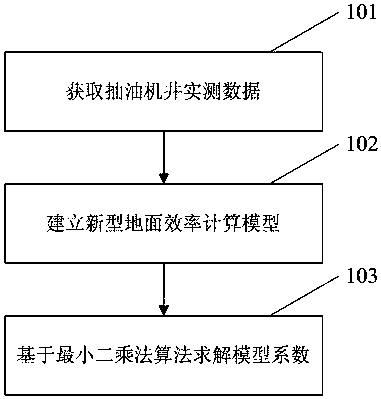
- A ground efficiency calculation method based on nominal power utilization and power transmission ratio is adopted, and a new ground efficiency calculation model is established by obtaining actual measured data of the pumping unit well, and the least squares algorithm is used to solve the model coefficients, taking into account the up and down stroke energy of the pumping unit well. The function of transmission and balance blocks corrects the model under theoretical working conditions to achieve accurate calculation of ground efficiency.


Earth ground enhancing systems
PatentInactiveUS20200383194A1
Innovation
- The implementation of earth ground enhancing systems that include conductive mats and conductors, where the conductive mats are fabricated from a fabric substrate impregnated with conductive materials like carbon black and moisture retaining materials like bentonite, and secured to the conductors using fasteners, creating an enhanced dissipation surface area for leakage current.


Standards and Compliance for Ground Plane Energy Systems
Ground plane energy systems operate within a complex regulatory framework that encompasses multiple international, national, and industry-specific standards. The IEEE 802.11 series provides fundamental guidelines for wireless power transfer efficiency measurements, while IEC 61000 series addresses electromagnetic compatibility requirements crucial for ground plane implementations. These standards establish baseline performance metrics and testing methodologies that directly impact energy distribution quantification processes.
Regulatory compliance varies significantly across geographical regions, with the Federal Communications Commission (FCC) in North America, the European Telecommunications Standards Institute (ETSI) in Europe, and similar bodies in Asia-Pacific regions maintaining distinct requirements. Each regulatory framework imposes specific limitations on power density, frequency allocation, and radiation patterns that influence ground plane system design and efficiency calculations.
Safety standards play a critical role in ground plane energy system deployment, particularly IEC 62233 for human exposure to electromagnetic fields and UL 2089 for health and wellness devices. These regulations establish maximum permissible exposure levels and require comprehensive safety assessment protocols that must be integrated into efficiency measurement frameworks.
Environmental compliance standards, including RoHS directives and WEEE regulations, impose material restrictions and lifecycle management requirements that affect system component selection and overall energy efficiency calculations. These standards necessitate consideration of environmental impact factors in efficiency quantification methodologies.
Industry-specific standards such as SAE J2954 for wireless charging of electric vehicles and Qi standard for consumer electronics provide sector-specific compliance requirements. These standards define interoperability protocols, efficiency benchmarks, and testing procedures that establish minimum performance thresholds for ground plane energy distribution systems.
Emerging standards development focuses on dynamic efficiency measurement protocols and real-time compliance monitoring systems. Organizations like the Wireless Power Consortium and AirFuel Alliance are developing next-generation standards that address adaptive power management and multi-device energy distribution scenarios, requiring updated compliance frameworks for modern ground plane implementations.
Regulatory compliance varies significantly across geographical regions, with the Federal Communications Commission (FCC) in North America, the European Telecommunications Standards Institute (ETSI) in Europe, and similar bodies in Asia-Pacific regions maintaining distinct requirements. Each regulatory framework imposes specific limitations on power density, frequency allocation, and radiation patterns that influence ground plane system design and efficiency calculations.
Safety standards play a critical role in ground plane energy system deployment, particularly IEC 62233 for human exposure to electromagnetic fields and UL 2089 for health and wellness devices. These regulations establish maximum permissible exposure levels and require comprehensive safety assessment protocols that must be integrated into efficiency measurement frameworks.
Environmental compliance standards, including RoHS directives and WEEE regulations, impose material restrictions and lifecycle management requirements that affect system component selection and overall energy efficiency calculations. These standards necessitate consideration of environmental impact factors in efficiency quantification methodologies.
Industry-specific standards such as SAE J2954 for wireless charging of electric vehicles and Qi standard for consumer electronics provide sector-specific compliance requirements. These standards define interoperability protocols, efficiency benchmarks, and testing procedures that establish minimum performance thresholds for ground plane energy distribution systems.
Emerging standards development focuses on dynamic efficiency measurement protocols and real-time compliance monitoring systems. Organizations like the Wireless Power Consortium and AirFuel Alliance are developing next-generation standards that address adaptive power management and multi-device energy distribution scenarios, requiring updated compliance frameworks for modern ground plane implementations.
Environmental Impact Assessment of Ground Plane Energy Solutions
Ground plane energy systems present significant environmental considerations that must be carefully evaluated across their entire lifecycle. These systems, which utilize conductive surfaces for energy distribution, introduce both direct and indirect environmental impacts that vary substantially based on implementation scale, materials selection, and operational parameters.
The manufacturing phase of ground plane systems generates considerable environmental burden through material extraction and processing. Copper and aluminum conductors require energy-intensive mining and refining processes, contributing to carbon emissions and ecosystem disruption. Advanced materials like graphene or carbon nanotubes, while offering superior performance characteristics, involve complex synthesis procedures with substantial chemical waste generation. The production of supporting infrastructure, including insulation materials and protective coatings, further amplifies the environmental footprint through polymer processing and chemical treatment operations.
Operational environmental impacts manifest through electromagnetic field generation and energy losses during distribution. Ground plane systems create localized electromagnetic environments that may affect sensitive ecosystems, particularly in areas with high biodiversity. Wildlife migration patterns, especially for species relying on magnetic navigation, could experience disruption from large-scale ground plane installations. Additionally, resistive losses in conductor materials result in heat generation, potentially altering local soil temperatures and affecting underground biological systems.
The disposal and recycling challenges associated with ground plane systems present long-term environmental concerns. Conductor materials, while recyclable, often require separation from composite structures and contaminated coatings, complicating recovery processes. Electronic components integrated within these systems contain rare earth elements and potentially hazardous substances that demand specialized handling procedures. Improper disposal could lead to soil and groundwater contamination, particularly in regions lacking adequate waste management infrastructure.
Comparative lifecycle assessments reveal that ground plane systems generally demonstrate lower environmental impact per unit of energy distributed compared to traditional overhead transmission systems. The reduced visual pollution and land use requirements offer additional environmental benefits, particularly in ecologically sensitive areas. However, the concentrated nature of ground plane installations may create localized environmental stress points that require careful monitoring and mitigation strategies to ensure sustainable implementation across diverse geographical and ecological contexts.
The manufacturing phase of ground plane systems generates considerable environmental burden through material extraction and processing. Copper and aluminum conductors require energy-intensive mining and refining processes, contributing to carbon emissions and ecosystem disruption. Advanced materials like graphene or carbon nanotubes, while offering superior performance characteristics, involve complex synthesis procedures with substantial chemical waste generation. The production of supporting infrastructure, including insulation materials and protective coatings, further amplifies the environmental footprint through polymer processing and chemical treatment operations.
Operational environmental impacts manifest through electromagnetic field generation and energy losses during distribution. Ground plane systems create localized electromagnetic environments that may affect sensitive ecosystems, particularly in areas with high biodiversity. Wildlife migration patterns, especially for species relying on magnetic navigation, could experience disruption from large-scale ground plane installations. Additionally, resistive losses in conductor materials result in heat generation, potentially altering local soil temperatures and affecting underground biological systems.
The disposal and recycling challenges associated with ground plane systems present long-term environmental concerns. Conductor materials, while recyclable, often require separation from composite structures and contaminated coatings, complicating recovery processes. Electronic components integrated within these systems contain rare earth elements and potentially hazardous substances that demand specialized handling procedures. Improper disposal could lead to soil and groundwater contamination, particularly in regions lacking adequate waste management infrastructure.
Comparative lifecycle assessments reveal that ground plane systems generally demonstrate lower environmental impact per unit of energy distributed compared to traditional overhead transmission systems. The reduced visual pollution and land use requirements offer additional environmental benefits, particularly in ecologically sensitive areas. However, the concentrated nature of ground plane installations may create localized environmental stress points that require careful monitoring and mitigation strategies to ensure sustainable implementation across diverse geographical and ecological contexts.
Unlock deeper insights with PatSnap Eureka Quick Research — get a full tech report to explore trends and direct your research. Try now!
Generate Your Research Report Instantly with AI Agent
Supercharge your innovation with PatSnap Eureka AI Agent Platform!