

Quantify Energy Return Efficiency Using Digital Hydraulic Methods
MAY 22, 20269 MIN READ
Generate Your Research Report Instantly with AI Agent
PatSnap Eureka helps you evaluate technical feasibility & market potential.
Digital Hydraulic Energy Return Background and Objectives
Digital hydraulic technology represents a paradigm shift from traditional hydraulic systems, emerging from the convergence of advanced digital control systems and precision hydraulic engineering. This technology has evolved significantly over the past two decades, driven by the increasing demand for energy-efficient industrial automation and the advancement of high-speed switching valve technologies. The development trajectory shows a clear progression from basic on-off valve control to sophisticated multi-level pressure and flow management systems.
The historical evolution of digital hydraulics can be traced back to early pneumatic digital systems in the 1980s, which laid the groundwork for hydraulic applications. The breakthrough came in the early 2000s when high-frequency switching valves became commercially viable, enabling precise control of hydraulic flow through digital switching rather than analog throttling. This technological leap addressed the inherent energy losses associated with conventional proportional valve systems, where throttling losses typically account for 30-50% of total system energy consumption.
Current technological trends indicate a strong focus on energy recovery and regeneration systems within digital hydraulic frameworks. The integration of accumulator-based energy storage, variable displacement pumps, and intelligent switching algorithms has created opportunities for substantial efficiency improvements. Recent developments in power electronics and real-time control systems have further enhanced the precision and responsiveness of digital hydraulic systems, making energy quantification and optimization more achievable.
The primary objective of quantifying energy return efficiency using digital hydraulic methods centers on establishing measurable metrics for energy recovery performance in hydraulic systems. This involves developing comprehensive methodologies to assess energy capture during load-lowering operations, braking cycles, and pressure reduction phases. The quantification framework aims to provide real-time monitoring capabilities that can optimize system performance dynamically.
Energy return efficiency quantification serves multiple strategic purposes, including system optimization, predictive maintenance, and regulatory compliance. The ability to measure and analyze energy recovery patterns enables engineers to identify inefficiencies, optimize control algorithms, and validate the economic benefits of digital hydraulic implementations. This quantification approach also supports the development of standardized testing protocols and performance benchmarks for digital hydraulic systems across various industrial applications.
The technological objectives extend beyond simple measurement to encompass intelligent energy management systems that can adapt to varying operational conditions. These systems aim to maximize energy recovery while maintaining precise control over hydraulic actuators, ultimately achieving overall system efficiencies exceeding 85% compared to conventional systems operating at 45-60% efficiency levels.
The historical evolution of digital hydraulics can be traced back to early pneumatic digital systems in the 1980s, which laid the groundwork for hydraulic applications. The breakthrough came in the early 2000s when high-frequency switching valves became commercially viable, enabling precise control of hydraulic flow through digital switching rather than analog throttling. This technological leap addressed the inherent energy losses associated with conventional proportional valve systems, where throttling losses typically account for 30-50% of total system energy consumption.
Current technological trends indicate a strong focus on energy recovery and regeneration systems within digital hydraulic frameworks. The integration of accumulator-based energy storage, variable displacement pumps, and intelligent switching algorithms has created opportunities for substantial efficiency improvements. Recent developments in power electronics and real-time control systems have further enhanced the precision and responsiveness of digital hydraulic systems, making energy quantification and optimization more achievable.
The primary objective of quantifying energy return efficiency using digital hydraulic methods centers on establishing measurable metrics for energy recovery performance in hydraulic systems. This involves developing comprehensive methodologies to assess energy capture during load-lowering operations, braking cycles, and pressure reduction phases. The quantification framework aims to provide real-time monitoring capabilities that can optimize system performance dynamically.
Energy return efficiency quantification serves multiple strategic purposes, including system optimization, predictive maintenance, and regulatory compliance. The ability to measure and analyze energy recovery patterns enables engineers to identify inefficiencies, optimize control algorithms, and validate the economic benefits of digital hydraulic implementations. This quantification approach also supports the development of standardized testing protocols and performance benchmarks for digital hydraulic systems across various industrial applications.
The technological objectives extend beyond simple measurement to encompass intelligent energy management systems that can adapt to varying operational conditions. These systems aim to maximize energy recovery while maintaining precise control over hydraulic actuators, ultimately achieving overall system efficiencies exceeding 85% compared to conventional systems operating at 45-60% efficiency levels.
Market Demand for Energy Efficient Hydraulic Systems
The global hydraulic systems market is experiencing unprecedented demand for energy-efficient solutions, driven by stringent environmental regulations and rising operational costs across multiple industries. Manufacturing sectors, particularly automotive and aerospace, are increasingly prioritizing hydraulic systems that can deliver superior energy return efficiency while maintaining performance standards. This shift reflects broader sustainability initiatives and the need to reduce carbon footprints in industrial operations.
Construction and heavy machinery sectors represent significant growth opportunities for digital hydraulic technologies. Equipment operators face mounting pressure to optimize fuel consumption and reduce operational expenses, making energy-efficient hydraulic systems a critical competitive advantage. The ability to quantify and demonstrate energy return efficiency through digital methods has become a key differentiator in procurement decisions.
Mobile hydraulics applications, including agricultural machinery and material handling equipment, show particularly strong demand for advanced energy management solutions. Operators require real-time visibility into energy consumption patterns and system efficiency metrics to optimize performance and reduce operational costs. Digital hydraulic methods that can accurately quantify energy return efficiency address these specific market needs.
The industrial automation sector is driving demand for intelligent hydraulic systems capable of adaptive energy management. Smart manufacturing initiatives require hydraulic components that can integrate with broader energy management systems and provide detailed efficiency analytics. This creates substantial market opportunities for digital hydraulic solutions that offer comprehensive energy monitoring and optimization capabilities.
Renewable energy applications, particularly in wind turbine pitch control and solar tracking systems, present emerging market segments with specific energy efficiency requirements. These applications demand hydraulic systems that can maximize energy return while operating under variable load conditions, creating niche opportunities for specialized digital hydraulic technologies.
Market research indicates growing interest from system integrators and OEMs seeking to differentiate their products through superior energy performance. The ability to provide quantifiable energy return efficiency data has become increasingly important in competitive bidding processes and customer value propositions across various industrial sectors.
Construction and heavy machinery sectors represent significant growth opportunities for digital hydraulic technologies. Equipment operators face mounting pressure to optimize fuel consumption and reduce operational expenses, making energy-efficient hydraulic systems a critical competitive advantage. The ability to quantify and demonstrate energy return efficiency through digital methods has become a key differentiator in procurement decisions.
Mobile hydraulics applications, including agricultural machinery and material handling equipment, show particularly strong demand for advanced energy management solutions. Operators require real-time visibility into energy consumption patterns and system efficiency metrics to optimize performance and reduce operational costs. Digital hydraulic methods that can accurately quantify energy return efficiency address these specific market needs.
The industrial automation sector is driving demand for intelligent hydraulic systems capable of adaptive energy management. Smart manufacturing initiatives require hydraulic components that can integrate with broader energy management systems and provide detailed efficiency analytics. This creates substantial market opportunities for digital hydraulic solutions that offer comprehensive energy monitoring and optimization capabilities.
Renewable energy applications, particularly in wind turbine pitch control and solar tracking systems, present emerging market segments with specific energy efficiency requirements. These applications demand hydraulic systems that can maximize energy return while operating under variable load conditions, creating niche opportunities for specialized digital hydraulic technologies.
Market research indicates growing interest from system integrators and OEMs seeking to differentiate their products through superior energy performance. The ability to provide quantifiable energy return efficiency data has become increasingly important in competitive bidding processes and customer value propositions across various industrial sectors.
Current State of Digital Hydraulic Energy Recovery
Digital hydraulic energy recovery systems have emerged as a promising technology for improving energy efficiency across various industrial applications. Currently, these systems primarily focus on capturing and reusing energy that would otherwise be dissipated as heat or mechanical losses in traditional hydraulic circuits. The technology leverages discrete fluid control mechanisms, typically using fast-switching valves and digital displacement principles, to optimize energy transfer and storage processes.
The present state of digital hydraulic energy recovery encompasses several key technological approaches. Switched inertance hydraulic systems represent one of the most advanced implementations, utilizing high-speed switching valves to control fluid flow and pressure dynamics. These systems can achieve energy recovery efficiencies of 70-85% in laboratory conditions, significantly outperforming conventional hydraulic systems that typically operate at 40-60% efficiency.
Current commercial applications are predominantly found in mobile machinery, construction equipment, and industrial automation systems. Companies like Artemis Intelligent Power, Parker Hannifin, and Bosch Rexroth have developed prototype systems that demonstrate substantial fuel savings in excavators, cranes, and other heavy machinery. These implementations primarily target boom and swing energy recovery, where gravitational and rotational energy can be captured during deceleration phases.
The technology currently faces several implementation challenges that limit widespread adoption. High-frequency valve switching requirements demand sophisticated control algorithms and robust hardware capable of operating at switching frequencies exceeding 100 Hz. Additionally, the complexity of system integration and the need for precise pressure and flow control create barriers for retrofitting existing hydraulic systems.
Research institutions and industry leaders are actively developing standardized testing protocols and performance metrics to quantify energy recovery efficiency. Current measurement approaches focus on cycle-based energy analysis, comparing input energy requirements with useful work output across complete operational cycles. However, standardization remains incomplete, with different organizations employing varying methodologies for efficiency calculation and system evaluation.
The integration of digital sensors and real-time monitoring capabilities represents a significant advancement in current digital hydraulic energy recovery systems. These technologies enable continuous performance optimization and provide detailed data for efficiency quantification, supporting the development of more sophisticated control strategies and predictive maintenance protocols.
The present state of digital hydraulic energy recovery encompasses several key technological approaches. Switched inertance hydraulic systems represent one of the most advanced implementations, utilizing high-speed switching valves to control fluid flow and pressure dynamics. These systems can achieve energy recovery efficiencies of 70-85% in laboratory conditions, significantly outperforming conventional hydraulic systems that typically operate at 40-60% efficiency.
Current commercial applications are predominantly found in mobile machinery, construction equipment, and industrial automation systems. Companies like Artemis Intelligent Power, Parker Hannifin, and Bosch Rexroth have developed prototype systems that demonstrate substantial fuel savings in excavators, cranes, and other heavy machinery. These implementations primarily target boom and swing energy recovery, where gravitational and rotational energy can be captured during deceleration phases.
The technology currently faces several implementation challenges that limit widespread adoption. High-frequency valve switching requirements demand sophisticated control algorithms and robust hardware capable of operating at switching frequencies exceeding 100 Hz. Additionally, the complexity of system integration and the need for precise pressure and flow control create barriers for retrofitting existing hydraulic systems.
Research institutions and industry leaders are actively developing standardized testing protocols and performance metrics to quantify energy recovery efficiency. Current measurement approaches focus on cycle-based energy analysis, comparing input energy requirements with useful work output across complete operational cycles. However, standardization remains incomplete, with different organizations employing varying methodologies for efficiency calculation and system evaluation.
The integration of digital sensors and real-time monitoring capabilities represents a significant advancement in current digital hydraulic energy recovery systems. These technologies enable continuous performance optimization and provide detailed data for efficiency quantification, supporting the development of more sophisticated control strategies and predictive maintenance protocols.
Existing Digital Methods for Energy Return Quantification
01 Digital control systems for hydraulic energy recovery
Implementation of digital control algorithms and electronic systems to optimize hydraulic energy recovery processes. These systems utilize sensors, processors, and feedback mechanisms to monitor and adjust hydraulic parameters in real-time, maximizing energy return efficiency through precise control of flow rates, pressure differentials, and timing sequences.- Digital control systems for hydraulic energy recovery: Implementation of digital control algorithms and electronic systems to optimize hydraulic energy recovery processes. These systems utilize sensors, processors, and feedback mechanisms to monitor and adjust hydraulic parameters in real-time, maximizing energy return efficiency through precise control of flow rates, pressure levels, and timing sequences.
- Hydraulic accumulator systems for energy storage and recovery: Energy storage mechanisms that capture and store hydraulic energy during system operation for later release when needed. These systems improve overall efficiency by recovering energy that would otherwise be lost during hydraulic cycles, utilizing pressure vessels and accumulator technologies to maintain system performance while reducing energy consumption.
- Variable displacement hydraulic pumps and motors: Hydraulic components with adjustable displacement capabilities that optimize energy transfer efficiency based on system demands. These devices can modify their displacement volume to match load requirements, reducing energy losses and improving overall system efficiency through adaptive operation modes and variable flow control mechanisms.
- Regenerative hydraulic circuits and valve systems: Circuit designs and valve configurations that enable energy regeneration during hydraulic operations. These systems capture energy from return flows and deceleration phases, redirecting recovered energy back into the system to reduce overall power consumption and improve operational efficiency through innovative flow path management.
- Hybrid hydraulic-electric energy recovery systems: Integrated systems combining hydraulic and electrical components to maximize energy recovery efficiency. These hybrid approaches utilize electric generators, motors, and power electronics in conjunction with hydraulic systems to capture, convert, and redistribute energy across multiple domains, optimizing overall system performance and energy utilization.
02 Hydraulic accumulator systems for energy storage and recovery
Energy storage mechanisms that capture and store hydraulic energy during system operation for later release when needed. These systems improve overall efficiency by recovering energy that would otherwise be lost during hydraulic cycles, utilizing pressure vessels and accumulator technologies to maintain system pressure and reduce energy consumption.Expand Specific Solutions03 Variable displacement hydraulic pumps and motors
Hydraulic components with adjustable displacement capabilities that optimize energy transfer efficiency by matching pump and motor characteristics to load requirements. These systems can dynamically adjust their displacement to maintain optimal efficiency across varying operating conditions, reducing energy losses and improving overall system performance.Expand Specific Solutions04 Regenerative hydraulic circuits and valve systems
Circuit designs and valve configurations that enable energy regeneration by redirecting hydraulic flow to recover energy from return lines and deceleration phases. These systems incorporate specialized valving and flow control mechanisms to capture kinetic and potential energy that would normally be dissipated as heat, converting it back into useful hydraulic power.Expand Specific Solutions05 Hybrid hydraulic-electric energy recovery systems
Integrated systems combining hydraulic and electrical components to maximize energy recovery efficiency through multiple energy conversion pathways. These hybrid approaches utilize generators, electric motors, and power electronics in conjunction with hydraulic components to capture, store, and redistribute energy in the most efficient form for each operating condition.Expand Specific Solutions
Key Players in Digital Hydraulic and Energy Recovery
The competitive landscape for quantifying energy return efficiency using digital hydraulic methods represents an emerging technological frontier at the intersection of traditional hydraulic systems and advanced digitalization. The industry is in its early development stage, with significant growth potential driven by increasing demands for energy efficiency and sustainability. Market size remains relatively modest but expanding rapidly as industrial automation and green technology adoption accelerate. Technology maturity varies considerably among key players: established industrial giants like Siemens AG, Hitachi Construction Machinery, and ZF Friedrichshafen AG leverage their extensive hydraulic expertise and digital capabilities, while specialized firms such as Domin Fluid Power Ltd. and HYDAC Technology GmbH focus on innovative hydraulic solutions. Chinese manufacturers including Sunward Intelligent Equipment and China Railway Construction Heavy Industry are rapidly advancing their digital hydraulic capabilities. Research institutions like Tongji University and China Petroleum University Beijing contribute fundamental research, while energy-focused companies such as KeepIt Energy and Clean Power Research explore novel applications in renewable energy storage and efficiency optimization.
Mannesmann Rexroth AG
Technical Solution: Bosch Rexroth has developed advanced digital hydraulic systems that integrate IoT sensors and real-time monitoring capabilities to quantify energy return efficiency. Their solution employs variable displacement pumps with electronic control units that continuously monitor pressure, flow rate, and temperature parameters. The system utilizes predictive algorithms to optimize hydraulic circuit performance, achieving energy recovery rates of up to 60% in mobile machinery applications. Their digital twin technology enables virtual simulation of hydraulic systems to predict energy consumption patterns and identify optimization opportunities before physical implementation.
Strengths: Industry-leading hydraulic expertise with comprehensive digital integration capabilities and proven track record in mobile machinery. Weaknesses: High implementation costs and complexity requiring specialized technical support for optimal performance.
Hitachi Construction Machinery Co., Ltd.
Technical Solution: Hitachi Construction Machinery has implemented digital hydraulic systems in their excavators and construction equipment that quantify energy return efficiency through regenerative hydraulic circuits. Their solution captures energy from boom lowering and swing deceleration operations, storing it in hydraulic accumulators for reuse. The system employs digital control valves and pressure sensors to monitor energy recovery performance in real-time, achieving fuel consumption reductions of 10-15% in typical construction operations. Their ConSite telematics platform provides remote monitoring of hydraulic system efficiency and energy recovery performance metrics.
Strengths: Proven application in heavy construction machinery with integrated telematics and strong market presence in construction industry. Weaknesses: Limited to construction equipment applications and proprietary system integration challenges with third-party components.
Core Patents in Digital Hydraulic Energy Efficiency
Digital hydraulic system
PatentInactiveUS8286426B2
Innovation
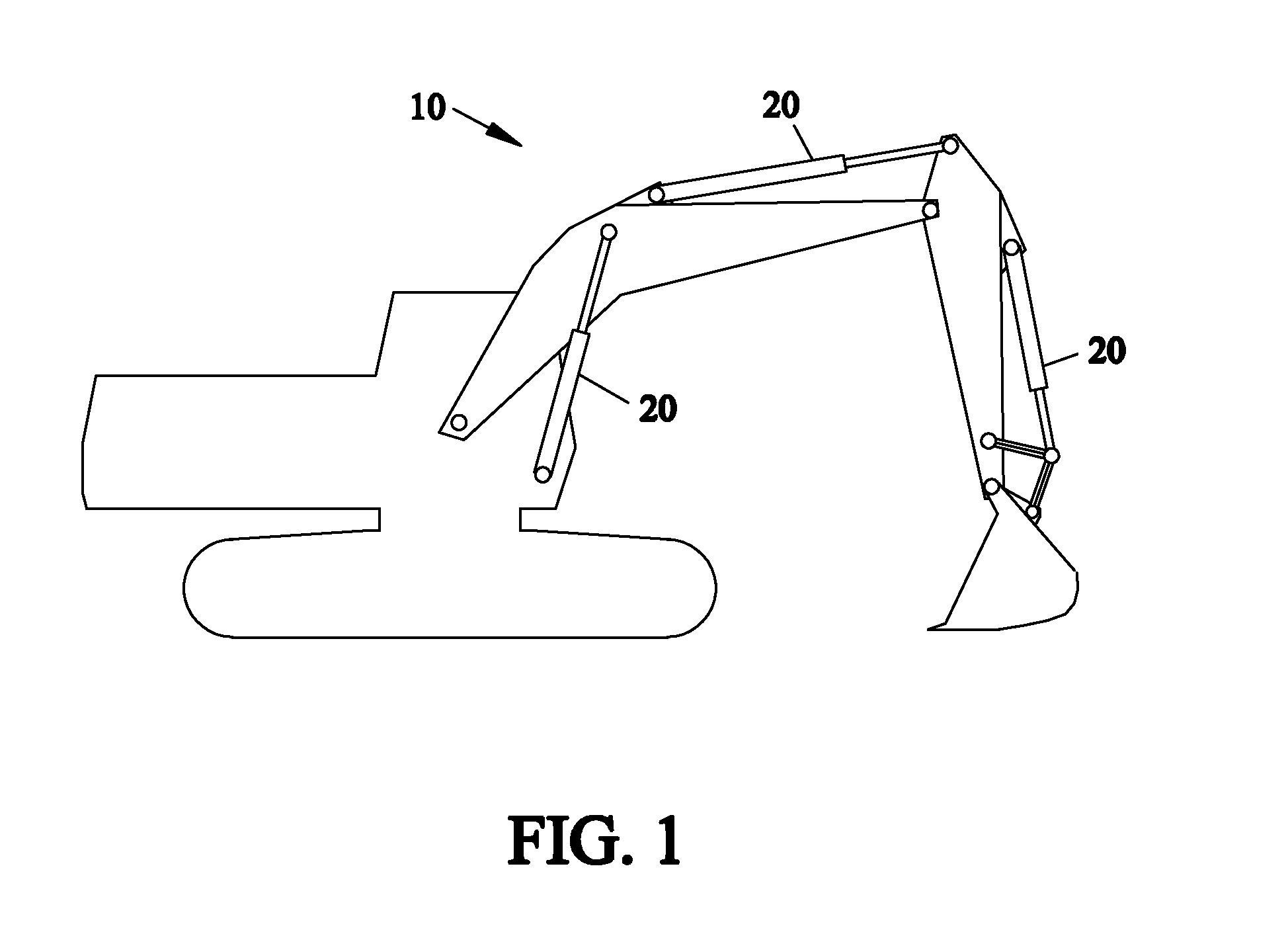
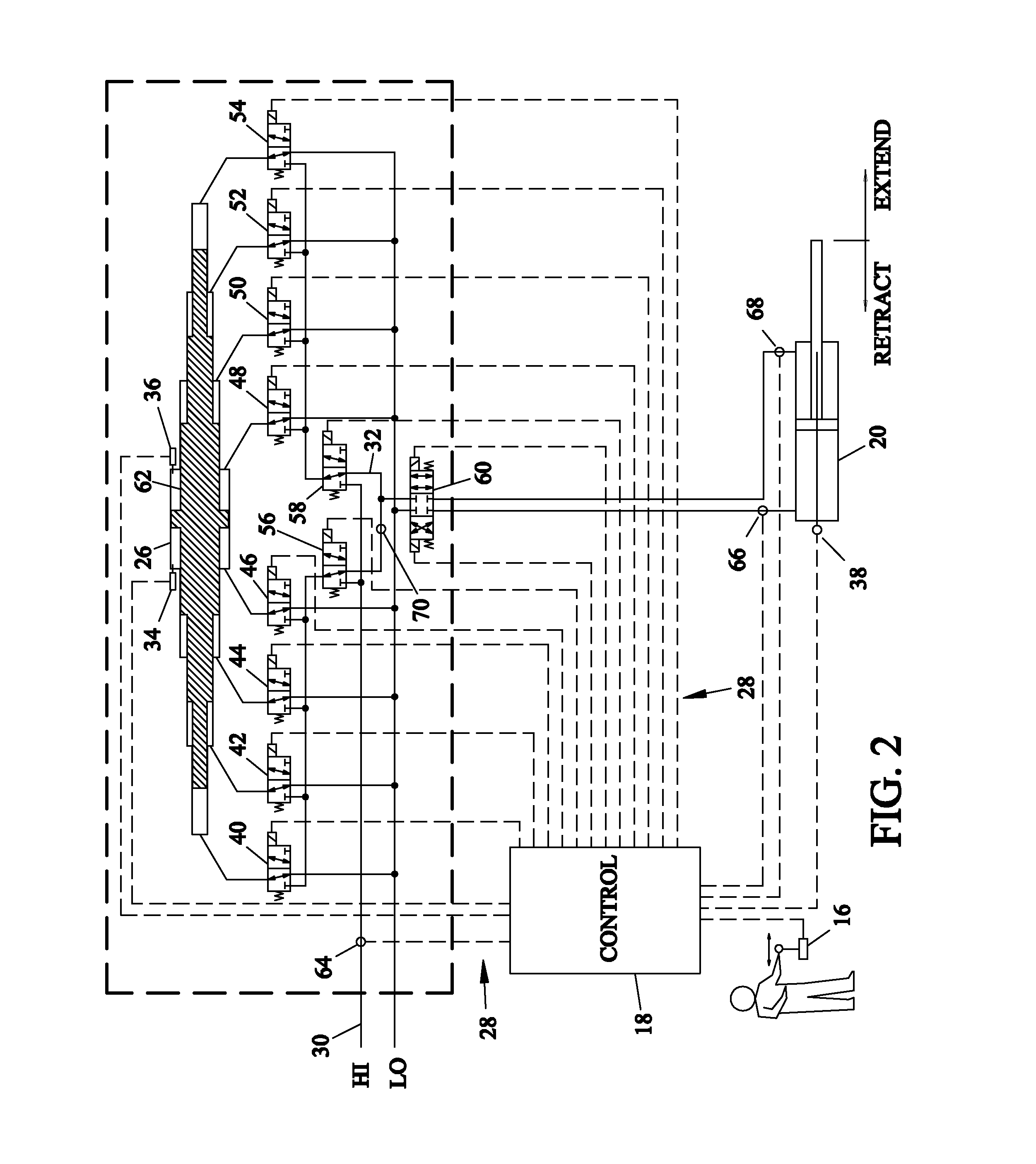
- A digital hydraulic system that includes a hydraulic actuator, a digital hydraulic transformer, and a control system capable of estimating potential and kinetic energies, measuring hydraulic fluid fill levels, and varying energy input to optimize energy storage and utilization in hydraulic accumulators.
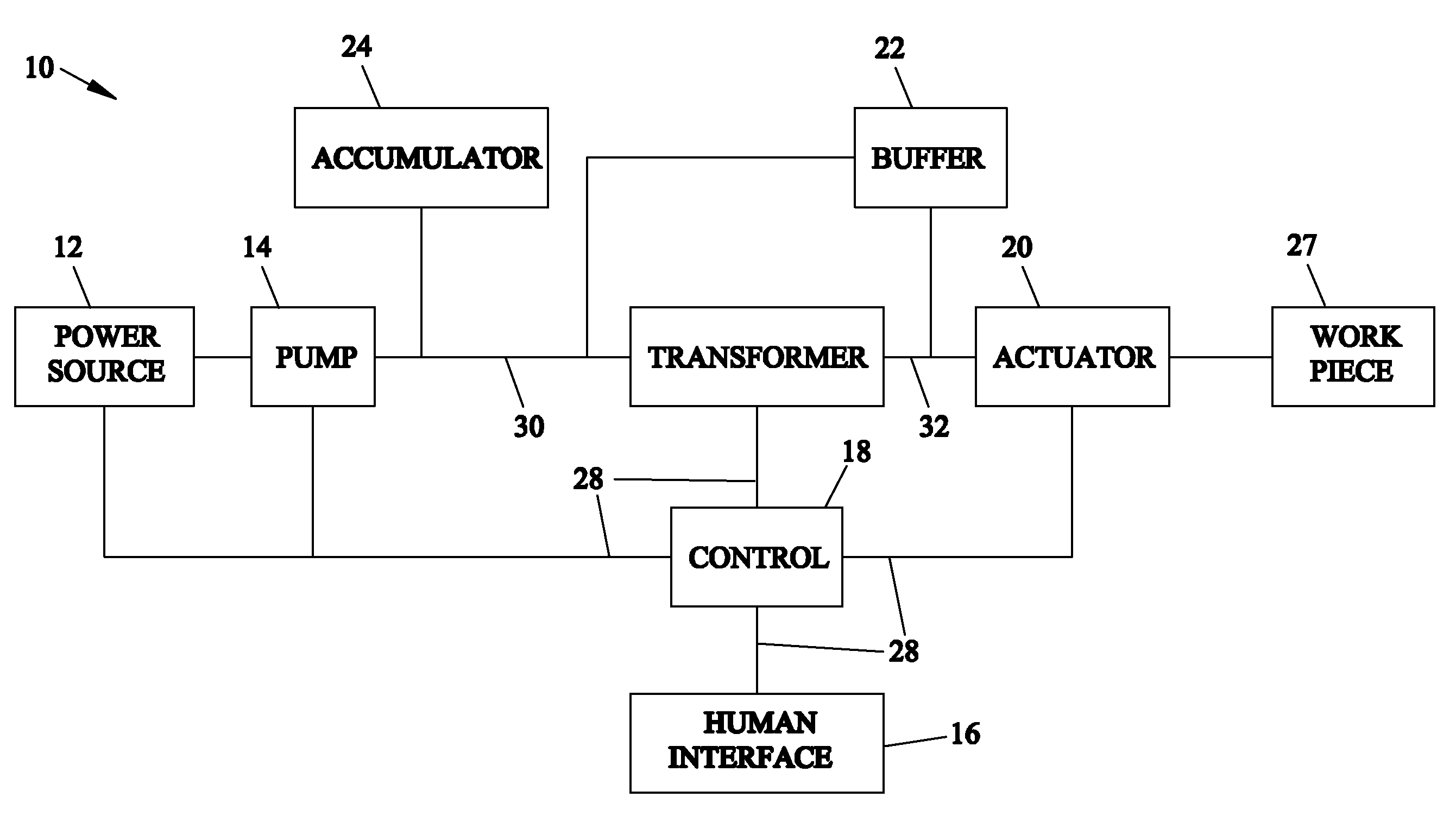
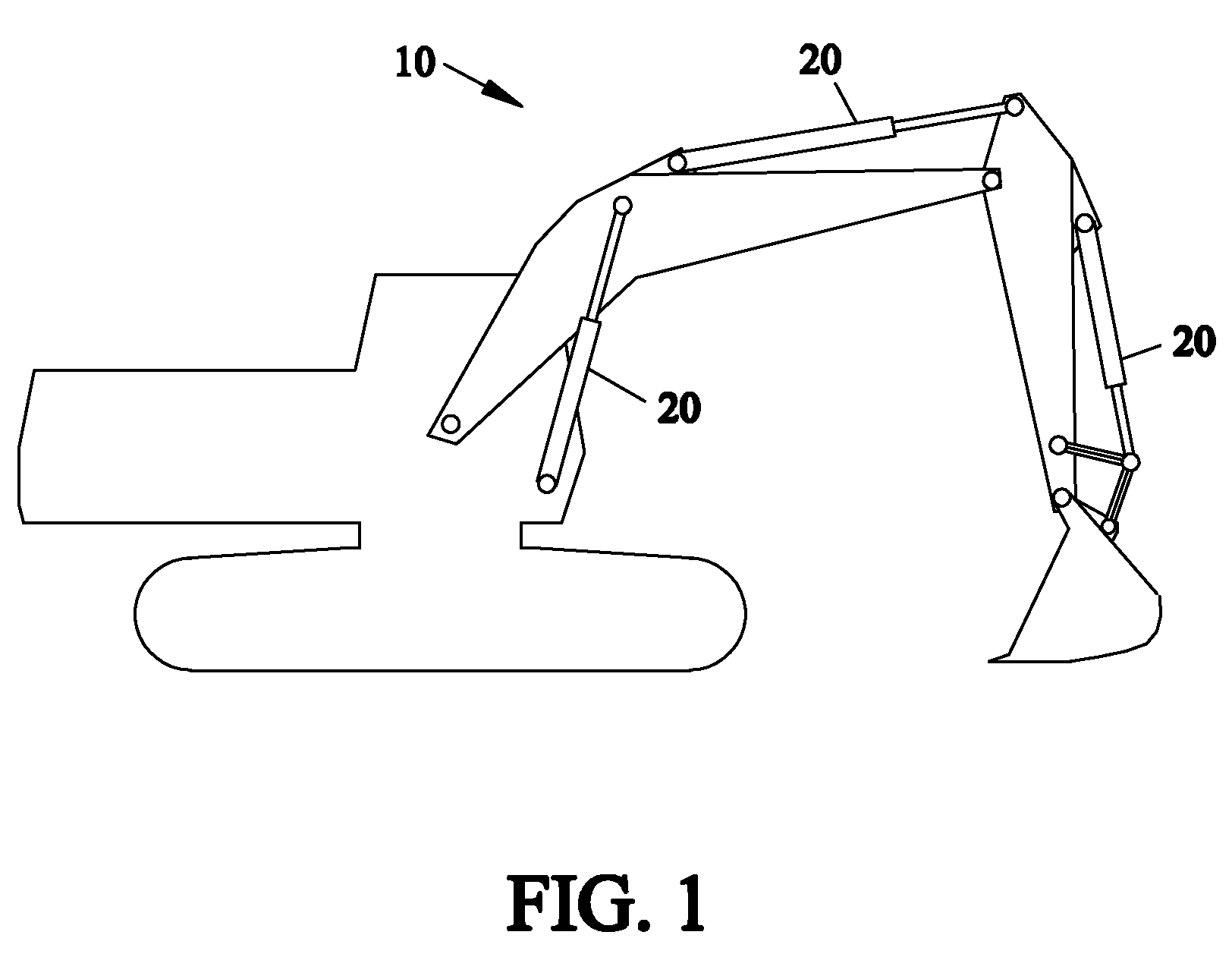
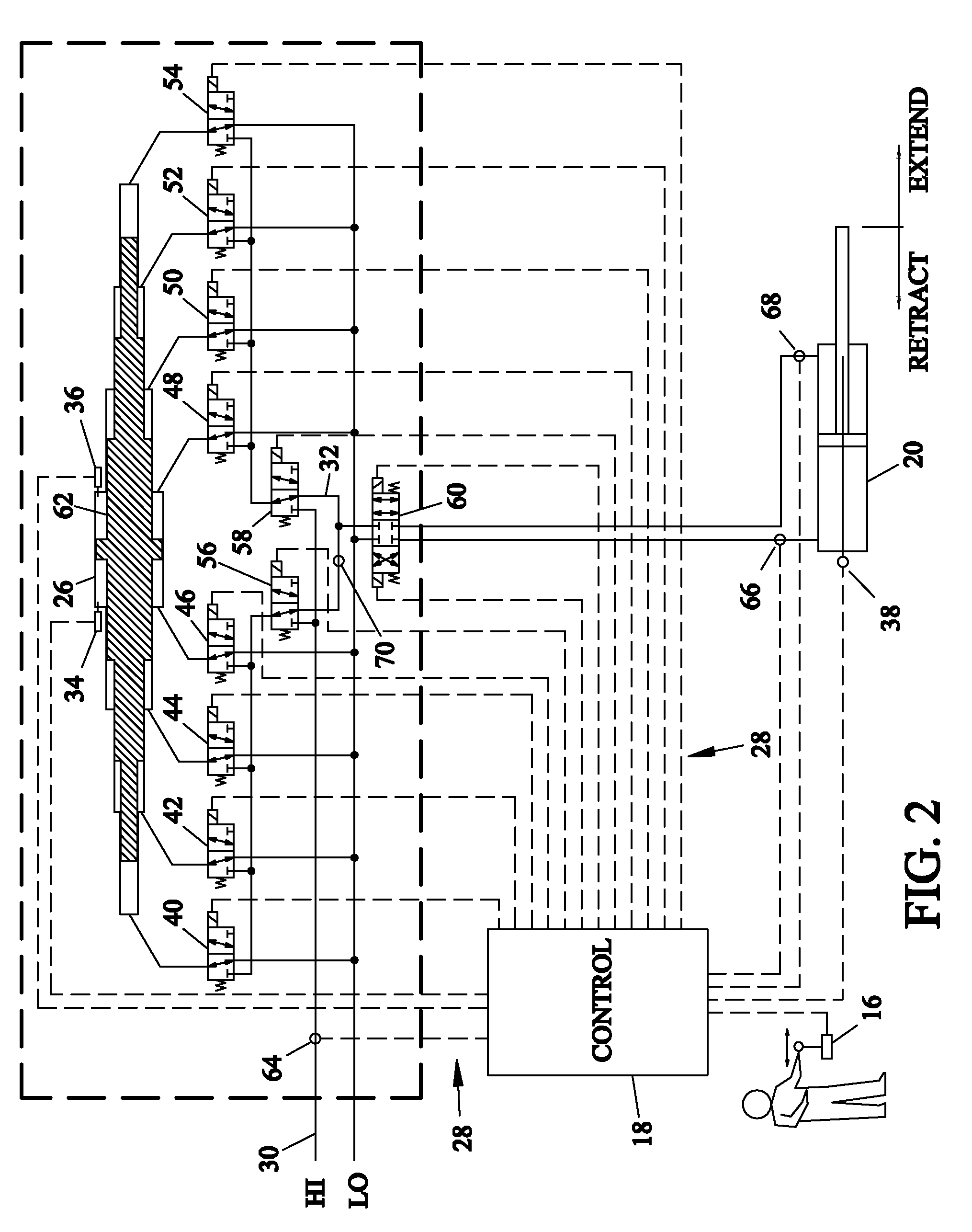

Digital hydraulic system
PatentInactiveUS20130061946A1
Innovation
- A digital hydraulic system with a digital hydraulic transformer and pump that selectively connects and disconnects variable volume working chambers to manage energy input, optimizing energy utilization and storage in hydraulic accumulators.
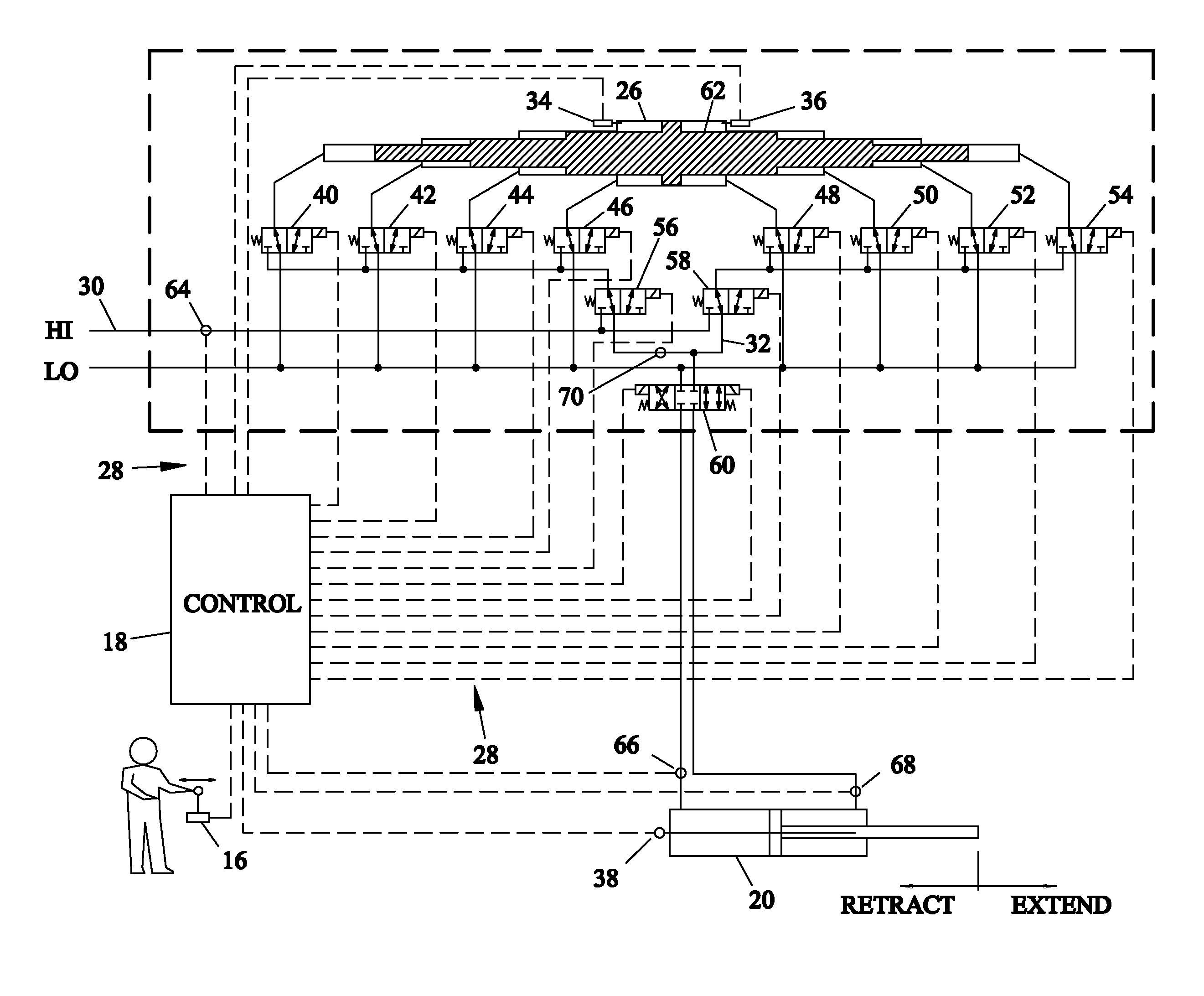

Environmental Regulations for Hydraulic Energy Efficiency
Environmental regulations governing hydraulic energy efficiency have become increasingly stringent across major industrial economies, driven by global climate commitments and energy security concerns. The European Union's Energy Efficiency Directive mandates minimum efficiency standards for hydraulic systems in industrial applications, requiring manufacturers to demonstrate measurable improvements in energy return ratios. Similarly, the United States Environmental Protection Agency has established guidelines under the Clean Air Act that indirectly impact hydraulic system efficiency through emissions reduction requirements.
Digital hydraulic methods for quantifying energy return efficiency must comply with emerging measurement and reporting standards. The International Organization for Standardization is developing ISO 14040 series extensions specifically addressing digital monitoring systems in hydraulic applications. These standards require real-time data collection capabilities, standardized efficiency metrics, and transparent reporting protocols that can be audited by regulatory bodies.
Regional variations in regulatory frameworks create complex compliance landscapes for multinational manufacturers. China's National Energy Administration has implemented mandatory energy efficiency labeling for hydraulic equipment, while Japan's Top Runner Program sets progressive efficiency benchmarks that manufacturers must meet within specified timeframes. These regulations increasingly favor digital monitoring solutions that can provide continuous verification of performance claims.
Compliance costs associated with environmental regulations are driving innovation in digital hydraulic efficiency measurement. Companies must invest in sensor networks, data analytics platforms, and reporting systems to meet regulatory requirements. However, these investments often yield operational benefits through improved system optimization and predictive maintenance capabilities.
Future regulatory trends indicate movement toward mandatory digital reporting of hydraulic system efficiency metrics. The European Green Deal framework proposes real-time energy consumption monitoring for industrial equipment, while California's Title 24 energy standards are expanding to include hydraulic system efficiency requirements. These developments suggest that digital quantification methods will transition from optional optimization tools to regulatory necessities, fundamentally reshaping how hydraulic energy efficiency is measured, reported, and improved across industrial applications.
Digital hydraulic methods for quantifying energy return efficiency must comply with emerging measurement and reporting standards. The International Organization for Standardization is developing ISO 14040 series extensions specifically addressing digital monitoring systems in hydraulic applications. These standards require real-time data collection capabilities, standardized efficiency metrics, and transparent reporting protocols that can be audited by regulatory bodies.
Regional variations in regulatory frameworks create complex compliance landscapes for multinational manufacturers. China's National Energy Administration has implemented mandatory energy efficiency labeling for hydraulic equipment, while Japan's Top Runner Program sets progressive efficiency benchmarks that manufacturers must meet within specified timeframes. These regulations increasingly favor digital monitoring solutions that can provide continuous verification of performance claims.
Compliance costs associated with environmental regulations are driving innovation in digital hydraulic efficiency measurement. Companies must invest in sensor networks, data analytics platforms, and reporting systems to meet regulatory requirements. However, these investments often yield operational benefits through improved system optimization and predictive maintenance capabilities.
Future regulatory trends indicate movement toward mandatory digital reporting of hydraulic system efficiency metrics. The European Green Deal framework proposes real-time energy consumption monitoring for industrial equipment, while California's Title 24 energy standards are expanding to include hydraulic system efficiency requirements. These developments suggest that digital quantification methods will transition from optional optimization tools to regulatory necessities, fundamentally reshaping how hydraulic energy efficiency is measured, reported, and improved across industrial applications.
Digital Twin Integration for Hydraulic Performance
Digital twin technology represents a transformative approach to hydraulic system optimization, creating virtual replicas that mirror real-world hydraulic components and processes in real-time. This integration enables unprecedented visibility into energy return efficiency patterns, allowing engineers to monitor, analyze, and optimize hydraulic performance through sophisticated digital modeling techniques.
The implementation of digital twins in hydraulic systems involves establishing bidirectional data flows between physical components and their virtual counterparts. Sensors embedded throughout hydraulic circuits continuously feed operational data including pressure variations, flow rates, temperature fluctuations, and component wear patterns into the digital model. This real-time synchronization ensures the virtual system accurately reflects actual operating conditions.
Advanced simulation capabilities within digital twin frameworks enable predictive analysis of energy return efficiency under various operational scenarios. Machine learning algorithms process historical performance data to identify optimal operating parameters, predict maintenance requirements, and recommend system adjustments that maximize energy recovery. These predictive models can simulate thousands of operational variations within minutes, identifying efficiency improvements that would require extensive physical testing.
Digital twin integration facilitates comprehensive lifecycle management of hydraulic systems by tracking performance degradation patterns and component aging effects on energy efficiency. The virtual environment allows engineers to test modification strategies, evaluate new component configurations, and assess the impact of different operating procedures without disrupting actual operations.
Real-time optimization becomes achievable through continuous feedback loops between the digital twin and physical system control mechanisms. Automated adjustment protocols can respond to efficiency variations by modifying system parameters such as pump speeds, valve positions, and pressure settings based on digital twin recommendations. This dynamic optimization ensures sustained peak performance while minimizing energy losses.
The integration also enables advanced fault detection and diagnostic capabilities that directly impact energy efficiency. Digital twins can identify subtle performance anomalies that indicate developing issues before they significantly affect energy return rates, allowing for proactive maintenance interventions that preserve optimal efficiency levels throughout the system's operational lifecycle.
The implementation of digital twins in hydraulic systems involves establishing bidirectional data flows between physical components and their virtual counterparts. Sensors embedded throughout hydraulic circuits continuously feed operational data including pressure variations, flow rates, temperature fluctuations, and component wear patterns into the digital model. This real-time synchronization ensures the virtual system accurately reflects actual operating conditions.
Advanced simulation capabilities within digital twin frameworks enable predictive analysis of energy return efficiency under various operational scenarios. Machine learning algorithms process historical performance data to identify optimal operating parameters, predict maintenance requirements, and recommend system adjustments that maximize energy recovery. These predictive models can simulate thousands of operational variations within minutes, identifying efficiency improvements that would require extensive physical testing.
Digital twin integration facilitates comprehensive lifecycle management of hydraulic systems by tracking performance degradation patterns and component aging effects on energy efficiency. The virtual environment allows engineers to test modification strategies, evaluate new component configurations, and assess the impact of different operating procedures without disrupting actual operations.
Real-time optimization becomes achievable through continuous feedback loops between the digital twin and physical system control mechanisms. Automated adjustment protocols can respond to efficiency variations by modifying system parameters such as pump speeds, valve positions, and pressure settings based on digital twin recommendations. This dynamic optimization ensures sustained peak performance while minimizing energy losses.
The integration also enables advanced fault detection and diagnostic capabilities that directly impact energy efficiency. Digital twins can identify subtle performance anomalies that indicate developing issues before they significantly affect energy return rates, allowing for proactive maintenance interventions that preserve optimal efficiency levels throughout the system's operational lifecycle.
Unlock deeper insights with PatSnap Eureka Quick Research — get a full tech report to explore trends and direct your research. Try now!
Generate Your Research Report Instantly with AI Agent
Supercharge your innovation with PatSnap Eureka AI Agent Platform!