

Quantify Hydroxylamine Effects on Copper Interconnect Reliability
NOV 18, 20269 MIN READ
Generate Your Research Report Instantly with AI Agent
Patsnap Eureka helps you evaluate technical feasibility & market potential.
Hydroxylamine-Copper Interaction Background and Objectives
Copper interconnects have become the backbone of modern integrated circuit technology since their introduction in the late 1990s, replacing aluminum as the primary conductor material due to superior electrical conductivity and enhanced electromigration resistance. As semiconductor devices continue scaling toward smaller nodes, the reliability of copper interconnects faces increasingly severe challenges from chemical-mechanical planarization processes, barrier layer integrity, and interfacial reactions with surrounding materials.
Hydroxylamine and its derivatives have been widely adopted in semiconductor manufacturing as critical components in copper cleaning solutions, post-CMP residue removal formulations, and barrier layer etching processes. While these chemicals effectively remove copper oxide layers and organic contaminants, growing evidence suggests that hydroxylamine exposure may induce detrimental effects on copper interconnect long-term reliability through mechanisms that remain inadequately understood and poorly quantified.
The interaction between hydroxylamine and copper surfaces involves complex electrochemical reactions that can alter surface morphology, introduce subsurface defects, and potentially compromise the copper-dielectric interface integrity. These modifications may accelerate failure mechanisms such as electromigration, stress-induced voiding, and time-dependent dielectric breakdown, ultimately impacting device lifetime and yield. However, existing literature lacks systematic quantitative assessments correlating hydroxylamine exposure parameters with specific reliability degradation metrics.
The primary objective of this research is to establish quantitative relationships between hydroxylamine treatment conditions and copper interconnect reliability performance. This involves developing standardized testing methodologies to measure reliability degradation, identifying critical exposure parameters that govern interaction severity, and elucidating underlying failure mechanisms through advanced characterization techniques. A secondary objective focuses on establishing safe processing windows and proposing mitigation strategies that balance cleaning effectiveness with reliability preservation.
Achieving these objectives requires integrating electrochemical analysis, accelerated reliability testing, and failure analysis to construct predictive models linking process conditions to device lifetime. This comprehensive approach aims to provide semiconductor manufacturers with actionable guidelines for optimizing hydroxylamine-based processes while maintaining stringent reliability standards essential for advanced technology nodes.
Market Demand for Reliable Copper Interconnects
The semiconductor industry's relentless pursuit of miniaturization and performance enhancement has positioned copper interconnects as the backbone of modern integrated circuits. As device geometries shrink below 7nm nodes and extend toward 3nm and beyond, the reliability of copper interconnects becomes increasingly critical to overall chip performance and longevity. Market demand for reliable copper interconnects is driven by multiple converging factors across diverse application sectors.
Consumer electronics, particularly smartphones, tablets, and wearable devices, represent a substantial portion of the demand landscape. These products require chips that maintain signal integrity and operational stability throughout extended lifecycles, often under varying environmental conditions. As consumers expect longer device lifespans and consistent performance, manufacturers face mounting pressure to ensure interconnect reliability that can withstand electromigration, stress migration, and corrosion-related failures.
The automotive sector has emerged as a particularly demanding market segment, especially with the accelerating transition toward electric vehicles and autonomous driving systems. Automotive-grade semiconductors must operate reliably across extreme temperature ranges and extended operational periods, often exceeding fifteen years. Copper interconnect failures in automotive applications can have severe safety implications, making reliability not merely a performance consideration but a critical safety requirement. This sector's stringent qualification standards and zero-defect expectations drive substantial investment in interconnect reliability enhancement technologies.
Data center infrastructure and high-performance computing applications constitute another major demand driver. As artificial intelligence, machine learning, and cloud computing workloads intensify, processors must deliver sustained performance without degradation. Interconnect failures in server-grade chips can result in costly downtime and data integrity issues, compelling data center operators and chip manufacturers to prioritize reliability metrics alongside performance specifications.
The proliferation of Internet of Things devices further expands market demand for reliable interconnects. These applications often involve deployment in harsh or uncontrolled environments where maintenance is impractical, necessitating exceptional long-term reliability. Industrial automation, medical devices, and infrastructure monitoring systems all depend on semiconductor components that can function reliably for years without intervention, placing premium value on interconnect durability and resistance to degradation mechanisms.
Current Challenges in Hydroxylamine-Induced Copper Degradation
Hydroxylamine-based chemistries have become indispensable in advanced semiconductor manufacturing, particularly in copper interconnect cleaning and post-chemical mechanical planarization processes. However, their widespread adoption has introduced significant reliability concerns that directly impact device longevity and performance. The primary challenge stems from hydroxylamine's dual nature as both an effective cleaning agent and a potential corrosive threat to copper metallization layers.
The most critical issue involves the formation of copper-hydroxylamine complexes at the metal-dielectric interface. These complexes can penetrate through barrier layers, especially at grain boundaries and defects in ultra-thin tantalum or tantalum nitride barriers used in sub-10nm technology nodes. This penetration mechanism leads to localized copper dissolution and subsequent void formation, which compromises electromigration resistance and increases interconnect resistance over time.
Concentration-dependent degradation presents another substantial challenge. While higher hydroxylamine concentrations improve cleaning efficiency, they simultaneously accelerate copper corrosion rates. The industry lacks standardized protocols for determining optimal concentration thresholds that balance cleaning effectiveness against reliability risks. This becomes particularly problematic when process variations occur across different fabrication facilities or equipment sets.
Temperature sensitivity further complicates the reliability landscape. Elevated process temperatures, often necessary for enhanced cleaning performance, exponentially increase the reaction kinetics between hydroxylamine and copper surfaces. The activation energy for copper dissolution in hydroxylamine solutions remains inadequately characterized across the temperature ranges used in modern manufacturing processes, making predictive modeling extremely difficult.
The time-dependent nature of hydroxylamine exposure adds another layer of complexity. Extended contact times, whether intentional or resulting from process delays, can lead to non-linear degradation patterns that are challenging to detect through standard inline metrology. Residual hydroxylamine trapped in porous low-k dielectric materials poses long-term reliability risks that may not manifest until after device packaging and field deployment.
Additionally, the interaction between hydroxylamine and various passivation layers or capping materials introduces unpredictable failure modes. Different dielectric materials exhibit varying degrees of hydroxylamine absorption and retention, creating site-specific reliability vulnerabilities that are difficult to assess through accelerated testing methodologies. The lack of comprehensive understanding regarding these multi-material interactions significantly hinders the development of robust reliability prediction models for next-generation interconnect architectures.
Existing Quantification Methods for Hydroxylamine Effects
01 Alloying and Interface Passivation to Mitigate Electromigration and Stress Migration
Interconnect reliability can be significantly improved by incorporating specific alloy atoms, such as manganese or aluminum, into the copper structure or by forming a passivating metal layer at the copper-passivation interface. These methods enhance electromigration resistance, reduce stress migration, and minimize interface defects that lead to circuit failure.- Alloying and Surface Interface Passivation: Interconnect reliability, specifically regarding electromigration and stress voiding resistance, is significantly improved by introducing alloy elements or forming metal passivation layers at the copper interface. Concentrating alloy atoms or applying passivating metal caps helps strengthen atomic bonds and prevent defect migration along interfaces.
- Barrier and Cap Layer Engineering: The insertion of advanced diffusion barrier layers, such as manganese or tantalum alloys, along with low-resistance protective caps, effectively prevents copper diffusion into adjacent dielectric materials. This reduces line-to-line leakage and enhances overall structural stability in microelectronic devices.
- Microstructure Optimization and Grain Refinement: Controlling the crystallographic texture, grain structure, or seed layers of copper leads to superior electromigration resistance. Utilizing methods such as annealing enhanced seed layers, flowable copper deposition, or forming single-grain bamboo structures minimizes high-diffusivity grain boundaries.
- Structural Reinforcement and Capping Designs: Incorporate strapping layers, hybrid metallic structures, or specialized cladding to reinforce copper lines. These structural modifications provide alternative conductive pathways and mechanical support, preventing electromigration failures and stress-induced degradation in fine feature lines.
- Real-Time Monitoring and Self-Repair Systems: Advanced reliability management integrates real-time structural monitoring and self-healing mechanisms directly into interconnect systems. This enables early detection of degradation and active restoration, extending the functional lifetime and stability of integrated circuits.
02 Diffusion Barrier Layers and Encapsulation Structures
Utilizing specialized diffusion barrier layers and fully encapsulated copper structures prevents copper atom diffusion into surrounding dielectric materials. These structural barrier enhancements protect the interconnect system from degradation, preventing short circuits and maintaining long-term stability.Expand Specific Solutions03 Grain Structure Control and Annealing Process Optimization
Controlling the microstructure of copper through grain engineering—such as forming bamboo structures with single-grain copper or using post-deposition annealing to enhance and repair seed layers—minimizes void formation and structural flaws, leading to enhanced mechanical and electrical reliability.Expand Specific Solutions04 Structural Reinforcement, Cladding, and Hybrid Layout Designs
Modifying physical interconnect designs via strapped layers, hybrid copper layouts, tungsten contacts, or aluminum-copper cladding helps distribute electrical current and thermal stresses more evenly. These structural optimizations enhance overall mechanical strength and electromigration lifetimes.Expand Specific Solutions05 Real-Time Reliability Monitoring and Self-Repair Systems
Integrating active circuit features, embedded reliability monitors, and self-repair mechanisms directly into the interconnect architecture allows for the detection and active mitigation of degradation over time, significantly extending the operational lifetime of microelectronic devices.Expand Specific Solutions
Key Players in Semiconductor Interconnect Materials Industry
The copper interconnect reliability challenge involving hydroxylamine quantification exists within a mature semiconductor manufacturing landscape, where the technology has reached critical importance as device nodes shrink below 7nm. The global semiconductor market exceeds $500 billion annually, with copper interconnect materials representing a strategic segment. Key players demonstrate varying technological maturity levels: GlobalFoundries and Applied Materials lead in advanced process equipment and foundry capabilities, while Shanghai Huali Microelectronics and SMIC drive Asian manufacturing expansion. Tokyo Electron and Toshiba contribute specialized deposition and etching systems. Materials suppliers including Heraeus Materials Technology Taiwan, FUJIFILM, and Mitsubishi Materials provide critical chemical formulations and precursors. Academic institutions like Jilin University and Dalian Maritime University support fundamental research. The competitive landscape reflects a consolidated ecosystem where established semiconductor equipment manufacturers and foundries dominate, though emerging Chinese players increasingly challenge traditional market structures through aggressive capacity expansion and localization strategies.
GLOBALFOUNDRIES, Inc.
Technical Solution: GLOBALFOUNDRIES has implemented systematic methodologies to quantify hydroxylamine effects on copper interconnect reliability across their advanced technology nodes. Their approach combines accelerated stress testing protocols with failure analysis techniques to evaluate how hydroxylamine concentration and exposure time during CMP cleaning affect long-term reliability metrics. The company employs Time-Dependent Dielectric Breakdown (TDDB) testing, electromigration lifetime measurements, and stress-induced voiding assessments on copper lines processed with varying hydroxylamine conditions. Their reliability qualification framework includes statistical modeling to correlate hydroxylamine process parameters with field failure rates, enabling optimization of cleaning chemistries to balance defect removal efficiency with minimal impact on interconnect reliability performance.
Strengths: Extensive manufacturing experience across multiple technology nodes; robust statistical reliability database from high-volume production. Weaknesses: Solutions primarily optimized for their specific process flows; limited external technology transfer capabilities.
Tokyo Electron Ltd.
Technical Solution: Tokyo Electron has developed specialized cleaning equipment and process solutions that enable precise quantification of hydroxylamine effects on copper interconnects. Their technology platform includes advanced wet cleaning systems with controlled hydroxylamine delivery and real-time chemical concentration monitoring. The company's approach focuses on understanding the kinetics of hydroxylamine interaction with copper surfaces, including reduction of copper oxides and potential formation of copper-hydroxylamine complexes that may affect subsequent barrier layer deposition and adhesion. Their analytical framework combines surface characterization techniques such as X-ray Photoelectron Spectroscopy (XPS) with electrical reliability testing to establish process windows that minimize reliability risks while maintaining effective cleaning performance for advanced copper damascene structures.
Strengths: Leading wet cleaning equipment technology with precise chemical control; strong integration with CMP and post-CMP processes. Weaknesses: Primarily equipment-focused solutions requiring customer process development; limited end-to-end reliability assessment services.
Core Technologies in Copper Corrosion Mechanism Analysis
Cleaning compositions containing hydroxylamine derivatives and processes using same for residue removal
PatentInactiveUS20040147420A1
Innovation
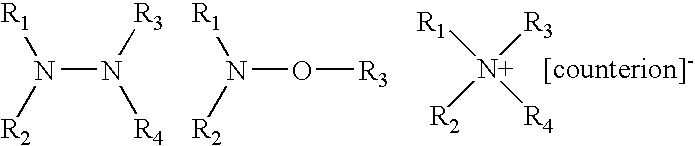
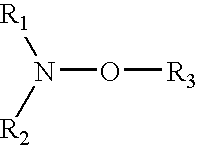
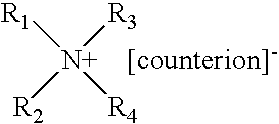
- A composition comprising a nucleophilic amine compound with oxidation and reduction potentials, an organic solvent miscible with the amine, water, and corrosion inhibitors is used to completely remove resist and etching residues without damaging the substrate, effectively addressing the challenges of residue removal and substrate compatibility.

Cleaning agent for semiconductor substrates and method for processing semiconductor substrate surface
PatentActiveEP3051577B1
Innovation
- A cleaning agent comprising an organic acid, specific amines, a hydroxylamine derivative, and an oxygen scavenger, formulated as an aqueous solution with a pH of 10 or higher, designed to effectively remove fine polishing particles and metal impurities while preventing bimetallic corrosion between copper (I) oxide and cobalt (II) oxide.


Environmental and Safety Regulations for Hydroxylamine Use
Hydroxylamine and its derivatives, particularly hydroxylamine sulfate and hydroxylamine hydrochloride, are subject to stringent environmental and safety regulations due to their hazardous properties. These compounds are classified as toxic, corrosive, and potentially explosive materials under various international regulatory frameworks. The Occupational Safety and Health Administration (OSHA) mandates strict permissible exposure limits (PEL) for hydroxylamine in workplace environments, typically set at 1 ppm as an 8-hour time-weighted average. The European Union's REACH regulation requires comprehensive registration and safety data documentation for hydroxylamine usage in semiconductor manufacturing facilities.
Transportation and storage of hydroxylamine solutions are governed by the Department of Transportation (DOT) regulations in the United States and the International Maritime Dangerous Goods (IMDG) Code for international shipments. These regulations classify hydroxylamine as a Class 8 corrosive substance with additional oxidizing properties, requiring specialized packaging, labeling, and handling procedures. Semiconductor facilities must maintain detailed Material Safety Data Sheets (MSDS) and implement robust emergency response protocols to address potential spills, exposures, or thermal decomposition incidents.
Environmental discharge regulations impose strict limitations on hydroxylamine concentrations in wastewater effluents. The Environmental Protection Agency (EPA) establishes maximum contaminant levels for industrial discharge, typically requiring neutralization and chemical treatment before disposal. Semiconductor manufacturers must install advanced wastewater treatment systems capable of decomposing hydroxylamine residues to acceptable nitrogen compound levels, often through catalytic oxidation or biological treatment processes.
Workplace safety protocols mandate comprehensive personal protective equipment (PPE) requirements, including chemical-resistant gloves, face shields, and respiratory protection when handling concentrated hydroxylamine solutions. Facilities must implement continuous air monitoring systems to detect hydroxylamine vapor concentrations and maintain adequate ventilation systems with minimum air exchange rates. Regular safety training programs and emergency drills are mandatory to ensure personnel competency in handling procedures and incident response.
Recent regulatory trends indicate increasing scrutiny of hydroxylamine usage in semiconductor manufacturing, with several jurisdictions considering more restrictive exposure limits and enhanced environmental monitoring requirements. This evolving regulatory landscape necessitates ongoing compliance assessments and potential process modifications to maintain operational authorization while ensuring worker safety and environmental protection.
Advanced Characterization Techniques for Interconnect Degradation
Accurate assessment of hydroxylamine-induced degradation in copper interconnects necessitates sophisticated analytical methodologies that can probe structural, chemical, and electrical changes at nanoscale dimensions. Traditional reliability testing methods often lack the spatial resolution and chemical sensitivity required to establish quantitative correlations between hydroxylamine exposure and failure mechanisms. Advanced characterization techniques have therefore become indispensable tools for understanding the fundamental degradation processes and developing predictive reliability models.
Transmission electron microscopy (TEM) combined with energy-dispersive X-ray spectroscopy (EDS) enables direct visualization of interfacial modifications at the copper-barrier layer interface following hydroxylamine treatment. High-resolution TEM imaging can reveal void formation, grain boundary alterations, and barrier layer thinning with sub-nanometer precision. Cross-sectional sample preparation using focused ion beam (FIB) milling allows targeted analysis of specific interconnect structures, facilitating statistical evaluation of degradation patterns across multiple test sites.
X-ray photoelectron spectroscopy (XPS) and secondary ion mass spectrometry (SIMS) provide complementary chemical analysis capabilities for quantifying residual hydroxylamine species, nitrogen incorporation, and oxidation state changes within copper films. Depth profiling through SIMS enables three-dimensional mapping of contaminant distribution, revealing penetration depths and accumulation zones that correlate with accelerated electromigration or stress-induced voiding. Time-of-flight SIMS offers enhanced mass resolution for distinguishing between various nitrogen-containing compounds resulting from hydroxylamine decomposition.
Electrical characterization techniques including four-point probe measurements, capacitance-voltage profiling, and time-dependent dielectric breakdown testing quantify the functional impact of hydroxylamine exposure on interconnect performance. In-situ resistance monitoring during accelerated stress testing establishes failure kinetics and activation energies, enabling extrapolation to operational conditions. Kelvin probe force microscopy (KPFM) maps local work function variations that indicate barrier integrity degradation, providing early indicators of reliability concerns before catastrophic failure occurs.
Synchrotron-based X-ray absorption spectroscopy and grazing-incidence X-ray diffraction offer non-destructive methods for probing crystallographic changes and chemical bonding modifications in buried interconnect structures. These techniques are particularly valuable for studying process-induced damage without sample destruction, enabling correlation studies between manufacturing parameters and reliability outcomes.
Unlock deeper insights with Patsnap Eureka Quick Research — get a full tech report to explore trends and direct your research. Try now!
Generate Your Research Report Instantly with AI Agent
Supercharge your innovation with Patsnap Eureka AI Agent Platform!