
Quantify Labor Reduction via Precision Agro Robotics
MAR 2, 20269 MIN READ
Generate Your Research Report Instantly with AI Agent
Patsnap Eureka helps you evaluate technical feasibility & market potential.
Precision Agro Robotics Background and Labor Goals
Precision agriculture robotics represents a transformative convergence of advanced automation technologies, artificial intelligence, and agricultural science aimed at revolutionizing traditional farming practices. This technological domain encompasses autonomous vehicles, robotic systems, sensor networks, and data analytics platforms specifically designed to perform agricultural tasks with unprecedented accuracy and efficiency. The evolution from mechanized agriculture to precision robotics marks a paradigmatic shift from broad-scale, uniform treatments to targeted, data-driven interventions that optimize resource utilization while maximizing crop yields.
The historical trajectory of agricultural automation began with basic mechanization in the early 20th century, progressing through GPS-guided machinery in the 1990s, and now advancing toward fully autonomous robotic systems. Contemporary precision agro-robotics integrates computer vision, machine learning algorithms, and sophisticated sensor arrays to enable real-time decision-making and precise task execution. These systems can perform diverse functions including seeding, weeding, harvesting, crop monitoring, and pest management with minimal human intervention.
The primary labor-related objectives driving precision agro-robotics development center on addressing critical workforce challenges facing modern agriculture. Labor shortages have become increasingly acute across global agricultural markets, with seasonal worker availability declining due to demographic shifts, immigration policies, and competing employment opportunities in other sectors. Traditional agricultural operations require intensive manual labor for tasks such as fruit picking, vegetable harvesting, and crop maintenance, often under challenging environmental conditions.
Precision robotics aims to quantifiably reduce labor dependency by automating repetitive, physically demanding, and time-sensitive agricultural operations. The technology targets specific labor reduction goals including decreasing seasonal workforce requirements by 40-60% for harvesting operations, reducing manual weeding labor by up to 80% through autonomous robotic systems, and minimizing human exposure to pesticides and harsh working conditions. Additionally, these systems seek to enhance operational consistency and extend working hours beyond traditional human limitations.
The strategic vision encompasses creating scalable robotic solutions that can operate continuously across diverse crop types and field conditions while maintaining or improving upon human-level precision and quality standards. This technological advancement promises to transform agriculture from a labor-intensive industry into a technology-driven sector capable of meeting growing global food demands with reduced human resource requirements.
The historical trajectory of agricultural automation began with basic mechanization in the early 20th century, progressing through GPS-guided machinery in the 1990s, and now advancing toward fully autonomous robotic systems. Contemporary precision agro-robotics integrates computer vision, machine learning algorithms, and sophisticated sensor arrays to enable real-time decision-making and precise task execution. These systems can perform diverse functions including seeding, weeding, harvesting, crop monitoring, and pest management with minimal human intervention.
The primary labor-related objectives driving precision agro-robotics development center on addressing critical workforce challenges facing modern agriculture. Labor shortages have become increasingly acute across global agricultural markets, with seasonal worker availability declining due to demographic shifts, immigration policies, and competing employment opportunities in other sectors. Traditional agricultural operations require intensive manual labor for tasks such as fruit picking, vegetable harvesting, and crop maintenance, often under challenging environmental conditions.
Precision robotics aims to quantifiably reduce labor dependency by automating repetitive, physically demanding, and time-sensitive agricultural operations. The technology targets specific labor reduction goals including decreasing seasonal workforce requirements by 40-60% for harvesting operations, reducing manual weeding labor by up to 80% through autonomous robotic systems, and minimizing human exposure to pesticides and harsh working conditions. Additionally, these systems seek to enhance operational consistency and extend working hours beyond traditional human limitations.
The strategic vision encompasses creating scalable robotic solutions that can operate continuously across diverse crop types and field conditions while maintaining or improving upon human-level precision and quality standards. This technological advancement promises to transform agriculture from a labor-intensive industry into a technology-driven sector capable of meeting growing global food demands with reduced human resource requirements.
Market Demand for Agricultural Labor Automation
The global agricultural sector faces an unprecedented labor shortage crisis that continues to intensify across major farming regions. Traditional farming operations heavily rely on manual labor for tasks such as planting, weeding, harvesting, and crop monitoring, creating significant operational bottlenecks when workforce availability declines. This shortage has become particularly acute in developed countries where aging rural populations and urbanization trends have reduced the available agricultural workforce.
Seasonal labor demands present additional challenges, as many agricultural operations require intensive workforce mobilization during specific periods such as harvest seasons. The temporary nature of agricultural work, combined with physically demanding conditions and often remote locations, makes it increasingly difficult to attract and retain workers. Climate change has further complicated labor planning by creating unpredictable growing seasons and extreme weather events that can disrupt traditional workforce scheduling.
Economic pressures from rising labor costs significantly impact farm profitability and competitiveness. Small and medium-sized farms face particular challenges in competing for limited labor resources against larger agricultural enterprises that can offer higher wages and better working conditions. This economic strain forces many farmers to consider alternative approaches to maintain operational viability while managing production costs.
The precision agriculture robotics market has emerged as a direct response to these labor challenges, offering automated solutions for various farming operations. Market demand spans multiple agricultural segments including crop farming, livestock management, and specialty agriculture such as fruit and vegetable production. Robotic systems designed for tasks like autonomous harvesting, precision spraying, and crop monitoring are experiencing increased adoption rates as farmers seek to reduce dependency on manual labor.
Regional variations in labor shortage severity create different market dynamics for agricultural automation technologies. Areas with acute labor shortages demonstrate higher willingness to invest in robotic solutions despite significant upfront costs. The market demand is particularly strong for systems that can quantifiably demonstrate labor reduction benefits while maintaining or improving operational efficiency and crop quality standards.
Technology adoption patterns indicate growing acceptance of precision robotics among progressive farmers who recognize the long-term strategic value of automation. The market increasingly demands solutions that provide measurable returns on investment through documented labor hour reductions and operational cost savings, driving innovation toward more sophisticated and cost-effective robotic systems.
Seasonal labor demands present additional challenges, as many agricultural operations require intensive workforce mobilization during specific periods such as harvest seasons. The temporary nature of agricultural work, combined with physically demanding conditions and often remote locations, makes it increasingly difficult to attract and retain workers. Climate change has further complicated labor planning by creating unpredictable growing seasons and extreme weather events that can disrupt traditional workforce scheduling.
Economic pressures from rising labor costs significantly impact farm profitability and competitiveness. Small and medium-sized farms face particular challenges in competing for limited labor resources against larger agricultural enterprises that can offer higher wages and better working conditions. This economic strain forces many farmers to consider alternative approaches to maintain operational viability while managing production costs.
The precision agriculture robotics market has emerged as a direct response to these labor challenges, offering automated solutions for various farming operations. Market demand spans multiple agricultural segments including crop farming, livestock management, and specialty agriculture such as fruit and vegetable production. Robotic systems designed for tasks like autonomous harvesting, precision spraying, and crop monitoring are experiencing increased adoption rates as farmers seek to reduce dependency on manual labor.
Regional variations in labor shortage severity create different market dynamics for agricultural automation technologies. Areas with acute labor shortages demonstrate higher willingness to invest in robotic solutions despite significant upfront costs. The market demand is particularly strong for systems that can quantifiably demonstrate labor reduction benefits while maintaining or improving operational efficiency and crop quality standards.
Technology adoption patterns indicate growing acceptance of precision robotics among progressive farmers who recognize the long-term strategic value of automation. The market increasingly demands solutions that provide measurable returns on investment through documented labor hour reductions and operational cost savings, driving innovation toward more sophisticated and cost-effective robotic systems.
Current State of Precision Agriculture Robotics
Precision agriculture robotics has evolved significantly over the past decade, transitioning from experimental prototypes to commercially viable solutions deployed across various farming operations. The current landscape encompasses a diverse range of autonomous and semi-autonomous systems designed to address specific agricultural tasks including planting, weeding, harvesting, monitoring, and data collection.
Autonomous tractors and field robots represent the most mature segment of precision agriculture robotics. Companies like John Deere, Case IH, and New Holland have developed GPS-guided tractors capable of operating with minimal human intervention. These systems utilize advanced navigation technologies, including RTK-GPS positioning with centimeter-level accuracy, enabling precise field operations while reducing operator fatigue and labor requirements.
Specialized weeding robots have gained considerable traction in addressing labor-intensive crop maintenance tasks. Systems such as the Robovator and FarmWise robots employ computer vision and machine learning algorithms to distinguish between crops and weeds, performing targeted mechanical or chemical weed control. These platforms demonstrate significant potential for reducing manual labor in vegetable and specialty crop production where traditional herbicide applications may be limited.
Harvesting robotics represents an emerging but rapidly advancing sector, particularly for high-value crops requiring delicate handling. Robotic strawberry pickers, apple harvesters, and lettuce cutting systems are transitioning from research prototypes to field trials. These systems integrate sophisticated sensing technologies, including multispectral imaging and force feedback mechanisms, to replicate human dexterity in crop selection and handling.
Monitoring and scouting robots provide continuous field surveillance capabilities, collecting data on crop health, pest presence, and environmental conditions. Platforms like the Prospera system and various drone-based solutions enable farmers to gather detailed field intelligence without manual scouting, significantly reducing labor requirements for crop monitoring activities.
Despite technological advances, several challenges persist in the current precision agriculture robotics landscape. High initial capital costs, limited adaptability to diverse field conditions, and integration complexities with existing farm management systems continue to constrain widespread adoption. Additionally, the seasonal nature of agricultural work and varying crop requirements demand flexible robotic solutions that can perform multiple tasks throughout growing seasons.
The regulatory environment surrounding autonomous agricultural equipment remains fragmented, with different jurisdictions implementing varying safety and operational standards. This regulatory uncertainty affects deployment strategies and investment decisions across the precision agriculture robotics sector.
Autonomous tractors and field robots represent the most mature segment of precision agriculture robotics. Companies like John Deere, Case IH, and New Holland have developed GPS-guided tractors capable of operating with minimal human intervention. These systems utilize advanced navigation technologies, including RTK-GPS positioning with centimeter-level accuracy, enabling precise field operations while reducing operator fatigue and labor requirements.
Specialized weeding robots have gained considerable traction in addressing labor-intensive crop maintenance tasks. Systems such as the Robovator and FarmWise robots employ computer vision and machine learning algorithms to distinguish between crops and weeds, performing targeted mechanical or chemical weed control. These platforms demonstrate significant potential for reducing manual labor in vegetable and specialty crop production where traditional herbicide applications may be limited.
Harvesting robotics represents an emerging but rapidly advancing sector, particularly for high-value crops requiring delicate handling. Robotic strawberry pickers, apple harvesters, and lettuce cutting systems are transitioning from research prototypes to field trials. These systems integrate sophisticated sensing technologies, including multispectral imaging and force feedback mechanisms, to replicate human dexterity in crop selection and handling.
Monitoring and scouting robots provide continuous field surveillance capabilities, collecting data on crop health, pest presence, and environmental conditions. Platforms like the Prospera system and various drone-based solutions enable farmers to gather detailed field intelligence without manual scouting, significantly reducing labor requirements for crop monitoring activities.
Despite technological advances, several challenges persist in the current precision agriculture robotics landscape. High initial capital costs, limited adaptability to diverse field conditions, and integration complexities with existing farm management systems continue to constrain widespread adoption. Additionally, the seasonal nature of agricultural work and varying crop requirements demand flexible robotic solutions that can perform multiple tasks throughout growing seasons.
The regulatory environment surrounding autonomous agricultural equipment remains fragmented, with different jurisdictions implementing varying safety and operational standards. This regulatory uncertainty affects deployment strategies and investment decisions across the precision agriculture robotics sector.
Existing Labor Reduction Solutions in Agriculture
01 Autonomous robotic systems for crop monitoring and management
Autonomous robotic platforms equipped with sensors and imaging systems can perform continuous crop monitoring, disease detection, and growth assessment without human intervention. These systems utilize artificial intelligence and machine learning algorithms to analyze crop health, identify pest infestations, and optimize resource allocation. By automating routine monitoring tasks, labor requirements are significantly reduced while improving accuracy and timeliness of agricultural operations.- Autonomous robotic systems for crop monitoring and management: Autonomous robotic platforms equipped with sensors and imaging systems can perform continuous crop monitoring, disease detection, and growth assessment without human intervention. These systems utilize artificial intelligence and machine learning algorithms to analyze crop health, identify pest infestations, and optimize resource allocation. By automating routine monitoring tasks, labor requirements are significantly reduced while maintaining or improving crop management precision.
- Automated harvesting and picking robots: Robotic harvesting systems employ computer vision, mechanical grippers, and navigation technologies to identify ripe produce and perform selective harvesting operations. These machines can work continuously across different crop types, adapting to various plant structures and fruit characteristics. The automation of harvesting operations addresses labor shortages during peak seasons and reduces dependency on manual labor for physically demanding tasks.
- Precision weeding and targeted herbicide application systems: Robotic platforms integrate advanced imaging and recognition technologies to distinguish between crops and weeds, enabling precise mechanical removal or targeted chemical application. These systems reduce the need for manual weeding labor while minimizing herbicide usage through spot treatment rather than broadcast application. The technology combines real-time plant identification with precise actuation mechanisms to perform selective weed management operations.
- Multi-functional agricultural robots for diverse field operations: Versatile robotic platforms are designed to perform multiple agricultural tasks including seeding, fertilization, irrigation management, and soil analysis through interchangeable modules and attachments. These systems can be programmed for various operations throughout the growing season, reducing the need for specialized labor for different tasks. The integration of multiple functions into single platforms maximizes operational efficiency and labor cost reduction.
- Fleet management and coordination systems for agricultural robots: Centralized control systems enable the coordination and management of multiple robotic units working simultaneously across large agricultural areas. These platforms optimize task allocation, route planning, and resource scheduling to maximize field coverage and operational efficiency. By enabling a small number of operators to supervise multiple autonomous machines, these systems dramatically reduce the labor-to-acreage ratio in precision agriculture operations.
02 Automated harvesting and picking robots
Robotic harvesting systems employ computer vision, mechanical grippers, and navigation technologies to identify ripe crops and perform selective harvesting operations. These machines can work continuously across different crop types including fruits, vegetables, and row crops, eliminating the need for manual labor during harvest seasons. The systems incorporate adaptive learning capabilities to improve picking efficiency and reduce crop damage over time.Expand Specific Solutions03 Precision weeding and targeted herbicide application
Robotic platforms with advanced imaging and targeting systems can distinguish between crops and weeds at the individual plant level, enabling mechanical removal or precise herbicide application only where needed. This technology reduces chemical usage while eliminating manual weeding labor. The systems use real-time processing to navigate fields autonomously and make instantaneous treatment decisions based on plant identification algorithms.Expand Specific Solutions04 Automated seeding and planting systems
Robotic seeding mechanisms integrate GPS guidance, soil sensors, and automated seed dispensing to achieve optimal planting depth, spacing, and placement without manual operation. These systems can adapt to varying field conditions and crop requirements while maintaining consistent planting quality. The automation of seeding operations reduces labor needs during critical planting windows and improves overall crop establishment uniformity.Expand Specific Solutions05 Multi-functional agricultural robot platforms
Modular robotic platforms designed to perform multiple agricultural tasks through interchangeable implements and tools reduce the need for specialized labor across different farming operations. These versatile systems can be configured for tasks including spraying, fertilization, soil sampling, and data collection. Integration of fleet management software allows coordinated operation of multiple robots, further minimizing human supervision requirements while maximizing field coverage and operational efficiency.Expand Specific Solutions
Key Players in Agro Robotics Industry
The precision agricultural robotics sector is experiencing rapid growth as the industry transitions from early adoption to mainstream implementation. Market expansion is driven by increasing labor shortages and rising operational costs, creating substantial demand for automated solutions that can quantify and deliver measurable labor reduction. Technology maturity varies significantly across market players, with established agricultural equipment manufacturers like Deere & Co., AGCO Corp., and BASF Digital Farming leading in commercial deployment and integration capabilities. Technology giants including Siemens AG and Fujitsu Ltd. contribute advanced automation and AI frameworks, while specialized robotics companies such as FarmWise Labs and Vitirover focus on targeted precision applications. Research institutions like University of California and various Chinese agricultural technology firms are advancing core algorithmic capabilities, indicating a competitive landscape where traditional machinery companies, tech corporations, and innovative startups are converging to capture the growing market for labor-reducing agricultural automation solutions.
Deere & Co.
Technical Solution: Deere & Company has developed comprehensive precision agriculture robotics solutions that significantly reduce labor requirements through autonomous machinery and AI-driven field operations. Their autonomous tractors and harvesters utilize GPS guidance systems, machine learning algorithms, and sensor fusion technology to perform planting, cultivation, and harvesting operations with minimal human intervention. The company's precision agriculture platform integrates real-time data analytics to optimize field operations, reducing the need for manual labor by up to 60% in certain farming operations. Their robotic systems can operate continuously for extended periods, performing tasks such as seed placement, fertilizer application, and crop monitoring with centimeter-level accuracy, thereby eliminating the need for multiple human operators traditionally required for these operations.
Strengths: Market leader with extensive distribution network and proven track record in agricultural machinery. Advanced GPS and sensor integration capabilities. Weaknesses: High initial investment costs and dependency on existing dealer network for service and support.
AGCO Corp.
Technical Solution: AGCO Corporation has implemented precision robotics technology through their Fendt and Massey Ferguson brands, focusing on autonomous field operations that quantifiably reduce labor dependency. Their robotic systems include autonomous tractors equipped with advanced vision systems and AI-powered decision-making capabilities that can perform complex agricultural tasks including precision planting, variable rate application, and automated harvesting. The company's precision agriculture solutions utilize machine learning algorithms to analyze field conditions and optimize operations, resulting in labor reduction of approximately 40-50% compared to traditional farming methods. Their robotic platforms integrate with farm management software to provide real-time monitoring and control, enabling single operators to manage multiple autonomous machines simultaneously across large agricultural operations.
Strengths: Strong global presence with diverse product portfolio and established relationships with large-scale farming operations. Advanced automation technology integration. Weaknesses: Limited market share compared to competitors like Deere, and higher maintenance complexity for robotic systems.
Core Innovations in Precision Robotics Systems
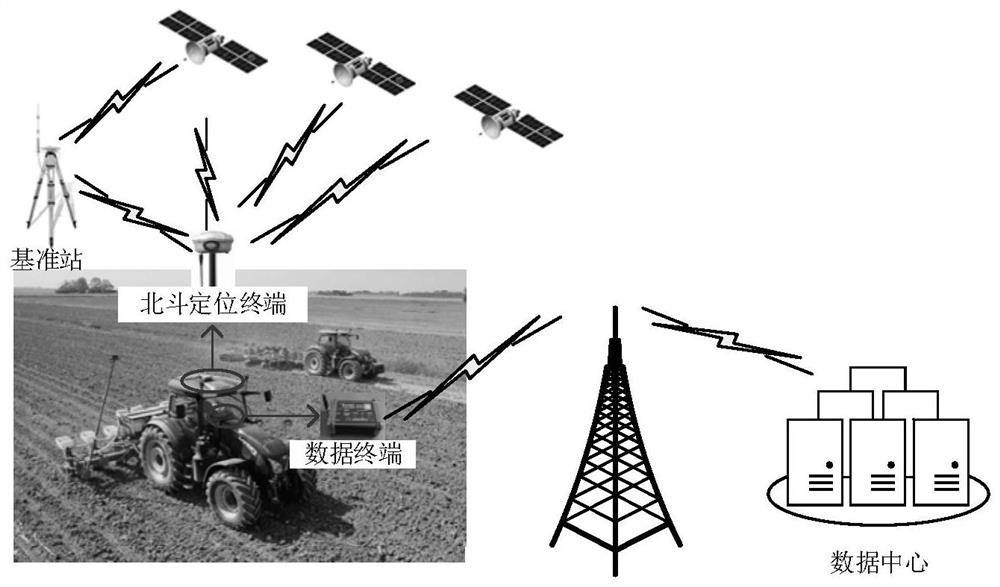
Agricultural machinery behavior analysis and operation area statistical method based on Beidou positioning data
PatentActiveCN113409240A
Innovation
- Automatically identify agricultural machinery operating areas through the spatial clustering algorithm based on Beidou positioning data, and combine the area calculation method based on contours and grids to analyze overlapping and missing operating areas, reducing manpower and time investment.



System and process for two different seed sowing and fertilizer dosing simultaneously
PatentPendingIN202021008873A
Innovation
- The AgriRobot system, an automated agricultural robot capable of simultaneous two different seed sowing and micro fertilizer dosing, utilizing a microcontroller, DC motors, servo motors, color sensors, and solar power for automatic navigation and precise seed and fertilizer placement, reducing manual labor and costs.


Policy Framework for Agricultural Robotics Adoption
The successful integration of precision agricultural robotics into farming operations requires a comprehensive policy framework that addresses regulatory, economic, and social dimensions. Current agricultural policies in major economies remain largely fragmented, with limited coordination between technology adoption incentives and labor transition support mechanisms. The European Union's Common Agricultural Policy has begun incorporating digital farming initiatives, while the United States Farm Bill includes provisions for precision agriculture research funding, yet neither adequately addresses the workforce implications of robotic automation.
Regulatory frameworks must establish clear standards for autonomous agricultural equipment operation, including safety protocols, data privacy protection, and liability allocation. The International Organization for Standardization has developed preliminary guidelines for agricultural robotics, but national implementation varies significantly. Key regulatory gaps include certification processes for AI-driven decision systems, cross-border data sharing protocols for precision agriculture platforms, and environmental impact assessment requirements for robotic farming operations.
Economic policy instruments should incentivize gradual robotics adoption while supporting displaced agricultural workers. Tax credit systems for precision agriculture investments, similar to those implemented in Japan and South Korea, demonstrate effective approaches to technology diffusion. Subsidized training programs for farm operators and agricultural technicians represent critical policy components, enabling workforce adaptation to robotic systems management and maintenance requirements.
Labor transition policies must address the socioeconomic impacts of agricultural automation, particularly in rural communities heavily dependent on farm employment. Successful policy frameworks should include retraining initiatives, alternative livelihood development programs, and social safety nets for affected workers. Denmark's agricultural transformation model provides valuable insights, combining robotics adoption support with comprehensive rural development strategies.
International coordination mechanisms are essential for establishing harmonized standards and preventing regulatory arbitrage in agricultural robotics markets. Multilateral agreements on agricultural technology standards, similar to existing frameworks for pesticide regulation, could facilitate global adoption while ensuring consistent safety and performance requirements across different jurisdictions.
Regulatory frameworks must establish clear standards for autonomous agricultural equipment operation, including safety protocols, data privacy protection, and liability allocation. The International Organization for Standardization has developed preliminary guidelines for agricultural robotics, but national implementation varies significantly. Key regulatory gaps include certification processes for AI-driven decision systems, cross-border data sharing protocols for precision agriculture platforms, and environmental impact assessment requirements for robotic farming operations.
Economic policy instruments should incentivize gradual robotics adoption while supporting displaced agricultural workers. Tax credit systems for precision agriculture investments, similar to those implemented in Japan and South Korea, demonstrate effective approaches to technology diffusion. Subsidized training programs for farm operators and agricultural technicians represent critical policy components, enabling workforce adaptation to robotic systems management and maintenance requirements.
Labor transition policies must address the socioeconomic impacts of agricultural automation, particularly in rural communities heavily dependent on farm employment. Successful policy frameworks should include retraining initiatives, alternative livelihood development programs, and social safety nets for affected workers. Denmark's agricultural transformation model provides valuable insights, combining robotics adoption support with comprehensive rural development strategies.
International coordination mechanisms are essential for establishing harmonized standards and preventing regulatory arbitrage in agricultural robotics markets. Multilateral agreements on agricultural technology standards, similar to existing frameworks for pesticide regulation, could facilitate global adoption while ensuring consistent safety and performance requirements across different jurisdictions.
Economic Impact Assessment of Robotic Labor Displacement
The economic implications of precision agricultural robotics extend far beyond simple labor cost calculations, fundamentally reshaping the financial landscape of modern farming operations. Initial capital investments in robotic systems typically range from $150,000 to $500,000 per unit for comprehensive field robots, creating substantial upfront costs that must be weighed against long-term operational savings. However, these systems demonstrate remarkable efficiency gains, with studies indicating potential labor cost reductions of 40-70% in specific agricultural tasks such as harvesting, weeding, and crop monitoring.
Labor displacement patterns vary significantly across different agricultural sectors and geographic regions. In fruit and vegetable production, where manual labor traditionally comprises 30-50% of operational costs, robotic automation can generate annual savings of $25,000 to $75,000 per farm depending on scale and crop type. Grain production operations experience more modest but consistent savings, typically achieving 15-25% reduction in labor-related expenses through automated planting, monitoring, and harvesting systems.
The economic impact extends beyond direct labor substitution to encompass productivity multipliers and operational efficiency improvements. Precision robotics enables 24-hour operation cycles, increasing effective working hours by 200-300% compared to human-dependent operations. This extended operational capacity translates to faster harvest cycles, reduced crop loss, and improved timing optimization, collectively contributing an additional 10-20% value enhancement beyond pure labor savings.
Regional economic disparities significantly influence the cost-benefit equation of robotic adoption. High-wage agricultural markets in North America and Western Europe demonstrate faster return on investment, typically achieving break-even points within 3-5 years. Conversely, regions with lower labor costs may require 7-10 years to realize equivalent financial returns, creating uneven adoption patterns globally.
Secondary economic effects include reduced dependency on seasonal labor availability, elimination of overtime premiums, and decreased insurance and compliance costs associated with human workforce management. These indirect savings often represent an additional 15-30% economic benefit beyond primary labor cost reductions, making precision agricultural robotics increasingly attractive for large-scale commercial operations seeking sustainable competitive advantages.
Labor displacement patterns vary significantly across different agricultural sectors and geographic regions. In fruit and vegetable production, where manual labor traditionally comprises 30-50% of operational costs, robotic automation can generate annual savings of $25,000 to $75,000 per farm depending on scale and crop type. Grain production operations experience more modest but consistent savings, typically achieving 15-25% reduction in labor-related expenses through automated planting, monitoring, and harvesting systems.
The economic impact extends beyond direct labor substitution to encompass productivity multipliers and operational efficiency improvements. Precision robotics enables 24-hour operation cycles, increasing effective working hours by 200-300% compared to human-dependent operations. This extended operational capacity translates to faster harvest cycles, reduced crop loss, and improved timing optimization, collectively contributing an additional 10-20% value enhancement beyond pure labor savings.
Regional economic disparities significantly influence the cost-benefit equation of robotic adoption. High-wage agricultural markets in North America and Western Europe demonstrate faster return on investment, typically achieving break-even points within 3-5 years. Conversely, regions with lower labor costs may require 7-10 years to realize equivalent financial returns, creating uneven adoption patterns globally.
Secondary economic effects include reduced dependency on seasonal labor availability, elimination of overtime premiums, and decreased insurance and compliance costs associated with human workforce management. These indirect savings often represent an additional 15-30% economic benefit beyond primary labor cost reductions, making precision agricultural robotics increasingly attractive for large-scale commercial operations seeking sustainable competitive advantages.
Unlock deeper insights with Patsnap Eureka Quick Research — get a full tech report to explore trends and direct your research. Try now!
Generate Your Research Report Instantly with AI Agent
Supercharge your innovation with Patsnap Eureka AI Agent Platform!