

Quantify Planetary Roller Screw Friction vs Speed (Stribeck)
MAY 8, 20269 MIN READ
Generate Your Research Report Instantly with AI Agent
PatSnap Eureka helps you evaluate technical feasibility & market potential.
Planetary Roller Screw Tribology Background and Objectives
Planetary roller screws represent a sophisticated evolution of traditional screw mechanisms, incorporating multiple roller elements arranged circumferentially around a central screw shaft. This configuration enables superior load distribution and enhanced mechanical efficiency compared to conventional ball screws or lead screws. The tribological behavior of these systems fundamentally determines their operational performance, reliability, and service life across diverse industrial applications.
The friction characteristics within planetary roller screw assemblies exhibit complex dependencies on operational parameters, particularly rotational speed. Understanding the Stribeck curve behavior in these mechanisms is crucial for optimizing performance across varying operational conditions. The Stribeck phenomenon describes the transition between different lubrication regimes, from boundary lubrication at low speeds to hydrodynamic lubrication at higher velocities, with a characteristic friction coefficient variation.
Historical development of planetary roller screw technology traces back to aerospace applications where high precision and reliability were paramount. Early implementations focused primarily on load capacity and positioning accuracy, with tribological considerations receiving secondary attention. However, as applications expanded into industrial automation, robotics, and high-speed machinery, the need for comprehensive friction characterization became increasingly apparent.
Current industrial demands require precise quantification of friction behavior across operational speed ranges to enable accurate system modeling and control. The relationship between friction coefficient and speed directly impacts energy efficiency, heat generation, wear patterns, and overall system dynamics. This understanding becomes particularly critical in applications involving variable speed operations or frequent acceleration and deceleration cycles.
The primary objective of quantifying planetary roller screw friction versus speed relationships centers on establishing predictive models for tribological performance. This involves characterizing the complete Stribeck curve under various loading conditions, lubricant properties, and environmental parameters. Such characterization enables engineers to optimize lubrication strategies, predict maintenance intervals, and design control systems that account for speed-dependent friction variations.
Secondary objectives include developing standardized testing methodologies for friction measurement, establishing correlations between material properties and tribological performance, and creating design guidelines for minimizing friction-related losses. These efforts aim to advance the fundamental understanding of contact mechanics within planetary roller screw systems while providing practical tools for industrial implementation.
The friction characteristics within planetary roller screw assemblies exhibit complex dependencies on operational parameters, particularly rotational speed. Understanding the Stribeck curve behavior in these mechanisms is crucial for optimizing performance across varying operational conditions. The Stribeck phenomenon describes the transition between different lubrication regimes, from boundary lubrication at low speeds to hydrodynamic lubrication at higher velocities, with a characteristic friction coefficient variation.
Historical development of planetary roller screw technology traces back to aerospace applications where high precision and reliability were paramount. Early implementations focused primarily on load capacity and positioning accuracy, with tribological considerations receiving secondary attention. However, as applications expanded into industrial automation, robotics, and high-speed machinery, the need for comprehensive friction characterization became increasingly apparent.
Current industrial demands require precise quantification of friction behavior across operational speed ranges to enable accurate system modeling and control. The relationship between friction coefficient and speed directly impacts energy efficiency, heat generation, wear patterns, and overall system dynamics. This understanding becomes particularly critical in applications involving variable speed operations or frequent acceleration and deceleration cycles.
The primary objective of quantifying planetary roller screw friction versus speed relationships centers on establishing predictive models for tribological performance. This involves characterizing the complete Stribeck curve under various loading conditions, lubricant properties, and environmental parameters. Such characterization enables engineers to optimize lubrication strategies, predict maintenance intervals, and design control systems that account for speed-dependent friction variations.
Secondary objectives include developing standardized testing methodologies for friction measurement, establishing correlations between material properties and tribological performance, and creating design guidelines for minimizing friction-related losses. These efforts aim to advance the fundamental understanding of contact mechanics within planetary roller screw systems while providing practical tools for industrial implementation.
Market Demand for High-Performance Linear Actuators
The global linear actuator market has experienced substantial growth driven by increasing automation across multiple industries. Manufacturing sectors, particularly automotive and aerospace, demand precise motion control systems where planetary roller screws excel due to their high load capacity and positioning accuracy. These applications require actuators that can maintain consistent performance across varying operational speeds while minimizing friction-related energy losses.
Industrial automation represents the largest market segment, where high-performance linear actuators enable precise control in assembly lines, packaging equipment, and material handling systems. The automotive industry specifically drives demand for actuators in electric vehicle manufacturing, where planetary roller screw mechanisms provide the reliability needed for battery assembly and chassis manufacturing processes.
Aerospace and defense applications constitute another significant market driver, requiring actuators that operate reliably under extreme conditions. Flight control surfaces, landing gear systems, and satellite positioning mechanisms demand linear actuators with predictable friction characteristics across wide speed ranges. The ability to quantify friction behavior through Stribeck analysis becomes critical for ensuring system reliability and performance optimization.
Medical device manufacturing has emerged as a rapidly growing market segment, particularly for surgical robotics and diagnostic equipment. These applications require ultra-precise positioning with minimal vibration, making the friction characteristics of planetary roller screws essential for achieving required performance standards. The medical sector's stringent reliability requirements drive demand for actuators with well-characterized tribological properties.
Energy sector applications, including wind turbine pitch control and solar tracking systems, require actuators capable of handling high loads while maintaining efficiency across variable operating speeds. The renewable energy market's expansion directly correlates with increased demand for robust linear actuators that can operate reliably in harsh environmental conditions.
Market growth is further accelerated by the trend toward electric actuation replacing hydraulic systems, driven by environmental regulations and energy efficiency requirements. This transition creates opportunities for planetary roller screw actuators that can demonstrate superior efficiency through optimized friction management across operational speed ranges.
Industrial automation represents the largest market segment, where high-performance linear actuators enable precise control in assembly lines, packaging equipment, and material handling systems. The automotive industry specifically drives demand for actuators in electric vehicle manufacturing, where planetary roller screw mechanisms provide the reliability needed for battery assembly and chassis manufacturing processes.
Aerospace and defense applications constitute another significant market driver, requiring actuators that operate reliably under extreme conditions. Flight control surfaces, landing gear systems, and satellite positioning mechanisms demand linear actuators with predictable friction characteristics across wide speed ranges. The ability to quantify friction behavior through Stribeck analysis becomes critical for ensuring system reliability and performance optimization.
Medical device manufacturing has emerged as a rapidly growing market segment, particularly for surgical robotics and diagnostic equipment. These applications require ultra-precise positioning with minimal vibration, making the friction characteristics of planetary roller screws essential for achieving required performance standards. The medical sector's stringent reliability requirements drive demand for actuators with well-characterized tribological properties.
Energy sector applications, including wind turbine pitch control and solar tracking systems, require actuators capable of handling high loads while maintaining efficiency across variable operating speeds. The renewable energy market's expansion directly correlates with increased demand for robust linear actuators that can operate reliably in harsh environmental conditions.
Market growth is further accelerated by the trend toward electric actuation replacing hydraulic systems, driven by environmental regulations and energy efficiency requirements. This transition creates opportunities for planetary roller screw actuators that can demonstrate superior efficiency through optimized friction management across operational speed ranges.
Current Friction Modeling Challenges in Roller Screw Systems
Planetary roller screw systems present unique friction modeling challenges due to their complex multi-contact geometry and dynamic operating conditions. Unlike conventional ball screws or linear actuators, these systems involve simultaneous contact between multiple rollers, the screw shaft, and the nut, creating a network of interdependent friction interfaces that vary significantly with operational parameters.
The primary challenge lies in accurately characterizing the transition between different lubrication regimes as described by the Stribeck curve. Traditional friction models often assume single-point contact or simplified geometries, but planetary roller screws require consideration of distributed contact patches across multiple rolling elements. Each contact point may operate in different lubrication regimes simultaneously, from boundary lubrication at low speeds to elastohydrodynamic lubrication at higher velocities.
Current analytical models struggle with the non-linear relationship between friction coefficient and speed in these systems. The classical Stribeck equation, while effective for simple bearing applications, fails to capture the complex interactions between roller preload, contact angle variations, and speed-dependent lubricant film thickness in planetary configurations. Existing models typically rely on empirical corrections or simplified assumptions that limit their predictive accuracy across the full operational envelope.
Computational challenges arise from the need to simultaneously solve for contact mechanics, fluid dynamics, and thermal effects across multiple interfaces. The coupling between these phenomena becomes particularly pronounced at intermediate speeds where mixed lubrication conditions prevail. Traditional finite element approaches become computationally prohibitive when attempting to model all contact pairs with sufficient resolution to capture micro-scale lubrication effects.
Experimental validation presents additional difficulties due to the inaccessibility of individual contact interfaces during operation. Measuring friction forces at specific roller-to-screw or roller-to-nut contacts requires sophisticated instrumentation and often disrupts the very phenomena being studied. This limitation forces researchers to rely on overall system measurements that may mask important local variations in friction behavior.
Temperature-dependent effects further complicate modeling efforts, as lubricant viscosity changes and thermal expansion alter contact geometries throughout the speed range. Current models inadequately address these coupled thermal-mechanical interactions, particularly during transient operating conditions where thermal equilibrium has not been established.
The primary challenge lies in accurately characterizing the transition between different lubrication regimes as described by the Stribeck curve. Traditional friction models often assume single-point contact or simplified geometries, but planetary roller screws require consideration of distributed contact patches across multiple rolling elements. Each contact point may operate in different lubrication regimes simultaneously, from boundary lubrication at low speeds to elastohydrodynamic lubrication at higher velocities.
Current analytical models struggle with the non-linear relationship between friction coefficient and speed in these systems. The classical Stribeck equation, while effective for simple bearing applications, fails to capture the complex interactions between roller preload, contact angle variations, and speed-dependent lubricant film thickness in planetary configurations. Existing models typically rely on empirical corrections or simplified assumptions that limit their predictive accuracy across the full operational envelope.
Computational challenges arise from the need to simultaneously solve for contact mechanics, fluid dynamics, and thermal effects across multiple interfaces. The coupling between these phenomena becomes particularly pronounced at intermediate speeds where mixed lubrication conditions prevail. Traditional finite element approaches become computationally prohibitive when attempting to model all contact pairs with sufficient resolution to capture micro-scale lubrication effects.
Experimental validation presents additional difficulties due to the inaccessibility of individual contact interfaces during operation. Measuring friction forces at specific roller-to-screw or roller-to-nut contacts requires sophisticated instrumentation and often disrupts the very phenomena being studied. This limitation forces researchers to rely on overall system measurements that may mask important local variations in friction behavior.
Temperature-dependent effects further complicate modeling efforts, as lubricant viscosity changes and thermal expansion alter contact geometries throughout the speed range. Current models inadequately address these coupled thermal-mechanical interactions, particularly during transient operating conditions where thermal equilibrium has not been established.
Existing Friction Quantification Solutions for Roller Screws
01 Friction reduction through surface treatment and coating technologies
Various surface treatment methods and specialized coatings can be applied to planetary roller screw components to reduce friction. These treatments modify the surface properties of the screw threads and roller elements, creating smoother interfaces and reducing wear. Advanced coating materials and surface engineering techniques help minimize contact friction between moving parts while maintaining structural integrity.- Friction reduction through surface treatment and coating technologies: Various surface treatment methods and specialized coatings can be applied to planetary roller screw components to reduce friction. These treatments modify the surface properties of the screw threads and roller elements, creating smoother interfaces and reducing wear. Advanced coating materials and surface engineering techniques help minimize contact friction while maintaining structural integrity and load-bearing capacity.
- Lubrication systems and tribological optimization: Specialized lubrication systems and tribological enhancements are employed to minimize friction in planetary roller screw mechanisms. These systems include advanced lubricant formulations, oil distribution channels, and grease retention features that ensure consistent lubrication between moving components. The optimization of tribological properties helps reduce energy losses and extends operational life.
- Geometric design optimization for friction minimization: The geometric configuration of planetary roller screws can be optimized to reduce friction through careful design of thread profiles, roller spacing, and contact angles. Modified thread geometries, optimized roller diameters, and precise angular relationships between components help distribute loads more evenly and reduce sliding friction. These design improvements focus on minimizing contact stresses while maintaining mechanical efficiency.
- Material selection and heat treatment for low-friction applications: Advanced materials and specialized heat treatment processes are utilized to create planetary roller screw components with inherently low friction characteristics. High-performance alloys, composite materials, and thermally treated surfaces provide improved wear resistance and reduced coefficient of friction. These material innovations help achieve smoother operation and reduced energy consumption in high-load applications.
- Bearing integration and support structure optimization: Integration of specialized bearing systems and optimized support structures helps reduce overall friction in planetary roller screw assemblies. These solutions include precision bearings, flexible mounting systems, and vibration dampening elements that minimize parasitic friction from secondary components. The optimization of support structures ensures proper alignment and reduces binding forces that contribute to friction losses.
02 Lubrication systems and lubricant formulations
Specialized lubrication systems and advanced lubricant formulations are designed to minimize friction in planetary roller screw mechanisms. These systems ensure proper distribution of lubricants throughout the screw assembly, while optimized lubricant compositions provide enhanced performance under various operating conditions. The lubrication approach focuses on reducing metal-to-metal contact and heat generation.Expand Specific Solutions03 Geometric optimization and thread profile design
The geometric configuration of planetary roller screws, including thread profiles and contact angles, can be optimized to reduce friction forces. Advanced thread geometries and precise dimensional control help distribute loads more evenly across contact surfaces. These design improvements minimize stress concentrations and reduce sliding friction between components.Expand Specific Solutions04 Material selection and heat treatment processes
Selection of appropriate materials and specialized heat treatment processes significantly impact friction characteristics in planetary roller screw systems. Advanced alloys and engineered materials with specific hardness and wear resistance properties are utilized. Heat treatment processes optimize the microstructure to achieve desired friction and wear performance while maintaining mechanical strength.Expand Specific Solutions05 Load distribution and contact mechanics optimization
Optimization of load distribution patterns and contact mechanics helps reduce localized friction in planetary roller screw assemblies. This involves careful design of roller arrangements, preload conditions, and contact pressure distribution. Advanced analysis of contact mechanics enables better understanding of friction generation mechanisms and guides design improvements for reduced energy losses.Expand Specific Solutions
Key Players in Roller Screw and Linear Motion Industry
The planetary roller screw friction quantification technology represents an emerging field within precision mechanical systems, currently in its early development stage with significant growth potential. The market demonstrates moderate scale primarily driven by aerospace, automotive, and industrial automation applications requiring high-precision linear motion systems. Technology maturity varies considerably across market participants, with established industrial giants like Schaeffler Technologies, Toyota Motor Corp., NTN Corp., and Robert Bosch GmbH leading commercial implementation through extensive R&D capabilities and manufacturing expertise. Academic institutions including Northwestern Polytechnical University, Beijing University of Technology, and Shandong University contribute fundamental research on tribological behavior and Stribeck curve characterization. Specialized manufacturers such as Hangzhou Seenpin Robot Technology and HIWIN Technologies focus on niche applications, while major conglomerates like Mitsubishi Heavy Industries and BorgWarner integrate these systems into broader product portfolios, indicating a competitive landscape spanning from research-focused entities to commercially mature organizations.
Schaeffler Technologies AG & Co. KG
Technical Solution: Schaeffler has developed comprehensive tribological analysis methods for planetary roller screws, incorporating advanced lubrication systems and surface treatment technologies. Their approach includes detailed friction coefficient mapping across various speed ranges, implementing specialized coatings and heat treatment processes to optimize the Stribeck curve characteristics. The company utilizes sophisticated testing equipment to measure friction variations from boundary lubrication through mixed and hydrodynamic regimes, enabling precise quantification of friction-speed relationships in planetary roller screw mechanisms.
Strengths: Extensive experience in bearing and linear motion systems, advanced tribological testing capabilities, comprehensive lubrication expertise. Weaknesses: High development costs, complex manufacturing processes requiring specialized equipment.
NTN Corp. (Osaka)
Technical Solution: NTN Corporation has developed specialized planetary roller screw systems with optimized friction characteristics through advanced bearing technology and precision manufacturing. Their solution incorporates proprietary surface treatments and specialized lubricants designed to minimize friction variation across the entire speed spectrum. The company utilizes comprehensive testing protocols to map friction coefficients against speed parameters, establishing detailed Stribeck curves for different load and environmental conditions. Their approach includes innovative cage designs and roller geometry optimization to achieve consistent friction performance.
Strengths: Deep expertise in bearing technology, precision manufacturing capabilities, comprehensive testing facilities. Weaknesses: Limited market presence in some regions, higher costs compared to standard solutions.
Core Innovations in Planetary Roller Screw Tribology
System and method for testing dynamic friction parameter
PatentInactiveCN101226068A
Innovation
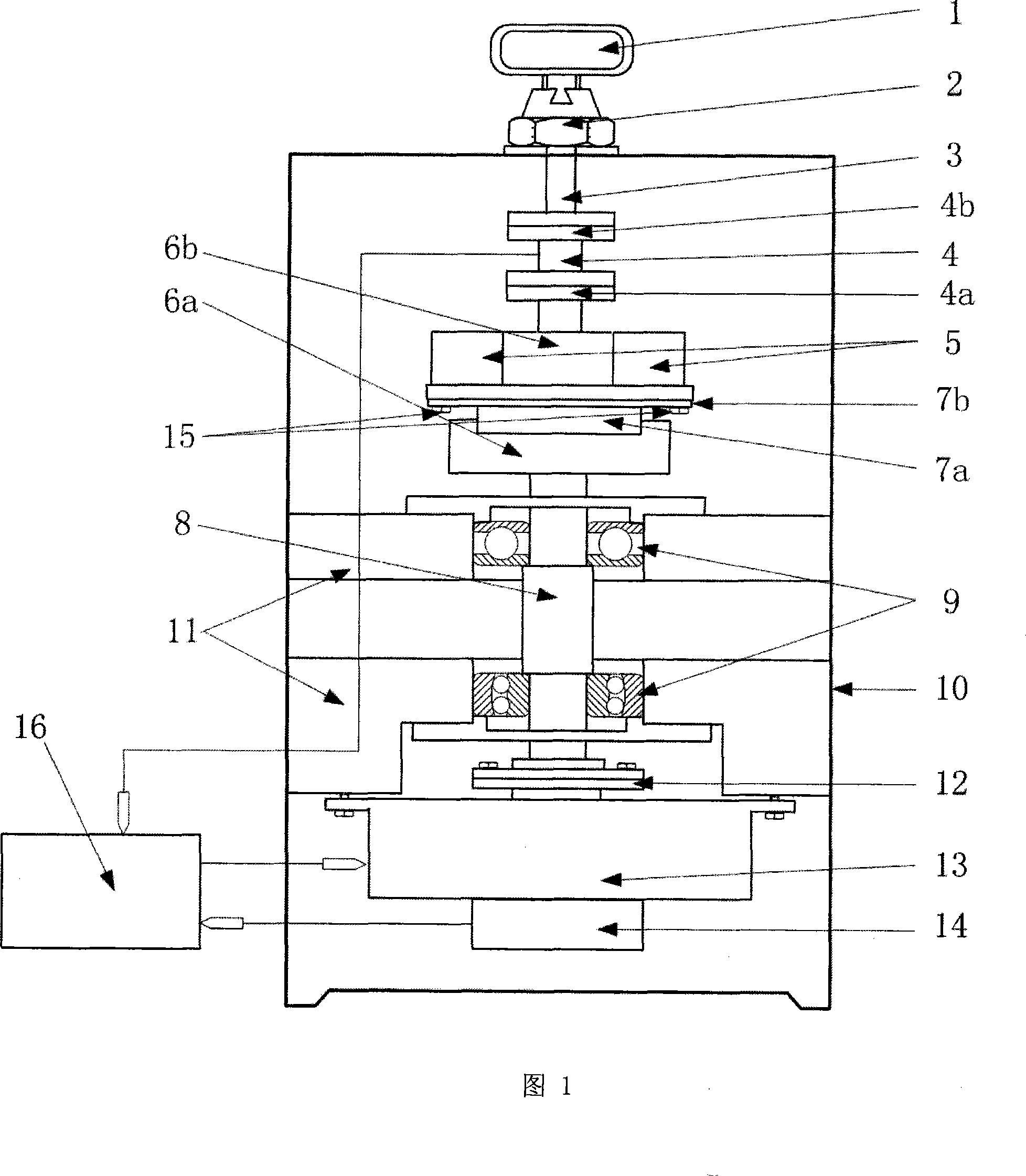
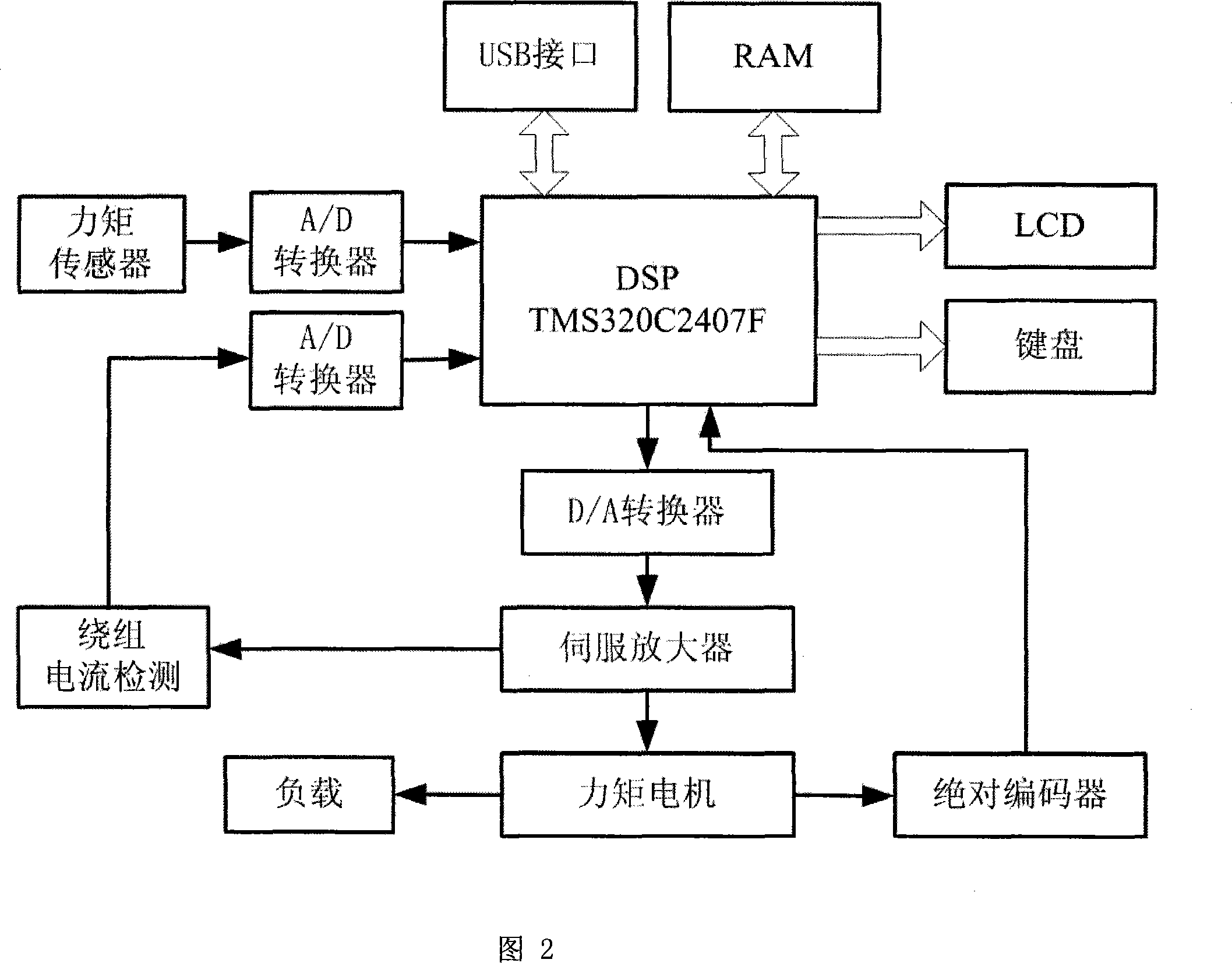
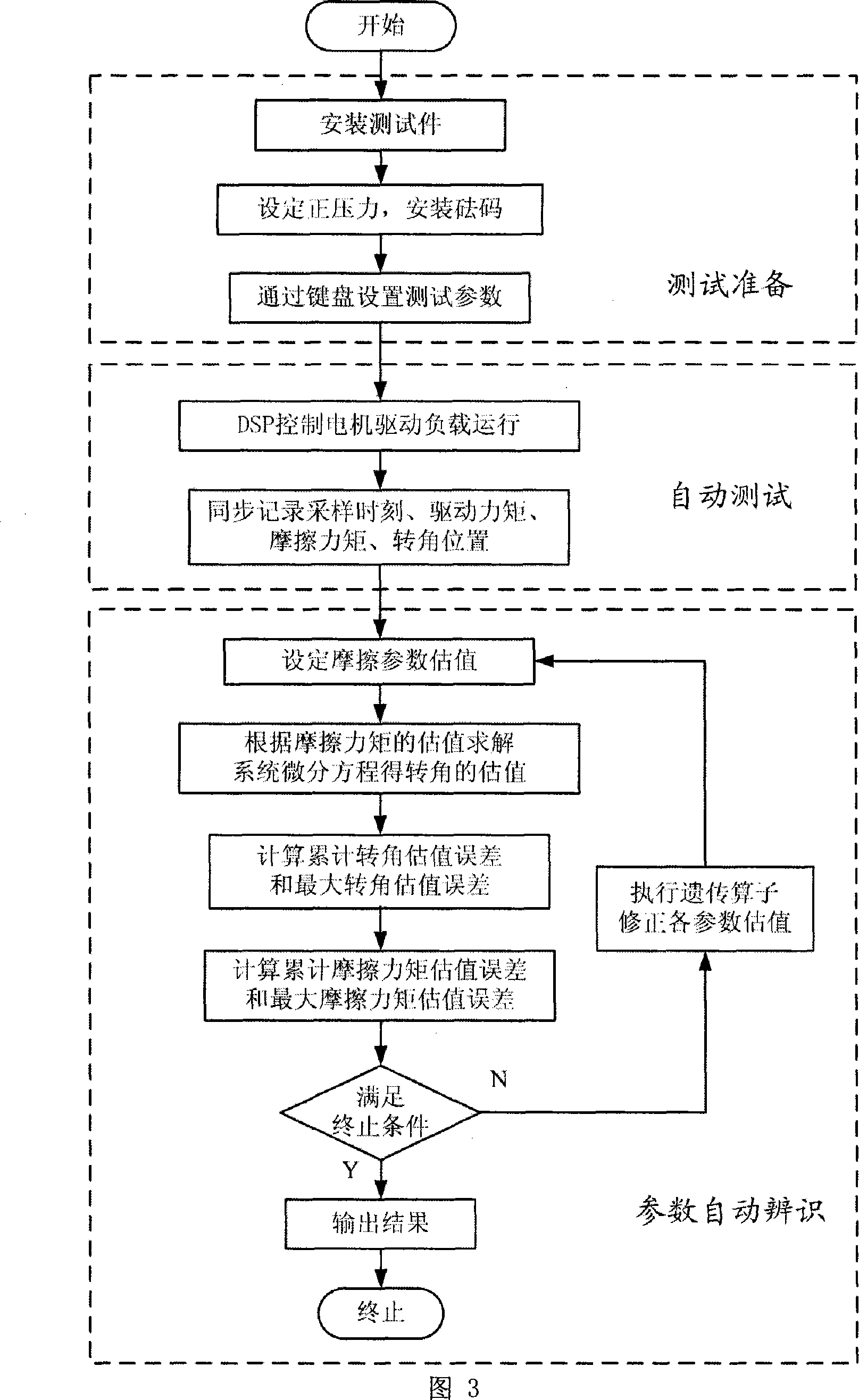
- A friction torque testing device including a high-precision torque sensor and an absolute encoder is designed. It adopts a variable-period sinusoidal driving method with adjustable dead time, and combines with a controller to achieve real-time measurement and automatic analysis of friction torque, rotational speed, rotation angle and driving torque. , using one-step identification method to convert the optimization problem into solving the optimization equation, and automatically identify the dynamic and static friction parameters.

Planetary roller screw pair friction torque test and evaluation method and system
PatentPendingCN118275021A
Innovation
- Build a planetary roller screw pair friction torque test system. Through the friction torque performance test bench, friction torque tensioner test device and data acquisition and processing terminal, the friction torque data is measured and processed, and various evaluation values of the friction torque are calculated. Combined with the actual There are national standards for ball screw pair friction test for evaluation.


Standardization Framework for Roller Screw Testing
The establishment of a comprehensive standardization framework for roller screw testing represents a critical need in the mechanical transmission industry, particularly for quantifying friction characteristics across varying operational speeds. Current testing methodologies lack uniformity, leading to inconsistent data interpretation and limited cross-platform compatibility of research findings.
International standards organizations, including ISO and ASTM, have recognized the necessity for standardized testing protocols specific to planetary roller screw mechanisms. The proposed framework encompasses multiple testing dimensions, including load conditions, speed ranges, lubrication parameters, and environmental factors that directly influence Stribeck curve characteristics.
The standardization framework should incorporate precise measurement protocols for friction coefficient determination across the complete speed spectrum. This includes establishing baseline testing conditions, calibration procedures for measurement equipment, and standardized data collection intervals. Particular attention must be given to the transition zones within the Stribeck curve, where friction behavior exhibits significant variations.
Testing apparatus standardization forms another crucial component, requiring specifications for load application systems, torque measurement devices, and speed control mechanisms. The framework must define minimum accuracy requirements, measurement resolution standards, and acceptable tolerance ranges for all testing equipment used in friction characterization studies.
Data reporting standards constitute an essential element, establishing uniform formats for presenting friction versus speed relationships. This includes standardized graphical representations, statistical analysis requirements, and metadata documentation protocols. The framework should specify mandatory parameters such as temperature ranges, lubrication specifications, material properties, and surface finish characteristics.
Validation procedures represent the final cornerstone of the standardization framework, incorporating inter-laboratory testing protocols and reference material specifications. These procedures ensure reproducibility across different testing facilities and provide confidence intervals for friction measurements. The framework must also address uncertainty quantification methods and establish acceptable variance thresholds for standardized testing results, enabling reliable comparison of planetary roller screw performance across different manufacturers and research institutions.
International standards organizations, including ISO and ASTM, have recognized the necessity for standardized testing protocols specific to planetary roller screw mechanisms. The proposed framework encompasses multiple testing dimensions, including load conditions, speed ranges, lubrication parameters, and environmental factors that directly influence Stribeck curve characteristics.
The standardization framework should incorporate precise measurement protocols for friction coefficient determination across the complete speed spectrum. This includes establishing baseline testing conditions, calibration procedures for measurement equipment, and standardized data collection intervals. Particular attention must be given to the transition zones within the Stribeck curve, where friction behavior exhibits significant variations.
Testing apparatus standardization forms another crucial component, requiring specifications for load application systems, torque measurement devices, and speed control mechanisms. The framework must define minimum accuracy requirements, measurement resolution standards, and acceptable tolerance ranges for all testing equipment used in friction characterization studies.
Data reporting standards constitute an essential element, establishing uniform formats for presenting friction versus speed relationships. This includes standardized graphical representations, statistical analysis requirements, and metadata documentation protocols. The framework should specify mandatory parameters such as temperature ranges, lubrication specifications, material properties, and surface finish characteristics.
Validation procedures represent the final cornerstone of the standardization framework, incorporating inter-laboratory testing protocols and reference material specifications. These procedures ensure reproducibility across different testing facilities and provide confidence intervals for friction measurements. The framework must also address uncertainty quantification methods and establish acceptable variance thresholds for standardized testing results, enabling reliable comparison of planetary roller screw performance across different manufacturers and research institutions.
Lubrication Strategy Optimization for Roller Screws
The optimization of lubrication strategies for planetary roller screws requires a comprehensive understanding of the Stribeck curve behavior and its implications for friction management across varying operational speeds. Effective lubrication strategy development must account for the complex tribological interactions between rollers, screw threads, and nut components under different loading and speed conditions.
Traditional lubrication approaches for roller screws often employ constant viscosity lubricants without considering the dynamic nature of friction coefficients across the operational speed spectrum. However, the Stribeck relationship demonstrates that friction behavior transitions through distinct regimes - boundary, mixed, and hydrodynamic lubrication - each requiring tailored lubrication parameters to achieve optimal performance.
Advanced lubrication strategies incorporate variable viscosity formulations that adapt to changing operational conditions. These adaptive systems utilize temperature-responsive additives and pressure-activated viscosity modifiers to maintain optimal film thickness throughout the Stribeck transition zones. The implementation of such systems requires precise calibration based on quantified friction-speed relationships specific to each roller screw configuration.
Multi-grade lubrication systems represent another strategic approach, employing different lubricant compositions for distinct operational phases. During low-speed, high-load conditions where boundary lubrication dominates, extreme pressure additives and anti-wear compounds become critical. Conversely, high-speed operations benefit from lower viscosity base oils that minimize churning losses while maintaining adequate film formation.
Micro-lubrication delivery systems offer precise control over lubricant distribution and quantity, enabling real-time adjustment based on instantaneous friction measurements. These systems integrate feedback mechanisms that monitor friction coefficients and automatically adjust lubrication parameters to maintain operation within optimal Stribeck curve regions.
The integration of solid lubricant coatings with liquid lubrication systems provides hybrid solutions that address the complete Stribeck spectrum. Molybdenum disulfide or diamond-like carbon coatings handle boundary lubrication scenarios, while engineered surface textures enhance hydrodynamic film formation at higher speeds. This multi-modal approach ensures consistent performance across the entire operational envelope while minimizing wear and energy consumption.
Traditional lubrication approaches for roller screws often employ constant viscosity lubricants without considering the dynamic nature of friction coefficients across the operational speed spectrum. However, the Stribeck relationship demonstrates that friction behavior transitions through distinct regimes - boundary, mixed, and hydrodynamic lubrication - each requiring tailored lubrication parameters to achieve optimal performance.
Advanced lubrication strategies incorporate variable viscosity formulations that adapt to changing operational conditions. These adaptive systems utilize temperature-responsive additives and pressure-activated viscosity modifiers to maintain optimal film thickness throughout the Stribeck transition zones. The implementation of such systems requires precise calibration based on quantified friction-speed relationships specific to each roller screw configuration.
Multi-grade lubrication systems represent another strategic approach, employing different lubricant compositions for distinct operational phases. During low-speed, high-load conditions where boundary lubrication dominates, extreme pressure additives and anti-wear compounds become critical. Conversely, high-speed operations benefit from lower viscosity base oils that minimize churning losses while maintaining adequate film formation.
Micro-lubrication delivery systems offer precise control over lubricant distribution and quantity, enabling real-time adjustment based on instantaneous friction measurements. These systems integrate feedback mechanisms that monitor friction coefficients and automatically adjust lubrication parameters to maintain operation within optimal Stribeck curve regions.
The integration of solid lubricant coatings with liquid lubrication systems provides hybrid solutions that address the complete Stribeck spectrum. Molybdenum disulfide or diamond-like carbon coatings handle boundary lubrication scenarios, while engineered surface textures enhance hydrodynamic film formation at higher speeds. This multi-modal approach ensures consistent performance across the entire operational envelope while minimizing wear and energy consumption.
Unlock deeper insights with PatSnap Eureka Quick Research — get a full tech report to explore trends and direct your research. Try now!
Generate Your Research Report Instantly with AI Agent
Supercharge your innovation with PatSnap Eureka AI Agent Platform!