
Quantify Small Solar Panel Soiling Loss for Maintenance
OCT 9, 20269 MIN READ
Generate Your Research Report Instantly with AI Agent
Patsnap Eureka helps you evaluate technical feasibility & market potential.
Solar Panel Soiling Background and Quantification Goals
Solar photovoltaic technology has experienced exponential growth over the past two decades, evolving from a niche renewable energy source to a mainstream power generation solution. As global installed capacity surpasses 1,500 gigawatts, the industry has shifted focus from pure capacity expansion to operational efficiency optimization. A critical factor affecting solar panel performance is soiling, the accumulation of dust, dirt, pollen, bird droppings, and other particulate matter on panel surfaces. This phenomenon can reduce energy output by 5% to 40% depending on environmental conditions, geographic location, and cleaning frequency.
The economic impact of soiling-related losses has become increasingly significant as solar installations proliferate in arid and semi-arid regions where dust accumulation is particularly severe. Traditional maintenance approaches rely on fixed cleaning schedules or visual inspections, often resulting in either excessive maintenance costs or prolonged periods of suboptimal performance. The lack of precise, real-time quantification methods prevents operators from implementing cost-effective, data-driven maintenance strategies.
Recent technological advances in sensor technology, machine learning algorithms, and remote monitoring systems have created new opportunities for accurate soiling detection and quantification. However, existing solutions often require expensive equipment, complex installation procedures, or fail to provide the granular data necessary for small-scale installations. The challenge lies in developing accessible, cost-effective methods that can accurately measure minor soiling losses before they accumulate into significant performance degradation.
The primary goal of quantifying small solar panel soiling losses is to enable predictive maintenance strategies that optimize the balance between cleaning costs and energy production losses. This requires measurement systems capable of detecting performance degradation as low as 1-2%, providing early warning signals before soiling reaches critical levels. Additionally, quantification methods must be scalable across diverse installation sizes, from residential rooftop systems to utility-scale solar farms, while remaining economically viable for operators with varying technical capabilities and budget constraints.
The economic impact of soiling-related losses has become increasingly significant as solar installations proliferate in arid and semi-arid regions where dust accumulation is particularly severe. Traditional maintenance approaches rely on fixed cleaning schedules or visual inspections, often resulting in either excessive maintenance costs or prolonged periods of suboptimal performance. The lack of precise, real-time quantification methods prevents operators from implementing cost-effective, data-driven maintenance strategies.
Recent technological advances in sensor technology, machine learning algorithms, and remote monitoring systems have created new opportunities for accurate soiling detection and quantification. However, existing solutions often require expensive equipment, complex installation procedures, or fail to provide the granular data necessary for small-scale installations. The challenge lies in developing accessible, cost-effective methods that can accurately measure minor soiling losses before they accumulate into significant performance degradation.
The primary goal of quantifying small solar panel soiling losses is to enable predictive maintenance strategies that optimize the balance between cleaning costs and energy production losses. This requires measurement systems capable of detecting performance degradation as low as 1-2%, providing early warning signals before soiling reaches critical levels. Additionally, quantification methods must be scalable across diverse installation sizes, from residential rooftop systems to utility-scale solar farms, while remaining economically viable for operators with varying technical capabilities and budget constraints.
Market Demand for Soiling Loss Monitoring Solutions
The global solar energy market has experienced exponential growth over the past decade, with photovoltaic installations expanding from utility-scale farms to distributed rooftop systems. This proliferation has created a substantial market for performance optimization technologies, particularly solutions addressing soiling-induced energy losses. Soiling, the accumulation of dust, pollen, bird droppings, and other particulates on panel surfaces, represents one of the most significant yet variable factors affecting solar energy yield. Industry studies indicate that soiling can reduce panel efficiency substantially in arid and semi-arid regions, making accurate quantification essential for optimizing cleaning schedules and maximizing return on investment.
The demand for soiling loss monitoring solutions is driven by multiple stakeholder groups with distinct requirements. Large-scale solar farm operators seek comprehensive monitoring systems to manage thousands of panels across extensive installations, where even marginal efficiency improvements translate to significant revenue gains. These operators require scalable solutions capable of providing real-time data analytics and predictive maintenance insights. Meanwhile, commercial and industrial facility owners with rooftop installations increasingly recognize that unmonitored soiling can silently erode projected energy savings, undermining business case assumptions and sustainability commitments.
Residential solar adopters represent an emerging demand segment, particularly in regions with high dust exposure or limited rainfall. As residential installations proliferate globally, homeowners are becoming more sophisticated consumers seeking transparency regarding system performance. The ability to quantify soiling losses empowers these users to make informed decisions about cleaning frequency, balancing maintenance costs against energy production gains. This democratization of solar performance monitoring is creating opportunities for cost-effective, user-friendly solutions tailored to smaller installations.
Geographic variations in soiling patterns further amplify market demand. Regions with desert climates, agricultural activities, or industrial emissions experience accelerated soiling rates, creating acute needs for monitoring technologies. Emerging solar markets in Middle Eastern countries, North Africa, India, and parts of China face particularly severe soiling challenges, driving demand for localized solutions that account for regional environmental conditions. Additionally, regulatory frameworks in certain jurisdictions are beginning to mandate performance monitoring and reporting, creating compliance-driven demand for soiling quantification technologies that can integrate with broader energy management systems.
The demand for soiling loss monitoring solutions is driven by multiple stakeholder groups with distinct requirements. Large-scale solar farm operators seek comprehensive monitoring systems to manage thousands of panels across extensive installations, where even marginal efficiency improvements translate to significant revenue gains. These operators require scalable solutions capable of providing real-time data analytics and predictive maintenance insights. Meanwhile, commercial and industrial facility owners with rooftop installations increasingly recognize that unmonitored soiling can silently erode projected energy savings, undermining business case assumptions and sustainability commitments.
Residential solar adopters represent an emerging demand segment, particularly in regions with high dust exposure or limited rainfall. As residential installations proliferate globally, homeowners are becoming more sophisticated consumers seeking transparency regarding system performance. The ability to quantify soiling losses empowers these users to make informed decisions about cleaning frequency, balancing maintenance costs against energy production gains. This democratization of solar performance monitoring is creating opportunities for cost-effective, user-friendly solutions tailored to smaller installations.
Geographic variations in soiling patterns further amplify market demand. Regions with desert climates, agricultural activities, or industrial emissions experience accelerated soiling rates, creating acute needs for monitoring technologies. Emerging solar markets in Middle Eastern countries, North Africa, India, and parts of China face particularly severe soiling challenges, driving demand for localized solutions that account for regional environmental conditions. Additionally, regulatory frameworks in certain jurisdictions are beginning to mandate performance monitoring and reporting, creating compliance-driven demand for soiling quantification technologies that can integrate with broader energy management systems.
Current Soiling Detection Challenges and Limitations
Accurately quantifying small-scale soiling losses on solar panels presents significant technical challenges that complicate maintenance decision-making. Traditional soiling detection methods often lack the sensitivity required to detect minor accumulations of dust, pollen, and particulate matter that incrementally degrade performance. Most conventional approaches rely on periodic manual inspections or fixed cleaning schedules rather than real-time, data-driven assessments, leading to either premature maintenance interventions or delayed responses that allow efficiency losses to compound.
The primary limitation stems from measurement precision constraints. Standard monitoring systems typically track overall power output deviations, but these signals can be confounded by multiple variables including weather fluctuations, shading effects, and equipment degradation. Isolating the specific contribution of soiling from these competing factors requires sophisticated analytical techniques that many existing systems lack. Furthermore, small soiling losses often fall within the noise threshold of conventional sensors, making them statistically indistinguishable from normal operational variations.
Spatial heterogeneity across solar installations introduces additional complexity. Soiling patterns vary significantly depending on panel orientation, local environmental conditions, and proximity to pollution sources. A single reference sensor or soiling station cannot adequately represent conditions across large-scale arrays, yet deploying dense sensor networks remains economically prohibitive for most operators. This spatial sampling limitation results in incomplete visibility into localized soiling hotspots that may require targeted cleaning interventions.
Cost-effectiveness barriers further constrain detection capabilities. High-precision soiling sensors and imaging systems capable of detecting minor contamination exist but remain expensive relative to the incremental revenue losses from small soiling events. This economic mismatch creates a detection threshold below which monitoring becomes financially unjustifiable, leaving a blind spot for gradual accumulation patterns. Additionally, many detection technologies require calibration maintenance and expert interpretation, adding operational complexity that limits widespread adoption.
Temporal resolution represents another critical challenge. Soiling accumulation is a dynamic process influenced by rainfall, wind patterns, and seasonal variations. Point-in-time measurements may miss transient conditions or fail to capture accumulation rates, which are essential for predictive maintenance scheduling. Continuous monitoring solutions address this gap but generate data management challenges and increase system complexity, particularly for distributed installations with limited connectivity infrastructure.
The primary limitation stems from measurement precision constraints. Standard monitoring systems typically track overall power output deviations, but these signals can be confounded by multiple variables including weather fluctuations, shading effects, and equipment degradation. Isolating the specific contribution of soiling from these competing factors requires sophisticated analytical techniques that many existing systems lack. Furthermore, small soiling losses often fall within the noise threshold of conventional sensors, making them statistically indistinguishable from normal operational variations.
Spatial heterogeneity across solar installations introduces additional complexity. Soiling patterns vary significantly depending on panel orientation, local environmental conditions, and proximity to pollution sources. A single reference sensor or soiling station cannot adequately represent conditions across large-scale arrays, yet deploying dense sensor networks remains economically prohibitive for most operators. This spatial sampling limitation results in incomplete visibility into localized soiling hotspots that may require targeted cleaning interventions.
Cost-effectiveness barriers further constrain detection capabilities. High-precision soiling sensors and imaging systems capable of detecting minor contamination exist but remain expensive relative to the incremental revenue losses from small soiling events. This economic mismatch creates a detection threshold below which monitoring becomes financially unjustifiable, leaving a blind spot for gradual accumulation patterns. Additionally, many detection technologies require calibration maintenance and expert interpretation, adding operational complexity that limits widespread adoption.
Temporal resolution represents another critical challenge. Soiling accumulation is a dynamic process influenced by rainfall, wind patterns, and seasonal variations. Point-in-time measurements may miss transient conditions or fail to capture accumulation rates, which are essential for predictive maintenance scheduling. Continuous monitoring solutions address this gap but generate data management challenges and increase system complexity, particularly for distributed installations with limited connectivity infrastructure.
Existing Soiling Quantification Methods
01 Monitoring dust accumulation and power loss caused by soiling
Systems and methods are developed to monitor and evaluate the power and energy loss resulting from dust deposition and contamination on the surface of solar cell panels, allowing for accurate assessment of soiling impacts on overall solar array performance.- Monitoring and quantification of power loss caused by dust and soiling: Systems and methods are provided to continuously monitor, detect, and quantify the electrical power loss specifically caused by dust accumulation, soiling, and contamination on the surfaces of solar panels. By evaluating environmental contamination levels alongside output performance, these techniques allow for precise identification of efficiency degradation attributable to surface dirt.
- Automated cleaning and snow removal systems for solar panels: Apparatuses and methods are designed to automatically maintain the cleanliness of solar panels by removing dust, debris, and snow. These solutions incorporate automated cleaning devices and snow-removal mechanisms that operate autonomously or based on dirt monitoring signals, preventing structural damage and restoring optimal light absorption.
- Analysis of partial shading and general power loss in solar arrays: Diagnostic techniques and systems focus on analyzing energy loss resulting from partial shading, defective solar cells, and general performance degradation across photovoltaic modules. These methods perform real-time analysis to identify underperforming components within an array and assess non-soiling related power drops.
- Optimization of solar panel mounting, framing, and support structures: Innovations in mounting hardware, support brackets, framing assemblies, and attachment clips facilitate easier installation, angle adjustment, and structural stability of solar panels. These structural components streamline assembly, optimize space, and ensure secure positioning against environmental factors.
- Environmental soil and water loss monitoring and control: Systems and methodologies utilize remote sensing, small watershed monitoring equipment, and specialized control panels to observe and reduce soil erosion, surface runoff, and water loss. These approaches assess soil health and erosion patterns to aid in environmental conservation and land management.
02 Automated cleaning and snow removal solutions for solar panels
Equipment and autonomous devices are designed to clear accumulated soil, dust, and snow from solar panels. These systems mitigate power degradation and structural risks by providing targeted or scheduled cleaning based on monitored contamination levels.Expand Specific Solutions03 Identification and evaluation of degradation and performance loss
Analytical tools and methods are implemented to identify underperforming solar wafers or panels, quantify overall energy degradation losses, and evaluate performance variations caused by factors such as partial shading and component defects.Expand Specific Solutions04 Soil erosion and watershed soil loss monitoring technologies
Monitoring systems and methods utilize nature-based approaches, remote sensing, and pattern identification to track soil and water loss, control erosion, and assess environmental protection priorities in small watersheds.Expand Specific Solutions05 Structural designs and mounting mechanisms for solar panels
Innovative mechanical support brackets, installation bases, rotation mechanisms, and structural components are provided to optimize panel positioning, facilitate assembly, improve mounting stability, and protect solar arrays under diverse environmental conditions.Expand Specific Solutions
Key Players in Solar Monitoring Industry
The solar panel soiling quantification and maintenance sector is experiencing rapid growth as the renewable energy industry matures and operators prioritize performance optimization. The market is expanding significantly, driven by increasing solar installations globally and the critical need to minimize efficiency losses from dust and debris accumulation. Technology maturity varies considerably across players: specialized firms like Solar Unsoiled and Atonometrics have developed advanced soiling monitoring and prediction platforms specifically designed for this application, while established monitoring providers such as Locus Energy (AlsoEnergy) and Campbell Scientific integrate soiling assessment into broader asset management systems. Major energy operators including ACWA Power, Duke Energy, and various Chinese utilities are actively implementing these solutions. Research institutions like King Abdullah University and Universidad de Jaén contribute to advancing measurement methodologies. The competitive landscape shows a transition from basic manual inspection toward AI-driven predictive analytics and automated optimization systems that maximize cleaning ROI.
Atonometrics, Inc.
Technical Solution: Atonometrics develops precision optical measurement systems for quantifying soiling losses on photovoltaic panels. Their core technology utilizes spectral reflectance analysis combined with calibrated reference cells to measure the optical transmission losses caused by dust and debris accumulation. The system employs automated soiling measurement stations that compare the performance of cleaned reference panels against naturally soiled panels to calculate exact soiling ratios. Their solution provides granular data on soiling rates with measurement accuracy within 0.5% deviation, enabling precise calculation of energy losses attributable to soiling. The technology includes environmental correlation algorithms that link soiling rates to local weather patterns, particulate matter concentrations, and seasonal variations, providing comprehensive soiling loss profiles for maintenance decision-making.
Strengths: High measurement precision using optical methods, automated data collection reduces manual intervention, strong correlation with actual energy losses. Weaknesses: Higher initial equipment investment, requires periodic calibration maintenance, performance may be affected by extreme weather conditions.
Campbell Scientific, Inc.
Technical Solution: Campbell Scientific manufactures precision environmental monitoring equipment including specialized sensors for solar panel soiling assessment. Their soiling measurement solution combines pyranometer arrays with transmissometer technology to quantify light transmission losses through soiled panel surfaces. The system deploys matched pairs of irradiance sensors—one measuring incident solar radiation and another measuring transmitted radiation through representative soiled glass samples—to calculate real-time soiling loss percentages. Their datalogger systems record measurements at configurable intervals (typically 1-15 minutes) providing high-resolution soiling accumulation data. The equipment includes temperature compensation algorithms and automated quality control checks to ensure measurement reliability. Integration with their weather station products enables correlation of soiling rates with wind speed, humidity, precipitation, and particulate matter levels, facilitating predictive maintenance modeling for optimal cleaning schedules.
Strengths: High-quality scientific-grade instrumentation, flexible system configuration, excellent long-term reliability and data accuracy. Weaknesses: Requires technical expertise for installation and configuration, higher cost compared to consumer-grade solutions, may be over-specified for simple residential applications.
Core Innovations in Micro-Scale Soiling Detection
Soiling measurement system for photovoltaic arrays
PatentActiveUS20150280644A1
Innovation
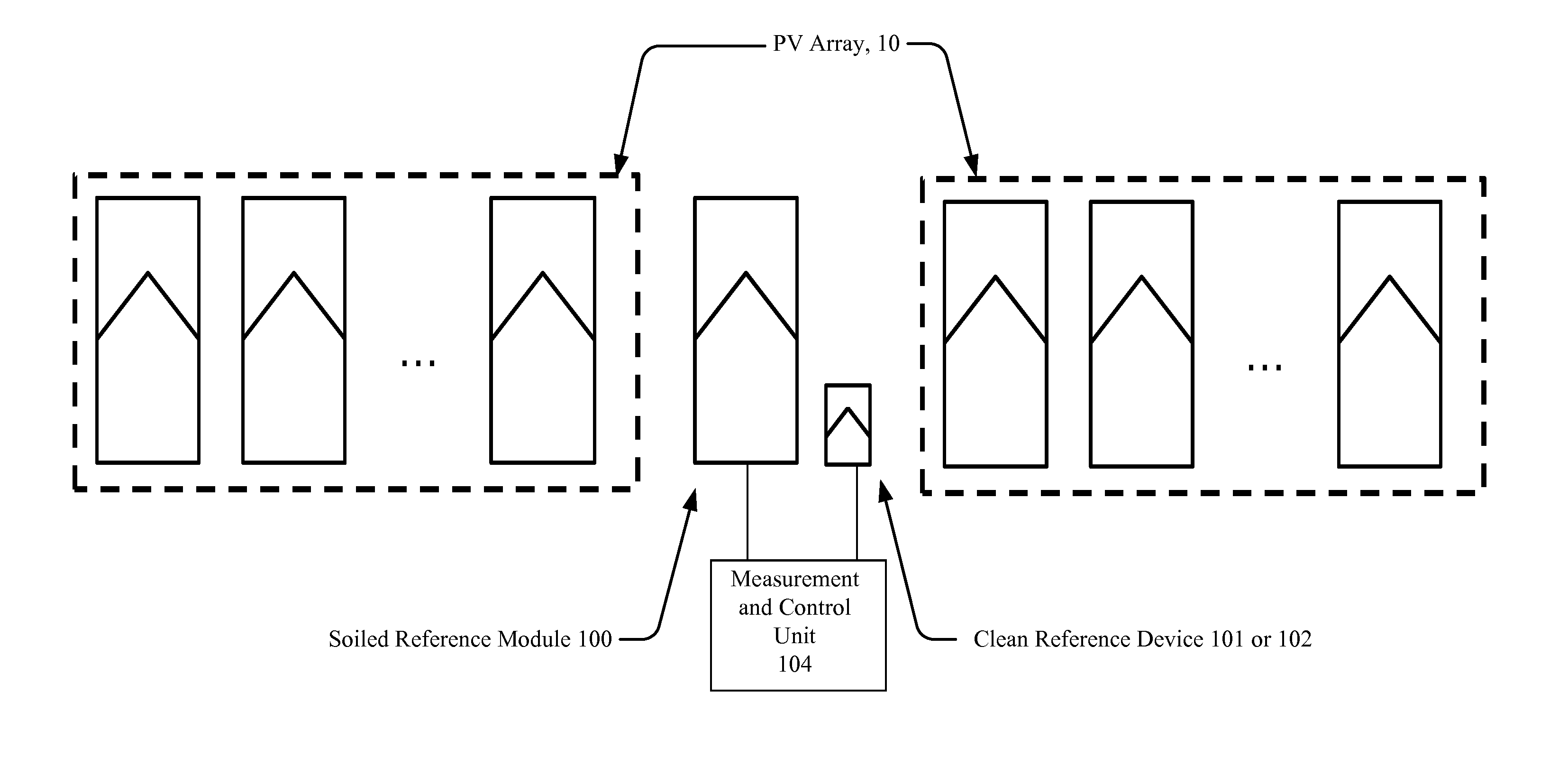
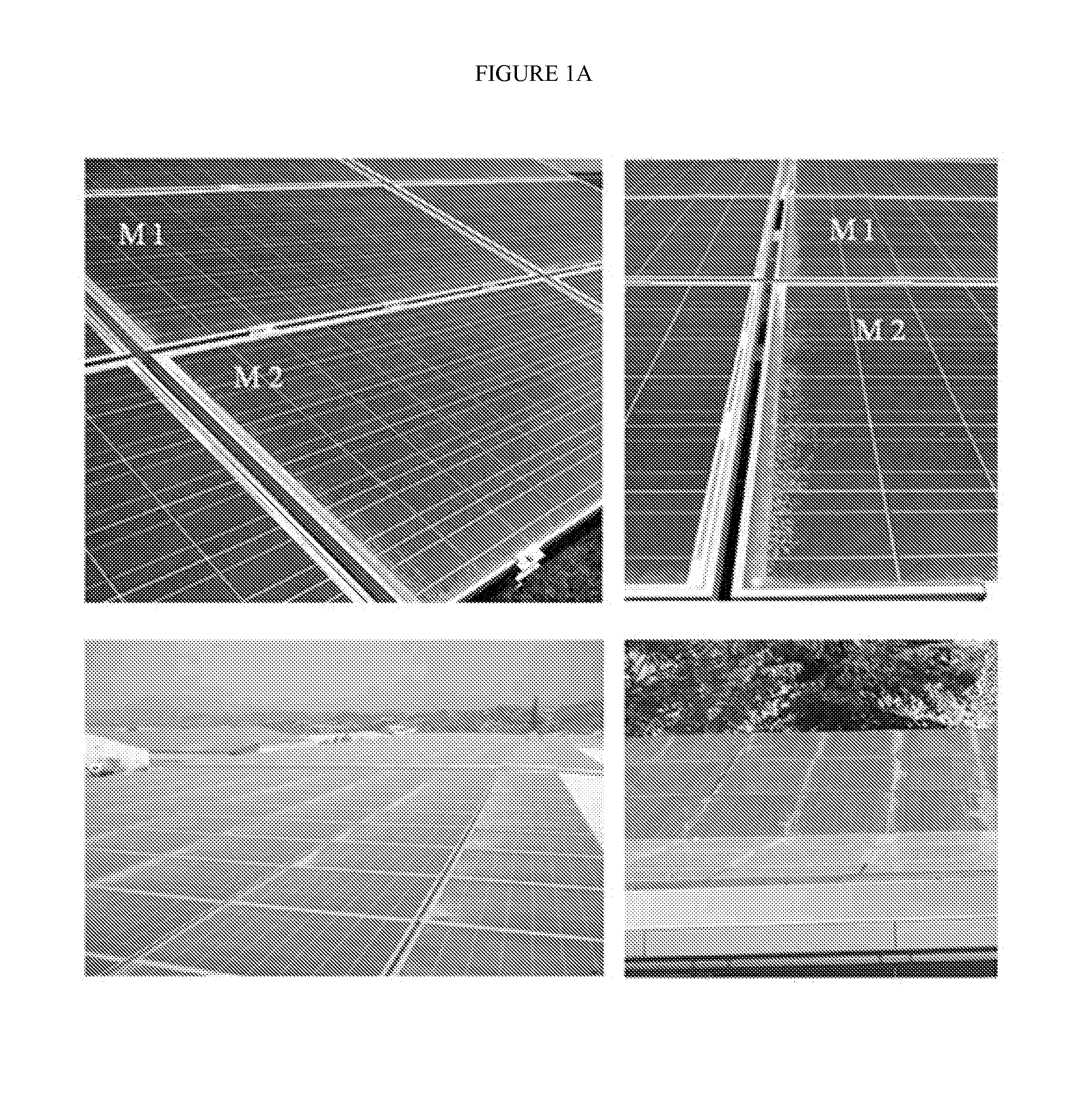
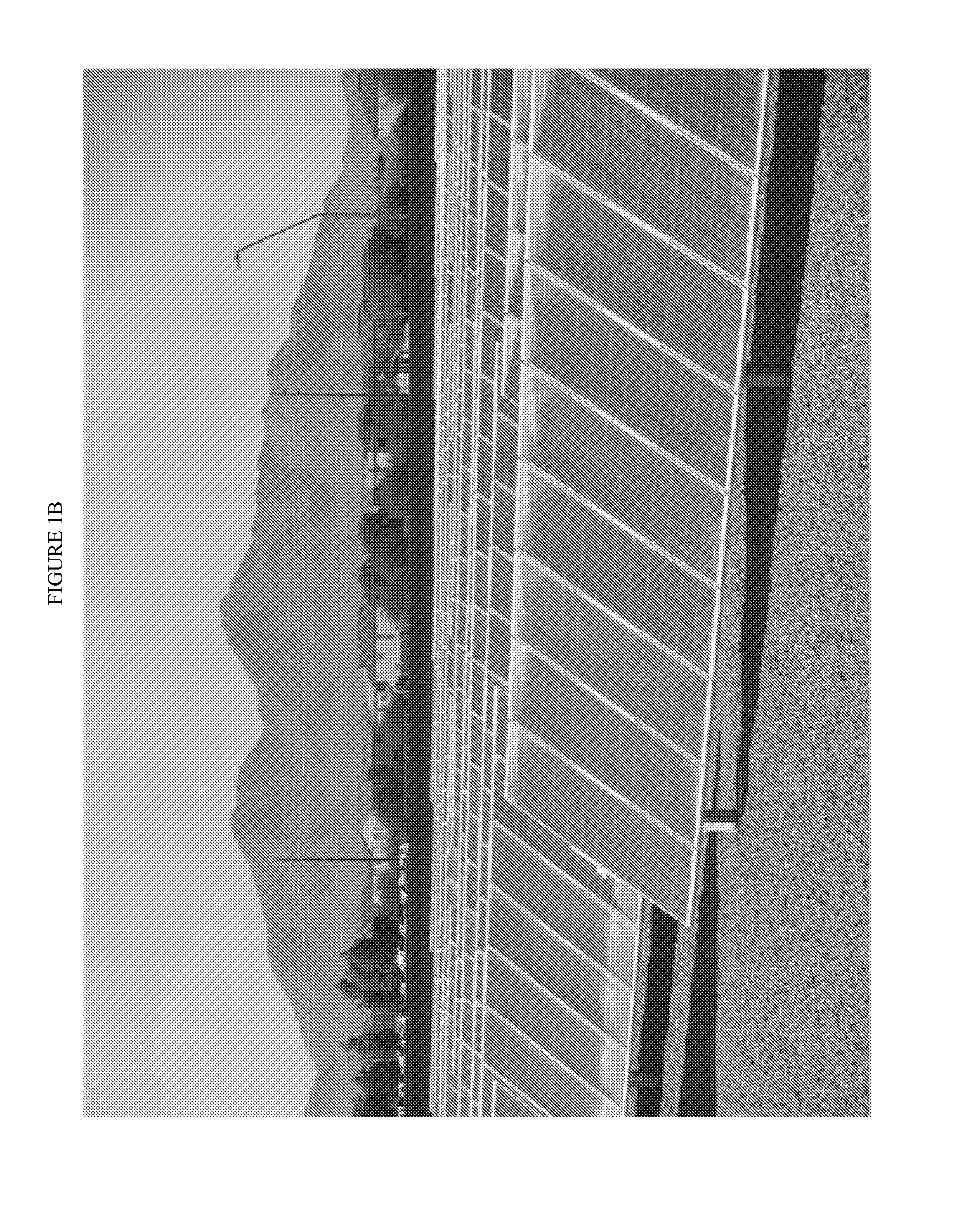
- A system comprising a soiled reference module and a clean reference device, either a module or cell, coupled with a measurement and control unit, allows for accurate measurement of soiling-related power losses by analyzing temperature and electrical output parameters, and includes an automated cleaning system to minimize maintenance and water usage.

Soiling measurement device for photovoltaic arrays employing microscopic imaging
PatentActiveUS10171029B2
Innovation
- A device comprising a transparent window and an imaging unit that captures images of soiling particles, coupled with a computing element to analyze the images and determine soiling levels, allowing for accurate measurement without routine cleaning and compensating for variations in sunlight intensity, using a combination of direct and diffuse sunlight or internal illumination.


Cost-Benefit Analysis for Small Panel Maintenance
Implementing a maintenance program for small solar panels requires careful economic evaluation to ensure resource allocation delivers measurable returns. The cost-benefit analysis framework must account for the unique characteristics of small-scale installations, where maintenance expenses can disproportionately impact overall system economics compared to utility-scale facilities. Understanding the financial implications of soiling-related losses versus intervention costs forms the foundation for rational maintenance decision-making.
The cost structure for small panel maintenance encompasses several components including labor, cleaning materials, equipment, and potential system downtime. For residential and small commercial installations, labor costs typically dominate, particularly when professional services are required. Material costs remain relatively modest, involving water, cleaning solutions, and soft brushes or automated cleaning devices. However, the frequency of interventions significantly multiplies these unit costs, making optimization critical for economic viability.
Quantifying the benefits requires translating soiling loss measurements into financial terms through energy production recovery. When soiling reduces panel output by measurable percentages, the corresponding energy loss can be valued using electricity rates or feed-in tariffs. For example, a 5% soiling loss on a 5kW residential system in a region with $0.15/kWh electricity costs translates to specific annual revenue losses that can be recovered through maintenance. The benefit calculation must also consider the cumulative nature of soiling and the timing of interventions relative to seasonal patterns.
The break-even analysis reveals critical thresholds where maintenance becomes economically justified. Small installations face inherent disadvantages due to fixed costs that cannot be distributed across large capacities. Research indicates that maintenance interventions become cost-effective when soiling losses exceed 3-7% for most residential systems, though this threshold varies with local labor costs, electricity prices, and soiling accumulation rates. Automated monitoring systems that enable predictive maintenance can improve this equation by optimizing intervention timing.
Long-term financial modeling must incorporate degradation factors, equipment lifespan, and the compounding effects of deferred maintenance. While immediate cost-benefit ratios may appear marginal, sustained soiling can accelerate panel degradation and reduce system longevity, creating hidden costs that traditional analyses overlook. Conversely, excessive cleaning frequency may introduce mechanical wear risks that offset energy recovery benefits, requiring balanced maintenance protocols informed by quantitative soiling data.
The cost structure for small panel maintenance encompasses several components including labor, cleaning materials, equipment, and potential system downtime. For residential and small commercial installations, labor costs typically dominate, particularly when professional services are required. Material costs remain relatively modest, involving water, cleaning solutions, and soft brushes or automated cleaning devices. However, the frequency of interventions significantly multiplies these unit costs, making optimization critical for economic viability.
Quantifying the benefits requires translating soiling loss measurements into financial terms through energy production recovery. When soiling reduces panel output by measurable percentages, the corresponding energy loss can be valued using electricity rates or feed-in tariffs. For example, a 5% soiling loss on a 5kW residential system in a region with $0.15/kWh electricity costs translates to specific annual revenue losses that can be recovered through maintenance. The benefit calculation must also consider the cumulative nature of soiling and the timing of interventions relative to seasonal patterns.
The break-even analysis reveals critical thresholds where maintenance becomes economically justified. Small installations face inherent disadvantages due to fixed costs that cannot be distributed across large capacities. Research indicates that maintenance interventions become cost-effective when soiling losses exceed 3-7% for most residential systems, though this threshold varies with local labor costs, electricity prices, and soiling accumulation rates. Automated monitoring systems that enable predictive maintenance can improve this equation by optimizing intervention timing.
Long-term financial modeling must incorporate degradation factors, equipment lifespan, and the compounding effects of deferred maintenance. While immediate cost-benefit ratios may appear marginal, sustained soiling can accelerate panel degradation and reduce system longevity, creating hidden costs that traditional analyses overlook. Conversely, excessive cleaning frequency may introduce mechanical wear risks that offset energy recovery benefits, requiring balanced maintenance protocols informed by quantitative soiling data.
Environmental Factors Impacting Soiling Rates
Environmental factors play a critical role in determining soiling accumulation rates on small solar panels, directly influencing the accuracy of quantifying maintenance-driven energy losses. Geographic location establishes the baseline environmental context, with arid and semi-arid regions experiencing significantly higher soiling rates due to dust storms and limited natural cleaning from rainfall. Coastal installations face different challenges, including salt deposition and marine aerosols that create adhesive layers promoting particle retention. Urban and industrial zones introduce combustion byproducts, particulate matter, and chemical pollutants that alter soiling composition and adhesion characteristics.
Meteorological conditions constitute the primary dynamic variables affecting soiling behavior. Precipitation patterns serve as the most significant natural cleaning mechanism, with rainfall intensity, duration, and frequency directly correlating to soiling removal efficiency. However, light rain events below critical thresholds may paradoxically increase soiling through mud splash and particle redistribution. Wind patterns exhibit dual effects: moderate winds can remove loose particles, while high-velocity winds transport abrasive dust that accelerates accumulation. Humidity levels influence particle adhesion through hygroscopic effects, where moisture creates binding forces between contaminants and panel surfaces.
Seasonal variations introduce temporal complexity to soiling rate predictions. Agricultural regions experience elevated soiling during harvest seasons when mechanical operations generate airborne particulates. Pollen dispersal periods create organic soiling layers with distinct optical and adhesion properties. Temperature fluctuations affect dew formation cycles, which can either facilitate self-cleaning through condensation-evaporation processes or enhance particle cementation through repeated wetting-drying cycles.
Microclimate factors at installation sites further modulate soiling rates. Panel tilt angle and orientation determine particle settlement patterns and natural runoff efficiency during precipitation events. Surrounding vegetation influences local dust generation and provides windbreak effects. Proximity to unpaved roads, construction sites, or agricultural operations creates localized pollution sources that substantially elevate soiling rates compared to regional averages. Understanding these multifaceted environmental interactions enables more precise soiling loss quantification models and optimized maintenance scheduling strategies tailored to specific operational contexts.
Meteorological conditions constitute the primary dynamic variables affecting soiling behavior. Precipitation patterns serve as the most significant natural cleaning mechanism, with rainfall intensity, duration, and frequency directly correlating to soiling removal efficiency. However, light rain events below critical thresholds may paradoxically increase soiling through mud splash and particle redistribution. Wind patterns exhibit dual effects: moderate winds can remove loose particles, while high-velocity winds transport abrasive dust that accelerates accumulation. Humidity levels influence particle adhesion through hygroscopic effects, where moisture creates binding forces between contaminants and panel surfaces.
Seasonal variations introduce temporal complexity to soiling rate predictions. Agricultural regions experience elevated soiling during harvest seasons when mechanical operations generate airborne particulates. Pollen dispersal periods create organic soiling layers with distinct optical and adhesion properties. Temperature fluctuations affect dew formation cycles, which can either facilitate self-cleaning through condensation-evaporation processes or enhance particle cementation through repeated wetting-drying cycles.
Microclimate factors at installation sites further modulate soiling rates. Panel tilt angle and orientation determine particle settlement patterns and natural runoff efficiency during precipitation events. Surrounding vegetation influences local dust generation and provides windbreak effects. Proximity to unpaved roads, construction sites, or agricultural operations creates localized pollution sources that substantially elevate soiling rates compared to regional averages. Understanding these multifaceted environmental interactions enables more precise soiling loss quantification models and optimized maintenance scheduling strategies tailored to specific operational contexts.
Unlock deeper insights with Patsnap Eureka Quick Research — get a full tech report to explore trends and direct your research. Try now!
Generate Your Research Report Instantly with AI Agent
Supercharge your innovation with Patsnap Eureka AI Agent Platform!