Quantify Supplier Performance Improvements via AI
FEB 28, 20269 MIN READ
Generate Your Research Report Instantly with AI Agent
Patsnap Eureka helps you evaluate technical feasibility & market potential.
AI-Driven Supplier Performance Background and Objectives
The evolution of supplier performance management has undergone significant transformation over the past decade, driven by increasing supply chain complexity and the need for real-time visibility. Traditional supplier evaluation methods, primarily relying on periodic assessments and manual data collection, have proven inadequate for today's dynamic business environment. The emergence of artificial intelligence technologies presents unprecedented opportunities to revolutionize how organizations quantify and improve supplier performance.
Modern supply chains face mounting pressure from globalization, regulatory compliance requirements, and customer expectations for quality and delivery reliability. Organizations struggle with fragmented data sources, inconsistent performance metrics, and delayed feedback loops that hinder proactive supplier management. The COVID-19 pandemic further exposed vulnerabilities in traditional supplier assessment approaches, highlighting the critical need for more agile and predictive performance measurement systems.
AI-driven supplier performance quantification represents a paradigm shift from reactive to predictive supplier management. By leveraging machine learning algorithms, natural language processing, and advanced analytics, organizations can process vast amounts of structured and unstructured data to generate comprehensive supplier performance insights. This technological approach enables continuous monitoring, automated anomaly detection, and predictive risk assessment capabilities that were previously unattainable.
The primary objective of implementing AI-driven supplier performance systems is to establish a comprehensive, real-time measurement framework that accurately quantifies supplier contributions across multiple dimensions including quality, delivery, cost, innovation, and sustainability. This framework aims to identify performance trends, predict potential disruptions, and recommend optimization strategies before issues impact business operations.
Secondary objectives include enhancing supplier collaboration through transparent performance dashboards, reducing manual assessment workloads, and enabling data-driven supplier development programs. The technology seeks to standardize performance evaluation criteria across diverse supplier categories while maintaining flexibility to accommodate industry-specific requirements and emerging performance indicators.
The ultimate goal extends beyond measurement to drive continuous improvement through AI-powered insights that inform strategic sourcing decisions, contract negotiations, and supplier relationship management strategies. This comprehensive approach positions organizations to build more resilient, efficient, and innovative supply networks capable of adapting to future market challenges and opportunities.
Modern supply chains face mounting pressure from globalization, regulatory compliance requirements, and customer expectations for quality and delivery reliability. Organizations struggle with fragmented data sources, inconsistent performance metrics, and delayed feedback loops that hinder proactive supplier management. The COVID-19 pandemic further exposed vulnerabilities in traditional supplier assessment approaches, highlighting the critical need for more agile and predictive performance measurement systems.
AI-driven supplier performance quantification represents a paradigm shift from reactive to predictive supplier management. By leveraging machine learning algorithms, natural language processing, and advanced analytics, organizations can process vast amounts of structured and unstructured data to generate comprehensive supplier performance insights. This technological approach enables continuous monitoring, automated anomaly detection, and predictive risk assessment capabilities that were previously unattainable.
The primary objective of implementing AI-driven supplier performance systems is to establish a comprehensive, real-time measurement framework that accurately quantifies supplier contributions across multiple dimensions including quality, delivery, cost, innovation, and sustainability. This framework aims to identify performance trends, predict potential disruptions, and recommend optimization strategies before issues impact business operations.
Secondary objectives include enhancing supplier collaboration through transparent performance dashboards, reducing manual assessment workloads, and enabling data-driven supplier development programs. The technology seeks to standardize performance evaluation criteria across diverse supplier categories while maintaining flexibility to accommodate industry-specific requirements and emerging performance indicators.
The ultimate goal extends beyond measurement to drive continuous improvement through AI-powered insights that inform strategic sourcing decisions, contract negotiations, and supplier relationship management strategies. This comprehensive approach positions organizations to build more resilient, efficient, and innovative supply networks capable of adapting to future market challenges and opportunities.
Market Demand for AI-Enhanced Supplier Management
The global supply chain management market is experiencing unprecedented transformation driven by increasing complexity in supplier networks and heightened demands for operational transparency. Organizations across industries are recognizing the critical need for sophisticated tools to evaluate and enhance supplier performance, moving beyond traditional manual assessment methods toward data-driven approaches.
Manufacturing sectors, particularly automotive, electronics, and pharmaceuticals, demonstrate the strongest demand for AI-enhanced supplier management solutions. These industries face stringent quality requirements, regulatory compliance mandates, and cost optimization pressures that necessitate precise supplier performance quantification. The automotive industry, with its multi-tier supplier networks and just-in-time production requirements, represents a particularly compelling use case for AI-driven supplier analytics.
Enterprise procurement departments are increasingly seeking solutions that can process vast amounts of supplier data, including delivery performance, quality metrics, cost variations, and risk indicators. Traditional supplier scorecards and periodic reviews are proving inadequate for managing dynamic supply chains where performance fluctuations can have immediate operational impacts. The demand extends beyond simple performance tracking to predictive analytics capabilities that can forecast supplier reliability and identify potential disruptions before they occur.
Small and medium-sized enterprises are emerging as a significant market segment, driven by the democratization of AI technologies and cloud-based deployment models. These organizations, previously unable to afford sophisticated supplier management systems, now seek accessible solutions that can provide enterprise-level insights without substantial infrastructure investments.
The COVID-19 pandemic has accelerated market demand by exposing vulnerabilities in global supply chains and highlighting the importance of supplier resilience. Organizations are prioritizing investments in technologies that can provide real-time visibility into supplier performance and enable rapid response to supply chain disruptions. This has created urgency around implementing AI-enhanced supplier management systems that can quantify performance improvements and support strategic sourcing decisions.
Regulatory compliance requirements, particularly in highly regulated industries such as healthcare and aerospace, are driving additional demand for comprehensive supplier performance documentation and continuous monitoring capabilities. Organizations need systems that can automatically track compliance metrics and generate audit trails for regulatory reporting purposes.
Manufacturing sectors, particularly automotive, electronics, and pharmaceuticals, demonstrate the strongest demand for AI-enhanced supplier management solutions. These industries face stringent quality requirements, regulatory compliance mandates, and cost optimization pressures that necessitate precise supplier performance quantification. The automotive industry, with its multi-tier supplier networks and just-in-time production requirements, represents a particularly compelling use case for AI-driven supplier analytics.
Enterprise procurement departments are increasingly seeking solutions that can process vast amounts of supplier data, including delivery performance, quality metrics, cost variations, and risk indicators. Traditional supplier scorecards and periodic reviews are proving inadequate for managing dynamic supply chains where performance fluctuations can have immediate operational impacts. The demand extends beyond simple performance tracking to predictive analytics capabilities that can forecast supplier reliability and identify potential disruptions before they occur.
Small and medium-sized enterprises are emerging as a significant market segment, driven by the democratization of AI technologies and cloud-based deployment models. These organizations, previously unable to afford sophisticated supplier management systems, now seek accessible solutions that can provide enterprise-level insights without substantial infrastructure investments.
The COVID-19 pandemic has accelerated market demand by exposing vulnerabilities in global supply chains and highlighting the importance of supplier resilience. Organizations are prioritizing investments in technologies that can provide real-time visibility into supplier performance and enable rapid response to supply chain disruptions. This has created urgency around implementing AI-enhanced supplier management systems that can quantify performance improvements and support strategic sourcing decisions.
Regulatory compliance requirements, particularly in highly regulated industries such as healthcare and aerospace, are driving additional demand for comprehensive supplier performance documentation and continuous monitoring capabilities. Organizations need systems that can automatically track compliance metrics and generate audit trails for regulatory reporting purposes.
Current State of AI in Supplier Performance Analytics
The current landscape of AI in supplier performance analytics represents a rapidly evolving field where traditional procurement metrics are being transformed through advanced computational capabilities. Organizations are increasingly leveraging machine learning algorithms, predictive analytics, and real-time data processing to gain deeper insights into supplier behaviors, performance patterns, and risk factors that were previously difficult to quantify or predict.
Machine learning models are now being deployed to analyze vast datasets encompassing delivery performance, quality metrics, cost variations, and compliance records. These systems can process structured data from enterprise resource planning systems alongside unstructured data from supplier communications, market reports, and external risk databases. Natural language processing techniques are being applied to extract sentiment and performance indicators from supplier correspondence and contract documentation.
Predictive analytics capabilities have matured significantly, enabling organizations to forecast supplier performance degradation before it impacts operations. Advanced algorithms can identify subtle patterns in supplier behavior that correlate with future performance issues, such as changes in delivery timing patterns, quality score fluctuations, or financial health indicators. These predictive models are increasingly sophisticated in their ability to account for external factors like market conditions, geopolitical events, and supply chain disruptions.
Real-time monitoring systems powered by AI are becoming standard practice for tier-one suppliers across industries. These systems continuously evaluate key performance indicators and can trigger automated alerts when performance metrics deviate from established baselines. Integration with IoT sensors and blockchain technology is enabling more granular tracking of supplier activities throughout the supply chain.
However, significant challenges persist in the current implementation landscape. Data quality and standardization remain primary obstacles, as supplier performance data often exists in disparate formats across different systems and organizations. Many companies struggle with incomplete historical data, inconsistent measurement methodologies, and limited visibility into sub-tier supplier networks.
The integration of AI tools with existing procurement and supply chain management systems presents ongoing technical challenges. Legacy enterprise systems often lack the flexibility to accommodate advanced analytics capabilities, requiring substantial infrastructure investments and system redesigns.
Despite these challenges, early adopters are demonstrating measurable improvements in supplier relationship management, cost optimization, and risk mitigation through AI-driven analytics platforms.
Machine learning models are now being deployed to analyze vast datasets encompassing delivery performance, quality metrics, cost variations, and compliance records. These systems can process structured data from enterprise resource planning systems alongside unstructured data from supplier communications, market reports, and external risk databases. Natural language processing techniques are being applied to extract sentiment and performance indicators from supplier correspondence and contract documentation.
Predictive analytics capabilities have matured significantly, enabling organizations to forecast supplier performance degradation before it impacts operations. Advanced algorithms can identify subtle patterns in supplier behavior that correlate with future performance issues, such as changes in delivery timing patterns, quality score fluctuations, or financial health indicators. These predictive models are increasingly sophisticated in their ability to account for external factors like market conditions, geopolitical events, and supply chain disruptions.
Real-time monitoring systems powered by AI are becoming standard practice for tier-one suppliers across industries. These systems continuously evaluate key performance indicators and can trigger automated alerts when performance metrics deviate from established baselines. Integration with IoT sensors and blockchain technology is enabling more granular tracking of supplier activities throughout the supply chain.
However, significant challenges persist in the current implementation landscape. Data quality and standardization remain primary obstacles, as supplier performance data often exists in disparate formats across different systems and organizations. Many companies struggle with incomplete historical data, inconsistent measurement methodologies, and limited visibility into sub-tier supplier networks.
The integration of AI tools with existing procurement and supply chain management systems presents ongoing technical challenges. Legacy enterprise systems often lack the flexibility to accommodate advanced analytics capabilities, requiring substantial infrastructure investments and system redesigns.
Despite these challenges, early adopters are demonstrating measurable improvements in supplier relationship management, cost optimization, and risk mitigation through AI-driven analytics platforms.
Existing AI Methods for Supplier Performance Quantification
01 Hardware acceleration and specialized processors for AI
Utilizing specialized hardware components such as GPUs, TPUs, or custom AI accelerators to enhance computational performance. These hardware solutions are designed to handle parallel processing and matrix operations efficiently, significantly improving the speed of AI model training and inference. Implementation includes optimized chip architectures and dedicated processing units that reduce latency and increase throughput for AI workloads.- Hardware acceleration and specialized processors for AI: Utilizing specialized hardware components such as GPUs, TPUs, or custom AI accelerators to enhance computational performance. These hardware solutions are designed to handle parallel processing and matrix operations efficiently, significantly improving the speed of AI model training and inference. Implementation includes optimized chip architectures and dedicated processing units that reduce latency and increase throughput for AI workloads.
- Model optimization and compression techniques: Applying various methods to reduce model size and computational requirements while maintaining accuracy. Techniques include quantization, pruning, knowledge distillation, and neural architecture search to create more efficient models. These approaches enable faster inference times, reduced memory footprint, and improved energy efficiency, making AI systems more practical for deployment in resource-constrained environments.
- Distributed computing and parallel processing frameworks: Implementing distributed systems and parallel computing architectures to scale AI performance across multiple nodes or devices. This includes techniques for workload distribution, data parallelism, and model parallelism that enable training and inference on large-scale datasets. The approach leverages cluster computing, cloud infrastructure, and edge computing to optimize resource utilization and reduce processing time.
- Memory management and data pipeline optimization: Enhancing AI performance through efficient memory allocation, caching strategies, and optimized data loading pipelines. This involves techniques for reducing memory bandwidth bottlenecks, implementing efficient data preprocessing, and utilizing advanced memory hierarchies. The optimization ensures faster data access patterns and minimizes idle time during model training and inference operations.
- Performance monitoring and adaptive optimization systems: Developing systems for real-time performance monitoring, profiling, and dynamic optimization of AI workloads. These solutions include automated tuning mechanisms, performance analytics tools, and adaptive algorithms that adjust computational resources based on workload characteristics. The systems enable continuous performance improvement through feedback loops and intelligent resource allocation strategies.
02 Model optimization and compression techniques
Applying various methods to reduce model size and computational requirements while maintaining accuracy. Techniques include quantization, pruning, knowledge distillation, and neural architecture search to create more efficient models. These approaches enable faster inference times, reduced memory footprint, and improved energy efficiency, making AI systems more practical for deployment in resource-constrained environments.Expand Specific Solutions03 Distributed computing and parallel processing frameworks
Implementing distributed systems and parallel computing architectures to scale AI performance across multiple nodes or devices. This includes techniques for workload distribution, data parallelism, and model parallelism that enable training and inference on large-scale datasets. The approach leverages cluster computing, cloud infrastructure, and edge computing to optimize resource utilization and reduce processing time.Expand Specific Solutions04 Memory management and data pipeline optimization
Enhancing AI performance through efficient memory allocation, caching strategies, and optimized data loading pipelines. This includes techniques for reducing memory bandwidth bottlenecks, implementing efficient data preprocessing, and utilizing advanced memory hierarchies. The optimization ensures faster data access patterns and minimizes idle time during model training and inference operations.Expand Specific Solutions05 Performance monitoring and adaptive optimization systems
Implementing real-time monitoring tools and adaptive systems that dynamically adjust AI performance based on workload characteristics and resource availability. These systems include profiling tools, performance metrics collection, and automated tuning mechanisms that optimize hyperparameters and resource allocation. The approach enables continuous performance improvement and efficient resource utilization across different deployment scenarios.Expand Specific Solutions
Key Players in AI Supply Chain Management Solutions
The AI-driven supplier performance quantification market is experiencing rapid growth as enterprises increasingly recognize the need for data-driven procurement optimization. The industry is transitioning from traditional manual assessment methods to sophisticated AI-powered analytics platforms, representing a significant technological shift in supply chain management. Market expansion is driven by digital transformation initiatives and the growing complexity of global supply networks. Technology maturity varies considerably across market participants, with established enterprise software leaders like IBM, SAP SE, Oracle International Corp., and Google LLC offering comprehensive AI-integrated solutions, while specialized players such as Coupa Software and Blue Yonder Group focus on targeted procurement and supply chain optimization platforms. Emerging companies like Infinity Loop Technologies are developing niche AI-powered negotiation and contract management solutions, indicating strong innovation momentum in this evolving competitive landscape.
International Business Machines Corp.
Technical Solution: IBM Watson Supply Chain leverages AI and machine learning algorithms to analyze supplier performance metrics including delivery times, quality scores, and cost efficiency. The platform uses predictive analytics to identify potential supplier risks and performance degradation before they impact operations. IBM's solution integrates natural language processing to analyze supplier communications and contracts, while machine learning models continuously learn from historical performance data to provide real-time supplier scorecards. The system can process structured and unstructured data from multiple sources including ERP systems, IoT sensors, and external market data to create comprehensive supplier performance dashboards with automated alerts and recommendations for supplier optimization.
Strengths: Comprehensive AI platform with strong enterprise integration capabilities and proven track record in supply chain analytics. Weaknesses: High implementation costs and complexity may be challenging for smaller organizations.
SAP SE
Technical Solution: SAP Ariba uses machine learning algorithms to analyze supplier performance across multiple dimensions including delivery reliability, quality metrics, compliance scores, and financial stability. The platform employs predictive analytics to forecast supplier performance trends and identify potential disruptions. SAP's AI-powered supplier risk management system continuously monitors external data sources including news feeds, financial reports, and regulatory filings to assess supplier health. The solution provides automated performance scoring based on historical data patterns and benchmarks suppliers against industry standards. Real-time dashboards display key performance indicators with drill-down capabilities for detailed analysis and automated recommendations for supplier development initiatives.
Strengths: Deep integration with existing SAP ecosystem and comprehensive procurement analytics capabilities. Weaknesses: Limited flexibility for non-SAP environments and requires significant customization for unique business requirements.
Core AI Algorithms for Supplier Performance Measurement
Supplier performance and accountability system
PatentInactiveUS8311880B1
Innovation
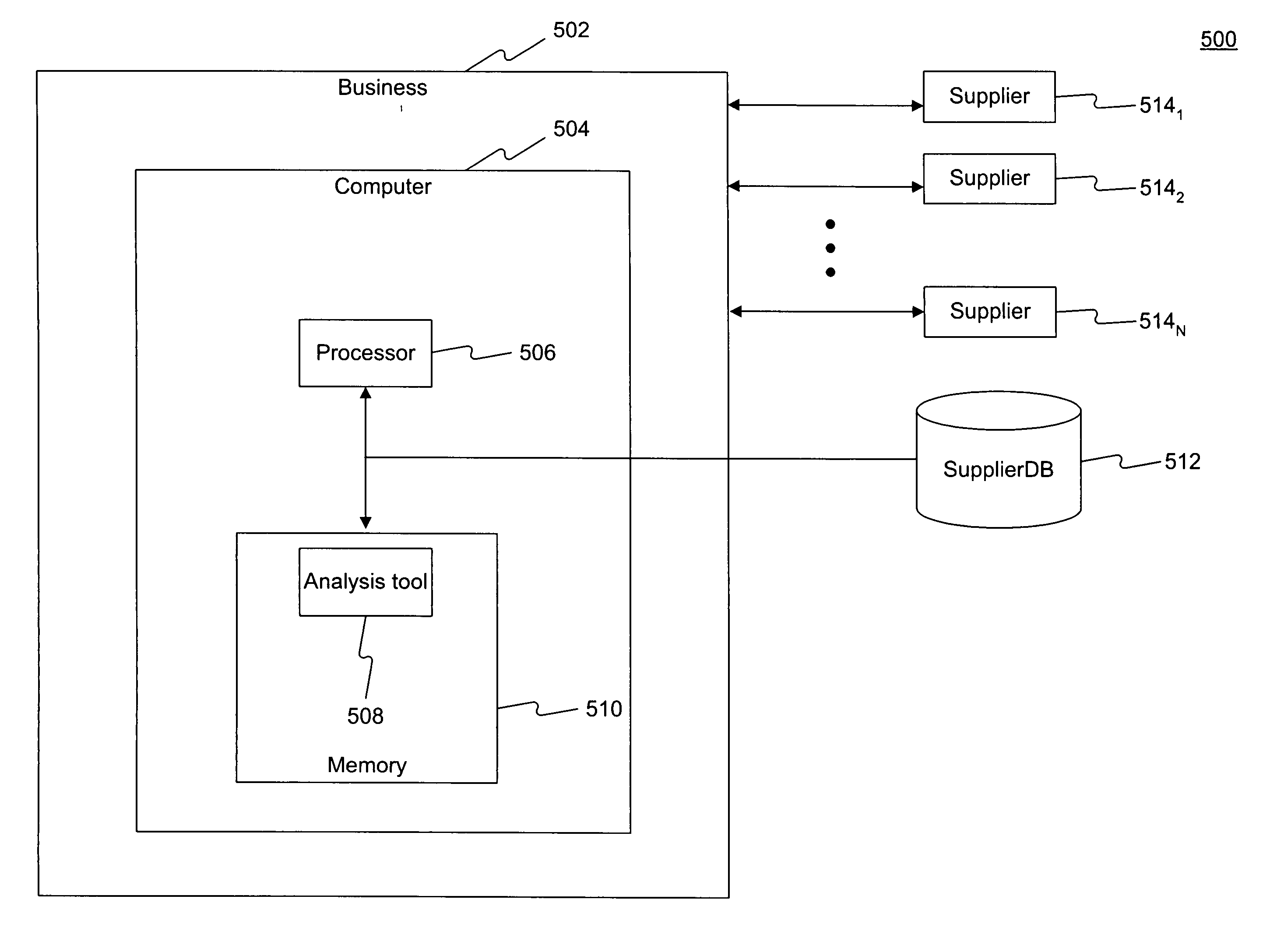
- A process and system for measuring and managing supplier quality throughout the product or service life cycle, including both pre-deployment and post-deployment phases, using customer satisfaction surveys and generating organization-level scores and reports that incorporate quantitative and qualitative data, logistics measurements, and contract compliance, to provide a comprehensive assessment of supplier accountability.


System and method for evaluating supplier performance in a supply chain
PatentActiveUS20060053063A1
Innovation
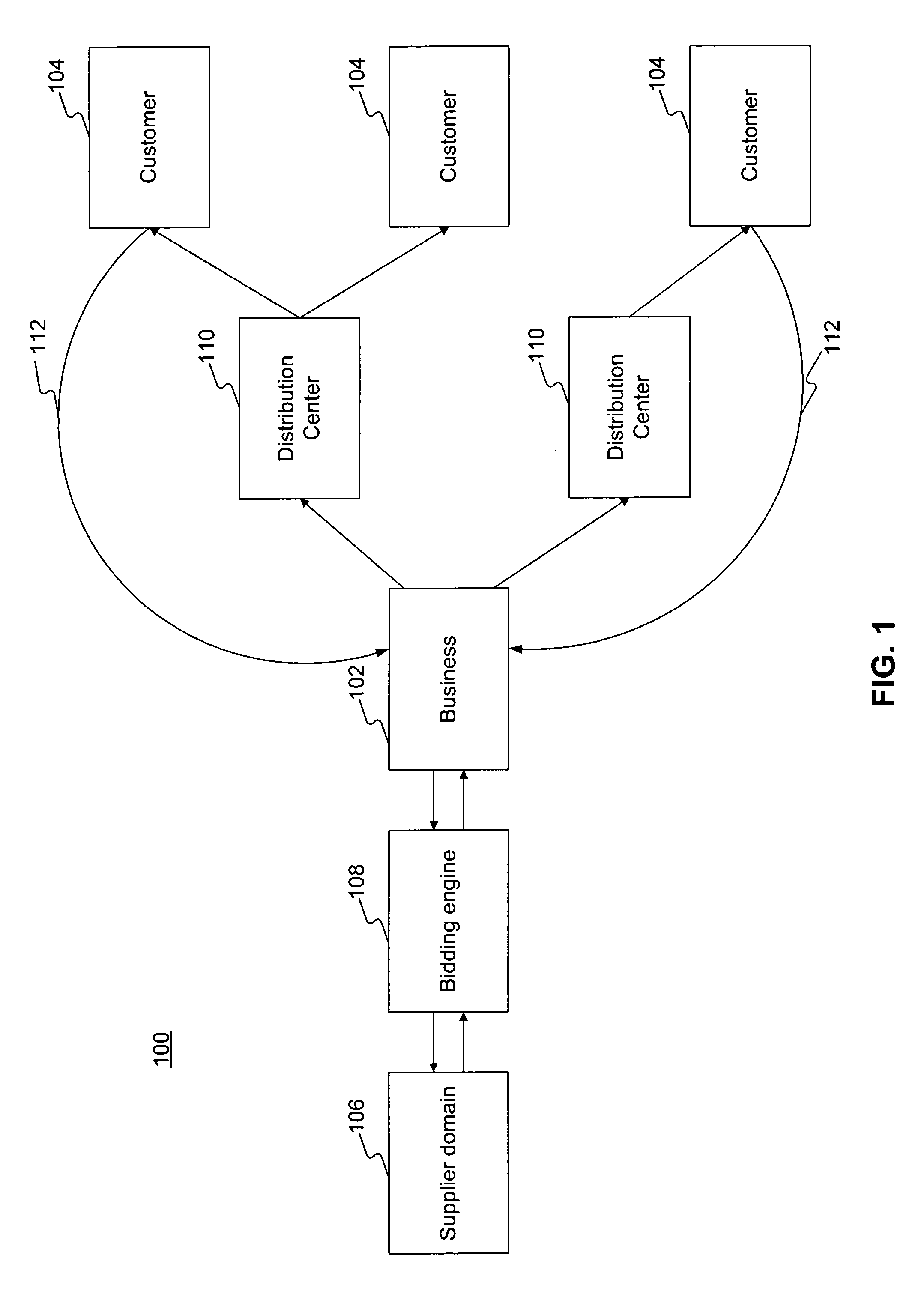
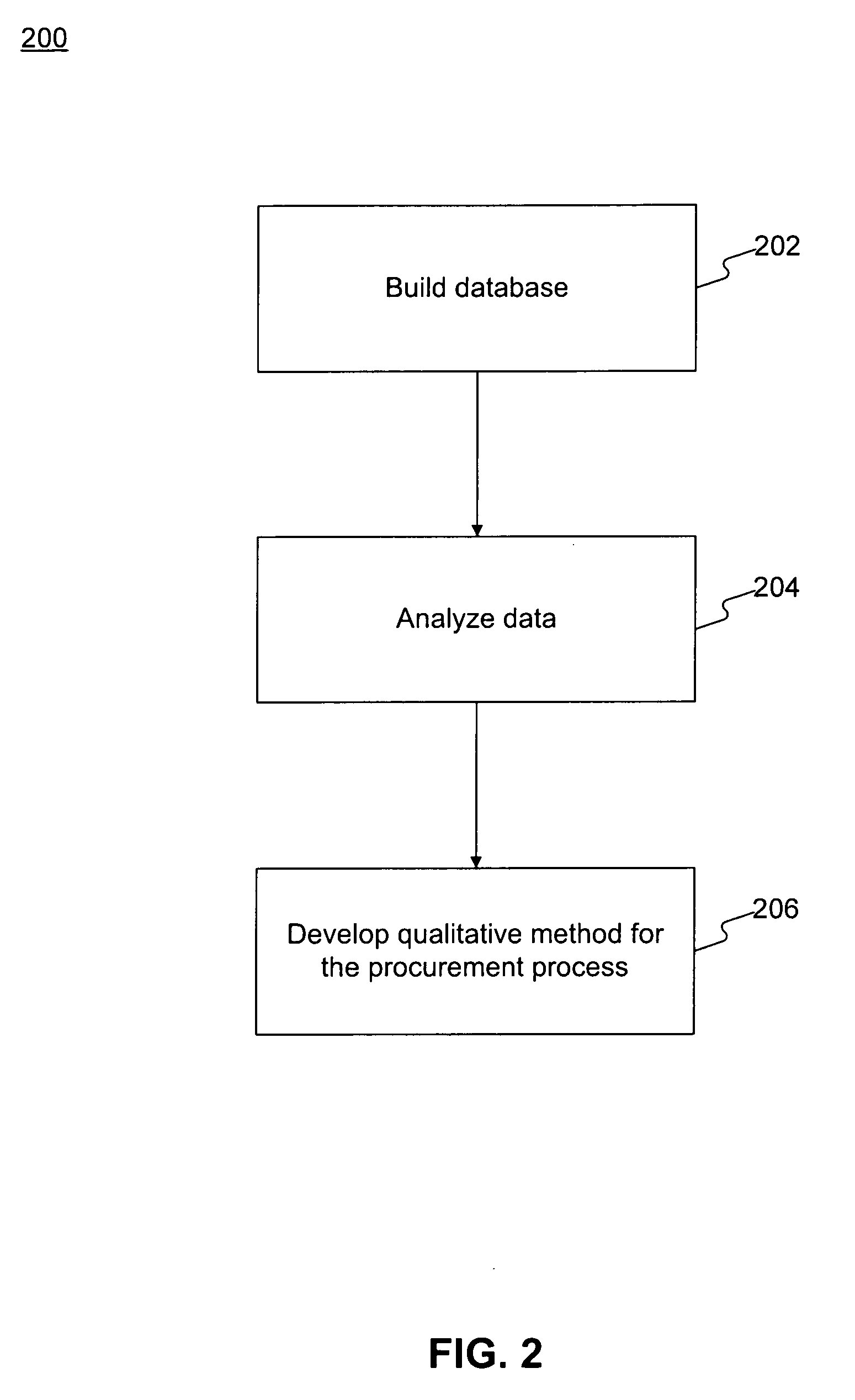
- A computer-implemented method and system for selecting suppliers based on performance attributes, assigning weights to these attributes, determining overall importance values, and allocating customer demand using a qualitative model that integrates historical data and supplier performance information.

Data Privacy Regulations in AI Supplier Management
The implementation of AI-driven supplier performance quantification systems operates within a complex regulatory landscape that varies significantly across global jurisdictions. The European Union's General Data Protection Regulation (GDPR) establishes the most stringent framework, requiring explicit consent for data processing and mandating data minimization principles. Organizations must ensure that supplier performance data collection serves legitimate business interests while respecting individual privacy rights.
In the United States, sector-specific regulations such as the California Consumer Privacy Act (CCPA) and emerging federal AI governance frameworks create additional compliance requirements. These regulations particularly impact how organizations collect, process, and store supplier-related data, including employee information, operational metrics, and performance indicators that may contain personally identifiable information.
Cross-border data transfer restrictions pose significant challenges for multinational organizations implementing AI supplier management systems. The EU-US Data Privacy Framework and Standard Contractual Clauses provide mechanisms for lawful data transfers, but organizations must implement appropriate technical and organizational measures to ensure compliance. This includes encryption protocols, access controls, and audit trails for all supplier performance data processing activities.
Emerging AI-specific regulations, such as the EU AI Act, introduce additional requirements for high-risk AI applications in supply chain management. Organizations must conduct conformity assessments, implement risk management systems, and maintain detailed documentation of AI model training data and decision-making processes. These requirements directly impact the design and deployment of AI systems used for supplier performance quantification.
Data localization requirements in countries like Russia, China, and India further complicate global supplier management initiatives. Organizations must navigate varying definitions of personal data, different consent mechanisms, and distinct data retention requirements while maintaining consistent supplier performance measurement capabilities across their global operations.
The regulatory landscape continues evolving rapidly, with new legislation emerging in jurisdictions worldwide. Organizations must establish robust compliance frameworks that can adapt to changing requirements while maintaining the effectiveness of their AI-driven supplier performance systems.
In the United States, sector-specific regulations such as the California Consumer Privacy Act (CCPA) and emerging federal AI governance frameworks create additional compliance requirements. These regulations particularly impact how organizations collect, process, and store supplier-related data, including employee information, operational metrics, and performance indicators that may contain personally identifiable information.
Cross-border data transfer restrictions pose significant challenges for multinational organizations implementing AI supplier management systems. The EU-US Data Privacy Framework and Standard Contractual Clauses provide mechanisms for lawful data transfers, but organizations must implement appropriate technical and organizational measures to ensure compliance. This includes encryption protocols, access controls, and audit trails for all supplier performance data processing activities.
Emerging AI-specific regulations, such as the EU AI Act, introduce additional requirements for high-risk AI applications in supply chain management. Organizations must conduct conformity assessments, implement risk management systems, and maintain detailed documentation of AI model training data and decision-making processes. These requirements directly impact the design and deployment of AI systems used for supplier performance quantification.
Data localization requirements in countries like Russia, China, and India further complicate global supplier management initiatives. Organizations must navigate varying definitions of personal data, different consent mechanisms, and distinct data retention requirements while maintaining consistent supplier performance measurement capabilities across their global operations.
The regulatory landscape continues evolving rapidly, with new legislation emerging in jurisdictions worldwide. Organizations must establish robust compliance frameworks that can adapt to changing requirements while maintaining the effectiveness of their AI-driven supplier performance systems.
ROI Assessment Framework for AI Supplier Solutions
The establishment of a comprehensive ROI assessment framework for AI supplier solutions requires a multi-dimensional approach that captures both quantitative and qualitative value drivers. This framework serves as the cornerstone for evaluating the financial viability and strategic impact of implementing artificial intelligence technologies in supplier performance management systems.
The primary financial metrics within this framework encompass direct cost savings, operational efficiency gains, and revenue enhancement opportunities. Direct cost savings typically manifest through reduced procurement costs, minimized supplier-related risks, and decreased manual oversight requirements. These savings can be quantified by comparing pre-implementation baseline costs against post-deployment operational expenses across defined measurement periods.
Operational efficiency improvements represent another critical component, measured through key performance indicators such as supplier evaluation cycle time reduction, automated compliance monitoring accuracy, and enhanced decision-making speed. These metrics translate into tangible cost avoidances and productivity gains that contribute significantly to the overall ROI calculation.
The framework incorporates risk mitigation value, which quantifies the financial impact of preventing supplier-related disruptions, quality issues, and compliance violations. This component often represents substantial hidden value that traditional ROI calculations might overlook, yet proves crucial for comprehensive assessment accuracy.
Implementation costs must be thoroughly accounted for, including initial software licensing, system integration expenses, staff training investments, and ongoing maintenance requirements. The framework establishes clear cost allocation methodologies to ensure accurate total cost of ownership calculations throughout the solution lifecycle.
Time-based value recognition forms another essential element, acknowledging that AI supplier solutions typically demonstrate increasing returns over time as machine learning algorithms improve and organizational adoption matures. The framework incorporates progressive value scaling factors to reflect this characteristic improvement trajectory.
Finally, the assessment methodology includes sensitivity analysis capabilities to evaluate ROI performance under various market conditions and implementation scenarios, providing stakeholders with comprehensive risk-adjusted return projections that support informed investment decisions.
The primary financial metrics within this framework encompass direct cost savings, operational efficiency gains, and revenue enhancement opportunities. Direct cost savings typically manifest through reduced procurement costs, minimized supplier-related risks, and decreased manual oversight requirements. These savings can be quantified by comparing pre-implementation baseline costs against post-deployment operational expenses across defined measurement periods.
Operational efficiency improvements represent another critical component, measured through key performance indicators such as supplier evaluation cycle time reduction, automated compliance monitoring accuracy, and enhanced decision-making speed. These metrics translate into tangible cost avoidances and productivity gains that contribute significantly to the overall ROI calculation.
The framework incorporates risk mitigation value, which quantifies the financial impact of preventing supplier-related disruptions, quality issues, and compliance violations. This component often represents substantial hidden value that traditional ROI calculations might overlook, yet proves crucial for comprehensive assessment accuracy.
Implementation costs must be thoroughly accounted for, including initial software licensing, system integration expenses, staff training investments, and ongoing maintenance requirements. The framework establishes clear cost allocation methodologies to ensure accurate total cost of ownership calculations throughout the solution lifecycle.
Time-based value recognition forms another essential element, acknowledging that AI supplier solutions typically demonstrate increasing returns over time as machine learning algorithms improve and organizational adoption matures. The framework incorporates progressive value scaling factors to reflect this characteristic improvement trajectory.
Finally, the assessment methodology includes sensitivity analysis capabilities to evaluate ROI performance under various market conditions and implementation scenarios, providing stakeholders with comprehensive risk-adjusted return projections that support informed investment decisions.
Unlock deeper insights with Patsnap Eureka Quick Research — get a full tech report to explore trends and direct your research. Try now!
Generate Your Research Report Instantly with AI Agent
Supercharge your innovation with Patsnap Eureka AI Agent Platform!